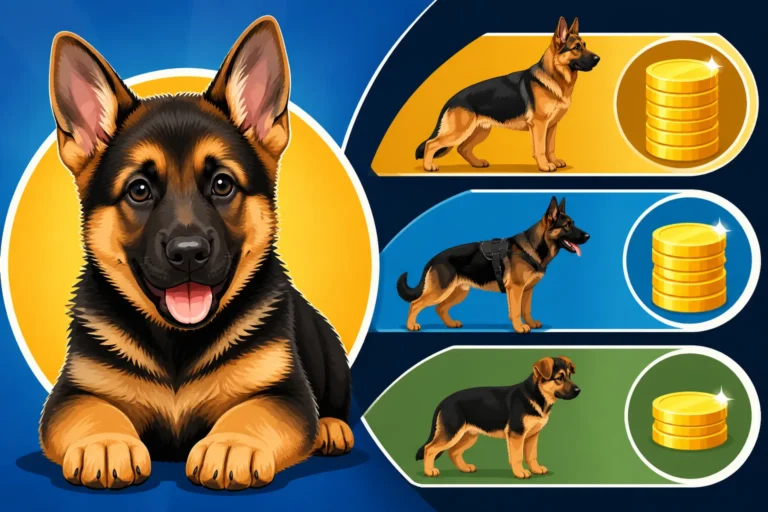
Panda German Shepherd Price: What to Expect
Navigating the world of German Shepherds can be an incredibly rewarding journey, but when you stumble upon terms like "Panda German Shepherd," it can throw you for a loop. Many prospective owners are captivated by their striking appearance but quickly find themselves confused about their true nature, whether they're a separate breed, and most importantly, what kind of price tag comes with such a unique dog. This guide is here to cut through the myths and give you a realistic, in-depth look at what to expect when it comes to the cost and considerations of welcoming a Panda German Shepherd into your family.
Understanding the Panda German Shepherd Phenomenon
When you first see a picture of a Panda German Shepherd, it's easy to be instantly captivated. Their distinct white markings, often on the chest, face, and paws, stand in stark contrast to the typical black and tan, sable, or solid black coats we usually associate with the breed. This unique look has generated a lot of buzz, but also a fair bit of misunderstanding.
What Exactly is a Panda German Shepherd?
Let's clear the air right away: a Panda German Shepherd is not a separate breed of dog, nor is it a mix. It's a purebred German Shepherd that exhibits a rare genetic trait called piebaldism, which results in the white patches. Unlike standard white German Shepherds, which are solid white and can be registered with the AKC (though not shown in conformation), Panda German Shepherds have a tri-color appearance with specific white markings on a colored coat.
This particular color pattern originated from a single German Shepherd, Lewcink's Franka von Phenom, born in 2000. Her sudden appearance with these unique markings led to extensive genetic testing, confirming she was indeed a purebred German Shepherd with no other breeds in her lineage. The white is caused by a dominant piebald gene that spontaneously appeared, and it's what sets them apart visually from any other color variation. Because it's a spontaneous mutation and not a traditional color, it's considered controversial in some purist circles and is not recognized in breed standards by major kennel clubs like the AKC for show purposes. However, they are still fundamentally German Shepherds in every other aspect – their temperament, intelligence, and physical build.
The Genetic Basis for Their Unique Appearance
The piebald gene, or spotted gene, is responsible for the unpigmented white areas on a dog's coat. In most dog breeds, this gene exists and can produce various white patterns, from Irish spotting (like a Boxer's white chest) to extreme piebaldism (like a Dalmatian). For German Shepherds, a breed typically known for its solid or bi-color patterns, the emergence of a piebald gene was a surprise.
The specific genetic mutation in Panda German Shepherds is known as the KIT gene mutation. It's a dominant gene, meaning only one copy is needed for the dog to display the white markings. This means that if one parent is a Panda German Shepherd, there's a 50% chance each puppy in the litter could inherit the unique markings. It’s important to understand that these white markings are not related to albinism and do not inherently cause health problems, as some might mistakenly believe. They are merely a cosmetic variation. However, because this is a relatively new and unique genetic expression within the breed, responsible breeders take extra care to ensure their breeding dogs are healthy and free from common German Shepherd genetic issues. This ties into the broader topic of German Shepherd Genetic Health Testing, which is crucial for any GSD owner.
Factors Influencing Panda German Shepherd Pricing
When you start looking for a Panda German Shepherd, you'll quickly notice that their price can vary significantly. This isn't just about their unique look; several critical factors come into play, reflecting the breeder's dedication, the dog's lineage, and market demand.
Breeder Reputation and Ethical Practices
The most significant factor influencing the price of any German Shepherd, and especially a rare variant like the Panda, is the reputation and ethical practices of the breeder. A responsible breeder isn't just someone who produces puppies; they are guardians of the breed, dedicated to health, temperament, and adherence to high standards. These breeders invest heavily in their dogs long before puppies are even conceived.
They perform extensive health screenings on both parent dogs, including tests for common issues like German Shepherd Hip Dysplasia Explained and German Shepherd Elbow Dysplasia: Symptoms and Treatment, and genetic tests for conditions like Degenerative Myelopathy. They provide excellent prenatal care for the mother and raise the puppies in a stimulating, clean environment, focusing on early socialization. All of this comes at a cost, which is reflected in the puppy's price. Breeders who cut corners, don't perform health clearances, or offer "designer" puppies at suspiciously low prices often operate puppy mills or backyard breeding operations, which you should avoid at all costs. This is why knowing How to Find a Reputable German Shepherd Breeder is paramount.
Pedigree and Health Clearances
A solid pedigree, indicating a line of healthy, well-tempered ancestors, significantly impacts a puppy's price. For Panda German Shepherds, while the specific color isn't a show standard, a strong lineage of working or show line German Shepherds known for their health and stable temperaments is still highly desirable. Buyers are looking for dogs that are structurally sound, intelligent, and possess the classic German Shepherd traits, regardless of their white markings.
Health clearances are non-negotiable for any reputable breeder. This isn't just about an initial vet check; it involves certifications from organizations like the Orthopedic Foundation for Animals (OFA) or PennHIP for hips and elbows, as well as genetic testing for hereditary diseases. These clearances cost money and are vital to ensuring you bring home a healthy puppy with the best possible start in life. A puppy from parents with full health clearances will invariably be more expensive than one without, and for good reason—it significantly reduces the risk of expensive health problems down the line. You can learn more about specific health concerns in our German Shepherd Health Problems Guide.
Location and Demand
Just like real estate, the cost of a Panda German Shepherd can be influenced by geographic location. Breeders in areas with a higher cost of living or regions where there is a strong demand for unique German Shepherd variants might charge more. Conversely, in areas with fewer reputable breeders or less public awareness of Panda German Shepherds, prices might differ.
Demand plays a huge role. Because Panda German Shepherds are rare and visually striking, there's a niche market for them. If a breeder consistently produces healthy, well-socialized puppies with desirable Panda markings, they might have a waiting list, allowing them to command a higher price. This rarity and demand contribute to their cost being generally higher than a conventionally marked German Shepherd puppy from a similar quality breeder.
What You Can Expect to Pay for a Panda German Shepherd
So, let's get down to the numbers. While exact figures can fluctuate, we can give you a pretty good idea of the investment involved in bringing home a Panda German Shepherd.
Average Price Ranges
Generally, a Panda German Shepherd puppy from a reputable breeder can range anywhere from $2,500 to $5,000. This range reflects all the factors we just discussed: the breeder's investment in health testing, quality care, socialization, and the rarity of the specific markings.
Some might even be priced higher, especially if they come from exceptional lines with extensive titles or very particular markings. Be wary of puppies priced significantly lower than this range (e.g., under $1,500) from sources claiming to be purebred Panda German Shepherds. This is a common red flag for backyard breeders or puppy mills who often skip crucial health testing and provide inadequate care, leading to potential health and behavioral issues later on. Remember, a higher initial cost for a well-bred puppy often saves you thousands in vet bills and training expenses in the long run. Our guide on German Shepherd Puppy Price Explained delves into this further.
Breakdown of Potential Initial Costs
The purchase price of the puppy is just the first expense. There are several other initial costs you'll incur right after bringing your new Panda German Shepherd home.
- Vaccinations and Deworming: Even if the breeder starts these, your puppy will need follow-up shots. Expect to pay a few hundred dollars for the initial series. You can learn more about a typical German Shepherd Vaccination Schedule.
- Spay/Neuter: Unless you plan to breed (and are fully educated and prepared for the responsibilities), spaying or neutering is a crucial expense, usually ranging from $200-$800 depending on location and vet.
- Crate: A sturdy, large crate is essential for training and safety, costing $100-$300.
- Food and Bowls: Quality large-breed puppy food (like options you can find on Chewy) is critical for proper growth, plus food and water bowls, costing $50-$100+ initially.
- Collar, Leash, and ID Tags: Essentials for daily walks and identification, typically $30-$80.
- Toys and Chews: German Shepherds are active chewers and need mental stimulation. Budget $50-$150 for a variety of durable toys.
- Training Classes: Puppy classes are highly recommended for socialization and basic obedience, often $150-$300 for a beginner course.
These initial costs easily add another $500 to $1,500 on top of the puppy's purchase price.
Comparing Costs: Breeder vs. Rescue
While finding a purebred Panda German Shepherd in a rescue might be exceptionally rare due to their specific genetic origin, it's not entirely impossible if circumstances lead to one needing a new home. Adoption fees from reputable German Shepherd rescues typically range from $250 to $700. This fee often includes initial vaccinations, deworming, microchipping, and sometimes even spay/neuter surgery.
The primary benefit of adopting is the significantly lower upfront cost, and you're providing a deserving dog with a second chance. However, you might not get a puppy, and the dog's full history or precise genetic background might be less known. While the focus here is on the Panda coloration, remember that many wonderful German Shepherds, regardless of color, are in need of homes.
Beyond the Purchase Price: Ongoing Ownership Costs
The initial price of your Panda German Shepherd is just the down payment on a long-term commitment. The true financial picture comes into view when you consider the ongoing costs of owning such a magnificent breed. You can also explore the comprehensive Cost of Owning a German Shepherd Per Year for a broader perspective.
Food and Nutrition
German Shepherds are large, active dogs, and they eat a lot! Quality nutrition is paramount for their health, growth, and energy levels. Expect to spend $70 to $150 per month on premium large-breed dog food. The exact cost will depend on the brand, whether you choose kibble, raw, or fresh options, and your dog's activity level. Brands like those found on Chewy offer a vast selection, from high-quality kibbles to specialty diets. For those interested in fresh dog food, services like Ollie provide pre-portioned, human-grade meals that can contribute greatly to your dog's vitality, though at a higher price point (typically $150-$300+ per month for a large GSD).
Feeding a German Shepherd puppy also comes with its own considerations, as they require specific nutrients for healthy bone and joint development. Our German Shepherd Puppy Feeding Schedule can offer more guidance.
Veterinary Care and Insurance
Routine veterinary care is essential to keep your Panda German Shepherd healthy. Annual check-ups, booster vaccinations, parasite prevention (flea, tick, heartworm), and dental care can cost $300 to $800+ per year. This doesn't include unexpected illnesses or emergencies. German Shepherds are prone to certain health conditions, such as hip and elbow dysplasia, bloat, and degenerative myelopathy. Addressing these can quickly run into thousands of dollars.
This is where pet insurance becomes a critical consideration. Companies like Healthy Paws offer various plans that can cover a significant portion of veterinary bills for accidents, illnesses, and even some emergency treatments, providing invaluable peace of mind. Many owners find that the monthly premium, typically $40-$80 for a German Shepherd, is a worthwhile investment against potentially devastating financial shocks.
Training, Grooming, and Supplies
- Training: While initial puppy classes are a great start, ongoing training and mental stimulation are vital for a German Shepherd's well-being. This could include advanced obedience classes, sport training (like agility or protection work), or simply investing in new puzzle toys. Budget $50-$200 annually for training-related expenses.
- Grooming: German Shepherds have a thick double coat that sheds extensively. Regular brushing is a must to manage the shedding and keep their coat healthy. While you can do most grooming at home (brushes, shampoo, nail clippers – initial cost $50-$150), professional grooming for deshedding or nail trims might be needed, costing $50-$100 per session, a few times a year. You might want to read our article on German Shepherd Shedding: How to Manage It.
- Supplies: Ongoing costs for things like poop bags, replacement toys, treats, and occasional new beds or blankets add up. Expect to spend $30-$70 per month on these consumables.
Here's a table summarizing potential costs:
| Category | Initial (One-time) Cost | Ongoing (Monthly/Annual) Cost | Notes |
|---|---|---|---|
| Puppy Price | $2,500 – $5,000 | N/A | Varies by breeder, pedigree, health clearances. |
| Initial Vet Care | $200 – $500 | $300 – $800 (Annual) | Vaccinations, deworming, initial check-ups. Annual exams, parasite prevention. |
| Spay/Neuter | $200 – $800 | N/A | Essential unless breeding responsibly. |
| Crate & Bedding | $100 – $300 | $50 – $150 (Annual for replacements) | Sturdy crate, comfortable bedding. |
| Food & Bowls | $50 – $100 | $70 – $150 (Monthly) | High-quality large-breed food. Can increase for fresh/raw diets. |
| Leash, Collar, Tags | $30 – $80 | $20 – $50 (Annual for replacements) | Essentials for walks and identification. |
| Toys & Chews | $50 – $150 | $30 – $70 (Monthly) | Durable toys are a must for German Shepherds. |
| Training | $150 – $300 (Puppy classes) | $50 – $200 (Annual for advanced) | Obedience classes, specialty training, mental enrichment. |
| Grooming Supplies | $50 – $150 | $10 – $30 (Monthly) / $100-$200 (Annual Pro) | Brushes, shampoo, nail clippers. Professional deshedding or nail trims. |
| Pet Insurance | N/A | $40 – $80 (Monthly) | Highly recommended for German Shepherds due to potential health issues. |
| Miscellaneous | $100 – $200 | $20 – $50 (Monthly) | Poop bags, cleaning supplies, unexpected items. |
| TOTAL (Year 1 Est.) | $3,630 – $7,860 (excluding puppy) | $1,400 – $3,600+ (annual recurring) | These are estimates; individual costs will vary. |
Owning a Panda German Shepherd, or any German Shepherd for that matter, is a significant financial undertaking. However, for those prepared for the commitment, the loyalty, intelligence, and companionship these dogs offer are truly priceless.
Disclaimer
This article is for general informational purposes only and does not constitute professional advice. Laws, prices and regulations vary by location and change over time. Consult a qualified professional for guidance on your specific situation.