How Much Is a Protection German Shepherd
Many people consider bringing a German Shepherd into their home, often captivated by their intelligence, loyalty, and their powerful presence. It's a natural leap to then consider them for personal or family protection. However, the idea of owning a "protection German Shepherd" comes with a significant financial reality that often surprises prospective owners. This guide will delve deep into the costs associated with acquiring and maintaining a truly trained protection German Shepherd, ensuring you understand the full scope of this significant investment.
Understanding What "Protection German Shepherd" Truly Means
Before we talk numbers, it's crucial to understand what we're actually referring to when we say "protection German Shepherd." This isn't just a dog that barks at strangers or looks intimidating. A true protection dog is a highly specialized animal with extensive training, and this distinction is paramount to understanding the costs involved.
Defining Different Levels of Protection Training
The term "protection dog" is often used broadly, but there are distinct categories that dictate the level of training, and consequently, the price tag. It's not a one-size-fits-all situation.
A basic "guard dog" might be one that's naturally territorial and barks to alert you to intruders. While valuable, this level of training doesn't involve controlled aggression or specific bite work. Then you have personal protection dogs, which are trained to actively defend their handler or family on command. This involves complex obedience, bite work, and the crucial "out" command – meaning the dog releases the bite immediately when told. This level of control and reliability is what makes these dogs so valuable, and so expensive. Beyond personal protection, you'll find dogs trained for specific roles like police K9s or military working dogs, which undergo even more rigorous and specialized training for tasks such as apprehension, narcotics detection, or explosive ordnance disposal. These elite dogs are in a league of their own in terms of both skill and cost.
The Difference Between Instinctual Guarding and Trained Protection
Almost any dog can possess a natural guarding instinct. They might bark when someone approaches your door, or show apprehension around strangers, especially if they perceive a threat to their family. This is an innate behavior rooted in their pack mentality and territoriality. German Shepherds, with their strong loyalty and discerning nature, often exhibit these traits naturally, which contributes to their reputation.
However, a truly trained protection dog goes far beyond instinct. It's about channeling that natural drive and turning it into a controlled, predictable, and effective defense mechanism. An untrained dog might react inappropriately, biting the wrong person, or failing to release when the threat is gone, potentially creating more problems than it solves. A trained protection dog, on the other hand, understands commands, reads situations, and acts under strict handler control. They are trained to engage a threat aggressively only when necessary, and to cease engagement instantly when commanded. This rigorous and precise training is what differentiates a reliable protection companion from a potentially dangerous liability. The depth of training required is why these dogs are often seen as a significant investment in both time and money.
Factors Influencing the Cost of a Protection German Shepherd
The price of a protection German Shepherd isn't just pulled out of thin air. It's a reflection of numerous interconnected factors, each contributing to the dog's quality, capability, and reliability. Understanding these elements is key to appreciating the investment.
Breeder Quality and Bloodlines
The foundation of a good protection dog begins with its genetics. High-quality protection German Shepherds almost always come from specific working lines, rather than show lines. These working lines, often from European heritage like West German Working Lines or Czech Working Lines, are specifically bred for traits essential to protection work: strong nerves, high drive, intelligence, courage, and physical soundness. Breeders focusing on these lines invest heavily in health clearances (like OFA or PennHIP certifications to minimize risks of German Shepherd Hip Dysplasia Explained and elbow dysplasia), titling their breeding dogs in sports like IGP (formerly Schutzhund) to prove their working ability, and maintaining meticulous pedigrees.
A reputable breeder will not only ensure genetic health but also provide early socialization and puppy raising techniques that lay the groundwork for future training. You're not just buying a puppy; you're buying decades of selective breeding and a carefully nurtured start in life. The cost reflects this dedication to producing dogs with the inherent qualities necessary to excel in protection work. To learn more about selecting the right lineage, you might want to read about the differences between a Working Line vs Show Line German Shepherd.
Age and Level of Training
This is perhaps the biggest differentiator in cost. There are generally three pathways to acquiring a protection German Shepherd, and each comes with a vastly different price tag:
- Puppy with Potential: Buying a puppy from proven working lines with the potential for protection work. These puppies still need extensive training, which you would either do yourself or outsource. The initial puppy cost might be lower, but the subsequent training investment will be substantial.
- Started Dog: A dog that has undergone some foundational training, possibly basic obedience and some bite work, but isn't fully ready for protection duties. This dog still requires significant advanced training to become a reliable protection animal.
- Fully Trained Adult Protection Dog: This is the highest cost option because all the hard work, time, and expertise have already been invested. These dogs typically come with a demonstrated ability to perform protection tasks reliably under various scenarios. They are often between 2-4 years old, fully mature, and have completed their specialized training programs. You're paying for a ready-to-deploy asset.
Trainer Expertise and Program
The quality of the training makes all the difference in a protection dog. This isn't just about teaching commands; it's about shaping instinct, building confidence, and ensuring absolute control and reliability. Experienced protection dog trainers possess specialized knowledge in canine behavior, advanced obedience, bite work mechanics, scenario training, and legal considerations. Their programs are intensive, often lasting many months, and require specialized equipment, facilities, and highly skilled decoys.
A top-tier trainer's program will include extensive socialization, environmental conditioning, and proofing the dog in diverse situations to ensure it performs consistently under pressure. The longer and more specialized the training, and the more renowned the trainer, the higher the cost. You're paying for expertise that can safely and effectively develop a dog's natural abilities into a controlled protection tool, minimizing risks and maximizing effectiveness. When you're considering the investment, think about what it truly takes to How to Train a German Shepherd for this level of work.
Location and Market Demand
Just like real estate or any other specialized service, the cost of protection German Shepherds can vary significantly based on geographic location and current market demand. In regions with a high demand for personal protection dogs, or where there are only a limited number of highly reputable trainers and breeders, prices will naturally be higher.
For example, a fully trained protection dog might command a higher price in a densely populated metropolitan area like Los Angeles or New York than in a more rural area, simply due to the concentration of affluent clients and the higher operational costs for breeders and trainers. Furthermore, the global demand for top-tier working German Shepherds also plays a role, with some dogs being imported from Europe, which adds travel and import fees to the overall cost. The reputation of specific breeders and trainers can also create localized demand, driving their prices up regardless of the general market.
Breaking Down the Initial Purchase Price
Let's get down to the brass tacks: what kind of money are we talking about when you first bring a protection German Shepherd into your life? This isn't a casual purchase; it's a significant investment, often comparable to buying a new car or even a down payment on a small property.
Puppy Cost with Protection Potential
If you opt to start with a puppy from a reputable breeder specializing in working lines, the initial cost will typically range from $2,500 to $5,000. This might seem like a lot for a tiny furball, but remember, you're paying for exceptional genetics, health clearances on the parents, and the breeder's commitment to sound temperament and structure. These puppies will have parents with proven working titles and often come with a health guarantee.
However, this is just the beginning. A puppy with potential is not a protection dog. You will then need to invest in extensive training, which means either paying for professional puppy classes, advanced obedience, and then specialized protection training, or dedicating countless hours yourself if you have the expertise. The cost of a good protection training program for a puppy you buy can easily run another $15,000 to $30,000 over 1-2 years, in addition to the puppy's purchase price. So, while the initial puppy price is lower, the total investment for a fully trained adult dog you start from scratch can often exceed the cost of buying an already trained dog. For a broader perspective, you can read our guide on German Shepherd Puppy Price Explained.
Cost of a Fully Trained Adult Protection Dog
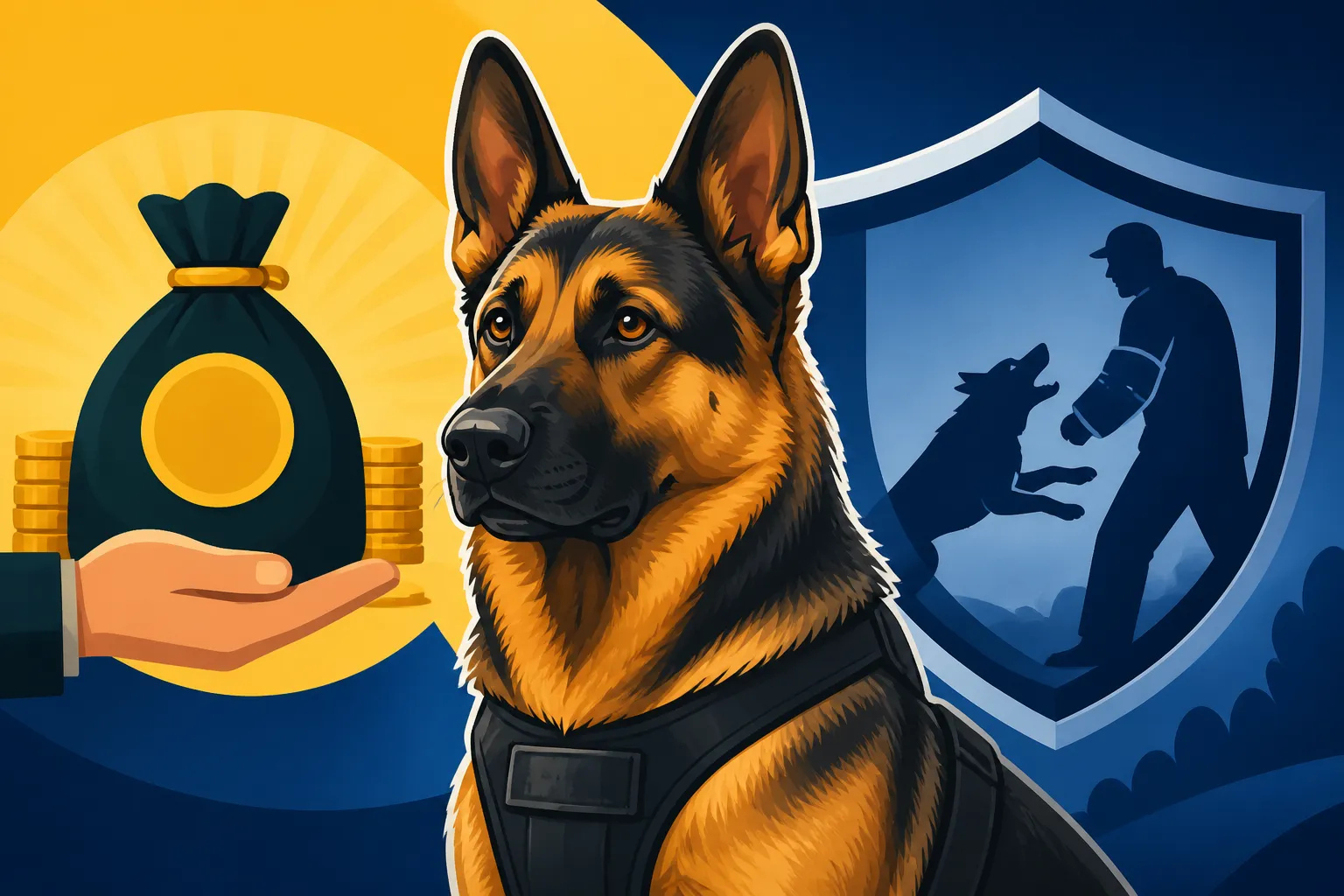
This is where the numbers often give people sticker shock, but it reflects the immense value and expertise poured into these animals. A fully trained adult protection German Shepherd, ready to integrate into your home and perform protection duties, can cost anywhere from $20,000 to $60,000. For truly elite dogs with exceptional bloodlines, advanced training, and proven performance in high-stakes environments, prices can even reach $80,000 or more.
These dogs are typically sold by specialized vendors or training facilities after undergoing years of professional development. They are usually between two and four years old, have impeccable obedience, are fully proofed in various environments, and are trained for specific protection scenarios. When you purchase a dog at this level, you're not just buying the dog; you're buying the peace of mind, the years of training, the genetic screening, and often, a warranty and ongoing support from the trainer. The price reflects the immense time, skill, and resources invested in transforming a promising puppy into a reliable, controlled protection asset.
Cost of Training a Dog You Already Own
Let's say you already have a German Shepherd puppy or young adult, and you're now considering professional protection training. The cost to put your existing dog through a specialized protection program will depend heavily on the dog's existing temperament, drives, and foundational obedience. It's not every German Shepherd that's suitable for this demanding work. Trainers will often conduct an initial evaluation to assess your dog's suitability, which may incur a small fee.
If your dog is deemed suitable, the cost for a comprehensive protection training program can range from $15,000 to $35,000, and sometimes even higher for longer or more intensive programs. This usually involves board-and-train scenarios where your dog lives with the trainer for several months, undergoing daily intensive sessions. Some trainers offer weekly private lessons, but this often requires a significant time commitment from the owner to practice and reinforce training at home. The cost covers the trainer's time, expertise, facilities, equipment, and the specialized knowledge required to safely develop a protection dog. It's crucial to understand that not all dogs will make the cut, regardless of the investment. You might also find it helpful to look into general German Shepherd Training Costs to get a baseline for different levels of training.
Here's a simplified breakdown of initial costs:
| Pathway to Ownership | Initial Dog Cost (Approx.) | Professional Training Cost (Approx.) | Total Estimated Initial Investment |
|---|---|---|---|
| Puppy (Working Line) | $2,500 – $5,000 | $15,000 – $30,000 | $17,500 – $35,000+ |
| Started Dog (Some Training) | $8,000 – $15,000 | $10,000 – $20,000 | $18,000 – $35,000+ |
| Fully Trained Adult GSD | $20,000 – $60,000+ | Minimal (Maintenance Only) | $20,000 – $60,000+ |
| Train Your Existing GSD | (Already Owned) | $15,000 – $35,000+ | $15,000 – $35,000+ |
Ongoing Costs of Owning a Protection German Shepherd
The initial purchase or training fee for a protection German Shepherd is merely the first hurdle. These dogs require consistent care, continued training, and specific provisions that add up over their lifespan, which is typically 10-12 years. Don't forget to factor in the German Shepherd Lifespan: How Long They Live when considering the total financial commitment.
Continued Training and Maintenance
A protection dog is not a "set it and forget it" asset. Their skills, particularly their advanced obedience and protection work, require regular reinforcement and proofing to maintain their sharpness and reliability. This means ongoing engagement with your trainer, refresher courses, or participation in working dog clubs.
Many owners opt for yearly "tune-up" sessions with their original trainer or attend specialized workshops, which can cost anywhere from $500 to $2,000 per year. Additionally, you'll need to invest in quality training equipment: durable leashes, specialized collars, bite sleeves (for supervised practice), and potentially even remote E-collars (used responsibly and ethically for advanced training). Neglecting this ongoing maintenance can lead to a degradation of skills, potentially rendering your expensive investment less effective and, more importantly, less safe. Maintaining their edge is a crucial part of How to Keep a German Shepherd Healthy in mind and body.
Healthcare and Nutrition
German Shepherds are large, active dogs, and their dietary and healthcare needs are substantial. A protection dog, in particular, often has higher energy requirements due to their demanding training and exercise routines. This translates to a need for high-quality dog food, rich in protein and essential nutrients. Brands like Ollie or other premium dog foods can be excellent choices, but they come at a higher price point than generic kibble. Expect to spend $80 to $150 per month on food alone, depending on the brand and your dog's activity level.
Beyond daily meals, routine veterinary care is paramount. Regular check-ups, vaccinations, parasite prevention, and dental care are standard for all dogs. However, German Shepherds are predisposed to certain genetic conditions, such as hip and elbow dysplasia, bloat, and degenerative myelopathy. While good breeding practices reduce risk, these issues can still arise. Supplements for joint health, like glucosamine and chondroitin, are often recommended, especially for active working dogs. An annual vet bill could easily range from $500 to $1,000, not including emergencies. This is where pet insurance, from providers like Healthy Paws, can be a lifesaver, helping to offset the potentially enormous costs of unexpected illnesses or injuries. Consider checking out our in-depth guide on German Shepherd Annual Vet Bill Breakdown for more detailed insights.
Insurance and Liability
This is a critical, often overlooked cost associated with protection dogs. Because German Shepherds, especially those with protection training, are perceived as higher risk by some insurance providers, finding appropriate homeowner's insurance can be challenging or more expensive. Some standard policies may exclude certain breeds or require specific riders for protection dogs. It's essential to disclose your dog's breed and training to your insurance company.
Beyond homeowner's insurance, you might consider specific liability insurance for your dog. This protects you in the unlikely event your dog causes injury or damage. The cost for these specialized policies varies but can add several hundred dollars to your annual expenses. It’s an investment in protecting yourself and your assets, which is paramount when owning a dog with such capabilities. You might also ask yourself, Is Pet Insurance Worth It for a German Shepherd?
Everyday Care and Equipment
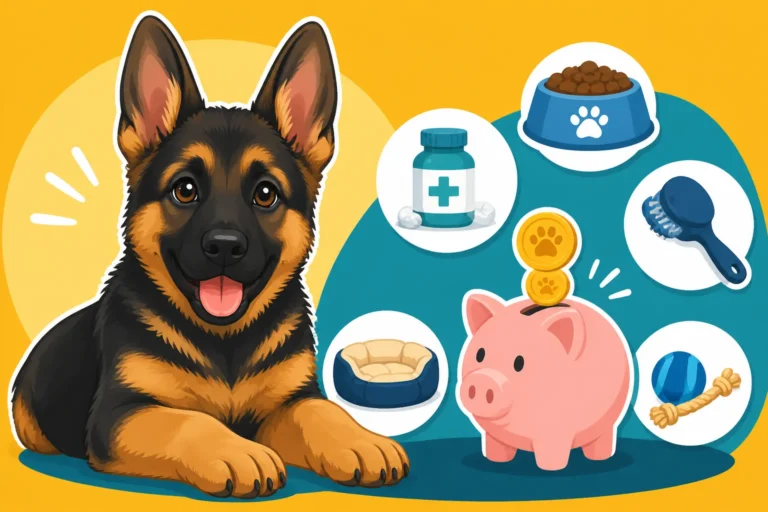
Just like any beloved pet, a protection German Shepherd requires everyday essentials. This includes durable toys (they're often strong chewers!), beds, grooming supplies (especially during heavy shedding seasons, see German Shepherd Shedding: How to Manage It), and potentially crates or kennels. Given their intelligence and drive, they also thrive on mental stimulation, so puzzle toys and enrichment activities are a must. Buying these items from reputable online retailers like Chewy can often provide good value and selection.
Furthermore, German Shepherds need a substantial amount of exercise to stay physically and mentally healthy. This could mean daily long walks, runs, or engaging in activities like agility or flirt pole play. If your lifestyle doesn't allow for this, you might need to budget for professional dog walkers or doggy daycare, adding another $50 to $200 per month to your costs. The phrase "a tired German Shepherd is a good German Shepherd" holds particularly true for these high-drive animals. Understanding their German Shepherd Exercise Requirements is fundamental to their well-being.
Disclaimer
This article is intended for informational purposes only and does not constitute professional veterinary, training, or financial advice. Always consult with qualified professionals for specific guidance regarding your German Shepherd's health, training, and financial planning. The costs mentioned are estimates and can vary significantly based on location, quality of services, and individual circumstances.