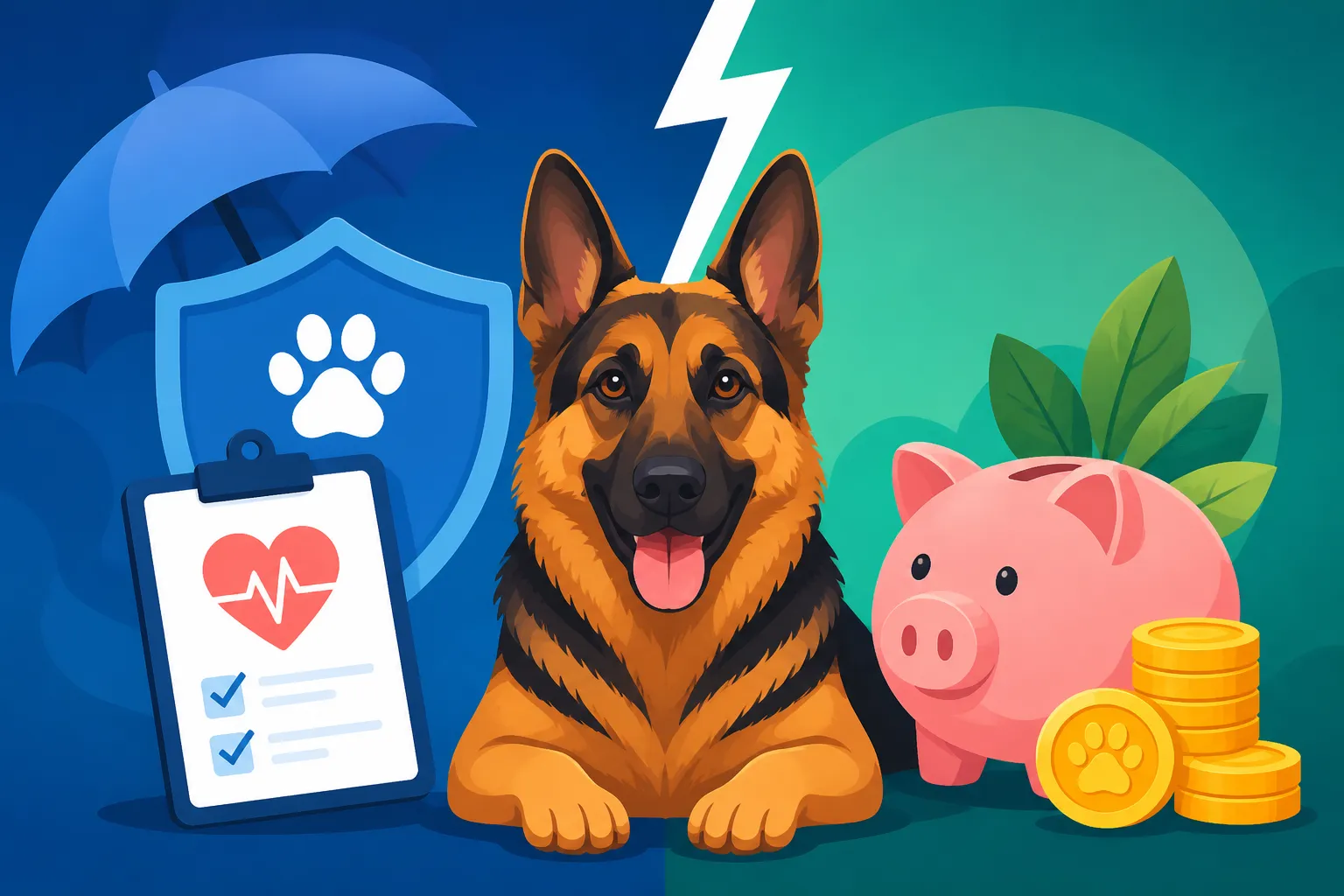
German Shepherd Insurance vs Savings Fund
It’s a universally acknowledged truth among German Shepherd owners: while these majestic dogs bring immeasurable joy, they also come with a significant financial commitment, especially when unexpected health issues arise. The thought of a sudden emergency vet bill can be truly terrifying, leaving you torn between providing the best possible care for your beloved companion and the harsh reality of your budget. This comprehensive guide will meticulously explore two primary ways to prepare for these costs: dedicated pet insurance and a self-funded savings account, helping you weigh the pros and cons for your German Shepherd.
Understanding the Financial Landscape of German Shepherd Ownership
Owning a German Shepherd is an incredible experience, but it’s vital to understand the financial responsibilities that come with these magnificent animals. They're a large, active breed, and while generally robust, they are also predisposed to certain health conditions that can be incredibly costly to manage. Failing to plan for these expenses isn't just stressful; it can mean making heartbreaking decisions when your dog needs you most.
Common Health Concerns and Their Costs
German Shepherds are, unfortunately, prone to several significant health issues that can rack up substantial veterinary bills. Hip and elbow dysplasia are almost synonymous with the breed. Imagine your active, playful puppy suddenly showing signs of lameness around 6-12 months old. A diagnosis of German Shepherd Hip Dysplasia Explained or elbow dysplasia isn't just a physical blow; it's a financial one. Treatments can range from expensive medications and physical therapy to potentially multiple surgeries, each costing thousands of dollars. A total hip replacement, for instance, can easily run upwards of $5,000 to $7,000 per hip.
Beyond orthopedic issues, German Shepherds also face higher risks for conditions like Degenerative Myelopathy (DM), a progressive neurological disease with no cure, but therapies and assistive devices can improve quality of life. Then there’s bloat, or Gastric Dilatation-Volvulus (GDV), a life-threatening emergency where the stomach twists. If your German Shepherd starts showing signs of bloat – pacing, drooling, retching, a distended abdomen – you have mere hours to get them to an emergency vet. Surgery for bloat can easily cost between $3,000 and $7,000, sometimes more, depending on complications and location. Other concerns like allergies, certain cancers, and Exocrine Pancreatic Insufficiency (EPI) also commonly affect the breed, all requiring ongoing treatment and medication that add up over time. Understanding these potential pitfalls is the first step in preparing for them. For a deeper dive, you might want to read our German Shepherd Health Problems Guide.
Why Planning for the Unexpected is Crucial
Life with a German Shepherd is full of adventures, but also unpredictable moments. A sudden accident – perhaps a torn ligament during an enthusiastic run at the dog park, or ingesting something toxic during a curious sniff around the house – can happen in an instant. These aren’t just minor inconveniences; they’re often urgent, expensive medical crises. Without a financial plan, you might find yourself scrambling for funds, applying for high-interest credit cards, or making difficult decisions based on cost rather than what's best for your dog.
Beyond the major emergencies, consider the ongoing health needs that might emerge unexpectedly. Perhaps your senior German Shepherd develops arthritis, requiring regular joint supplements, pain medication, or even advanced treatments like cold laser therapy or stem cell injections. These aren't one-time costs; they're chronic expenses that become part of your German Shepherd Senior Care Guide budget. Planning ahead removes a huge burden of stress during an already emotional time, allowing you to focus purely on your dog's recovery and comfort. It's about securing peace of mind, knowing you can say "yes" to necessary treatments without hesitation.
Deep Dive into German Shepherd Pet Insurance
Pet insurance has become an increasingly popular option for dog owners, offering a way to mitigate the financial shock of unexpected veterinary costs. It works much like human health insurance, with premiums, deductibles, and reimbursement percentages. For a breed like the German Shepherd, with its known predispositions to costly conditions, it can feel like a lifeline.
How Pet Insurance Works for German Shepherds
When you enroll your German Shepherd in a pet insurance plan, you typically pay a monthly or annual premium. In exchange, the insurance company agrees to reimburse you for a percentage of covered veterinary expenses after you've met your deductible. The process usually involves paying your vet directly at the time of service, then submitting a claim to your insurance provider for reimbursement. For example, if your German Shepherd suddenly needs surgery for an injury, and your plan has an 80% reimbursement rate and a $250 deductible, you'd pay the full vet bill initially. Once your deductible is met (which might happen on that first bill), the insurance company would then send you a check for 80% of the remaining approved costs.
It’s crucial to understand that pet insurance generally does not cover pre-existing conditions. This means if your German Shepherd was diagnosed with hip dysplasia before you enrolled them, that specific condition likely won't be covered by your policy. This is why many experts recommend insuring your German Shepherd as a puppy, before any conditions have a chance to develop. Reputable providers like Healthy Paws are transparent about what they cover and what they exclude, so always read the policy details carefully. Coverage can also vary significantly based on your chosen plan, with options for accident-only, accident and illness, or comprehensive plans that might include wellness benefits.
Types of Coverage and What They Include
Pet insurance isn't a one-size-fits-all solution; there are several types of plans tailored to different needs and budgets.
- Accident-Only Plans: These are the most basic and typically the most affordable. They cover unexpected injuries like broken bones, lacerations, poisoning, or being hit by a car. They do not cover illnesses or chronic conditions. If your German Shepherd were to swallow a foreign object requiring emergency surgery, this type of plan would kick in. However, if they developed bloat, it generally wouldn't be covered as bloat is considered an illness.
- Accident & Illness Plans: This is the most common type of coverage. It includes everything in an accident-only plan, plus coverage for illnesses such as infections, cancer, diabetes, allergies, and hereditary conditions like hip and elbow dysplasia, as long as they aren't pre-existing. This comprehensive option is what most German Shepherd owners opt for, given the breed's predispositions. These plans often cover diagnostics (X-rays, blood tests), hospitalization, surgery, emergency care, and prescription medications.
- Wellness Add-Ons: Some providers offer optional wellness plans or riders that can be added to accident and illness policies. These are designed to help with routine care costs like annual exams, vaccinations, heartworm prevention, and sometimes even spaying or neutering. While helpful for budgeting, these typically have a separate fee and don't usually provide the same high reimbursement as accident and illness coverage. They act more like a discount program for predictable expenses.
When considering policies, pay close attention to the annual limits, deductibles, and reimbursement percentages offered. Some plans might have unlimited annual coverage, while others cap payouts at a certain amount per year or per condition. High deductibles mean lower premiums but more out-of-pocket costs before coverage begins, and vice-versa.
Pros and Cons of German Shepherd Insurance
Deciding whether pet insurance is right for your German Shepherd involves weighing its benefits against its drawbacks.
Pros of Pet Insurance:
- Financial Security for Major Incidents: This is arguably the biggest benefit. Knowing that a significant portion of a $5,000 emergency surgery for bloat or a $7,000 hip replacement might be reimbursed provides immense peace of mind. Without insurance, these costs can be financially devastating.
- Focus on Care, Not Cost: In a crisis, you can make decisions based on what’s best for your German Shepherd's health, rather than agonizing over whether you can afford the treatment. This can be crucial in time-sensitive situations.
- Budgeting Predictability: While premiums are an ongoing expense, they are predictable. You know exactly what you're paying each month or year, making it easier to budget for your dog's care.
- Coverage for Hereditary Conditions: For German Shepherds, insuring them young means potential coverage for genetically predisposed conditions like dysplasia, which can save you tens of thousands of dollars over their lifetime.
- Wide Range of Coverage: Most comprehensive plans cover a vast array of services, from diagnostic tests and specialist visits to surgeries and medications.
Cons of Pet Insurance:
- Cost of Premiums: Premiums can be substantial, especially for a large breed like a German Shepherd. As your dog ages, premiums will likely increase significantly, reflecting the higher risk of illness in senior years. This can impact your overall German Shepherd Monthly Expenses Breakdown.
- Pre-Existing Conditions Exclusion: This is a major hurdle. Any illness or injury your German Shepherd had before enrolling or during the waiting period will not be covered. This makes signing up a young, healthy puppy essential for maximum benefit.
- Deductibles and Reimbursement: You still need to pay deductibles and a percentage of the bill out of pocket. If you have a $500 deductible and an 80% reimbursement rate, a $1,000 vet bill still means you’re out $200 (20% of the $1,000) plus the $500 deductible, for a total of $700, if it’s the first claim.
- Waiting Periods: All policies have waiting periods before certain coverages kick in (e.g., 14 days for illnesses, often longer for orthopedic conditions like hip dysplasia). If something happens during this time, it won't be covered.
- Administrative Hassle: Filing claims, waiting for reimbursement, and ensuring all documentation is correct can sometimes be a bit of a bureaucratic process.
- Potential for No Return: If your German Shepherd remains healthy throughout their life, you might feel like you've paid years of premiums without "getting your money's worth." However, this is the nature of insurance – it's there for the what if, not a guarantee of payout. For many, the peace of mind is worth it. For more insights into this, check out Is Pet Insurance Worth It for a German Shepherd.
The Power of a Dedicated Savings Fund for Your German Shepherd
On the flip side of pet insurance is the concept of self-insuring, which involves setting aside money specifically for your German Shepherd's veterinary needs. This approach gives you complete control over your funds and removes the complexities of insurance policies.
Building a Dedicated Emergency Fund
A dedicated savings fund for your German Shepherd's health is exactly what it sounds like: a separate bank account where you regularly deposit money that is solely earmarked for vet bills. Think of it as your "German Shepherd Rainy Day Fund." The goal is to build up a substantial balance that can cover both routine preventative care and unexpected emergencies.
To start, you need to determine a realistic savings goal. Experts often suggest aiming for at least $3,000 to $5,000 for emergency care, as this can cover many common surgeries or significant illness treatments. For a German Shepherd, considering their predisposition to very costly orthopedic issues or bloat, aiming for $7,000 to $10,000 over time might be a more prudent long-term goal. You can contribute to this fund in several ways: setting up an automatic monthly transfer from your checking account, depositing any unexpected windfalls, or even putting aside a percentage of your dog-related expenses (e.g., if you save money on a Chewy sale, put a portion of those savings into the fund). The key is consistency and discipline. This fund is not for new toys or gourmet treats from Ollie (though those are wonderful for enrichment!). It's strictly for medical care.
Advantages and Disadvantages of Self-Insuring
Opting for a savings fund means taking full financial responsibility, and this comes with its own set of pros and cons.
Advantages of a Savings Fund:
- Complete Control and Flexibility: The money is yours, always. There are no deductibles, waiting periods, claim forms, or denials for pre-existing conditions. You decide when and how to spend it. If your German Shepherd needs a specific treatment not covered by insurance, your savings fund is there.
- No Premiums or Policy Exclusions: You're not paying a monthly fee that you might never see a return on. You also don't have to worry about what is or isn't covered by a policy – as long as you have the funds, you can pay for it.
- Interest Earnings: While modest, your savings fund can accrue interest, effectively growing on its own over time.
- Multi-Purpose Use: If, by some miracle, your German Shepherd remains incredibly healthy throughout their life and you have excess funds, you can potentially use them for their German Shepherd Senior Care Guide needs, high-quality nutrition, or other long-term wellness investments. You retain full agency over the funds.
- Immediate Access: Once the money is in your account, it's immediately available to you for any vet bill, without waiting for claim processing. This can be crucial in urgent situations where upfront payment is required.
Disadvantages of a Savings Fund:
- Requires Significant Discipline: The biggest challenge is consistently saving and resisting the temptation to dip into the fund for non-emergency expenses. It also requires the discipline not to spend it if your dog remains healthy for years.
- Risk of Insufficient Funds: If a major, catastrophic event occurs early in your German Shepherd's life, before you've had a chance to build up a substantial fund, you could be left with enormous bills you can't cover. This is the primary risk of self-insuring a breed with high potential for costly conditions.
- No Cap on Out-of-Pocket Expenses: With insurance, your maximum out-of-pocket for covered conditions is generally limited by your deductible and reimbursement rate (e.g., 20% of the bill). With a savings fund, if the bill is $10,000 and you only have $5,000 saved, you're responsible for the full $10,000.
- Emotional Burden: In a crisis, if your fund isn't robust enough, the stress of funding urgent care falls entirely on you, potentially leading to difficult choices.
- Less Beneficial for High-Cost Chronic Conditions: For ongoing conditions requiring thousands of dollars in annual treatment (like certain cancers or severe chronic allergies), a savings fund needs to be continuously replenished, which can be a heavy burden compared to insurance covering a portion year after year.
Making the Right Choice for Your German Shepherd's Future
Choosing between pet insurance and a dedicated savings fund isn't straightforward. It truly depends on your personal financial situation, your risk tolerance, and your German Shepherd's individual health profile. There's no universal "best" answer, but by carefully considering all angles, you can make an informed decision.
Factors to Consider When Deciding
When you're staring down the barrel of this financial decision for your German Shepherd, here are some key areas to reflect on:
- Your Financial Comfort Level: How easily can you absorb a sudden $5,000 vet bill without going into debt or significantly impacting your other finances? If that thought sends shivers down your spine, insurance might offer more security. If you have a healthy emergency fund already, self-insuring might be more appealing.
- Your German Shepherd's Age and Health: A young, healthy German Shepherd puppy is the ideal candidate for pet insurance, as it minimizes the risk of pre-existing condition exclusions and allows you to lock in lower premiums for their early, typically healthier years. For an older dog with existing conditions, insurance options will be limited or very expensive, making a savings fund a more practical choice.
- Your Discipline for Saving: Be honest with yourself. Are you good at consistently saving money and not touching it unless absolutely necessary? If you're prone to dipping into savings, an insurance premium might be a more reliable way to ensure funds are available when needed.
- Risk Tolerance: Do you prefer the predictability of monthly premiums and knowing that a large percentage of a huge bill will be covered, even if you pay into it for years without a major claim? Or do you prefer the control and potential "return" of your own savings, accepting the risk of a massive out-of-pocket expense if disaster strikes early?
- Cost vs. Coverage: Research different insurance plans thoroughly. Compare premiums, deductibles, annual limits, and reimbursement percentages. Then compare that annual premium cost to how much you could realistically save each month. Sometimes, the premium might be equivalent to a manageable monthly savings contribution, making the decision more about coverage vs. control. Don't forget to look at the German Shepherd Vet Costs Per Year to get a full picture.
Hybrid Approaches and Practical Tips
Sometimes, the best solution isn't one or the other, but a blend of both. Many German Shepherd owners find a hybrid approach offers the best balance of security and flexibility.
One popular hybrid strategy is to carry a high-deductible accident and illness insurance plan, and then maintain a smaller savings fund to cover that deductible and any non-covered expenses. For example, if your insurance has a $1,000 deductible, you could aim to keep at least $1,500 to $2,000 in your savings fund. This way, you’re covered for catastrophic events by insurance, and your savings fund handles the initial costs, smaller routine bills, or things insurance might not touch (like prescription food from Chewy, or certain supplements).
Another approach is to combine an accident-only insurance policy with a robust savings fund. This covers the most unpredictable and potentially most expensive issues (accidents) while you self-insure for illnesses, banking on good breeding, nutrition, and How to Keep a German Shepherd Healthy to minimize those risks. This works well if you have a high risk tolerance for illness costs but want a safety net for unexpected injuries.
Practical Tips for Any Approach:
- Start Early: Whether it’s insurance or a savings fund, the sooner you start, the better. For insurance, it means fewer pre-existing conditions. For savings, it gives you more time to build a substantial fund.
- Budget Realistically: Look at the Cost of Owning a German Shepherd Per Year beyond just vet bills. Factor in food, training, grooming, and supplies. Your pet care budget needs to accommodate your chosen financial strategy.
- Emergency Credit Card: As a last resort, consider having a low-interest credit card specifically for pet emergencies, or look into services like ScratchPay or CareCredit. These aren't long-term solutions, but they can bridge gaps in funding during immediate crises.
- Vet Relationship: Build a good relationship with your veterinarian. They can offer advice on preventative care, payment plans, and sometimes even discounts for loyal clients. Discuss your financial concerns with them openly.
- Preventative Care: Regardless of your financial strategy, prioritizing preventative care like regular check-ups, appropriate vaccinations, and a high-quality diet (perhaps even fresh options like Ollie that contribute to overall vitality) can reduce the likelihood of costly illnesses down the line. A proactive approach to health is always the best prevention.
Ultimately, the choice comes down to what helps you sleep best at night, knowing your German Shepherd will be cared for no matter what challenges come their way.
Disclaimer
The information provided in this article is for general informational purposes only and does not constitute financial, veterinary, or legal advice. Always consult with a qualified financial advisor and your veterinarian to make informed decisions tailored to your specific situation and your German Shepherd's individual health needs. Insurance policies and financial products can vary significantly.