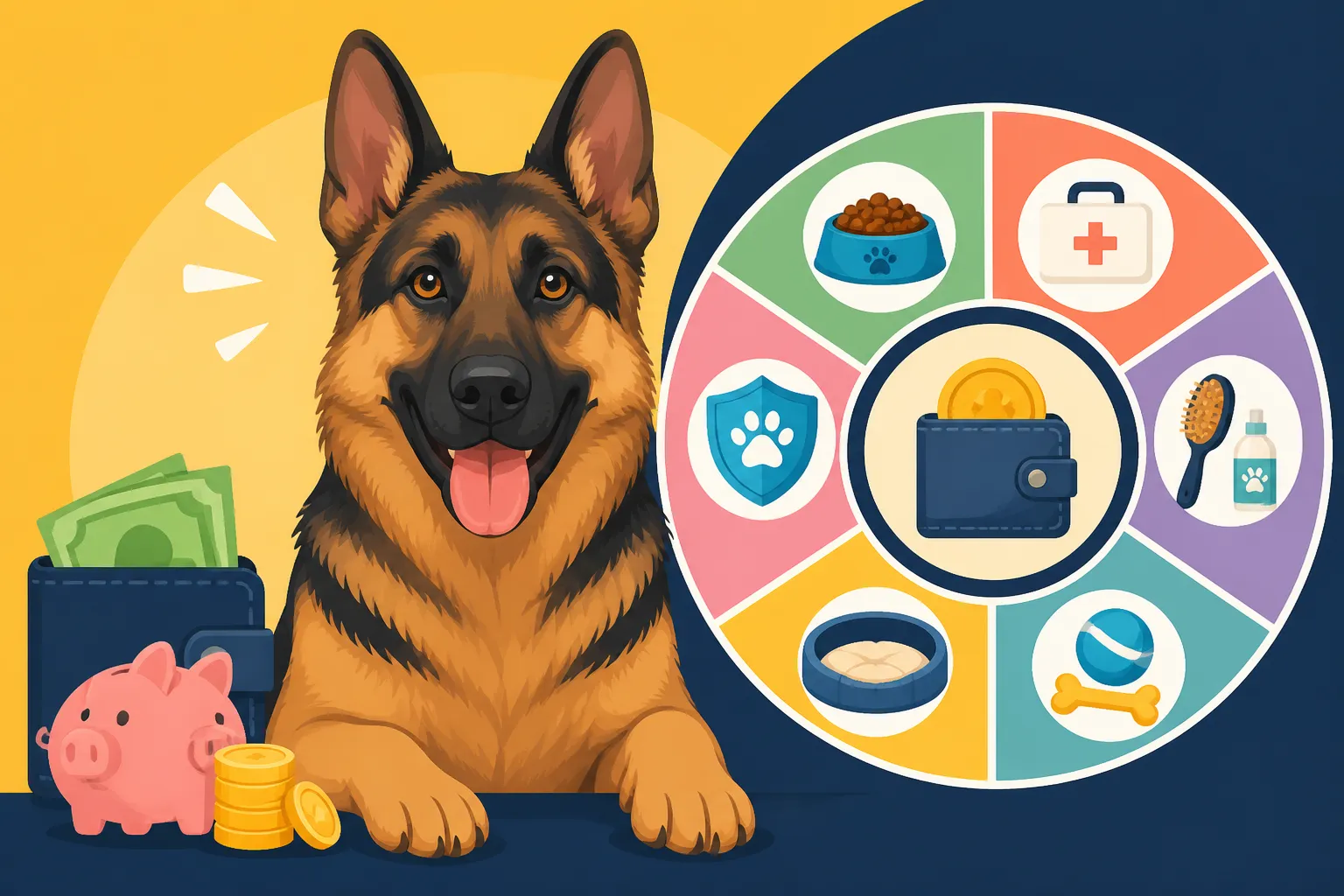
German Shepherd Monthly Expenses Breakdown
Bringing a magnificent German Shepherd into your home is an incredibly rewarding experience, but let's be honest, the initial puppy price or adoption fee is just the tip of the iceberg. Many new and even experienced owners underestimate the ongoing financial commitment required to properly care for these incredible dogs. The truth is, monthly expenses for a German Shepherd can fluctuate wildly, leading to stress and difficult decisions if you're not prepared. This comprehensive guide will meticulously break down all the potential monthly costs, helping you budget wisely and ensure your beloved companion receives the very best care without any unwelcome surprises.
Understanding the Baseline: What Makes German Shepherd Costs Unique?
German Shepherds are not your average small lap dog, and their size, energy, and specific breed predispositions directly influence their monthly care costs. It's not just about bigger food bowls; it's about everything from specialized veterinary care to more robust training equipment. Ignoring these fundamental differences can quickly lead to unexpected financial strain, so it's crucial to understand why certain expenses might be higher for a German Shepherd than for other breeds.
Size and Energy Level Impact
Let's talk about the elephant in the room – or rather, the large, energetic German Shepherd in your living room. An adult male German Shepherd can easily weigh between 65 to 90 pounds, with females typically 50 to 70 pounds. This substantial size means they simply consume more of everything. More food, larger beds, stronger leashes, bigger toys – the list goes on. Their boundless energy, especially in their younger years, also necessitates more enrichment, durable playthings, and potentially professional help to channel that drive productively. Skimping here isn't just a cost-saving measure; it can lead to an unhappy, bored, and potentially destructive dog.
Think about the sheer volume of kibble needed for a 75-pound dog compared to a 15-pound terrier. It’s a significant difference that compounds over the course of a month, then a year. Beyond food, their strength and intelligence mean that cheap, flimsy toys won't last five minutes. You'll find yourself constantly replacing items if you don't invest in high-quality, durable goods. Furthermore, if you're working long hours, that high energy might mean budgeting for a dog walker or daycare a few times a week, which quickly adds up.
Breed-Specific Health Considerations
Unfortunately, German Shepherds are prone to certain health issues that can contribute to significant veterinary costs over their lifespan. Conditions like German Shepherd Hip Dysplasia Explained and elbow dysplasia are unfortunately common, often requiring ongoing management, medication, or even surgery. They can also be susceptible to conditions like degenerative myelopathy (DM) or bloat, a life-threatening emergency. While you can't predict every health challenge, being aware of these predispositions helps you mentally and financially prepare.
Preventative care is paramount for German Shepherds. Regular veterinary check-ups, appropriate vaccinations, and a keen eye for early symptoms are all part of responsible ownership. Understanding these German Shepherd Health Problems Guide is not about fear-mongering, but about empowering you to make informed choices. This might mean investing in high-quality joint supplements early on or being diligent about preventative measures for bloat, which can influence your monthly spending on medications or specialized diets.
Training and Mental Stimulation Needs
German Shepherds are renowned for their intelligence and working drive. This is a double-edged sword: they are highly trainable and eager to please, but if their minds aren't challenged, they can become bored, anxious, and destructive. Consistent training isn't just for puppies; it’s an ongoing process throughout their lives. This might involve formal obedience classes, advanced scent work, agility, or even specialized protection training. All of these come with a cost, whether it's class fees, equipment, or your time investment.
Mental stimulation is just as critical as physical exercise. Without it, your smart German Shepherd might invent their own "jobs," which could involve chewing your furniture, digging up your yard, or incessant barking. To avoid this, you'll need a steady supply of puzzle toys, enrichment activities, and dedicated training sessions. These resources, while seemingly minor, contribute to the monthly budget. Think of it as an investment in a well-behaved, happy companion rather than a reactive, unruly one.
Monthly Food and Nutrition Costs
The food bowl is often the largest recurring monthly expense for a German Shepherd owner. Given their size, energy levels, and sometimes sensitive stomachs, choosing the right food is not just about filling them up; it’s about fueling their health and vitality. The quality of food directly impacts their coat, energy, immune system, and even their lifespan, making it an area where cutting corners can lead to greater health issues and costs down the line.
Kibble vs. Raw vs. Fresh Food Diets
The choice of diet can dramatically sway your monthly expenditure. High-quality kibble designed for large breeds is a popular option and typically the most budget-friendly. Brands like Purina Pro Plan, Royal Canin, or Victor offer formulas specifically tailored for German Shepherds, addressing their unique nutritional needs. For an adult German Shepherd, you can expect to go through a large bag (30-40 lbs) every 3-4 weeks, costing anywhere from $60 to $100+ per month, depending on the brand and quality. The Best Dog Food for German Shepherds will prioritize lean protein, healthy fats, and joint-supporting ingredients.
Alternatively, raw or fresh food diets, while offering perceived health benefits by many, come with a significantly higher price tag. Services like Ollie deliver fresh, human-grade food right to your door, offering convenience and quality, but often run into the hundreds of dollars per month for a large breed like a German Shepherd – potentially $200-$400+. While these diets can be excellent for dogs with sensitivities or specific health needs, it's a financial commitment that needs careful consideration. Home-prepared raw or cooked diets can be slightly cheaper, but they demand a substantial time investment for preparation and require careful nutritional balancing, often with veterinary guidance, to ensure your dog isn't missing vital nutrients.
Supplements and Treats
Beyond their main meals, most German Shepherds will benefit from, and certainly appreciate, a variety of supplements and treats. Joint supplements, for instance, are almost universally recommended for German Shepherds due to their propensity for hip and elbow dysplasia. These can include glucosamine, chondroitin, and MSM, costing $20-$50 per month. Additionally, fish oil for coat health, probiotics for digestion, or other targeted supplements can add another $15-$40 to your monthly bill.
Treats, oh the treats! These are essential for training, rewarding good behavior, and simply showing affection. However, they can quickly add up. A bag of high-quality training treats can range from $8 to $20, and if you're actively training, you might go through a few bags a month. Dental chews are also a smart investment for maintaining oral hygiene between professional cleanings, costing around $10-$30 monthly. When factoring in these extras, a realistic budget needs to account for at least $30-$80 in supplementary nutrition and rewards.
Factors Affecting Food Bill
Several factors play into how much you'll ultimately spend on your German Shepherd's food each month. Age is a big one: growing puppies often require more calories and specialized puppy food, which can sometimes be pricier. Senior dogs might need specific diets for joint health or kidney function. Their activity level also matters immensely; a highly active working German Shepherd will burn more calories and need more food than a less active companion.
Health conditions also dictate food choices. A German Shepherd with allergies might require a limited-ingredient diet, while one with exocrine pancreatic insufficiency (EPI) needs a specific, highly digestible diet often coupled with enzyme supplements. These specialized foods can be significantly more expensive than standard kibble. Finally, where you purchase your food can also impact the cost. Buying in bulk from online retailers like Chewy often offers better value than frequent trips to a local pet store, but always compare prices and factor in shipping costs if applicable.
Routine Veterinary Care and Preventative Health
One of the most significant, yet often underestimated, monthly costs for any dog owner is routine veterinary care and preventative health measures. For a German Shepherd, whose breed is prone to certain genetic conditions, this aspect of budgeting becomes even more critical. Proactive care is truly the best defense against major health crises down the line, potentially saving you thousands in emergency treatments.
Regular Check-ups and Vaccinations
Even if your German Shepherd seems perfectly healthy, routine veterinary check-ups are non-negotiable. These annual or biannual visits allow your vet to catch potential issues early, maintain appropriate vaccination schedules, and discuss preventative strategies. A typical check-up can cost anywhere from $50 to $150, not including any specific tests or treatments. For puppies, the first year involves a series of vaccinations and deworming, which are spaced out monthly and can amount to a higher initial outlay. After that, booster shots and yearly vaccinations are generally less frequent, but still a recurring cost.
These visits aren't just about shots. Your vet will perform a thorough physical examination, checking everything from their teeth and ears to their heart and joints. This is especially important for German Shepherds as they age, as early detection of issues like arthritis or heart conditions can significantly improve their quality of life and manage costs more effectively. Think of it as a wellness investment – ensuring your dog's long-term health and catching subtle changes before they become serious problems that are more expensive to treat.
Flea, Tick, and Heartworm Prevention
These preventative medications are non-negotiable for virtually all dogs, regardless of breed or location. Fleas, ticks, and heartworm are not just annoyances; they can transmit serious diseases that are difficult, expensive, and sometimes impossible to treat. Most prevention methods are administered monthly or quarterly, adding a consistent line item to your budget. Depending on the product (topical, oral, collar), a month's supply can range from $15 to $50.
For a German Shepherd, particularly if they spend a lot of time outdoors or in areas with high pest populations, consistent prevention is key. Heartworm medication, usually a monthly oral tablet, is critical, as treatment for established heartworm disease is not only incredibly expensive but also risky for the dog. Ticks can carry Lyme disease, Ehrlichiosis, and Anaplasmosis, among others, making tick prevention vital. These small monthly costs are a huge safeguard against much larger veterinary bills and significant discomfort for your dog.
Dental Care Essentials
Just like humans, dogs need consistent dental care to prevent plaque buildup, gingivitis, and periodontal disease. Left untreated, dental disease can lead to painful infections, tooth loss, and even systemic health problems affecting the heart, kidneys, and liver. While professional dental cleanings under anesthesia are usually an annual expense (often costing $300-$800+), there are monthly maintenance costs you should factor in.
This includes daily or weekly teeth brushing with dog-specific toothpaste, which is a small cost but a big time investment. Dental chews and water additives can help, costing around $10-$30 per month. While these at-home measures are helpful, they don't replace professional cleanings. Regular veterinary check-ups will include a dental assessment, and your vet will advise you on when a professional cleaning is necessary. Staying on top of German Shepherd Dental Care Explained can prevent costly extractions and health complications down the line.
Grooming Essentials and Maintenance
German Shepherds are magnificent dogs with their distinctive double coats, but that beautiful fur comes with a significant amount of upkeep. Far from being a "low maintenance" breed, managing their shedding, preventing matting, and keeping their skin healthy requires consistent effort and an associated monthly budget. Skimping on grooming can lead to uncomfortable skin conditions, excessive shedding throughout your home, and an overall less healthy dog.
Brushing and Bathing Supplies
The German Shepherd's double coat consists of a dense, soft undercoat and a coarse, straight outer coat. This design is perfect for protection in various climates, but it also means they shed, and when we say shed, we mean they shed. Especially during "blow coat" season (twice a year), it can feel like you have a perpetual snowstorm of dog hair in your home. Regular brushing is paramount to manage this and prevent matting, especially behind the ears and on their "pants."
You'll need a good quality slicker brush, an undercoat rake (like a Furminator or similar deshedding tool), and perhaps a bristle brush for finishing. These tools are an initial investment, but they do wear out or get lost, so budgeting $5-$10 monthly for replacements or new brushes is wise. Dog-specific shampoo and conditioner are also essential for occasional baths, costing around $10-$20 per bottle, and if you bathe monthly, this becomes a regular expense. While you can usually manage most grooming at home, the cost of supplies adds up.
Professional Grooming Services
While many German Shepherd owners handle basic grooming themselves, professional grooming can be a fantastic way to keep their coat in top condition, particularly during heavy shedding periods. A professional groomer has specialized tools, high-velocity dryers, and expertise to effectively remove loose undercoat, reducing shedding in your home significantly. These deshedding services can cost anywhere from $60 to $120 per session, depending on your location and the groomer's services.
Even if you only opt for professional deshedding every few months, it's a cost worth considering. Beyond deshedding, some owners prefer a groomer for baths, nail trims, and ear cleaning, especially if their dog is resistant to these at-home procedures. Factor in at least one or two professional grooming sessions per year, which, when amortized, adds $10-$20 to your monthly budget, assuming you’re mostly doing it yourself. For those who prefer to leave it to the pros more often, this cost will naturally be higher. Knowing German Shepherd Shedding: How to Manage It and whether you prefer DIY or professional help will determine this line item.
Nail Trims and Ear Cleaning
Beyond the coat, nail trims and ear cleaning are vital parts of monthly grooming. Overgrown nails can be painful for your German Shepherd, leading to discomfort, difficulty walking, and even long-term joint issues. If you're comfortable trimming your dog's nails at home, you'll need a good pair of clippers or a dremel, an initial investment of $15-$40, which will last a long time. However, if your dog is resistant or you're simply uncomfortable doing it yourself, most vets or groomers offer nail trims for $10-$25 per session. If done every 3-4 weeks, this becomes a regular monthly expense.
Similarly, regular ear cleaning helps prevent ear infections, which German Shepherds can be prone to, especially if they have floppy ears or enjoy swimming. A good quality ear cleaning solution costs around $10-$20 and lasts for several months. While ear cleaning is usually manageable at home, if your dog has recurring infections, your vet might prescribe specific cleaning solutions or medications, adding to the monthly cost. Proactive cleaning is a simple way to avoid painful and expensive ear infection treatments.
Training, Enrichment, and Behavioral Support
German Shepherds are not only intelligent but also possess a strong desire to work and please their owners. This inherent drive means that ongoing training and mental enrichment aren't just luxuries; they are fundamental necessities for a well-adjusted, happy, and well-behaved German Shepherd. Ignoring these needs almost inevitably leads to behavioral issues that can be far more costly and frustrating to resolve than proactive training.
Ongoing Training Classes or Private Sessions
While basic puppy classes are a great start, a German Shepherd's training journey is truly lifelong. Many owners find value in enrolling their dogs in advanced obedience, agility, scent work, or even protection sports. These activities provide crucial mental stimulation and strengthen the bond between dog and owner. Group classes typically range from $150 to $300 for a 6-8 week course, meaning you might budget $25-$50 per month if you're taking a class every other month or so.
For specific behavioral challenges or if you prefer individualized attention, private training sessions can be incredibly effective but are significantly more expensive, often $75-$200 per hour. If your German Shepherd is exhibiting issues like reactivity on leash, resource guarding, or separation anxiety, investing in a professional trainer or behaviorist can be a game-changer. While not strictly a "monthly" cost in every instance, budgeting for these intermittent but essential services is crucial to How to Train a German Shepherd. Consider an average of $20-$100 per month for ongoing training, depending on your commitment and your dog's needs.
Toys, Chews, and Puzzle Feeders
A bored German Shepherd is often a destructive German Shepherd. These dogs need a regular supply of durable toys and stimulating activities to keep their powerful jaws and intelligent minds engaged. For heavy chewers, you'll want to invest in high-quality, robust chew toys made from materials like KONG rubber, Nylabone, or natural options like Benebones. These aren't always cheap, often ranging from $15 to $40 per toy, and even the toughest ones might need replacing every month or two.
Puzzle feeders and interactive toys are also invaluable for mental enrichment, especially on days when physical exercise might be limited. Filling a KONG with peanut butter or using a snuffle mat can keep them occupied and thinking for a good chunk of time. Budgeting $20-$50 per month for new toys, replacing worn-out chews, and rotating enrichment items is a realistic expectation. Websites like Chewy offer a vast selection, often with subscription options that can help manage these costs and ensure a steady supply.
Addressing Behavioral Challenges
Despite your best efforts in training and enrichment, German Shepherds can sometimes develop behavioral challenges. These might include excessive barking, digging, separation anxiety, or reactivity towards other dogs or strangers. Ignoring these issues rarely makes them go away; often, they escalate. Addressing German Shepherd Behavior Problems and Solutions effectively might involve consulting a veterinary behaviorist, which can be expensive.
Behavioral medication, if prescribed by a vet or behaviorist for anxiety or other conditions, will be a monthly cost, potentially ranging from $30 to $100+. Additionally, specialized equipment like calming pheromone diffusers, anti-anxiety wraps, or specific training tools for leash reactivity can also add to your monthly budget. While these are not always permanent expenses, it's wise to have an emergency fund or a flexible portion of your budget to tackle these issues if they arise, preventing them from becoming entrenched and more difficult to manage.
Pet Insurance vs. Emergency Savings Fund
When it comes to covering unexpected medical emergencies or chronic health conditions, every German Shepherd owner faces a choice: invest in pet insurance or diligently build an emergency savings fund. Given the breed's predisposition to certain health issues and the high cost of veterinary care, having a plan in place is not just smart—it's essential for ensuring your dog gets the care they need without breaking the bank.
Understanding Pet Insurance Premiums
Pet insurance works much like human health insurance, helping to cover a percentage of veterinary bills for accidents, illnesses, and sometimes even routine care. For a German Shepherd, monthly premiums can vary significantly based on the dog's age, your location, the deductible you choose, and the reimbursement rate. For an adult German Shepherd, you might expect to pay anywhere from $40 to $100+ per month for a comprehensive accident and illness plan.
Brands like Healthy Paws are popular among German Shepherd owners for their comprehensive coverage and straightforward reimbursement process. While premiums might seem like a significant monthly outlay, they can provide immense peace of mind. Imagine facing a $5,000 bill for bloat surgery or a $3,000 bill for hip dysplasia treatment; insurance can dramatically reduce your out-of-pocket expenses. It's crucial to research different providers and plans, understand what's covered (and what isn't, especially for pre-existing conditions), and compare deductibles and reimbursement percentages to find the best fit for your budget and needs. Evaluating Is Pet Insurance Worth It for a German Shepherd is a critical step in your financial planning.
Building an Emergency Fund
The alternative to pet insurance is to self-insure by building a dedicated emergency savings fund. This means setting aside a specific amount of money each month, earmarked solely for your dog's potential medical needs. For a German Shepherd, a realistic emergency fund should aim for at least $3,000 to $5,000, as many common surgeries or treatments can easily fall within this range. To reach this goal, you might need to save $50-$100 or more per month consistently.
The benefit of an emergency fund is that you control the money, and if your dog remains healthy, you still have those savings. However, the downside is that a sudden, major emergency early in your dog's life, before you've built up substantial savings, could leave you in a difficult financial position. It also requires significant discipline to not dip into those funds for other purposes. Many owners choose a hybrid approach: a lower-premium insurance plan combined with a smaller emergency fund to cover deductibles or non-covered items.
Weighing the Pros and Cons
Deciding between pet insurance and an emergency fund is a highly personal choice, and there are valid arguments for both. Pet insurance offers predictability in monthly costs and protection against catastrophic bills, making it easier to manage cash flow. However, you'll still have deductibles and sometimes co-pays, and some conditions might not be covered.
An emergency fund offers flexibility and direct control over your money. If your dog never has a major illness, you save money in the long run. But it carries the risk of insufficient funds if a major emergency strikes unexpectedly. Consider your financial comfort level, your ability to consistently save, and your tolerance for risk. For a breed like the German Shepherd, known for potential orthopedic issues and other health concerns, having some financial safety net is non-negotiable for their German Shepherd Lifespan: How Long They Live.
Miscellaneous and Unexpected Monthly Expenses
Beyond the major categories of food, vet care, grooming, and training, there's a whole host of smaller, yet essential, items that contribute to your German Shepherd's monthly expenses. These are the "hidden costs" that often catch new owners off guard, but neglecting them can impact your dog's comfort, your home's cleanliness, and your overall peace of mind.
Waste Bags, Cleaning Supplies, and Home Maintenance
Let's face it, a big dog produces a lot of waste. High-quality, biodegradable poop bags are a must-have, and you'll go through them quickly. Budgeting $5-$10 per month for these is a conservative estimate. Beyond waste, accidents happen, especially with puppies or older dogs. Having enzymatic cleaners on hand to tackle pet stains and odors is essential for maintaining a clean home. A good bottle of pet-specific cleaner can cost $10-$20 and you might need a new one every month or two, especially if you have a young pup.
Then there's the ongoing battle against dog hair. Even with diligent brushing, German Shepherds shed, and their hair can find its way everywhere. Investing in a powerful vacuum cleaner designed for pet hair is almost a necessity, and while an initial large purchase, it incurs ongoing costs for filters and bags (if applicable). Lint rollers, pet-specific laundry detergents, and air purifiers are other items that many German Shepherd owners find indispensable for home maintenance, adding small but cumulative amounts to the monthly budget.
Boarding, Dog Walkers, or Daycare
Life happens, and sometimes you can't be with your German Shepherd. Whether it's a vacation, a work trip, or long hours at the office, you'll need reliable care for your dog. Boarding facilities can cost $40-$80 per night, and even a week-long vacation can easily run into hundreds of dollars. If you travel frequently, this can become a significant monthly average. Dog walkers are a great option for daily exercise if you're unable to provide it, typically charging $15-$30 for a 30-minute walk.
Doggy daycare offers socialization and activity for highly energetic German Shepherds, costing $25-$50 per day. Even if you only use these services occasionally, it's wise to factor them into your monthly budget, perhaps setting aside $20-$50 for future use. Having a trusted network of pet sitters, friends, or family who can help can reduce these costs, but it's important to have a backup plan and budget for professional services when needed. Knowing How to Keep a German Shepherd Healthy often means ensuring they get enough physical and mental exercise, even when you're busy.
Replacing Worn-Out Supplies
German Shepherds are powerful and often playful dogs, which means their collars, leashes, beds, and other accessories can wear out faster than you might expect. A heavy-duty leash and collar, while a good initial investment, might need replacing every 1-2 years. Dog beds, especially if your GSD is a chewer or a digger, might need more frequent replacement. Toys, as mentioned earlier, are a constant rotation.
Think about the longevity of items like food bowls, water dispensers, or even their crate. While not monthly purchases, budgeting a small amount each month (e.g., $10-$20) to cover the eventual replacement of these larger, more durable items ensures you're not hit with a big, unexpected bill when they finally give out. Online retailers like Chewy often have sales on these items, making it easier to stock up or replace them when the time comes without a huge financial shock.
Here's a quick look at estimated average monthly expenses:
| Category | Low Estimate (USD) | High Estimate (USD) |
|---|---|---|
| Food & Nutrition | $60 | $400+ |
| Routine Vet Care & Prevention | $30 | $80 |
| Grooming & Maintenance | $15 | $70 |
| Training & Enrichment | $20 | $100 |
| Pet Insurance / Savings | $40 | $100 |
| Miscellaneous & Replacements | $25 | $100 |
| Total Estimated Monthly | $190 | $850+ |
Note: These are average estimates and can vary significantly based on location, specific product choices, unexpected health issues, and individual dog needs. The "high estimate" for food includes premium fresh/raw diets. Always budget for the higher end to be safe.
Disclaimer
This article is for general informational purposes only and does not constitute professional advice. Laws, prices and regulations vary by location and change over time. Consult a qualified professional for guidance on your specific situation.