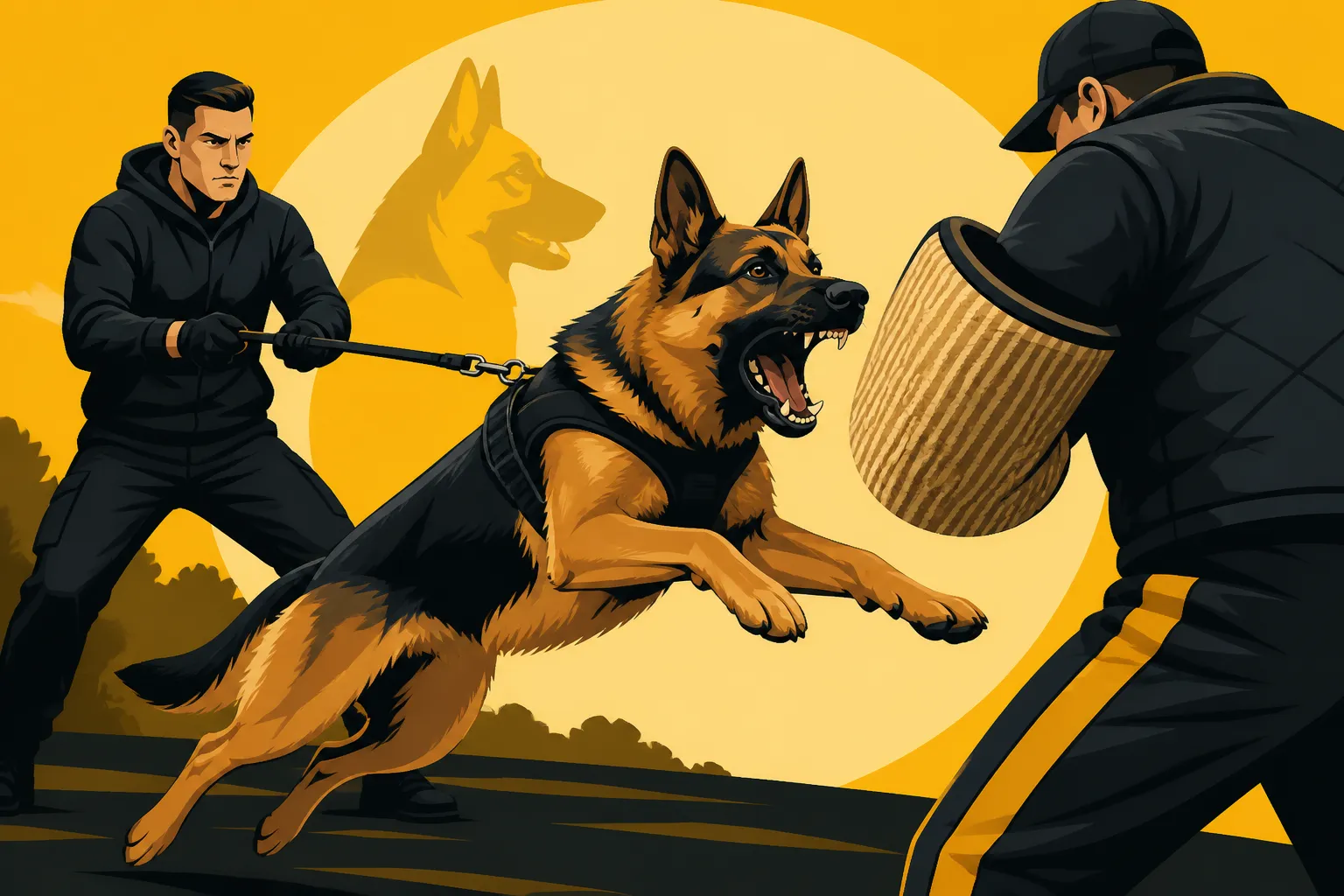
How to Do Protection Training with a German Shepherd
Bringing a German Shepherd into your life often comes with the vision of a loyal, capable guardian. While their natural instincts lean toward protection, simply owning one doesn't automatically mean you have a well-trained protection dog. In fact, attempting protection training without proper understanding and professional guidance can lead to dangerous and unintended behavioral issues. This comprehensive guide will walk you through the proper, ethical, and safe way to approach protection training with your German Shepherd.
Why German Shepherds Excel in Protection Work
German Shepherds possess a unique combination of traits that make them exceptional candidates for protection work. It's not just about their imposing size or intimidating bark; it's deeply rooted in their history and inherent drives. Understanding these foundational aspects is key to appreciating why this breed, when trained correctly, can be such an effective and reliable protector.
Innate Drives and Temperament
German Shepherds were originally bred for herding livestock, a job that required intelligence, courage, and a strong sense of territory. These traits naturally translate into excellent protection instincts. They typically have a strong "prey drive," which is the instinct to chase, grab, and hold, and a well-developed "defense drive," which is the natural response to perceived threats. A good protection dog needs both of these drives to be present and, more importantly, balanced. Without this balance, a dog might only be interested in the chase, or become overly aggressive and fearful when challenged.
Their temperament is equally vital. A true protection dog isn't an aggressive dog; rather, they are confident, stable, and discerning. They should be approachable and calm in everyday situations but able to switch into protection mode when commanded or when a real threat emerges. This nuanced temperament is what allows them to differentiate between a friendly stranger and a genuine intruder. Their inherent intelligence and desire to please their handler also make them highly trainable, enabling them to learn complex commands and scenarios required for effective protection.
Physical Capabilities and Presence
Beyond their mental fortitude, the physical attributes of a German Shepherd contribute significantly to their effectiveness in protection. They are strong, agile, and possess incredible stamina. A well-conditioned German Shepherd can move with speed and power, covering ground quickly and delivering a formidable presence. Their strong jaws and bite force are undeniable, making them a deterrent simply by reputation. However, this raw physical capability must always be under absolute control. It’s not about brute force; it’s about controlled power, directed precisely by command.
The presence of a German Shepherd alone is often enough to deter potential threats. Their upright, alert posture, direct gaze, and deep bark communicate confidence and readiness. Even if an intruder were to dismiss the dog’s size, the breed's reputation for intelligence and protective instincts precedes them, making them a less appealing target. This "visual deterrent" aspect is a significant, often underrated, benefit of having a properly trained German Shepherd as a protector.
Laying the Foundation: Essential Prerequisites
Before you even think about introducing bite sleeves or decoy work, there are several absolutely non-negotiable prerequisites your German Shepherd must meet. Skipping these foundational steps is not only detrimental to your dog's development but can also be incredibly dangerous. Protection training is an advanced discipline, built on a bedrock of excellent temperament, health, and obedience.
Health and Temperament Assessment
First and foremost, your German Shepherd must be in excellent physical health. Protection work is physically demanding, involving intense bursts of activity, powerful grips, and swift movements. Any underlying health issues, especially those related to joints like hip or elbow dysplasia, could be exacerbated. Always get a full veterinary check-up and consider German Shepherd Genetic Health Testing before embarking on such rigorous training. A healthy dog is a safe and effective working dog.
Beyond physical health, an unwavering, stable temperament is paramount. A fearful, nervous, or genuinely aggressive German Shepherd is not a candidate for protection training. Such traits can lead to unpredictable and dangerous behavior, creating more problems than solutions. A true protection dog must be confident, stable, and discerning. They should be naturally protective, yes, but also calm and collected in various situations. An experienced professional trainer will conduct a thorough temperament evaluation to ensure your dog has the right mental makeup. If your dog displays German Shepherd Behavior Problems and Solutions like fear aggression or extreme shyness, protection training is absolutely out of the question and will only amplify these issues.
Solid Basic Obedience and Socialization
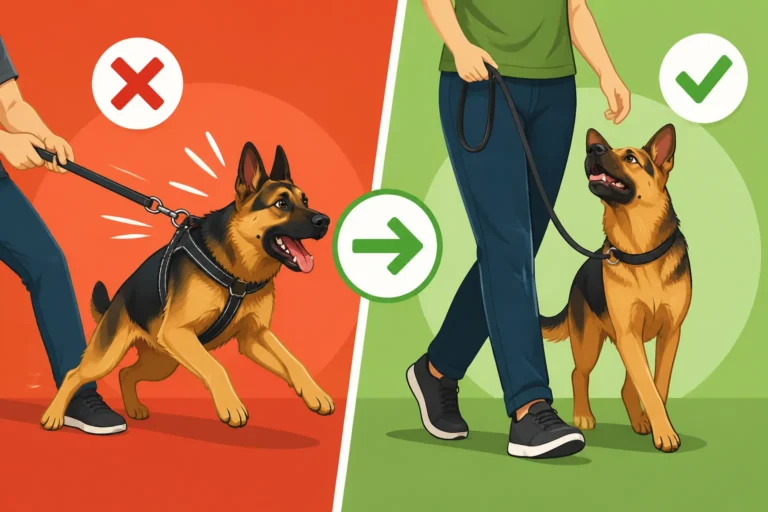
Without rock-solid obedience, protection training is reckless. Your German Shepherd must respond instantly and flawlessly to commands like "sit," "stay," "down," "come," and "heel," even amidst distractions and high-stress situations. This isn't just about showing off; it's about control. A dog that can't be reliably called off or commanded to release a bite is a serious liability. Consider investing in comprehensive online programs like those offered by BAXTER & Bella to build a strong obedience foundation from puppyhood. Their structured approach can lay crucial groundwork.
Equally important is comprehensive socialization. A protection dog is not a canine hermit; they must be accustomed to various people, places, sounds, and other animals. This exposure helps them develop confidence and discernment, allowing them to differentiate between a normal, non-threatening situation and a genuine threat. A poorly socialized dog might view every stranger as a threat, leading to indiscriminate aggression. Think about it: how can your dog protect you effectively if they're terrified of the postman, the delivery driver, or other dogs? A well-socialized German Shepherd knows what is normal and can therefore more accurately identify what is not normal. For more on this, check out our guide on How to Socialize a German Shepherd.
The Step-by-Step Process of Protection Training
True protection training is a highly structured, meticulously controlled process that should only be undertaken with an experienced, certified professional trainer. This is not something you can learn from YouTube videos or attempt in your backyard. It involves building and channeling natural drives into specific, controlled behaviors.
Building Drive and Controlled Aggression
The initial phases of protection training often focus on developing and channeling the dog's natural drives, specifically prey drive. This usually starts with playing structured games involving a rag or a soft bite pillow. The goal isn't aggression at this stage, but rather to ignite the dog's desire to chase, grip, and "win" the tug game. The dog learns to associate the presence of a "decoy" (the person working with the dog, wearing protective gear) with an exciting, rewarding game. This builds their confidence and teaches them that engaging with the decoy is fun and gets them what they want – the "prey" item.
As the dog progresses, the training gradually introduces elements that tap into their defense drive. The decoy's behavior becomes more confrontational, with barking, threatening gestures, and increasing pressure. The dog learns to stand its ground, bark confidently, and eventually, to bite and hold the sleeve or suit. Crucially, every step is controlled. The trainer ensures the dog understands that the "aggression" is a game with rules, directed only at the decoy, and always with an "off" switch. This controlled aggression is a far cry from indiscriminate viciousness; it's a trained response that relies heavily on the dog's understanding of commands and the situation.
Bite Work and Obedience Under Pressure
Once the foundation of drive and controlled aggression is established, the training moves into more formal bite work. This involves the dog biting and holding a bite sleeve or full bite suit worn by the decoy. The emphasis here is on a full, strong, and confident grip, holding until commanded to release. This phase also heavily integrates obedience commands under intense pressure. The dog must learn to attack on command, to release on command, and to guard the decoy or handler, all while maintaining focus. For example, the dog might be commanded to "out" (release the bite) and then "guard" the decoy, ensuring the decoy doesn't move, without re-engaging.
This level of control is achieved through countless repetitions and careful conditioning. The dog learns that the handler is the ultimate source of control and safety, and that adhering to commands leads to rewards. It's a complex dance of drive, obedience, and trust. Proper equipment, often sourced from reputable vendors on platforms like Amazon, such as high-quality bite suits, sleeves, and protective gear, is essential for the safety of both the decoy and the dog. This ensures the dog can train effectively without fear of injury to themselves or the decoy, allowing them to build strong, confident grips.
The Critical Role of a Professional Trainer
It cannot be stressed enough: protection training for a German Shepherd is not a DIY project. The risks of improper training are immense, ranging from creating a fearful, unstable dog to severe liability issues. A professional trainer specializing in protection sports or personal protection is an absolute necessity.
Why You Need an Expert
An experienced protection trainer brings a wealth of knowledge that is simply unattainable for the average dog owner. They understand canine behavior, drives, and motivation on a deep level. They know how to safely ignite and channel a dog's natural instincts without creating an uncontrolled menace. They are adept at reading subtle cues from the dog, identifying potential issues before they escalate, and tailoring training methods to suit individual dogs. Furthermore, they use trained decoys who understand how to safely interact with a working dog, how to take a bite, and how to apply appropriate pressure to build confidence and skill.
Attempting protection training yourself often leads to dogs that are either genuinely aggressive (reacting out of fear or unchanneled frustration) or simply "mug-happy," meaning they'll bite anyone who presents a sleeve, regardless of intent. These dogs are incredibly dangerous because they lack the discernment and control essential for true protection. A professional ensures that your German Shepherd is not just a biter, but a trained protector who understands when and how to act, and, most importantly, when to stop. If you're considering serious training, you might also be curious about German Shepherd Training Costs associated with professional guidance.
Finding the Right Trainer and Program
Choosing the right trainer is arguably the most crucial step. Look for trainers who are certified in protection sports (like IGP/Schutzhund, PSA, or KNPV), have a proven track record, and ideally, work with German Shepherds specifically. A good trainer will:
- Prioritize a strong bond with your dog: They will work to build trust and ensure positive reinforcement is a primary motivator.
- Emphasize foundational obedience: They will not proceed with bite work until your dog's basic obedience is flawless.
- Conduct thorough temperament assessments: They will be honest if your dog isn't suited for protection work.
- Utilize trained decoys: Safety for both the dog and the decoy is paramount.
- Explain every step of the process: You should understand the "why" behind each exercise.
- Focus on control and discernment: The goal is a dog that can differentiate threats and be called off instantly.
Avoid anyone who promises a "protection dog" in a few weeks, uses harsh, fear-based methods, or doesn't emphasize control and safety above all else. Ask for references, visit their facility, and observe training sessions before committing. Remember, this is a long-term commitment, often extending for years, so finding a trainer you trust is vital.
Responsible Ownership and Ethical Considerations
Owning a German Shepherd that has undergone protection training carries significant responsibilities and ethical considerations. This isn't just about having a cool dog; it's about public safety, legal implications, and your unwavering commitment to your dog's well-being.
Public Perception and Legal Liabilities
Let's be realistic: a German Shepherd, especially one trained in protection, can elicit fear or apprehension from some members of the public. It's an unfortunate truth, but it's one you must acknowledge. You have a responsibility to manage your dog's public image and ensure they are always under control. This means never allowing your dog to display aggression towards innocent bystanders, keeping them properly leashed, and being an exemplary owner. Any incident involving a trained protection dog can lead to severe legal consequences, including liability lawsuits, seizure of your dog, and even criminal charges, regardless of who was "at fault."
Your dog's training should result in a highly stable, controllable animal, not a public hazard. Responsible ownership means being proactive about public safety. It means constant vigilance, understanding local leash laws, and having the financial resources for insurance and potential legal fees should an incident occur. The peace of mind that comes from knowing your family is protected should never be at the expense of another person's safety or your dog's reputation.
The Lifetime Commitment and Ethical Use
Protection training is not a "set it and forget it" endeavor. It requires a lifetime commitment to ongoing training, conditioning, and socialization. Just like any high-level athlete, a protection dog needs regular practice to maintain their skills, physical fitness, and mental sharpness. This means continued sessions with your trainer and decoy, keeping up with German Shepherd Exercise Requirements, and reinforcing obedience under various scenarios. Without this ongoing commitment, the training can degrade, potentially leading to an unreliable or unpredictable dog.
Ethically, a protection-trained German Shepherd should only be used for legitimate self-defense or property protection. They are not tools for intimidation, personal vendettas, or to scare neighbors. Their purpose is to defend life or property against a clear, imminent threat. Using a protection dog in any other context is not only unethical but also highly irresponsible and can put both your dog and others at risk. A truly well-trained protection dog is a deterrent first and foremost, and their bite is a last resort, deployed only when all other options have been exhausted.
Common Pitfalls and Misconceptions
There are many myths and dangerous practices circulating about protection training. Understanding these pitfalls is essential for anyone considering this path with their German Shepherd, helping you avoid mistakes that can have serious, lasting consequences.
The Dangers of Untrained Aggression
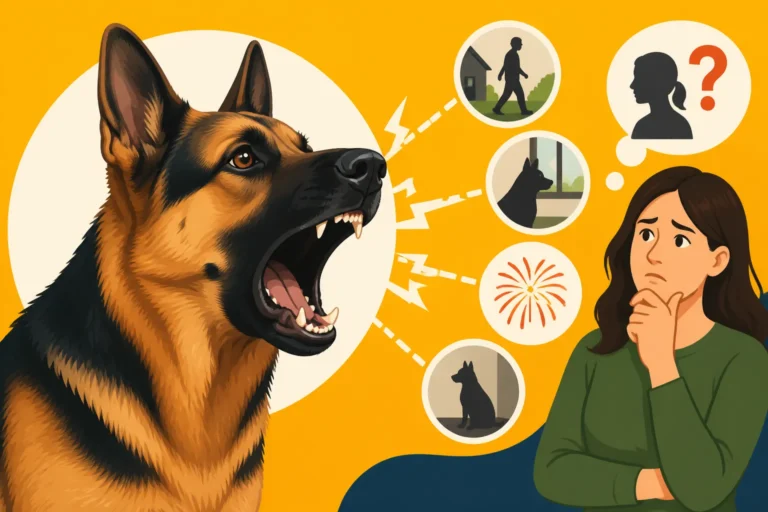
A critical misconception is that an "aggressive" German Shepherd makes a good protection dog. This couldn't be further from the truth. An aggressive dog, especially one that is fear-aggressive or has unmanaged behavioral issues, is a liability, not an asset. Such a dog is unpredictable, difficult to control, and dangerous to everyone, including its own family. True protection dogs are calm, confident, and stable. Their "aggression" is a trained, controlled response, not an emotional outburst.
If your German Shepherd is naturally reactive, fearful, or exhibits How to Stop German Shepherd Aggression without proper triggers, protection training will only magnify these issues. It will not "fix" them. Instead, it will teach a dog that is already struggling with emotional stability how to use its teeth, leading to a truly dangerous animal. Any reputable trainer will turn away a dog with an unstable temperament, recognizing the severe risks involved. This highlights why the temperament assessment is so crucial.
Misinterpreting "Protection" and Self-Training Risks
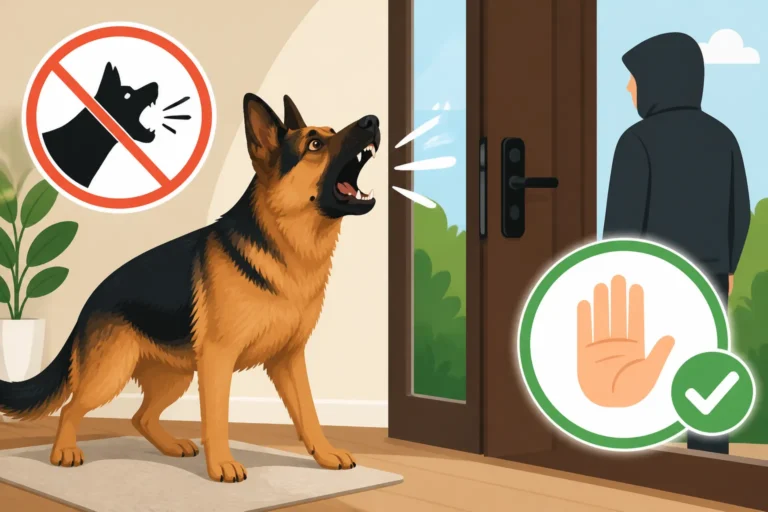
Many owners misunderstand what "protection" truly entails. They might believe teaching a dog to bark at strangers or lunge at a sleeve equates to protection training. Real protection work is far more nuanced. It involves discernment, control, and a clear understanding of threat levels, which only professional guidance can instill. The dog must learn when to engage, how to engage effectively, and most importantly, when to stop.
The risks of self-training or relying on unqualified individuals are dire. Without a deep understanding of canine behavior, drive development, and safety protocols, you risk creating a dog that bites indiscriminately, bites out of fear, or cannot be called off once engaged. This puts your family, the public, and the dog itself in immense danger. This isn't just about a dog "making a mistake"; it's about developing ingrained, dangerous behaviors that can be incredibly difficult, if not impossible, to undo. Remember that there's a huge difference between a dog that is naturally watchful and one that has been specifically trained for protection scenarios. Understanding German Shepherd Behavior is vital before even contemplating such advanced training.
Disclaimer
This article is for general informational purposes only and does not constitute professional advice. Laws, prices and regulations vary by location and change over time. Consult a qualified professional for guidance on your specific situation.