How to Do Schutzhund with a German Shepherd
Many German Shepherd owners find themselves captivated by their dog's incredible intelligence, unwavering loyalty, and formidable presence, often feeling a deep desire to channel these powerful traits into something meaningful and structured. The world of advanced dog sports, particularly something as intense as Schutzhund, can initially feel overwhelming and even a little intimidating. However, for those with a German Shepherd, it offers an unparalleled opportunity to develop their dog's natural instincts, build an unbreakable bond, and achieve a level of partnership that few other activities can. This comprehensive guide will demystify Schutzhund and walk you through everything you need to know about getting started with this demanding yet incredibly rewarding training for your German Shepherd.
Understanding Schutzhund: The Ultimate Canine Sport
Schutzhund, now more widely recognized by its official name IGP (Internationale Gebrauchshunde Prüfungsordnung), meaning International Utility Dog Trials, is a challenging dog sport that originated in Germany. It was initially developed in the early 1900s as a breed suitability test for German Shepherds, ensuring they retained their working capabilities, stable temperament, and overall utility. Today, it remains a rigorous three-phase competition that showcases a dog's keen intelligence, powerful drive, and exceptional control under pressure.
What is Schutzhund/IGP
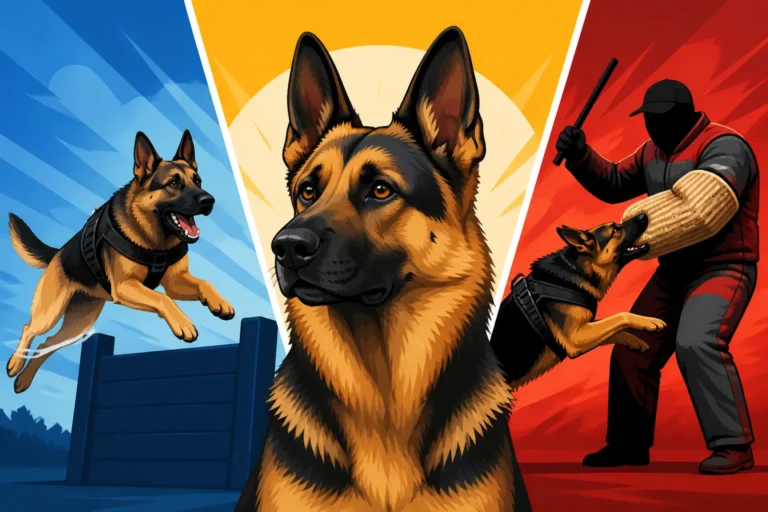
At its core, Schutzhund is a testament to the German Shepherd's versatility and intelligence. It’s not just about one skill; it's a holistic evaluation of a dog's mental and physical prowess, demonstrating their courage, trainability, and devotion to their handler. The sport is broken down into three distinct phases:
- Tracking (Phase A): This tests the dog's ability to follow a human scent trail, often across varied terrain, and locate small articles dropped by the track layer. It requires intense focus, methodical work, and a calm disposition.
- Obedience (Phase B): This phase involves a precise routine of exercises performed off-leash, including heeling, various retrieves (flat, over a jump, and over an A-frame scale), send-outs, and long down-stays. It showcases the dog's willingness to obey, its agility, and the handler's ability to communicate clearly.
- Protection (Phase C): Often the most misunderstood phase, protection work evaluates the dog's courage, protective instincts, and mental stability. The dog must locate a hidden "helper" (decoy), hold them by barking, and defend the handler when attacked, all under the handler's strict control. The dog must exhibit strong, full grips on a bite sleeve and release immediately on command.
Each phase is scored, and a dog must pass all three to receive a title. This demanding structure ensures that only well-rounded, mentally sound, and highly trained dogs succeed, honoring the original purpose of the breed test.
The Philosophy Behind the Sport
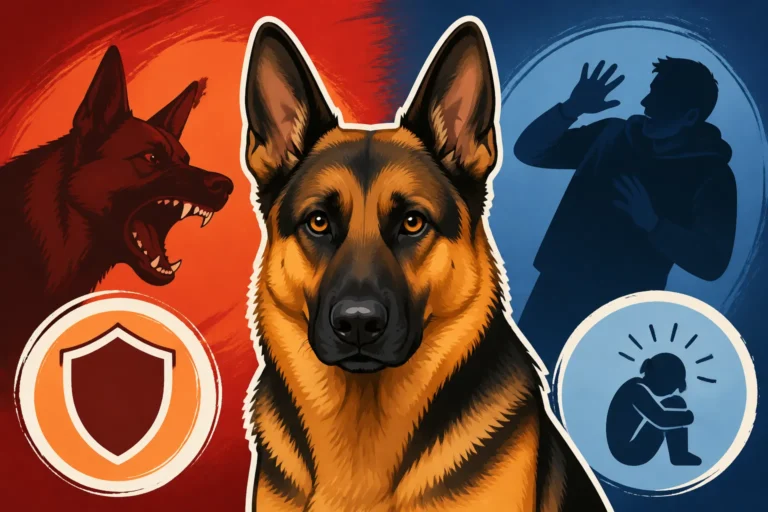
It’s a common misconception that Schutzhund training creates aggressive dogs. This couldn't be further from the truth. The entire philosophy behind Schutzhund is rooted in control, courage, and a strong, positive relationship between dog and handler. Far from promoting indiscriminate aggression, the sport actually demands extreme levels of control and mental stability. Dogs that display true aggression, fear, or instability are typically not suited for Schutzhund and will not pass the temperament tests required to compete.
The sport focuses on channeling a German Shepherd's natural prey drive and protective instincts into a highly structured and disciplined outlet. It teaches the dog when to engage and, more importantly, when to disengage, always under the precise command of their handler. This rigorous training builds incredible confidence in the dog and fosters an unbreakable bond built on trust, respect, and mutual understanding. It's a sport that highlights the inherent abilities of a German Shepherd as a working dog, transforming raw potential into refined performance.
Why Schutzhund is a Perfect Fit for German Shepherds
For anyone serious about owning a German Shepherd, understanding their inherent drives and working capabilities is paramount. These aren't just pets; they are highly intelligent, athletic, and driven dogs bred for specific tasks. Schutzhund provides a natural, historically relevant, and immensely satisfying outlet for these traits.
Tapping into Breed Specific Traits
German Shepherds were quite literally bred for the kind of work encompassed in Schutzhund. Their origins as herding dogs, military K9s, and police dogs instilled in them a unique combination of traits: high intelligence, an intense drive to work, incredible athleticism, and a profound desire to please their handler. These are the very qualities that make them excel in Schutzhund.
- High Drive and Intelligence: German Shepherds thrive on having a job to do. Without proper mental and physical stimulation, they can become bored and destructive. Schutzhund provides an intricate, ever-evolving challenge that keeps their minds sharp and their bodies engaged.
- Natural Protective Instincts: While not all German Shepherds will be suited for protection work, many possess a natural protective instinct. Schutzhund channels this instinct in a safe, controlled, and highly disciplined manner, teaching the dog discrimination and control rather than indiscriminate aggression.
- Strong Bond with Handler: The intensity of Schutzhund training requires and, in turn, strengthens the bond between dog and handler. The dog learns to trust its handler implicitly, relying on them for direction and support through complex exercises. A German Shepherd’s unique temperament and personality make them particularly receptive to this type of partnership.
Benefits Beyond the Field
The advantages of engaging your German Shepherd in Schutzhund extend far beyond winning titles or trophies. The discipline, focus, and physical demands of the sport translate into a more well-adjusted, confident, and obedient companion in everyday life.
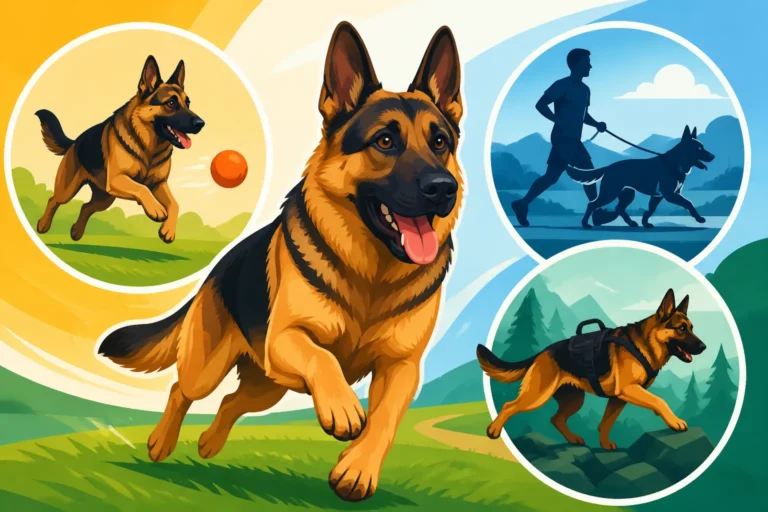
- Unparalleled Mental Stimulation and Physical Exercise: German Shepherds are high-energy dogs. Schutzhund demands both intense mental focus for tracking and obedience routines, and significant physical exertion for protection and retrieve work. This level of engagement is crucial for a happy, healthy German Shepherd, helping to fulfill their inherent need for purpose and activity. Meeting their German Shepherd exercise requirements is vital to their overall well-being.
- Deepens the Bond: The journey through Schutzhund is a partnership. You and your dog learn, struggle, and succeed together. This shared experience creates an incredibly deep and trusting relationship, fostering a level of understanding that often surpasses typical pet ownership.
- Enhanced Obedience and Control: The precision required in Schutzhund obedience makes everyday commands seem effortless. A dog trained in Schutzhund is typically incredibly reliable, responsive, and well-behaved in all situations. This strong foundation can prevent common German Shepherd behavior problems and build a truly harmonious relationship.
- Confidence Building: For both dog and handler, successfully navigating the challenges of Schutzhund builds immense confidence. Dogs become more secure in their abilities, less prone to fear or anxiety, and generally more stable. Handlers gain a profound sense of accomplishment and a deeper understanding of their dog's capabilities.
Essential Prerequisites Before Starting Schutzhund
Jumping into Schutzhund without proper preparation can be a recipe for frustration, or worse, put your dog at risk. This sport demands a solid foundation in both the dog’s physical and mental health, as well as a significant commitment from the owner.
Your German Shepherd's Temperament and Health
Before you even consider joining a Schutzhund club, a critical assessment of your German Shepherd is in order. This sport is not for every dog, regardless of breed.
- Sound Temperament: A Schutzhund dog must be confident, stable, and have solid nerves. They should not be fearful, anxious, or truly aggressive. Fear-based aggression, in particular, is a disqualifier. Dogs need to be resilient to environmental changes and distractions, able to recover quickly from stress. Understanding German Shepherd behavior is key to recognizing if your dog has the innate stability required.
- Physical Health: Schutzhund is physically demanding. Dogs must be in excellent health, free from any conditions that could be exacerbated by rigorous training. This includes, but is not limited to, hip and elbow dysplasia. Early detection of potential German Shepherd health problems is crucial, and a full veterinary check-up, including X-rays for joint issues, is non-negotiable before engaging in this type of work. Many responsible breeders will provide health clearances from organizations like OFA or PennHIP for the parents.
- Age Considerations: While foundation work can begin with a puppy, formal Schutzhund training typically commences when a German Shepherd is around 12-18 months old, once their growth plates have closed and their temperament is more mature. Starting too young with high-impact activities can lead to long-term joint damage.
Your Commitment as a Handler
Schutzhund is as much about the handler as it is about the dog. This is not a sport where you can simply drop your dog off at a trainer and pick up a finished product. It requires immense dedication, patience, and a willingness to learn.
- Time Investment: Be prepared to dedicate a significant amount of time. This isn't just an hour a week. It involves multiple training sessions, often several times a week, sometimes traveling to a club that might be an hour or more away. There's also homework—practicing foundation skills daily.
- Financial Investment: Schutzhund comes with costs. You'll have club dues, potential coaching fees, equipment (harnesses, leashes, tracking lines, dumbbells), and travel expenses to consider. Then there are trial entry fees when you decide to compete.
- Mental Fortitude and Learning: You will face plateaus, frustrations, and moments when you feel like you're taking two steps back. A good handler maintains a positive attitude, remains consistent, and is eager to learn from experienced trainers. Embrace the journey and understand that success comes through perseverance. Many owners find value in online training resources like BAXTER & Bella, which can help build a strong foundation in positive reinforcement and communication skills before ever stepping foot onto a Schutzhund field, setting you up for success.
The Three Pillars of Schutzhund Training
Each phase of Schutzhund training builds on a unique set of skills, demanding a specific focus and methodology. Mastering one phase does not guarantee success in another, emphasizing the holistic nature of the sport.
Phase A Tracking (Fährtenarbeit)
Tracking is often where many teams begin their Schutzhund journey. It taps into a dog's most primal sense – smell – and transforms it into a highly disciplined activity. The goal is for the dog to methodically follow a human scent trail, locating small, handler-dropped articles along the way.
The training typically starts simply, often with a "food track" where small pieces of highly palatable food are placed directly on the footsteps of a short, straight track laid by the handler. This builds motivation and teaches the dog to keep its nose down and concentrate on the ground scent. As the dog progresses, the tracks become longer, include turns, age (meaning the scent has been sitting longer before the dog tracks it), and involve fewer food rewards, replaced by the reward of finding articles. This phase develops incredible focus and mental stamina.
Essential equipment for tracking includes a comfortable, well-fitting tracking harness that allows for full range of motion, and a long tracking line, usually 30-45 feet in length, that gives the dog freedom to work while maintaining a connection to the handler. You can easily find high-quality tracking harnesses and lines on Amazon, ensuring you have the right gear from the start.
Phase B Obedience (Unterordnung)
The obedience phase in Schutzhund is far more rigorous than typical pet obedience. It demands precision, enthusiasm, and a seamless connection between dog and handler, even under significant distraction. The exercises are performed off-leash and judged on the dog's willingness, accuracy, and overall attitude.
Key exercises include:
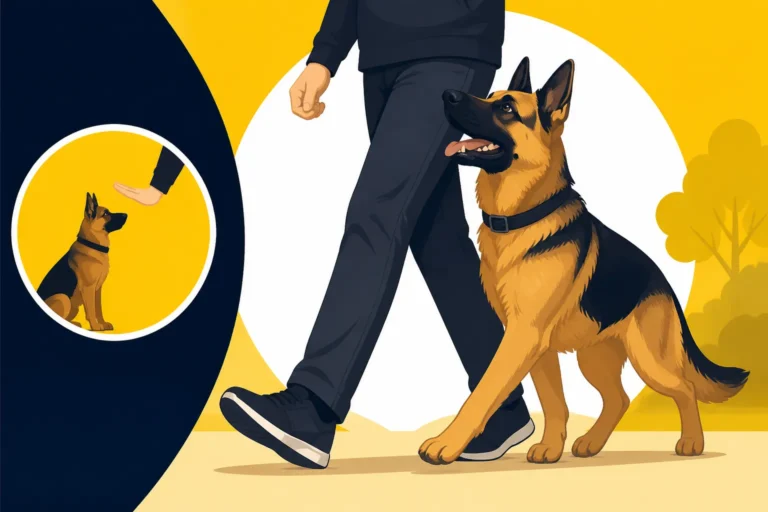
- Heel Work: The dog must heel precisely by the handler's left side, matching their pace, through various turns, changes of speed, and groups of people. This requires intense focus and a strong working drive.
- Retrieves: The dog must retrieve a dumbbell from flat ground, over a one-meter jump, and over an A-frame scale, returning promptly to the handler.
- Send Out: The dog is sent straight out across the field, then downed on command from a distance.
- Long Down-Stay: The dog must remain in a down position, undisturbed, for a prolonged period while another dog performs its obedience routine.
Training for obedience in Schutzhund focuses heavily on positive reinforcement and building high drive. It's about making the dog want to perform, not just doing it out of compulsion. This involves breaking down complex behaviors into small, achievable steps, using rewards, and gradually introducing distractions. Excellent German Shepherd obedience training basics are crucial before you even consider competitive obedience.
Phase C Protection Work (Schutzdienst)
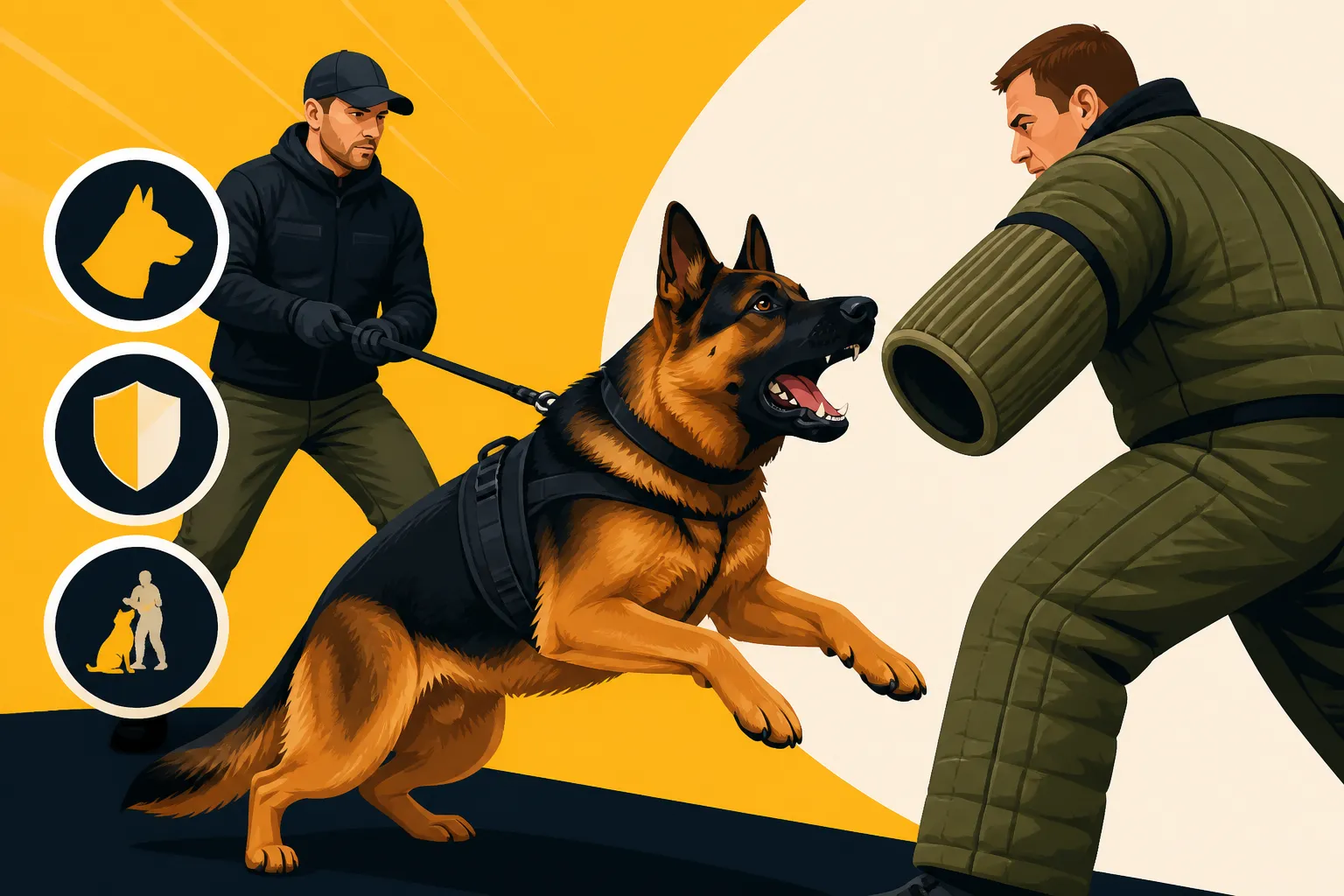
The protection phase is perhaps the most visually striking and often misunderstood aspect of Schutzhund. It is not about training aggression; it's about testing the dog's courage, protective instincts, and, crucially, their control and obedience in a highly simulated, stressful environment. The dog interacts with a "helper" (also known as a decoy) who wears a heavily padded bite sleeve.
Exercises in this phase typically include:
- Search for the Helper: The dog must systematically search blinds (small hiding places) on the field to locate the hidden helper.
- Bark and Hold: Upon finding the helper, the dog must bark intensely at them without biting, and hold them in place until the handler arrives.
- Defense of Handler/Courage Test: The dog must defend its handler from an "attack" by the helper, biting the sleeve vigorously, then releasing on command.
- Escorts: The dog must accompany the helper, ensuring they do not escape, then guarding them in various positions.
The training is extremely controlled and focuses on building the dog's confidence and channeling its natural prey drive towards the bite sleeve. The dog learns that the "fight" is a game with rules, and that the ultimate reward comes from the handler. A critical component is the "out" command, where the dog must immediately release the sleeve on command, regardless of the level of excitement. This demonstrates the dog’s solid nerves and the handler’s absolute control, proving that this is a sport of controlled aggression, not true aggression. If you're concerned about aggression in your German Shepherd, it's vital to differentiate between sport protection and uncontrolled behavior; always seek professional help for genuine issues.
| Schutzhund Phase | Description | Key Skills Developed | Common Equipment |
|---|---|---|---|
| Tracking (A) | Following a human scent trail to find articles | Focus, scent discrimination, endurance | Long line, tracking harness, scent articles |
| Obedience (B) | Precise execution of commands | Control, willingness to please, athleticism | Flat collar/harness, leash, dumbbells, jump |
| Protection (C) | Controlled defense of handler/territory | Courage, confidence, grip, control | Bite sleeve, full bite suit, whip (for noise) |
Starting Your Schutzhund Journey
Embarking on Schutzhund training is an exciting prospect, but it requires a structured approach. You can't just decide to do it one day and expect immediate results. Finding the right guidance and laying down a strong foundation are paramount.
Finding the Right Schutzhund Club
This is arguably the most crucial step in your Schutzhund journey. A good Schutzhund club isn't just a place to train; it's a community, a support system, and a source of invaluable mentorship. A bad club, on the other hand, can be detrimental to your dog's progress and even its temperament.
- Do Your Research: Look for clubs affiliated with recognized organizations like USCA (United Schutzhund Clubs of America), DVG (Deutscher Verband der Gebrauchshundsportvereine), or GSDCA-WDA (German Shepherd Dog Club of America – Working Dog Association). These affiliations often indicate adherence to established rules and standards.
- Visit and Observe: Don't just pick the first club you find. Visit several clubs in your area. Observe their training sessions without your dog first. Watch how the trainers interact with the dogs and handlers. Do they use positive reinforcement? Are the dogs enthusiastic and happy, or do they appear stressed or fearful? A good club prioritizes the dog's welfare and motivation.
- Ask Questions: Talk to club members and trainers. Ask about their training philosophy, how they introduce new dogs to the different phases, and what kind of support they offer new members. Look for experienced trainers who can clearly articulate their methods and provide individualized guidance. Remember, you're looking for a mentor, not just someone to throw a sleeve.
- Positive Environment: A good club fosters a supportive, educational, and fun environment. Avoid clubs that rely on harsh corrections, intimidation, or that have high turnover rates for dogs and handlers. The journey is long and challenging, and a positive atmosphere makes all the difference.
Initial Steps and Foundation Training
It's tempting to want to jump straight to the exciting protection work, but successful Schutzhund training is built on a strong foundation of basic obedience and drive building.
- Start with Advanced Obedience: Before you even think about Schutzhund-specific exercises, ensure your German Shepherd has a rock-solid foundation in general obedience. This means reliable recall, precise heeling, and solid stay commands under various distractions. Puppy classes and basic obedience courses are not just helpful; they are essential building blocks. Many clubs will require a certain level of obedience before allowing entry into protection work. A comprehensive guide on how to train a German Shepherd, covering basic commands, can be incredibly helpful here.
- Build Drive and Motivation: Schutzhund dogs need to want to work. This means fostering their play drive, prey drive, and food drive from a young age. Engage in structured play with tug toys and balls. Make training sessions fun, short, and highly rewarding. This foundation helps a German Shepherd puppy training guide be much more effective.
- Socialization is Key: A stable Schutzhund dog is a well-socialized dog. They need to be comfortable and confident in various environments, around different people, and with other dogs. Proper socialization from a young age is critical to developing a stable temperament, even for working dogs. A guide on how to socialize a German Shepherd can help ensure your dog is well-adjusted.
- Introduce Tracking as a Game: Often, initial tracking is introduced as a fun game using food rewards, tapping into the dog's natural desire to sniff and forage. This builds positive associations with the activity before formalizing it.
Don't rush the process. Laying a solid, positive foundation will make the more advanced stages of Schutzhund much smoother and more enjoyable for both you and your German Shepherd. Patience and consistency are your best allies.
Navigating the Challenges of Schutzhund
Schutzhund is a marathon, not a sprint. There will be days of triumph and days of frustration. Understanding and preparing for common challenges can help you persevere and ultimately succeed.
Overcoming Training Plateaus and Frustrations
Every handler, regardless of experience, will encounter training plateaus where progress seems to grind to a halt. It's easy to get discouraged when your dog isn't performing as expected, or when a previously mastered skill suddenly falls apart.
- Seek Experienced Guidance: This is where the value of a good club and experienced trainers truly shines. Don't try to troubleshoot everything on your own. Discuss your challenges with your mentors. They've likely seen it all before and can offer fresh perspectives, alternative techniques, or simply reassurance that this is a normal part of the process.
- Adjust Your Methods: What works for one dog or one session might not work for the next. Be flexible in your approach. Perhaps your dog needs a different type of reward, a shorter session, or a step back to re-solidify a foundational skill. Sometimes, simplifying the exercise can break through a plateau.
- Maintain a Positive Attitude: Your dog can sense your frustration. If training becomes a chore or a source of tension, your dog will pick up on that and lose motivation. Keep sessions fun, end on a positive note, and remember why you started this journey. The bond with your German Shepherd is paramount.
- Remember Individuality: Every dog is an individual with its own learning pace and personality. What worked for your friend's German Shepherd might not work for yours. Celebrate small victories and compare your dog's progress only against itself, not against other dogs in the club.
Balancing Drive and Control
One of the central tenets and most significant challenges of Schutzhund is fostering intense drive and enthusiasm in your dog while simultaneously maintaining absolute, unquestioning control. A dog with high drive but no control is a liability; a dog with control but no drive is boring to watch and won't excel in the sport.
- The Role of the Helper (Decoy): In the protection phase, the helper is not just an antagonist; they are a crucial training tool. A skilled helper knows how to build the dog's drive and confidence while ensuring the dog learns to engage and disengage on command. They understand timing, pressure, and how to read the dog to push it appropriately without causing fear or overstimulation. This delicate balance is vital for the dog's psychological development.
- Clear Communication and Consistent Commands: From day one, your commands must be clear, consistent, and followed through. Your German Shepherd must understand that your word is law, whether they are in a highly excited state or a calm one. This foundational obedience prevents issues like a German Shepherd puppy biting without control, teaching them appropriate outlets for their drives.
- Structured Play: Even off the training field, continue to build drive and control through structured play. Use tug toys to build intensity, but always practice a "drop" or "out" command. This teaches the dog that you control the start and end of the fun, reinforcing your leadership and their willingness to obey even when highly aroused.
- Building the "Off Switch": Equally important as building drive is teaching the "off switch." This means the dog can transition from high-energy work to a calm, controlled state instantly on command. This is developed through consistent training in all phases, emphasizing the release commands and rewarding calm behavior after high-drive activities.
Schutzhund is a journey of continuous learning and refinement. It challenges both dog and handler to grow, to trust, and to communicate on a deeper level. The rewards, however, are immeasurable – a highly trained, confident, and incredibly bonded German Shepherd partner.
Disclaimer
Please remember that this information is for educational purposes only and should not replace professional veterinary or certified dog trainer advice. Always consult with a qualified professional before starting any new training regimen, especially one as demanding as Schutzhund/IGP. Ensure your dog is healthy and has the appropriate temperament for such a sport.