American Show Line German Shepherd Explained
For many hopeful German Shepherd owners, navigating the various "lines" can feel like deciphering a secret code. You hear terms like "working line," "show line," "European," "American," and it's easy to get lost, especially when trying to understand what kind of dog you're truly bringing into your home. This guide is here to untangle the specifics of the American Show Line German Shepherd, helping you understand their unique characteristics, history, and what makes them different from their counterparts.
Understanding the German Shepherd Line Phenomenon
The world of German Shepherds isn't as monolithic as many first-time owners might assume. Over the decades, driven by different breeding philosophies and goals, distinct "lines" of German Shepherds have emerged. These lines often reflect the priorities of breeders – whether they're aiming for specific physical traits suitable for the show ring, or a certain drive and temperament optimized for demanding working roles like police K9 or search and rescue. It's a fascinating, if sometimes confusing, divergence from the original breed standard.
This segmentation isn't unique to German Shepherds, but it's particularly pronounced in this breed due to its versatility and global popularity. Understanding these lines is crucial because it directly impacts a dog's appearance, temperament, health predispositions, and overall suitability for different lifestyles. Choosing a German Shepherd isn't just about picking a puppy; it's about choosing a lineage that aligns with your expectations and capabilities as an owner.
What "Show Line" Truly Means
When we talk about "show line" German Shepherds, we're referring to dogs bred primarily for conformation events, where judges evaluate them based on how closely they adhere to a specific breed standard. For the American Kennel Club (AKC), this standard outlines ideal physical characteristics like coat color, bite, ear set, and most notably, gait and overall structure. The emphasis is on aesthetics and fluid movement within the show ring, rather than on working ability.
This focus has led to a distinctive look that is highly prized in American conformation circles. Breeders within the show line community are striving to produce dogs that can win titles and become champions, which often translates to a strong emphasis on appearance and temperament suitable for public exhibition. It doesn't mean these dogs can't or won't work, but it means their primary breeding objective isn't driven by high-level performance metrics in fields like Schutzhund or police work.
The Divide Between Show and Working Lines
The distinction between show and working lines is perhaps the most significant divergence within the German Shepherd breed. While both types are undeniably German Shepherds, their priorities in breeding have led to different evolutionary paths. Working lines, often seen in European countries, are bred for intense drive, robust health, strong nerves, and an unwavering desire to perform tasks. Their structure supports endurance and power, making them exceptional candidates for demanding jobs. They might not always have the "flashy" appearance favored in the show ring, but their functional capabilities are paramount.
Conversely, American Show Line German Shepherds place a higher value on specific aesthetic features, often resulting in a more exaggerated rear angulation and a sloping topline, which is believed to create a more flowing gait in the show ring. Their temperament is generally more mellow and handler-friendly, making them excellent family companions, but often lacking the intense drive required for high-level working competitions. This isn't to say one is "better" than the other, but they are bred for vastly different purposes and will, therefore, exhibit different traits and needs. It's a critical difference for anyone considering a German Shepherd, as it will shape your daily life with the dog.
The Hallmarks of the American Show Line German Shepherd
If you've spent any time at an AKC dog show or even just scrolled through images of various German Shepherds, you've likely noticed the unique profile of the American Show Line. These dogs are unmistakable, and their popularity as family pets is undeniable. However, understanding their specific characteristics beyond just a pretty face is key to being a responsible owner. It's not just about what they look like, but also how they're wired.
Many people are drawn to their striking appearance and often calmer demeanor compared to their working line cousins. However, this calmer nature doesn't mean they don't require significant attention to training, socialization, and exercise. They are still German Shepherds, after all, and possess the intelligence and energy inherent in the breed, just channeled differently.
Distinct Physical Characteristics
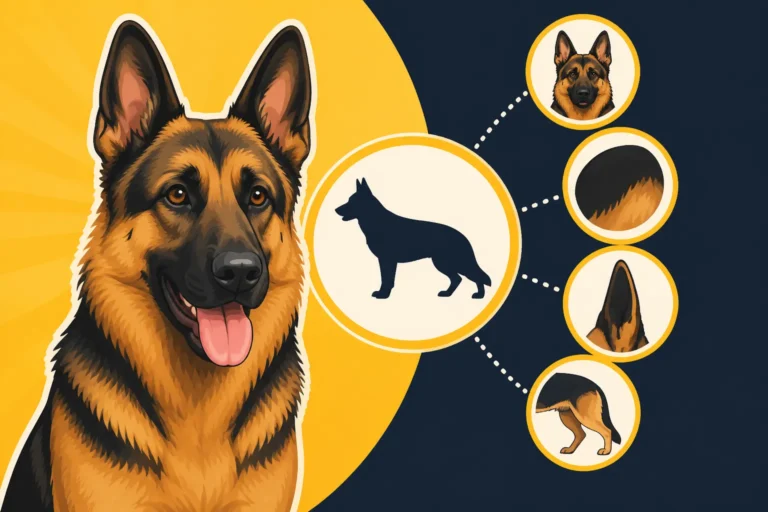
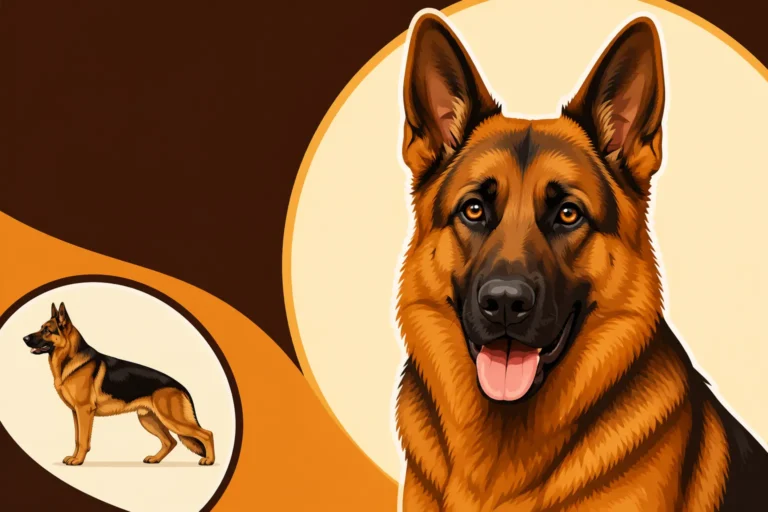
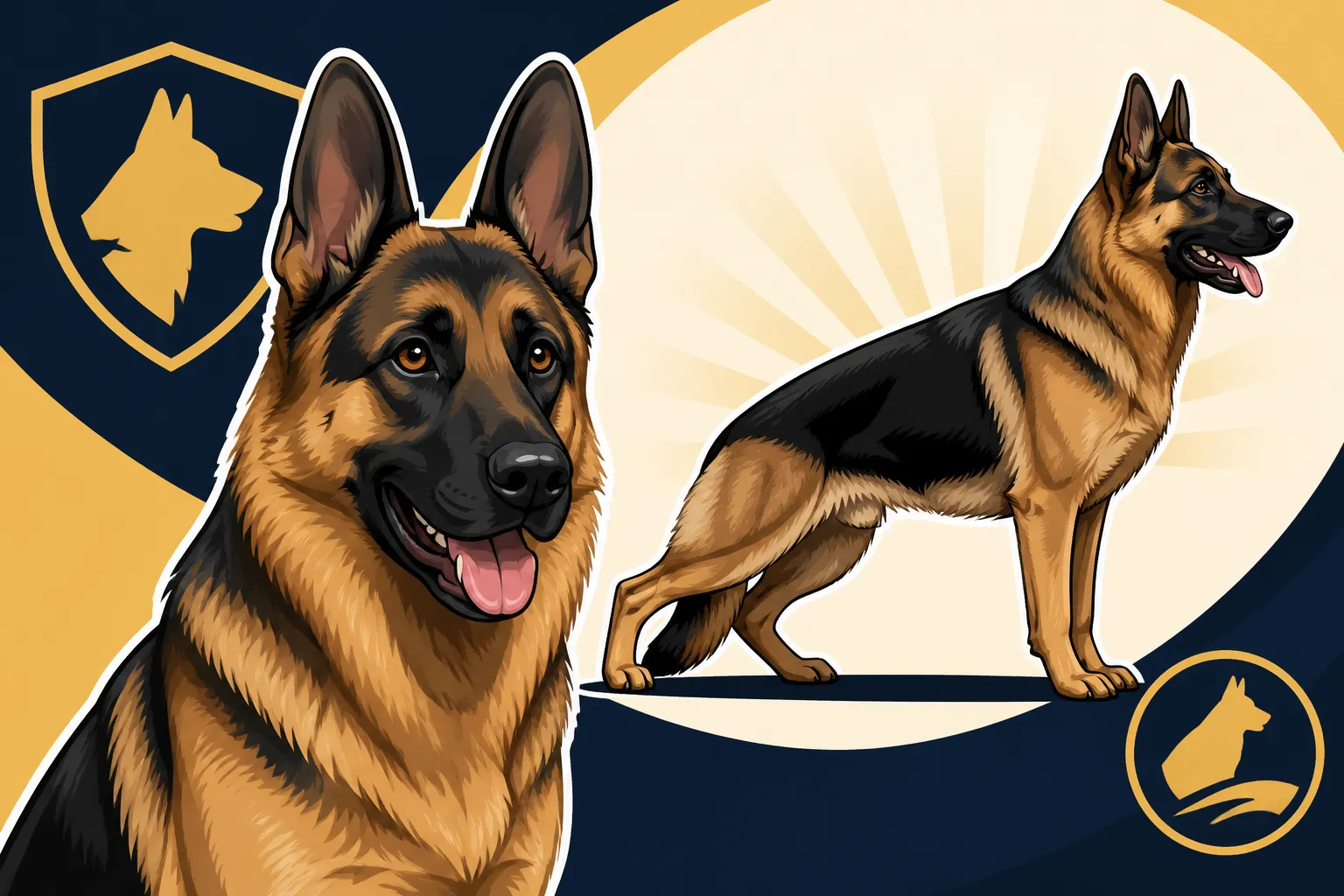
The most prominent physical trait of the American Show Line German Shepherd is their exaggerated rear angulation and sloping topline. This means their hind legs appear heavily angled, and their back slopes significantly from the shoulders down to the tail. This structure is bred to achieve a specific "flying trot" gait in the show ring, giving the impression of effortless, ground-covering movement. Their coat is typically a rich black and tan, black and red, or sable, often with a dense undercoat, contributing to their majestic appearance.
Their overall build tends to be substantial, with strong bones and a powerful, yet refined, head. While they should still convey strength and agility, the emphasis is heavily placed on symmetry, proportion, and the elegance of their movement as dictated by the AKC breed standard. You'll often see these dogs with full, bushy tails, carried in a graceful saber curve. Unlike some other lines, their size typically falls within the moderate to large range for the breed, presenting a balanced, impressive presence.
The Temperament Profile
Generally speaking, American Show Line German Shepherds are known for a more laid-back and amenable temperament compared to their working line counterparts. They are often described as being more "soft" or "handler-friendly," eager to please, and less prone to intense prey drive or suspicion towards strangers. This makes them highly suitable as family companions, excelling in obedience and enjoying interaction with their human families.
However, "mellow" is a relative term when discussing a German Shepherd. They are still intelligent, active dogs that require consistent training, early socialization, and plenty of mental stimulation. Without proper guidance, they can still develop common German Shepherd behavior problems. They typically bond very closely with their families and can be quite protective, exhibiting a natural guarding instinct without the overt aggression sometimes associated with working lines. They thrive on companionship and active participation in family life, often enjoying activities like long walks, fetch, and learning new tricks.
Health Considerations Unique to the Line
While all German Shepherds are prone to certain genetic conditions, the specific breeding practices within the American Show Line can sometimes exacerbate or highlight particular health concerns. The most widely discussed issue is the increased incidence of orthopedic problems, particularly hip and elbow dysplasia. The extreme rear angulation bred for show purposes can place undue stress on joints, potentially leading to or worsening these conditions. It's a genuine concern that reputable breeders actively try to mitigate through careful genetic health testing. You can read more about common German Shepherd health problems here: German Shepherd Health Problems Guide.
Beyond joint issues, American Show Lines can also be susceptible to other general German Shepherd health concerns such as bloat (gastric dilatation-volvulus), certain allergies, and degenerative myelopathy. Potential owners should always inquire about the health clearances of both parents, including OFA or PennHIP certifications for hips and elbows, and ideally, DNA testing for conditions like DM. A good breeder will be transparent about these issues and actively work to produce healthy puppies, often partnering with resources like Chewy for high-quality food and supplements to support joint health from a young age.
The Controversies and Criticisms
The distinctive appearance of the American Show Line German Shepherd has not come without its share of debate and controversy, particularly when compared to the breed's origins and standards in other countries. These discussions often revolve around whether the pursuit of a specific aesthetic in the show ring has compromised the breed's health, temperament, or overall function. It's a passionate discussion within the German Shepherd community, with valid points on all sides.
Many purists argue that the breed's original purpose as a herding and working dog has been diluted, losing some of the rugged functionality that defined early German Shepherds. Understanding these criticisms is vital for anyone considering this line, as it helps in making an informed decision about the type of German Shepherd that will best fit their life.
The Sloped Back Debate
The "sloped back" is arguably the most recognizable and debated feature of the American Show Line German Shepherd. Critics argue that this extreme angulation, particularly in the hindquarters, deviates significantly from the original German Shepherd Dog breed standard established by Max von Stephanitz, which emphasized a strong, relatively straight back built for endurance and power. They contend that this structure can compromise the dog's ability to perform demanding physical tasks and may contribute to health issues.
Proponents of the American Show Line, however, maintain that the sloped back and exaggerated angulation create the elegant, flowing gait admired in the show ring, and that a properly structured dog with good angulation can still be sound and healthy. They also point out that the AKC standard has evolved, and the current structure is what is rewarded in American conformation. This debate highlights a fundamental difference in philosophy: form for function versus form for aesthetics. For many, the visual impact of the American Show Line's movement in the ring is undeniably impressive, but the practicality and long-term health implications remain a hot topic.
Health Implications of Breeding for Aesthetics
One of the most serious criticisms leveled against breeding for the extreme aesthetics of the American Show Line is the potential for negative health implications. The primary concern, as mentioned before, centers around the increased risk of hip and elbow dysplasia, as the severe angulation can place unnatural stress on these joints. While responsible breeders are diligently screening their breeding stock using certifications like OFA and PennHIP, the genetic predisposition is still a concern that needs to be actively managed. Check out OFA vs PennHIP Hip Scoring Explained for more details on screening methods.
Beyond orthopedic issues, there are concerns that the focus on certain superficial traits might inadvertently lead to a narrower gene pool, potentially increasing the risk of other genetic conditions. While this is a complex issue influenced by many factors, it underscores the importance of choosing a breeder who prioritizes overall health and temperament above all else. A German Shepherd's lifespan and quality of life are significantly impacted by its genetic health, and prospective owners should always prioritize health clearances when selecting a puppy.
Temperament Divergence from Original Breed Standard
Another significant area of criticism is the perceived temperament divergence of the American Show Line from the original German Shepherd breed standard. The breed was originally developed as a confident, fearless, and highly intelligent working dog with strong nerves and a pronounced protective instinct. While American Show Lines are often loving and loyal family dogs, some critics argue that they have become too "soft," lacking the intense drive, nerve, and working capability that defined the early German Shepherds.
This isn't to say that all American Show Lines lack drive or courage; many are still highly trainable and make excellent partners for various dog sports and activities. However, the overall emphasis in breeding has shifted away from the intense working capabilities found in lines like the Czech Working Line German Shepherd or East German DDR German Shepherd. For someone seeking a high-drive working dog, an American Show Line might not be the ideal choice. Conversely, for a family seeking a loyal, companionable dog that is generally easier to manage, this temperament can be a significant advantage. It truly depends on what an owner is looking for in their German Shepherd.
Living with an American Show Line German Shepherd
Bringing any German Shepherd into your life is a significant commitment, and an American Show Line is no exception. While they may have a reputation for being more mellow than some working lines, they are still large, intelligent, and active dogs that require consistent effort in terms of exercise, training, and overall care. It's a common misconception that a "show dog" simply stands around looking pretty; these animals need engagement and proper management to thrive as well-adjusted companions.
Understanding their specific needs will ensure a harmonious household and a happy, healthy dog. From their daily walks to their grooming routine, every aspect of their care contributes to their well-being and strengthens the bond you share.
Exercise and Mental Stimulation Needs
Even with their calmer temperament, American Show Line German Shepherds still possess the energy and intelligence of the breed. They need regular, moderate exercise to stay physically fit and mentally stimulated. This isn't usually the intense, high-octane daily training required for a working line, but it's far more than a simple stroll around the block. Think at least 60-90 minutes of active exercise daily, which could include brisk walks, jogging, playing fetch in a secure yard, or structured playdates.
Beyond physical activity, mental stimulation is paramount. German Shepherds are smart dogs, and if their minds aren't engaged, they can become bored and destructive. Puzzle toys, training sessions, scent work, or even just teaching new tricks are excellent ways to keep their brains active. Toys from Chewy that offer a mental challenge can be a great investment. Remember, a tired German Shepherd is usually a well-behaved German Shepherd!
Training and Socialization Approaches
American Show Line German Shepherds generally respond very well to positive reinforcement training due to their desire to please. Starting early and consistent training and socialization is crucial, just as it is for any German Shepherd. Puppy classes are an excellent way to introduce them to other dogs and people in a controlled environment, fostering good manners from a young age. Focus on basic obedience commands like "sit," "stay," "come," and leash training from the get-go.
Their naturally more accepting nature can make socialization a bit easier than with some more suspicious working lines, but it should never be overlooked. Expose them to a variety of sights, sounds, people, and other friendly dogs throughout their puppyhood and adolescence. This helps them grow into confident, well-adjusted adults who are comfortable in different situations. Continue training throughout their lives to keep their minds sharp and reinforce good habits. Consistency and patience are key with these intelligent dogs.
Grooming and Nutritional Requirements
American Show Line German Shepherds typically have a dense double coat that requires regular grooming to manage shedding and maintain coat health. They "blow coat" twice a year, during which shedding can be quite heavy, but year-round brushing several times a week is necessary. A good quality deshedding brush can be a lifesaver during these periods. Bathing should be done as needed, typically every few months, using a dog-specific shampoo. Keeping their ears clean and nails trimmed is also essential. You can find excellent grooming tools at Chewy.
When it comes to nutrition, a high-quality large-breed dog food is vital, especially during their crucial growth phases to support their developing joints and bones. Look for formulas specifically designed for large breeds, which often have appropriate calcium-to-phosphorus ratios. The amount to feed will depend on their age, weight, activity level, and the specific food's caloric content. Always consult with your veterinarian for precise feeding guidelines. Monitoring their weight is important to prevent obesity, which can exacerbate joint issues. For detailed feeding advice, check out our German Shepherd Feeding Guide.
Deciding if an American Show Line German Shepherd is Right for You
The decision to bring a German Shepherd into your life is a big one, and selecting the right line for your lifestyle is perhaps the most important choice you'll make. The American Show Line offers a distinct set of characteristics that appeal to many, but it's important to weigh these against your own expectations, resources, and living situation. There's no "perfect" line, only the best fit for an individual or family.
Taking the time to research thoroughly, speak with reputable breeders, and even spend time with adult American Show Line German Shepherds can provide invaluable insights. This isn't a decision to be made lightly, as you're committing to a loyal companion for the next decade or more.
Pros of Owning an American Show Line GSD
One of the biggest advantages of an American Show Line German Shepherd is their generally more approachable and family-friendly temperament. They often possess a calmer disposition and a stronger desire to please, making them excellent companions for families with children or other pets, provided proper socialization is in place. Their intelligence and eagerness to learn make them highly trainable for basic obedience and various dog sports like agility or rally.
Their striking appearance, with the classic black and tan markings and elegant gait, is also a significant draw for many who appreciate the aesthetic qualities of the breed. They thrive on human companionship and fit well into active family households that can provide consistent attention, training, and moderate exercise. For individuals seeking a loyal, protective family guardian who is not necessarily geared towards intense working endeavors, the American Show Line can be an ideal choice.
Potential Challenges and Considerations
Despite their many wonderful qualities, there are specific challenges to consider when choosing an American Show Line German Shepherd. The primary concern often revolves around orthopedic health, particularly hip and elbow dysplasia, which can be exacerbated by the extreme angulation selectively bred for the show ring. While reputable breeders strive to mitigate this through health testing, it's a genetic predisposition that owners must be aware of and proactively manage with diet, exercise, and preventative care. For more information on preventing hip dysplasia, read How to Prevent Hip Dysplasia in German Shepherds.
Another consideration is their exercise and mental stimulation requirements. While often more mellow than working lines, they are still German Shepherds and need consistent activity to prevent boredom and destructive behaviors. This means a significant time commitment daily. Finally, their impressive double coat requires regular grooming to manage shedding, which can be considerable, especially during seasonal "blow outs." Ensuring you are prepared for these commitments in terms of time, effort, and potential vet costs is crucial for a fulfilling relationship with your American Show Line German Shepherd.
German Shepherd Line Comparison Table
| Feature | American Show Line GSD | West German Show Line GSD | Working Line GSD (e.g., Czech, DDR) |
|---|---|---|---|
| Primary Goal | Conformation showing (AKC standard) | Conformation showing (SV standard) & performance | Working ability, temperament, drive |
| Physical Build | Exaggerated rear angulation, sloped topline, refined bone | Strong, balanced angulation, solid build, moderate slope | Robust, athletic, less angulation, powerful bone |
| Temperament | Often softer, eager to please, good family dogs | Confident, stable, good nerves, balanced drive | High drive, intense, protective, strong prey drive |
| Health Concerns | Higher risk of severe hip/elbow dysplasia due to angulation | Good health clearances, still prone to common GSD issues | Bred for soundness, still prone to common GSD issues |
| Exercise Needs | Moderate to high; daily walks, fetch, mental games | High; daily structured exercise, training, dog sports | Very high; intense daily training, working tasks, sport |
| Ideal Owner | Active families, first-time GSD owners, desire for loyal companion | Experienced GSD owners, those interested in sport/family | Highly experienced GSD owners, trainers, working homes |
Disclaimer
This article provides general information and recommendations regarding German Shepherds. Always consult with a qualified veterinarian for personalized advice on your dog's health, diet, and specific needs. Breeding lines can vary significantly, and individual dogs within any line may exhibit traits that differ from general descriptions.