American Working Line German Shepherd Explained
Navigating the world of German Shepherd lines can feel like trying to solve a complex puzzle, especially when you’re trying to find a companion that perfectly fits your home and lifestyle. Many prospective owners hear terms like "American Working Line" and wonder what sets these dogs apart from their show line counterparts or other European lines. It's easy to feel overwhelmed by the subtle differences and what they truly mean for a dog's temperament, health, and daily needs. This guide aims to clear up that confusion, offering a comprehensive look into the American Working Line German Shepherd, helping you understand their unique characteristics, and ultimately determine if this driven and intelligent canine is the ideal match for your family.
Understanding German Shepherd Lines: A Quick Overview
Before we dive deep into the American Working Line, it's really helpful to get a grasp on the broader landscape of German Shepherd lines. The breed, as we know it today, originated in Germany with Captain Max von Stephanitz, whose vision was to create the ultimate working dog. Over time, different breeding philosophies emerged, leading to distinct "lines" within the breed, each emphasizing certain traits. This divergence often leaves new owners scratching their heads, trying to figure out if a dog is from a "good" line or what a specific designation means for their future pet.
The Evolution of German Shepherd Lines
Originally, all German Shepherds were bred for their working ability – herding, protection, and military service. The focus was squarely on temperament, intelligence, and physical soundness that allowed them to perform demanding tasks. However, as the breed gained popularity worldwide, particularly in the United States, breeding priorities began to shift for some. Some breeders started to focus more on appearance for the show ring, often leading to dogs with exaggerated physical traits like extreme angulation or sloped backs, which, while visually striking, could sometimes compromise their original working structure and capabilities.
In contrast, other breeders remained dedicated to von Stephanitz's original vision, continuing to prioritize working ability, sound temperament, and overall athleticism. This dedication led to the preservation of working lines, both in Europe and, to a lesser extent, in America. It's this dedication to utility and function that really defines what we think of as a "working line" today, regardless of its country of origin.
Distinguishing Working Lines from Show Lines
The primary difference between working lines and show lines lies in their breeding objectives. Show lines, whether American or European, are primarily bred to conform to a specific breed standard for appearance, aiming to excel in conformation shows. While temperament and health are still considered, the emphasis is heavily skewed towards aesthetics, which can sometimes lead to a dilution of the strong working drives. You might notice these dogs having a more refined, often "prettier" look.
Working lines, on the other hand, are bred with performance as the absolute top priority. These dogs are selected for their intelligence, courage, drive, trainability, and physical resilience. Their appearance, while still within the breed standard, is secondary to their functional capabilities. This means they often have a more robust, athletic build without the extreme angulation seen in some show lines. They are specifically bred for roles such as police work, search and rescue, protection sports like IGP (formerly Schutzhund), and competitive obedience. If you're looking into specific characteristics, our article on the differences between a Working Line vs Show Line German Shepherd can offer even more clarity.
What Defines the American Working Line German Shepherd?
The term "American Working Line German Shepherd" can sometimes be a point of confusion because American breeding has traditionally leaned heavily towards show lines. However, a dedicated segment of breeders in the U.S. has focused on preserving and developing German Shepherds with strong working abilities, often influenced by European working lines but adapted for specific American working dog needs and preferences. These dogs embody a unique blend, offering high drive and trainability while sometimes presenting a slightly different aesthetic than their European counterparts.
Key Characteristics and Traits
American Working Line German Shepherds are, first and foremost, highly intelligent and driven. They possess an intense desire to work and please their handlers, making them incredibly trainable for various tasks. You'll often see a strong prey drive and defense drive, which are crucial for protection work, but these drives are typically balanced with a stable temperament. This means they are brave and confident when performing a job, but should also be level-headed and approachable in everyday situations, once properly socialized. They crave mental stimulation and thrive when given a purpose. If they're not given a "job," their intelligence and energy can quickly turn into destructive behaviors out of sheer boredom. This isn't a dog content to sit on the couch all day, waiting for a short walk.
Another defining trait is their resilience and endurance. These dogs are built to work long hours, whether tracking, searching, or performing complex obedience routines. They exhibit a strong protective instinct towards their family and territory, making them excellent guardians, but this trait needs careful management and socialization from a young age. Without proper guidance, their protective nature can become problematic. Understanding their inherent German Shepherd Temperament and Personality is crucial for any potential owner.
Physical Build and Appearance
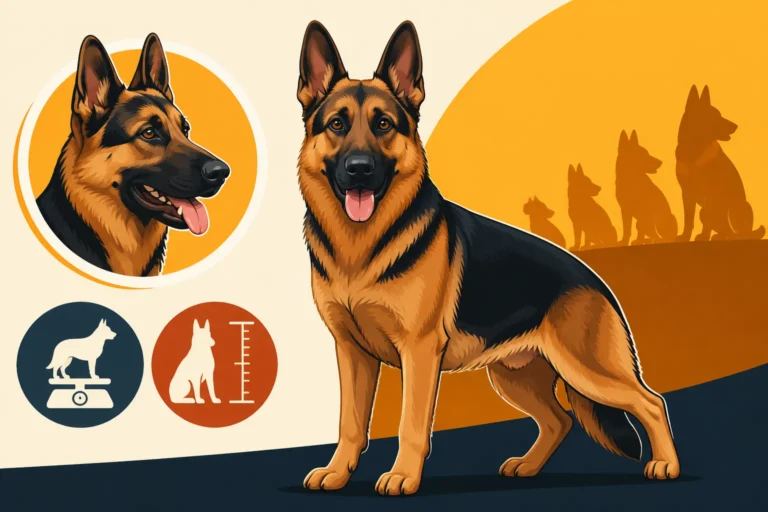
When you look at an American Working Line German Shepherd, you'll generally see a dog that embodies athleticism and functionality. They tend to have a robust, muscular build, often with a straighter back than many American Show Lines. Their angulation, while still present and correct for the breed standard, is typically moderate, allowing for efficient movement and agility without putting undue stress on joints. They aren't bred for extreme features but for balanced structure that supports their working capabilities.
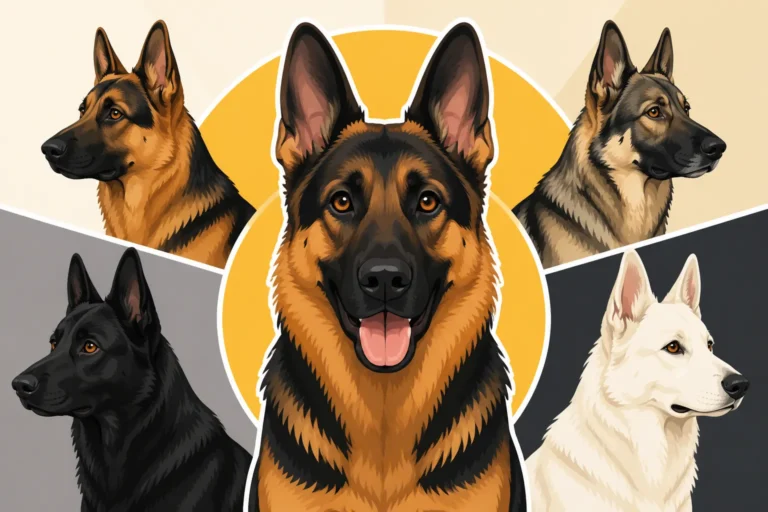
Coat colors can vary widely, including the classic black and tan, sables, bi-colors, and sometimes solid black. The emphasis is on soundness and health over specific color patterns. You won't typically find the highly exaggerated, "sloped" appearance that is sometimes associated with American Show Lines. Instead, expect a powerful, agile, and well-proportioned dog that looks capable of performing physical tasks with ease. Their physical characteristics are a direct reflection of their purpose: a functional working animal.
Temperament and Drive
The temperament of an American Working Line German Shepherd is characterized by a strong work ethic and high energy levels. They possess what breeders refer to as "nerve" – a calm confidence under pressure – and a strong desire to engage with their handler. This isn't just about being smart; it's about having the mental fortitude and motivation to keep working even when things get challenging. They excel in environments where they are challenged mentally and physically.
Their drives are typically well-defined:
- Prey Drive: A strong instinct to chase and capture, vital for bite work and tracking.
- Defense Drive: The instinct to protect themselves and their handler, manifesting as courage and confidence in confronting perceived threats.
- Fight Drive: The ability to push through discomfort or pressure to achieve a goal.
- Retrieve Drive: A natural inclination to fetch and carry objects, making them excellent for tasks requiring objects to be retrieved.
These drives, when properly channeled through training, make for an incredibly capable and loyal partner. However, if left unchecked or unexercised, these same drives can lead to frustration, anxiety, and behavioral issues. For instance, a dog with high prey drive might relentlessly chase squirrels or even small pets if not properly trained and managed. Their intense nature means they need an owner who understands these drives and is committed to providing appropriate outlets.
Training and Exercise Needs of an American Working Line GSD
Owning an American Working Line German Shepherd is a commitment, particularly when it comes to training and exercise. These aren't dogs that you can just take for a quick walk around the block once a day and expect them to be content. Their high intelligence and boundless energy demand consistent engagement, structure, and outlets for their natural drives. Neglecting these needs is a surefire way to end up with a frustrated, destructive, and potentially difficult-to-manage dog.
Early Socialization and Puppy Training
From the moment you bring an American Working Line German Shepherd puppy home, early socialization is absolutely paramount. Because these dogs are bred with strong protective instincts and sometimes higher reactivity, exposing them to a wide variety of sights, sounds, people, and safe environments is critical. This isn't just about walks in the park; it means controlled exposures to different surfaces, noises (like vacuums or city traffic), and interactions with well-behaved dogs and people from a young age. Puppy classes are an excellent resource for structured socialization and basic obedience.
Simultaneously, solid puppy training fundamentals must be established. This includes crate training, potty training, and teaching basic commands like sit, stay, come, and leash manners. These early lessons lay the groundwork for a well-adjusted adult dog. Without this foundation, managing their strong will and drives as they mature becomes significantly harder. Our comprehensive German Shepherd Puppy Training Guide provides an excellent roadmap for these crucial early months.
Advanced Obedience and Work Ethic
For an American Working Line German Shepherd, basic obedience is just the beginning. These dogs truly thrive in advanced training scenarios that challenge their intellect and utilize their natural abilities. This might include competitive obedience, agility, tracking, scent work, or even protection sports like IGP (formerly Schutzhund). They excel when given complex tasks to solve and when they feel like they are "working" alongside their human.
Consistency is key; these dogs are smart enough to learn loopholes if you're not consistent with your rules and commands. Positive reinforcement methods work incredibly well, as they are eager to please and respond enthusiastically to rewards like praise, toys, and high-value treats. However, a firm, fair, and confident leader is essential to guide them. Their inherent work ethic means they will absorb new information and skills rapidly, often reaching levels of proficiency that might surprise owners new to working breeds. Don't be afraid to push their boundaries positively; they crave the challenge. Our article on How to Train a German Shepherd offers detailed strategies.
Meeting High Exercise Demands
The exercise requirements for an American Working Line German Shepherd are substantial, much higher than a typical pet German Shepherd. We're talking about more than just a couple of walks a day. They need vigorous physical activity to burn off their energy and mental engagement to prevent boredom. This could look like long, brisk runs, intense games of fetch, swimming, or structured training sessions that involve movement and problem-solving. A daily minimum of 1-2 hours of intense exercise is often necessary, broken into multiple sessions.
Without adequate exercise, these dogs are prone to developing behavioral issues such as destructive chewing (your furniture might become a victim!), excessive barking, digging, or even anxiety. Think about incorporating activities that tap into their natural drives, such as flirt poles to simulate prey chase, or scent games that utilize their incredible noses. Regular trips to a secure dog park (if your dog is well-socialized) or engaging in dog sports are excellent ways to meet their physical and mental needs. For a detailed breakdown, explore our guide on German Shepherd Exercise Requirements.
Health Considerations Specific to American Working Lines
While working lines, including American Working Lines, are often bred with a strong emphasis on physical soundness and health for performance, they are not entirely immune to the genetic health issues common to the German Shepherd breed. Reputable breeders work diligently to minimize these risks, but understanding potential concerns and proactive management is key to ensuring a long, healthy life for your loyal companion.
Common Health Issues and Genetic Predispositions
Like all German Shepherds, American Working Lines can be predisposed to certain orthopedic conditions. The most well-known are hip and elbow dysplasia. Hip dysplasia in German Shepherds, for example, is a malformation of the hip joint that can lead to arthritis and pain. Similarly, elbow dysplasia affects the elbow joint. While careful breeding and screening help, environmental factors like rapid growth or improper exercise during puppyhood can exacerbate these issues. You can learn more about specific risks in our article, German Shepherd Hip Dysplasia Explained.
Another significant concern for German Shepherds, including working lines, is Degenerative Myelopathy (DM). This is a progressive neurological disease that affects the spinal cord, leading to hind limb weakness and paralysis. It is heartbreaking because there is no cure, though management can help. Responsible breeders will conduct genetic testing for DM. Bloat, or Gastric Dilatation-Volvulus (GDV), is another life-threatening emergency common in deep-chested breeds like German Shepherds, where the stomach twists. Understanding German Shepherd Bloat: Signs and Prevention is vital.
| Health Concern | Description | Prevention/Management Strategies |
|---|---|---|
| Hip Dysplasia | Malformation of the hip joint, leading to arthritis and pain. | Reputable breeding (OFA/PennHIP scores), controlled growth, proper exercise. |
| Elbow Dysplasia | Malformation of the elbow joint, causing pain and lameness. | Reputable breeding (OFA scores), controlled exercise, weight management. |
| Degenerative Myelopathy | Progressive neurological disease affecting the spinal cord. | Genetic testing (DM DNA testing), supportive care. |
| Bloat (GDV) | Stomach fills with gas and twists, a life-threatening emergency. | Multiple small meals, slow feeders, avoiding exercise after eating, gastropexy. |
| Exocrine Pancreatic Insufficiency (EPI) | Pancreas doesn't produce enough digestive enzymes. | Dietary enzyme supplementation, specific diet. |
Proactive Health Management
A proactive approach to health management is essential for an American Working Line German Shepherd. This starts even before you bring your puppy home. A reputable breeder will perform comprehensive German Shepherd Genetic Health Testing on their breeding stock for conditions like hip and elbow dysplasia (OFA or PennHIP certifications), DM, and sometimes other genetic markers. Always ask to see these health clearances for both parents. This significantly reduces the risk of inheriting these conditions.
Once you have your dog, regular veterinary check-ups are non-negotiable. Discuss appropriate vaccination schedules and parasite prevention with your vet. A high-quality diet specifically formulated for large breeds, with controlled growth during puppyhood, is crucial for joint development. Maintaining a healthy weight throughout their life will also reduce stress on their joints. Consider supplements like glucosamine and chondroitin, often recommended for large breeds prone to joint issues, but always consult your vet first. Regular exercise, as detailed earlier, is vital for their physical and mental well-being, but it must be appropriate for their age and development stage to prevent injury. A healthy dog is a happy dog, and consistent care contributes greatly to a long and active German Shepherd Lifespan: How Long They Live.
Is an American Working Line German Shepherd Right for You?
Deciding to bring an American Working Line German Shepherd into your life is a significant decision that shouldn't be taken lightly. These dogs are incredible companions for the right individuals or families, but their unique needs and intense drives mean they are not suited for everyone. It's about honesty with yourself regarding your lifestyle, experience, and commitment level.
Lifestyle Compatibility and Commitment
An American Working Line German Shepherd requires an owner who is experienced with active, intelligent breeds, or at the very least, willing to dedicate serious time and effort to their training and socialization. If you're looking for a low-maintenance dog that's happy with short walks and minimal engagement, this is absolutely not the breed for you. They need a "job" – whether that's advanced obedience, dog sports, or even just consistent, challenging mental games at home.
Consider your living situation: do you have a secure yard? Do you enjoy outdoor activities like hiking, running, or long walks? Are you prepared for daily, rigorous exercise sessions, regardless of the weather? Do you have the time and financial resources to invest in professional training, dog sports, or high-quality food and care? These dogs thrive with active families who understand their drive and integrate them fully into their lives, treating them as true partners. If you travel frequently or have long work hours that would leave a dog alone for extended periods, an American Working Line German Shepherd might struggle with isolation and lack of stimulation. They bond deeply with their families and thrive on companionship and purpose.
Finding a Reputable Breeder
If, after careful consideration, you decide that an American Working Line German Shepherd is the right fit, the next crucial step is finding a truly reputable breeder. This is not a decision to rush. A good breeder prioritizes health, temperament, and adherence to working standards, not just quick sales. They will be transparent about their breeding practices, health clearances, and the specific characteristics of their lines.
Look for breeders who:
- Provide Health Clearances: Can show you verifiable OFA or PennHIP certifications for hips and elbows, and DM DNA test results for both parent dogs.
- Allow Visits: Are happy for you to visit their facility, meet the parent dogs, and see the puppies in a clean, stimulating environment.
- Ask You Questions: A good breeder will interview you extensively to ensure their puppies go to suitable homes.
- Offer Support: Are a resource for advice and support throughout your dog's life.
- Have a Contract: Provide a written contract outlining guarantees, return policies, and responsibilities.
Be wary of breeders who offer multiple litters simultaneously, don't conduct health testing, or seem more interested in your money than in the welfare of their dogs. Avoid pet stores, online classifieds, or "backyard breeders" who cannot provide extensive health and pedigree information. You might also consider rescues specializing in German Shepherds, though finding a pure American Working Line in rescue can be challenging. For more guidance, read our detailed article on How to Find a Reputable German Shepherd Breeder. When it comes to purchasing supplies for your new pup, retailers like Chewy often provide comprehensive selections, from specialized large-breed puppy food to durable training toys.
Ultimately, bringing an American Working Line German Shepherd into your home means welcoming a highly intelligent, intensely driven, and incredibly loyal partner. With the right commitment, training, and understanding of their unique needs, they will reward you with an unparalleled bond and a lifetime of shared adventures. You'll find many of the necessary, high-quality dog supplies, from specialized diets to durable training equipment, readily available from trusted online retailers like Chewy, making it easier to provide the best care for your working companion.
Disclaimer
Please remember that the information provided in this article is for general informational purposes only and does not constitute professional veterinary advice. Always consult with a qualified veterinarian or animal health professional for any health concerns or before making any decisions about your pet's care or treatment. Individual results may vary, and the applicability of any information may depend on your specific circumstances.