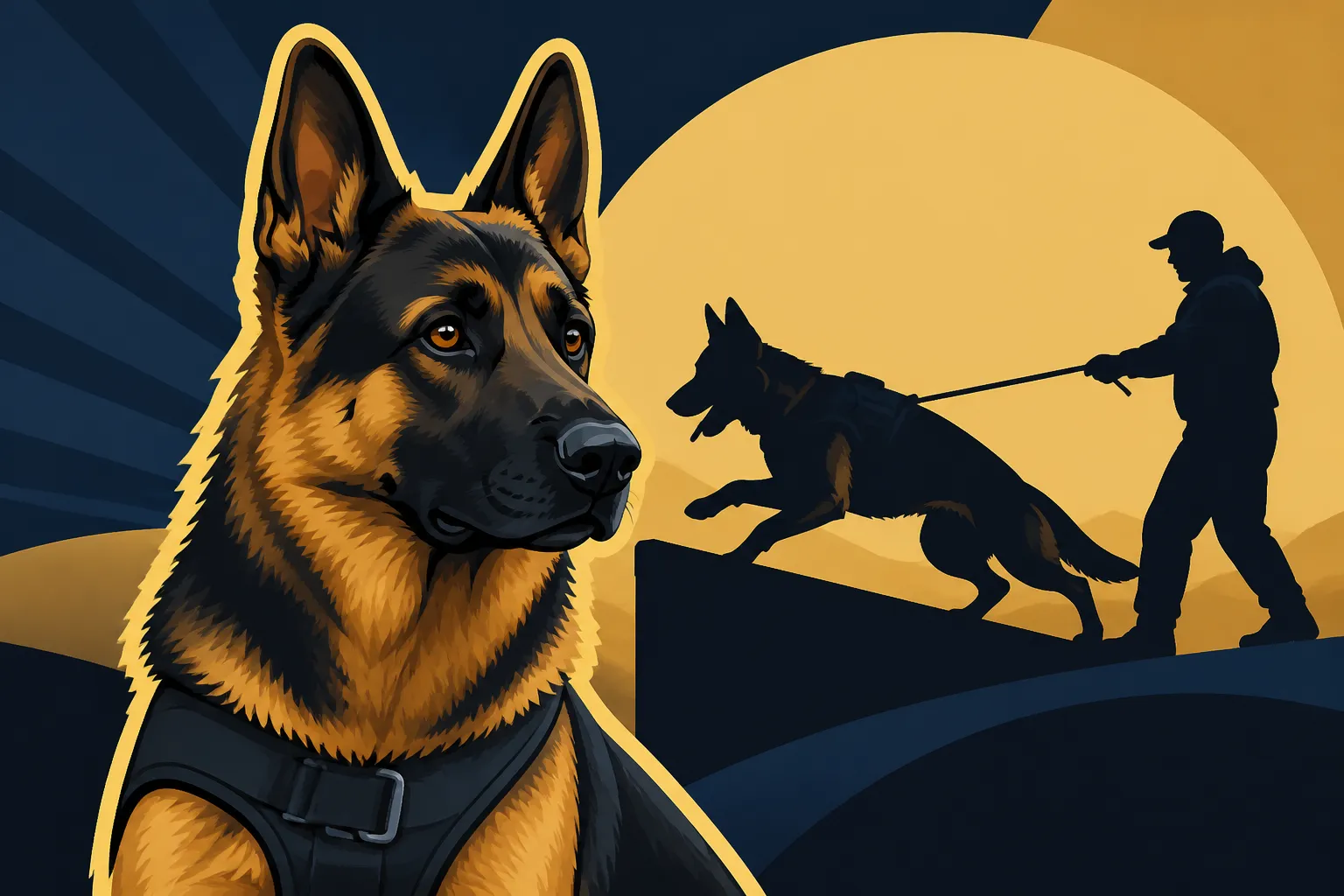
Czech Working Line German Shepherd Explained
It’s truly perplexing, isn't it, trying to navigate the myriad of German Shepherd lines out there? One minute you’re looking at a fluffy, laid-back show dog, and the next you’re hearing about intense "working lines" with terms like "Czech" or "DDR" thrown around. It can feel like you need a specialized degree just to understand what type of dog you're even considering, and for many, the distinct characteristics of the Czech Working Line remain a mystery. This comprehensive guide will cut through the jargon, giving you a clear, empathetic, and realistic look into the Czech Working Line German Shepherd, helping you determine if this highly driven and intelligent companion is the right fit for your life.
Understanding the Legacy: What is a Czech Working Line German Shepherd?
When you hear "Czech Working Line German Shepherd," it’s easy to conjure up images of highly trained police or military dogs, and you wouldn't be far off. These dogs carry a rich history, deeply rooted in a demanding and highly structured breeding program designed for functionality above all else. Unlike many show lines that prioritize specific aesthetics, the Czech Working Line was deliberately cultivated for exceptional working ability, including traits like strong nerves, high trainability, and unwavering courage.
The lineage of the Czech Working Line German Shepherd traces its roots back to communist Czechoslovakia, specifically from the Pohraniční Stráž (Border Guard) kennels. After World War II, as borders became heavily militarized, there was an intense need for dogs capable of performing rigorous patrol and protection duties in harsh conditions. These dogs weren't pets; they were integral tools for national security, selected purely on their genetic predisposition for work, temperament, and health. This meant that only the best, most resilient, and most capable dogs were allowed to breed, creating a highly concentrated gene pool focused on specific, desirable working traits. Over time, as political landscapes shifted, these dogs began to find their way into private ownership and various working dog sports, but their fundamental drive for a job remains paramount.
A Glimpse into History: The Pohraniční Stráž Kennels
The Pohraniční Stráž kennel, often abbreviated as PS, was established in 1955. Their mission was clear: to produce German Shepherds specifically for border patrol in Czechoslovakia. This wasn't a hobby; it was a state-sponsored, systematic breeding program where dogs were rigorously tested for nerve, courage, fight drive, and trackability. Imagine a breeding facility where aesthetics took a back seat to performance. Dogs were expected to work in varied and often dangerous environments, from dense forests to mountainous terrain, dealing with potential threats directly. This continuous selection pressure over decades ingrained traits that are still evident today: immense mental and physical toughness.
The breeding protocol was meticulously documented, with comprehensive records kept on each dog's performance, health, and progeny. This level of detail allowed the breeders to identify and propagate the most successful working genes, resulting in a consistent type of German Shepherd. Many of these dogs were exported globally after the Iron Curtain fell, forming the foundation for many contemporary working dog programs. Their direct descendants are still highly sought after for Schutzhund (now IGP), police, military, and search and rescue work, a testament to the foresight and dedication of those original breeders.
The Purpose-Driven Breeding Philosophy
What truly sets the Czech Working Line apart is its unwavering commitment to purpose-driven breeding. While show lines might focus on specific angles or coat colors, Czech lines are all about function. Breeders are looking for dogs that possess an intense work ethic, sound nerves, exceptional drive, and a physical structure that supports endurance and agility in demanding tasks. This isn't just about having a high energy level; it's about having the mental fortitude to sustain intense training and handle high-pressure situations without crumbling.
Every breeding decision is typically made with the dog's working capability in mind. This includes rigorous health clearances, temperament evaluations, and performance titles from sports like IGP. This focus ensures that the inherent traits of the line—such as strong prey drive, defense drive, and a natural guarding instinct—are preserved and enhanced. It’s a stark contrast to casual backyard breeding and explains why these dogs often come with specific expectations for their owners regarding training and engagement. When you get a Czech Working Line German Shepherd, you're not just getting a pet; you're inheriting centuries of intentional breeding designed to produce a canine athlete and partner.
Built for Purpose: Physical Characteristics of the Czech Working Line
When you see a Czech Working Line German Shepherd, they often present a distinct picture that subtly sets them apart from their show line cousins. While they are unmistakably German Shepherds, their physical build is a direct reflection of their working heritage. They are typically robust, agile, and athletic, designed for endurance and functionality rather than exaggerated angles or specific aesthetic curves. These dogs are built to last through long hours of demanding work, not just to look pretty in a show ring.
Their overall appearance is one of strength and athleticism. You won't typically see the extremely sloped backs that are sometimes present in American or West German show lines. Instead, you'll find a straighter, more level topline, contributing to a powerful, efficient gait that's ideal for covering ground rapidly or performing explosive movements. Their bodies are well-muscled and lean, reflecting a dog that is constantly ready for action. This functional build is crucial for dogs expected to perform tasks ranging from tracking over varied terrain to engaging in bite work.
Strong and Functional Build
The body of a Czech Working Line German Shepherd is designed for optimal performance. They tend to have a compact yet muscular frame, providing both strength and agility. Their bone structure is substantial but not overly heavy, allowing for durability without sacrificing speed. You'll notice powerful hindquarters, which are essential for explosive propulsion and jumping, and a strong, level back that supports their weight evenly during strenuous activity. Their chest is typically deep, providing ample lung capacity for sustained effort.
Their heads are often described as strong and masculine, with well-defined features and dark, intelligent eyes that convey a keen awareness of their surroundings. Ear set is usually high and erect, giving them an alert and attentive expression. This functional anatomy is consistent across the line because any deviation that hinders their working ability would have been culled from the breeding program long ago. It’s not about meeting an arbitrary beauty standard; it’s about having a body that can perform the job repeatedly and without injury. If you’re ever curious about the differences in physical structure, you can delve into more detail in our guide on Straight Back vs Sloped Back German Shepherd.
Coat and Color Variations
While their physique is primarily functional, Czech Working Line German Shepherds do exhibit a range of coat types and colors, though specific shades might be more prevalent due to the foundational dogs used in their lines. The most common colors you'll encounter are sable (a mix of black-tipped hairs with red, tan, or gray undercoat), black and tan, and solid black. Sable is particularly common, as it offers excellent camouflage in natural environments—a useful trait for a border patrol dog.
Their coats are typically dense double coats, providing excellent protection against various weather conditions, from cold and rain to heat. This practical coat is another testament to their working origins, where dogs needed to be comfortable and protected while spending long hours outdoors. You might occasionally see bicolors or even solid dark sables, but the focus remains on health and working ability over rare or flashy colors. Regardless of the exact hue, the coat is always robust and designed for function, shedding heavily during certain times of the year, which any German Shepherd owner knows means having a good vacuum cleaner on hand and perhaps even shopping for deshedding tools on Chewy.
| Feature | Czech Working Line GSD | American Show Line GSD |
|---|---|---|
| Primary Focus | Working ability, temperament, health | Conformation to breed standard, aesthetics |
| Topline | Straighter, more level | Distinctly sloped from front to rear |
| Movement | Powerful, efficient, agile, high endurance | Flowing, ground-covering, often with exaggerated rear drive |
| Build | Muscular, athletic, robust, functional | Elegant, often more refined, sometimes exaggerated angles |
| Temperament | High drive, intense, confident, protective, stable nerves | Generally calmer, more social, may have lower drives |
| Exercise Needs | Extremely high physical and mental stimulation | Moderate to high physical and mental stimulation |
| Common Colors | Sable, black & tan, solid black | Black & tan (most common), sable, bi-color |
A Mind to Work: Temperament and Drive
The temperament of a Czech Working Line German Shepherd is perhaps their most defining characteristic. These are not dogs for the faint of heart or for those seeking a laid-back companion. They possess an incredible intensity, coupled with unwavering confidence and a deep-seated desire to work. This isn't just about being "energetic"; it’s about having a profound need for mental and physical engagement, a drive that, if left unfulfilled, can quickly lead to behavioral problems. Their minds are constantly whirring, seeking purpose and direction.
They are known for their exceptional nerve strength. This means they can handle stressful or novel situations without becoming overly anxious or reactive. This stability is crucial for their working roles, allowing them to remain focused and perform tasks under pressure. However, this nerve strength is coupled with high drives—prey drive, defense drive, and often food or retrieve drive—which makes them incredibly trainable but also means they require an owner who understands how to channel these instincts productively. They aren't dogs you can simply tell "no" to; you must provide an acceptable outlet for their inherent drives. Our guide on German Shepherd Temperament and Personality offers more insight into the breed's general characteristics.
Intense Work Ethic and Trainability
If you're looking for a dog that thrives on learning and problem-solving, a Czech Working Line German Shepherd might be your ideal match. Their intense work ethic makes them incredibly eager to please and highly trainable. They excel in demanding dog sports like IGP (formerly Schutzhund), competitive obedience, agility, and scent work, where their focus and drive truly shine. These dogs aren't just intelligent; they have the stamina to sustain complex training sessions and the desire to master new skills.
However, this high trainability comes with a caveat: they need a confident, consistent, and knowledgeable handler. A Czech Working Line will quickly test boundaries and, if given an inch, will take a mile. They respond best to fair, clear, and reward-based training methods, but they also require an owner who can be a firm leader. Without proper guidance, their intelligence can be channeled into destructive behaviors or stubbornness. Many owners find working with a professional trainer specializing in working breeds to be invaluable, especially during their crucial puppy stages, as detailed in our German Shepherd Puppy Training Guide.
Natural Protective Instincts
Another hallmark of the Czech Working Line is their strong, natural protective instincts. These dogs were, after all, bred to guard borders. They are inherently wary of strangers and possess a keen awareness of their surroundings. This doesn't mean they are aggressive without cause; rather, they are observant and discerning. They bond deeply with their family and consider their home territory their responsibility to protect. This makes them excellent natural guardians, but it also necessitates extensive and ongoing socialization.
It’s crucial to distinguish between natural protective instincts and unprovoked aggression. A well-bred and properly socialized Czech Working Line should be confident and discerning, not fearful or indiscriminately aggressive. Early and continuous socialization, exposing them to a variety of people, places, sounds, and other dogs in a positive and controlled manner, is absolutely essential. Without it, their protective nature can manifest as reactivity or fear-based aggression, which is challenging to manage. Learning How to Socialize a German Shepherd effectively is paramount for this line.
Beyond the Basics: Training and Exercise for a Czech Working Line
Owning a Czech Working Line German Shepherd is a full-time commitment, especially when it comes to meeting their profound needs for training and exercise. These aren't dogs content with a quick walk around the block and a few belly rubs. Their bodies are engineered for action, and their minds crave complex tasks. Neglecting these fundamental requirements isn't just a missed opportunity; it’s a recipe for disaster, often leading to frustrated dogs and overwhelmed owners.
You need to think beyond simply "taking them for a walk." These dogs require structured exercise that engages both their physical prowess and their sharp intellect. This could mean intense off-leash runs, long hikes, swimming, or active play sessions that involve retrieving, tugging, and strategizing. Similarly, their training needs extend far beyond basic obedience. They thrive on advanced command work, scent detection games, puzzle toys, and any activity that challenges their problem-solving abilities. Expect to dedicate significant time daily to keep your Czech Working Line happy and well-adjusted. Our comprehensive guide on German Shepherd Exercise Requirements elaborates on the importance of meeting these needs.
Structured Training is Non-Negotiable
For a Czech Working Line German Shepherd, structured training isn't just about teaching commands; it's about building a language, a relationship, and a pathway to fulfilling their innate drives. From the moment they arrive home as puppies, a consistent and progressive training regimen is vital. This includes not only teaching core obedience commands like "sit," "stay," "down," and "come," but also integrating mental challenges that tap into their problem-solving skills. They excel in activities like advanced obedience, tracking, and even protection sports like IGP, which are designed to channel their drives in a controlled and productive manner.
The key to successful training with this line is consistency, clarity, and positive reinforcement. They need a handler who is confident, fair, and understands how to motivate a high-drive dog. These dogs thrive on praise, play, and food rewards, especially high-value treats from your local pet store or ordered online from Chewy. Avoid harsh corrections, which can damage their trust and willingness to work. Instead, focus on building a strong bond and making training an enjoyable, collaborative experience. Remember, a trained Czech Working Line is a joy; an untrained one can be a handful. For an in-depth look at general training principles, check out How to Train a German Shepherd.
Fulfilling Their High Exercise Demands
The sheer volume of exercise a Czech Working Line German Shepherd requires can be a shock to those accustomed to less demanding breeds. These dogs need more than just physical exertion; they need purposeful exercise. A simple walk isn't enough to satisfy their athletic build and tireless energy. Think vigorous activities that simulate the work they were bred for: long, fast-paced runs, intense sessions of fetch or frisbee, agility courses, or swimming. Many owners find that specialized equipment, like flirt poles or weighted vests (under veterinary guidance), can help provide the intensity these dogs crave.
Beyond physical activity, mental stimulation is equally critical. Incorporate puzzle toys, scent games, and training sessions that require sustained focus and problem-solving. This intellectual engagement helps tire them out mentally, which is just as important as physical exhaustion. A dog that is physically tired but mentally bored can still be destructive or anxious. Remember, a bored German Shepherd is often a destructive German Shepherd. Providing ample outlets for both their body and mind will prevent many common behavioral issues, ensuring you have a happy, balanced companion rather than a canine whirlwind of unchanneled energy.
Keeping Them Sound: Health Considerations for Czech Working Lines
Like all purebred dogs, Czech Working Line German Shepherds are prone to certain health conditions, even with the meticulous breeding practices focused on function. While their robust genetics often mean they are generally healthy, being proactive about their well-being is crucial for ensuring a long, happy life. Responsible breeders for this line emphasize health testing, understanding that a working dog must be structurally sound to perform its duties without undue pain or injury.
It's vital for prospective owners to be aware of common issues and to choose a reputable breeder who conducts thorough health screenings. These screenings typically include evaluations for hip and elbow dysplasia, as well as genetic testing for conditions like Degenerative Myelopathy. Knowing what to look for and how to mitigate risks can make a significant difference in your dog's quality of life. For a broader understanding of breed-specific health challenges, our German Shepherd Health Problems Guide is an excellent resource.
Genetic Predispositions and Screening
One of the most prevalent health concerns in German Shepherds, including the Czech Working Line, is hip and elbow dysplasia. These are genetic conditions where the joints don't form correctly, leading to arthritis and pain. Reputable breeders will always screen their breeding stock through organizations like OFA (Orthopedic Foundation for Animals) or PennHIP to ensure that dogs with poor joint conformation are not bred. It's a non-negotiable step for any responsible breeding program.
Another significant concern is Degenerative Myelopathy (DM), a progressive neurological disease affecting the spinal cord, similar to ALS in humans. While there is no cure, a DNA test can identify carriers and affected dogs. Breeding practices within the Czech Working Line often aim to avoid breeding two carriers together to reduce the incidence of affected offspring. Understanding German Shepherd Genetic Health Testing is crucial for anyone considering this line, as it empowers you to ask the right questions and choose a puppy from parents with clear health certifications. Don't be shy about asking breeders for documentation of these tests; a good breeder will be proud to share them.
Proactive Care and Nutrition
Beyond genetic screening, proactive care and optimal nutrition play a monumental role in maintaining the health of a Czech Working Line German Shepherd. Because they are so active, their bodies require high-quality fuel to support muscle development, joint health, and overall vitality. Look for dog foods formulated for large, active breeds, with high-quality protein sources and balanced nutrients. Many owners find success with brands like Purina Pro Plan or Victor, which you can often find readily available through online retailers like Chewy.
Regular veterinary check-ups are also indispensable. These aren't just for vaccinations; they allow your vet to monitor your dog's weight, dental health, and overall physical condition, catching potential issues early. Supplements, such as glucosamine and chondroitin, might be recommended by your vet to support joint health, especially as they age or if they are engaged in intense physical activities. Regular exercise, a balanced diet, proper dental care, and consistent preventive vet visits are the cornerstones of keeping your Czech Working Line German Shepherd healthy and thriving throughout their life.
Is a Czech Working Line Your Perfect Partner?
Deciding whether a Czech Working Line German Shepherd is the right dog for you is a serious decision that requires honest self-assessment. These dogs are magnificent, intelligent, and fiercely loyal companions, but they are absolutely not for everyone. Their intense drives, high energy levels, and profound need for mental and physical engagement mean they thrive in very specific environments with dedicated, experienced owners. Bringing one into a home that can't meet these needs is unfair to both the dog and the family.
Before you even consider contacting a breeder, take a long, hard look at your lifestyle, your experience with dogs, and your willingness to commit significant time and resources. This isn't a dog you can leave alone for 10 hours a day in a small apartment with only a short walk. They demand interaction, structure, and a job to do. If you're an active individual or family looking for a challenging but incredibly rewarding partnership, and you're prepared to put in the work, a Czech Working Line could be your ultimate canine companion.
Assessing Your Lifestyle and Experience
First and foremost, assess your lifestyle. Are you an active, outdoorsy person or family? Do you enjoy hiking, running, or participating in dog sports? A Czech Working Line will excel in a home where they are an integral part of an active routine. If your idea of exercise is a leisurely stroll around the block, this isn't the dog for you. They need acres to run, or at the very least, consistent, intense, structured exercise sessions daily. This might include dedicated training time at a local dog club that offers advanced obedience or protection sports.
Next, consider your experience with dogs, particularly large, intelligent, and high-drive breeds. These dogs require an owner who understands canine behavior, can read their signals, and isn't afraid to be a firm, consistent leader. If this is your first dog, or your previous dogs were more laid-back, you might find the intensity of a Czech Working Line overwhelming. They are incredibly intelligent, which means they will quickly learn to manipulate an inconsistent owner. Ideally, you should have experience with powerful working breeds or be willing to dedicate yourself to learning from experienced mentors or professional trainers.
Commitment and Resources Required
The commitment required for a Czech Working Line German Shepherd extends beyond daily exercise and training. It encompasses time, financial resources, and emotional dedication. These dogs thrive on routine and consistency, so you need to be prepared to provide a stable environment with clear rules and boundaries. Their high energy levels also mean they often go through toys at an alarming rate, so having a supply of durable, enriching toys on hand (and a budget for them, perhaps from Chewy) is essential.
Financially, owning a German Shepherd, especially a working line, can be substantial. Beyond the initial purchase price, factor in the cost of high-quality food, potential advanced training classes (which can be pricey), vet visits, health screenings, and pet insurance. Unexpected emergencies can also arise, and the cost to treat conditions like bloat can be significant. Our guide on Cost of Owning a German Shepherd Per Year provides a detailed breakdown of these expenses. Ultimately, a Czech Working Line German Shepherd is a magnificent dog that will give you their all, provided you are prepared to give them yours. It's a partnership, and like all good partnerships, it requires mutual respect, understanding, and a whole lot of effort.
Disclaimer
Please remember that the information provided in this guide is for general informational purposes only and does not constitute professional veterinary or behavioral advice. Always consult with a qualified veterinarian or certified dog trainer for any health concerns or training challenges specific to your German Shepherd.