Is Von Willebrand Disease Common in German Shepherds
Von Willebrand Disease, specifically Type 1, is relatively common in German Shepherds due to inherited genetic factors that affect blood clotting.
Know what to watch for.
Breed-specific conditions, screening and DNA tests, what surgery actually costs, and the daily habits that stretch a healthy lifespan.

Von Willebrand Disease, specifically Type 1, is relatively common in German Shepherds due to inherited genetic factors that affect blood clotting.
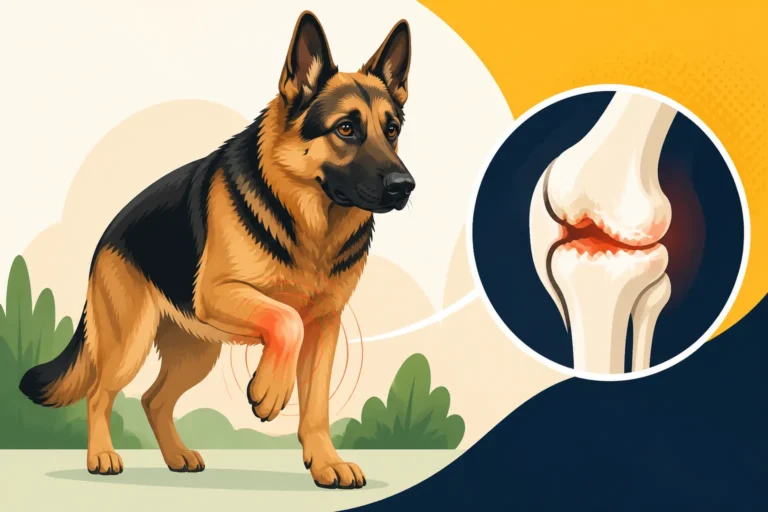
Osteoarthritis prevalence in German Shepherds involves genetic joint issues like dysplasia, causing severe cartilage breakdown and lifelong pain.
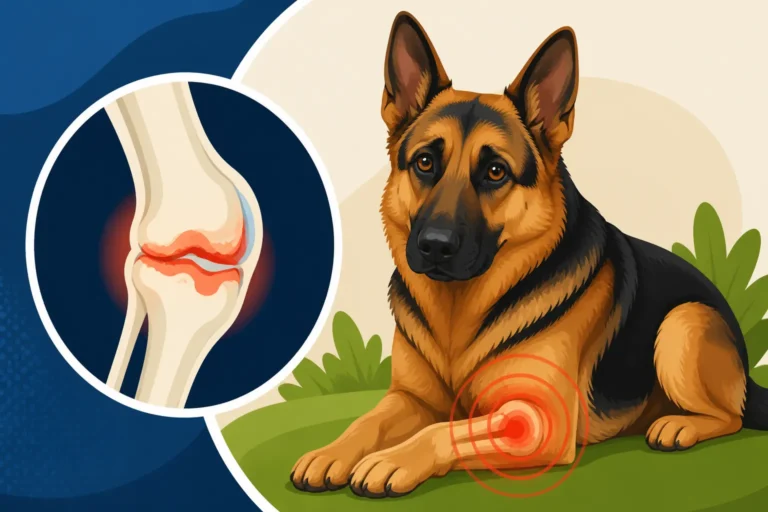
German Shepherd joint pain and arthritis cause stiffness and reduced mobility. This resource explains early symptoms, veterinary treatments, and home care.

German Shepherd allergies involve environmental triggers, food sensitivities, and flea reactions, with specific symptoms and medical management options.

Exocrine pancreatic insufficiency in German Shepherds involves a genetic defect that impairs digestive enzyme production, causing chronic weight loss.

Canine pancreatitis affects German Shepherds through genetic and dietary factors, causing severe inflammation that requires prompt veterinary medical care.

German Shepherd bloat is a life-threatening condition involving stomach twisting, requiring immediate veterinary care and preventive feeding habits.
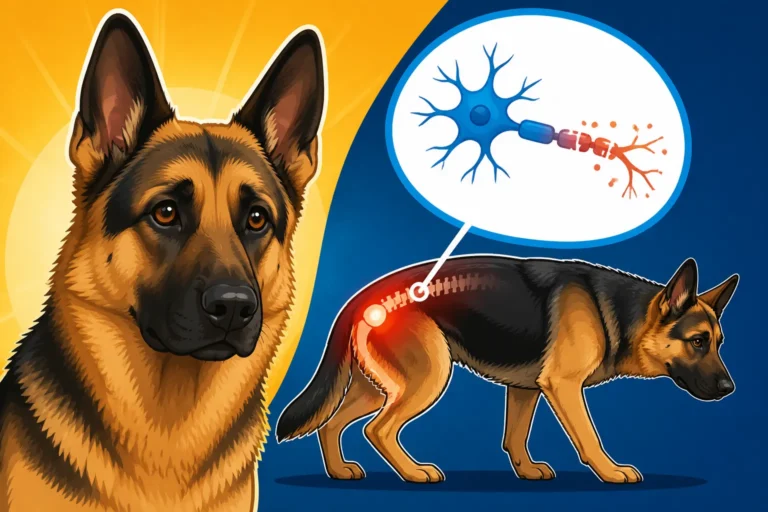
Degenerative myelopathy in German Shepherds explains the disease prevalence, SOD1 gene mutations, early symptoms, and veterinary diagnosis methods.
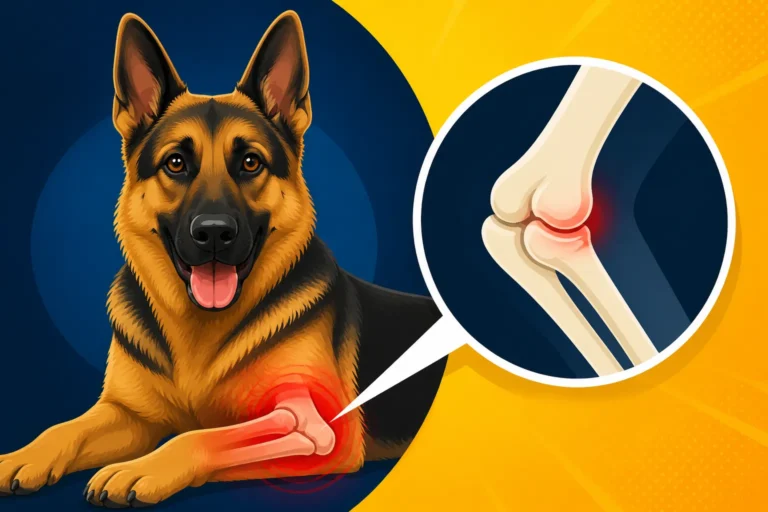
Elbow dysplasia is a frequent developmental joint concern in German Shepherds, affecting approximately fifteen to twenty percent of the breed.
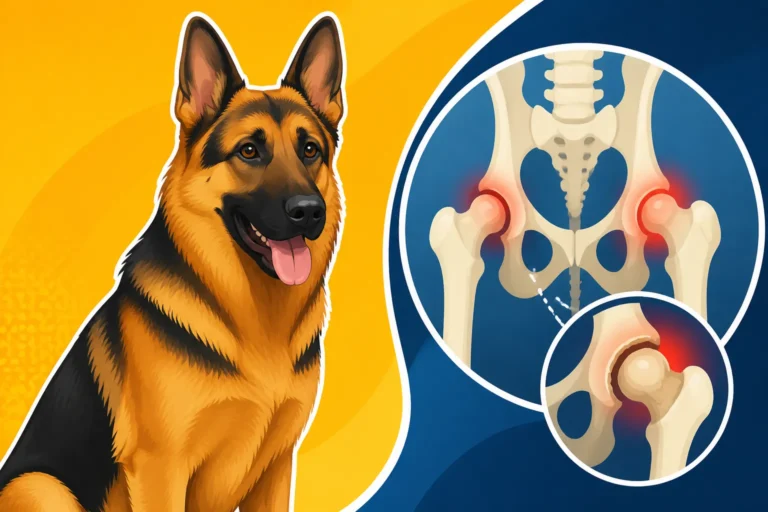
Hip dysplasia in German Shepherds is a very common orthopedic condition driven by genetic predisposition and environmental factors.