Is Degenerative Myelopathy Common in German Shepherds
Finding out your beloved German Shepherd might be at risk for a debilitating neurological condition like Degenerative Myelopathy can be truly terrifying. The worry of seeing your energetic companion slowly lose mobility is a fear many GSD owners grapple with. This comprehensive guide aims to shed light on how common Degenerative Myelopathy actually is in German Shepherds, what it means for your dog, and how you can prepare and cope with this challenging disease.
Understanding Degenerative Myelopathy in German Shepherds
Degenerative Myelopathy, often abbreviated to DM, is one of those scary terms that can make any German Shepherd owner's heart sink. It's a progressive, incurable neurological disease that slowly attacks the spinal cord, leading to weakness and eventual paralysis, primarily in the hind limbs. It’s not something you want to hear your vet mention, and for good reason—it’s heartbreaking to witness.
What Exactly Is DM?
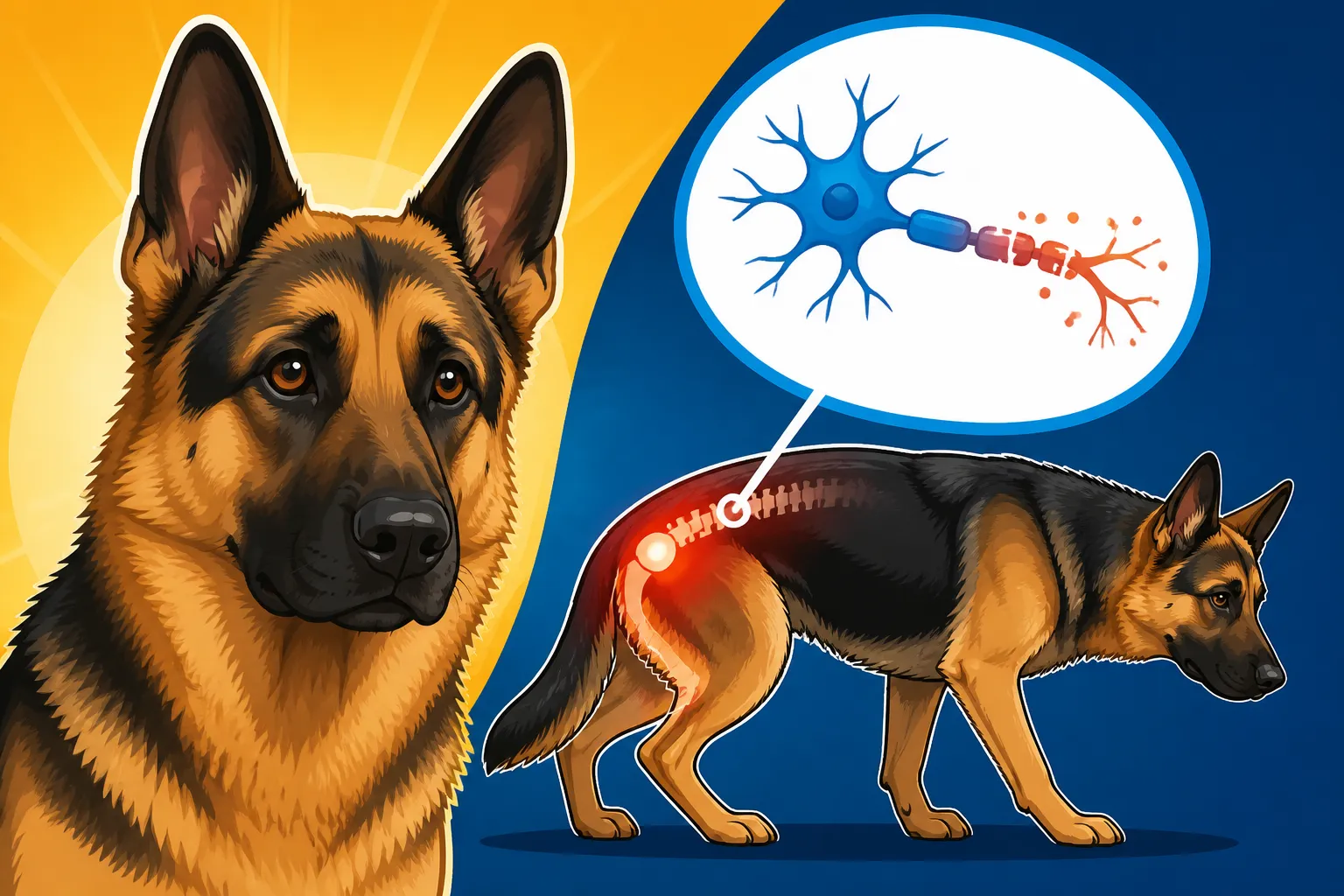
At its core, Degenerative Myelopathy is a neurodegenerative disease, which means it causes the slow, irreversible deterioration of the white matter in the spinal cord. Imagine the spinal cord as a complex highway of nerves carrying messages between the brain and the rest of the body. In a dog with DM, the 'insulation' (myelin sheath) around these nerve fibers starts to break down, disrupting these vital communication pathways. This breakdown means signals from the brain telling the legs what to do get lost or severely delayed. Initially, it might just be a slight wobble or a scuffed paw, but over time, these small signs progress to significant mobility issues, primarily affecting the back legs. It's a cruel disease because it doesn't cause pain, which in some ways makes it even harder—your dog wants to move, but their body just can't respond. This unique aspect is why understanding Degenerative Myelopathy in German Shepherds is so crucial for owners.
Why German Shepherds Are Prone to DM
It’s a sad fact that German Shepherds are disproportionately affected by DM compared to many other breeds. While DM can occur in various breeds, it's considered a hallmark genetic disease for German Shepherds, much like German Shepherd Hip Dysplasia Explained is for their joints. The breed's genetic predisposition means that if a German Shepherd carries specific gene mutations, their risk of developing DM significantly increases. This isn't to say every German Shepherd will get it, but the breed's genetic blueprint makes them particularly vulnerable. Their strong, athletic build often masks the subtle early signs, making diagnosis even more challenging until the disease has already taken a firm hold.
The Genetic Component: SOD1 Gene Mutation
The key to understanding why DM is so prevalent in German Shepherds lies in a specific gene mutation: the SOD1 gene. Scientists have identified a mutation in this gene that is strongly linked to the development of DM. Dogs inherit two copies of every gene, one from each parent. For DM, a dog needs to inherit two copies of the mutated SOD1 gene (one from each parent) to be at risk of developing the disease. If a dog has one normal gene and one mutated gene, they are considered a "carrier" and won't typically develop the disease themselves, but they can pass the mutated gene on to their offspring. This is why responsible breeding practices, including proper German Shepherd Genetic Health Testing, are so incredibly important. Breeders can test for the SOD1 gene mutation to avoid breeding two carriers together, significantly reducing the chances of producing affected puppies.
Is Degenerative Myelopathy Truly Common in German Shepherds?
When you own a German Shepherd, you hear about DM constantly. It's natural to wonder if it's truly as common as it seems or if it's just something that gets a lot of attention because it's so devastating. The reality is, while not every German Shepherd will get DM, their breed is considered high-risk, making it a significant concern for owners.
Prevalence Rates and Statistics
Yes, Degenerative Myelopathy is indeed considered common in German Shepherds. Studies and veterinary data consistently show a higher prevalence rate in this breed compared to the general canine population. While exact figures can vary depending on the study and geographic region, some research suggests that a significant percentage of German Shepherds carry the mutated SOD1 gene, and a subset of those will go on to develop the disease in their lifetime. Estimates suggest that up to 20-30% of German Shepherds may carry at least one copy of the mutated gene, and a smaller, but still substantial, percentage are "at-risk" (carrying two copies). It's a sobering thought, highlighting why it's listed as one of the major German Shepherd Health Problems Guide. The disease typically manifests in middle to older age, usually between 8 and 14 years old, which can sadly coincide with other Common German Shepherd Health Issues by Age.
The Impact of Breeding Practices
The prevalence of DM in German Shepherds is deeply intertwined with breeding practices. Historically, before the genetic marker was identified, breeders unknowingly bred dogs that were carriers or even affected, perpetuating the gene within the breed. Even today, despite the availability of DNA testing for the SOD1 gene, not all breeders prioritize testing or make breeding decisions solely based on these results. Some might breed a carrier to a clear dog, which produces no affected puppies but can still produce carriers. Others, unfortunately, might not test at all. This lack of universal, stringent testing and thoughtful breeding continues to contribute to the presence of the DM gene in the German Shepherd gene pool. This is precisely why understanding German Shepherd DM DNA Testing Explained is a game-changer for ethical breeders and prospective puppy owners.
Misdiagnosis and Overlap with Other Conditions
One of the frustrating aspects of DM is its initial presentation can look a lot like other common orthopedic issues in older large breeds, particularly German Shepherds. Conditions like hip dysplasia, arthritis, and even intervertebral disc disease (IVDD) can cause similar signs of hind limb weakness, lameness, and difficulty walking. This overlap can lead to initial misdiagnosis, delaying the correct treatment or, more accurately, the correct management strategy for DM. It's not uncommon for a vet to suspect German Shepherd Arthritis: Symptoms and Treatment or another joint issue before considering DM, especially if the dog is in pain, which DM typically does not cause directly. A definitive diagnosis of DM can often only be made post-mortem through examination of spinal cord tissue, but clinical signs combined with genetic testing and ruling out other conditions can lead to a presumptive diagnosis in living dogs.
Recognizing the Early Signs and Progression of DM
The thought of DM developing in your German Shepherd is tough, but recognizing the early signs can make a huge difference in managing the disease and ensuring your dog's comfort and quality of life for as long as possible. Early detection, while not curing the disease, allows you to prepare and adapt.
Initial Symptoms to Watch For
The very first signs of Degenerative Myelopathy are often subtle and can be easy to miss or attribute to old age or a minor injury. Typically, they involve the hind limbs. You might notice your German Shepherd:
- Scuffing their paws: Their back nails might wear down unevenly, especially the middle two, because they're dragging their feet.
- Wobbling or instability: They might seem a little unsteady on their back legs, particularly when standing still or turning.
- Difficulty rising: Getting up from a lying position might take a bit more effort.
- Crossing their back legs: When walking or standing, their hind legs might occasionally cross over each other.
- Loss of coordination (ataxia): Their gait might look a bit 'drunk' or uncoordinated.
These are the classic First Signs of Degenerative Myelopathy that every German Shepherd owner should be aware of, especially as their dog enters their senior years.
How DM Progresses Over Time
DM is, unfortunately, a relentlessly progressive disease. What starts as a subtle weakness in one hind leg will eventually affect both, and the symptoms will gradually worsen. The typical progression looks something like this:
- Early Stage: Mild hind limb weakness, occasional knuckling over (walking on the tops of their paws), slight incoordination.
- Middle Stage: More pronounced weakness, difficulty with stairs, frequent falls, noticeable muscle atrophy in the hindquarters. At this point, many dogs struggle to support their weight and may need assistance.
- Late Stage: Complete paralysis of the hind limbs. Eventually, the disease can progress up the spinal cord, affecting the front limbs, trunk, and even the ability to breathe or swallow, though this is less common and often humane euthanasia is considered before this point.
Understanding How Fast Does Degenerative Myelopathy Progress is vital for planning care. While the speed of progression varies greatly from dog to dog, it can range from 6 months to 3 years from the onset of symptoms, with an average of about 1-2 years.
Differentiating DM from Hip Dysplasia and Arthritis
This is where things get tricky and why a definitive diagnosis can be so elusive. Many of the outward signs of DM—hind limb weakness, difficulty walking, inability to jump—are also signs of German Shepherd Hip Dysplasia: Symptoms and Treatment or severe arthritis. However, there are some key differentiators:
| Feature | Degenerative Myelopathy (DM) | Hip Dysplasia/Arthritis |
|---|---|---|
| Pain | Typically painless. Dog wants to move but cannot. | Usually causes pain and discomfort. |
| Symmetry of Weakness | Often starts as asymmetric weakness, eventually affecting both legs. | Can be unilateral or bilateral, but often more localized pain. |
| Muscle Atrophy | Significant muscle loss in hindquarters due to nerve degeneration. | Muscle loss due to disuse, but not as rapid or profound as DM. |
| Proprioception | Profound loss of proprioception (awareness of limb position), leading to knuckling. | Proprioception generally intact unless nerve compression. |
| Reflexes | Deep tendon reflexes may be exaggerated initially, then diminish. | Reflexes usually normal, or altered if nerve impingement. |
| Genetic Test | Positive for SOD1 gene mutation (at-risk genotype). | Not directly linked to SOD1 mutation. |
The absence of pain is a strong indicator pointing towards DM, as hip dysplasia and arthritis are inherently painful conditions. Your vet will perform neurological exams, orthopedic evaluations, and potentially X-rays or MRI to rule out other causes before considering a presumptive DM diagnosis.
Managing and Living with a DM-Affected German Shepherd
A diagnosis of Degenerative Myelopathy is a heavy blow, but it's not the end of the road. While there's no cure, there's a lot you can do to manage the symptoms and ensure your German Shepherd maintains a good quality of life for as long as possible. This journey requires dedication, love, and a strong partnership with your veterinary team.
Diagnostic Testing and Confirmation
As mentioned, a definitive diagnosis of DM can only be made post-mortem. However, during your dog's lifetime, your vet can arrive at a presumptive diagnosis by:
- Clinical Examination: A thorough neurological exam, checking reflexes, proprioception (paw placement), and gait.
- Ruling Out Other Conditions: This often involves X-rays to check for German Shepherd Arthritis in Senior Dogs, spinal injuries, or other orthopedic issues. Sometimes, an MRI might be recommended to rule out intervertebral disc disease or tumors.
- Genetic Testing: A simple DNA test (usually a cheek swab or blood sample) can identify if your German Shepherd carries the SOD1 gene mutation. If they are symptomatic and test positive for two copies of the mutated gene (at-risk genotype), it strongly supports a presumptive DM diagnosis once other conditions are ruled out. This test is crucial for confirming the genetic predisposition.
It's a process of elimination, which can be frustrating and costly, but it's essential to ensure your dog receives the correct care plan.
Supportive Care and Quality of Life
The focus of managing DM is entirely on supportive care. This means helping your dog maintain mobility, comfort, and independence for as long as possible. Key aspects include:
- Physical Therapy: This is arguably the most crucial intervention. Regular physical therapy, including exercises, hydrotherapy (swimming or underwater treadmill), and massage, can help maintain muscle mass, strength, and proprioception. A certified canine rehabilitation therapist can develop a tailored program.
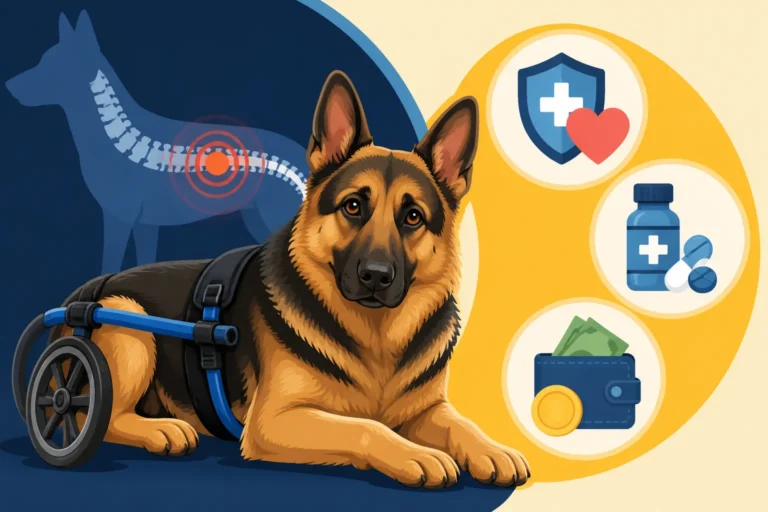
- Mobility Aids: As the disease progresses, your dog will need help. This could mean slings to support their hindquarters when walking, harnesses with handles, or ultimately, a custom-fitted wheelchair. Wheelchairs like those from Eddie's Wheels or Walkin' Pets can dramatically improve a dog's quality of life, allowing them to remain active and enjoy walks. Learning about German Shepherd DM: Wheelchair and Care Options is a good proactive step.
- Home Modifications: Making your home more accessible can include non-slip mats on slippery floors, ramps instead of stairs, and raised food and water bowls.
- Comfort and Hygiene: Ensuring your dog has a comfortable, supportive bed to prevent pressure sores is vital. You'll also need to manage incontinence, which can be a later stage symptom, through frequent potty breaks, absorbent bedding, or doggie diapers.
- Nutrition and Supplements: While no diet or supplement can cure DM, good nutrition is essential for overall health. Some owners explore supplements like antioxidants (Vitamin E, C), B vitamins, and Omega-3 fatty acids, though their direct impact on DM progression is not definitively proven. You can also research How to Slow Degenerative Myelopathy Naturally for additional ideas.
The goal is always to keep your dog comfortable, happy, and engaged in life despite their mobility challenges.
Financial Considerations and Insurance
Living with a German Shepherd affected by DM can become financially demanding. The costs can quickly add up, from regular vet visits, diagnostic tests, and specialist consultations to physical therapy sessions, mobility aids, and medications to manage secondary issues. A custom wheelchair alone can be hundreds to over a thousand dollars, and ongoing physical therapy can easily run into the thousands annually.
This is where considering pet insurance can make a significant difference. Policies from providers like Healthy Paws (or similar reputable insurers) can help offset a substantial portion of these veterinary expenses, allowing you to focus on your dog's care rather than the overwhelming financial burden. When choosing a plan, it's vital to understand what conditions are covered and if there are specific exclusions for genetic conditions. While pet insurance typically doesn't cover pre-existing conditions, if your German Shepherd is insured before symptoms of DM arise, it can be an invaluable resource. Researching Is Pet Insurance Worth It for a German Shepherd is highly recommended, especially for breeds prone to such serious conditions. Proactive planning can truly make a world of difference.
Conclusion
Degenerative Myelopathy is a serious, progressive neurological condition that, sadly, is indeed more common in German Shepherds than in many other breeds. The breed's genetic predisposition, tied to the SOD1 gene mutation, means that owners must be particularly vigilant. While there's no cure, understanding the disease, recognizing its early, subtle signs, and engaging in proactive, supportive care can significantly enhance your dog's quality of life. From genetic testing to physical therapy and mobility aids, there are many ways to support your beloved companion through this challenging journey. The bond you share with your German Shepherd is incredibly strong, and with knowledge and dedication, you can ensure they live their best life, even in the face of DM.
Disclaimer
The information provided in this article is for general informational purposes only and does not constitute veterinary advice. Always consult with a qualified veterinarian for any health concerns or before making any decisions about your pet's health or treatment.