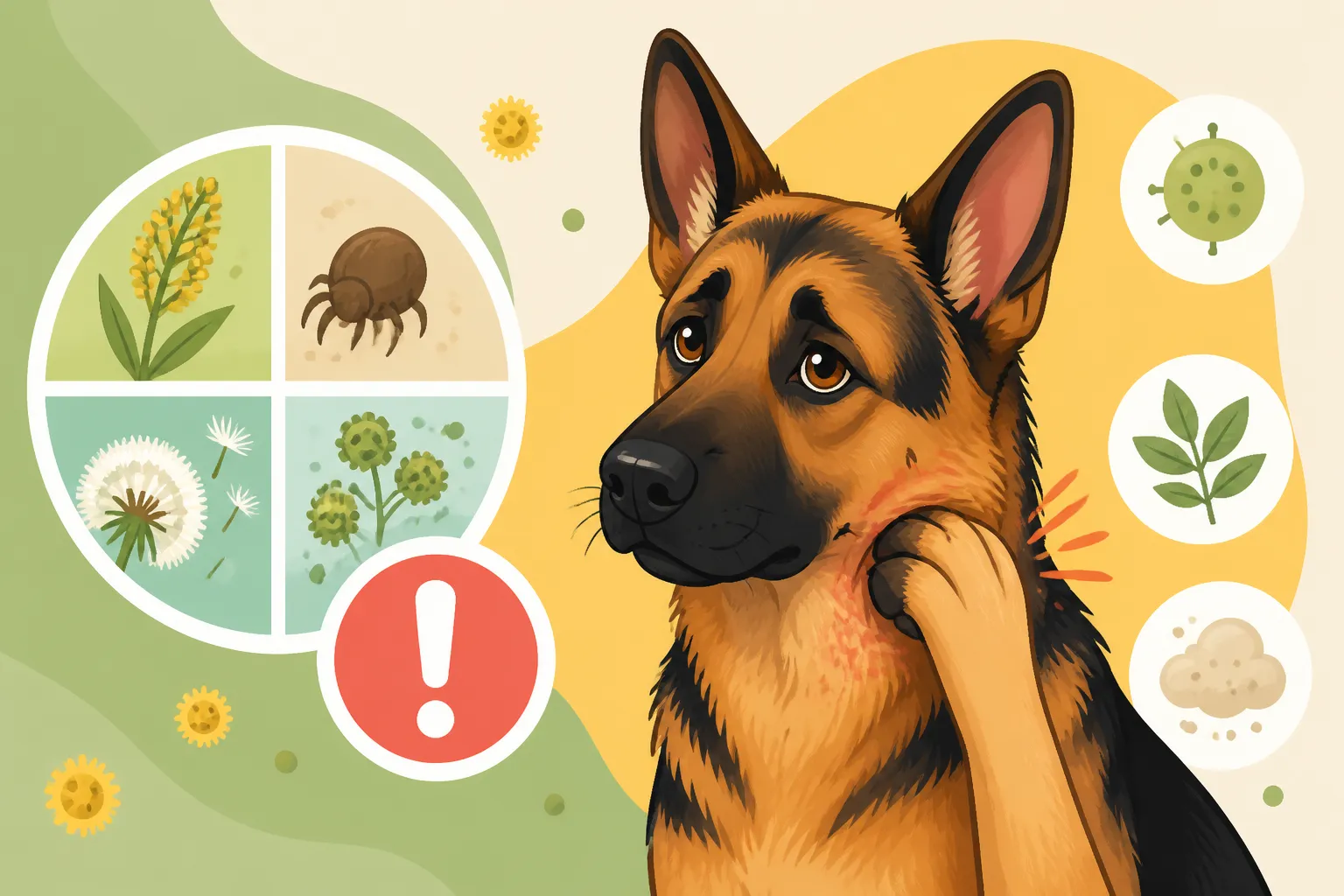
Is Allergies Common in German Shepherds
It’s absolutely heartbreaking to see your beloved German Shepherd constantly scratching, chewing at their paws, or shaking their head with painful ear infections. You worry, you try everything you can think of, and sometimes it feels like you're just not getting to the bottom of it. If you've ever found yourself asking if allergies are common in German Shepherds, you're not alone. This guide will walk you through just how prevalent allergies are in our magnificent breed, what to look for, and how to navigate the complex journey of diagnosis and management to help your furry friend find relief.
The Reality of Allergies in German Shepherds: More Common Than You Think
The short answer is a resounding yes, allergies are unfortunately quite common in German Shepherds. Many GSD owners find themselves battling skin issues, ear problems, and gastrointestinal upset, often for years, before finally getting an allergy diagnosis. It’s not just an inconvenience; it can significantly impact their quality of life, leading to chronic discomfort, secondary infections, and even behavioral changes due to irritation and pain.
Why German Shepherds Seem Prone to Allergies
German Shepherds, as a breed, have certain predispositions that make them more susceptible to developing allergies compared to some other breeds. It’s a mix of genetics and their immune system's particular way of reacting to environmental factors. Think of it like a family trait – some families are more prone to seasonal allergies, and in the canine world, German Shepherds often draw the short straw.
Their genetic lineage plays a huge role. Responsible breeders strive to minimize the inheritance of conditions like German Shepherd Hip Dysplasia Explained or other health issues, but allergies can sometimes be harder to trace and breed out entirely. Certain lines may carry a higher propensity for an overactive immune response, which is essentially what an allergy is: the body mistaking a harmless substance for a threat and launching an attack. This genetic component means that if your dog's parents or grandparents suffered from severe allergies, your pup might face similar challenges.
Beyond genetics, their skin and coat structure can also play a subtle part. German Shepherds have a thick double coat that, while magnificent, can trap allergens close to the skin. Their natural skin microbiome might also differ, making them more reactive to irritants. When you combine these factors, you get a breed that, through no fault of their own, is often predisposed to allergic reactions, whether they're from pollen, certain foods, or even a tiny flea bite. Understanding these underlying reasons is the first step toward empathy and effective management for your sensitive companion.
The Frustration of Persistent Symptoms
Living with a German Shepherd suffering from undiagnosed or poorly managed allergies is incredibly frustrating for both the dog and the owner. Imagine constantly itching, feeling irritated, and being unable to communicate your discomfort beyond desperate scratching or rubbing. That's the reality for many GSDs. You'll often notice a cycle: your dog starts scratching, then develops red, inflamed skin, perhaps loses some fur, and then secondary bacterial or yeast infections set in, making everything even worse.
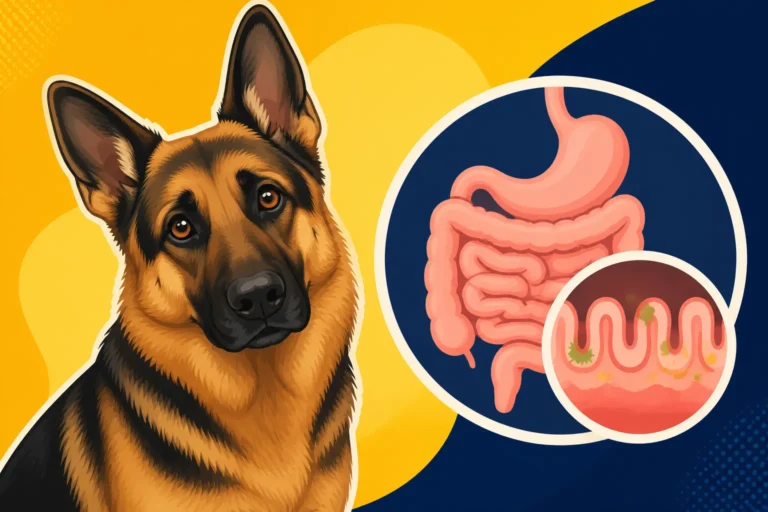
Common signs of allergies in German Shepherds are diverse and can mimic other conditions, which is why diagnosis can be such a lengthy and bewildering process. You might observe incessant paw licking and chewing, raw patches on their skin, a greasy or foul-smelling coat, or persistent German Shepherd Ear Infections: Prevention. Their ears might be red, swollen, and constantly bothering them. Sometimes, allergies even manifest as gastrointestinal upset, like chronic German Shepherd Loose Stool: Common Causes or vomiting, without any obvious skin symptoms at all.
The struggle to identify the root cause is real. You might change their food multiple times, try different shampoos, or even limit their outdoor time, only to see minimal improvement. This constant battle can be draining, emotionally and financially. It’s important to validate this feeling of helplessness because it’s a shared experience among many GSD owners. But don't give up hope; understanding the different types of allergies is crucial for finding the right path forward and getting your German Shepherd the relief they deserve. This journey might feel long, but with persistence, you can significantly improve your dog's comfort and overall How to Keep a German Shepherd Healthy.
Decoding the Types of Allergies Affecting German Shepherds
Allergies aren't a one-size-fits-all problem; they come in different forms, each with its own set of triggers and typical symptoms. For German Shepherds, recognizing these distinctions is key to effective diagnosis and management. It's like being a detective, looking for clues to figure out what exactly is bothering your furry friend.
Environmental Allergies Atopy
Environmental allergies, often referred to as atopy or atopic dermatitis, are incredibly common in German Shepherds. These are reactions to things in their environment that most dogs live with perfectly fine, but for an allergic GSD, they're seen as invaders. Think of how humans react to pollen in the spring – dogs can have similar reactions, but often, it manifests on their skin rather than primarily in their respiratory system.
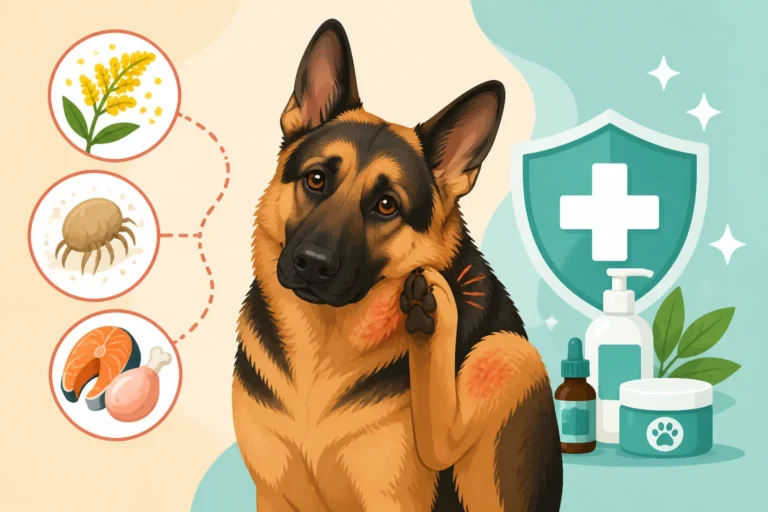
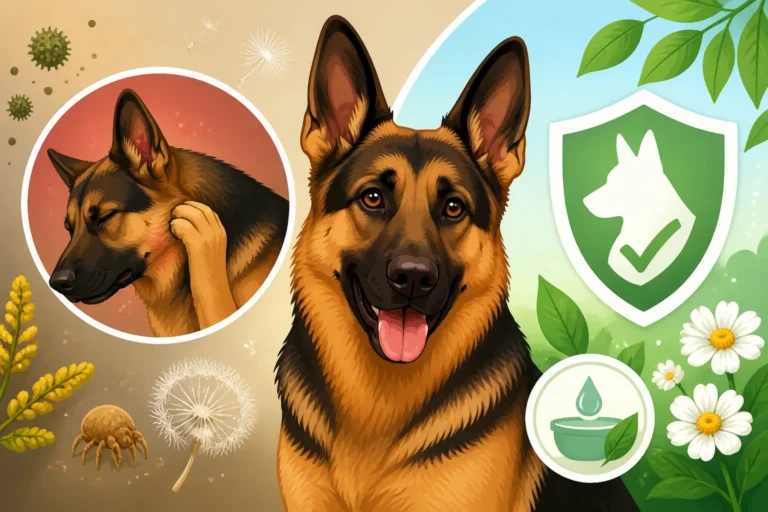
Common culprits for environmental allergies include pollen from trees, grasses, and weeds, which can be seasonal. But it also extends to year-round nuisances like dust mites (which thrive in our homes, especially in bedding and carpets) and mold spores. These allergens are inhaled or absorbed through the skin, triggering an immune response. The symptoms tend to be intensely itchy skin, often around the paws, belly, armpits, and groin. You might notice your GSD constantly licking their paws until they're raw, rubbing their face against furniture, or scooting their rear end along the carpet. Chronic ear infections, characterized by redness, odor, and discharge, are also a hallmark of environmental allergies.
The tricky part about atopy is that it can be seasonal or persist year-round, depending on the specific allergen. For example, a dog allergic to ragweed might only suffer in late summer and fall, while one allergic to dust mites might have symptoms all year. The severity can also fluctuate, making it hard to pinpoint the exact trigger without specific testing. This ongoing irritation can be extremely disruptive, leading to secondary skin infections that require antibiotics or antifungals, further complicating treatment.
Food Allergies and Sensitivities
When we talk about food allergies in German Shepherds, it's important to distinguish between a true food allergy and a food sensitivity or intolerance. A true food allergy involves an immune system response, usually to a protein in the food, and can manifest with immediate or delayed symptoms, sometimes severely. A food sensitivity, on the other hand, is generally a digestive issue, causing upset stomachs, but typically doesn't involve an immune response or lead to the same intense skin reactions as a true allergy.
For German Shepherds, common food allergens often include proteins like chicken, beef, dairy products, eggs, and grains like wheat or soy. It's often not the brand of food that's the issue, but a specific ingredient within it. Symptoms can range from skin issues similar to environmental allergies (itching, redness, chronic ear infections, paw chewing) to gastrointestinal problems such as diarrhea, vomiting, or excessive gas. Sometimes, only one set of symptoms presents, which can be misleading.
Diagnosing food allergies is particularly challenging because there isn't a simple blood test that reliably identifies all food allergens. The gold standard is an elimination diet, which involves feeding your dog a novel protein (one they've never eaten before, like venison or duck) or a hydrolyzed protein diet for a strict period, usually 8-12 weeks. During this time, absolutely no other foods, treats, or flavored medications can be given. If symptoms improve, ingredients are slowly reintroduced one by one to pinpoint the culprit. This process requires immense dedication and patience, but it's often the most effective way to manage a GSD with suspected food allergies. Finding the Best Diet for a German Shepherd with Allergies is a common goal for many owners.
Flea Allergy Dermatitis FAD
Flea Allergy Dermatitis (FAD) is arguably one of the most common allergies in all dog breeds, including German Shepherds, and it can be shockingly severe. Unlike other allergies where a dog reacts to widespread exposure, a dog with FAD can experience intense, widespread itching and discomfort from just one or two flea bites. Their immune system overreacts dramatically to the proteins in flea saliva.
The symptoms of FAD are typically concentrated on the hindquarters, tail base, inner thighs, and abdomen. You might see intense itching, red bumps, scabs, and hair loss in these areas. Because the itching is so severe, German Shepherds will often chew and scratch themselves raw, leading to secondary bacterial skin infections (hot spots) that can become painful and spread quickly. It's not uncommon for an owner to see very few fleas on their dog and dismiss FAD, unaware that a single bite is all it takes to trigger a profound reaction.
Prevention is absolutely paramount for FAD. Consistent, year-round flea control is essential, even if you don't see fleas. Many effective topical treatments, oral medications, and collars are available, but choosing the right one and sticking to a strict schedule is critical. Brands like Bravecto, NexGard, and Revolution are popular choices that offer excellent protection. Without diligent flea prevention, a GSD with FAD will continue to suffer, regardless of what other allergy management strategies are in place. This is one area where proactive care can make a monumental difference in your dog's comfort.
| Allergy Type | Common Triggers | Primary Symptoms | Typical Affected Areas | Management Approaches |
|---|---|---|---|---|
| Environmental (Atopy) | Pollen (trees, grasses, weeds), dust mites, mold spores | Intense itching, redness, licking, chewing, secondary infections, ear infections | Paws, belly, armpits, groin, ears, face | Antihistamines, steroids, Apoquel, Cytopoint, immunotherapy, medicated baths, environmental control |
| Food Allergy/Sensitivity | Common proteins (chicken, beef, dairy, eggs), grains (wheat, soy) | Itching, skin inflammation, chronic ear infections, gastrointestinal upset (vomiting, diarrhea, gas) | Paws, face, ears, rectum, general body itching (can vary) | Strict elimination diet, novel protein or hydrolyzed diet, identifying and avoiding trigger ingredients |
| Flea Allergy Dermatitis (FAD) | Flea saliva proteins (even from a single bite) | Severe itching, redness, scabs, hair loss, hot spots | Tail base, hindquarters, inner thighs, abdomen | Consistent, year-round flea prevention (topical, oral), treating secondary infections |
Navigating Diagnosis and Treatment Options for Your GSD
Once you suspect your German Shepherd might be suffering from allergies, the next step is a deep dive into diagnosis and finding effective treatment. This isn't always a quick fix, and it often requires a lot of patience, detective work, and a close partnership with your veterinarian.
The Diagnostic Journey: It's Not Always Straightforward
The diagnostic process for canine allergies can feel like a maze, and it’s completely normal to feel overwhelmed by it. There's no single, universally perfect test that definitively pinpoints every allergen. Often, your vet will start by ruling out other conditions that can cause similar symptoms, such as parasitic infestations (mites, mange), fungal infections (ringworm), or bacterial skin infections. This might involve skin scrapes, fungal cultures, or cytology (looking at cells from the skin or ears under a microscope).
If these initial tests are negative, and allergies remain the top suspicion, the next steps depend on the type of allergy your vet suspects. For suspected food allergies, as mentioned, a strict elimination diet is the gold standard. This means feeding a specialized diet (either a novel protein or hydrolyzed protein) for 8-12 weeks, with absolutely no other food, treats, or flavored medications allowed. It requires incredible discipline, but it’s the most accurate way to confirm a food allergy. For environmental allergies, your vet might suggest blood tests or intradermal skin testing (similar to human allergy testing, performed by a veterinary dermatologist) to identify specific environmental triggers. These tests aren't 100% accurate, but they can guide immunotherapy treatments.
This entire process can be lengthy and, let’s be honest, quite expensive. From vet visits to specialized diets to potential dermatologist consultations, the costs can add up. This is where Is Pet Insurance Worth It for a German Shepherd becomes a very real consideration. Many owners find that having pet insurance, like Healthy Paws, helps cushion the financial blow of extensive diagnostics and long-term allergy management, allowing them to pursue the best possible care without constant worry about the bill. The key is to find a vet you trust and to be prepared for a marathon, not a sprint, in finding answers for your GSD's allergies.
Managing Symptoms and Long-Term Care
Once an allergy type is diagnosed, or at least strongly suspected, the focus shifts to managing symptoms and providing long-term relief. This is rarely a cure, but rather a continuous effort to keep your GSD comfortable and prevent secondary infections. Your vet might recommend a multi-modal approach, combining several strategies.
For environmental allergies, common medications include antihistamines (though often not strong enough for severe cases), corticosteroids (like prednisone) for quick relief during acute flare-ups, and newer medications like Apoquel or Cytopoint. Apoquel is an oral medication that targets the itch pathway, while Cytopoint is an injectable antibody therapy that provides itch relief for 4-8 weeks. Both have revolutionized allergy management for many dogs. Additionally, allergen-specific immunotherapy, often called "allergy shots" or oral drops, can be customized based on your dog's specific allergens. This aims to desensitize the immune system over time, reducing reactions. Medicated shampoos, sprays, and wipes can also offer topical relief and help manage secondary skin infections, which often lead to German Shepherd Skin Problems and Fixes.
If a food allergy is confirmed, the primary treatment is strict avoidance of the trigger ingredient(s). This means carefully reading all food labels, including treats, and sticking to a diet that your dog can tolerate. For FAD, consistent and effective flea control is non-negotiable. Beyond medication, ongoing preventive measures are crucial for your German Shepherd's comfort and health.
Lifestyle Adjustments and Holistic Approaches
Beyond medication and specific diets, there are many lifestyle adjustments and complementary approaches that can significantly support a German Shepherd struggling with allergies. These aren't cures, but they can reduce allergen exposure, strengthen skin barriers, and generally improve your dog's overall well-being.
Regular grooming is a big one. For GSDs with environmental allergies, frequent bathing with a gentle, hypoallergenic shampoo can wash away allergens from their coat, providing immense relief. How Often to Bathe a German Shepherd depends on the severity of their allergies and your vet's recommendation, but sometimes 2-3 times a week during peak allergy season is necessary. After walks, wiping down their paws and belly with a damp cloth can also help remove pollen and other outdoor allergens. Keeping your home environment clean, with frequent vacuuming (using a HEPA filter) and washing pet bedding, can reduce indoor allergens like dust mites.
Dietary supplements can also play a supportive role. Omega-3 fatty acids, found in fish oil, are renowned for their anti-inflammatory properties and can help improve skin barrier function, reducing irritation and promoting a healthier coat. Probiotics might also be beneficial, especially for GSDs with accompanying gut issues, to support a healthy microbiome. Always discuss any supplements with your vet to ensure they are appropriate and won't interfere with other treatments. Reducing stress through consistent routines, adequate exercise, and mental stimulation can also indirectly support their immune system and overall resilience. Choosing a veterinarian who understands the complexities of German Shepherd Allergies: Causes and Relief is vital for a successful long-term plan.
Proactive Steps for German Shepherd Allergy Prevention
While you can't completely guarantee your German Shepherd won't develop allergies, there are certainly proactive steps you can take to minimize their risk and prepare yourself for effective management should they arise. Prevention and early intervention are always better than reacting to a full-blown crisis.
Breeder Selection and Genetic Screening
The journey to a healthy German Shepherd often begins before they even come home with you, with careful breeder selection. A reputable breeder will prioritize the health and temperament of their breeding dogs, which includes being transparent about any health issues, including a history of allergies, in their lines. While there isn't a definitive genetic test for allergies like there is for some other conditions such as German Shepherd Genetic Health Testing for hip and elbow dysplasia, a good breeder will know the health history of their dogs and their close relatives.
Don't be afraid to ask potential breeders about the prevalence of allergies in their breeding stock or in previous litters. A responsible breeder will be open about this and might even provide advice on how to mitigate risks. They certainly won't be breeding dogs with severe, chronic allergic conditions. While genetics aren't the sole factor, choosing a puppy from lines with a robust health history can potentially reduce the likelihood of inherited predispositions to allergies and other common German Shepherd Health Problems Guide.
Optimizing Diet and Environment from Puppyhood
Setting your German Shepherd up for success from an early age involves careful consideration of their diet and living environment. For puppies, feeding a high-quality, balanced diet specifically formulated for large breed puppies is paramount. While some owners opt for grain-free diets, it's essential to discuss this with your vet, as recent research has linked some grain-free formulas to potential heart issues in certain breeds. Focusing on wholesome, easily digestible ingredients is a smart move. When choosing Best Puppy Food for German Shepherds, look for brands with transparent ingredient lists and good reviews, and consider options like Purina Pro Plan or Royal Canin, which often have breed-specific formulations and veterinary backing.
Beyond food, creating a clean, low-allergen environment for your GSD puppy can be beneficial. Regular cleaning of their bedding and avoiding harsh chemical cleaners can reduce exposure to potential irritants. Early socialization is crucial for their mental health, but ensure exposures are positive and safe. Remember, a strong immune system and healthy skin barrier start with good nutrition and a supportive environment from day one.
Regular Vet Check-ups and Early Intervention
One of the most powerful tools in preventing and managing allergies is consistent veterinary care. Regular check-ups allow your vet to establish a baseline for your German Shepherd's health and spot subtle changes that might indicate the onset of allergies. Don't wait until your dog is scratching themselves raw or suffering from a severe ear infection to seek help. If you notice persistent paw licking, increased scratching, or any changes in their skin or coat, bring it to your vet's attention promptly.
Early intervention is critical. Addressing symptoms when they are mild can prevent them from escalating into chronic conditions or severe secondary infections, which are much harder and more expensive to treat. This also includes staying on top of preventative measures like flea and tick control year-round, which is a simple yet incredibly effective way to prevent Flea Allergy Dermatitis. Choosing a veterinarian who understands the nuances of How to Choose a Vet for a German Shepherd and who is proactive in health management will be one of your best allies in ensuring your German Shepherd lives a comfortable, allergy-managed life.
Disclaimer
The information provided in this article is for general informational purposes only and is not a substitute for professional veterinary advice. Always consult with a qualified veterinarian for any health concerns or before making any decisions related to your pet's health and treatment.