Is Arthritis Common in German Shepherds
It's heartbreaking to watch your once vibrant German Shepherd start to slow down, struggle to get up after a nap, or hesitate before jumping into the car. Many of us worry if these subtle changes are just a normal part of aging or something more serious. The reality is, joint pain, specifically arthritis, is indeed a very common issue that affects German Shepherds, often starting earlier than many owners expect. This comprehensive guide will walk you through everything you need to know about arthritis in German Shepherds, from recognizing the signs to proactive management and supportive care.
Understanding Arthritis in German Shepherds
When we talk about arthritis, we're essentially referring to inflammation of the joints. For German Shepherds, this isn't just an abstract medical term; it's a very real and often debilitating condition that can significantly impact their quality of life. Owners frequently ask, "Is arthritis common in German Shepherds?" and the honest answer is yes, it's remarkably prevalent. Their genetic predisposition, large breed status, and high activity levels all contribute to making them susceptible.
Why German Shepherds are Prone to Joint Issues
German Shepherds are magnificent athletes, built for strength, agility, and endurance. However, this very build, combined with selective breeding practices over decades, has unfortunately left them vulnerable to certain orthopedic conditions that often pave the way for arthritis. The most significant culprits are developmental issues like hip and elbow dysplasia.
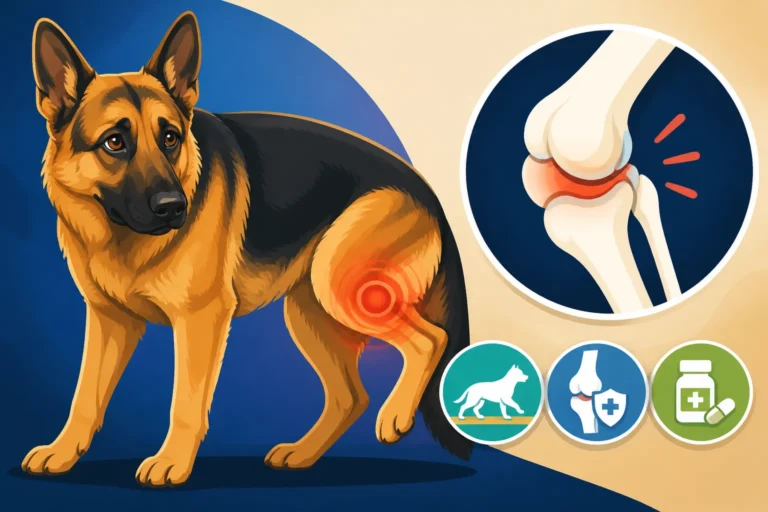
Hip dysplasia, for instance, is a condition where the hip joint doesn't form correctly, leading to a loose fit between the ball and socket. This poor fit causes excessive wear and tear on the cartilage and surrounding joint structures over time, directly leading to painful inflammation and the development of osteoarthritis. Similarly, elbow dysplasia encompasses several inherited conditions affecting the elbow joint, resulting in abnormal bone growth or cartilage problems, which also inevitably progress to arthritis. It's not just genetics; the sheer size and weight these dogs carry put significant stress on their joints with every jump, run, and even just walking, accelerating the degenerative process. This is why understanding Why Do German Shepherds Have Hip Problems is so crucial for owners.
Common Types of Arthritis Affecting the Breed
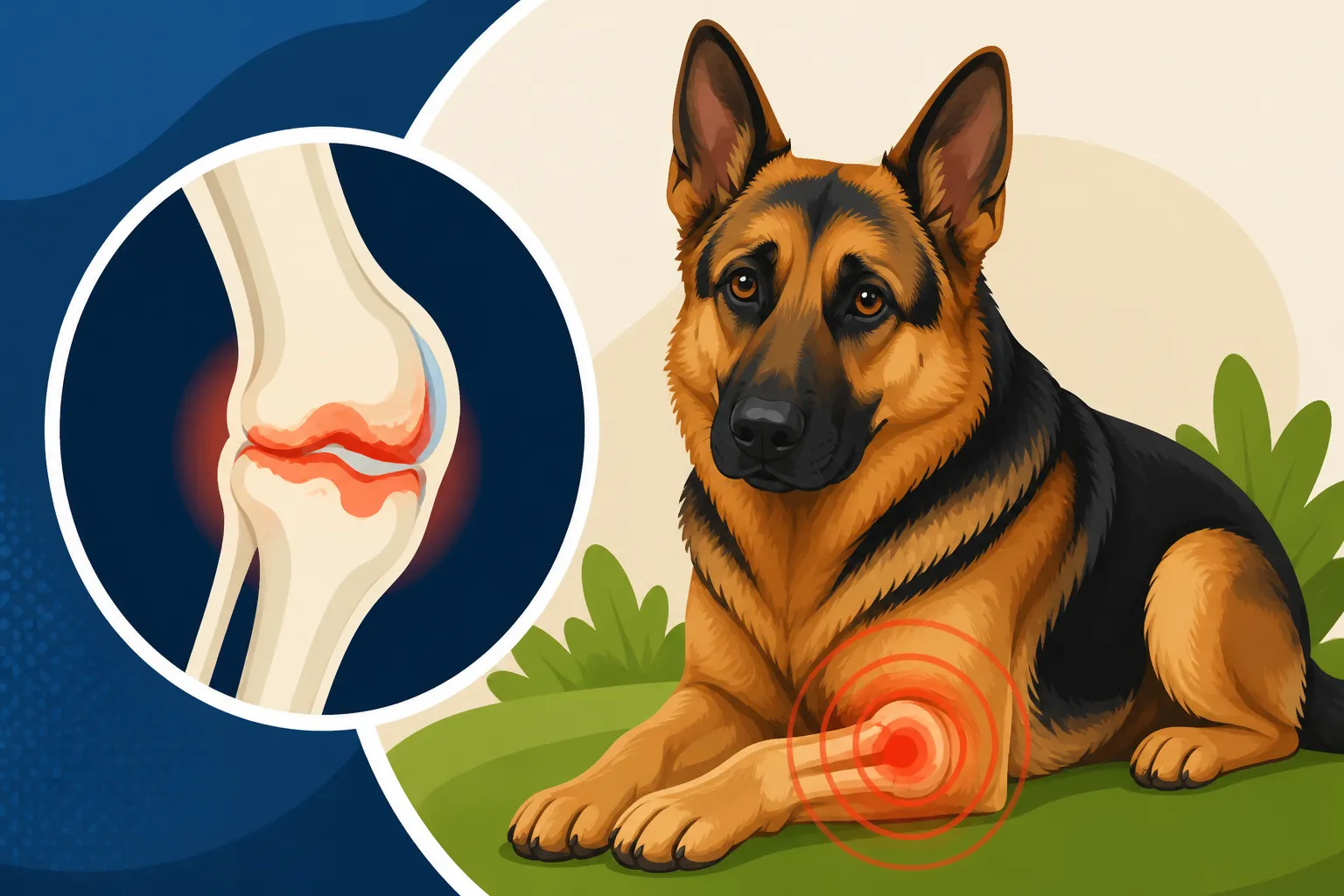
While there are various forms of arthritis, the most common type seen in German Shepherds is osteoarthritis, also known as degenerative joint disease (DJD). This is a progressive condition characterized by the gradual breakdown of cartilage within the joint, leading to bone-on-bone friction, pain, stiffness, and reduced mobility.
Beyond osteoarthritis, other less common but important types can include:
- Rheumatoid Arthritis: An autoimmune disease where the body's immune system mistakenly attacks its own joint tissues. While less common in dogs than humans, it can occur.
- Infectious Arthritis: Caused by bacteria, fungi, or other infectious agents entering the joint, often due to an injury or systemic infection. This type typically causes acute, severe pain and swelling.
- Traumatic Arthritis: Resulting from a specific injury to the joint, such as a ligament tear or fracture, which can disrupt joint mechanics and lead to long-term inflammation and degeneration.
For German Shepherds, the focus is overwhelmingly on managing osteoarthritis, especially that stemming from underlying developmental issues like German Shepherd Hip Dysplasia Explained and German Shepherd Elbow Dysplasia: Symptoms and Treatment. Early detection and intervention can make a world of difference in slowing its progression and improving comfort.
Recognizing the Signs and Symptoms of Arthritis
Arthritis in German Shepherds often starts subtly, making it easy for busy owners to miss the early cues. These dogs are stoic by nature, and sometimes, the first time you truly notice something is wrong is when the condition has progressed considerably. It's vital to be vigilant and pay close attention to any changes in your dog's behavior or movement.
Subtle Early Indicators to Watch For
The initial signs of arthritis are often dismissed as "just getting old" or "a bit stiff." However, these seemingly minor changes are your German Shepherd trying to tell you they're in pain. Look out for:
- Reluctance to Perform Former Activities: Does your dog hesitate before jumping into the car, climbing stairs, or leaping onto the couch? If they once did these things effortlessly and now pause or avoid them, it's a red flag.
- Slight Limping or Favoring a Limb: This might be intermittent, perhaps more noticeable after a long walk or first thing in the morning. It might be a subtle shift in weight or a barely perceptible head bob.
- Stiffness After Rest: After waking up from a nap or first stepping out of their bed, do they seem stiff or move awkwardly for a few minutes before "warming up"? This is a classic early sign.
- Changes in Gait: Observe their walk. Is it shorter, choppier, or are they dragging their paws slightly? They might also walk with a "bunny hop" in their hind legs to alleviate pressure on their hips.
- Less Enthusiasm for Play: A once eager player might show less interest in fetch or long walks. They might still participate, but with less energy or for shorter durations.
These early signs are crucial because catching arthritis early allows for more effective management and potentially slows the disease's progression. Don't wait until it's severe; consult your vet if you notice these changes.
Progressive and More Obvious Symptoms
As arthritis advances, the symptoms become more pronounced and difficult to ignore. The subtle hints turn into clear indicators of significant discomfort and pain.
- Pronounced Lameness: A distinct limp or inability to bear weight on one or more limbs.
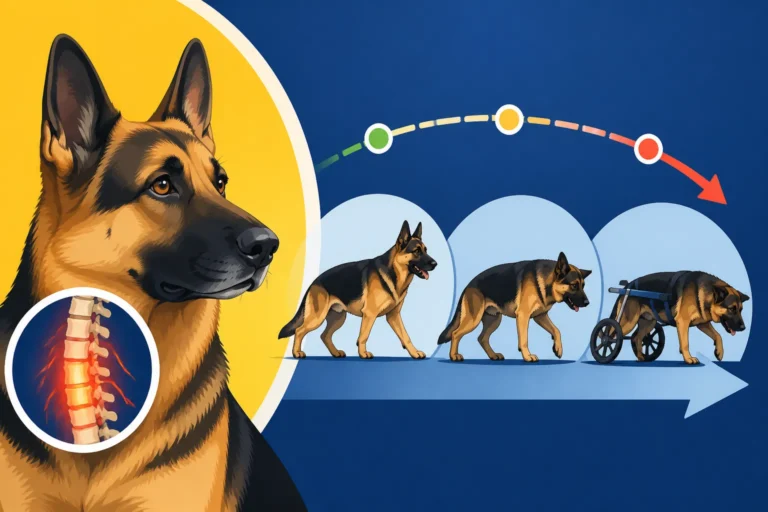
- Difficulty Getting Up or Lying Down: They might circle excessively, struggle to find a comfortable position, or let out groans as they try to rise. This is particularly noticeable on smooth, slippery surfaces.
- Muscle Atrophy: Due to decreased use of a painful limb, the muscles supporting that joint can waste away, making the limb look thinner than the others.
- Behavioral Changes: Chronic pain can make even the most good-natured German Shepherd irritable, withdrawn, or even snappy when touched in a painful area. They might seek solitude or avoid interaction.
- Licking, Chewing, or Biting at Joints: Dogs often try to alleviate pain by licking or chewing at the affected area, which can lead to skin irritation or hot spots.
- Visible Swelling or Changes in Joint Shape: In some cases, the affected joints might appear swollen or feel warm to the touch.
Recognizing these symptoms is critical for providing timely veterinary care and improving your German Shepherd's comfort. Below is a table summarizing key symptoms by their typical progression.
| Symptom Category | Early/Mild Arthritis | Moderate Arthritis | Advanced/Severe Arthritis |
|---|---|---|---|
| Mobility | Occasional stiffness after rest | Noticeable limping, difficulty with stairs/jumps | Severe lameness, inability to stand/walk without pain |
| Activity Level | Reduced enthusiasm for play, shorter walks | Avoids certain activities, less interactive | Reluctant to move, prefers to lie down most of the time |
| Pain Response | May wince if touched in specific areas, mild vocalization | Visible discomfort, guarding affected joint, groaning | Cries out with movement, aggressive response to touch |
| Physical Changes | Subtle changes in gait, slightly less muscle mass | Moderate muscle atrophy, visible joint swelling | Severe muscle wasting, joint deformities |
| Behavioral Changes | Slight withdrawal, less playful | Irritability, seeking solitude, changes in temperament | Depression, anxiety, aggression due to chronic pain |
If you're noticing any of these signs, especially in an older dog, it's important to schedule a visit with your veterinarian. Early diagnosis and intervention for conditions like German Shepherd Arthritis in Senior Dogs can significantly improve their quality of life.
Management and Prevention Strategies
Dealing with arthritis can feel overwhelming, but the good news is there are many ways to manage the condition and improve your German Shepherd's comfort. A multi-modal approach, combining veterinary treatment with at-home care, is often the most effective.
Veterinary Diagnosis and Treatment Options
When you bring your German Shepherd to the vet with suspected arthritis, the first step will be a thorough physical examination. The vet will assess their gait, feel their joints for swelling or pain, and check their range of motion. Diagnostic imaging, such as X-rays, is usually necessary to confirm the diagnosis, determine the severity of joint degeneration, and rule out other conditions. For complicated cases, your vet might recommend further imaging like MRI or CT scans.
Once diagnosed, your vet will discuss a treatment plan tailored to your dog's specific needs. Common veterinary treatments include:
- Non-Steroidal Anti-Inflammatory Drugs (NSAIDs): Medications like carprofen (Rimadyl), meloxicam (Metacam), or firocoxib (Previcox) are cornerstones of arthritis management. They reduce pain and inflammation, allowing your dog to be more comfortable and mobile. Long-term use requires regular blood work to monitor liver and kidney function.
- Joint Injections: In some cases, veterinarians may administer injections directly into the joint. These can include corticosteroids for potent anti-inflammatory effects or hyaluronic acid, which acts as a lubricant and reduces inflammation. Platelet-rich plasma (PRP) and stem cell therapies are also becoming more common options.
- Physical Rehabilitation: Just like in humans, physical therapy can be incredibly beneficial. This might include hydrotherapy (underwater treadmill), therapeutic exercises, massage, and laser therapy to strengthen muscles, improve range of motion, and reduce pain.
- Disease-Modifying Osteoarthritis Drugs (DMOADs): Products like polysulfated glycosaminoglycan (PSGAGs), such as Adequan Canine, can help protect cartilage and stimulate its repair.
- Surgery: In severe cases, especially those stemming from severe hip or elbow dysplasia, surgical interventions like total hip replacement (THR) or elbow arthroscopy might be considered. These are more invasive but can offer significant relief and improved function.
- Weight Management Prescription Diets: Your vet might also recommend specific prescription diets designed for joint health, which often contain higher levels of omega-3 fatty acids and joint-supporting nutrients.
The financial burden of chronic conditions like arthritis can be significant. This is where pet insurance, such as plans from Healthy Paws, can offer a lifeline. A robust policy can help cover a large percentage of diagnostic tests, medications, physical therapy, and even surgical costs, providing immense peace of mind.
At-Home Care and Lifestyle Adjustments
While veterinary treatments are crucial, much of your German Shepherd's comfort and quality of life will depend on the care you provide at home. These adjustments are often simple but incredibly effective.
- Weight Management: This is paramount. Excess weight puts incredible strain on already compromised joints, exacerbating pain and accelerating degeneration. Work with your vet to achieve and maintain an ideal body condition. This ties directly into topics like German Shepherd Weight and Obesity Risks.
- Gentle, Consistent Exercise: While high-impact activities should be avoided, regular, low-impact exercise is essential for maintaining muscle mass, joint flexibility, and preventing stiffness. Think multiple short, leashed walks throughout the day instead of one long, strenuous hike. Swimming is also excellent as it provides exercise without weight-bearing impact.
- Comfortable Bedding: Provide an orthopedic dog bed that offers ample support and cushioning. Memory foam or thick, supportive mattresses can make a huge difference in how your dog feels when they get up.
- Non-Slip Surfaces: Slippery floors (hardwood, tile) are a nightmare for arthritic dogs, making it difficult to stand, walk, and increasing the risk of falls. Place non-slip rugs or runners in frequently used areas. Toe grips or non-slip booties can also help.
- Ramps and Stairs: Install ramps for access to cars, beds, or couches to minimize jumping, which can be jarring on joints. Consider pet stairs if ramps aren't feasible for lower access points.
- Joint Supplements: Many owners find success with supplements containing glucosamine, chondroitin, MSM, and omega-3 fatty acids. While not a cure, these can help support cartilage health and reduce inflammation. Look for reputable brands and discuss options with your vet. You can learn more about specific products in our guide on German Shepherd Joint Health Supplements.
- Warmth: In colder weather, keep your German Shepherd warm. A dog coat can help keep muscles and joints comfortable, especially for outdoor potty breaks.
Consistency is key with at-home care. Every little adjustment contributes to your German Shepherd's overall comfort and mobility.
Proactive Prevention for Puppies and Young Adults
While arthritis is often seen as an old dog's ailment, the groundwork for it can be laid early in life, especially in a breed like the German Shepherd. Proactive measures can significantly reduce the risk and severity of future joint problems.
- Responsible Breeding: If you're acquiring a German Shepherd puppy, choose a reputable breeder who performs thorough health screenings on their breeding stock for hip and elbow dysplasia. Ask to see OFA or PennHIP certifications for both parents. This is fundamental for preventing inherited conditions.
- Appropriate Nutrition: Feed a high-quality, large-breed puppy food that supports slow, steady growth. Rapid growth from overfeeding or diets too high in calories/calcium can put undue stress on developing joints. Our German Shepherd Feeding Guide provides more details.
- Controlled Exercise for Puppies: Avoid excessive, high-impact exercise during puppyhood, especially during the crucial growth phases. Over-exercising a puppy, particularly before their growth plates close, can lead to irreversible joint damage. Think short, supervised play sessions over long runs or intense agility work. Our article on How Much Exercise Is Too Much for a Puppy offers specific guidance.
- Maintain a Healthy Weight: Keep your German Shepherd lean throughout their life. Even a few extra pounds can add significant stress to joints over time.
- Regular Veterinary Check-ups: Regular vet visits allow for early detection of any orthopedic issues. Your vet can advise on appropriate exercise levels and dietary needs at each life stage.
- Consider Early Joint Screening: While standard screenings are usually done around two years of age, your vet might suggest preliminary screenings for at-risk puppies if concerns arise.
By being proactive and mindful from puppyhood, you can give your German Shepherd the best possible chance at a long, comfortable, and mobile life, minimizing the impact of conditions like How to Prevent Arthritis in German Shepherds.
Living with an Arthritic German Shepherd
Watching your beloved German Shepherd grapple with the daily challenges of arthritis can be incredibly tough. It requires patience, empathy, and a commitment to adapting their environment and routine to ensure their comfort and dignity.
Adapting Your Home Environment for Comfort and Safety
Making simple yet effective modifications around your home can dramatically improve your arthritic German Shepherd's daily life, reducing pain and preventing further injury.
- Ramps are Your Best Friend: As mentioned, ramps are essential for any elevated surfaces your dog accesses. This includes car ramps for rides, or small ramps for stepping up onto their favorite couch or bed. Every jump places immense stress on their joints, and eliminating this impact is critical. Consider a ramp for a few stairs leading into the yard, too.
- Non-Slip Everything: Those beautiful hardwood or tile floors, while easy to clean, are treacherous for a dog with compromised mobility. Invest in non-slip rugs, carpet runners, or even temporary mats in high-traffic areas. This provides crucial traction, preventing slips and falls that can cause serious injury or exacerbate existing pain. Brands like Rug Grippers or even simple bath mats with rubberized backs can make a huge difference. You can also get toe grips or paw wax to improve traction directly on their paws.
- Elevated Food and Water Bowls: For dogs with neck or shoulder arthritis, bending down to eat or drink can be painful. Elevated feeders can make meal times much more comfortable. Just ensure the height is appropriate for your dog, allowing them to eat without straining. Our guide on Should German Shepherds Eat from Raised Bowls provides further insights.
- Easy Access to Outdoors: If you have stairs leading outside, consider a baby gate at the top to prevent unsupervised access, or if possible, create a ramp. If your dog has difficulty with stairs, you might need to carry smaller dogs or use a sling for larger ones to assist them up and down, even if it's just a few steps.
- Supportive Bedding: An orthopedic dog bed isn't a luxury; it's a necessity. These beds are designed to cradle their joints, distribute weight evenly, and reduce pressure points. Many options are available, from memory foam to gel-infused, ensuring a comfortable rest that minimizes stiffness upon waking.
These adaptations create a safer, more comfortable environment, allowing your German Shepherd to move with greater confidence and less pain, ultimately enhancing their quality of life.
The Emotional Toll and How to Cope
Living with an arthritic German Shepherd isn't just about managing their physical symptoms; it's also an emotional journey for you as an owner. It's incredibly difficult to watch a once energetic, agile companion struggle with simple movements. You might feel guilt, sadness, frustration, or even grief as you witness their decline. These feelings are valid and a normal part of the process.
It’s important to acknowledge these emotions and give yourself grace. You are doing your best for your dog. Connect with other German Shepherd owners who understand the challenges of caring for a senior or arthritic dog. Online forums or local German Shepherd groups can provide a supportive community. Remember that your dog still finds joy in your companionship, gentle affection, and the routine you provide. Focus on the good days, cherish the moments of comfort, and know that your dedication makes an immense difference in their life. Our German Shepherd Senior Care Guide has more resources to help you through this time.
Disclaimer
The information provided in this article is for general informational purposes only and is not a substitute for professional veterinary advice. Always consult with a qualified veterinarian for any health concerns or before making any decisions related to your German Shepherd's health or treatment.