Is Pancreatitis Common in German Shepherds
It’s truly disheartening when you start noticing your beloved German Shepherd isn't quite themselves – perhaps a loss of appetite, an upset tummy, or that tell-tale hunched posture signaling abdominal pain. When these worries creep in, one of the more serious conditions that often comes to mind for German Shepherd owners is pancreatitis. It's a valid concern, and navigating the complexities of canine pancreatitis can feel overwhelming. This guide aims to shed light on how common pancreatitis is in our incredible German Shepherds, why they might be more susceptible, and most importantly, what you can do to understand, manage, and hopefully prevent this challenging health issue.
Understanding Pancreatitis in German Shepherds
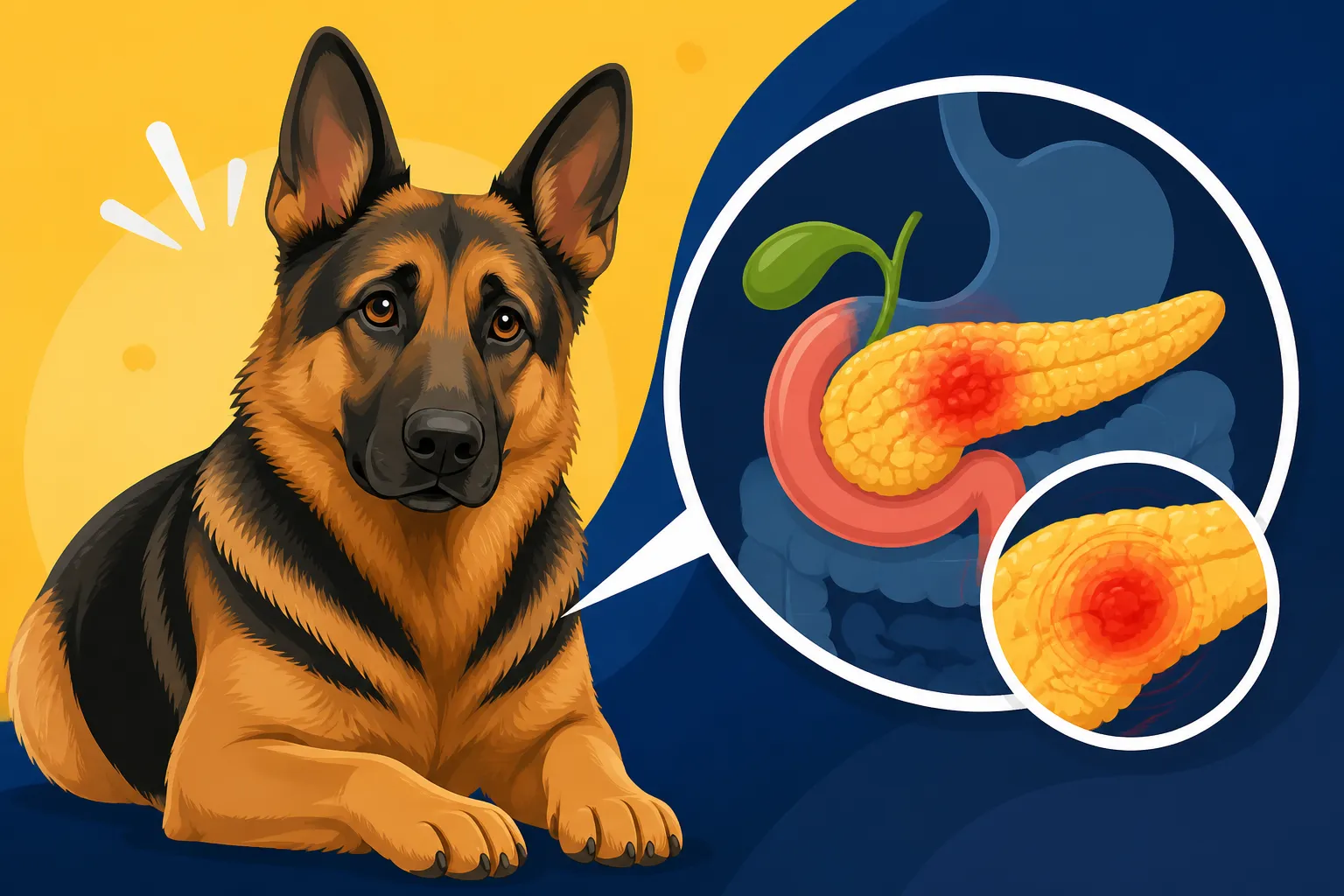
Pancreatitis, simply put, is the inflammation of the pancreas, a vital organ nestled near your dog's stomach and small intestine. It’s an organ that often doesn't get much thought until something goes wrong, but its role in your dog's health is absolutely critical. For German Shepherds, understanding this condition is particularly important, as they do seem to have a heightened predisposition compared to many other breeds.
What is the Pancreas and Its Function?
Think of the pancreas as a two-in-one powerhouse. Its primary job involves producing digestive enzymes that break down fats, proteins, and carbohydrates in the small intestine, allowing your dog's body to absorb nutrients from their food. Without these enzymes working correctly, digestion becomes a huge problem. This is called the exocrine function. The pancreas also has an endocrine function, producing hormones like insulin, which regulate blood sugar levels. When the pancreas becomes inflamed, these digestive enzymes can start attacking the pancreas itself, rather than waiting to be released into the small intestine, leading to pain, damage, and systemic inflammation.
There are generally two main forms of pancreatitis:
- Acute Pancreatitis: This is a sudden onset of severe inflammation. It can be a one-off episode or recurrent. The symptoms usually appear quickly and can be quite dramatic, requiring immediate veterinary intervention.
- Chronic Pancreatitis: This refers to ongoing, often less severe inflammation that can smolder over weeks, months, or even years. It might present with intermittent, milder symptoms, but the persistent inflammation can lead to irreversible damage to the pancreatic tissue, sometimes evolving into conditions like Exocrine Pancreatic Insufficiency (EPI) or diabetes. German Shepherds are particularly prone to EPI, and sometimes chronic pancreatitis can be a precursor to this or share similar underlying genetic vulnerabilities. For more on this, you might find our guide on German Shepherd EPI: Symptoms and Treatment helpful.
Why German Shepherds Face a Higher Risk
It’s true, German Shepherds do appear to be among the breeds that vets see more often for pancreatitis. While it’s not as universally common as, say, hip dysplasia – a frequent concern for GSD owners as detailed in our German Shepherd Hip Dysplasia Explained article – the incidence is notably higher than in many other dogs. The exact reasons aren't always crystal clear, but several factors are believed to contribute to their increased susceptibility.
Firstly, there seems to be a genetic predisposition. Some studies and veterinary observations suggest that German Shepherds may have a genetic anomaly or sensitivity that makes their pancreatic cells more vulnerable to inflammation, or perhaps they have a more aggressive immune response when the pancreas is irritated. This genetic component isn't fully understood, but it's a significant area of research.
Secondly, German Shepherds, like some other working breeds, can be prone to certain dietary sensitivities or digestive quirks. High-fat meals, sudden changes in diet, or even certain food ingredients can trigger an inflammatory response in their sensitive systems. Imagine your dog getting into the trash and feasting on fatty scraps – while any dog might get an upset stomach, a German Shepherd might react with a more severe, full-blown pancreatitis episode. This is why careful dietary management is often a cornerstone of preventing and managing pancreatitis in GSDs. You can learn more about general feeding guidelines in our German Shepherd Feeding Guide.
Lastly, there might be a link to other immune-mediated conditions or inflammatory bowel disease (IBD) which can sometimes occur concurrently or exacerbate pancreatic issues. It's often a complex interplay of genetics, diet, and overall gut health that makes our German Shepherds particularly vulnerable.
Recognizing the Signs and Symptoms
Catching pancreatitis early can make a huge difference in your German Shepherd's prognosis and recovery. However, the symptoms can sometimes be vague or mimic other gastrointestinal issues, making diagnosis challenging for even the most vigilant owner. It's crucial to know what to look for, both in acute and chronic forms of the disease.
Acute Pancreatitis Symptoms
When a German Shepherd experiences an acute pancreatitis attack, the symptoms usually come on suddenly and can be quite severe. It’s a truly distressing situation to witness as an owner, and your dog will likely be in significant pain.
Common acute symptoms include:
- Severe abdominal pain: Your dog might hunch their back, a posture often described as the "prayer position" (front legs extended, hind end up), in an attempt to relieve abdominal discomfort. They might also growl or cry if you try to touch their belly.
- Vomiting: This is often recurrent and can be profuse.
- Diarrhea: Can range from mild to severe, sometimes bloody.
- Loss of appetite (Anorexia): Your dog will likely refuse food and water, even their favorite treats.
- Lethargy and weakness: They'll be visibly tired, unwilling to move, and generally subdued.
- Fever: Their body temperature might be elevated.
- Dehydration: Due to vomiting and not drinking, they can quickly become dehydrated.
- Restlessness or pacing: Some dogs might struggle to get comfortable due to the pain.
If you observe any combination of these signs, especially sudden vomiting and severe pain, it’s an emergency. Don't wait to see if it improves; immediate veterinary care is essential. It's also important not to confuse some of these symptoms with other common German Shepherd health issues like bloat (Gastric Dilatation-Volvulus), which is another life-threatening emergency. Knowing the difference can be hard, but both require urgent vet attention. You can read more about it in German Shepherd Bloat: Signs and Prevention.
Chronic Pancreatitis and its Subtle Clues
Chronic pancreatitis can be a trickier beast to identify because its symptoms are often milder, come and go, or are less specific. Your German Shepherd might not show the dramatic signs of acute pancreatitis, leading to a frustrating period of trying to figure out what's wrong.
Signs of chronic pancreatitis might include:
- Intermittent vomiting or diarrhea: These episodes might not be severe, but they occur regularly.
- Reduced appetite or pickiness: Your dog might eat less, or suddenly turn their nose up at food they once loved.
- Weight loss: Despite eating, they may slowly lose weight due to malabsorption of nutrients.
- Dull coat: A poor coat condition can be a sign of chronic illness and nutrient deficiencies.
- Lethargy: A general lack of energy or enthusiasm that isn't as severe as in acute cases, but noticeable.
- Mild abdominal discomfort: They might occasionally seem uncomfortable, stretch more, or prefer lying in certain positions.
Because these symptoms are less distinct, chronic pancreatitis can sometimes be misdiagnosed or overlooked until it progresses. Over time, chronic inflammation can destroy enough pancreatic tissue to impair its function permanently, leading to conditions like diabetes or EPI. This highlights the importance of keeping a close eye on your German Shepherd's overall well-being and seeking veterinary advice for any persistent digestive upset. Our article on German Shepherd Sensitive Stomach Solutions might offer some initial thoughts if you suspect mild, ongoing issues.
When to Seek Veterinary Help
Given the potential severity of pancreatitis, especially the acute form, it's never an overreaction to contact your vet if you suspect your German Shepherd is suffering from this condition.
Immediately seek emergency veterinary care if your German Shepherd displays:
- Repeated vomiting or retching.
- Severe abdominal pain (hunched posture, crying out, guarding their belly).
- Profound weakness or collapse.
- Extreme lethargy or unresponsiveness.
Contact your regular veterinarian promptly if your German Shepherd exhibits:
- New or worsening digestive issues (e.g., diarrhea, vomiting) that last more than a day.
- Changes in appetite or unexplained weight loss.
- General malaise or unusual behavior changes that persist.
The sooner a diagnosis is made and treatment begins, the better the chances of a positive outcome. Pancreatitis can quickly become life-threatening, so time is of the essence. Don't try to "wait it out" or treat it at home with over-the-counter remedies without veterinary guidance.
Diagnosing and Treating Pancreatitis
Getting a definitive diagnosis for pancreatitis can sometimes be a bit of a journey, but it’s crucial for setting the right course of treatment. Once diagnosed, managing pancreatitis, whether acute or chronic, requires a dedicated and often multifaceted approach from both you and your veterinary team.
The Diagnostic Process
When you bring your German Shepherd to the vet with suspected pancreatitis, they’ll start with a thorough physical examination. They’ll be looking for signs of abdominal pain, dehydration, and fever.
Here's what the diagnostic process typically involves:
- Blood Tests:
- Complete Blood Count (CBC) and Biochemistry Panel: These tests can reveal general signs of inflammation, dehydration, or potential organ damage. Elevated white blood cell counts are common, indicating an inflammatory response.
- Specific Pancreatic Lipase Immunoreactivity (cPLI) test: This is the gold standard for diagnosing pancreatitis in dogs. The cPLI test specifically measures pancreatic lipase levels in the blood, which are significantly elevated during pancreatitis. The IDEXX Spec cPL® test is a widely used and highly accurate version of this. While older tests like amylase and lipase can be indicative, they aren't as specific to the pancreas and can be elevated for other reasons.
- Imaging:
- Abdominal Ultrasound: An ultrasound is often highly recommended as it allows the vet to visualize the pancreas directly, looking for signs of inflammation, enlargement, fluid accumulation around the pancreas, or other abnormalities. It can also help rule out other conditions that cause similar symptoms, such as tumors or foreign bodies.
- X-rays (Radiographs): While X-rays aren't great for visualizing the pancreas itself, they can be useful for ruling out other causes of vomiting and abdominal pain, such as intestinal blockages.
For German Shepherds, especially given their genetic predispositions, the cPLI test and an abdominal ultrasound are usually the most helpful tools in confirming a pancreatitis diagnosis. Sometimes, distinguishing chronic pancreatitis from other gastrointestinal issues like IBD can be challenging, and your vet might recommend further investigations like dietary trials or even endoscopy with biopsies.
Treatment Approaches for Acute Cases
If your German Shepherd is diagnosed with acute pancreatitis, treatment usually involves aggressive supportive care, often requiring hospitalization. The goal is to reduce inflammation, manage pain, prevent dehydration, and allow the pancreas to rest and heal.
Key components of acute pancreatitis treatment include:
- Fluid Therapy: Intravenous (IV) fluids are critical to combat dehydration, maintain electrolyte balance, and support circulation. This is usually the first line of treatment.
- Pain Management: Pancreatitis is incredibly painful, so effective pain relief is paramount. Opioids or other strong analgesics are typically administered to keep your dog comfortable.
- Anti-Emetic Medication: Medications to control vomiting (anti-emetics) are given to reduce nausea, prevent further fluid loss, and allow the dog to eventually resume eating.
- Nutritional Support: While historically vets might have recommended "NPO" (nil per os – nothing by mouth) for several days, current veterinary thought often favors early nutritional support, sometimes via a feeding tube, once vomiting is controlled. This helps maintain gut health and can speed recovery. A very low-fat, highly digestible diet is typically introduced slowly.
- Antibiotics: Antibiotics are usually only prescribed if there's evidence of a bacterial infection, as pancreatitis itself is often sterile inflammation.
- Monitoring: Close monitoring of vital signs, blood work, and pain levels is essential during hospitalization.
It’s an anxious time for any pet parent, but the dedication of veterinary staff, often supported by advances in medications and understanding of the disease, gives our GSDs the best fighting chance. The costs associated with such intensive care can be substantial, which is where having something like pet insurance from providers like Healthy Paws can truly offer peace of mind, helping to cover unexpected and significant veterinary bills.
Managing Chronic Pancreatitis
Managing chronic pancreatitis is more about long-term lifestyle adjustments and ongoing care to prevent flare-ups and mitigate damage. While there's no "cure" for chronic pancreatitis, it can be successfully managed to provide your German Shepherd with a good quality of life.
Core strategies for chronic management include:
- Strict Dietary Management: This is often the most critical component. A low-fat, highly digestible diet is usually prescribed for life. This might mean prescription veterinary diets specifically formulated for pancreatic health, or carefully crafted homemade diets under veterinary guidance. The key is to avoid fatty foods, table scraps, and sudden diet changes. For more dietary insights, our article on German Shepherd Pancreatitis Diet provides specific recommendations.
- Pancreatic Enzyme Supplements: If the chronic inflammation has led to Exocrine Pancreatic Insufficiency (EPI), your vet will prescribe pancreatic enzyme replacement therapy. These enzymes are mixed with food and help your dog digest nutrients.
- Vitamin Supplementation: Dogs with chronic pancreatitis, especially if it leads to malabsorption, may need supplementation with fat-soluble vitamins (A, D, E, K) and Vitamin B12, which can be deficient.
- Pain Relief as Needed: For intermittent flare-ups of discomfort, your vet might prescribe specific pain medications or anti-inflammatory drugs that are safe for long-term use.
- Regular Veterinary Check-ups: Consistent monitoring of blood work, weight, and overall health is essential to track the disease progression and adjust treatment as needed.
Living with a German Shepherd who has chronic pancreatitis requires vigilance and consistency, but with the right care plan, they can thrive.
Prevention and Long-Term Management
While you can't completely eliminate the risk of pancreatitis in a predisposed breed like the German Shepherd, there are significant steps you can take to minimize the chances of an episode and manage the condition long-term if it does occur. It’s all about being proactive and thoughtful in their daily care.
Dietary Management and Fat Intake
Dietary indiscretion – meaning eating something they shouldn't, especially fatty foods – is a primary trigger for pancreatitis in many dogs, and German Shepherds are no exception. For GSDs, a mindful approach to food is paramount.
- Low-Fat Diet: This is often the single most important preventative measure. If your German Shepherd is prone to pancreatitis, or even if you just want to reduce their risk, discuss a lower-fat diet with your veterinarian. High-quality commercial dog foods formulated for sensitive stomachs or those with moderate fat content are often recommended. Avoid generic brands that might use lower-quality fats. When choosing food, look for reputable brands like Purina Pro Plan or Royal Canin, which offer veterinary-specific diets. You can dive deeper into options with articles like Best Dog Food for a German Shepherd with a Sensitive Stomach.
- Avoid Table Scraps: This is a tough one for many pet parents, but it's crucial. Fatty meats, rich gravies, fried foods, and even seemingly innocent human snacks can overwhelm a sensitive pancreas. Absolutely no bacon, sausages, butter, or fried chicken skin. It's simply not worth the risk.
- Consistent Feeding Schedule: Regular meal times can help regulate digestion. Avoid large, infrequent meals that might put a sudden strain on the digestive system.
- Treats in Moderation: Choose low-fat, healthy treats. Many vegetable-based treats or small pieces of plain cooked chicken (skinless, boneless) can be good options. Always introduce new treats slowly.
- Safe Access: Be incredibly mindful of what your German Shepherd can access. Secure trash cans, keep human food out of reach, and be vigilant during walks to prevent them from scavenging potentially harmful items.
Remember, every German Shepherd is an individual. What works perfectly for one might not for another. Always consult with your veterinarian to tailor a specific dietary plan suited to your dog's unique needs and health history.
Lifestyle Factors and Monitoring
Beyond diet, several lifestyle factors contribute to overall health and can play a role in preventing or managing pancreatitis.
- Regular Exercise: Consistent, appropriate exercise helps maintain a healthy weight and supports overall digestive health. Overweight dogs are generally at higher risk for pancreatitis, so keeping your German Shepherd at a lean body condition is beneficial. Our guide on How to Keep a German Shepherd Healthy emphasizes the importance of a balanced lifestyle.
- Stress Reduction: While not a direct cause, stress can exacerbate existing inflammatory conditions. A calm, consistent routine, plenty of mental stimulation, and a secure environment can contribute to your German Shepherd's well-being.
- Medication Awareness: Some medications, such as certain steroids, can potentially induce pancreatitis. Always discuss your German Shepherd's full medical history and any concurrent conditions with your vet when new medications are prescribed.
- Routine Veterinary Check-ups: Regular check-ups are vital. Your vet can monitor your dog's weight, listen to their body, and perform routine blood work that might catch subtle changes before they become severe. Early detection of any underlying issues is always best. Our article on German Shepherd Health Problems Guide reinforces the need for consistent vet care.
- Know Your Dog: Pay close attention to your German Shepherd's normal behavior, appetite, and stool consistency. Any subtle changes, even if they don't seem severe at first, warrant a call to your vet. You are your dog's best advocate!
The Role of Pet Insurance
Let's be realistic – the cost of veterinary care, especially for emergency situations like acute pancreatitis or long-term management of chronic conditions, can be significant. This is a common concern for many German Shepherd owners, as these dogs can be prone to several hereditary issues. When you're facing a diagnosis like pancreatitis, the last thing you want to worry about is the financial burden.
This is where pet insurance can be an absolute lifesaver. Companies like Healthy Paws offer comprehensive plans that can help cover a large percentage of unexpected veterinary expenses, including diagnostics, emergency treatment, hospitalization, medications, and even long-term management for chronic conditions like pancreatitis. While it won't cover pre-existing conditions, having a policy in place before your German Shepherd develops such issues can truly provide financial security.
Imagine the stress of an acute pancreatitis attack: thousands of dollars for hospitalization, IV fluids, pain medication, and specialized diagnostics can add up quickly. With a robust plan from a provider like Healthy Paws, you can focus on getting your dog the best possible care without the added worry of breaking the bank. It's definitely something to consider for any German Shepherd owner who wants to be prepared for the unexpected twists and turns of their dog's health journey. Exploring topics like Is Pet Insurance Worth It for a German Shepherd or German Shepherd Vet Costs Per Year can help you make an informed decision about this crucial aspect of pet ownership.
| Type of Pancreatitis | Onset | Severity | Common Symptoms | Treatment | Long-Term Outlook |
|---|---|---|---|---|---|
| Acute | Sudden | Severe | Intense abdominal pain, profuse vomiting, lethargy, fever, dehydration | Hospitalization, IV fluids, pain relief, anti-emetics, nutritional support | Can recover fully, but prone to recurrence; sometimes progresses to chronic |
| Chronic | Gradual | Mild to Moderate (intermittent) | Intermittent vomiting/diarrhea, reduced appetite, weight loss, dull coat, mild discomfort | Strict low-fat diet, enzyme supplements (if EPI develops), occasional pain relief, B12 shots | Requires lifelong management; can lead to EPI or diabetes; focus on quality of life |
Understanding the nuances between these forms is crucial for proper care, and working closely with your veterinarian is always the best approach. Our German Shepherds are resilient and deserve every chance at a healthy, happy life, even when facing challenging conditions like pancreatitis.
Disclaimer
The information provided in this article is for educational and informational purposes only and does not constitute veterinary advice. Always consult with a qualified veterinarian for any health concerns or before making any decisions about your German Shepherd's medical care or diet.