German Shepherd Degenerative Myelopathy: Cost to Treat
Receiving a diagnosis of Degenerative Myelopathy (DM) for your beloved German Shepherd can feel like a punch to the gut. It's a devastating, progressive neurological disease, and the immediate fear often extends beyond the emotional toll to the practical realities of care. One of the biggest concerns for many owners is understanding the financial commitment involved. This guide will meticulously break down the potential costs associated with treating German Shepherd Degenerative Myelopathy, helping you prepare for the road ahead.
Understanding the Financial Reality of Degenerative Myelopathy
Degenerative Myelopathy is an insidious disease, slowly stealing your German Shepherd's mobility and independence. It’s not a condition with a one-time fix; rather, it requires continuous, adaptive care to maintain your dog’s quality of life. The financial burden can range widely, from a few hundred dollars for initial diagnostics to many thousands over the course of the disease, depending on the stage of progression, the chosen treatments, and where you live. Many owners are caught off guard by the ongoing nature of these expenses, which can be a significant source of stress when you’re already coping with such a heartbreaking diagnosis.
The Progressive Nature of DM and Its Cost Implications
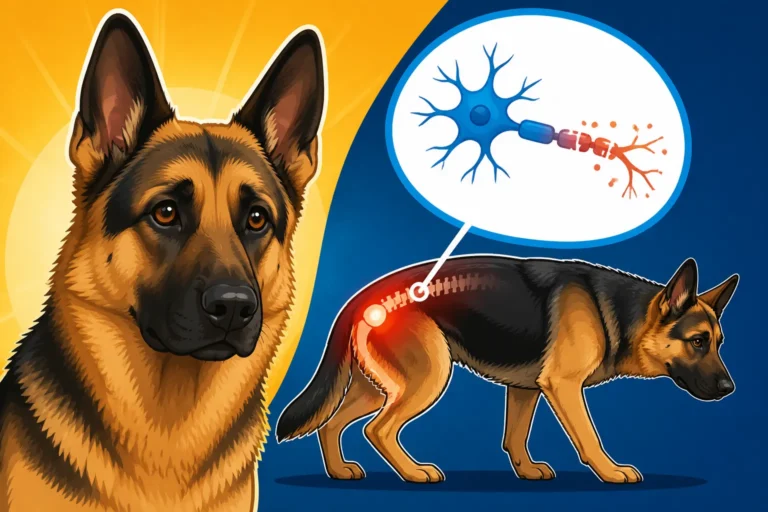
The progression of DM typically starts with weakness and loss of coordination in the hind limbs, eventually leading to paralysis. As the disease advances, your German Shepherd will need more intensive support, which naturally escalates costs. Think of it as a journey with different stages, each requiring a different level of intervention and financial outlay. Early on, it might be frequent vet visits and physical therapy. Later, it could involve specialized equipment, full-time mobility assistance, and management of secondary issues. This long-term commitment is why understanding the full scope of potential expenses is so crucial.
It’s important to remember that DM is currently incurable, meaning treatments focus entirely on managing symptoms, slowing progression where possible, and enhancing comfort. This means you’re not paying for a cure, but for a sustained effort to give your furry family member the best possible life despite their condition. This continuous management model sets DM apart from acute illnesses, where costs might spike for a short period and then subside. With DM, you're looking at a sustained "new normal" for your budget.
Initial Diagnosis and Early Intervention Expenses
The first steps after noticing symptoms are crucial and, understandably, involve a significant portion of the initial financial outlay. When you first notice your German Shepherd dragging their paws, stumbling, or having difficulty rising, your veterinarian will likely begin a comprehensive diagnostic process. This is where you'll start to see the first wave of bills.
Veterinary Consultations and Neurological Exams
Your journey will begin with several veterinary visits. A general practitioner might first suspect DM, but they will almost certainly refer you to a veterinary neurologist. These specialists have advanced training in conditions affecting the brain, spinal cord, and nerves. Each consultation with a specialist can range from $150 to $500 or more, depending on the clinic's location and the complexity of the initial assessment. During these exams, the neurologist will perform a thorough physical and neurological assessment, checking reflexes, gait, and muscle strength. This isn't just a quick check-up; it's a detailed investigation to pinpoint the source of your dog's symptoms. These initial appointments are vital for ruling out other conditions that mimic DM.
Diagnostic Tests to Confirm DM and Rule Out Other Conditions
While the physical exam can strongly suggest DM, definitive diagnosis often involves a combination of tests, primarily to exclude other spinal conditions that might be treatable. The most common diagnostic steps and their associated costs include:
- Blood Work and Urinalysis: Basic blood panels and urine tests are usually performed to assess overall health and rule out metabolic or inflammatory conditions. These typically cost between $100 and $300.
- Radiographs (X-rays): X-rays of the spine can help rule out issues like spinal tumors, disc disease, or fractures. While they don't diagnose DM, they are essential for differential diagnosis. A series of spinal X-rays can cost $200-$500.
- MRI or CT Scans: These advanced imaging techniques are often necessary to get a detailed view of the spinal cord and surrounding structures. They are the most expensive diagnostic tests, ranging from $1,500 to $4,000 or even more, especially if sedation or anesthesia is required. These scans are critical for ruling out conditions like intervertebral disc disease (IVDD) or spinal cord compression, which could have surgical solutions. Given the cost, many owners opt for this only after less invasive tests still leave uncertainty.
- Cerebrospinal Fluid (CSF) Tap: In some cases, a CSF analysis might be recommended to rule out inflammatory or infectious diseases of the central nervous system. This procedure typically costs between $500 and $1,500, including lab analysis.
- DM DNA Test: This is a specific genetic test that identifies the SOD1 gene mutation associated with DM in German Shepherds. While a positive test doesn't mean your dog will get DM (it's a risk factor), it's highly supportive of a DM diagnosis when combined with clinical signs and the exclusion of other diseases. This test is relatively inexpensive, usually $60-$150, and can be done with a simple cheek swab or blood sample. It's often one of the first tests performed to streamline the diagnostic process. You can learn more about German Shepherd DM DNA Testing Explained.
Once other treatable conditions are ruled out and clinical signs align with the genetic predisposition, a diagnosis of presumptive DM is usually given. This thorough diagnostic process, while costly, is essential for ensuring your German Shepherd receives the correct management plan.
Ongoing Management and Supportive Care Costs
After the initial diagnosis, the financial journey shifts to ongoing management and supportive care, which will evolve as the disease progresses. These are the costs that will become a regular part of your budget for the remainder of your dog’s life.
Medications and Nutritional Supplements
While there's no cure for DM, certain medications and supplements are often recommended to help manage symptoms, support neurological health, and reduce inflammation.
- Anti-inflammatory Medications: Your vet might prescribe NSAIDs (non-steroidal anti-inflammatory drugs) or other anti-inflammatory medications to help manage any secondary pain or discomfort your dog might experience, especially as their body compensates for weakness. Monthly costs can range from $30-$150.
- Neuroprotective Supplements: Supplements like antioxidants (Vitamin E, C), B vitamins, N-acetylcysteine, and certain fatty acids (Omega-3s) are often recommended for their potential neuroprotective effects, though scientific evidence for significantly slowing DM progression is limited. They aim to support overall neurological health. These can add $20-$100 per month to your expenses.
- Joint Supplements: As your German Shepherd's gait changes and puts more stress on their joints, supplements like glucosamine and chondroitin, or even prescription joint medications, might be advised to support joint health and comfort. These can cost $30-$80 monthly.
- Pain Management: As DM progresses, some dogs experience neuropathic pain, which may require specific pain medications. These could include gabapentin or amantadine, adding another $40-$150 per month.
It’s easy for these seemingly small monthly costs to accumulate into a significant sum, particularly if your dog is on a cocktail of several different medications and supplements. Discussing the most effective and essential options with your vet is key to managing these expenses.
Physical Therapy, Rehabilitation, and Alternative Treatments
One of the most impactful ways to slow the progression of DM and maintain muscle mass and mobility is through regular rehabilitation therapies. These therapies can dramatically improve your German Shepherd’s quality of life but come with their own price tag.
- Physical Therapy (PT): This is arguably one of the most critical interventions for DM. A certified canine rehabilitation therapist will develop exercises to maintain muscle strength, range of motion, and balance. Sessions can include therapeutic exercises, massage, and stretching. Each session typically costs $75-$150, and initially, your dog might need weekly or bi-weekly sessions. Even when doing home exercises, periodic professional guidance is invaluable.
- Hydrotherapy (Underwater Treadmill): The buoyancy of water allows dogs to exercise with less weight-bearing stress, which is excellent for maintaining muscle tone and practicing gait without overstraining weakened limbs. Sessions typically range from $60-$120.
- Acupuncture: Some owners find acupuncture helpful for pain management and neurological support, though its efficacy for DM is still being studied. Sessions can cost $50-$100.
- Laser Therapy (Photobiomodulation): This non-invasive therapy uses specific wavelengths of light to reduce pain and inflammation and promote healing at a cellular level. It can be used to alleviate secondary muscle soreness. Sessions might cost $40-$80.
These therapies are not just about physical health; they provide crucial mental stimulation and can improve your dog’s overall mood and sense of well-being. The combined cost of consistent rehabilitation can easily run several hundred dollars a month. This is an area where pet insurance, like a comprehensive plan from Healthy Paws, can really make a difference by covering a significant portion of these ongoing treatment expenses, making continuous care more feasible for pet parents.
Mobility Aids and Home Modifications
As DM progresses, your German Shepherd will inevitably require assistance with mobility. This is a stage where significant investments in equipment and home adjustments become necessary.
- Harnesses and Slings: For early and mid-stage DM, support harnesses (especially hind-limb support harnesses) are invaluable for assisting your dog with standing, walking short distances, and going up/down stairs. These range from $50-$200.
- Ramps: To prevent strain and make it easier for your dog to get into vehicles or onto furniture (if allowed), ramps are essential. Ramps can cost $75-$300.
- Non-Slip Flooring: As your dog loses coordination, slippery floors become a major hazard. Investing in runners, yoga mats, or other non-slip surfaces can prevent falls and injuries. This cost is highly variable depending on your home setup.
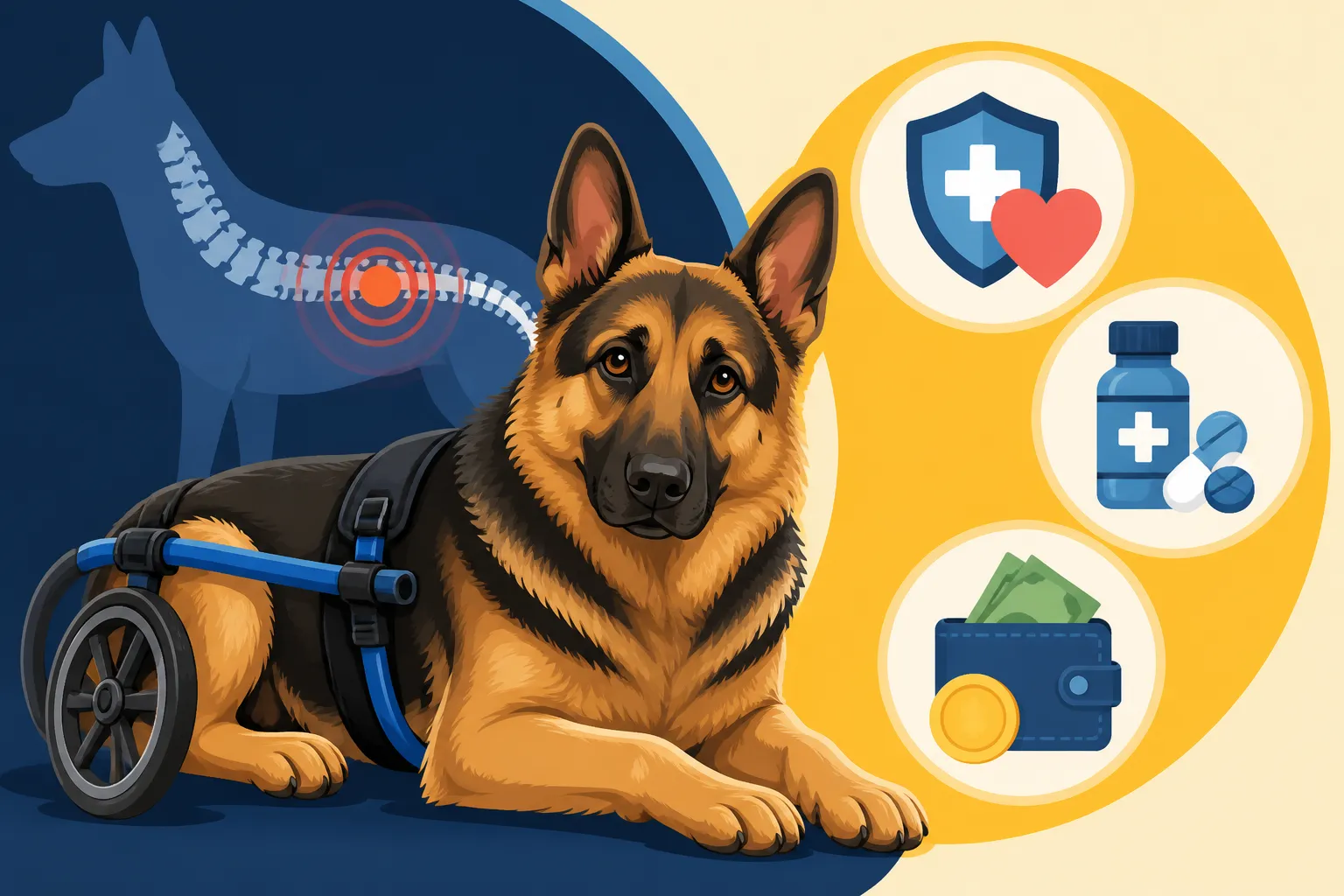
- Dog Wheelchairs: When your German Shepherd loses the ability to walk unassisted in their hind legs, a custom-fitted dog wheelchair becomes a lifeline. These devices allow your dog to run, play, and maintain a sense of independence. Basic wheelchairs can start around $300-$500, but high-quality, custom-fit models can easily go up to $700-$1,000 or more, especially for a large breed like a German Shepherd. Brands like K9 Carts or Walkin' Pets offer excellent options tailored to a dog's specific needs. These are often considered one of the largest single expenses in DM care.
- Specialized Bedding: Pressure sores are a risk for less mobile dogs. Orthopedic beds with good support and cushioning are essential. Prices range from $100-$400 for a quality large dog bed.
These mobility aids are not just conveniences; they are critical tools for preventing injury, maintaining hygiene, and preserving your German Shepherd's quality of life as their condition changes. Making your home accessible and safe is a significant part of the cost of long-term care for German Shepherd Degenerative Myelopathy: Symptoms and Treatment.
Here's a breakdown of common costs associated with DM treatment:
| Category | Item | Estimated Cost Range (USD) | Frequency | Notes |
|---|---|---|---|---|
| Diagnosis | Vet Consult (Specialist) | $150 – $500 | Initial | Per visit |
| Blood Work/Urinalysis | $100 – $300 | Initial/Annual | Rules out other conditions | |
| Spinal X-rays | $200 – $500 | Initial | Rules out skeletal issues | |
| MRI/CT Scan (Spine) | $1,500 – $4,000+ | Initial | Definitive exclusion of other conditions | |
| CSF Tap | $500 – $1,500 | Initial (if needed) | Rules out inflammatory/infectious CNS diseases | |
| DM DNA Test | $60 – $150 | Initial | Genetic predisposition confirmation | |
| Ongoing Care | NSAIDs/Anti-inflammatories | $30 – $150 | Monthly | For pain/inflammation management |
| Neuroprotective Supplements | $20 – $100 | Monthly | Antioxidants, B vitamins, Omega-3s | |
| Joint Supplements | $30 – $80 | Monthly | Glucosamine, chondroitin | |
| Pain Medications (Gabapentin, etc.) | $40 – $150 | Monthly | For neuropathic pain | |
| Physical Therapy Session | $75 – $150 | Weekly/Bi-weekly | Crucial for muscle maintenance | |
| Hydrotherapy Session | $60 – $120 | Weekly/Bi-weekly | Low-impact exercise | |
| Acupuncture/Laser Therapy | $40 – $100 | As needed | Alternative therapies for pain/support | |
| Mobility Aids | Support Harness/Sling | $50 – $200 | One-time | For hind limb support |
| Ramps | $75 – $300 | One-time | Vehicle/home access | |
| Dog Wheelchair | $300 – $1,000+ | One-time | Essential for late-stage mobility | |
| Orthopedic Bed | $100 – $400 | One-time | Prevents pressure sores | |
| Non-slip flooring (e.g., runners) | Variable | One-time | Prevents slips and falls | |
| Incontinence supplies (pads, diapers) | $20 – $50 | Monthly | As needed for bladder/bowel control loss | |
| End-of-Life | Quality of Life Assessment | $100 – $300 | As needed | Vet consultation for difficult decisions |
| In-home Euthanasia | $300 – $600 | One-time | More comfortable for the dog and family | |
| Cremation | $200 – $500 | One-time | Depending on private vs. communal, urn choices |
Note: These are estimated ranges and can vary significantly based on geographic location, veterinary clinic pricing, specific product choices, and the individual needs of your dog.
Long-Term Care and End-of-Life Considerations
The long-term trajectory of Degenerative Myelopathy means that care needs and associated costs will continue to evolve, eventually leading to difficult end-of-life decisions. Preparing for these later stages, both emotionally and financially, is an important part of responsible pet ownership.
Increased Veterinary Oversight and Home Care Challenges
As your German Shepherd's DM progresses, regular veterinary check-ups become even more crucial to monitor their overall health, manage any secondary complications like urinary tract infections (common with incontinence), and adjust pain management strategies. These more frequent visits add to the ongoing costs, potentially $100-$300 per visit, plus any treatments for secondary conditions.
The physical demands of caring for a large, paralyzed dog at home are immense. You might need to consider professional grooming services more frequently, especially for hygiene around the hindquarters, costing $70-$150 per session. If you work long hours or travel, you might need to hire a pet sitter or a professional dog walker who is experienced with special needs dogs, or even consider specialized daycare facilities. These services can range from $25-$75 per day, adding up quickly. Owners often find themselves investing in washable bedding, waterproof blankets, and cleaning supplies to manage incontinence, another recurring expense that many don't anticipate.
Quality of Life Assessments and Euthanasia
Eventually, the progression of DM will lead to a significant decline in your German Shepherd’s quality of life. Making the decision about when to say goodbye is one of the hardest parts of owning a pet with a chronic, terminal illness. Your veterinarian can assist with "quality of life" assessments, which might involve dedicated consultations to discuss your dog's comfort, happiness, and continued ability to engage in enjoyable activities. These appointments are often emotionally charged but are vital for making an informed decision. These consultations usually fall within the range of regular vet visits, around $100-$300.
When the time comes, euthanasia is a compassionate choice to prevent suffering. The cost of euthanasia varies depending on whether it's performed at the clinic or in your home. In-home euthanasia, while more expensive, provides a peaceful, familiar setting for your beloved companion and yourself, costing roughly $300-$600. Clinic euthanasia typically ranges from $150-$400. Following euthanasia, you'll also have to consider options for aftercare, such as communal cremation ($100-$300) or private cremation with the return of ashes ($250-$500+, depending on the provider and urn choice). While these are difficult costs to think about, having an understanding of them can help ease some of the burden during an already heartbreaking time.
The Role of Pet Insurance and Financial Planning
Facing the potential costs of Degenerative Myelopathy can feel overwhelming, especially when they accumulate over months and years. This is where proactive financial planning, including the consideration of pet insurance, becomes an absolute lifesaver.
How Pet Insurance Can Alleviate the Financial Burden
Pet insurance is designed to help cover unexpected and sometimes expected veterinary expenses, and it can be particularly beneficial for chronic conditions like DM. However, it’s crucial to understand that Degenerative Myelopathy is considered a pre-existing condition once symptoms appear or a diagnosis is made. This means if you purchase a policy after your German Shepherd shows signs or is diagnosed, most insurance providers will not cover DM-related costs. This highlights the importance of getting pet insurance early in your dog’s life, ideally when they are a puppy and healthy.
For those who do have a policy in place before a DM diagnosis, pet insurance can significantly reduce out-of-pocket expenses. Providers like Healthy Paws often cover a substantial percentage (e.g., 70-90%) of diagnostic tests, vet visits, prescribed medications, and a wide range of rehabilitation therapies, including physical therapy, hydrotherapy, and even acupuncture. Imagine getting regular physical therapy for your German Shepherd for $100 a session; with 80% coverage, you'd only pay $20. Over months and years, this adds up to enormous savings. Before committing to a policy, always read the fine print regarding coverage for chronic conditions, waiting periods, and deductibles to ensure it aligns with your potential needs. A robust policy can mean the difference between providing comprehensive, ongoing care and having to make difficult compromises due. For German Shepherd owners, especially given the breed's predisposition to health issues like German Shepherd Hip Dysplasia Explained, having a good pet insurance plan from a provider like Healthy Paws is a prudent financial decision.
Other Financial Planning Strategies
Even without pet insurance, or if your policy doesn't cover DM, there are still ways to manage the financial strain:
- Emergency Savings Fund: Setting aside a dedicated emergency fund specifically for your pet's medical needs is highly recommended. Even a few hundred dollars can help cover initial diagnostics or specialized equipment.
- Veterinary Payment Plans: Many veterinary clinics and specialty hospitals offer payment plans or allow you to pay in installments, especially for expensive procedures like MRIs. Don't hesitate to ask about these options.
- Pet Care Credit Cards: Services like CareCredit offer special financing options for veterinary expenses, often with deferred interest if paid within a certain timeframe. Be sure to understand the terms before signing up.
- Financial Aid and Assistance Programs: Several non-profit organizations offer financial assistance to pet owners struggling with veterinary bills. Groups like The Pet Fund, RedRover, and breed-specific rescues might have programs to help with the costs of conditions like DM. A quick online search for "pet financial aid for German Shepherds" or "DM support funds" can yield valuable resources.
- Crowdfunding: Platforms like GoFundMe or social media campaigns can be an option for those with strong community support, helping to raise funds for significant treatment costs.
While the financial aspect of managing German Shepherd Degenerative Myelopathy is undoubtedly challenging, understanding the potential costs and exploring available resources can empower you to provide the best possible care for your beloved companion. Planning ahead, discussing options with your vet, and seeking support can make a tangible difference in navigating this difficult journey. Resources like German Shepherd Senior Care Guide can provide additional insights into long-term care planning.
Disclaimer
The information provided in this guide is for general informational purposes only and does not constitute veterinary advice. The estimated costs are averages and can vary significantly based on location, specific veterinary practices, individual pet needs, and the progression of the disease. Always consult with a qualified veterinarian for accurate diagnosis, treatment plans, and specific cost estimates for your German Shepherd's condition.