German Shepherd Degenerative Myelopathy: Symptoms and Treatment
There are few diagnoses as heartbreaking and confusing for German Shepherd owners as Degenerative Myelopathy (DM). This progressive neurological disease often starts subtly, mimicking other conditions, leaving you feeling helpless and unsure of what's truly happening to your beloved companion. This comprehensive guide aims to demystify DM, helping you understand its symptoms, how it's diagnosed, and the best ways to manage it, providing comfort and practical advice for navigating this challenging journey.
Understanding Degenerative Myelopathy in German Shepherds
Degenerative Myelopathy (DM) is a cruel and progressive neurological disease that primarily affects the spinal cord of older German Shepherds, though it can appear in other breeds too. It's often compared to Amyotrophic Lateral Sclerosis (ALS) in humans, given its relentless progression and the profound impact it has on motor function. For many German Shepherd families, the initial signs are frustratingly vague, often brushed off as arthritis or just "getting old," making the eventual diagnosis even more of a blow. It's a condition that demands patience, understanding, and proactive management from devoted owners.
The Genetic Link to DM
One of the most significant aspects of Degenerative Myelopathy is its strong genetic component. DM is caused by a mutation in the SOD1 gene. This isn't a simple dominant or recessive trait, making its inheritance pattern a bit more complex, but the presence of two copies of the mutated gene (one from each parent) puts a German Shepherd at a significantly higher risk of developing the disease. It’s important to note that carrying two copies of the gene doesn't guarantee the dog will develop DM, but it means they are genetically at risk and can pass the gene to their offspring. This knowledge underscores the critical importance of responsible breeding practices and genetic testing.
While the exact trigger for why some genetically at-risk dogs develop DM and others don't is still not fully understood, environmental factors, diet, and overall health may play a role. However, genetics remains the primary predisposing factor. This is why discussions around German Shepherd Genetic Health Testing are so prevalent and crucial in the breed community. Understanding your dog's genetic predisposition can prepare you for potential challenges and guide your decisions if you're considering breeding.
How DM Affects the Spinal Cord
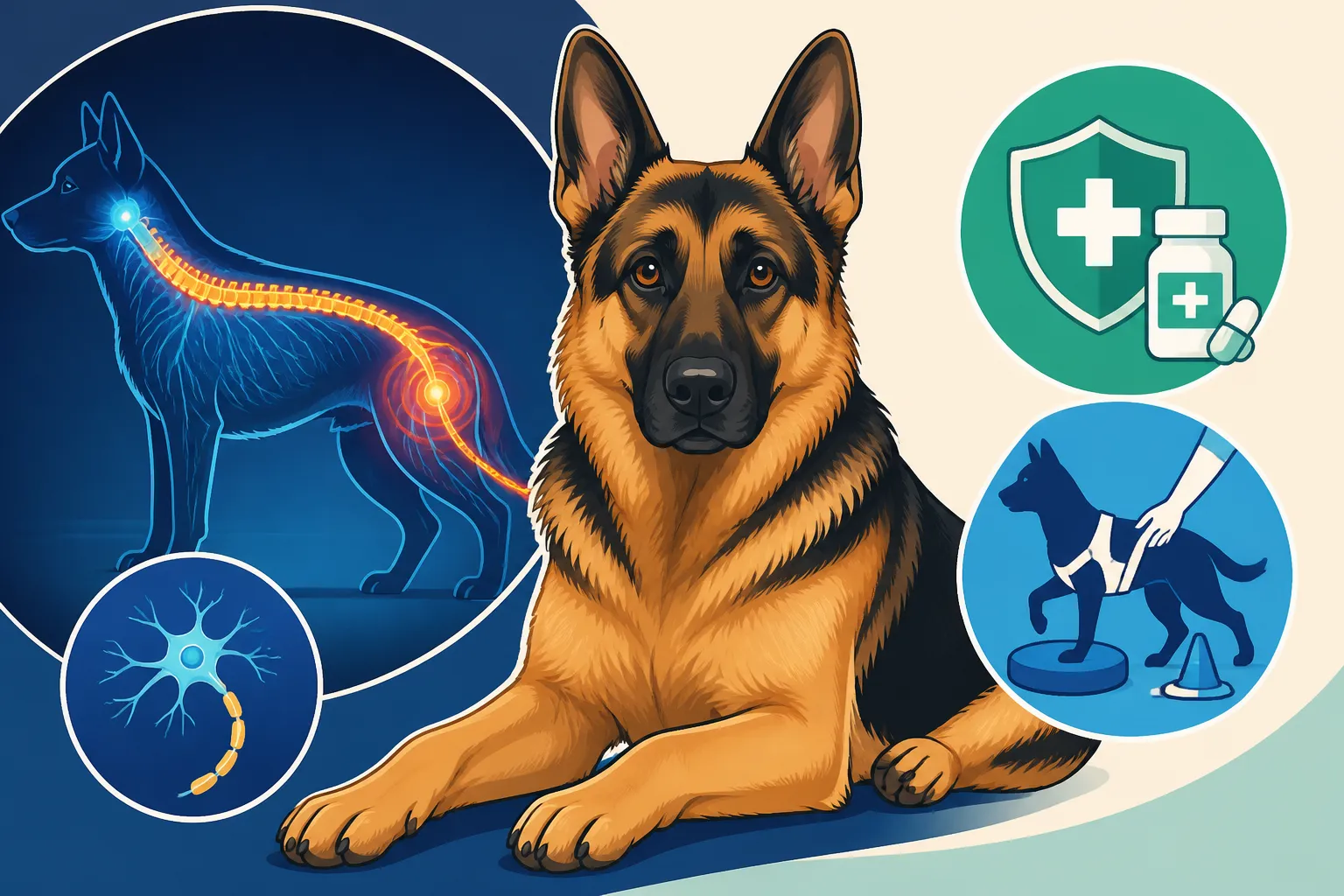
At its core, DM is a disease of the white matter of the spinal cord. This white matter is essentially the "highway" for nerve signals traveling between the brain and the rest of the body. In dogs with DM, the myelin sheath (the protective coating around nerve fibers, similar to insulation on an electrical wire) and the axons themselves begin to degenerate. This breakdown disrupts the communication pathways, leading to a gradual loss of nerve function.
The degeneration typically starts in the thoracic (mid-back) region of the spinal cord, which is why the hind limbs are usually affected first. As the disease progresses, the damage can ascend the spinal cord, eventually impacting the front limbs and even muscles involved in breathing and swallowing in very advanced stages. This progressive destruction of nerve tissue is irreversible and leads to the gradual loss of coordination and strength that is the hallmark of DM. It's a stark reminder of the delicate complexity of our canine friends' nervous systems.
Recognizing the Early Signs and Symptoms of DM
Identifying Degenerative Myelopathy in its early stages can be incredibly challenging, and this is where many owners experience significant frustration. The initial signs are often subtle and can easily be mistaken for more common age-related issues like arthritis or simple muscle soreness after exercise. Because German Shepherds are prone to other musculoskeletal problems, especially in their hips and elbows, the early symptoms of DM can get lost in the noise, leading to delayed diagnosis and treatment. Being observant and knowing what to look for is key.
Subtle Early Indicators
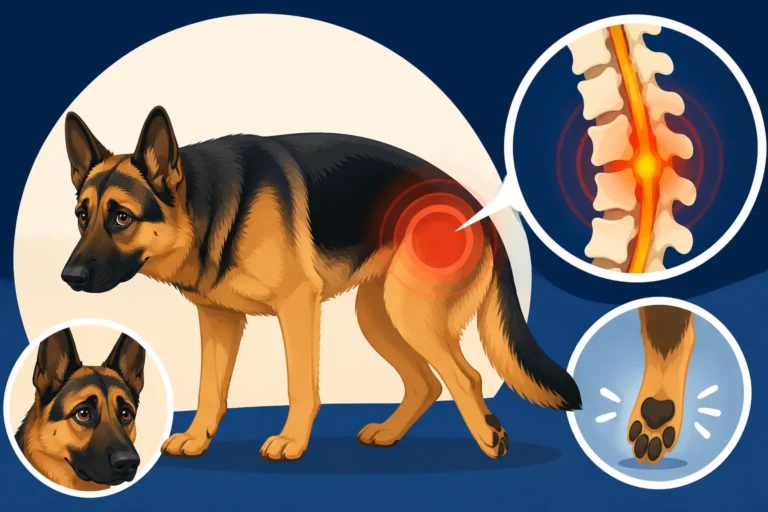
The very first signs of DM in German Shepherds usually involve the hind limbs. You might notice a slight, almost imperceptible dragging of a back paw, sometimes referred to as "knuckling over," where the top of the paw scrapes the ground instead of the pad. Your dog might seem a little clumsy, perhaps stumbling more often, especially on uneven terrain or when turning corners quickly. Some owners report that their dog's gait appears "drunk" or wobbly. They might struggle a bit when trying to stand up from a lying position, or seem to lose their balance when trying to defecate.
Another subtle sign can be muscle atrophy in the hindquarters. You might feel that your dog's back legs are losing some of their bulk, even if they're still eating well. At this stage, pain is typically not a factor in DM, which further differentiates it from conditions like German Shepherd Hip Dysplasia: Symptoms and Treatment, where pain is often a prominent symptom. It's these minor changes, easy to dismiss individually, that collectively point towards something more serious.
Progressive Neurological Decline
Unfortunately, DM is a relentlessly progressive disease. What starts as a subtle wobble or paw drag eventually escalates into more significant neurological deficits. Over time, usually months to a year or more, the weakness in the hind legs becomes much more pronounced. Your German Shepherd will likely struggle to walk without significant stumbling and might eventually lose the ability to stand or walk on their own. They might fall frequently, especially when trying to navigate stairs or slippery floors.
As the disease advances, you'll observe increasing ataxia (loss of coordination) and paraparesis (partial paralysis) in the hind limbs, which will progress to paraplegia (complete paralysis). The muscle wasting will become much more noticeable, and your dog will rely heavily on their front legs to move around. While the hind legs lose function, sensory perception usually remains intact in the early and middle stages, meaning your dog can still feel touch and pain in their hind limbs, unlike some other spinal cord injuries. Understanding How Fast Does Degenerative Myelopathy Progress can help you prepare for the changes ahead and make informed decisions about care.
| Symptom Category | Early Stage DM (Months 1-6) | Advanced Stage DM (Months 6-18+) |
|---|---|---|
| Gait/Movement | Subtle dragging of hind paws (knuckling), slight wobbliness, difficulty rising, minor unsteadiness on turns. | Significant hind limb weakness, frequent falls, inability to stand/walk without support, complete paralysis (paraplegia). |
| Muscle Condition | Mild muscle atrophy in hindquarters (hard to detect). | Severe muscle atrophy in hindquarters, noticeable loss of bulk. |
| Pain Level | Generally no pain associated with the disease itself. | Still generally no pain from DM, but secondary issues (bed sores, joint strain) can cause discomfort. |
| Reflexes | Proprioceptive deficits (delayed paw placement reflex), possibly normal deep tendon reflexes. | Absent proprioceptive reflexes, decreased or absent deep tendon reflexes. |
| Incontinence | Rare, typically controlled bladder and bowel function. | More common, difficulty controlling bladder and bowel movements. |
| Front Limb Involvement | None. | Possible weakness or incoordination in front limbs as disease ascends. |
Distinguishing DM from Other Conditions
This is perhaps the biggest challenge in diagnosing DM. Many other conditions can present with similar symptoms, particularly those affecting the hips and spine, which are common issues in German Shepherds. German Shepherd Hip Dysplasia Explained is a prime example, causing hind limb lameness and pain. Other possibilities include German Shepherd Arthritis: Symptoms and Treatment, intervertebral disc disease (IVDD), lumbosacral stenosis (cauda equina syndrome), spinal tumors, or even certain metabolic disorders.
The key difference often lies in the presence of pain. DM itself is not painful, whereas conditions like severe hip dysplasia, IVDD, or arthritis typically are. A thorough veterinary examination, including neurological assessment, orthopedic evaluation, and often X-rays of the hips and spine, is crucial to rule out these other possibilities. Your vet will look for specific neurological deficits unique to DM, such as proprioceptive loss (the dog's awareness of where its limbs are in space) without deep pain sensation loss initially. This extensive differential diagnosis process is why a DM diagnosis often takes time and multiple veterinary visits, making early intervention and management tricky for pet parents.
Diagnosing Degenerative Myelopathy
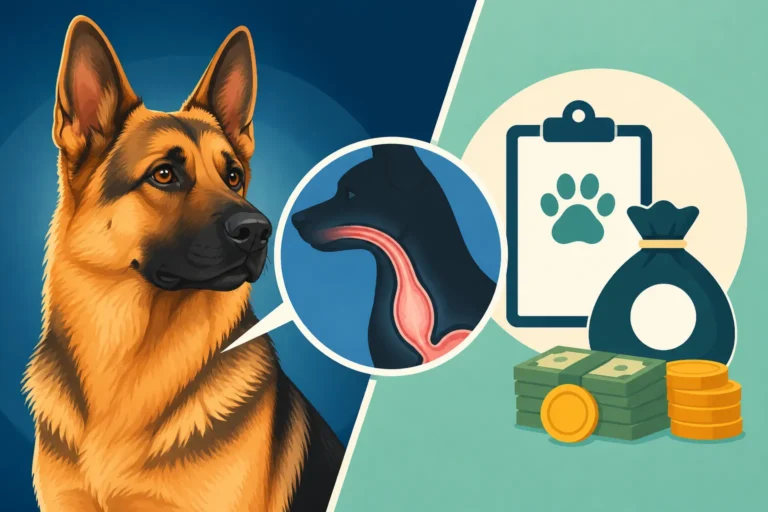
Receiving a diagnosis of Degenerative Myelopathy is a journey, not a single event. There's no single definitive test that can diagnose DM while your dog is alive, apart from post-mortem examination of spinal cord tissue. This can be incredibly frustrating for owners who are desperate for clear answers. Instead, veterinarians typically arrive at a presumptive diagnosis by ruling out all other possible causes of similar neurological signs. It's a process that requires patience, a skilled veterinary team, and sometimes significant investment in diagnostics. Many owners turn to resources like pet insurance from Healthy Paws to help manage the costs of these extensive tests.
The Exclusionary Diagnosis Process
Because DM has no definitive live test, the diagnosis is primarily one of exclusion. This means your veterinarian will conduct a battery of tests to rule out other conditions that cause similar signs of hind limb weakness and incoordination. This often starts with a comprehensive physical and neurological exam. The vet will check reflexes, assess proprioception (how quickly your dog corrects a paw placed in an abnormal position), and look for muscle atrophy.
Further diagnostics usually include X-rays of the spine and hips to check for German Shepherd Osteoarthritis: Symptoms and Treatment, fractures, tumors, or spinal abnormalities like IVDD. Blood tests and urine tests might be performed to rule out metabolic diseases or infections. In some cases, your vet might recommend more advanced imaging like an MRI or CT scan of the spine, especially if they suspect an intervertebral disc issue or a spinal tumor. If, after all these tests, no other cause can be identified for your German Shepherd's progressive hind limb weakness, then a presumptive diagnosis of DM is often made. This thorough but lengthy process can feel like an emotional rollercoaster, as you hope for a treatable condition while fearing the worst.
Genetic Testing for DM
While genetic testing cannot definitively diagnose DM in a living dog (as not all genetically "at-risk" dogs develop the disease), it plays a crucial role in the diagnostic process and in responsible breeding. A simple buccal swab (cheek swab) or blood sample can be sent to a laboratory for analysis of the SOD1 gene. The results will typically classify your dog as:
- N/N (Clear): The dog has no copies of the mutated gene and is not at risk for developing DM. They cannot pass the gene to offspring.
- A/N (Carrier): The dog has one copy of the mutated gene. They are unlikely to develop DM themselves but can pass the gene to 50% of their offspring.
- A/A (At-Risk): The dog has two copies of the mutated gene. They are genetically predisposed to developing DM and will pass the gene to 100% of their offspring.
If your German Shepherd is showing symptoms consistent with DM and tests as A/A (at-risk), it strongly supports the presumptive diagnosis. Conversely, if your symptomatic dog tests N/N, DM is highly unlikely to be the cause of their symptoms, prompting your vet to search for other neurological conditions. This genetic test is particularly invaluable for breeders seeking to reduce the incidence of DM in future generations. For more detailed information, check out German Shepherd DM DNA Testing Explained.
Advanced Diagnostic Tools
In some cases, especially when the diagnosis remains ambiguous after initial tests, a veterinary neurologist might suggest more advanced diagnostic procedures. These can include:
- Cerebrospinal Fluid (CSF) Analysis: A sample of fluid surrounding the brain and spinal cord can be collected and analyzed. While DM doesn't typically show specific markers in CSF, it can help rule out inflammatory or infectious conditions of the central nervous system.
- Electromyography (EMG) and Nerve Conduction Velocity (NCV): These tests measure the electrical activity of muscles and the speed at which nerves transmit electrical signals. In DM, these tests might show abnormalities consistent with nerve degeneration, though they are not specific to DM alone.
- Magnetic Resonance Imaging (MRI) or Computed Tomography (CT) Scan: As mentioned, these imaging techniques are primarily used to rule out other spinal cord compressions, tumors, or disc diseases. While DM itself doesn't show up directly on an MRI, a "normal" MRI in a dog with neurological signs points away from structural issues and closer to a condition like DM.
These advanced tools help the veterinary team paint a clearer picture, often eliminating other possibilities that could mimic DM. While the diagnostic journey can be emotionally and financially taxing, a robust pet insurance plan, like those offered by Healthy Paws, can be a lifesaver in covering these specialized consultations and tests.
Managing DM: Treatment Options and Supportive Care
The hardest truth about Degenerative Myelopathy is that there is currently no cure. This can be devastating news for owners who hold onto hope for a miracle. However, "no cure" doesn't mean "no treatment." The focus of managing DM is entirely on supportive care, aiming to slow the progression of symptoms, maintain muscle strength for as long as possible, prevent secondary complications, and most importantly, preserve your German Shepherd's quality of life for as long as possible. This requires a dedicated, consistent effort from the owner, often working closely with a team of veterinary professionals.
Physical Rehabilitation and Exercise
One of the most crucial components of DM management is physical therapy and regular, controlled exercise. While it won't stop the underlying degeneration, it can significantly help maintain muscle mass, improve proprioception (the sense of body position), and strengthen the remaining functional neural pathways. Without consistent exercise, muscle atrophy accelerates, and your dog's condition can decline much faster.
A certified canine rehabilitation therapist can develop a tailored program, which might include:
- Underwater Treadmill Therapy: The buoyancy of the water reduces weight-bearing stress on joints, allowing your dog to exercise their legs more freely and build strength without the risk of falling. This is often a favorite among DM dogs.
- Therapeutic Exercises: Specific exercises to strengthen core muscles, hind limb muscles, and improve balance, such as controlled leash walks, weaving through cones, stepping over low obstacles, and passive range of motion exercises.
- Massage and Stretching: To maintain flexibility, reduce muscle stiffness, and improve circulation.
- Acupuncture: Some anecdotal evidence suggests acupuncture might help improve nerve function and reduce discomfort, though scientific proof specifically for DM is limited.
- Laser Therapy: Low-level laser therapy might help reduce inflammation and promote tissue healing, potentially offering some comfort or aiding muscle recovery.
The goal isn't to reverse DM but to empower your dog to use their remaining abilities as effectively and for as long as they can. Consistency is key; even short, daily sessions can make a big difference. This proactive approach is a cornerstone of How to Keep a German Shepherd Healthy, especially as they age.
Nutritional Support and Supplements
While no specific diet or supplement has been proven to cure or halt DM, optimizing your German Shepherd's nutrition and incorporating certain supplements can support overall health and potentially slow the progression of symptoms. A high-quality, balanced diet rich in antioxidants and anti-inflammatory ingredients can be beneficial. Consider consulting with a veterinary nutritionist to ensure your dog's diet meets their specific needs as their activity level changes.
Supplements often recommended include:
- Antioxidants: Vitamins E and C, CoQ10, and alpha-lipoic acid are believed to help combat oxidative stress, which may play a role in neuronal degeneration.
- Omega-3 Fatty Acids: EPA and DHA, found in fish oil, have anti-inflammatory properties that can support neurological health.
- L-Carnitine: Some studies have explored L-carnitine's potential role in supporting mitochondrial function, which is crucial for cellular energy and nerve health.
- B Vitamins: Especially B12, which is vital for nerve function and myelin maintenance.
Before starting any new supplements, always discuss them with your veterinarian to ensure they are appropriate for your dog and won't interact negatively with any other medications. While these won't stop DM, they can contribute to your dog's overall well-being and possibly provide some marginal benefits. For additional guidance on joint health, you might look into Best Joint Supplements for Senior German Shepherds.
Mobility Aids and Home Adjustments
As DM progresses, your German Shepherd will inevitably lose the ability to move independently. This is where mobility aids and thoughtful home adjustments become absolutely essential for maintaining their quality of life and your own sanity. These tools can prevent injuries, reduce frustration for your dog, and allow them to continue participating in family life.
Key mobility aids include:
- Harnesses with Handles: A sturdy harness with a handle over the back, such as those from Ruffwear or Kurgo, can help you support your dog's hindquarters when walking, going up/down stairs, or getting into the car.
- Rear Support Slings/Wheelchairs: For dogs with significant hind limb weakness, a rear support sling provides temporary assistance. Eventually, a custom-fitted dog wheelchair (like those from Walkin' Pets or Eddie's Wheels) can offer incredible freedom and mobility, allowing your dog to run and play again, albeit with wheeled support. This is a critical consideration for German Shepherd DM: Wheelchair and Care Options.
- Booties: To protect paws from dragging and scraping, especially if knuckling is severe.
- Non-Slip Flooring: Covering slippery floors (hardwood, tile) with rugs, yoga mats, or carpet runners can provide much-needed traction, preventing falls and building confidence.
- Ramps or Steps: For accessing elevated surfaces like beds, couches, or cars, reducing the need for jumping or strenuous climbing.
Adapting your home environment to your dog's evolving needs is paramount. This might mean rearranging furniture to create clear pathways, providing easily accessible water and food bowls, and ensuring a comfortable, well-padded bed to prevent pressure sores. These adjustments can significantly ease the physical burden on both you and your German Shepherd, making daily life more manageable.
Coping with a DM Diagnosis
Receiving a diagnosis of Degenerative Myelopathy is a profound emotional challenge for any German Shepherd owner. It’s a diagnosis that carries with it the heavy weight of an incurable, progressive disease, often leaving you feeling heartbroken, overwhelmed, and even guilty. It’s crucial to acknowledge these feelings and understand that you’re not alone in experiencing them. This section delves into the emotional impact, how to prioritize your dog's remaining time, and the difficult decisions that may eventually arise.
Emotional Impact on Owners
The emotional toll of a DM diagnosis cannot be overstated. Many owners describe a grieving process that begins long before their dog passes away, a phenomenon sometimes called "anticipatory grief." You witness your vibrant companion slowly lose their physical capabilities, and it’s natural to feel a mix of sadness, frustration, anger, and profound helplessness. The practical demands of caring for a dog with advanced DM, including physical assistance, managing incontinence, and constant vigilance, can also lead to caregiver burnout.
It's vital to seek support. Talk to your veterinarian, join online forums or support groups specifically for owners of dogs with DM, or even consider speaking with a pet bereavement counselor. Sharing experiences with others who truly understand what you're going through can provide immense comfort and practical advice. Remember, it's okay to feel overwhelmed, and it's essential to care for your own mental and emotional well-being throughout this demanding journey. Many pet insurance companies, like Healthy Paws, also offer resources or helplines that can connect you with support networks.
Maintaining Quality of Life
Despite the challenges, maintaining your German Shepherd's quality of life is the paramount goal. This means focusing on what your dog can still do and enjoy, rather than dwelling on what they can no longer do. It's about ensuring comfort, managing symptoms, and providing mental stimulation.
- Comfort: Ensure your dog has a soft, well-padded bed to prevent pressure sores, especially as they spend more time lying down. Keep them clean and dry, particularly if incontinence becomes an issue. Gently massage their limbs to promote circulation and comfort. Learning How to Tell If a German Shepherd Is in Pain can help you address any secondary discomfort promptly.
- Mental Stimulation: Even if physical activity is limited, mental engagement is crucial. Use puzzle toys, short training sessions for commands they still know (like "sit" or "stay" if possible), or even just new smells during short outings in a wagon or wheelchair. Keep their routine as normal as possible.
- Social Interaction: Continue to involve your German Shepherd in family activities. Many DM dogs still love to be near their people, receive affection, and enjoy car rides or gentle outings. Their spirit remains, even if their body is failing.
This stage of care is deeply personal and requires constant adaptation. It's about cherishing every moment and ensuring that their remaining time is filled with love, dignity, and as much joy as possible. For comprehensive guidance on senior care, the German Shepherd Senior Care Guide is an excellent resource.
End-of-Life Decisions
One of the most agonizing parts of a DM journey is facing the eventual end-of-life decisions. Because DM is progressive, there will come a point when your German Shepherd's quality of life significantly deteriorates, despite all efforts. This might manifest as severe difficulty breathing, complete immobility, chronic discomfort from secondary issues, or a profound loss of interest in food, water, or interaction.
This decision is deeply personal and should be made in consultation with your veterinarian, who can objectively assess your dog's physical state. Consider creating a "quality of life" checklist with your vet, noting key indicators like appetite, hydration, ability to move, enjoyment of favorite activities, and presence of pain. When the bad days consistently outweigh the good, making the compassionate choice for euthanasia becomes an act of profound love, sparing your beloved companion from prolonged suffering. This is often the final, most difficult, but most loving decision an owner can make. Remember that Degenerative Myelopathy Life Expectancy can vary, so open communication with your vet is vital.
Prevention and Genetic Considerations
While the individual diagnosis of Degenerative Myelopathy is a somber one, the wider understanding of DM and its genetic basis offers a powerful avenue for prevention within the German Shepherd breed. For those considering getting a German Shepherd puppy, or for current owners looking to contribute to the breed's health, focusing on responsible breeding practices and genetic awareness is paramount.
Responsible Breeding Practices
The single most effective way to reduce the incidence of DM in German Shepherds is through responsible breeding. Breeders who are committed to the health of the breed will routinely screen their breeding stock for the SOD1 gene mutation. They will make informed decisions based on these results, aiming to avoid breeding two "at-risk" (A/A) dogs together, which would guarantee all offspring are also A/A.
Even breeding an A/N carrier to another A/N carrier carries a risk of producing A/A puppies. Therefore, the ideal practice is to breed an A/N carrier only to an N/N clear dog, which ensures no puppies will be A/A (at-risk), though some may still be carriers (A/N). A truly responsible breeder will also consider other health clearances, temperament, and conformation, providing full transparency about the health history of their lines. This commitment is vital for reducing the prevalence of not only DM but also other significant genetic health issues detailed in our German Shepherd Health Problems Guide. Always ask for genetic testing results for both parents when looking for a puppy.
Understanding the SOD1 Gene
The SOD1 gene codes for an enzyme called superoxide dismutase 1. This enzyme plays a crucial role in neutralizing harmful free radicals in the body. The specific mutation associated with DM leads to an abnormal form of this enzyme, which then aggregates and forms toxic clumps within the nerve cells of the spinal cord. This toxic buildup is believed to be a key factor in the degeneration of nerve fibers.
It’s a fascinating, albeit devastating, insight into the molecular mechanics of the disease. While environmental factors might influence when or if a genetically at-risk dog develops symptoms, the underlying genetic predisposition, the blueprint for that faulty SOD1 enzyme, is inherited. This understanding reinforces why German Shepherd Genetic Health Testing is so critical, not just for individual dogs, but for the future health of the entire breed. Breeders and owners alike need to stay informed and utilize the genetic tools available to make the healthiest choices for our beloved German Shepherds.
Disclaimer
This article is intended for informational purposes only and does not constitute veterinary advice. Always consult with a qualified veterinarian for any health concerns or before making any decisions about your German Shepherd's care.