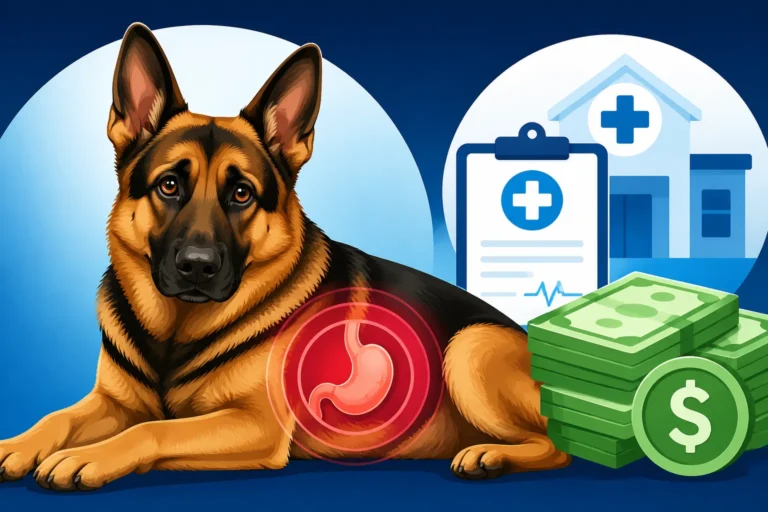
Best Age to Neuter a Male German Shepherd
Deciding on the best age to neuter your male German Shepherd can feel like navigating a minefield of conflicting advice. As a responsible dog parent, you want to do what's absolutely best for your beloved companion, but the sheer volume of opinions, from old-school traditions to cutting-edge research, can be overwhelming. This comprehensive guide is here to cut through the noise, offering clear, realistic insights into the crucial factors that influence the optimal neutering age for your magnificent male German Shepherd.
Understanding the Nuances of Neutering Timing
For years, the conventional wisdom was to neuter dogs around six months of age. It was a blanket recommendation, often based on convenience for shelters and a general belief that it would prevent unwanted pregnancies and some behavioral issues. However, our understanding of canine physiology and development has evolved significantly, especially for large, giant, and working breeds like the German Shepherd. The timing of neutering, or gonadectomy, is now recognized as a complex decision with profound, lifelong implications for your dog's health and behavior.
Traditional vs Modern Recommendations
The shift from the "fix them at six months" mentality is particularly relevant for German Shepherds, a breed known for its robust structure and active lifestyle. Traditional recommendations, while well-intentioned, didn't always account for the specific growth and hormonal needs of larger breeds. Vets used to believe that early neutering was universally beneficial for preventing certain cancers and reducing problematic behaviors. While it does achieve some of these goals, modern veterinary science now emphasizes a more individualized approach, taking into account breed-specific developmental timelines.
The consensus today, especially for breeds like the German Shepherd, leans towards waiting until a dog is more physically mature. This often means delaying neutering until after the growth plates have closed and the dog has experienced the full benefits of sex hormones for a longer period. This delay isn't about ignoring the importance of population control or behavioral management but about prioritizing the long-term health and structural integrity of a large, athletic dog that needs every advantage for a healthy life.
The Role of Hormones in German Shepherd Development
Testosterone, the primary hormone produced by the testes, plays a critical role in the physical and mental development of male German Shepherds. Beyond just sexual function, these hormones influence a myriad of bodily processes. They contribute to the proper closure of growth plates in the bones, which is crucial for forming strong, healthy joints. Without sufficient testosterone during the critical growth period, these plates can close later, or in a way that affects bone density and structure, potentially increasing the risk of orthopedic problems.
Hormones also play a part in muscle development, bone density, and even cognitive and behavioral maturation. A German Shepherd's distinctive powerful build and confident temperament are, in part, shaped by the presence of these hormones throughout adolescence. Removing the source of these hormones too early can subtly alter these developmental pathways, leading to a dog that might not achieve its full physical potential or may experience different behavioral challenges than a dog allowed to mature intact. Understanding this hormonal influence is key to making an informed decision about when to neuter.
Potential Benefits of Neutering a Male German Shepherd
While the timing is a hot topic, the decision to neuter a male German Shepherd still comes with a host of well-established benefits that contribute to both the dog's well-being and the owner's peace of mind. These advantages span both behavioral and health aspects, and it’s important to weigh them carefully against the timing considerations.
Behavioral Considerations
One of the most common reasons owners consider neutering is to address or prevent certain behaviors. Intact male German Shepherds can exhibit behaviors driven by their hormones, which can be challenging to manage. These often include:
- Roaming and Escaping: Driven by the instinct to find a mate, intact males are notorious for attempting to escape yards and homes. This puts them at significant risk of injury, getting lost, or causing accidents.
- Marking Territory: Urinating on furniture, walls, or other objects inside the house is a common behavior in intact males trying to establish their scent dominance.
- Humping: While not exclusive to intact males, humping can be a hormone-driven behavior that many owners find undesirable.
- Inter-male Aggression: Some intact males can display aggression towards other intact males, especially if a female in heat is nearby. This can lead to serious fights and injuries.
Neutering can significantly reduce, and in many cases eliminate, these hormone-driven behaviors. While it's not a magic bullet for all behavioral issues – many stem from training, socialization, or anxiety – it removes a major biological driver for these specific problems, making your German Shepherd a calmer, more predictable, and safer companion. For instance, if you have a dog with German Shepherd Behavior Problems and Solutions, neutering might be one component of a multi-faceted approach. Remember, ongoing training and socialization remain paramount, regardless of neutering status.
Health Advantages
Beyond behavior, neutering offers several clear health benefits for your male German Shepherd. These are often the most straightforward arguments in favor of the procedure, regardless of the timing debate.
- Elimination of Testicular Cancer Risk: This is perhaps the most obvious health benefit. Neutering removes the testes, thereby eliminating any chance of your dog developing testicular cancer, which is a relatively common cancer in older intact male dogs.
- Reduced Risk of Prostate Issues: While neutering doesn't completely prevent all prostate problems, it significantly reduces the risk of benign prostatic hyperplasia (BPH), a common age-related enlargement of the prostate gland in intact males that can lead to difficulties with urination and defecation.
- Prevention of Perianal Tumors: These tumors, often adenomas, are hormone-dependent and are much less common in neutered males.
- Reduced Risk of Hernias: Perineal hernias, which can involve abdominal contents protruding near the anus, are also less common in neutered dogs due to hormonal influences on the pelvic diaphragm muscles.
While discussing these benefits with your veterinarian, it’s worth thinking about the bigger picture of your dog's health journey. Pet insurance, such as plans from Healthy Paws, can be incredibly valuable for covering unexpected health issues, regardless of whether they are related to neutering or not. Having a safety net in place ensures you can always make the best health decisions for your German Shepherd without financial stress. Knowing that routine care and preventive measures like appropriate neutering timing contribute to a German Shepherd Lifespan: How Long They Live is a huge motivator for many owners.
Risks Associated with Early or Late Neutering
The discussion around the "best age" to neuter primarily revolves around mitigating potential risks associated with performing the surgery too early or, in some cases, too late. For a large, active breed like the German Shepherd, these risks, particularly orthopedic ones, are significant and deserve careful consideration.
Orthopedic Concerns
This is often where the modern recommendations for delayed neutering for large breeds like German Shepherds really come into play. The primary concern with early neutering (before 12-18 months) is its impact on the developing musculoskeletal system.
- Delayed Growth Plate Closure: Sex hormones play a crucial role in signaling the closure of growth plates in the long bones. If these hormones are removed too early, the growth plates may remain open for longer, leading to longer limb bones. This altered bone length can change joint angles and increase stress on joints, making them more susceptible to injury and degenerative conditions.
- Increased Risk of Hip and Elbow Dysplasia: Studies have shown a correlation between early neutering and an increased incidence of orthopedic issues like German Shepherd Hip Dysplasia Explained and elbow dysplasia in certain large breeds. While genetics are a primary factor in these conditions, early neutering can exacerbate the predisposition by affecting joint development and stability. To truly understand why this matters, you might want to delve into Why Do German Shepherds Have Hip Problems for more detailed information.
- Cranial Cruciate Ligament (CCL) Tears: The CCL in dogs is analogous to the ACL in humans. Early neutering has been linked to an increased risk of CCL tears, likely due to the altered biomechanics and weaker connective tissues that can result from a lack of sex hormones during development. These injuries often require expensive surgery and extensive rehabilitation.
- Reduced Bone Density: Sex hormones contribute to maintaining bone density. Early removal of these hormones can potentially lead to lower bone density, making bones more fragile over time.
These orthopedic risks can profoundly impact a German Shepherd's quality of life and lead to significant veterinary expenses. Planning for potential health challenges, even with the best preventive care, is wise. Comprehensive pet insurance from providers like Healthy Paws can help manage the costs associated with diagnosing and treating these complex orthopedic conditions, which might otherwise be a heavy burden.
Other Health Risks
Beyond orthopedic issues, the timing of neutering can also influence other health aspects of your German Shepherd. It's a balance of reducing some risks while potentially increasing others.
- Increased Risk of Certain Cancers: While neutering eliminates testicular cancer, some research suggests a potential increased risk of certain other cancers, such as osteosarcoma (bone cancer) and hemangiosarcoma, in some large breeds that are neutered early. The data is still evolving, but it's a factor to consider.
- Hypothyroidism: Some studies suggest a potential link between early neutering and an increased risk of hypothyroidism, a condition where the thyroid gland doesn't produce enough hormones, leading to metabolic issues.
- Urinary Incontinence: While more commonly associated with spaying in females, some research indicates a slight increase in urinary incontinence in male dogs neutered at a very young age.
- Weight Gain: Neutering can lower a dog's metabolism, making them more prone to weight gain if their diet and exercise aren't adjusted accordingly. Obesity, in turn, can exacerbate orthopedic issues and lead to other health problems like diabetes. Understanding German Shepherd Weight and Obesity Risks is important for managing their health post-neutering.
It’s crucial to understand that these are potential risks, and not every dog neutered early will experience them. However, for a breed like the German Shepherd, known for its predispositions to certain health issues, these considerations weigh heavily. When thinking about the German Shepherd Health Problems Guide, neutering timing definitely plays a role.
Deciding the Best Age for Your German Shepherd
There's no single "magic number" that applies to every male German Shepherd. The ideal age to neuter your dog is a personalized decision that should be made in consultation with your veterinarian, taking into account a variety of factors unique to your dog and your living situation.
Consulting Your Veterinarian
Your veterinarian is your most trusted resource in making this important decision. They know your dog's individual health history, can assess their current physical development, and can discuss the most up-to-date research and recommendations tailored to large breeds. During your consultation, expect to discuss:
- Your German Shepherd's Growth: Your vet can evaluate if your dog's growth plates appear to be closing and if they have reached sufficient skeletal maturity. X-rays might be recommended in some cases, similar to the process for OFA vs PennHIP Hip Scoring Explained.
- Breed-Specific Risks: They can explain how German Shepherd predispositions, like the risk of German Shepherd Hip Dysplasia: Symptoms and Treatment or Degenerative Myelopathy in German Shepherds, might be influenced by neutering timing.
- Your Dog's Temperament and Behavior: Discuss any current behavioral challenges (e.g., aggression, marking, roaming) and how neutering might affect them, setting realistic expectations.
- Your Lifestyle and Environment: Factors like whether your dog interacts with intact females, if you live in an area with a high stray population, or if you can safely manage an intact male's behavior will influence the recommendation.
- Anesthesia Risks: While generally safe, any surgery involves anesthesia, and your vet will discuss pre-surgical bloodwork and safety protocols.
Don't hesitate to ask all your questions, even if they seem minor. This is a significant decision, and an informed choice is the best choice for your German Shepherd's long-term health and happiness.
Factors to Consider for Individual Dogs
Beyond veterinary advice, several other factors specific to your individual German Shepherd and household should guide your decision.
- Individual Growth Rate: Not all German Shepherds mature at the same rate. Some may be physically mature earlier than others. Your vet can help assess this. Generally, waiting until at least 18-24 months is a common recommendation for male German Shepherds to ensure full skeletal maturity. For example, understanding When Do German Shepherds Stop Growing can give you a timeframe for when their growth plates are typically closed.
- Behavioral Maturity: While hormones drive some behaviors, others are linked to maturity and training. Consider if your dog is exhibiting behaviors that necessitate early neutering for safety or quality of life, or if they can be managed through training and responsible ownership during adolescence. For instance, if you're working on German Shepherd Obedience Training Basics, you might want to ensure consistent training continues regardless of neutering status.
- Home Environment: Do you have other intact dogs? Do you have fencing that is truly secure? Are you able to supervise your dog constantly when outside? The ability to prevent unwanted breeding and manage intact male behaviors in your specific home environment is a huge factor.
- Genetic Health Background: If you know your dog's genetic lineage has a strong history of orthopedic problems, waiting longer for neutering might be even more crucial to minimize any potential exacerbation of these risks. This highlights the importance of German Shepherd Genetic Health Testing for responsible breeding and ownership.
- Financial Preparedness: While neutering is a one-time cost, potential future health issues (orthopedic or otherwise) could be significantly more expensive. Having a plan for these unexpected costs, whether through savings or pet insurance like Healthy Paws, allows you to prioritize your dog's health without added stress. Reviewing articles like German Shepherd Vet Costs Per Year can help you prepare financially.
By carefully considering all these elements in dialogue with your veterinarian, you can make a truly informed decision about the best age to neuter your unique male German Shepherd, setting him up for the healthiest and happiest life possible.
Comparison of Neutering Timelines and Their Implications
To help visualize the considerations, here's a general overview of the potential impacts of different neutering timelines for male German Shepherds.
| Factor | Early Neutering (Under 12 Months) | Later Neutering (18-24+ Months) |
|---|---|---|
| Growth & Orthopedic Health | Higher risk of delayed growth plate closure, increased risk of hip/elbow dysplasia, CCL tears, osteosarcoma. | Lower risk of orthopedic issues due to proper growth plate closure and hormonal development. |
| Testicular Cancer | Eliminated | Eliminated |
| Prostate Issues | Significantly reduced risk of BPH and perianal tumors. | Significantly reduced risk of BPH and perianal tumors (similar to early, but after exposure to hormones). |
| Behavioral (Hormone-Driven) | Reduces roaming, marking, inter-male aggression (if present). May not impact behaviors not tied to hormones. | Reduces roaming, marking, inter-male aggression (if present). Allows full behavioral maturation before intervention. |
| Other Cancers (e.g., Osteosarcoma) | Some studies suggest a potentially increased risk in large breeds. | Lower or no increased risk (studies still evolving). |
| Weight Management | Metabolism may slow earlier, requiring strict dietary management. | Metabolism slows later, but still requires dietary adjustment post-neutering. |
| Urinary Incontinence | Small, potential increase in risk. | Negligible risk. |
| Anesthetic Risk | Generally lower due to younger age, but still present. | Slightly higher due to older age, but still safe with proper screening. |
Disclaimer
This article is intended for informational purposes only and does not constitute veterinary advice. The decision to neuter your male German Shepherd and the timing of such a procedure should always be made in close consultation with a qualified veterinarian who can assess your dog's individual health, breed-specific needs, and your personal circumstances. Every dog is unique, and what is best for one may not be best for another.