German Shepherd Von Willebrand Disease: Symptoms and Treatment
It's absolutely terrifying when your beloved German Shepherd starts bleeding unexpectedly, or seems to bruise far too easily, and you have no idea why. That gut-wrenching worry, wondering if it's something serious, can keep any devoted dog parent up at night. This comprehensive guide will shed light on Von Willebrand Disease (vWD) in German Shepherds, explaining its symptoms, how veterinarians diagnose it, and the treatment options available to help your furry companion live a full and happy life.
Understanding Von Willebrand Disease in German Shepherds
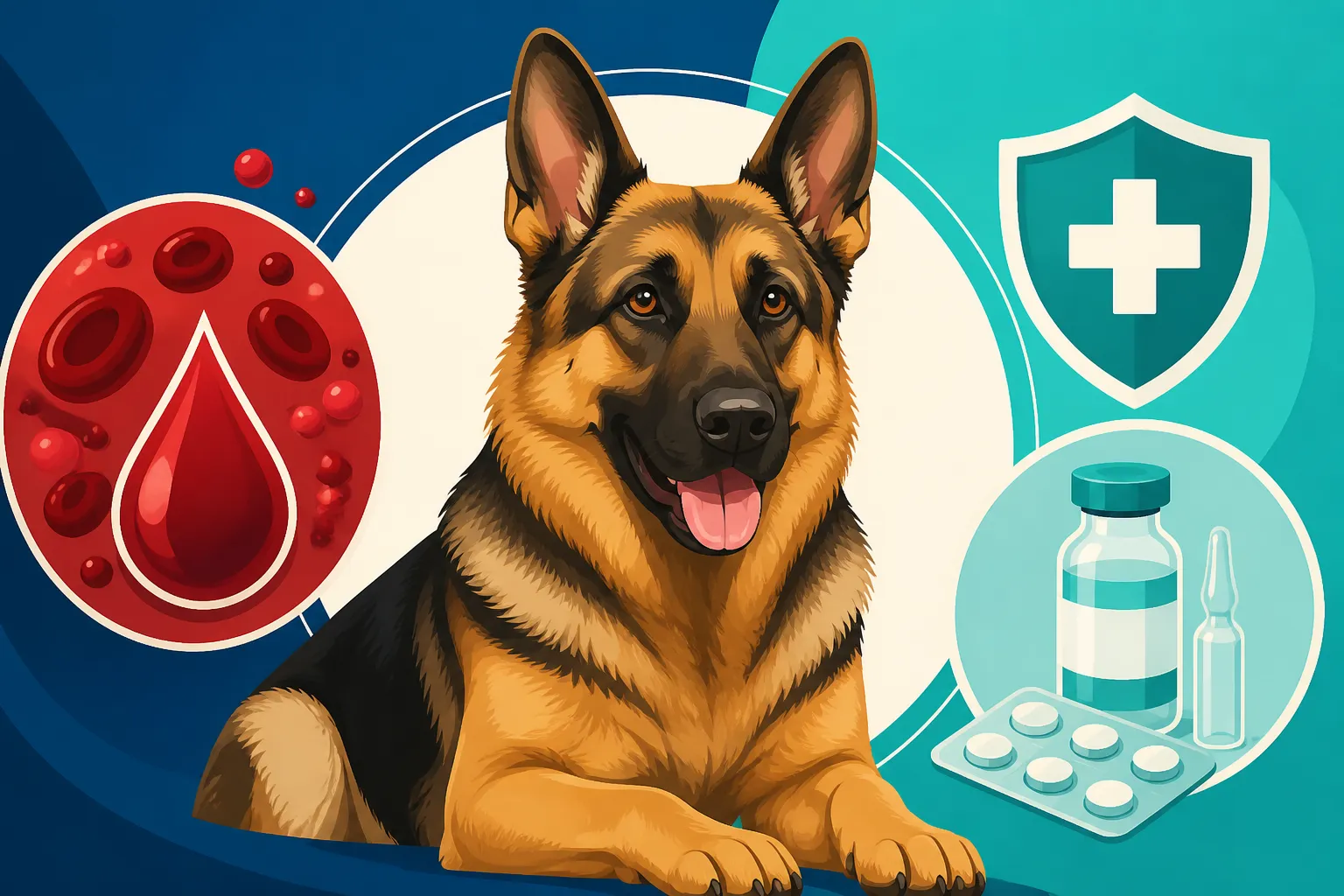
Von Willebrand Disease, or vWD, is the most common inherited bleeding disorder found in dogs, and it unfortunately has a notable presence within the German Shepherd breed. It's a condition that affects the body's ability to properly clot blood, leading to excessive bleeding even from minor injuries or spontaneous hemorrhage. For German Shepherd owners, understanding this genetic predisposition is the first crucial step in proactive care.
The Role of Von Willebrand Factor
At its heart, vWD is a deficiency in or dysfunction of something called the von Willebrand factor (vWF). Imagine a complex puzzle where each piece needs to fit perfectly for the picture to be complete. In blood clotting, vWF is a critical piece of that puzzle. This protein plays a dual role: first, it acts like a glue, helping platelets – tiny cell fragments responsible for forming clots – stick to injured blood vessel walls. Second, it carries another important clotting protein, Factor VIII, protecting it from breaking down too quickly. When there isn't enough vWF, or if the vWF isn't working correctly, the initial plug at the site of an injury doesn't form properly, leading to prolonged or excessive bleeding.
Without adequate vWF, even a small cut can take an unusually long time to stop bleeding, or a minor bump can result in a large, painful bruise. This is different from hemophilia, which affects other clotting factors, though both are inherited bleeding disorders. Knowing your dog's vWF status, especially if they are a German Shepherd, can make a huge difference in managing their health and responding to emergencies.
Types of Von Willebrand Disease
While there are three main types of Von Willebrand Disease identified in dogs, German Shepherds are primarily affected by Type 1 vWD. Each type differs in severity and the underlying problem with the von Willebrand factor:
- Type 1 vWD: This is the most common form and the one most relevant to German Shepherds. Dogs with Type 1 vWD produce a reduced amount of otherwise normal vWF. The severity of bleeding can vary widely among affected dogs. Some might show very mild or no symptoms for much of their lives, only to have a significant bleeding episode during surgery or a major injury. Others might exhibit more frequent, noticeable bleeding from an early age. The genetic mutation causing Type 1 in German Shepherds has been identified, which is a huge advantage for screening and prevention efforts.
- Type 2 vWD: This type is rarer and typically more severe. Dogs with Type 2 vWD produce a normal amount of vWF, but the protein itself is structurally abnormal and doesn't function correctly. This leads to more significant bleeding tendencies than Type 1. This type is generally seen in breeds like German Shorthaired Pointers and Fox Terriers.
- Type 3 vWD: This is the most severe form of the disease, where dogs produce virtually no measurable vWF. Animals with Type 3 vWD experience very severe, spontaneous bleeding from a young age and often have a poorer prognosis. Breeds like Scottish Terriers and Chesapeake Bay Retrievers are more commonly affected by Type 3.
For German Shepherd owners, focusing on understanding and managing Type 1 vWD is paramount. While generally less life-threatening than Type 2 or 3, it still poses significant risks, especially during surgeries or if an unforeseen trauma occurs.
Genetic Basis and Prevalence in German Shepherds
Von Willebrand Disease is an inherited condition, meaning it's passed down from parent to offspring through genes. Specifically, Type 1 vWD in German Shepherds is inherited in an autosomal dominant manner with incomplete penetrance. What does this complicated-sounding phrase mean for you? It means that a dog only needs to inherit one copy of the mutated gene from either parent to be affected by the disease. However, "incomplete penetrance" means that not every dog with the gene will show obvious clinical signs of bleeding, which can make it tricky to identify affected breeding dogs without proper genetic testing.
German Shepherds have a relatively high prevalence of Type 1 vWD compared to many other breeds. Studies have indicated that a significant percentage of German Shepherds may carry the gene, with a smaller but still substantial number being affected clinically. This high prevalence underscores the critical importance of German Shepherd Genetic Health Testing for all breeding animals. Reputable breeders will always screen their breeding stock for vWD, among other genetic conditions, to avoid passing this trait to future generations. Without such testing, the disease can silently spread through a bloodline, causing heartbreak for unsuspecting puppy buyers down the road.
Recognizing the Symptoms of Von Willebrand Disease
The tricky part about Von Willebrand Disease, especially Type 1 which is common in German Shepherds, is that the symptoms can be incredibly varied. Some dogs might go their entire lives with no noticeable issues, while others might experience significant bleeding from a young age. It's often during a routine veterinary procedure, like a spay or neuter, that the underlying bleeding disorder becomes apparent. However, being vigilant for certain signs can help you catch potential issues early.
Minor vs. Major Bleeding Episodes
The spectrum of bleeding in a German Shepherd with vWD can range from subtle to severe. On the minor end, you might observe signs like:
- Prolonged bleeding from minor cuts: Imagine your dog getting a small scratch during a romp in the yard, and it just seems to keep oozing for longer than you'd expect. A healthy dog's blood should clot fairly quickly to seal off small wounds.
- Nosebleeds (epistaxis): While occasional nosebleeds can happen to any dog, recurrent or unexplained nosebleeds in a German Shepherd, especially without any apparent trauma, can be a red flag.
- Bleeding gums: You might notice this during brushing your dog's teeth, or if they chew on a hard toy and their gums seem to bleed more than they should. Persistent blood stains on toys or bedding can also be a clue.
- Bruising: Large, unexplained bruises (hematomas) that appear with minimal impact, or bruises that seem disproportionately severe for the injury sustained, are concerning.
- Prolonged bleeding after nail trims: This is a very common scenario where vWD is first suspected. Even if you "quick" a nail, the bleeding should stop relatively quickly with pressure or a styptic powder. If it continues for an extended period, it's worth investigating.
On the more serious side, major bleeding episodes can be life-threatening and require immediate veterinary attention:
- Excessive bleeding during or after surgery: This is a primary concern for dogs with vWD. Routine procedures like spaying, neutering, or even dental extractions can turn into medical emergencies if the dog's blood doesn't clot properly.
- Blood in urine (hematuria) or stool (melena/hematochezia): This indicates internal bleeding within the urinary or gastrointestinal tracts, which can be very serious.
- Joint bleeding (hemarthrosis): Though less common with Type 1 vWD, bleeding into joints can cause pain, swelling, and lameness.
- Severe hemorrhage after trauma: A dog with vWD could suffer from critical blood loss even from injuries that a healthy dog would recover from without extensive intervention.
It's important to remember that the presence of one of these signs doesn't automatically mean your German Shepherd has vWD, as many other conditions can cause similar symptoms. However, if you notice any of these, especially recurrently, it's always best to consult your veterinarian.
Early Warning Signs and Subtle Clues
Sometimes, the signs of vWD can be very subtle and easy to miss, especially in an otherwise active and healthy-looking German Shepherd. As responsible pet parents, we need to be tuned into the nuances of our dog's health.
One of the most insidious aspects of Type 1 vWD is that many affected German Shepherds can be asymptomatic for long stretches. You might think your dog is perfectly fine, only for a surgical procedure to reveal a critical clotting deficiency. This is why pre-surgical screening is so vital for the breed. Beyond surgical complications, keep an eye out for:
- Lingering lameness without a clear injury: While not always bleeding-related, persistent lameness could, in rare cases, point to bleeding into a joint or muscle, especially if accompanied by swelling or tenderness.
- Anemia-like symptoms: If your German Shepherd is suffering from slow, chronic blood loss internally, they might become lethargic, weak, or have pale gums. These are general signs of German Shepherd Health Problems Guide that warrant immediate veterinary evaluation.
- Reluctance to play or exercise: A dog that normally loves to run and play might suddenly seem more subdued or avoid activities. While this can point to many issues, if combined with any other subtle bleeding signs, it’s worth considering.
- Unusual sensitivity to certain medications: Some medications, particularly NSAIDs (non-steroidal anti-inflammatory drugs) like carprofen (Rimadyl) or meloxicam (Metacam), can further impair platelet function and exacerbate bleeding in dogs with vWD. If your dog reacts poorly to such medications with increased bruising or bleeding, it's a significant warning sign. Always inform your vet about any suspected bleeding issues before starting new medications.
When to Seek Veterinary Care
Anytime you suspect abnormal bleeding, it's time to call your veterinarian. Don't wait to see if it resolves on its own, especially with a breed like the German Shepherd that is predisposed to vWD.
- Immediate Emergency: If your German Shepherd is experiencing profuse bleeding from any site, shows signs of severe internal bleeding (e.g., collapsed, very pale gums, difficulty breathing, large amounts of blood in vomit/stool), or has sustained a major trauma with significant bleeding, this is an emergency. Get to the nearest veterinary emergency clinic immediately. Just like with conditions such as German Shepherd Bloat Emergency: What to Do, quick action can be life-saving.
- Prompt Consultation: For recurrent nosebleeds, persistent oozing from minor cuts, excessive bleeding after nail trims, or unexplained bruising, schedule an appointment with your regular vet as soon as possible. Be prepared to provide a detailed history of when you first noticed the symptoms, how often they occur, and any associated events. Even seemingly minor issues should be discussed, as they could be the subtle indicators of a more serious underlying problem.
- Pre-Surgical Discussion: Before any planned surgery, even routine ones like dental cleanings, make sure your vet is aware of your German Shepherd's breed and discuss pre-surgical screening for bleeding disorders. This proactive approach can literally save your dog's life.
A vigilant eye and prompt action are your best tools in managing your German Shepherd's health, particularly when it comes to conditions like Von Willebrand Disease.
Diagnosing Von Willebrand Disease
Diagnosing Von Willebrand Disease isn't always straightforward, especially because the symptoms can be so varied or even absent in some affected German Shepherds. It often requires a combination of tests and a careful review of your dog's medical history. If you suspect your German Shepherd might have a bleeding disorder, or if you're a responsible breeder, understanding the diagnostic process is critical.
Initial Blood Tests and Coagulation Panels
When you bring your German Shepherd to the vet with concerns about bleeding, the first step will usually involve a thorough physical examination and a series of routine blood tests. Your vet will typically perform a complete blood count (CBC) to check for anemia, which could indicate chronic blood loss, and to evaluate platelet numbers. While a normal platelet count doesn't rule out vWD, very low platelet counts would point to a different issue.
Beyond the basic CBC, your vet will likely recommend a coagulation panel. This suite of tests assesses different aspects of the blood clotting cascade. Key tests in a coagulation panel include:
- Prothrombin Time (PT): Measures the extrinsic and common pathways of coagulation.
- Activated Partial Thromboplastin Time (aPTT): Measures the intrinsic and common pathways of coagulation.
- Thrombin Time (TT): Measures the final step of clot formation.
In most cases of Type 1 vWD, these routine coagulation times (PT, aPTT, TT) will actually be normal. This is because vWF primarily affects the initial platelet plug formation, not the later stages of the coagulation cascade that these tests evaluate. This can sometimes lead to confusion or delay in diagnosis if the specific vWF test isn't pursued. This is why knowing that German Shepherds are prone to vWD is so important – it guides the vet to consider more specific diagnostics.
Specific Von Willebrand Factor Tests
Since standard clotting tests often come back normal for Type 1 vWD, more specialized tests are needed to confirm the diagnosis.
- Buccal Mucosal Bleeding Time (BMBT): This is a simple, quick screening test that can be performed in the clinic. A small, standardized incision is made on the inside of the dog's lip (buccal mucosa), and the time it takes for the bleeding to stop is measured. Dogs with vWD will typically have a prolonged BMBT (meaning it takes longer for the bleeding to stop) compared to unaffected dogs. While a prolonged BMBT is highly suggestive of a primary hemostasis disorder (like vWD), it's not specific to vWD and can be affected by other factors. It's a good screening tool, but not definitive.
- vWF Antigen (vWF:Ag) Assay: This is the gold standard for diagnosing vWD and for determining the type of vWD. This blood test measures the actual concentration of von Willebrand factor protein in the blood plasma. The results are usually expressed as a percentage of normal. Dogs with Type 1 vWD will have reduced levels (typically 1-50% of normal), while dogs with Type 3 will have extremely low or undetectable levels. This test needs to be sent to a specialized veterinary diagnostic laboratory. The timing of the test can be important, as vWF levels can be temporarily influenced by stress, inflammation, or certain medications. For accurate results, your vet will usually ensure the dog is calm and healthy. This specialized bloodwork is a crucial component of German Shepherd Bloodwork: What to Test to get a full picture of your dog’s health.
The Role of DNA Testing
Beyond measuring the vWF protein levels, genetic DNA testing has become an incredibly valuable tool for diagnosing and managing vWD in German Shepherds. A specific genetic mutation (a single base pair deletion in the vWF gene) has been identified that is responsible for Type 1 vWD in German Shepherds.
- Genetic Testing for vWD: This test involves collecting a simple cheek swab or a blood sample and sending it to a specialized genetics laboratory. The lab analyzes the DNA for the presence of the specific mutation. The results will typically categorize the dog into one of three genotypes:
- Clear: The dog does not have the mutation and cannot pass vWD to its offspring.
- Carrier: The dog has one copy of the mutation. While they may have reduced vWF levels and potentially exhibit mild bleeding symptoms, they might also be clinically normal. They can pass the mutation to 50% of their offspring.
- Affected: The dog has two copies of the mutation. These dogs typically have significantly reduced vWF levels and are most likely to show clinical signs of the disease. They will pass the mutation to 100% of their offspring.
Genetic testing is particularly powerful because it can identify carriers who might never show symptoms but can still pass the disease on. This makes it an indispensable tool for responsible breeders aiming to eliminate vWD from their lines. It is an essential part of German Shepherd Genetic Health Testing for breeders and is highly recommended for all German Shepherds, especially before breeding.
Importance of Breeder Screening
The prevalence of vWD in German Shepherds highlights the absolute necessity of rigorous breeder screening. A reputable German Shepherd breeder will be transparent about the health testing they conduct on their breeding dogs, including vWD genetic testing. They should be able to provide documentation (such as DNA test results) proving that their breeding pair is clear of the vWD mutation, or at least that one parent is clear to ensure no affected puppies are produced.
When choosing a German Shepherd puppy, asking about the parents' vWD status should be a top priority. This is a key question in How to Choose a German Shepherd Breeder. If a breeder cannot provide this information or dismisses the importance of genetic testing, it's a major red flag. Investing in a puppy from tested parents significantly reduces the risk of bringing home a German Shepherd puppy who will later suffer from this preventable bleeding disorder. While the initial German Shepherd Puppy Price Explained might seem higher from a responsible breeder, the peace of mind and avoidance of costly vet bills down the line are invaluable.
| Test Type | What it Measures | Typical vWD Type 1 Result | Purpose |
|---|---|---|---|
| Complete Blood Count (CBC) | Red cells, white cells, platelets | Normal (unless anemic) | General health, checks for anemia |
| PT / aPTT Coagulation Panel | Extrinsic, intrinsic, common clotting pathways | Usually Normal | Screens for other clotting factor deficiencies |
| Buccal Mucosal Bleeding Time (BMBT) | Time for small incision to stop bleeding | Prolonged | Screening for primary hemostasis (platelet function) |
| vWF Antigen (vWF:Ag) Assay | Concentration of von Willebrand factor protein | Reduced (1-50% of normal) | Definitive diagnosis of vWD and type |
| DNA Genetic Test | Presence of specific vWF gene mutation | Clear, Carrier, or Affected | Identifies genotype, for breeding decisions |
This table helps illustrate why a combination of tests is often necessary, especially when standard coagulation panels might not immediately point to vWD.
Treatment Options and Management for German Shepherds with vWD
Discovering your German Shepherd has Von Willebrand Disease can be daunting, but it’s important to remember that this condition is manageable. The treatment approach largely depends on the severity of the bleeding episode and whether it's an emergency or a planned procedure. Proactive management and preparation are key to ensuring your dog's safety and well-being.
Emergency Care and Blood Product Transfusions
If your German Shepherd is actively bleeding significantly due to vWD, the primary goal is to stop the hemorrhage and replace lost blood components. This often involves emergency veterinary intervention and blood product transfusions.
- Desmopressin Acetate (DDAVP): For dogs with Type 1 vWD (the most common type in German Shepherds), a synthetic hormone called desmopressin acetate (DDAVP) can sometimes be administered. DDAVP works by stimulating the release of stored vWF from the endothelial cells lining blood vessels. This can temporarily increase vWF levels in the blood, improving clotting function. It's often given intravenously or subcutaneously before planned surgeries or in emergency situations. However, it's crucial to understand that not all dogs with Type 1 vWD respond to DDAVP, and its effectiveness can vary. A test dose might be administered beforehand to determine an individual dog's response. It's also not effective for Type 2 or 3 vWD.
- Cryoprecipitate: This is a frozen blood product that is rich in von Willebrand factor, Factor VIII, and fibrinogen. When a German Shepherd with vWD is actively bleeding or needs to undergo surgery, transfusions of cryoprecipitate are often the treatment of choice to rapidly replenish their vWF levels and promote clotting.
- Fresh Frozen Plasma (FFP): FFP also contains vWF, though in lower concentrations than cryoprecipitate. It's a good option for supporting coagulation and replacing lost plasma proteins.
- Whole Blood Transfusions: If a dog has lost a significant amount of blood and is also anemic, a transfusion of whole blood (containing red blood cells, plasma, and clotting factors) might be necessary to stabilize them.
These emergency treatments are life-saving but can be costly. This is where having pet insurance, such as through providers like Healthy Paws, can provide immense relief, helping to cover the often substantial expenses associated with emergency care and transfusions.
Medications and Proactive Management
Beyond emergency interventions, there are steps you can take for proactive management of a German Shepherd with diagnosed vWD.
- Avoiding Trigger Medications: Certain medications can worsen bleeding in dogs with vWD. Non-steroidal anti-inflammatory drugs (NSAIDs) like carprofen, meloxicam, or aspirin can inhibit platelet function and should generally be avoided unless absolutely necessary and under strict veterinary supervision. Your vet will need to be aware of your dog's vWD status when prescribing any medication.
- Pre-Surgical Planning: For any planned surgical procedure, even routine ones like dental cleanings or minor lump removals, meticulous planning is essential. This includes:
- Pre-screening: Ensuring all necessary vWD tests (like vWF:Ag levels) are current.
- DDAVP Trial/Administration: If your dog responds to DDAVP, it will likely be administered prior to and sometimes after surgery.
- Blood Product Availability: Having cryoprecipitate or fresh frozen plasma on hand and cross-matched for immediate use if needed.
- Careful Surgical Technique: The surgical team will employ techniques to minimize tissue trauma and bleeding.
- Post-Operative Monitoring: Close monitoring for any signs of bleeding after the procedure is crucial.
- Minimizing Injury Risk: While you can't prevent every accident, creating a safer environment for your German Shepherd can reduce the risk of injury. This might mean:
- Supervised Play: Especially with other dogs or in environments where roughhousing could lead to cuts or bruises.
- Safe Toys: Avoiding toys that could easily break and create sharp edges.
- Leash Walking: To prevent them from running off and getting into situations where injury is more likely.
- Soft Bedding: To cushion falls or bumps.
This proactive approach is part of a broader strategy for How to Keep a German Shepherd Healthy, especially when dealing with specific health challenges.
Long-Term Care and Prognosis
With proper management, German Shepherds with Type 1 vWD can live long, fulfilling lives. The key is vigilance and a strong partnership with your veterinarian.
- Regular Veterinary Check-ups: Consistent check-ups allow your vet to monitor your dog's overall health and discuss any new or recurring bleeding issues. This is especially important for German Shepherd Senior Care Guide as older dogs can develop other health concerns that might impact their vWD management.
- Educating Caretakers: Ensure anyone who cares for your dog – dog sitters, groomers, dog walkers – is aware of their vWD diagnosis and knows what to do in case of an emergency. Provide them with emergency contact information for your vet.
- Emergency Preparedness: Always have an emergency plan. Know the location of the nearest 24-hour veterinary emergency clinic. Consider keeping a small first-aid kit with styptic powder and sterile gauze specifically for your dog, though severe bleeding will always require professional intervention.
- Pet Insurance Considerations: The financial strain of managing a chronic condition like vWD, especially with potential emergency transfusions or specialized surgical precautions, can be significant. Many owners find that a comprehensive pet insurance plan, like those offered by Healthy Paws, can be incredibly helpful for offsetting these costs. When considering Is Pet Insurance Worth It for a German Shepherd, conditions like vWD are strong arguments in favor.
The prognosis for German Shepherds with Type 1 vWD is generally good, especially if the disease is diagnosed early and managed proactively. While they may require extra precautions, they can still enjoy an excellent quality of life.
Living with a German Shepherd with Von Willebrand Disease
Bringing a German Shepherd with Von Willebrand Disease into your life might sound like a huge undertaking, but it’s entirely manageable with awareness, careful planning, and a strong partnership with your veterinarian. It really boils down to understanding their unique needs and making some adjustments to ensure their safety and well-being.
Activity Restrictions and Safe Play
One of the biggest concerns for owners of German Shepherds with vWD is how much exercise and activity is safe. German Shepherds are naturally active, high-energy dogs, and completely restricting their play isn't realistic or fair to the breed. The goal is to manage risk, not eliminate all activity.
- Moderate Exercise: Most German Shepherds with Type 1 vWD can enjoy moderate exercise without issues. Think leashed walks, gentle hikes on even terrain, or supervised play in a secure, padded yard. Avoid overly strenuous activities that could lead to accidental injury, such as high-impact agility, roughhousing with unknown dogs, or unsupervised off-leash play in dense brush where cuts are likely.
- Supervised Playmates: If your German Shepherd plays with other dogs, ensure they are calm and gentle playmates. Overly boisterous play can lead to accidental nips or bumps that could cause problematic bleeding or bruising. Always supervise play sessions closely.
- Safe Environment: Evaluate your home and yard for potential hazards. Sharp edges on furniture, protruding objects, or thorny bushes in the yard could cause injuries. Pad sharp corners if necessary, and ensure their play areas are free of debris. Choose soft bedding that cushions their joints and body.
- Recognizing Overexertion: Pay close attention to your dog during and after activity. Watch for signs of lameness, discomfort, or excessive panting, which could indicate an injury or overexertion. Any sudden lameness, especially without clear cause, should prompt a check for bruising or swelling.
Remember, the goal is to allow your German Shepherd to be a dog, while minimizing the specific risks associated with their condition. A happy dog is a well-exercised dog, and finding that balance is key.
Home Environment and Dental Care Considerations
Creating a supportive home environment and paying extra attention to routine care can make a significant difference for a German Shepherd with vWD.
- Soft Furnishings: Provide plenty of soft beds and resting spots. This not only makes them comfortable but also helps cushion any accidental bumps or falls. If your dog jumps on and off furniture, consider ramps or steps to reduce the impact.
- Routine Grooming with Care: Grooming is essential for German Shepherds, but it requires extra caution.
- Nail Trims: This is where many vWD diagnoses are made. Use high-quality clippers or a dremel. Trim small amounts frequently to avoid cutting into the quick. Always have styptic powder or a styptic pencil readily available. If bleeding occurs, apply firm, direct pressure with a clean cloth, and then use the styptic agent. If bleeding is prolonged, contact your vet.
- Brushing: Regular brushing can help maintain coat health and allows you to routinely check for any new bruises, lumps, or skin issues that might indicate bleeding.
- Bathing: Regular bathing is fine, but ensure the products used are gentle and non-irritating to the skin, as skin irritation could lead to scratching and potential bleeding.
- Dental Health: Dental care is paramount, but extra care is needed. Bleeding gums are a common symptom of vWD.
- Brushing: Continue to brush your dog’s teeth regularly with a soft-bristled toothbrush and dog-specific toothpaste. Be extremely gentle to avoid irritating the gums.
- Professional Cleanings: If your German Shepherd needs a professional dental cleaning, which often involves scaling below the gumline and sometimes extractions, your vet must be aware of their vWD status. Pre-surgical precautions (like DDAVP or cryoprecipitate) will be necessary to prevent severe bleeding during and after the procedure. This is one of the German Shepherd Dental Care Explained topics that highlights the critical need for pre-emptive care.
- Preventive Medications: Discuss with your vet if any daily supplements or medications might be beneficial for overall health, while ensuring they don't interfere with clotting. Certain supplements like fish oil can thin the blood, so always check with your vet before introducing new supplements.
Being mindful of these aspects of daily life will help ensure your German Shepherd remains comfortable and safe.
The Importance of an Emergency Plan and Pet Insurance
Despite all precautions, emergencies can still happen. Having a clear emergency plan is not just helpful; it’s essential for a German Shepherd with vWD.
- Emergency Contact List: Keep a laminated card with your dog’s vWD diagnosis, your veterinarian’s contact information, and the nearest 24-hour emergency veterinary clinic’s contact details in a prominent place in your home, and also in your wallet or purse.
- Vet Awareness: Ensure your primary vet has detailed records of your German Shepherd’s vWD diagnosis, including specific test results and any known responses to DDAVP. If you ever need to visit an unfamiliar emergency vet, bring these records with you.
- Discussing Emergency Protocols: Talk to your vet about what specific steps you should take if you suspect a serious bleeding episode. Should you administer anything at home? What are the absolute "go to the ER now" signs?
- Pet Insurance is a Lifeline: The reality of managing a chronic condition like vWD is that specialized treatments, emergency transfusions, and careful pre-surgical protocols can become very expensive. This is where pet insurance can truly shine. Companies like Healthy Paws offer comprehensive coverage that can help ease the financial burden of unexpected vet bills. Knowing that a significant portion of emergency treatment costs, specialized diagnostics, or even necessary blood product transfusions for surgery could be covered provides immense peace of mind. Many German Shepherd owners find that pet insurance becomes an invaluable investment, especially considering German Shepherd Vet Costs Per Year can escalate quickly with genetic conditions. It allows you to make medical decisions based on what’s best for your dog, rather than being solely driven by cost.
Living with a German Shepherd with vWD is a journey of careful management and loving vigilance. By being prepared and proactive, you can ensure your loyal companion receives the best possible care and enjoys a full, happy, and healthy life.
Preventing the Spread of Von Willebrand Disease
For any inherited condition like Von Willebrand Disease, prevention is arguably the most powerful tool we have. By taking responsible steps, we can significantly reduce the incidence of vWD in future generations of German Shepherds, saving countless dogs and their families from potential heartbreak and expense. This responsibility falls heavily on breeders, but potential puppy buyers also have a crucial role to play.
The Crucial Role of Genetic Testing for Breeding Dogs
Genetic testing is the cornerstone of preventing vWD. Since Type 1 vWD in German Shepherds is caused by a specific identified gene mutation, a simple DNA test can definitively determine a dog's genetic status. This test should be mandatory for any German Shepherd considered for breeding.
- Identifying Carriers: One of the most important aspects of genetic testing is its ability to identify "carriers" – dogs that possess one copy of the mutated gene but may never show clinical signs of the disease themselves. Without genetic testing, these carriers would unknowingly pass the gene onto their offspring, perpetuating the cycle of vWD.
- Informed Breeding Decisions: Reputable breeders use genetic test results to make informed breeding decisions. A "clear" dog (no mutation) can be bred with any other dog without producing affected puppies. A "carrier" dog can be bred, but only to a "clear" dog, to avoid producing "affected" puppies. Mating two carriers, or an affected dog with a carrier/affected dog, is irresponsible as it guarantees or highly increases the chances of producing affected puppies.
- Eliminating the Gene: Over time, with consistent genetic testing and careful breeding practices, breeders can work to reduce the frequency of the vWD gene in the German Shepherd population, gradually phasing it out. This systematic approach is vital for the long-term health of the breed, contributing to a reduction in overall German Shepherd Health Problems Guide.
Any German Shepherd breeder who is serious about the health of their lines will openly provide documentation of their breeding dogs' vWD genetic test results. This is non-negotiable for responsible breeding practices.
Responsible Breeding Practices
Responsible breeding goes beyond just genetic testing for vWD; it encompasses a holistic approach to canine health and welfare.
- Comprehensive Health Screening: In addition to vWD, responsible German Shepherd breeders will screen their dogs for other common genetic conditions in the breed, such as hip and elbow dysplasia, degenerative myelopathy (DM), and eye conditions. They will typically provide OFA (Orthopedic Foundation for Animals) or PennHIP certifications for hips and elbows, and DNA test results for DM and vWD. The goal is to breed healthy dogs that are free from inheritable diseases. Many of these issues, like German Shepherd Hip Dysplasia Explained, require extensive testing.
- Understanding Pedigrees: A knowledgeable breeder will understand the health history of the dogs in their pedigrees, looking for any patterns of vWD or other health issues in previous generations. This background knowledge, combined with genetic testing, provides a robust picture of a dog's genetic health.
- Open Communication: Responsible breeders are transparent. They are happy to answer all your questions, show you the health clearances for both parents, and explain their breeding philosophy. They will also be upfront about any potential risks or considerations related to the breed and individual puppies.
It's a huge undertaking to breed responsibly, and it shows in the quality and health of the puppies produced. When you're looking for a puppy, the breeder's commitment to these practices is a direct reflection of their ethical standards.
Choosing a Reputable Breeder
As a prospective German Shepherd owner, you play a critical role in preventing the spread of vWD by supporting only ethical and responsible breeders. Your choices directly impact the future health of the breed.
- Ask for Health Clearances: This cannot be stressed enough. Always ask for documentation of genetic health clearances for both parent dogs, specifically for vWD. The results should indicate "clear" or "carrier" status, and for carriers, the breeder should explain their breeding strategy (i.e., breeding only to a clear mate). If a breeder has "affected" dogs in their breeding program, or doesn't test, walk away.
- Visit the Breeder: If possible, visit the breeder's facility. Observe the living conditions of the dogs, their temperament, and how they interact with the breeder. A good breeder will be proud to show you their facilities and their dogs.
- Question Aggressively (Politely): Don't be shy about asking questions regarding their breeding practices, how they socialize puppies, and what guarantees they offer. A reputable breeder will welcome your questions and provide thorough answers. Be especially curious about how they manage genetic health risks. This links directly to How to Choose a German Shepherd Breeder.
- Consider Pet Insurance Early: Even with the best breeding practices, no dog is immune to all health problems. German Shepherds, as a large breed, can be prone to various Common German Shepherd Health Issues by Age. Investing in pet insurance early in your puppy's life can provide a safety net for any unexpected health concerns that may arise, whether related to vWD or other conditions. Companies like Healthy Paws are well-regarded for their comprehensive coverage, giving you peace of mind that you can afford the best care if your German Shepherd ever needs it.
- Avoid Puppy Mills and Backyard Breeders: These operations often prioritize profit over health and welfare. They rarely conduct proper health screenings, genetic testing, or provide adequate care and socialization. Puppies from these sources are at a much higher risk for inherited diseases like vWD, not to mention behavioral problems.
By supporting breeders who prioritize genetic health testing and ethical practices, you are directly contributing to the long-term health and well-being of the German Shepherd breed and helping to ensure that future generations are as free as possible from preventable conditions like Von Willebrand Disease.
Disclaimer
The information provided in this article is for general informational purposes only and is not a substitute for professional veterinary advice. Always consult with a qualified veterinarian for any health concerns or before making any decisions related to your German Shepherd's health or treatment.