German Shepherd Perianal Fistula: Cost to Treat
Finding out your beloved German Shepherd has perianal fistula can be incredibly stressful, not only because of the discomfort and pain your dog is experiencing but also due to the looming question of how much treatment will cost. This deeply unpleasant condition is unfortunately common in our wonderful German Shepherds, and understanding the financial commitment involved in diagnosis, treatment, and ongoing care is crucial for any owner. This comprehensive guide will walk you through the various expenses you might encounter, helping you prepare for the road ahead.
Understanding German Shepherd Perianal Fistula and Its Impact
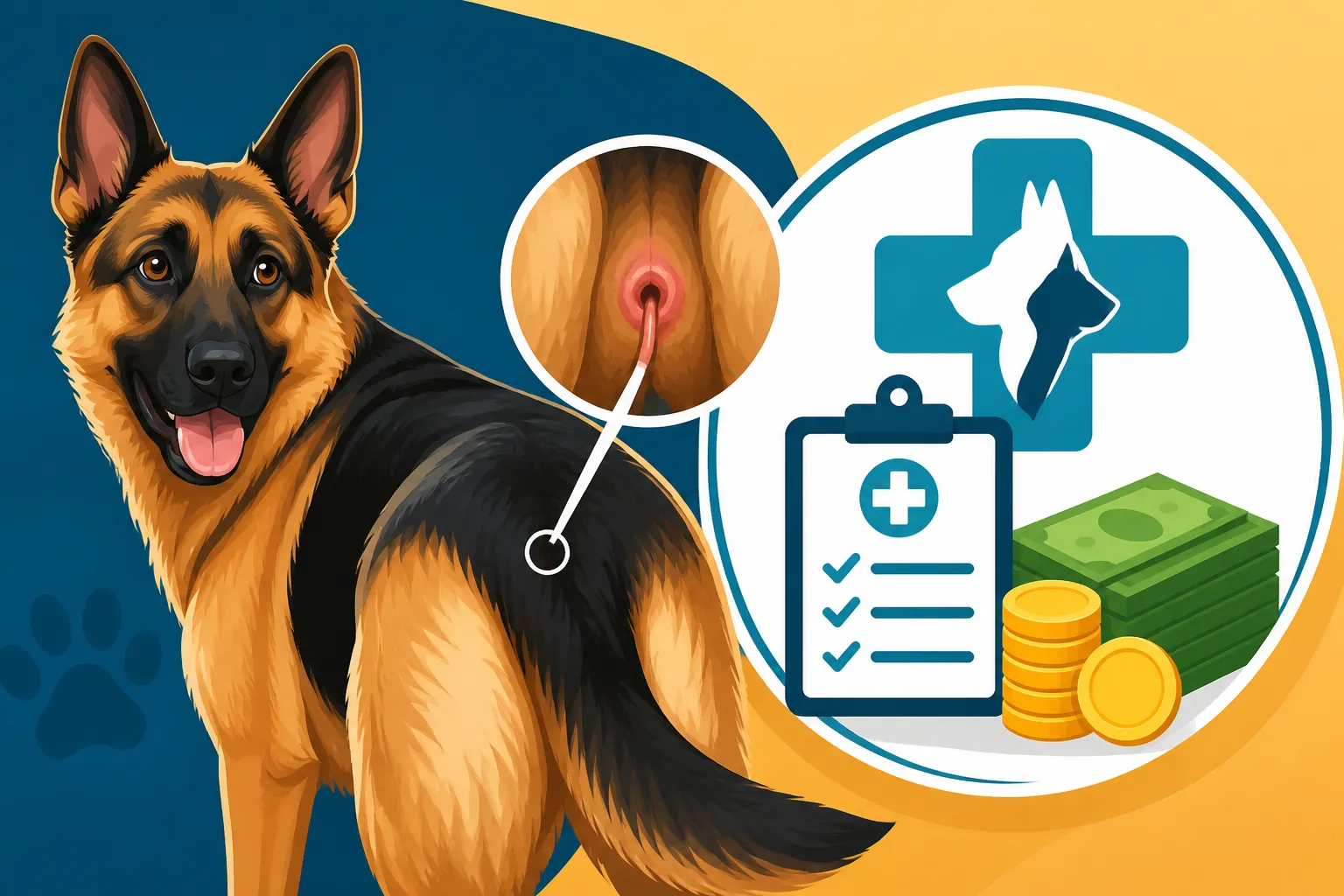
Perianal fistula, sometimes referred to as anal furunculosis, is a chronic, progressive, and often debilitating inflammatory disease that primarily affects the tissues around a dog's anus. It manifests as painful, draining tracts or ulcers in the perianal region. Imagine persistent, deep sores that just won't heal, often leading to infection and significant discomfort – that's what our German Shepherds can go through. It's truly heartbreaking to see them struggle with something so painful.
Why German Shepherds Are Particularly Susceptible
It’s not just bad luck that German Shepherds seem to get hit by this condition more often than other breeds. There are strong genetic and physiological predispositions at play. Experts believe a combination of factors contributes to its prevalence in our breed. Their broad tail base and low-set tail carriage, for instance, can sometimes trap moisture and feces against the skin, creating an ideal environment for bacterial growth and inflammation. This anatomical feature, while a hallmark of the breed, can unfortunately become a contributing factor to this painful ailment.
Beyond anatomy, the immune system of German Shepherds also seems to play a significant role. Perianal fistula is often considered an immune-mediated disease, meaning the dog's own immune system mistakenly attacks the healthy tissue around the anus, leading to chronic inflammation. This autoimmune component makes treatment particularly challenging, as it's not just about clearing an infection but also about modulating the body's immune response. If you've ever delved into German Shepherd Health Problems Guide, you'll notice how many conditions in our breed have a genetic or immune-mediated link, highlighting the importance of understanding these underlying susceptibilities.
Recognizing the Symptoms in Your German Shepherd
Catching perianal fistula early can make a world of difference in treatment success and, consequently, the overall cost. The symptoms are often quite unmistakable once they become severe, but subtle signs can appear much earlier. Owners might first notice their dog licking or chewing excessively at their hindquarters. There might be a foul odor emanating from the anal area, even after recent grooming. Defecation often becomes very painful, leading to straining, whimpering, or even crying during bowel movements. You might observe blood or pus in their stool or on their fur around the anus.
More advanced signs include visible open sores, tracts, or draining lesions around the anus. Your German Shepherd might become reluctant to sit, engage in playtime, or even go for walks due to the chronic pain. They might lose their appetite, become lethargic, or exhibit changes in temperament due to persistent discomfort. If you suspect anything like this, it’s critical to get your German Shepherd to the vet immediately. Early diagnosis, as discussed in detail in German Shepherd Perianal Fistula: Symptoms and Treatment, can prevent the condition from escalating and requiring more invasive (and costly) interventions. Ignoring these signs will not only cause prolonged suffering for your dog but will almost certainly lead to more complex and expensive treatment down the line.
Dissecting the Costs of Perianal Fistula Treatment
The cost of treating perianal fistula in German Shepherds isn't a single, straightforward number. It's a complex equation influenced by numerous variables, from the severity of the condition and the chosen treatment protocol to your geographic location and whether your dog has pet insurance. Being prepared for these varied expenses is key to providing your dog with the best possible care without being blindsided financially.
Initial Diagnostic Procedures and Their Expense
Before any treatment can begin, your vet needs to confirm the diagnosis and assess the extent of the disease. This initial phase typically involves several steps, each contributing to the overall cost. A thorough physical examination is always the first step, where the vet will visually inspect the area, which can be painful for your dog and might require mild sedation. Beyond visual inspection, the vet may perform a rectal examination to feel for abnormalities internally.
Further diagnostic tests often include blood work to check for underlying infections or systemic issues, as well as a urinalysis. In many cases, biopsies of the affected tissue are taken to confirm the diagnosis and rule out other conditions, such as anal gland tumors or other types of cancer. These biopsies require anesthesia or sedation and laboratory processing, adding to the cost. Imaging, such as MRI or CT scans, might be recommended in complex cases to determine the depth and spread of the fistulous tracts, especially if surgery is being considered. These advanced imaging techniques, while incredibly informative, are also among the most expensive diagnostic tools. For a comprehensive look at what tests your vet might run, you might find information on German Shepherd Bloodwork: What to Test helpful.
The Financial Landscape of Medical Management
For many German Shepherds, medical management is the first line of defense against perianal fistula, especially if the condition is caught early or is not severe enough for immediate surgery. This approach aims to reduce inflammation, control infection, and modulate the immune system. The cornerstone of medical treatment often involves a combination of medications. Immunosuppressants like cyclosporine are frequently prescribed to calm the overactive immune response, and these can be quite costly, often requiring a lifelong commitment or at least several months of high-dose therapy. A typical course of cyclosporine can run into several hundred dollars per month, depending on your dog's weight and the dosage.
Antibiotics are also commonly used to clear up secondary bacterial infections that almost always accompany fistulas. These are generally less expensive than immunosuppressants but are still an ongoing cost. Additionally, pain medication and anti-inflammatory drugs are crucial for managing your dog's comfort. Some vets might also recommend topical ointments or creams to help soothe the skin and promote healing, which are typically less costly but still add up over time. Dietary changes are another component of medical management. Many German Shepherds with perianal fistulas also suffer from food sensitivities or allergies, and switching to a hypoallergenic or novel protein diet can sometimes help reduce inflammation. These specialized diets, like those discussed in German Shepherd Sensitive Stomach Solutions, can be significantly more expensive than standard kibble.
Surgical Interventions and Their Associated Fees
When medical management isn't effective or the disease is too advanced, surgical intervention often becomes necessary. This is typically the most expensive part of perianal fistula treatment. Several surgical techniques exist, ranging from cryosurgery (freezing) and laser ablation to more traditional excisional surgery where the affected tissue is removed. The choice of surgery depends on the severity and location of the fistulas, as determined by your veterinary surgeon.
Excisional surgery, which involves cutting away the diseased tissue, can be particularly complex due to the delicate anatomy of the perianal region. The goal is to remove all affected tracts while preserving anal sphincter function to avoid incontinence. This type of surgery often requires a highly skilled veterinary surgeon, ideally one specializing in soft tissue surgery. The cost will include not only the surgeon's fees but also anesthesia, monitoring, facility use, pain management post-op, and potentially an overnight stay in the clinic. Complex cases might require multiple surgeries, further escalating costs. A less invasive option, CO2 laser surgery, can be effective for some cases, offering a faster recovery but still incurring significant costs for the specialized equipment and expertise. It's not uncommon for surgical costs alone to range from several thousand dollars, depending on the complexity and your location.
The Reality of Post-Treatment Care and Long-Term Management
The costs don't end once the initial treatment, whether medical or surgical, is complete. Perianal fistula is a chronic condition, and recurrence is a significant concern. Therefore, ongoing post-treatment care and long-term management are almost always necessary. This often involves continued medication, usually at a lower maintenance dose of cyclosporine, which still carries a monthly expense. Regular follow-up appointments with your veterinarian are essential to monitor your German Shepherd's progress and catch any signs of recurrence early. These follow-up visits, even if they're just check-ups, incur consultation fees.
Hygiene is also paramount for long-term management. You'll need to keep the perianal area meticulously clean, which might involve special wipes, medicated baths, or even professional grooming to keep the fur trimmed. Dietary management, as mentioned, can be a lifelong commitment to control inflammation. Some dogs might also benefit from supplements, such as omega-3 fatty acids, to support skin and immune health, adding another small but consistent expense. All these aspects contribute to the overall Cost of Owning a German Shepherd Per Year, especially when dealing with a chronic health issue.
Pet Insurance: A Lifeline for Cost Management
When facing a condition like perianal fistula, which can rack up thousands of dollars in veterinary bills, pet insurance becomes more than just a convenience – it can be a true lifeline. Companies like Healthy Paws offer comprehensive pet insurance plans that can cover a significant portion of diagnostic tests, medications, surgical procedures, and even ongoing care for chronic conditions like perianal fistula, provided the condition isn't pre-existing. It’s absolutely vital to understand that insurance typically won't cover pre-existing conditions, so enrolling your German Shepherd when they are young and healthy is the smartest financial move.
A good pet insurance policy could reimburse you for 70% to 90% of your eligible veterinary expenses after your deductible is met, drastically reducing your out-of-pocket costs. Imagine a $5,000 bill for surgery and follow-up care; with 80% reimbursement and a $500 deductible, you could save $3,500. While monthly premiums are an added expense, the peace of mind and financial protection they offer can be invaluable, especially for a breed prone to specific health challenges. Choosing the right plan and understanding its coverage can significantly ease the financial burden associated with chronic conditions. If you're wondering if Is Pet Insurance Worth It for a German Shepherd, a condition like perianal fistula makes a very strong case for it.
Here’s a simplified breakdown of potential costs for German Shepherd perianal fistula treatment:
| Cost Category | Typical Range (USD) | Notes |
|---|---|---|
| Initial Diagnosis | ||
| Vet Consultation | $50 – $150 | Initial exam, depending on clinic and location. |
| Sedation/Anesthesia | $100 – $300 | For thorough examination and biopsies. |
| Blood Work/Urinalysis | $150 – $400 | To assess overall health, infection, and rule out other issues. |
| Biopsy & Histopathology | $200 – $600 | Lab analysis of tissue samples to confirm diagnosis. |
| Advanced Imaging (MRI/CT) | $1,500 – $4,000 | Optional, for complex cases to map tracts before surgery. |
| Medical Treatment | ||
| Cyclosporine (per month) | $150 – $800 | Highly variable based on dog's weight, dosage, and generic vs. brand name. Often long-term. |
| Antibiotics (course) | $50 – $200 | For secondary infections, typically 2-4 week courses. |
| Pain & Anti-inflammatories | $30 – $100 per month | As needed for comfort. |
| Medicated Shampoos/Wipes | $20 – $50 per month | For hygiene and topical treatment. |
| Prescription Diet | $70 – $120 per month | If food allergies or sensitivities are a contributing factor, a novel protein or hydrolyzed diet may be necessary. |
| Surgical Treatment | ||
| Pre-surgical Bloodwork | $100 – $300 | To ensure dog is healthy enough for anesthesia. |
| Anesthesia & Monitoring | $400 – $1,000 | Depending on duration and monitoring complexity. |
| Surgical Procedure | $1,500 – $5,000+ | Varies greatly by technique (laser, cryosurgery, excision), surgeon's expertise, and complexity of the case. More complex cases can exceed $5,000. |
| Post-op Medications | $100 – $300 | Pain relief, antibiotics, anti-inflammatories for recovery. |
| Overnight Hospitalization | $100 – $500 | If required for monitoring post-surgery. |
| Follow-up & Long-term Care | ||
| Follow-up Vet Visits | $50 – $150 per visit | Multiple visits may be needed post-treatment. |
| Ongoing Medications | Varies, as above | Maintenance doses of cyclosporine and other meds. |
| Supplements | $20 – $50 per month | Omega-3 fatty acids, probiotics, etc., to support immune and skin health. |
| TOTAL ESTIMATE (First Year, incl. diagnosis & treatment) | $2,000 – $10,000+ | Highly variable. A mild, responsive case might be at the lower end with medical management. A severe, surgical case with complications could easily exceed $10,000. |
| TOTAL ESTIMATE (Annual Ongoing Maintenance) | $500 – $3,000+ | For medication, specialized food, and vet check-ups for chronic management. |
Please remember, these are estimates and actual costs can vary significantly based on your veterinarian, geographic location, the specific needs of your German Shepherd, and the severity of the condition.
Navigating Long-Term Management and Recurrence
Living with a German Shepherd that has perianal fistula isn't just about the initial treatment; it's often a commitment to ongoing management. This condition has a notorious tendency to recur, even after successful initial treatment. Understanding the long-term journey is crucial, both for your dog's well-being and your financial planning.
The Ongoing Battle with Medication Adherence and Diet
For many German Shepherds, especially those managed medically, daily medication is a fact of life. Cyclosporine, in particular, often requires a precise dosage and consistent administration. Missing doses or stopping medication prematurely can lead to a quick relapse, bringing back all the painful symptoms and the need for another round of intensive (and expensive) treatment. It's a delicate balancing act to find the lowest effective dose that keeps the fistulas at bay. Regular communication with your vet to adjust this dosage is essential.
Beyond medication, diet plays a pivotal role in long-term management. Many German Shepherds with perianal fistulas also contend with underlying food allergies or inflammatory bowel disease. Maintaining a specialized diet, whether it's a prescription hydrolyzed protein diet or a novel protein diet, can significantly reduce the inflammatory burden on their system. While these diets are more expensive than standard kibble, they are often non-negotiable for keeping the condition under control. Consistency is key here; even small deviations can trigger flare-ups. This proactive approach is a significant part of how to manage EPI in a German Shepherd for example, and the principles are similar for other immune-mediated gastrointestinal issues.
The Realistic Risk of Recurrence and Re-treatment Costs
One of the most disheartening aspects of perianal fistula is its high rate of recurrence. Even after successful surgery or months of medical treatment, the condition can flare up again. This means that you need to remain vigilant, constantly monitoring your German Shepherd for any return of symptoms. A recurrence often means starting the treatment process, or parts of it, all over again. This can involve more diagnostic tests to confirm the flare-up, a return to higher doses of medications, or even consideration of further surgical intervention.
Each recurrence adds to the overall lifetime cost of managing the condition. Imagine having to pay for several rounds of expensive cyclosporine or multiple surgeries over your dog's lifetime. This is where the true financial impact of perianal fistula can be felt. This is also where a robust pet insurance plan, like those offered by Healthy Paws, can really shine, covering eligible expenses for chronic conditions that aren't pre-existing, throughout your dog's life. Without insurance, these repeated costs can quickly become overwhelming, potentially forcing heartbreaking decisions.
Importance of Consistent Veterinary Check-ups
Regular veterinary check-ups are paramount for long-term management and early detection of recurrence. Your vet can assess the perianal area, discuss any changes you’ve noticed, and adjust medication dosages as needed. These appointments are crucial for staying ahead of the disease rather than constantly reacting to flare-ups. During these visits, your vet might also check for other related German Shepherd Common Health Issues by Age or perform routine blood work to monitor for side effects of long-term medications, such as cyclosporine.
Beyond medical management, your vet can offer advice on optimal hygiene practices, recommend specific products, or connect you with specialist dermatologists or surgeons if the condition becomes particularly refractory to treatment. Building a strong relationship with a veterinarian who understands the nuances of perianal fistula in German Shepherds is an invaluable resource in this ongoing battle. Proactive and consistent care, though it has its own costs, is ultimately less expensive and far less stressful than constantly dealing with emergencies and severe flare-ups.
Proactive Strategies to Potentially Mitigate Costs
While completely preventing perianal fistula is challenging due to its genetic and immune-mediated components, proactive steps can certainly help manage the condition, potentially reduce the severity of flare-ups, and in turn, mitigate some of the associated treatment costs. Being an informed and diligent German Shepherd owner is your best defense.
Early Detection Through Vigilance
One of the most impactful ways to keep costs down is through early detection. The sooner you notice the subtle signs of perianal fistula, the better the chances of successful medical management and avoiding more invasive, expensive surgical options. Make it a habit to regularly inspect your German Shepherd's hindquarters. This can be as simple as gently lifting their tail during grooming or after they've had a bowel movement. Look for any redness, swelling, unusual discharge, or changes in their licking habits.
Pay close attention to changes in their behavior around defecation. Are they straining more? Do they seem uncomfortable? Are they vocalizing when they normally wouldn't? Any of these signs warrant a prompt call to your veterinarian. Early intervention, as detailed in our guide on How to Keep a German Shepherd Healthy, often means a less severe condition that responds better to less aggressive treatments, saving you significant emotional and financial stress. Don't wait until the fistulas are gaping open and your dog is in agony.
The Role of Diet and Supplements
Nutrition plays a significant, though sometimes indirect, role in managing immune-mediated conditions like perianal fistula. As mentioned, many German Shepherds with this condition also suffer from food sensitivities or allergies, which can exacerbate inflammation throughout their body, including the perianal region. Working with your vet to identify and eliminate dietary triggers through an elimination diet or by switching to a prescription hypoallergenic food can be a game-changer. While these specialized diets come with their own cost, they can prevent flare-ups that would otherwise require expensive medication or emergency vet visits.
Additionally, certain supplements can support overall immune health and reduce inflammation. Omega-3 fatty acids, for instance, are well-known for their anti-inflammatory properties and can benefit skin and gut health. Probiotics can support a healthy gut microbiome, which is intrinsically linked to immune function. Always discuss any dietary changes or supplements with your veterinarian to ensure they are appropriate for your German Shepherd and won't interfere with other treatments. These proactive nutritional strategies, while not a cure, can be a valuable part of a holistic approach to keeping the condition under control.
Maintaining Optimal Hygiene Practices
Given the location of perianal fistulas, maintaining impeccable hygiene is non-negotiable for prevention and management. Regular grooming, especially for German Shepherds with longer coats or dense fur around their hindquarters, is crucial. Keeping the hair around the anus trimmed short can help prevent feces and moisture from getting trapped, which can otherwise create a breeding ground for bacteria and exacerbate inflammation. This is a simple, low-cost measure that can make a huge difference.
After your German Shepherd has a bowel movement, especially if they have a history of fistulas, a gentle wipe with a damp cloth or a pet-friendly cleansing wipe can help keep the area clean. For dogs prone to recurring issues, medicated shampoos or topical treatments prescribed by your vet can be used during baths to manage bacterial populations and inflammation. These consistent hygiene practices, while seemingly minor, contribute significantly to preventing flare-ups and minimizing the need for more intensive medical interventions. They are a core part of comprehensive German Shepherd Dental Care Explained (and general hygiene) that extends to all aspects of their well-being.
Disclaimer
The information provided in this article is for general informational purposes only and does not constitute veterinary advice. Always consult with a qualified veterinarian for any health concerns or before making any decisions about your German Shepherd's medical care or treatment plan. Individual costs and treatment outcomes can vary significantly.