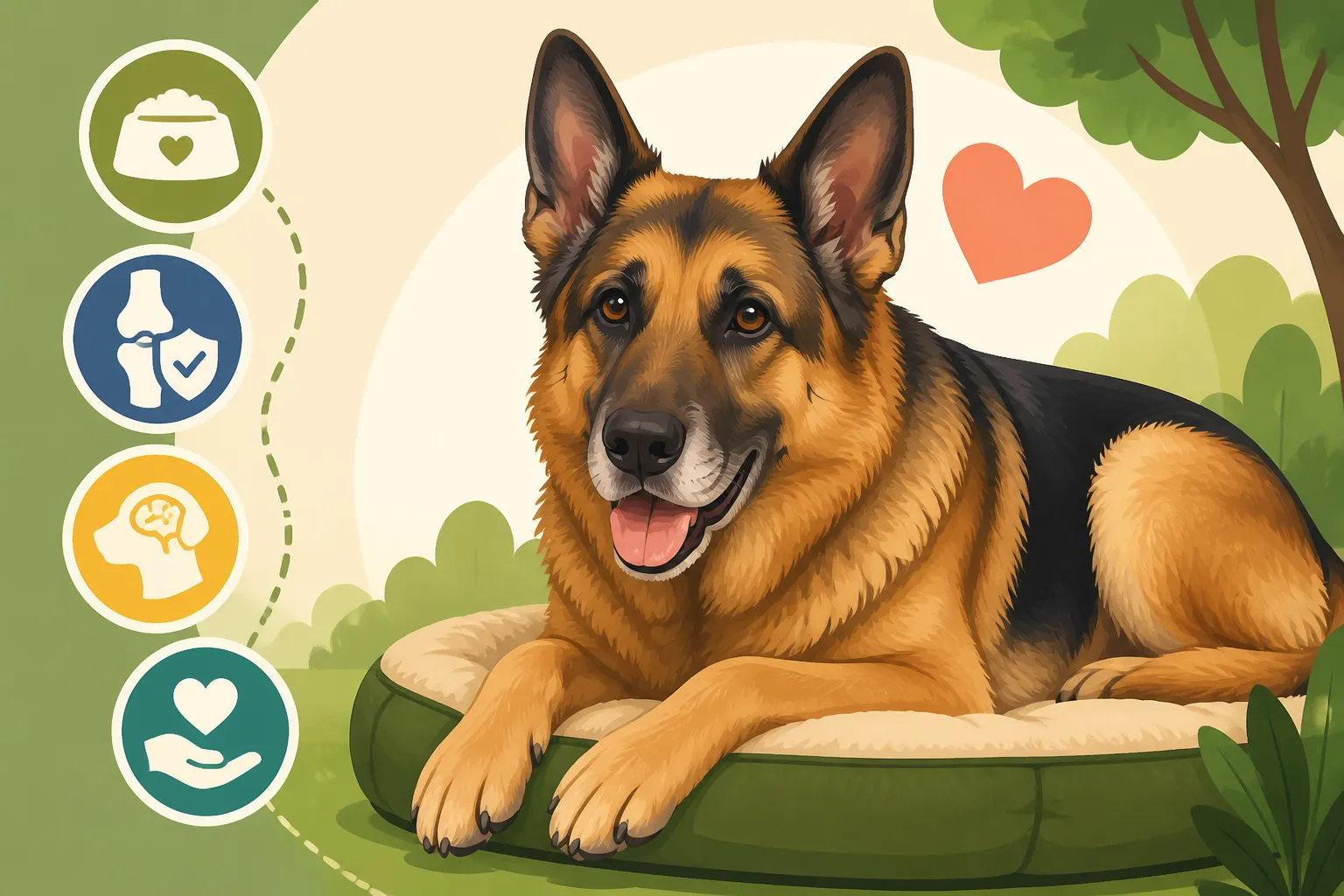
How to Care for a Senior German Shepherd
Watching your beloved German Shepherd transition into their senior years can be a bittersweet experience. You’ve shared so many adventures, celebrated countless milestones, and now you’re seeing the subtle (or not-so-subtle) signs that your once boundless companion is slowing down. It’s natural to feel a pang of worry or even a bit overwhelmed, wondering how to best support them through this new chapter. This comprehensive guide is here to walk you through everything you need to know about caring for a senior German Shepherd, helping you provide the comfort, health, and happiness they deserve in their golden years.
Understanding the Aging German Shepherd
Just like people, German Shepherds experience a range of physical and behavioral changes as they age. It’s not a sudden switch, but a gradual process, and recognizing these shifts early is key to providing proactive care. Often, we get so used to our dog's routine that it's easy to miss the subtle indicators that they're entering their golden years. Typically, a German Shepherd is considered a senior around 7 to 8 years old, though this can vary slightly based on their individual health, genetics, and lifestyle.
One of the most noticeable changes might be a general decrease in energy levels. Your once-eager hiking partner might prefer shorter walks around the block, or you might find them sleeping more throughout the day. This isn't necessarily a cause for alarm, but it does mean their exercise needs are shifting, and pushing them too hard can lead to discomfort or injury. You might also notice their once keen senses starting to dull. Hearing might not be as sharp, and their eyesight could start to dim, making them a little less confident in new or dimly lit environments. These changes require patience and understanding, as well as some practical adjustments around the home to ensure their safety and ease of navigation.
Beyond the physical, there can be cognitive changes too. Some senior German Shepherds might experience what's known as Canine Cognitive Dysfunction (CCD), which is similar to Alzheimer's in humans. You might see them get disoriented in familiar surroundings, forget learned commands, or have changes in their sleep-wake cycles. It can be heartbreaking to witness, but understanding these possibilities allows you to adapt your interactions and environment to minimize their stress. Paying close attention to these early signs of aging can help you tailor your care routines and consult with your vet sooner rather than later, ensuring your loyal companion remains as comfortable and joyful as possible. For a deeper dive into what to expect, check out our guide on Signs Your German Shepherd Is Aging.
Nutritional Adjustments for Senior German Shepherds
As German Shepherds age, their nutritional needs shift significantly, and continuing to feed them the same diet they had in their prime might not be serving them best. Their metabolism tends to slow down, and their activity levels often decrease, which means they require fewer calories to maintain a healthy weight. Giving them too much rich, calorie-dense food can lead to obesity, which puts undue strain on their aging joints and can exacerbate other health issues.
On the flip side, their ability to digest and absorb nutrients can also become less efficient. This means they often benefit from foods that are highly digestible and nutrient-dense, sometimes with increased protein to help maintain muscle mass, especially lean protein sources. Senior-specific dog foods are formulated with these changes in mind, often featuring controlled fat and calorie levels, as well as added fiber to support digestive health. When you're standing in the pet food aisle, it can feel overwhelming trying to decipher all the labels, but looking for formulas tailored for "senior" or "mature adult" large breeds is a great starting point.
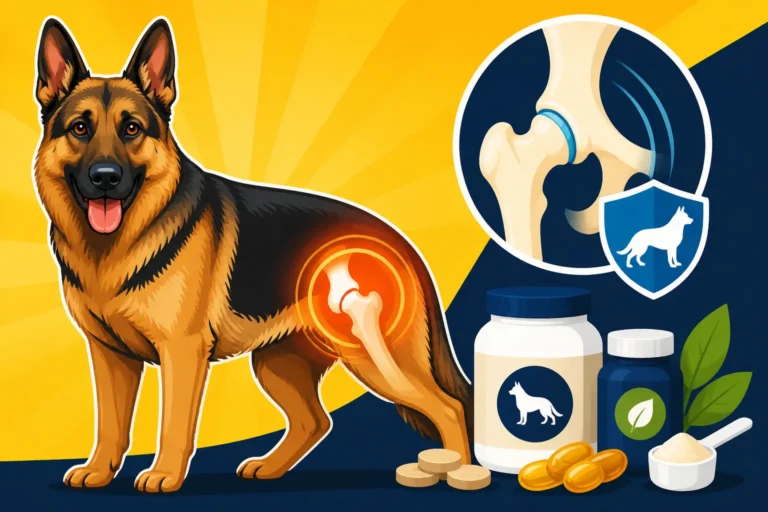
Beyond the basic kibble, many senior German Shepherds benefit immensely from supplements. Glucosamine and chondroitin are popular choices for joint support, helping to cushion cartilage and reduce inflammation, which is incredibly common in older large breeds like German Shepherds. Omega-3 fatty acids, found in fish oil, are also fantastic for reducing inflammation throughout the body, benefiting joints, skin, and even cognitive function. Some vets might recommend other additions, such as antioxidants to combat cellular aging or specific probiotics to support a healthy gut microbiome. Always discuss any dietary changes or supplements with your veterinarian to ensure they're appropriate for your dog's specific health profile. They can help you craft the perfect meal plan to keep your senior GSD thriving, and you might even want to look into German Shepherd Joint Health Supplements for more detailed information.
Maintaining Mobility and Comfort
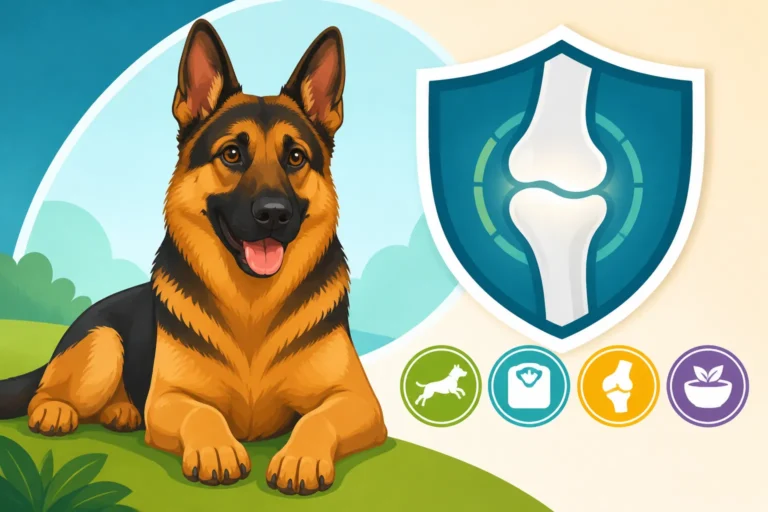
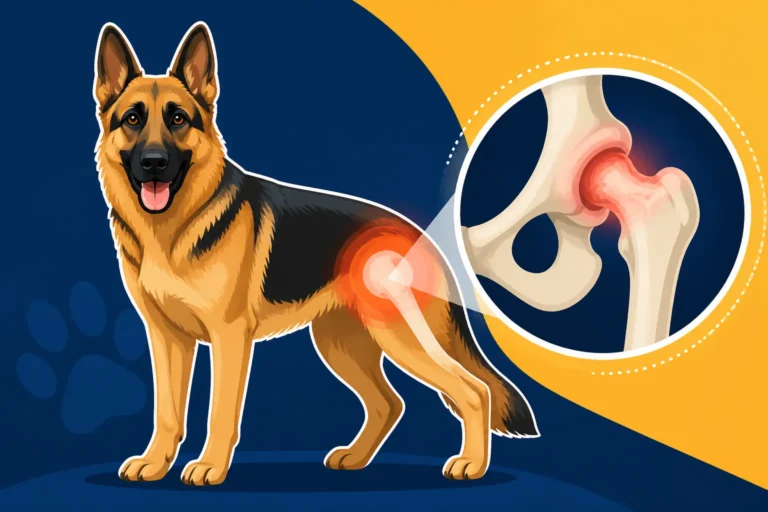
One of the biggest challenges for senior German Shepherds is maintaining their mobility and overall physical comfort. Years of being active can take a toll on their large frames, making conditions like arthritis, hip dysplasia, and degenerative myelopathy more prevalent. Witnessing your once agile companion struggle to get up from a lying position or hesitate before jumping into the car can be heartbreaking, but there’s a lot we can do to ease their discomfort.
Exercise, while still crucial, needs to be re-evaluated. Gone are the days of intense, long-distance runs or high-impact jumping activities. Instead, focus on shorter, more frequent walks on soft surfaces like grass, which are much easier on their joints. Swimming can be an excellent low-impact exercise, providing a full-body workout without the strain of weight-bearing activity. The goal is to keep them moving and maintain muscle mass without causing pain or exacerbating existing conditions. Gentle stretching exercises, as advised by a vet or canine physiotherapist, can also make a world of difference in keeping their muscles flexible and preventing stiffness.
Your home environment also plays a huge role in your senior German Shepherd's comfort and safety. Slippery floors can be a major hazard, leading to falls and injuries. Consider laying down rugs or non-slip mats in high-traffic areas. Ramps can be invaluable for helping them get into and out of cars, onto furniture (if they’re allowed), or up small sets of stairs, saving their hips and elbows from unnecessary strain. Raised food and water bowls can also make meal times more comfortable by reducing the need to stoop. Investing in an orthopedic dog bed with good support can provide immense relief for aching joints, ensuring they get truly restorative rest. These simple modifications can significantly improve their quality of life, allowing them to navigate their familiar surroundings with greater ease and dignity. If you're concerned about specific joint issues, our article on German Shepherd Hip Dysplasia Explained offers in-depth insights.
Regular Veterinary Care and Health Monitoring
As your German Shepherd enters their senior years, regular veterinary care becomes even more critical. While annual check-ups are standard for adult dogs, senior German Shepherds often benefit from semi-annual (every six months) vet visits. These more frequent appointments allow your veterinarian to catch potential health issues earlier, often when they are more manageable, and track any changes over time. Your vet will conduct a thorough physical exam, checking their teeth, eyes, ears, palpating their joints, and assessing their overall body condition.
Blood work and urine analysis are also typically recommended during these senior check-ups. These diagnostic tools provide invaluable insights into the functioning of their internal organs, such as kidneys, liver, and thyroid, which can begin to decline with age. Early detection of conditions like kidney disease, liver issues, or German Shepherd Thyroid Problems through these tests means treatment can begin before symptoms become severe, significantly improving your dog's prognosis and quality of life. Many owners find a good pet insurance plan, like Healthy Paws, invaluable during this stage of life, as the costs associated with diagnostics and ongoing treatment for senior health issues can really add up.
Beyond routine checks, be vigilant about monitoring your German Shepherd at home for any subtle changes in behavior, appetite, thirst, or mobility. Are they drinking more water than usual? Are they having more "accidents" in the house? Is their breathing labored? Are they showing signs of pain or discomfort? Don't hesitate to reach out to your vet if you notice anything out of the ordinary. Early intervention for conditions like German Shepherd Bloat: Signs and Prevention or other serious ailments can be life-saving. Maintaining an open dialogue with your veterinary team is the cornerstone of proactive senior German Shepherd care, ensuring they receive timely and appropriate medical attention.
Mental Well-being and Enrichment
It's easy to focus solely on the physical aspects of caring for a senior German Shepherd, but their mental well-being is just as vital. A sharp mind can significantly contribute to their overall happiness and quality of life. Just because they’re older doesn’t mean they’ve lost their intelligence or their desire to engage; it just means the way they engage might need to be adjusted. Ignoring their cognitive needs can lead to boredom, anxiety, and even accelerate cognitive decline, which can manifest as disorientation or increased irritability.
Continue to engage your senior German Shepherd with gentle mental stimulation. Puzzle toys, slow feeders, and scent games are fantastic for keeping their minds active without putting strain on their bodies. Hiding treats around the house for them to sniff out can turn a regular day into an exciting scavenger hunt. Even short, familiar training sessions, reviewing basic commands like "sit" or "stay," can provide a sense of purpose and routine, reinforcing their cognitive abilities. Remember, consistency is key, and adapting activities to their current physical capabilities ensures they can participate fully and successfully.
Social interaction also plays a crucial role in preventing isolation and maintaining their emotional health. While they might not be up for boisterous play with younger, more energetic dogs, gentle interactions with calm canine companions or familiar human friends can still be very beneficial. Regular cuddle sessions, grooming time, and simply spending quiet quality time together strengthen your bond and provide comfort. If you notice signs of cognitive decline, such as increased anxiety or confusion, discuss it with your vet. Sometimes, dietary supplements or medications can help manage the symptoms of Canine Cognitive Dysfunction. Keeping their minds engaged and their spirits high will help ensure their golden years are truly golden. Our guide on German Shepherd Senior Care Guide has more tips for holistic care.
Daily Care and Grooming Adjustments
The daily care and grooming routine for a senior German Shepherd often requires a few thoughtful adjustments to accommodate their changing needs and ensure their comfort. What was once a quick brush and a wipe-down might now need a bit more time and attention, especially as their skin and coat can become more delicate with age. Their physical limitations can also make certain grooming tasks harder for them, and for you.
Regular brushing remains incredibly important, perhaps even more so. Senior German Shepherds might not be as adept at self-grooming, and their skin can become drier or more sensitive. Daily brushing helps to distribute natural oils, remove loose fur, and prevent mats, which can be painful and lead to skin infections. It also provides a wonderful opportunity for you to check their skin for any lumps, bumps, or irritations that might need veterinary attention. If they have trouble standing for long periods, consider grooming them while they're lying down or using a grooming table with a comfortable, non-slip surface. Regular grooming also helps manage the inevitable German Shepherd Shedding: How to Manage It.
Dental care is another area that becomes paramount in senior dogs. Years of plaque and tartar buildup can lead to periodontal disease, which not only causes bad breath and painful gums but can also affect their overall health by allowing bacteria to enter the bloodstream. Brushing their teeth daily with a dog-specific toothpaste is ideal, but if that’s not feasible, dental chews, water additives, or professional dental cleanings under anesthesia (if their health allows) are crucial. Don't forget nail trims; older dogs might be less active, meaning their nails don't wear down naturally, and overgrown nails can cause pain, difficulty walking, and even joint problems. Regular ear cleaning is also important, especially if their immune system is weaker. These seemingly small adjustments to their daily routine can make a huge difference in their comfort and well-being as they age. For detailed advice, see our article on German Shepherd Dental Care Explained.
End-of-Life Planning and Support
Talking about end-of-life care for your senior German Shepherd is undeniably difficult, but it’s an essential part of responsible pet ownership. Planning ahead can alleviate some of the emotional burden when the time comes, allowing you to focus on your dog's comfort and your own grief. The most important consideration is your German Shepherd's quality of life. This can be subjective and deeply personal, but having an honest conversation with your veterinarian about what a good quality of life looks like for your individual dog is crucial.
Your vet can help you assess pain levels, mobility, appetite, and their general demeanor. It’s about finding a balance between the good days and the bad days. If your German Shepherd is in chronic pain that can no longer be managed effectively, or if they’ve lost their joy in activities they once loved, it might be time to consider difficult decisions. This doesn't mean giving up; it means prioritizing their dignity and ensuring they don't suffer unnecessarily. Services like in-home euthanasia are becoming more common, allowing your beloved companion to pass peacefully in the comfort and familiarity of their own home, surrounded by those they love. Many pet parents find comfort in knowing they've done everything they could, right up to their last moments.
The emotional toll of losing a beloved German Shepherd is immense, and it’s important to allow yourself to grieve. Pet loss is a profound grief, and there are many resources available to support you, from online communities to pet bereavement counseling. Having a plan for aftercare, such as cremation or burial, can also provide peace of mind. While the thought of this final stage is painful, approaching it with preparation and love ensures that you honor your German Shepherd's life with the compassionate care they deserve, even in their final moments. Remember that you are not alone in this journey, and seeking support is a sign of strength, not weakness.
Aspect of Care Younger Adult German Shepherd Senior German Shepherd (7+ years) Key Differences & Adjustments
: Once you understand the changes your German Shepherd might be experiencing as they get older, you can begin to make some really impactful adjustments to their daily life to ensure they stay as comfortable and happy as possible. It's about proactive care and anticipating their needs, rather than just reacting to problems.
Proactive Health Management for Senior German Shepherds
As German Shepherds age, they become more susceptible to certain health conditions. It's not a matter of if, but often when, you'll encounter some of these challenges. Being proactive means being aware of these possibilities and working closely with your veterinarian to monitor, prevent, or manage them. It's about giving your loyal companion the best chance at a comfortable and extended life.
Screening for Age-Related Diseases
Just like humans get regular health screenings as they get older, senior German Shepherds benefit immensely from targeted veterinary check-ups focused on age-related diseases. This isn't just about catching problems, but sometimes about preventing them or slowing their progression. For instance, orthopedic issues like arthritis or worsening hip and elbow dysplasia are very common. Your vet will routinely assess their gait, joint mobility, and might recommend X-rays to get a clearer picture of their joint health. Early intervention, whether through medication, supplements, or physical therapy, can significantly improve their comfort and mobility. Many owners find that a robust pet insurance policy, such as one from Healthy Paws, helps cover these diagnostic costs and ongoing treatments, easing the financial burden during these years.
Beyond musculoskeletal concerns, other conditions like heart disease, kidney disease, liver dysfunction, and certain cancers become more prevalent. Regular blood tests, urine analysis, and sometimes specialized screenings like ultrasounds or even blood pressure checks can help detect these issues early. For instance, early signs of kidney problems can be subtle, like increased thirst or urination, but blood tests can reveal changes in kidney function long before obvious symptoms appear. Catching these early gives you and your vet more options for treatment and management, potentially extending your German Shepherd's lifespan with good quality. Understanding the potential health challenges of their breed is crucial, and our comprehensive German Shepherd Health Problems Guide provides an excellent overview.
Managing Chronic Pain and Discomfort
Chronic pain is a reality for many senior German Shepherds, particularly due to conditions affecting their joints. It’s important to remember that dogs are masters at hiding pain, a survival instinct from their wild ancestors. What might look like just "slowing down" could actually be persistent discomfort. Signs to watch for include reluctance to move, limping, stiffness after rest, changes in posture, irritability, or excessive licking at a painful area. Your veterinarian can help identify the source of pain and develop a comprehensive pain management plan.
This plan often involves a multi-modal approach. Non-steroidal anti-inflammatory drugs (NSAIDs) are commonly prescribed to reduce pain and inflammation, but they need to be carefully monitored by a vet due to potential side effects on the liver and kidneys. Beyond medication, joint supplements like glucosamine and chondroitin, omega-3 fatty acids, and even newer therapies like Librela (monoclonal antibody therapy for osteoarthritis pain) can be highly effective. Physical therapy, including hydrotherapy (swimming in a controlled environment) or therapeutic exercises, can also strengthen supporting muscles and improve flexibility. Acupuncture and laser therapy are alternative treatments that some owners find beneficial. Creating a comfortable home environment with orthopedic beds and non-slip surfaces is also vital in managing their daily comfort. It's an ongoing journey of adjustment and observation, but one that can significantly improve your German Shepherd's quality of life. For specific advice, our guide on German Shepherd Arthritis in Senior Dogs offers more detailed solutions.
Creating a Senior-Friendly Environment
Adjusting your home environment to suit the needs of your senior German Shepherd is one of the most practical and impactful ways to support their aging body. They’ve spent their lives making your house their home, and now it’s time to reciprocate by making it as safe and comfortable as possible for their golden years.
Accessibility and Safety Modifications
As your German Shepherd's mobility declines, seemingly minor obstacles in your home can become significant challenges or even hazards. Slippery floors, especially hardwood or tile, can be incredibly dangerous. Their weakening legs and reduced balance make them prone to slipping, which can lead to painful falls and injuries. Lay down non-slip rugs, runners, or carpet tiles in high-traffic areas where they frequently walk. Pet-friendly paw wax or non-slip socks can also offer extra grip. For beds, couches, or cars, where they once effortlessly jumped, ramps or pet stairs are essential. These tools reduce the impact on their joints, making it easier and safer for them to access their favorite spots and join you on outings. Even a single step can become a mountain for a dog with severe arthritis or Degenerative Myelopathy in German Shepherds.
Consider their ability to navigate stairs if you have them. If your GSD struggles, restrict access to certain levels if possible, or assist them with a sling or harness. Ensure their resting spots are easily accessible and away from drafts or high-traffic areas where they might be bumped. Raised food and water bowls are another simple yet effective modification; they prevent your dog from having to bend down too far, which can be uncomfortable for stiff necks or backs. Strategic placement of nightlights can also help if their vision is deteriorating, preventing bumps and stumbles during nighttime wanderings. Think about their day-to-day movements and remove any potential trip hazards for them, such as loose cords or small pieces of furniture they might not see as easily anymore.
Comfort and Rest Areas
Beyond safety, comfort is paramount for a senior German Shepherd. They will spend more time resting and sleeping, so their bed needs to be a sanctuary. Invest in a high-quality orthopedic dog bed that provides ample support for their joints and spine. Memory foam or gel-infused foam beds can significantly relieve pressure points, promoting deeper, more restorative sleep. These beds come in various sizes and thicknesses, so choose one that properly supports your large German Shepherd's weight. Place their bed in a quiet, warm, and easily accessible spot where they feel secure and can rest undisturbed.
Consider having multiple comfortable resting spots throughout the house, so they don’t have to travel far to lie down if they feel tired. Perhaps a bed in the living room near where the family gathers, and another in a quieter bedroom. Ensure their beds are easy to get in and out of – some elevated beds might be too high for a struggling senior dog. If they prefer to be near you on furniture, provide a soft, supportive bolster or cushion to help them settle comfortably. Warmth is also important; an older dog's ability to regulate body temperature can diminish, so a soft blanket or a pet-safe heating pad (used with caution and supervision) can offer soothing relief for stiff muscles and joints, especially in colder months. These thoughtful provisions create an environment where your senior German Shepherd can relax, feel safe, and recover from their daily activities, no matter how gentle.
Disclaimer
This article is intended for informational purposes only and does not constitute veterinary advice. Always consult with a qualified veterinarian for any health concerns or before making any decisions about your German Shepherd's care.