How Often Should You Bathe a German Shepherd
One of the most common worries German Shepherd owners grapple with is finding that delicate balance for bath time. You want your beloved companion to be clean and smell fresh, but you're constantly hearing warnings about stripping their natural oils, potentially leading to dry skin, irritation, or even worse. This comprehensive guide will cut through the noise, offering clear, actionable advice on the optimal bathing frequency for your German Shepherd, taking into account their unique double coat, skin sensitivities, and everyday adventures.
Understanding Your German Shepherd's Unique Coat and Skin Needs
Before we even think about turning on the tap, it's crucial to appreciate what makes a German Shepherd's coat so special. It’s not just fur; it’s a sophisticated, multi-layered system designed by nature to protect them. Respecting this natural design is the first step in deciding how often they truly need a bath.
The Double Coat's Purpose and Protection
German Shepherds boast a magnificent double coat, a true marvel of natural engineering. This coat consists of two distinct layers: a dense, soft undercoat and a coarser, water-resistant outer coat. The undercoat acts as a natural insulator, keeping them warm in winter and cool in summer by trapping air. The outer coat, often called guard hairs, repels water and dirt, offering a primary line of defense against the elements. These guard hairs are naturally slightly oily, which is exactly what makes them so effective at shedding water and preventing matting.
Over-bathing can easily strip away these vital natural oils, compromising the integrity and effectiveness of their double coat. When these oils are removed too frequently, the coat loses its water-repellent properties, becoming more susceptible to moisture saturation and making your German Shepherd feel colder or hotter, depending on the weather. Moreover, a stripped coat can become brittle, leading to breakage and excessive shedding. It also takes longer to dry, increasing the risk of skin infections if moisture is trapped against the skin.
Skin Health and pH Balance
Just like humans, dogs have a delicate skin pH balance that, when disrupted, can lead to a host of problems. A German Shepherd's skin naturally has a slightly higher pH than human skin, meaning it’s more alkaline. Many human shampoos are too acidic for dogs and can throw off this balance, causing dryness, itchiness, and irritation. Even dog-specific shampoos, if used too often or if they contain harsh chemicals, can be problematic.
When the skin's natural barrier is compromised by frequent washing, it becomes vulnerable to bacteria, yeast, and other irritants. This can manifest as red patches, excessive scratching, flakiness, and even hot spots. It’s a vicious cycle: you bathe them because they're itchy, but the bathing itself might be contributing to the itch. Maintaining proper skin health is paramount for a German Shepherd's overall well-being, and a significant part of that is allowing their skin’s natural protective mechanisms to function without constant interference. This is why understanding German Shepherd Coat and Skin Care beyond just bathing is so vital.
Factors That Influence Bathing Frequency
There's no one-size-fits-all answer to how often you should bathe your German Shepherd. Their lifestyle, environment, and individual health play massive roles in determining their grooming needs. What works for one GSD might be completely detrimental to another.
Lifestyle and Activity Level
Think about your German Shepherd's daily routine. Is your dog an active adventurer who loves to roll in mud, swim in lakes, or explore dusty trails? Or are they more of a pampered indoor companion, mostly enjoying walks on paved paths and lounging on the couch? A working line German Shepherd that spends hours training outdoors, especially in wet or muddy conditions, will undoubtedly need more frequent spot cleaning and occasional full baths than a show line German Shepherd primarily kept indoors.
For instance, if your GSD just had a blast at the local dog park, digging in the dirt and getting a bit grimy, a quick rinse with plain water or a targeted wash of their paws and belly might be sufficient. However, if they've come back caked in mud after a rain-soaked hike, a full bath might be unavoidable. The key is to assess the actual level of dirt and grime, rather than bathing on a strict schedule that doesn't account for their real-world activities. This practical approach helps preserve their coat's natural health while keeping them acceptably clean.
Seasonal Changes and Shedding Cycles
German Shepherds are notorious for their shedding, especially during their "blow coat" seasons, which typically happen twice a year (spring and fall). During these periods, they shed their entire undercoat to prepare for the upcoming weather. You'll definitely notice a significant increase in the amount of fur around your house! This heavy shedding phase can influence bathing needs, but perhaps not in the way you might think.
While a bath can help loosen dead undercoat, especially with specialized de-shedding shampoos, it's not a substitute for regular brushing. In fact, excessive bathing during a blow-out can still strip oils and dry out their skin, even if it feels like you're helping with the shedding. Regular, thorough brushing is the hero here, helping to remove loose fur and distribute natural oils without disrupting skin pH. You can learn more about managing this furry phenomenon in our guide on German Shepherd Shedding: How to Manage It. During warmer months, if your GSD is swimming more, their coat might need a rinse with fresh water after each dip to prevent chlorine or lake bacteria from irritating their skin.
Health Conditions and Allergies
This is where individual needs really come into play. Many German Shepherds, unfortunately, are prone to various skin issues, including environmental allergies or food sensitivities. If your German Shepherd is constantly scratching, has red patches, or frequently gets skin infections, their bathing routine will likely differ significantly from a dog with perfectly healthy skin. For these dogs, bathing might be more frequent and involve medicated shampoos prescribed by a vet.
For instance, a GSD struggling with environmental allergies might benefit from weekly or bi-weekly baths using a hypoallergenic, soothing shampoo to wash away pollen and other irritants from their coat. Dogs with specific skin conditions like seborrhea or bacterial/yeast infections will often require medicated baths, sometimes several times a week, as part of their treatment plan. Always consult your veterinarian if you suspect your German Shepherd has a skin condition or allergies. They can provide a proper diagnosis and recommend a specific bathing protocol and products, often found at specialty pet stores or online retailers like Chewy. Understanding the German Shepherd Skin Problems and Fixes is crucial for these situations.
The Golden Rule: How Often is Just Right?
So, after considering all those factors, what’s the consensus? The "just right" frequency for bathing a German Shepherd is less about a strict calendar and more about observation and common sense.
General Guidelines for Healthy German Shepherds
For most healthy German Shepherds without specific skin conditions, a full bath every 2 to 3 months is often sufficient. This allows enough time for their natural oils to replenish and maintain the health of their skin and coat. However, a better rule of thumb is "as needed." This means you should bathe them when they are genuinely dirty, smelly, or have rolled in something truly unpleasant.
Between full baths, regular brushing is your best friend. Brushing helps remove dirt, loose hair, and tangles, while also distributing those essential natural oils throughout their coat. This not only keeps their coat healthy and shiny but also reduces the need for frequent full baths. Our guide on How Often to Brush a German Shepherd provides an in-depth look at this essential grooming activity.
Signs Your German Shepherd Needs a Bath
Your German Shepherd will usually let you know when it's time for a bath, even if they can't speak. Here are some clear indicators:
- The "Dog" Smell: This is probably the most obvious sign. If your German Shepherd starts to develop that distinct, strong "doggy" odor, especially even after they’ve just been brushed, it’s likely time for a good wash.
- Visible Dirt and Grime: If you can see dirt caked in their fur, mud on their legs, or a general dinginess, a bath is in order.
- Dull or Greasy Coat: A healthy German Shepherd coat should have a natural luster. If it looks dull, greasy, or matted despite regular brushing, it might be due to accumulated oils and dirt that a bath can resolve.
- Excessive Itching or Scratching (without underlying medical cause): Sometimes, itching is simply due to accumulated environmental allergens or irritants on their coat, which a bath can wash away. Of course, always rule out medical issues first, as discussed in German Shepherd Itchy Skin: Causes and Fixes.
- Sticky or Unpleasant Texture: If running your hand through their fur feels sticky, gritty, or generally unpleasant, it’s a good sign they need a scrub.
The Importance of Proper Bathing Technique
When it is time for a bath, doing it correctly is just as important as knowing when to do it. Poor bathing techniques can negate the benefits and even cause problems.
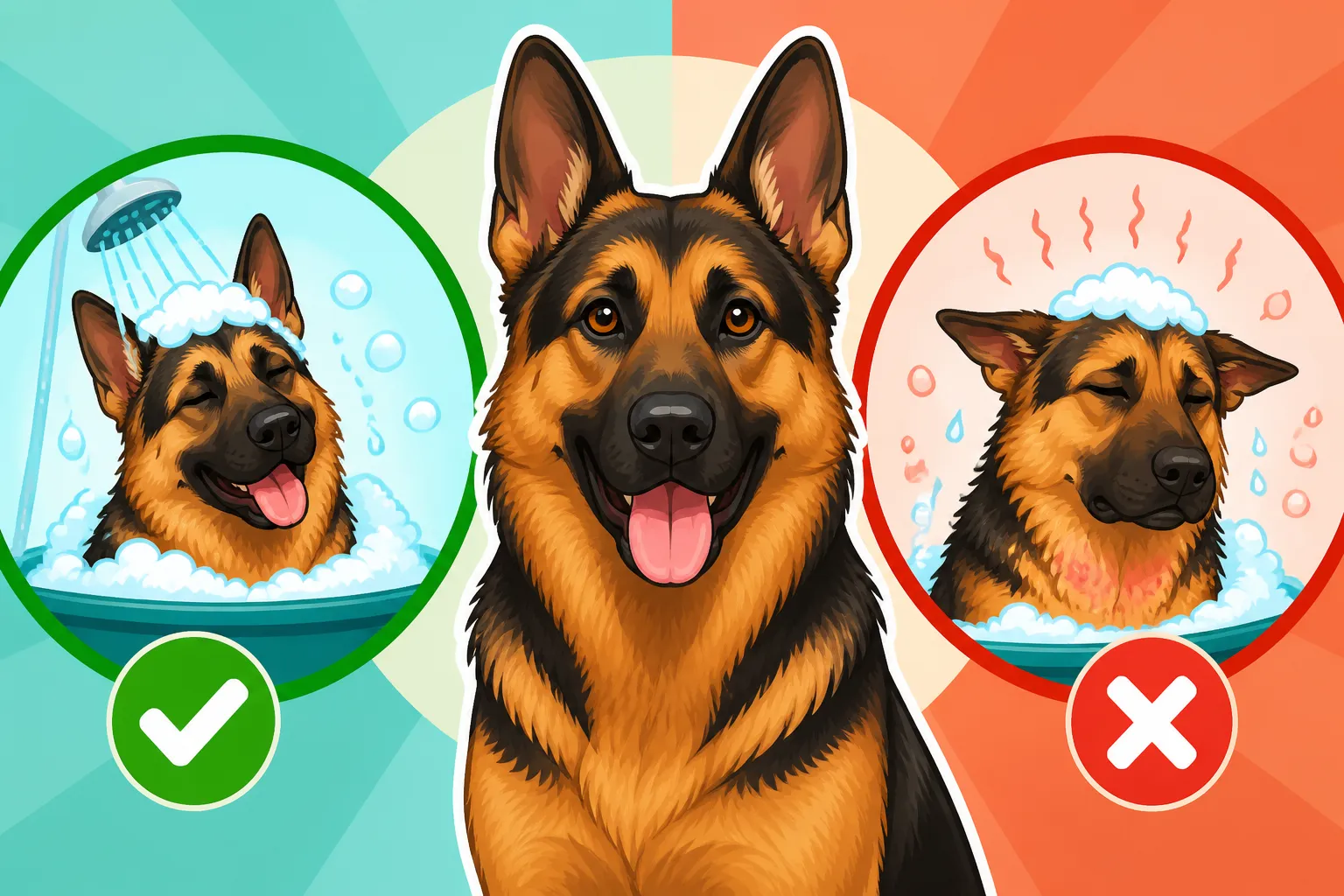
- Choose the Right Shampoo and Conditioner: Always use a high-quality shampoo specifically formulated for dogs, ideally one that is pH-balanced and free from harsh chemicals, dyes, and fragrances. If your GSD has sensitive skin, look for hypoallergenic or oatmeal-based formulas. A good conditioner can help restore moisture to the coat and skin. You can find excellent options on online retailers like Amazon or Chewy. We have a detailed guide on the Best Shampoo for a German Shepherd to help you make an informed choice.
- Thorough Wetting: Make sure your German Shepherd’s entire coat is thoroughly saturated with lukewarm water before applying shampoo. Their dense double coat can make this surprisingly difficult.
- Lather Gently: Apply shampoo and work it into a lather, focusing on areas that are particularly dirty. Be gentle to avoid irritating the skin.
- Rinse, Rinse, Rinse! This is perhaps the most critical step. Any shampoo residue left in the coat can lead to skin irritation, dryness, and matting. Rinse until the water runs completely clear and you can no longer feel any slipperiness on their fur. This may take longer than you expect with a thick-coated GSD.
- Towel Dry Thoroughly: After rinsing, gently squeeze out excess water from their coat. Use large, absorbent towels to blot as much moisture as possible. Avoid vigorous rubbing, which can tangle their fur.
- Air Dry or Low-Heat Blower: If weather permits, letting them air dry outside (if they won't roll in dirt immediately) is an option. However, for a German Shepherd's dense coat, a cool-to-low-heat pet blower is often the best choice to ensure the undercoat dries completely. Trapped moisture can lead to skin issues.
Specialized Bathing Considerations
While the general rules apply to most German Shepherds, certain life stages or specific conditions call for a slightly different approach to bath time.
German Shepherd Puppies
Bathing a German Shepherd puppy for the first time can be an adventure! Puppies generally have more sensitive skin than adult dogs, and they also haven't fully developed their protective natural oils. Therefore, less is often more when it comes to puppy baths. Unless they've had a truly disastrous run-in with mud or something truly sticky, try to keep full baths to a minimum.
Focus on spot cleaning with a warm, damp cloth for minor messes. If a full bath is necessary, use a puppy-specific, tear-free shampoo that is extra gentle on their delicate skin and eyes. Make the experience as positive as possible with treats and praise to prevent them from developing a fear of baths. You want them to associate the tub with good things, making future grooming much easier. Remember, a puppy's skin barrier is still developing, so protect it.
Senior German Shepherds
As German Shepherds age, their needs shift, and bath time can become more challenging for both you and them. Senior dogs may develop arthritis or other joint pain, making standing in a tub or bending difficult. Their skin can also become thinner and drier, and their immune system might be less robust, making them more susceptible to skin infections.
When bathing a senior GSD, prioritize comfort and safety. Use a non-slip mat in the tub, and consider a walk-in shower or a wash station designed for large dogs to minimize strain on their joints. Use warm water and gentle, moisturizing shampoos specifically formulated for sensitive or senior skin. Ensure you dry them thoroughly but gently, as lingering dampness can quickly lead to chills or skin irritation. If your senior GSD has joint issues, supplements like those discussed in German Shepherd Joint Health Supplements can sometimes help make the bathing process less uncomfortable.
Addressing Specific Skin Issues
If your German Shepherd is suffering from a diagnosed skin condition, such as allergies, hotspots, or yeast infections, your veterinarian will likely prescribe a specific bathing regimen using medicated shampoos. These baths are therapeutic and are meant to address the underlying issue, often requiring a specific contact time for the medication to work.
It's crucial to follow your vet's instructions precisely regarding the frequency and method of these medicated baths. Sometimes, these treatments might involve bathing more frequently than you would a healthy dog, but the goal is to heal, not just clean. For dogs with chronic allergies, regular bathing with a soothing, anti-itch shampoo (often recommended by your vet or found on sites like Ollie for specialized care) can be a crucial part of managing their symptoms by removing allergens and calming irritated skin. Always ensure a thorough rinse to prevent further irritation from shampoo residue.
| Factor | Recommended Bathing Frequency | Notes |
|---|---|---|
| Normal, Healthy GSD | Every 2-3 months or "as needed" | Prioritize regular brushing to maintain coat health and cleanliness. Bathe when visibly dirty or smelly. |
| Active/Outdoor GSD | More frequent spot cleaning; baths as needed (e.g., after very muddy adventures) | Focus on rinsing off mud/dirt with plain water. Use shampoo only when truly necessary to preserve natural oils. |
| GSD with Allergies | Weekly to Bi-weekly (as per vet) | Use hypoallergenic or medicated shampoos to remove allergens and soothe skin. Vet guidance is essential. |
| GSD with Skin Issues | As prescribed by veterinarian | Medicated shampoos with specific contact times. Follow vet's instructions diligently to treat conditions like infections or seborrhea. |
| Puppies | Infrequently; spot clean primarily | Use puppy-specific, tear-free shampoo if a full bath is unavoidable. Focus on positive reinforcement. |
| Senior GSDs | As needed; prioritize comfort | Use gentle, moisturizing shampoos. Ensure non-slip surfaces and comfortable temperatures. Thorough drying is important due to potential health vulnerabilities. |
| Blow Coat Season | Bath can help, but regular brushing is key | A bath with de-shedding shampoo can aid in loosening dead undercoat, but this should not replace daily, thorough brushing. Be mindful of not over-drying the skin. Explore our [German Shepherd Blow Coat Season Explained |
Disclaimer
The information provided in this article is for general informational purposes only and is not intended as a substitute for professional veterinary advice. Always consult with a qualified veterinarian regarding your German Shepherd's health, diet, and specific care needs, especially concerning skin conditions or allergies.