How to Stop German Shepherd Jumping
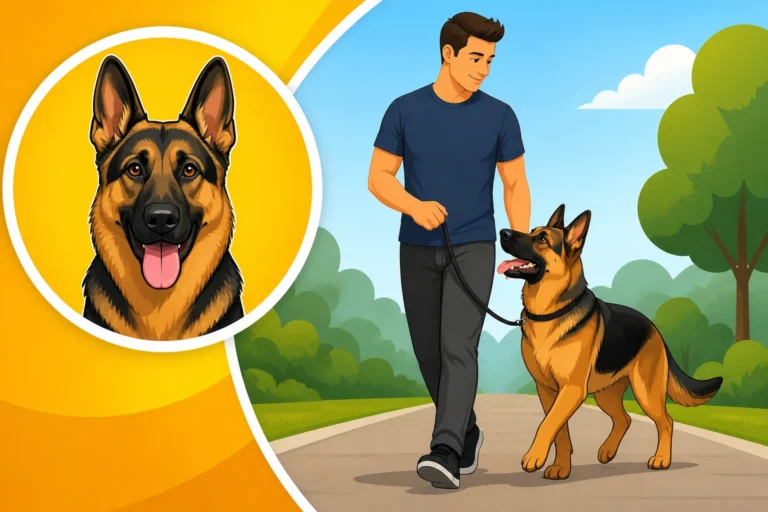
Oh, the joy and exasperation of a German Shepherd! We've all been there: you walk in the door, a friend visits, or you're just trying to enjoy a quiet moment, and suddenly, you're eye-to-eye with a furry, enthusiastic land shark. German Shepherds are notorious for their exuberance, and jumping can quickly go from a cute puppy habit to a frustrating, even painful, problem. This comprehensive guide is here to walk you through understanding why your beloved German Shepherd jumps and, more importantly, equip you with the practical, empathetic strategies to teach them a more polite way to greet the world.
Understanding Why Your German Shepherd Jumps
It's easy to get frustrated when your German Shepherd jumps, especially when those powerful paws leave a mark or knock you off balance. But it's crucial to remember that they're rarely doing it out of malice. Their reasons are usually rooted in their natural instincts and how they've learned to interact with the world around them. Understanding the "why" is the first step in effectively addressing the "how to stop."
Seeking Attention and Greeting
One of the most common reasons German Shepherds jump is simply to get your attention. Think about it: when they jump, what's your immediate reaction? You probably look at them, push them down, or say something. To your dog, any reaction – even a negative one – is still attention. They might be trying to get closer to your face to greet you, which is a natural canine behavior. In their world, a polite greeting often involves getting nose-to-nose. When you're standing, their only way to achieve that is to jump up. This behavior is particularly prevalent in puppies and young dogs who are still learning the ropes of human-canine communication. If they've learned that jumping consistently gets them noticed, they'll continue to employ that strategy.
Overexcitement and Energy Release
German Shepherds are incredibly intelligent and active dogs, bred for work. They have a lot of energy to burn, both physical and mental. When they haven't had enough exercise or mental stimulation, that pent-up energy can manifest as jumping, especially during exciting moments like when you come home or new people arrive. It's their way of saying, "I'm so happy to see you and I don't know what to do with myself!" This isn't just about physical exercise; it's also about mental engagement. A bored or under-stimulated German Shepherd is much more likely to resort to undesirable behaviors to release that energy or seek stimulation. Think of it as a pressure cooker – if the steam isn't released healthily, it builds up and finds an outlet, sometimes an inconvenient one. Understanding your German Shepherd Exercise Requirements is key to managing this.
Lack of Consistent Training and Boundaries
Another significant factor is a lack of consistent training and clear boundaries. If jumping was tolerated when they were a cute, fluffy puppy, it's much harder to extinguish when they're a powerful adult. Dogs thrive on consistency. If sometimes jumping is okay (e.g., when you're wearing old clothes) and sometimes it's not (e.g., when you're dressed for work), your German Shepherd will be confused. They won't understand the nuance. They need a black-and-white rule: jumping on people is never acceptable. Without clear expectations set through consistent training, your dog is left to guess what's appropriate, and often, they'll default to what has worked for them in the past to get what they want. It’s also important to remember that all family members need to be on the same page regarding training rules; otherwise, you'll be sending mixed signals.
Essential Foundation Training for No-Jump Success
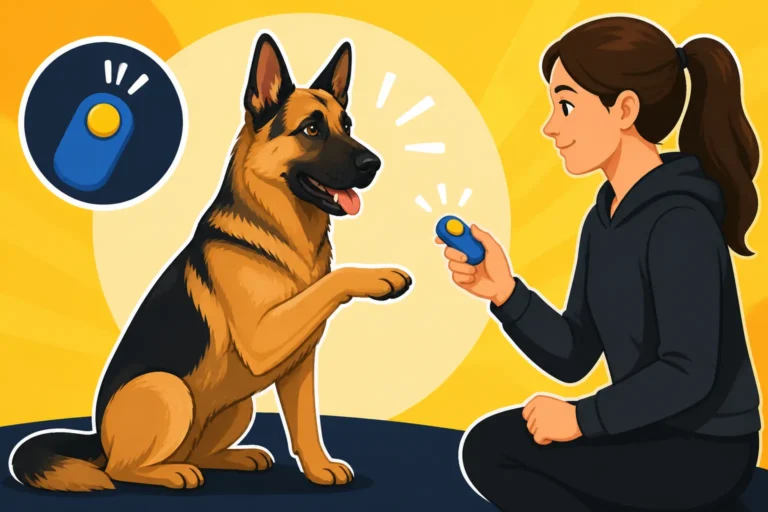
Before you can effectively stop the jumping, you need to lay down some fundamental training principles. This isn't just about saying "no" when they jump; it's about teaching them what to do instead. Positive reinforcement and clear communication are your best friends here. A strong foundation in obedience training can solve a multitude of behavior problems.
Teaching a Solid "Sit" or "Four on the Floor"
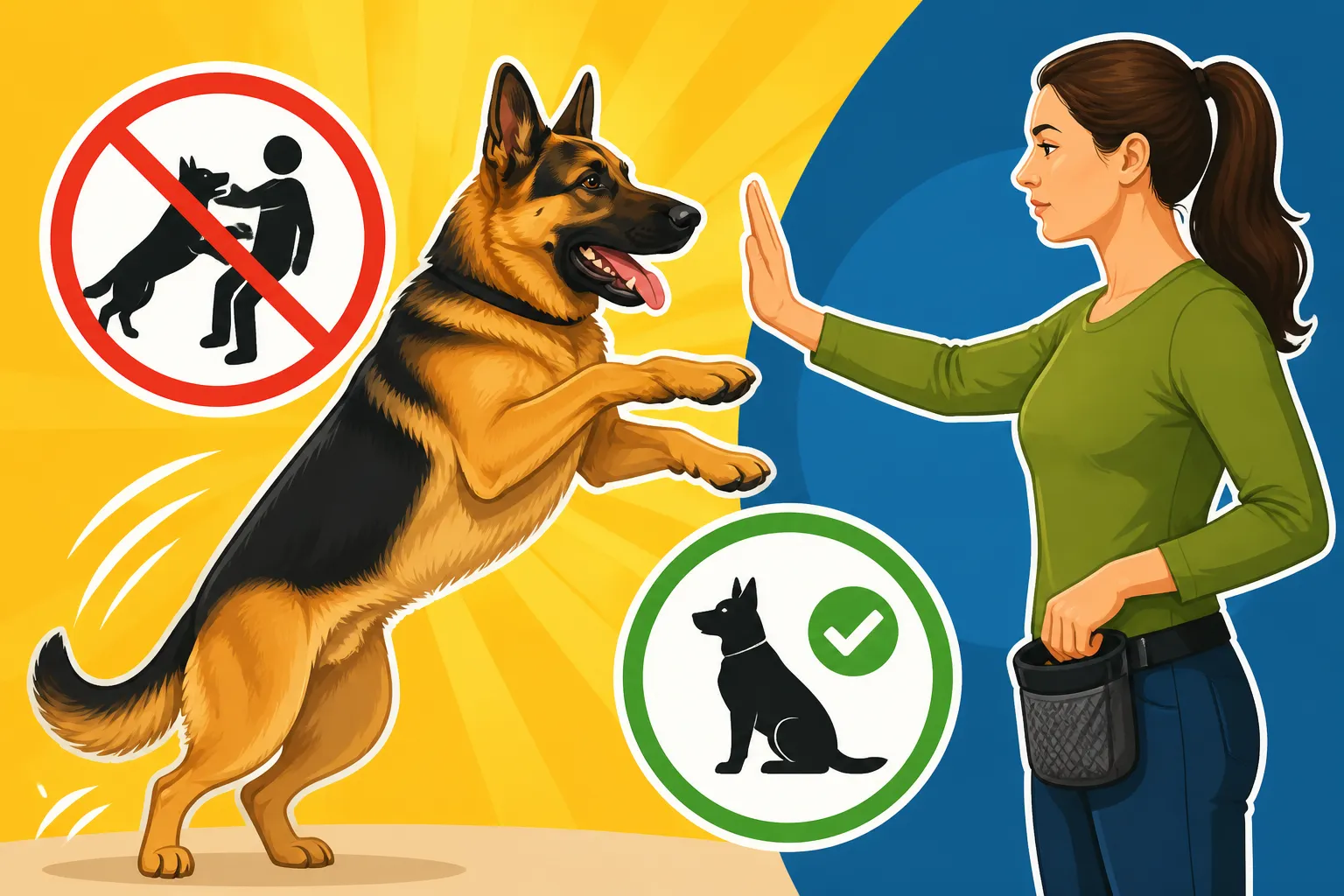
The absolute cornerstone of stopping jumping is teaching your German Shepherd a rock-solid "sit" command, or even a "four on the floor" command. The principle is simple: they cannot jump if all four paws are on the ground. This gives them an alternative, polite behavior to offer when they would typically jump.
Start by teaching "sit" in a low-distraction environment. Use high-value treats and praise. Once your dog understands "sit" reliably, start practicing in situations where they might be tempted to jump. For instance, when you first walk through the door, instead of letting them jump, immediately ask for a "sit." As soon as their rear touches the ground, reward them lavishly. If they jump, turn your back, ignore them completely, and wait for all four paws to be on the floor before you even look at them again. The moment they settle, even for a second, ask for a "sit" and reward. This teaches them that calm, polite behavior earns attention and rewards, while jumping earns nothing. This technique is a core part of any good German Shepherd Obedience Training Basics. You can also expand this by teaching them to "go to their mat" or "place" when guests arrive, giving them a designated spot to be calm.
The Importance of Leash Control and Management
A leash can be an invaluable tool, not just for walks, but for managing jumping behavior, especially with new guests or in highly stimulating environments. A well-fitting, comfortable leash and collar or harness gives you direct, gentle control over your dog's body. When someone approaches, or you anticipate a jumping scenario, put your German Shepherd on a leash.
As the trigger (person) gets closer, gently guide your dog into a "sit" or "down" position. If they start to get antsy or try to launch themselves, a slight, gentle correction on the leash can remind them to stay grounded. Reward them heavily for maintaining the "sit" or "down" even in the presence of the exciting person. This isn't about punishment; it's about providing a clear, physical boundary and preventing the unwanted behavior before it happens. This proactive management is crucial for dogs learning self-control. For puppies, effective How to Leash Train a German Shepherd Puppy early on can set a precedent for good manners.
Redirecting Energy and Reinforcing Calmness
As we touched upon earlier, German Shepherds have boundless energy. If that energy isn't channeled appropriately, it will find its own (often undesirable) outlet. Jumping can be a symptom of a dog that needs more physical activity and mental stimulation.
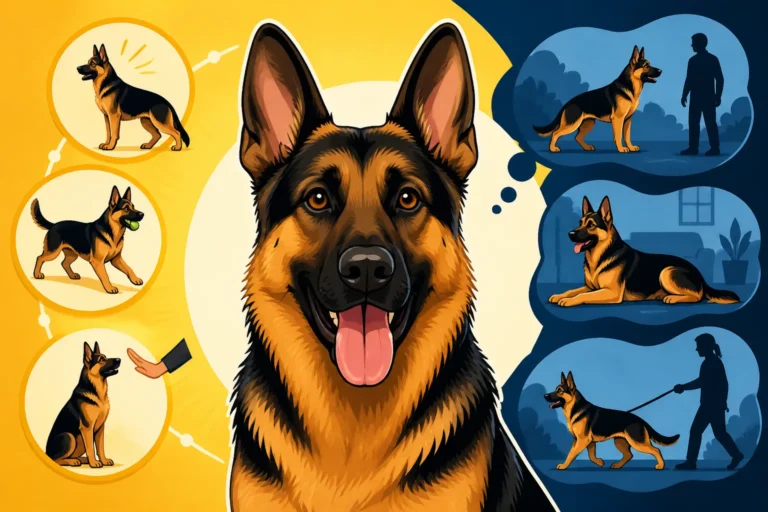
Instead of letting them jump for attention, redirect that energy. Before a guest arrives, take your German Shepherd for a brisk walk, engage in a vigorous game of fetch, or practice some advanced obedience commands. A tired dog is a good dog, and a dog whose brain has been engaged is a calm dog. When you know an exciting situation is coming, ensure they've had their needs met. Furthermore, actively reward calm behavior. If your dog is lying quietly while you're watching TV, casually drop a treat. If they greet you with all four paws on the floor, give them gentle praise and a scratch behind the ears. This reinforces that calmness is what gets them positive attention, not wild jumping. Consider integrating mentally stimulating toys or puzzle feeders, which you can easily find on Amazon, to keep their minds occupied when you can't be actively training.
Practical Strategies to Stop Jumping in Different Scenarios
Jumping behavior often manifests differently depending on the situation and who is involved. What works for greeting family might need a slight tweak for strangers. Let's break down some common scenarios and how to tackle them head-on.
Greeting Guests at the Door
This is perhaps the most challenging scenario because the arrival of new people creates a huge burst of excitement. The key is to manage the environment and your dog's expectations before the door even opens.
Before Guests Arrive: Ensure your German Shepherd has had ample exercise and a potty break. This helps to reduce their overall energy levels. Have some high-value treats ready near the door.
The "No-Jump Zone" Protocol:
- Prep: Put your dog on a leash, or have them practice a "place" command on their dog bed a short distance from the door. If using a leash, stand on it so there's just enough slack for them to sit, but not jump.
- The Knock: When the doorbell rings or someone knocks, immediately ask for a "sit." Reward for staying in position.
- Controlled Entry: Open the door just enough for your guest to step in a bit. Instruct your guest (before they arrive, if possible) to ignore your dog completely until all four paws are on the floor. No eye contact, no petting, no talking.
- Reward Calmness: If your dog stays in a sit or on their place, close the door, reward them, and try again. This teaches them that the calm behavior opens the door. If they jump, the door closes immediately.
- Gradual Introduction: Once your dog is calmly sitting, and your guest is inside, you can give the "okay" for the guest to greet them. Only allow petting while your dog remains in a sit or all four paws are on the floor. If they jump, the guest stands up, turns their back, and ignores them again. This process might take a few repetitions, but consistency is vital. Remember, a program like BAXTER & Bella online training often has specific modules for polite greetings that can guide you through this.
Jumping on Family Members and Known People
It's tempting to excuse jumping when it's your own family, but this inconsistency is precisely what makes the behavior harder to stop. Your German Shepherd needs to understand that jumping on anyone is unacceptable.
The "Turn and Ignore" Method: This is highly effective.
- No Contact for Jumpers: The moment your German Shepherd jumps on you, immediately turn your back to them. Cross your arms and stand still. Do not say anything, push them down, or make eye contact. You are essentially becoming a "boring tree."
- Wait for "Four on the Floor": Wait until all four paws are on the ground. This might take a few seconds of them circling or sniffing.
- Reward Calmness: The instant their feet are on the floor, turn back around, praise them calmly, and offer a gentle pet or a treat. If they jump again, repeat the "turn and ignore."
- Consistency is King: Every single family member must follow this protocol. If one person allows jumping, your dog will remain confused. This works for children too, though they may need more guidance to execute it properly. They need to understand that the reward (attention, petting) only comes when the dog is calm.
Addressing Jumping on Strangers During Walks
This can be embarrassing and potentially dangerous, especially if your German Shepherd is large or strong. The key here is proactive management and training.
"Watch Me" and Leash Management:
- Anticipate: As you see a stranger approaching, put your German Shepherd into a "watch me" command (where they look at you) or a "sit."
- Distraction Prevention: Use high-value treats to keep their attention on you. If they start to focus on the approaching person, gently redirect their gaze back to you.
- Physical Barrier: If they still try to jump, use your body to block them, or step on the leash (if using a regular collar) to keep all four paws on the ground.
- No Interaction: Politely tell the approaching person that you are training and ask them not to interact with your dog. Most people are understanding. This prevents accidental reinforcement of jumping behavior.
- Distance Training: If your dog is highly reactive, start by practicing at a distance where they can see people but aren't overwhelmed. Gradually decrease the distance as they improve. Remember, managing their excitement and helping them learn self-control is paramount. This can be a significant part of How to Socialize a German Shepherd effectively and safely.
Tools and Resources to Aid Your Training Journey
While consistency and patience are your primary tools, a few physical aids and external resources can significantly help your German Shepherd's training.
Recommended Training Aids and Equipment
Sometimes, a little help from the right equipment can make a world of difference in managing a strong, excited German Shepherd.
- Front-Clip Harnesses: Unlike harnesses that clip on the back, front-clip harnesses discourage pulling and give you more control. When your dog pulls, the leash redirects them to the side, making it harder for them to lunge or jump forward. Brands like the Freedom No-Pull Harness or the Easy Walk harness are popular and can be found on Amazon. They provide a gentle way to manage pulling and jumping on walks without causing discomfort.
- Long Lines: For practicing recall and giving your dog a sense of freedom while maintaining safety, a long line (a 15-30 foot leash) is excellent. It allows you to practice greetings from a distance or give them space while still being able to prevent a jump.
- High-Value Treats: These are essential for positive reinforcement. Think small pieces of cooked chicken, cheese, or specialized training treats. The higher the value, the more motivating they are for your German Shepherd, especially in distracting environments.
- Puzzle Toys & Chew Toys: To help redirect that boundless German Shepherd energy and provide mental stimulation, especially when you need them to be calm. Kongs stuffed with peanut butter or treats, or durable chew toys from brands like Benebone, can keep them happily occupied. This can reduce the likelihood of jumping out of boredom or pent-up energy.
When to Seek Professional Help
Even with the best intentions and consistent effort, some German Shepherds might continue to struggle with jumping. This isn't a reflection of your failure as an owner; it simply means you might need an expert's eye.
- Persistent Behavior: If, despite consistent training using the methods above, your German Shepherd's jumping behavior doesn't improve, or even seems to worsen, it's a good time to call in a professional.
- Aggression or Fear: If the jumping is coupled with other concerning behaviors like growling, snapping, or extreme fear, a certified professional dog trainer or a veterinary behaviorist is crucial. These underlying issues need specialized attention.
- Lack of Progress: Sometimes, having an unbiased third party observe your interactions can reveal subtle cues or inconsistencies you might be missing. A good trainer can refine your technique and provide tailored strategies for your specific dog and household. Look for trainers who use positive reinforcement methods and have experience with large, strong breeds like German Shepherds. Online resources like BAXTER & Bella also offer one-on-one coaching sessions, which can be incredibly beneficial for troubleshooting specific issues.
Remember, patience is paramount. Teaching a German Shepherd not to jump takes time, consistency, and a unified front from everyone in the household. Celebrate small victories, stay positive, and you'll soon have a polite, four-on-the-floor greeting champion. For more insights into managing behaviors, check out our guide on German Shepherd Behavior Problems and Solutions.
Scenario-Based Jumping Management Table
Here's a quick reference table summarizing common jumping scenarios and the appropriate training response.
| Jumping Scenario | Why it Happens | Training Strategy | Key Training Cue/Tool |
|---|---|---|---|
| Greeting Owners at Home | Attention-seeking, excitement | Turn and ignore, reward "four on the floor" | "Sit" / "Off" |
| Greeting Guests at Door | Overexcitement, greeting ritual | Leash management, "place" command, controlled entry | "Sit" / "Stay" / "Place" |
| Jumping on Strangers (Walks) | Overstimulation, excitement | "Watch Me," leash control, distance management | "Watch Me" / "Sit" |
| Jumping for Food/Treats | Resource guarding, impatience | "Sit" before receiving, hand-feeding for calm | "Sit" / "Wait" |
| Jumping During Play | Overarousal, lack of boundaries | Immediately stop play, restart when calm | "Off" / "Break" |
This table serves as a quick reminder of the consistent approach needed to tackle jumping in various situations. It really highlights how versatile a solid "sit" or "off" command can be!
The Long Road to Consistent Calmness
Training a German Shepherd, especially when it comes to ingrained behaviors like jumping, is rarely a quick fix. It's a journey that demands incredible patience, consistency, and a deep understanding of your dog's nature. You're not just stopping an unwanted action; you're teaching your German Shepherd a whole new way to interact with the world and express their excitement.
Think of it this way: your German Shepherd isn't trying to be "bad" when they jump. They're often just trying to communicate in the most effective way they know how, or simply can't contain their sheer joy and energy. It's up to us, as their human companions, to guide them gently but firmly towards more polite and acceptable behaviors. Every single time you consistently apply the "turn and ignore" method, or every instance you reward a calm "sit" instead of a jump, you're building a stronger, clearer line of communication with your dog.
Don't get discouraged if there are setbacks. There will be days when Aunt Carol (who means well) encourages the jumping, or when you're tired and let a jump slide. These moments happen. The key is to simply go back to basics, reset, and re-commit to your training plan. Your German Shepherd is watching, and with enough repetition, they will learn. Investing time in their training now means years of a well-behaved, respectful companion. If you ever feel overwhelmed, remember there are many resources out there, from online communities to professional trainers, who understand the unique challenges and joys of owning a German Shepherd. For further reading, you might find our guide on How to Train a German Shepherd helpful, which covers a broad spectrum of training topics.
Disclaimer
The information provided in this article is for general informational purposes only and is not a substitute for professional veterinary or behavioral advice. Always consult with a qualified veterinarian or certified professional dog trainer for any concerns about your German Shepherd's health or behavior.