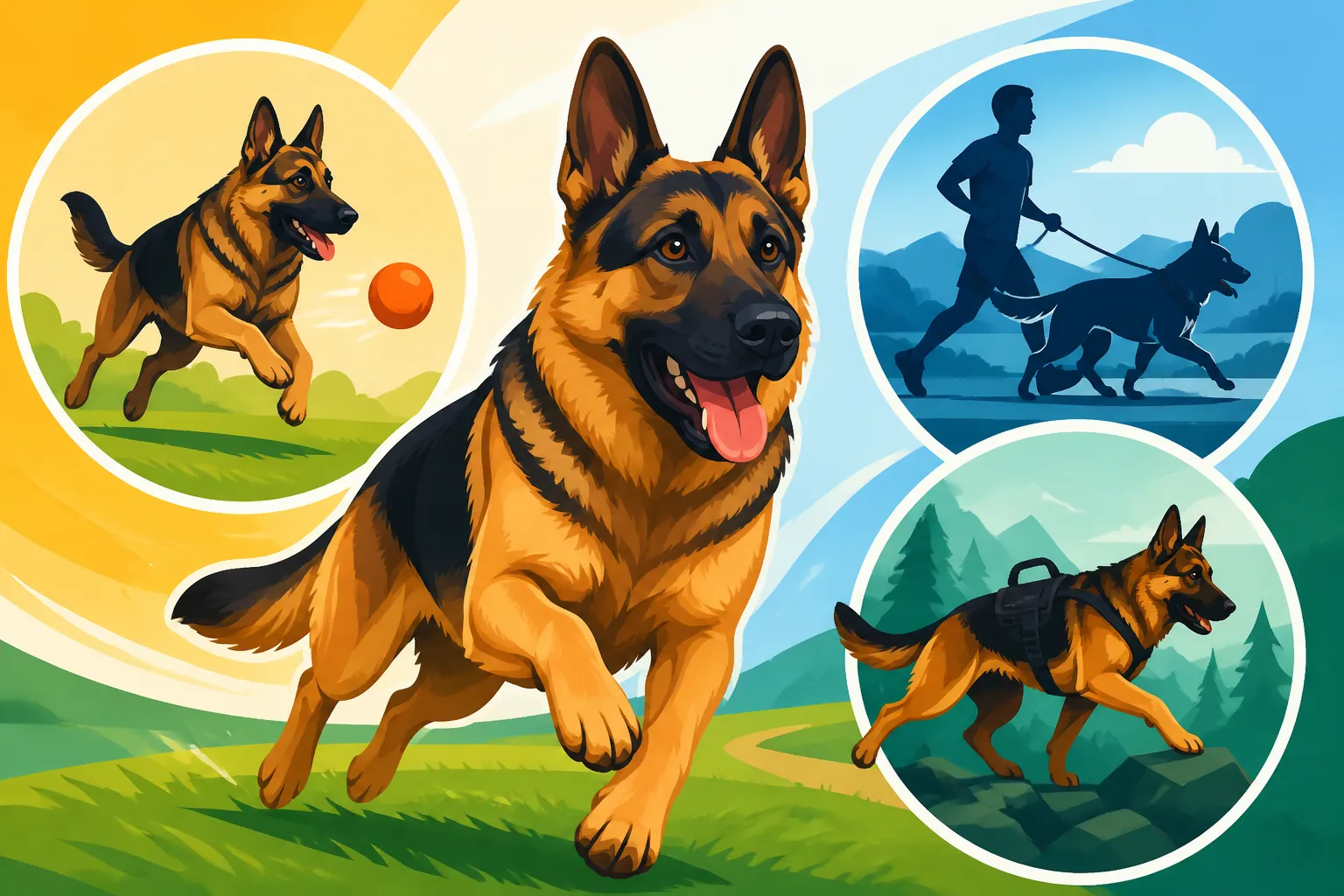
How Much Exercise Does an Adult German Shepherd Need
It's a common misconception that a German Shepherd, being a large and active breed, simply needs a big backyard to run around in and they'll be perfectly content. The reality is, a German Shepherd with unmet exercise needs isn't just bored; they're often destructive, anxious, and generally unhappy. If you've found yourself with a German Shepherd who seems to have boundless energy despite your efforts, or perhaps you're planning to welcome one into your home and want to be fully prepared, this comprehensive guide is for you. We're going to dive deep into exactly how much and what type of exercise an adult German Shepherd truly needs to thrive, both physically and mentally.
Understanding the German Shepherd's Innate Energy Levels
Before we talk about minutes and miles, it's crucial to grasp why German Shepherds require so much activity. They weren't bred to be couch potatoes; they were developed for demanding roles that required immense physical stamina, mental acuity, and a strong work ethic. Understanding this heritage is key to appreciating their exercise needs.
The Working Dog Heritage
Think about the origins of the German Shepherd. They were bred by Max von Stephanitz in Germany to be the ultimate herding dog – intelligent, strong, agile, and fiercely loyal. From herding sheep across vast fields to later serving in police and military roles, these dogs were designed for a life of purpose and rigorous physical activity. This isn't just about speed or strength; it's about endurance, problem-solving, and constant engagement.
This genetic blueprint means that even today's family German Shepherd carries that inherent drive. They're not satisfied with a quick potter in the garden; their bodies and minds crave a "job" to do, which often translates into structured exercise and mental challenges. Without this outlet, that powerful drive can manifest as unwanted behaviors: chewing up furniture, incessant barking, digging craters in your yard, or even exhibiting anxiety and aggression. It's not because they're "bad dogs," but because they're profoundly under-stimulated. Many owners struggle with what they perceive as "behavior problems," when often, the root cause is simply a lack of appropriate outlets for their dog's energy.
Beyond Just Physical Energy: Mental Stimulation
While physical exercise is non-negotiable, it's only half the equation for a German Shepherd. Their intelligence is a double-edged sword: it makes them highly trainable, but also means they get bored easily. A physically exhausted German Shepherd who hasn't had any mental engagement can still be a handful. They need to use their brains just as much as their brawn.
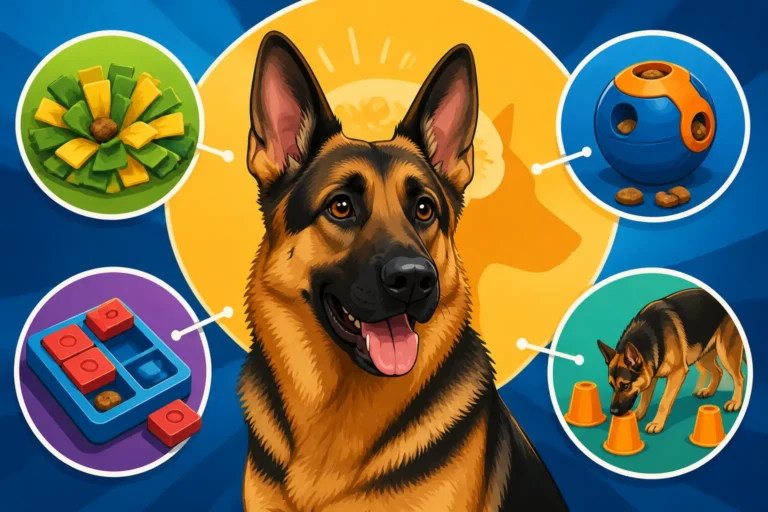
Mental stimulation can take many forms. It could be obedience training sessions, puzzle toys that dispense treats, scent work, or even just learning new tricks. When you combine physical exercise with mental enrichment, you're tapping into the full spectrum of their needs. Imagine a German Shepherd who's been on a brisk walk and then spent 20 minutes figuring out a complex puzzle toy. They're not just tired; they're satisfied. This holistic approach prevents boredom, reduces anxiety, and strengthens the bond you share. If you're looking for ways to keep their minds sharp, consider reading about some of the Best Mental Stimulation for German Shepherds.
Breaking Down Exercise Needs: Quantity and Quality
So, what does this translate to in practical terms for an adult German Shepherd? It's not just about running them until they drop, but about providing a balanced and consistent routine that addresses both their physical and mental well-being.
Daily Exercise: How Much and What Kind
For an adult German Shepherd, a good baseline is at least 90 minutes to 2 hours of dedicated, structured exercise per day. This isn't just letting them out in the yard; this is focused activity. This can be broken down into several sessions throughout the day.
- Morning Walk/Jog (45-60 minutes): A brisk walk or a slow jog is an excellent way to start the day. This should be a purposeful walk, not a leisurely stroll where they stop to sniff every blade of grass (though some sniffing time is great for mental enrichment, it shouldn't be the entire walk). Focus on a good pace, maintaining a loose leash. If you're physically capable, a controlled run alongside a bicycle (bikejoring) can be a fantastic high-intensity option.
- Mid-Day Activity (30-45 minutes): This could be a game of fetch in the park, a training session working on obedience commands, or even a trip to a dog-friendly trail for some varied terrain. High-energy activities like throwing a frisbee or a Kong Classic toy can burn a lot of energy quickly.
- Evening Walk/Play (30-45 minutes): Another solid walk or a structured play session at home. This can be a great time for some off-leash play in a safe, fenced area, or a session of tug-of-war, which satisfies their natural prey drive in a controlled manner.
Remember, this isn't just for super athletic dogs; this is for your average, healthy adult German Shepherd. Of course, individual dogs will vary based on their genetics, age, and overall health. Some working line German Shepherds might require even more, while a calmer show line dog might be content with slightly less, but the general principle remains.
Balancing High-Impact with Low-Impact Activities
It's tempting to think that all exercise needs to be high-octane, but that's not sustainable or even healthy in the long run. German Shepherds are prone to certain orthopedic issues like German Shepherd Hip Dysplasia Explained and elbow dysplasia, so it's important to balance high-impact activities with lower-impact options to protect their joints.
- High-Impact Activities: Running, jumping, intense fetch, agility training, and rapid direction changes. These are great for building muscle and cardiovascular health but should be done in moderation, especially on hard surfaces. Always warm up and cool down properly.
- Low-Impact Activities: Brisk walking, hiking on varied terrain, swimming, and mental games. Swimming is particularly excellent as it provides a full-body workout without putting any stress on their joints. Many German Shepherds love water, and it's a fantastic way to tire them out in warmer weather. Longer, slower sniff walks where they get to explore and process scents are also low-impact and incredibly mentally stimulating.
Variety is the spice of life, and it’s certainly true for German Shepherds. Rotating between different types of exercise keeps them engaged, prevents boredom, and helps build a well-rounded physical fitness level.
The Importance of Structured Play
Simply letting your German Shepherd loose in a yard isn't enough. They often need you to be involved in their play. Structured play sessions are where you direct the activity, reinforce commands, and maintain control.
- Fetch and Retrieve: This is a classic for a reason. Not only does it provide great physical exercise, but it also reinforces recall and drop-it commands. Use durable toys; a sturdy chuck-it ball or a KONG Wubba can withstand their strong jaws. You can find excellent options on Amazon.
- Tug-of-War: This is a fantastic way to satisfy their natural drive and build muscle. It's crucial, however, to establish rules: you initiate and end the game, and they must drop the toy on command. This isn't about fostering aggression; it's about channeling their energy constructively and building self-control.
- Hide-and-Seek: A simple game that combines physical movement with mental stimulation. Hide treats or their favorite toy and have them find it. This utilizes their incredible sense of smell and their problem-solving abilities.
- Flirt Pole: This is a pole with a lure (often a toy or fabric strip) attached to a rope, which you drag along the ground. It mimics prey movement and allows your German Shepherd to chase, pounce, and "catch" the lure in a controlled, safe environment. It's an amazing way to burn off energy quickly and satisfy their prey drive without involving small animals.
These structured playtimes aren't just about burning calories; they're also invaluable opportunities for training and reinforcing your leadership. They help build focus, improve impulse control, and strengthen your relationship.
| Activity Type | Daily Duration (approx.) | Benefits | Considerations |
|---|---|---|---|
| Brisk Walking/Jogging | 60-90 minutes | Cardiovascular health, endurance, mental calm | Good for all ages, less joint impact |
| Fetch/Frisbee | 30-45 minutes | High-intensity cardio, impulse control | Can be high-impact, monitor joint health |
| Hiking/Trails | 60-120 minutes (weekly) | Mental stimulation, varied terrain, endurance | Ensure leash laws, weather, water access |
| Swimming | 20-30 minutes (2-3x/week) | Low-impact, full-body workout | Safe environment, rinse coat post-swim |
| Training/Puzzle Games | 15-30 minutes | Mental stimulation, obedience reinforcement | Daily necessity, can be done indoors |
| Structured Tug/Flirt Pole | 15-20 minutes | Prey drive outlet, muscle building, focus | Establish rules, monitor intensity |
Tailoring Exercise to Your German Shepherd's Life Stage and Health
Just like with humans, a German Shepherd's exercise needs aren't static. They evolve throughout their life, and external factors can also play a significant role. Being mindful of these changes is part of being a responsible owner.
Adjusting for Age: Puppies, Adults, and Seniors
While this guide focuses on adult German Shepherds, it's important to understand the continuum of their needs.
- Puppies: Young German Shepherds, especially under 18-24 months, have delicate growth plates that are still fusing. Over-exercising them with high-impact activities like long jogs or intense jumping can lead to permanent joint damage. Short, frequent play sessions and multiple short walks are better. A good rule of thumb is 5 minutes of structured exercise per month of age, twice a day (e.g., a 4-month-old puppy gets 20 minutes, twice a day). Intense, forced exercise should be avoided. You can learn more about German Shepherd Growth Plates and Exercise to ensure you're protecting your young pup.
- Adults (2-7 years): This is typically when their energy peaks. The 90 minutes to 2 hours of daily, structured exercise is a solid target for most healthy adults. They have the stamina and drive for longer walks, runs, and more intense play sessions.
- Seniors (7+ years): As German Shepherds age, their exercise needs will naturally decrease. They might develop arthritis, experience joint pain, or have less stamina. While they still need daily activity, it should be lower impact and shorter in duration. Think gentle walks, leisurely swims, and plenty of mental stimulation. Monitoring for signs of pain or fatigue is crucial. Consulting your vet about appropriate exercise levels for your senior dog is highly recommended. We've also put together a comprehensive German Shepherd Senior Care Guide that might be helpful.
Always observe your dog for signs of fatigue, lameness, or discomfort, and adjust accordingly.
Health Considerations and Limitations
A German Shepherd's health status is paramount in determining their appropriate exercise regimen. Ignoring underlying health issues can exacerbate them and cause unnecessary pain.
- Orthopedic Issues: As mentioned, German Shepherds are prone to hip and elbow dysplasia. If your dog has been diagnosed with either of these, or shows signs like limping, bunny hopping, or difficulty getting up, high-impact activities should be minimized or avoided entirely. Swimming, hydrotherapy, and controlled walks on soft surfaces are often excellent alternatives. Regular vet check-ups are key, and your vet might recommend specific supplements like those discussed in Best Joint Supplements for Senior German Shepherds.
- Weight and Obesity: An overweight German Shepherd will struggle with exercise and is at higher risk for joint problems and other health issues. For these dogs, a gradual increase in low-impact exercise combined with a controlled diet is essential. Start slow and build up endurance. Understanding German Shepherd Weight and Obesity Risks can help you keep your dog at a healthy weight.
- Other Medical Conditions: Heart conditions, respiratory issues, or other chronic illnesses will all impact how much and what kind of exercise your German Shepherd can handle. Always consult with your veterinarian to create a safe and effective exercise plan tailored to your dog's specific health needs.
- Recovery from Injury/Surgery: During recovery, follow your vet's instructions precisely. This often involves strict rest followed by a carefully managed, gradual return to activity to prevent re-injury.
Being vigilant about your dog's physical condition and adapting their routine is a continuous process throughout their life.
Environmental Factors and Lifestyle
Even if your German Shepherd is perfectly healthy, external factors can influence their ability to exercise safely and effectively.
- Weather Conditions: German Shepherds have a thick double coat, making them susceptible to overheating in hot, humid weather. During summer months, schedule walks and intense exercise for early mornings or late evenings when temperatures are cooler. Always provide plenty of fresh water and watch for signs of heatstroke. Conversely, in extreme cold, while their coat provides insulation, prolonged exposure can still be risky. Paw pads can suffer from ice and salt, so consider paw protection.
- Living Environment: Whether you live in an apartment in a bustling city like Chicago or on a large rural property, your environment dictates how you can exercise your German Shepherd. Apartment dwellers will need to be much more proactive about scheduling outdoor activities, including trips to dog parks or urban trails. Those with large properties still need to engage their dogs in structured exercise; simply having space isn't enough to prevent boredom.
- Owner's Lifestyle: Let's be real, life gets busy. However, committing to a German Shepherd means committing to their exercise needs. If you have a demanding job or a packed schedule, consider dog walkers, doggy daycare, or even professional trainers like those from BAXTER & Bella who can guide you through efficient training and exercise routines. Consistency is key, so find what works for your lifestyle while still meeting your dog's needs.
Making Exercise a Habit: Practical Tips and Tools
Meeting the exercise demands of a German Shepherd can feel like a full-time job, but with the right approach and tools, it becomes a rewarding part of your daily routine.
Tools and Gear for Active German Shepherds
Having the right equipment can make all the difference in safety, comfort, and enjoyment for both you and your dog.
- Durable Leashes and Collars/Harnesses: A sturdy, well-fitting harness (like a Y-front harness that doesn't restrict shoulder movement) or a strong collar is essential. For training and control, a long line (15-30 feet) can be invaluable for practicing recall in open, safe areas.
- Interactive Toys: Invest in high-quality, durable toys designed for strong chewers. Puzzle toys, treat-dispensing balls, and robust tug ropes are excellent. Brands like Kong and Nylabone are often recommended for their durability. As mentioned earlier, a good chuck-it launcher can save your arm during fetch sessions.
- Paw Protection: Depending on your environment, dog booties can protect paws from hot pavement, sharp debris, ice, or salt.
- Cooling Gear: In hot climates, a cooling vest or mat can help your German Shepherd regulate their temperature during and after exercise.
- Portable Water Bowls: Always carry water, especially on longer walks or hikes. Dehydration is a serious risk.
Remember, the goal is to make exercise enjoyable and safe. Investing in quality gear pays off in the long run.
Incorporating Training into Exercise
Every walk, every play session, is an opportunity for training. Integrating obedience commands into your exercise routine reinforces their learning and adds mental stimulation.
- "Heel" on walks: Practice walking nicely on a leash, changing directions, and stopping with you. This is an essential skill for urban environments.
- "Stay" during fetch: Have them wait for a "break" command before chasing the ball. This builds impulse control, which is incredibly valuable for a high-drive dog.
- "Come" (Recall): Practice reliable recall in varying environments. This is a life-saving command. You can make it a game during off-leash play.
- "Find It" games: Hide treats or toys and encourage them to use their nose. This is excellent for mental engagement and can be done indoors on bad weather days.
Training shouldn't feel like a chore; it should be an extension of your interaction. German Shepherds thrive on having a purpose, and learning and obeying commands provides that sense of accomplishment. You can get started with some great foundational knowledge by exploring resources like How to Train a German Shepherd.
Overcoming Common Exercise Challenges
Even with the best intentions, challenges arise. Here's how to tackle some common hurdles.
- Lack of Time: This is the biggest one for many owners. Break up the exercise into smaller chunks. A 30-minute brisk walk in the morning, a 20-minute play session at lunch, and another 40-minute walk in the evening already gets you 90 minutes. Utilize a dog walker or doggy daycare on busy days if your budget allows. Consider multi-tasking: run or bike with your dog.
- Bad Weather: Rain, snow, extreme heat, or cold shouldn't halt all activity. Invest in good rain gear for yourself, or find indoor alternatives. Treadmills can be trained safely for dogs (with proper supervision and training), or you can focus on intense indoor training sessions, puzzle games, or even indoor agility. Remember, German Shepherds need mental work just as much as physical.
- Leash Reactivity: If your German Shepherd barks or lunges at other dogs or people on walks, it can make exercise stressful. Don't avoid walks entirely, but manage them strategically. Seek out quieter routes, walk at off-peak hours, or consider working with a professional trainer. Sometimes, improving German Shepherd Obedience Training Basics can help immensely with reactivity.
- Dog is Still Too Energetic: If you're consistently providing adequate exercise and your German Shepherd still seems to have endless energy and is being destructive, it might be a sign that they need more mental stimulation, or perhaps a different kind of physical exercise. Some dogs need a job that truly taps into their working drive, like scent work, dock diving, or even protection sports like Schutzhund or IGP.
Remember, a tired German Shepherd is a happy German Shepherd, and a happy German Shepherd makes for a happy owner. Consistency, variety, and an understanding of their unique needs are your best allies in ensuring your loyal companion lives a long, healthy, and fulfilling life.
Disclaimer
This article is for general informational purposes only and does not constitute professional advice. Laws, prices and regulations vary by location and change over time. Consult a qualified professional for guidance on your specific situation.