How to Teach a German Shepherd to Heel
It's incredibly frustrating, isn't it? You're out for a walk with your majestic German Shepherd, picturing a serene stroll, but instead, you're being dragged down the street, feeling like a human anchor to a runaway freight train. Or perhaps your loyal companion constantly lags behind, stopping to sniff every blade of grass, turning a simple walk into a start-and-stop tug-of-war. Teaching your German Shepherd to heel isn't just about good manners; it's about building a harmonious partnership and ensuring safety for both of you. This guide will walk you through a realistic, step-by-step approach to master the "heel" command, turning those chaotic walks into the enjoyable experiences you've always dreamed of.
Understanding the "Heel" Command for German Shepherds
Before we dive into the nitty-gritty of training, it's crucial to understand what "heel" truly means, especially for a powerful and intelligent breed like the German Shepherd. Many owners think "heel" just means "don't pull," but it's much more nuanced than that. It's about a specific position, consistent attention, and a dog who is actively engaged with you. German Shepherds, with their strong work drive and independent nature, can find this command particularly challenging, yet they are also incredibly capable of excelling at it with the right approach.
What "Heel" Truly Means for Your GSD
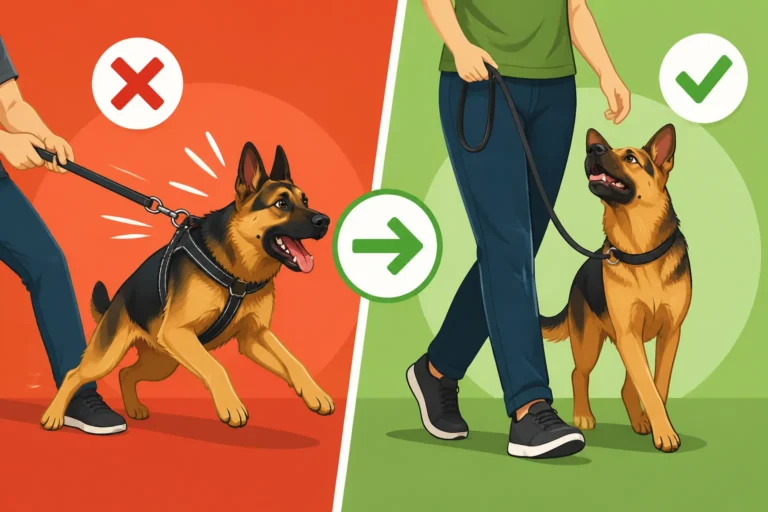
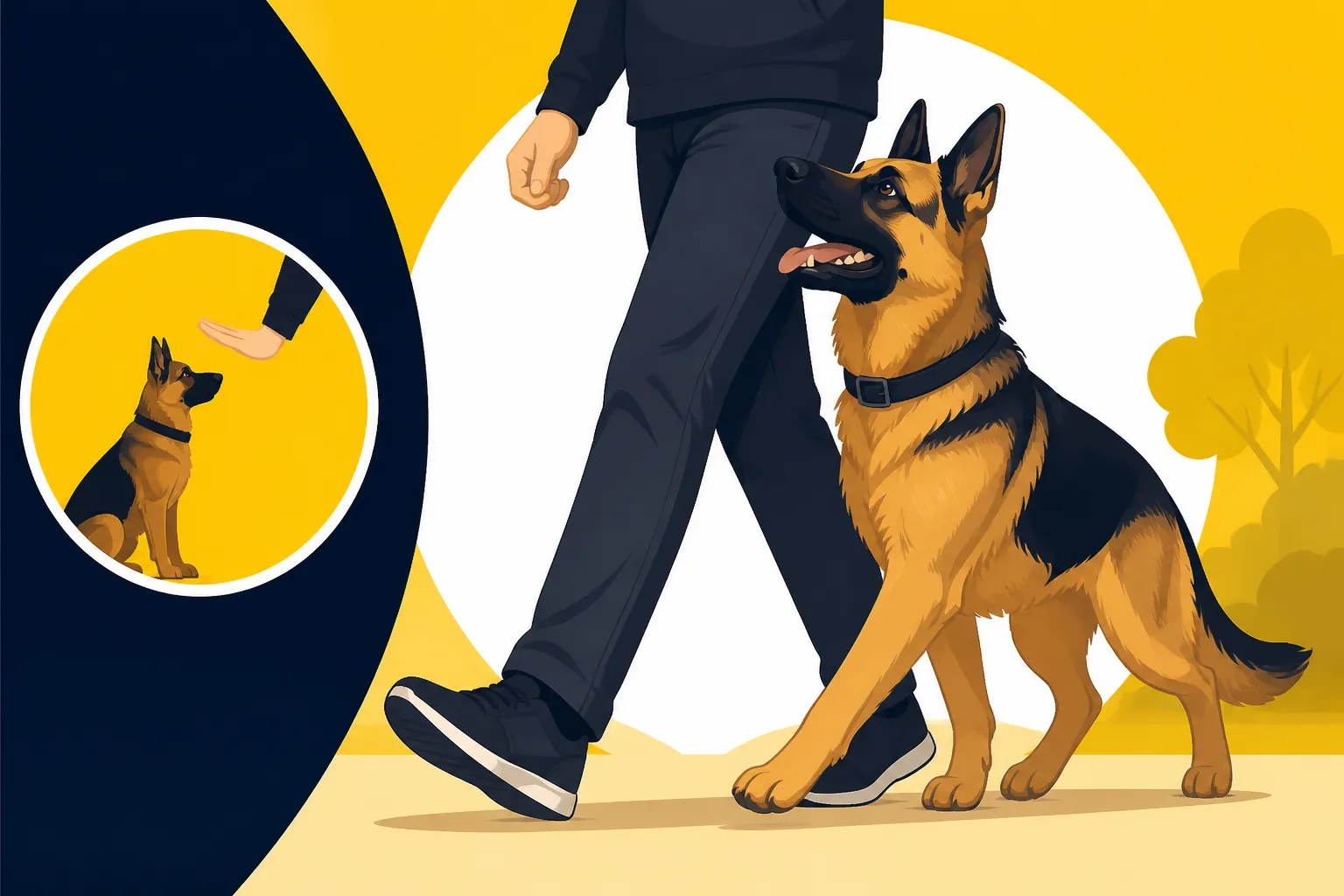
In its purest form, the "heel" command means your German Shepherd walks directly beside you, usually on your left side, with their shoulder aligned with your knee. Their attention should be on you, not the squirrel across the street or the fascinating scent underfoot. This isn't just about physical proximity; it's about a mental connection. A true heel means your dog adjusts their pace to yours, stops when you stop, and turns when you turn, all while maintaining that precise position.
This level of control is invaluable. Imagine navigating a busy street, a crowded park, or even just your local pet store without your German Shepherd lunging or weaving. It means you can have a truly relaxing walk, knowing your dog is listening and responsive. For a breed that thrives on purpose and partnership, mastering the heel can be a deeply satisfying experience for both of you, reinforcing the bond and trust you share. It transforms a potentially chaotic outdoor excursion into a structured, enjoyable activity.
Why German Shepherds Struggle and Excel at Heeling
German Shepherds are intelligent, strong, and highly driven. These traits can be both a blessing and a curse when it comes to heeling. On one hand, their natural prey drive and powerful noses mean they are easily distracted by environmental stimuli. A passing car, a distant dog, or even an interesting smell can break their focus instantly, leading to pulling or forging ahead. Their sheer physical strength also means that if they decide to pull, it can be incredibly difficult for an owner to correct them without proper technique. This is why many owners find themselves asking, "Why Does My German Shepherd Have Reactivity Issues?" or "Why Does My German Shepherd Have Pulling Issues?" on walks.
On the other hand, their intelligence and desire to please their handler make them exceptional students. Once they understand the expectations and are motivated by consistent, positive reinforcement, German Shepherds can become absolute masters of the heel. They thrive on having a job to do, and maintaining a precise heel can become their 'job' during walks. The key is tapping into their innate drive and channeling it in a productive way, rather than fighting against their natural instincts. It requires patience, consistency, and a clear communication strategy.
Preparation is Key: Setting Up for Heel Training Success
You wouldn't try to build a house without the right tools and a solid foundation, right? The same goes for heel training your German Shepherd. Preparation is absolutely non-negotiable. Having the correct gear and setting up an environment conducive to learning will drastically increase your chances of success and reduce frustration for both you and your furry student. Rushing into training without these foundational elements often leads to more pulling, more frustration, and ultimately, giving up.
Essential Gear for Heel Training
The right equipment can make all the difference in communicating what you want from your German Shepherd during heel training. First and foremost, you'll need a good quality leash and collar. While a standard flat buckle collar can work, many trainers find a martingale collar or a head halter to be more effective for teaching heel, especially for strong pullers. A martingale collar tightens slightly when the dog pulls, preventing them from backing out, without being overly harsh. A head halter, like a Gentle Leader or Halti, gives you more control over your dog's head, and where the head goes, the body often follows.
Avoid retractable leashes for heel training. They teach your dog that pulling extends their range, which is the exact opposite of what you want for heeling. A standard 4-6 foot leash made of durable nylon or leather is ideal. For treats, opt for high-value, small, soft treats that your German Shepherd absolutely loves. Think boiled chicken, small pieces of cheese, or store-bought training treats. You want something enticing enough to hold their attention even in distracting environments. Many options are available on platforms like Amazon, offering a wide array of training leashes, collars, and treats to suit your needs.
Creating the Right Training Environment
Where you start training your German Shepherd to heel is just as important as the tools you use. Begin in a low-distraction environment. Your living room, a quiet backyard, or a deserted cul-de-sac are perfect starting points. The goal is to set your dog up for success, not overwhelm them immediately. If you try to teach heel on a busy street with cars, other dogs, and people, your German Shepherd will be too distracted to learn.
As your dog progresses, gradually introduce more distractions. This might mean moving to a quiet park during off-peak hours, then to a busier park, and eventually to more challenging urban environments. Remember, each new environment is like starting over a little bit, so be patient and understanding. The idea is to generalize the behavior, meaning your dog learns to heel regardless of where they are. Starting simple builds confidence and a strong foundation before adding complexity. This systematic approach is also crucial when learning How to Socialize a German Shepherd.
Step-by-Step Guide to Teaching Your German Shepherd to Heel
Alright, let's get down to business! Teaching your German Shepherd to heel is a process that builds on itself. We'll start with the very basics of luring and rewarding, then layer in the verbal command, tackle duration and distractions, and finally work towards a reliable, consistent heel. Patience is your most valuable tool here, even more so than treats.
Starting with Lure and Reward
The very first step is to get your German Shepherd into the correct heel position using a lure. Hold a high-value treat in your hand and bring it close to your dog's nose. Now, move the treat in a way that guides your dog to your left side, with their shoulder aligned with your knee. As soon as they are in position, even if it's just for a second, say "yes!" or "good!" and immediately give them the treat. Repeat this many times.
The goal here isn't to walk yet, but to teach them where the heel position is and that being there is rewarding. Keep these initial sessions very short, perhaps 5-10 repetitions, several times a day. You want to end on a high note, with your dog still eager for more. This positive reinforcement creates a strong association between the position and a reward. You can even use an online dog training program, like the one offered by BAXTER & Bella, which often provides video demonstrations for these foundational steps, making it easier to visualize.
Introducing the "Heel" Command and Positioning
Once your German Shepherd consistently goes to the heel position when lured, it's time to add the verbal cue. As you bring the treat to their nose and start to move it towards the heel position, say "Heel!" in a clear, calm voice. As they move into position, mark the behavior ("yes!") and reward. Do this repeatedly. The word "Heel" should become a predictor for the action of moving into position and getting a reward.
Now, let's add a single step. With your dog in the heel position, say "Heel!" and take one step forward, keeping the treat at their nose to guide them. If they maintain position for that one step, immediately stop, mark, and reward. Gradually increase the number of steps – two steps, then three, and so on. If they break position, simply stop, reset, and start again. Don't scold them; just make it clear that the reward only comes when they are in the correct position. Remember, every successful step builds confidence.
Practicing with Distractions and Duration
This is where many owners hit a wall, but it's crucial for a reliable heel. Once your German Shepherd can heel consistently for several steps in a low-distraction environment, it's time to slowly introduce distractions. Start small: a family member walking by, a toy lying on the ground, or a familiar scent. Each time you introduce a new distraction, lower your expectations slightly and go back to shorter distances, rewarding more frequently.
The same principle applies to duration. Can your dog hold the heel position for 5 seconds while you're standing still? How about 10? Can they heel for a full minute walk in a quiet area? Slowly increase the time and distance they need to maintain the heel before getting a reward. If they get distracted or break position, gently redirect them back to the heel, get their attention, and try again. This incremental exposure ensures that the "heel" command becomes solid regardless of what's happening around you. This also ties into building their focus which is key for German Shepherd Obedience Training Basics.
Fading the Lure and Generalizing the Behavior
The treat lure is a temporary tool. Eventually, your German Shepherd needs to heel on command without the food constantly at their nose. Start by holding the treat for less time, then moving it further away, until your empty hand signal is enough to guide them into position. Soon, you'll be able to give the "Heel" command, and they'll move into position without you needing to show the treat. Still reward them generously once they are in position and maintaining it.
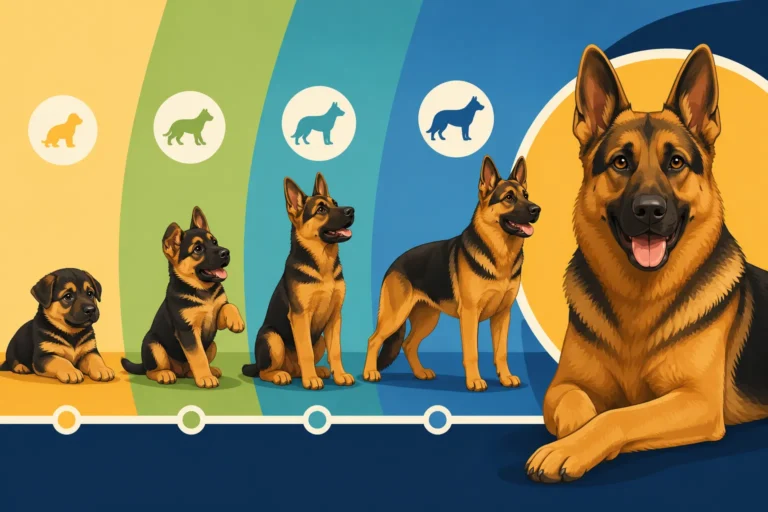
Generalizing the behavior means practicing "heel" in various locations and with different types of distractions. This could be a bustling park, a sidewalk with people and bikes, or even inside a pet-friendly store. Remember to manage your expectations for each new environment. What works perfectly in your backyard might fall apart at the dog park. That's okay! Go back to basics in the new setting: short distances, high-value treats, and frequent rewards. This teaches your German Shepherd that "heel" means the same thing, no matter where you are. This is a vital part of their overall German Shepherd Training Timeline by Age.
Troubleshooting Common Heel Training Issues
Even with the best intentions and the clearest instructions, heel training rarely goes perfectly smoothly. German Shepherds are intelligent, but they're also dogs with their own drives and personalities. You're bound to encounter common roadblocks like pulling, lagging, or getting easily distracted. The good news is that these issues are almost always solvable with consistency, patience, and a slight adjustment to your technique. Don't get discouraged – these challenges are just part of the learning process!
Dealing with Excessive Pulling
One of the most common frustrations for German Shepherd owners is the dog who just won't stop pulling. It feels like a constant battle of strength, and it's exhausting. If your German Shepherd is still pulling aggressively, even with a martingale or head halter, it's time to re-evaluate your approach. First, ensure your treat value is high enough. Is a piece of kibble really going to compete with the exciting world outside? Probably not. Break out the chicken or cheese.
Secondly, implement the "stop and go" method. The moment your dog puts tension on the leash and pulls ahead, immediately stop moving. Stand still, like a tree, and wait. The instant the leash goes slack, and your dog looks back at you, even for a second, mark that moment and reward. Then, immediately start walking again. If they pull, stop. Repeat. Your German Shepherd will quickly learn that pulling gets them nowhere, but a loose leash keeps the walk going. Consistency is crucial here. If you sometimes let them pull, you're teaching them that pulling sometimes works. This method is incredibly effective and closely related to understanding How to Stop a German Shepherd Pulling on Leash.
What to Do if Your GSD Lags or Forges Ahead
While pulling is common, some German Shepherds also struggle with lagging behind or, conversely, forging too far ahead and then looking back expectantly. If your dog lags, it could be a sign they're not motivated enough to stay with you, or they're overly distracted by scents. Try making yourself more exciting! Use a happy, encouraging tone, pat your leg, and vary your pace. When they catch up to the heel position, mark and reward enthusiastically. You can even try taking a few quick, exciting steps forward and then rewarding them for keeping up.
For the dog that constantly forges ahead, waiting just at the end of the leash, the "stop and go" method we discussed for pulling is equally effective. Any tension on the leash, or any movement out of the heel position, means you stop. Only when they return to your side and the leash is loose do you move forward. This teaches them that the forward motion they desire is directly tied to maintaining the heel position. Remember, your German Shepherd is always learning, even when you're not actively training, so every walk is a training opportunity.
Managing Distractions and Sniffing
German Shepherds have an incredible sense of smell, and the world offers a symphony of scents that can be far more captivating than walking politely beside you. If your dog is constantly breaking heel to sniff or getting overly distracted by sights and sounds, you need to revisit your training environment. Are you asking too much too soon? Go back to a less distracting area.
When working with distractions, use the "engage-disengage" game. Before your dog notices the distraction, get their attention with your "Heel" command or name, reward them for looking at you, and then allow them to briefly notice the distraction. Call them back to you, reward, and move on. This teaches them that engaging with you is more rewarding than the distraction. For sniffing, practice the "leave it" command separately, and apply it to tempting smells. When you pass a particularly interesting spot, give your "Heel" command firmly, guide them past it, and reward for ignoring the temptation. The goal isn't to prevent them from ever sniffing, but to teach them that you dictate when and where sniffing is allowed, especially when you're working on heel. This controlled approach can also help prevent German Shepherd Reactivity on Walks.
Maintaining and Advancing Your German Shepherd's Heel
You've put in the hard work, and your German Shepherd is now a pretty good heeler in most situations. But training doesn't stop once they've 'got it.' Just like any skill, heeling needs regular practice and reinforcement to stay sharp. Moreover, you'll want to gradually advance their skills, perhaps working towards off-leash heeling or navigating even more complex environments. Think of it as continually upgrading your German Shepherd's software – there's always a new update!
Consistency is Your Best Friend
This cannot be stressed enough. Consistency is the bedrock of all successful dog training, especially for a command like "heel" which requires sustained focus and precision. Every single walk, whether it's a dedicated training session or just a quick potty break, is an opportunity to reinforce the heel. If you only ask for a perfect heel sometimes, your German Shepherd learns that the command is optional.
Make it a habit to start every walk with a few minutes of focused heeling. Even if you plan on letting them sniff and explore later in the walk, begin with good manners. Use your verbal cue, reinforce the position, and reward often. If you encounter a challenging area (like a busy street or approaching another dog), proactively ask for a heel and reward them heavily for maintaining it. This consistent expectation across all handlers in the household will solidify the behavior, making it second nature for your German Shepherd. Remember the importance of How to Establish Leadership with a German Shepherd in these moments.
Advanced Heel: Off-Leash and Public Spaces
Once your German Shepherd has a rock-solid on-leash heel in various environments, you might consider working towards off-leash heeling. This is an advanced skill that requires a strong recall and an incredible amount of trust and control. Start in a securely fenced, low-distraction area. Begin by practicing all the same steps you did on-leash: lure, reward, command, short distances, then longer.
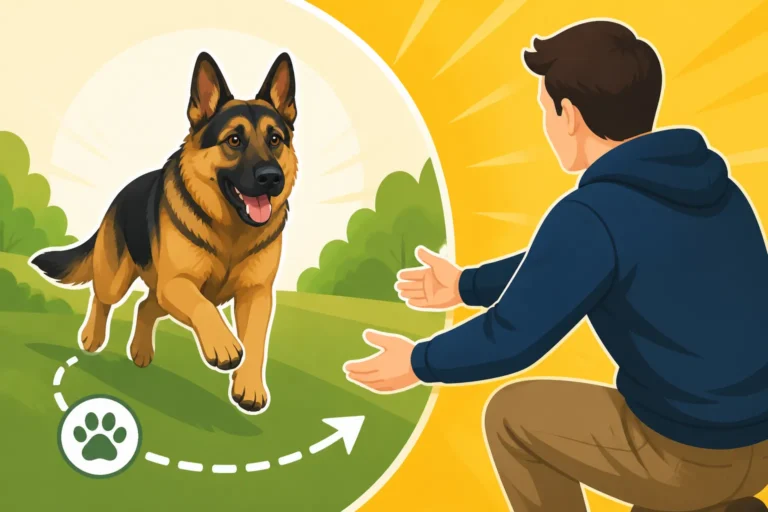
Gradually introduce a long line (a very long leash, like 30-50 feet) to simulate off-leash work, giving you a safety net. Only when your German Shepherd is consistently heeling perfectly on the long line in diverse, but still safe, environments should you attempt true off-leash heeling. For public spaces, always ensure your dog is legally allowed off-leash and that you have absolute confidence in their ability to respond to your commands, especially their recall. A reliable "come" command is paramount for off-leash safety. This is a journey, not a destination, and the rewards are walks that are a joy for both of you. For further guidance on canine freedom, explore How to Train a German Shepherd Off-Leash.
Heel Training Progress Tracker
To help you stay on track, here's a simple table you can use to track your German Shepherd's progress at different stages of heel training. Mark off each stage as you achieve consistent success.
| Stage of Training | Description | Low Distraction (e.g., home) | Medium Distraction (e.g., quiet park) | High Distraction (e.g., busy street) |
|---|---|---|---|---|
| Foundation | Dog consistently finds heel position with lure. | ✅ | ❌ | ❌ |
| Verbal Cue Added | Dog moves to heel position with "Heel" command + lure. | ✅ | ❌ | ❌ |
| Single Steps | Dog maintains heel for 1-3 steps with command & lure fading. | ✅ | ❌ | ❌ |
| Short Distance | Dog maintains heel for 10-20 feet with command only. | ✅ | ✅ | ❌ |
| Duration | Dog maintains heel for 30-60 seconds. | ✅ | ✅ | ❌ |
| Distraction Prep | Dog maintains heel with minor, controlled distractions. | ✅ | ✅ | ❌ |
| Moderate Distractions | Dog maintains heel past people, bikes, other dogs at a distance. | N/A | ✅ | ✅ |
| High Distractions | Dog maintains heel in bustling environments. | N/A | N/A | ✅ |
| Off-Leash Intro | Dog heels reliably on a long line in open spaces. | ✅ | ✅ | ❌ |
| Off-Leash Mastery | Dog heels reliably off-leash in varied environments. | ✅ | ✅ | ✅ |
Disclaimer
This article is for general informational purposes only and does not constitute professional advice. Laws, prices and regulations vary by location and change over time. Consult a qualified professional for guidance on your specific situation.