How to Do IGP Training with a German Shepherd
Embarking on IGP training with your German Shepherd is a commitment that goes far beyond basic obedience. It's a journey into a demanding and highly specialized dog sport that requires immense dedication, patience, and a deep understanding of your dog's instincts and capabilities. Many owners feel overwhelmed by the complexity of the three distinct phases—tracking, obedience, and protection—and wonder where to even begin. This comprehensive guide is here to demystify IGP, offering a realistic, step-by-step approach to help you and your German Shepherd navigate this challenging yet incredibly rewarding discipline.
Understanding IGP: More Than Just a Sport
IGP, formerly known as Schutzhund, is a German word meaning "protection dog." While the name has changed to Internationale Gebrauchshunde Prüfung (International Utility Dog Test), the core principles remain. It's a demanding dog sport that tests a dog's natural abilities, intelligence, trainability, physical prowess, and courage, all while emphasizing the handler's ability to communicate and control their dog. For German Shepherd owners, IGP offers a profound way to channel their dog's inherent working drives.
What is IGP and Why It Matters for German Shepherds
IGP isn't just about training a dog to bite a sleeve; it's a holistic program designed to prove a dog's utility and sound temperament. Originating in Germany in the early 20th century, it was developed to identify and maintain the working characteristics essential to the German Shepherd breed. In essence, it's a breed test, ensuring that dogs used for breeding possess the intelligence, courage, and stable nerves necessary to pass on these desirable traits. This deep historical connection makes it particularly relevant for German Shepherds, as the sport was literally created for them.
Think of IGP as an advanced degree for your German Shepherd. It requires a dog to perform complex tasks in three distinct phases: tracking, obedience, and protection. For many German Shepherd owners, it's a way to truly engage their highly intelligent and driven companions, preventing boredom and potential behavioral issues that can arise from a lack of mental and physical stimulation. It's a partnership, a dance between human and dog that builds an unbreakable bond based on trust and mutual respect.
Beyond the competitive aspect, IGP training offers immense benefits for the individual dog. It hones their natural instincts, sharpens their focus, and builds incredible confidence. The discipline and control required translate into a well-behaved, stable dog in everyday life. It's not about making your dog aggressive, but rather about channeling their protective instincts into a highly controlled, sport-specific manner.
The Three Phases of IGP: Tracking, Obedience, and Protection
The beauty and challenge of IGP lie in its tripartite structure. Each phase tests a different aspect of the dog's abilities and requires a different set of skills from both dog and handler. Achieving success across all three phases demands a truly well-rounded dog and a dedicated handler.
Phase A: Tracking (Fährtenarbeit)
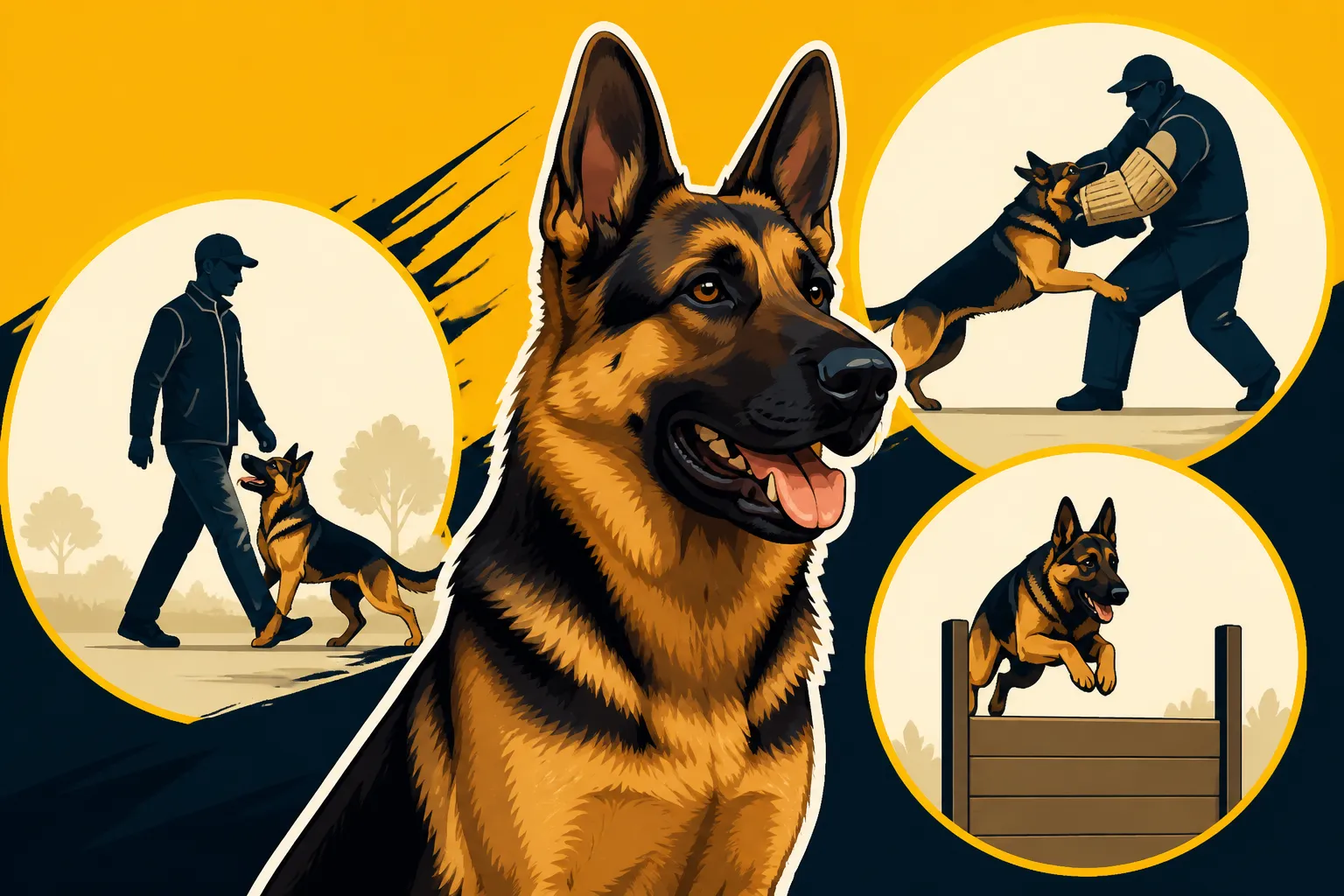
This phase evaluates the dog's ability to follow a human track, detecting and indicating small articles left by the tracklayer. It tests concentration, scent discrimination, endurance, and methodical work. The track itself varies in length, age, and complexity depending on the IGP level. For an IGP1 title, the track is usually at least 300 paces long with two corners and three articles, laid by a stranger at least 20 minutes before the dog tracks it. The dog must follow the track slowly and deliberately, nose to the ground, and indicate the articles by lying down or sitting beside them.
Phase B: Obedience (Unterordnung)
This phase is performed on a field and assesses the dog's willingness to work with the handler, their steadiness, confidence, and physical agility. It includes a variety of exercises such as heeling on and off-leash, retrieving a dumbbell (on flat, over a hurdle, and over a "A-frame" climb), a send-out with a down-stay, and long-down stays. Precision is paramount here, with judges looking for eager, animated, and correct execution of commands. Distractions are often present, adding to the challenge of maintaining focus.
Phase C: Protection (Schutzdienst)
This is often the most misunderstood phase. It tests the dog's courage, protective instincts, self-control, and ability to respond to commands under pressure. The dog must locate a "decoy" (a trained person wearing protective equipment) in a series of blinds, guard them, and then apprehend them on command, releasing their bite when instructed. The focus is on controlled aggression, strong gripping, and immediate obedience to the handler's commands. It's crucial to understand that this phase is not about teaching aggression for real-world scenarios but about channeling a dog's natural drives into a highly structured sport setting.
The Benefits of IGP Training for Your German Shepherd
Beyond the titles and the competition, IGP training offers a wealth of benefits for your German Shepherd and your relationship with them. It truly taps into what makes a German Shepherd a German Shepherd.
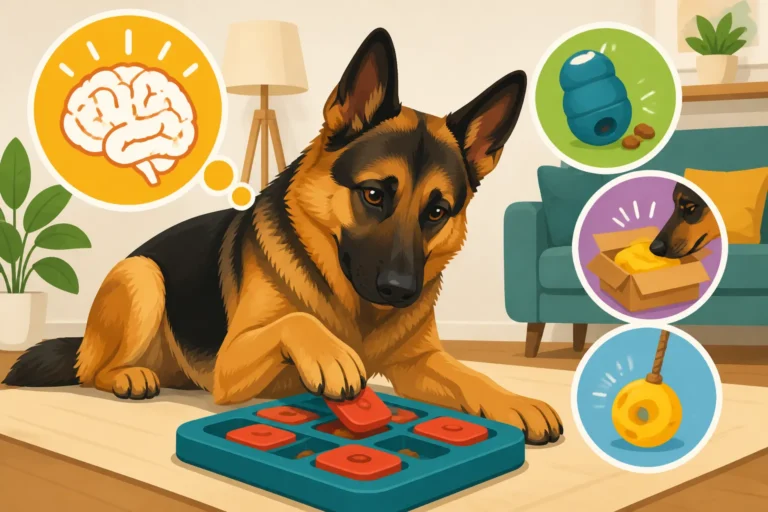
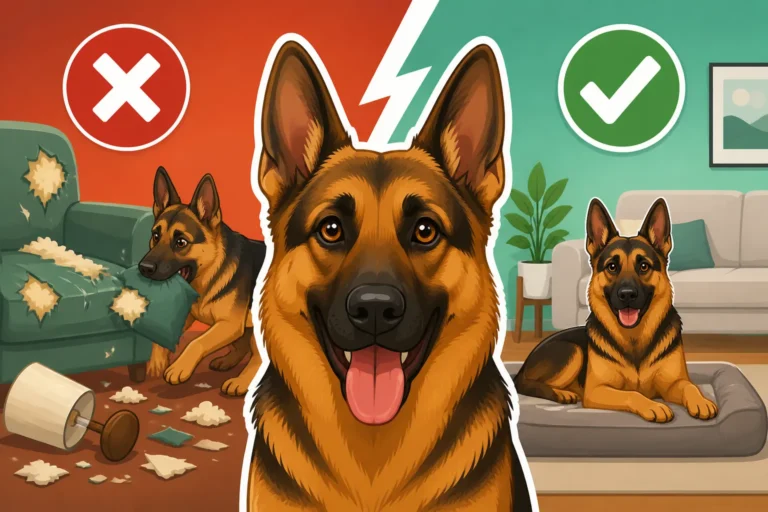
Firstly, it provides unparalleled mental and physical stimulation. German Shepherds are working dogs by nature; they thrive when given a job to do. IGP training engages their powerful noses in tracking, challenges their minds in complex obedience routines, and fulfills their protective drives in the controlled environment of protection work. This comprehensive engagement can significantly reduce the likelihood of boredom-induced behaviors like excessive barking, digging, or destructive chewing. You'll find your dog to be a much more calm and content companion at home because their innate needs are being met.
Secondly, IGP builds an incredible bond between you and your dog. The intense, collaborative nature of the training fosters deep trust and understanding. You learn to read your dog's subtle cues, and they learn to anticipate your commands and trust your leadership in high-pressure situations. This mutual respect and teamwork extend to every aspect of your life together. For more insights on building this kind of relationship, check out our guide on How to Train a German Shepherd.
Finally, IGP training enhances your German Shepherd's overall stability and confidence. A dog that is confident in their abilities and understands their role is less likely to be fearful or reactive in new situations. The consistent exposure to novel environments, people, and pressures within a structured training program helps to build a dog with solid nerves and a robust temperament, truly embodying the ideal traits of the breed.
Getting Started: Foundations for IGP Success
Diving into IGP isn't something you do on a whim. It requires a thoughtful approach, starting with evaluating your dog and laying down solid foundational skills. Rushing this initial phase can lead to frustration for both you and your German Shepherd.
Assessing Your German Shepherd's Suitability and Temperament
Not every German Shepherd, despite the breed's natural tendencies, is suited for IGP. It's vital to be honest about your dog's temperament and drives before committing to this path. What are you looking for? A dog with strong natural drives – prey drive, retrieve drive, and defensive drive – is crucial. They should be confident, resilient, and possess a good level of nerve strength, meaning they recover quickly from startling events and aren't overly fearful.
Observe your dog in various situations. Do they love to chase a ball or tug toy with intense focus? Do they show curiosity rather than fear in new environments? Are they generally outgoing and stable? A dog that is overly shy, fearful, or exhibits unprovoked aggression is not a candidate for IGP, as the sport relies on controlled expression of natural drives, not unstable temperament. A strong, confident German Shepherd is the ideal student. Our article on Understanding German Shepherd Behavior can help you assess these traits.
Essential Early Training and Socialization
Before you even think about blinds and tracks, your German Shepherd needs a rock-solid foundation in basic obedience and comprehensive socialization. This is non-negotiable. A dog that can't reliably heel, sit, stay, or come when called under distraction will struggle immensely in IGP. Start early, ideally as a puppy. Puppy classes and consistent daily training are key. For excellent foundational training resources, many people find online programs helpful, like those offered by BAXTER & Bella, which can provide a great head start before joining a local club.
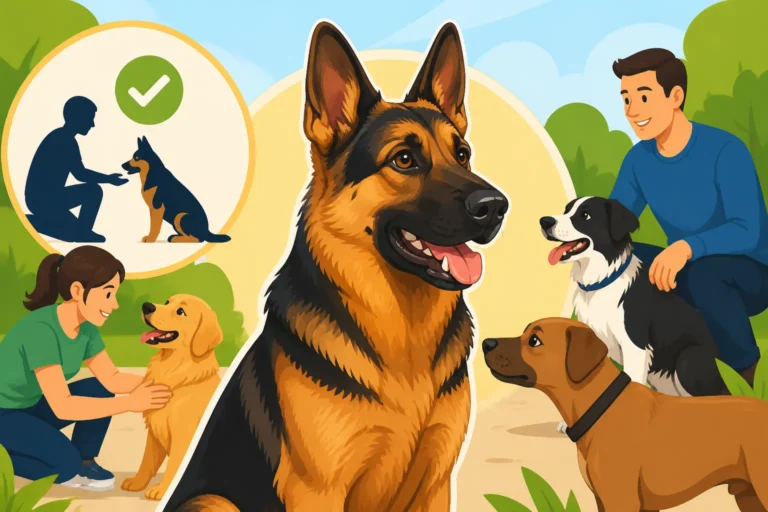
Socialization isn't just about meeting other dogs; it's about exposing your puppy to a wide variety of sights, sounds, people, and environments in a positive way. This builds confidence and helps them learn to navigate the world calmly. Think busy parks, different floor surfaces, loud noises, people wearing hats or carrying umbrellas – anything that might be a distraction later in training. A well-socialized dog is less likely to be reactive or fearful during IGP trials, especially in the busy environments of obedience and protection phases. Read our guide on How to Socialize a German Shepherd for a thorough approach.
Finding the Right Training Club and Mentor
This is perhaps the single most important step for an aspiring IGP team. IGP training is complex and cannot be effectively learned from a book or online video alone. You need hands-on guidance from experienced trainers who understand the nuances of the sport and the German Shepherd breed. Look for a local IGP club that is affiliated with a recognized organization (like USCA, DVG, or AWDF in the United States).
When visiting clubs, observe their training methods. Do they use positive reinforcement? Do the dogs look happy and engaged? Are the trainers knowledgeable and willing to answer questions? A good club will prioritize safety, ethical training practices, and the well-being of the dogs. It's a community, and finding a supportive group with experienced decoys and tracklayers is invaluable. Don't be afraid to try a few different clubs before settling on one that feels like the right fit for you and your dog. A mentor, someone who has successfully competed in IGP, can provide guidance, encouragement, and invaluable advice throughout your journey.
Phase 1: Mastering the Art of Tracking
Tracking is often where many IGP teams begin, as it builds immense focus, concentration, and a strong work ethic in the dog. It's a fascinating display of a dog's natural abilities and a humbling experience for the handler as you learn to trust your dog's nose.
The Basics of Scent Work: Building Drive and Focus
Before your German Shepherd is following complex tracks, you need to ignite their natural scenting abilities and teach them what you want them to do. Start with very simple, straight tracks in an area with minimal distractions, like a freshly mown field or a quiet park. The goal is to make tracking a highly rewarding game. Use high-value food rewards or small, scented articles (like a leather wallet or a piece of cloth) that you "plant" along a short, straight line.
Begin by having your dog on a long line and harness. Let them sniff the starting point (the "scent pad") and encourage them with a command like "track!" As they follow the scent trail, let them lead. Avoid pulling or directing them too much. The moment they find an article or the end reward, celebrate enthusiastically! The aim is to build massive drive for tracking, making it the most exciting game in the world. Gradually, you can introduce more difficult terrain, longer tracks, and older tracks as your dog gains confidence and proficiency. This early success builds a foundation for more advanced work.
Step-by-Step Tracking Exercises and Progression
Once your German Shepherd understands the basic concept, you'll start introducing the more formal elements of IGP tracking. This includes using specific tracking articles (like wood, leather, or felt), proper track-laying techniques, and eventually, corners.
- Straight Line Tracks with Articles: Start with a 30-50 step track with one or two small, scented articles along the way. The dog should indicate the articles by lying down immediately upon discovery. Reward lavishly for correct indication.
- Introducing Corners: Once straight tracks are consistent, begin introducing a 90-degree corner. The key is to make the corner obvious at first, perhaps by walking a slightly larger loop. Guide your dog through it, and praise heavily when they successfully navigate it. Gradually make the corners tighter and less forgiving.
- Varying Track Age and Laying: As your dog progresses, the tracks will get older (e.g., 5-10 minutes, then 20 minutes, then longer for higher levels) and will be laid by someone other than the handler. This teaches the dog to track "stranger scent" which is crucial for IGP. The tracklayer should walk naturally but consistently.
- Advanced Elements: For higher IGP levels, tracks become longer, have more corners, more articles, and can be laid in more challenging terrain (e.g., uneven ground, near light distractions). The dog must maintain speed and accuracy throughout.
A common pitfall is rushing the progression. Be patient, reinforce every success, and make sure your dog is solid at one level before moving to the next. High-quality tracking equipment, like a comfortable tracking harness and a 30-foot tracking line, can be found on platforms like Amazon.
Common Tracking Challenges and Solutions
Tracking isn't always smooth sailing. You'll encounter challenges, and how you address them will define your success.
- Losing the Track: If your dog lifts their head and seems to lose the scent, gently guide them back to where they were last tracking correctly. Don't pull them forward; let them work it out. If they consistently lose it, the track might be too old or complex for their current skill level. Go back to easier tracks.
- Speed: Some dogs want to rush. The goal in IGP tracking is a slow, methodical pace. If your dog is too fast, increase the value of the rewards on the track itself, making the act of sniffing more rewarding than just reaching the end. Shorten the track or use more difficult terrain to force them to slow down and concentrate.
- Head Up Tracking: A dog should track with their nose close to the ground. If your dog is tracking with their head up, they might be relying on air scent rather than ground scent, or they might not be fully committed to the task. Ensure the rewards are truly motivating and that the scent is clear enough for them to follow on the ground.
- Indicating Articles: Some dogs might sniff an article but not lie down or sit. Practice "article indication" separately by placing an article, having them find it, and immediately rewarding them when they lie down or sit next to it. Reinforce this specific behavior until it's automatic. Consistency is key here.
Remember, tracking is an art, not a science. Every dog is different, and you'll learn to understand your dog's specific tracking style and needs.
Phase 2: Precision in Obedience
The obedience phase of IGP showcases your German Shepherd's willingness and ability to work with you, even amidst significant distractions. It demands precision, enthusiasm, and a strong partnership.
Foundational Obedience Commands for IGP
Before you can tackle the complex routines of IGP obedience, your German Shepherd needs mastery of basic commands. These aren't just polite requests; they are the building blocks for every advanced exercise.
- Heel (Fuss): This is paramount. Your dog must walk precisely by your left side, shoulder aligned with your knee, attentive to you, whether on or off-leash. Start in quiet environments and gradually introduce distractions. This isn't just walking nicely; it's a focused, active position.
- Sit (Sitz) and Down (Platz): These commands need to be instantaneous and reliable, even from a distance. Practice them in various positions – from a heel, on the move, and with you moving away. The "long down" is a critical part of IGP, requiring your dog to stay in a down position for several minutes while you are out of sight or at a distance.
- Stay (Bleib): While not a formal command in IGP in the same way as basic pet obedience, the concept of remaining in position is woven into every exercise. Your dog needs to understand that a sit or down command means "stay until I release you."
- Recall (Hier): An absolutely vital command. Your dog must come to you immediately, every single time, no matter the distraction. This is a safety command first and foremost, but also part of the send-out exercise. For help with this, refer to our article on How to Teach a German Shepherd to Come.
Practice these commands daily, in short, fun sessions. Use positive reinforcement, high-value treats, and engaging toys to keep your dog motivated and eager to work.
Advanced Obedience Exercises and Handler Skills
Once the foundational commands are solid, you'll begin to chain them together and introduce the specific IGP exercises. This is where handler precision becomes just as important as dog precision.
- Heeling Routines: This includes fast, normal, and slow heeling, turns (left, right, about turn), and changes of pace. Your dog must remain focused and in position. Off-leash heeling is expected at trial, so practice this safely in a fenced area.
- Retrieving: The IGP retrieve is specific. The dog must go out, pick up a dumbbell (flat retrieve), then retrieve over a 1-meter hurdle, and finally over a 1.8-meter A-frame wall. The retrieve must be brisk, straight, and the dog must present the dumbbell directly to the handler in heel position. Many find that teaching a strong, enthusiastic retrieve from a young age is beneficial.
- Send Out with Down (Voraus): This is a visually impressive exercise where the dog is sent away from the handler across the field, often 30-40 paces, and on command, immediately lies down. This tests speed, control, and distance obedience.
- Long Down: While another dog is performing their obedience routine, your dog must perform a long down, remaining perfectly still and quiet at a distance, often out of sight from the handler. This tests nerve, stability, and patience.
Developing your own handler skills is crucial. Your body language, voice commands, and timing of rewards all play a huge role. Practice in front of a mirror or record yourself to identify areas for improvement.
Developing Control Under Distraction
The true test of IGP obedience comes under distraction. A perfectly executed heel in your living room is one thing; doing it with other dogs barking, people walking by, or the sounds of protection work happening nearby is another.
- Gradual Exposure: Introduce distractions slowly and systematically. Start with mild distractions (e.g., a friend walking by) and gradually increase the intensity (e.g., other dogs on leash, balls rolling, people jogging). Always set your dog up for success.
- Proofing: This means practicing commands in every conceivable environment. Take your training to different parks, fields, and even urban settings. The more varied the training environments, the more confident your dog will become in performing under pressure.
- High-Value Rewards: In highly distracting environments, you'll need extremely high-value rewards to keep your German Shepherd's focus. This might be a favorite squeaky toy, a piece of roasted chicken, or a vigorous game of tug. What motivates your dog the most?
- Engagement: The key to distraction proofing is to make you the most engaging thing in the environment. Play games, be animated, and constantly reinforce their attention on you. Building this strong bond and focus early on makes all the difference. Our article on German Shepherd Obedience Training Basics offers more insights into building this foundation.
Phase 3: The Drive and Discipline of Protection Work
The protection phase of IGP is arguably the most captivating and often misunderstood aspect of the sport. It's a highly choreographed display of a German Shepherd's inherent drive, courage, and obedience under extreme pressure. It is not about creating a randomly aggressive dog.
Understanding the Role of the Decoy and Bite Work Mechanics
The "decoy" is a specially trained individual who wears a protective bite sleeve and suit. Their role is to simulate a threat or engage the dog in a controlled manner, always focusing on safety and correct technique. A good decoy knows how to work with each dog, bringing out their best performance while ensuring no fear or confusion is instilled.
Bite work mechanics are critical. The dog is trained to grip the sleeve firmly and fully, holding onto it until commanded to release. This grip is not a wild, frantic grab, but a confident, strong, and full-mouthed hold. The dog learns to engage the decoy with controlled aggression and then, crucially, to disengage immediately on the handler's command. This "out" command, where the dog releases the sleeve and returns to the handler, is one of the most important parts of protection training, demonstrating the dog's absolute control and obedience. For those interested in understanding the nuances, our guide on How to Stop a German Shepherd from Biting can provide context on controlled vs. uncontrolled biting.
Building Confidence and Controlled Aggression
Protection training starts with building the dog's confidence and channeling their natural prey drive. Initially, it's a game of tug, where the decoy is the "toy." The dog learns to chase and catch the sleeve, viewing it as a highly rewarding object. The decoy's movements are designed to excite the dog's prey drive, not to scare them.
As the dog's confidence grows, defensive drives are gradually introduced. This teaches the dog to stand their ground and engage the decoy, not out of fear, but out of a strong desire to protect their handler or "territory" (the sleeve). The key word here is "controlled" aggression. Every action is instigated and ended by the handler's command. The dog learns to differentiate between the sport scenario and real life, understanding that the sleeve is a game piece, not a real person to be harmed. This distinction is paramount and why this training must be done under the guidance of experienced professionals.
Safety, Ethics, and Progression in Protection Training
Safety is the absolute priority in IGP protection work. For the dog, the decoy, and the handler. This is why it's imperative to train only with certified, experienced decoys and within a reputable IGP club. Never attempt bite work on your own or with untrained individuals.
Ethically, protection training should only be undertaken with dogs that have the stable temperament and drives suitable for the work. It should never be used to create an "attack dog" for general public protection, as this can lead to dangerous and unpredictable behavior. IGP dogs are trained to respond to specific cues in a sporting context, not to be a vigilant "attack dog" in daily life.
Progression in protection training is slow and meticulous. It starts with foundation work on a long line, with short engagements, building drive and a solid bite. As the dog develops, the exercises become more complex:
- Searching blinds: The dog must locate the decoy hidden in a series of "blinds" (small shelters).
- Hold and bark: Upon locating the decoy, the dog must bark to alert the handler, without touching the decoy.
- Escape bite: The decoy attempts to escape, and the dog must pursue and apprehend.
- Courage test: The decoy rushes the dog to test their nerves and willingness to engage.
- Long bite: The dog must run a significant distance to engage the decoy.
Each step is carefully introduced, built upon, and proofed to ensure the dog understands their role and remains under the handler's complete control at all times.
Long-Term Commitment: Continuing Your IGP Journey
IGP isn't a destination; it's a continuous journey of learning, growth, and partnership. Earning a title is a fantastic achievement, but maintaining and progressing your skills requires ongoing dedication.
Competition Preparation and Trial Day Strategies
Preparing for an IGP trial is a journey in itself, filled with excitement and nerves. It’s a chance to showcase all the hard work you and your German Shepherd have put in, but it’s also a high-pressure environment.
- Mock Trials: Most clubs hold informal mock trials or practice days. These are invaluable for getting both you and your dog accustomed to the trial atmosphere, the setup, and the expectations. It helps identify areas where your dog might struggle under pressure.
- Physical Conditioning: Your German Shepherd needs to be in peak physical condition. The obedience and protection phases, in particular, are physically demanding. Regular exercise like running, swimming, and agility work can help build stamina and muscle tone. Consider their German Shepherd Exercise Requirements and tailor a fitness routine.
- Mental Preparation: For the handler, mental preparation is just as important. Understand the rules inside out, visualize your routine, and learn to manage your nerves. Your dog can pick up on your stress, so a calm, confident handler makes for a calm, confident dog.
- Trial Day Logistics: Plan everything in advance: travel, accommodations, food for you and your dog, and all necessary equipment. Arrive early to allow your dog to acclimate to the environment. Keep their routine as normal as possible to minimize stress. Focus on enjoying the experience with your partner, regardless of the outcome.
Maintaining Training and Preventing Skill Fade
After a trial, or even if you're not actively competing, regular training is essential to maintain your German Shepherd's skills and keep them sharp. Just like any athlete, consistency is key.
- Regular Practice: Don't let weeks go by without touching on all three phases. Even short, fun sessions can help keep the muscle memory and mental engagement active.
- Varying Locations: Continue to train in different environments to keep your dog adaptable and prevent them from becoming "arena specific."
- New Challenges: As your dog masters one level, consider working towards the next IGP title (e.g., IGP2, IGP3) or exploring advanced exercises within the sport. This keeps both of you engaged and prevents boredom.
- Cross-Training: Sometimes, stepping away from formal IGP for a bit and engaging in other activities like scent work games (separate from formal tracking), agility, or even advanced trick training can refresh your dog's enthusiasm and build complementary skills. For instance, puzzle toys available on Amazon can provide great mental stimulation on off-training days.
Remember, the goal isn't just to pass a test, but to maintain a well-trained, engaged, and happy working dog.
The Joy and Rewards of IGP with Your German Shepherd
IGP training is undoubtedly challenging, demanding immense time, effort, and financial investment. But the rewards are immeasurable. There's a profound sense of accomplishment when you and your German Shepherd successfully navigate a complex track, execute a flawless obedience routine, or perform a strong, controlled protection sequence.
More than the ribbons and titles, IGP deepens the bond with your German Shepherd in a way few other activities can. You see their incredible intelligence, their unwavering loyalty, and their boundless spirit shine through. You become a true team, a partnership built on trust, communication, and shared goals. It's a journey that reveals the full potential of your magnificent dog and your own capabilities as a handler. For more on the breed's impressive traits, consider exploring their German Shepherd Intelligence and Trainability. Watching your German Shepherd thrive in this environment, doing what they were bred to do, is truly one of the most fulfilling experiences a dog owner can have.
| IGP Phase | Key Skills Tested | Primary Equipment Needed | General Goals |
|---|---|---|---|
| Tracking | Scent discrimination, concentration, endurance, methodical work, article indication | Tracking harness, long tracking line, tracking articles, flags, track layer scent pad | Follow human scent trail accurately, indicate articles, maintain focus and steady pace |
| Obedience | Precision heeling, reliable sits/downs, retrieves, send-out, long down, handler control | Flat collar, leash, dumbbells (wood, metal), hurdle, A-frame, training treats/toys | Execute commands precisely, enthusiastically, and under distraction; demonstrate strong partnership |
| Protection | Courage, confidence, controlled aggression, full grip, immediate "out" command, guarding | Bite sleeve, full bite suit, whip (for auditory stimulus, not hitting), blinds, flag (for commands) | Locate decoy, engage confidently, bite firmly, release on command, guard, remain under handler control |
Disclaimer
The information provided in this article is for general informational purposes only and is not intended as a substitute for professional veterinary advice, diagnosis, or treatment. Always seek the advice of your veterinarian or other qualified health provider with any questions you may have regarding a medical condition. Furthermore, IGP training, especially the protection phase, involves inherent risks. It should only be pursued under the direct, hands-on guidance of experienced, certified IGP trainers and decoys in a reputable club setting. Never attempt protection training without professional supervision, as this can be dangerous for both dog and handler. The safety and well-being of your German Shepherd and all involved individuals should always be the top priority.