Human Foods German Shepherds Can Safely Eat
It's a common dilemma, isn't it? You're sitting down for a meal, and those big, soulful German Shepherd eyes are fixed on you, practically begging for a bite. We all want to share our food with our beloved companions, but the fear of accidentally giving them something harmful can be truly paralyzing. This guide is here to alleviate that worry, offering a comprehensive look at human foods your German Shepherd can safely enjoy, how to prepare them, and what to keep in mind for their well-being.
Navigating the Kitchen: Essential Guidelines for Feeding Human Foods
Before we dive into specific food items, it's crucial to establish some ground rules. Feeding human foods isn't just about knowing what's safe; it's also about how you offer it. German Shepherds have robust digestive systems, but they can still be sensitive to sudden changes or rich, fatty foods. A little planning goes a long way in preventing an upset stomach or worse.
Moderation and Portion Control Are Key
Think of human foods as occasional treats or healthy additions, not as a replacement for their balanced diet. German Shepherds, especially those prone to conditions like obesity or German Shepherd Pancreatitis Symptoms and Treatment, need their caloric intake carefully monitored. Even healthy human foods contain calories, and too much can lead to weight gain, which puts undue stress on their joints, potentially exacerbating issues like German Shepherd Hip Dysplasia Explained.
When introducing new foods, start small. A tiny piece of apple, a single green bean – just enough to see how their system reacts. If you notice any digestive upset, like diarrhea or vomiting, stop feeding that food immediately and consult your vet. Over time, you can gradually increase the portion size, but always keep it to a small percentage of their overall daily food intake. We’re talking about a spoonful or two, not a whole plate!
Preparation Matters: Keep it Plain and Simple
The way we prepare our food is often very different from what's safe for dogs. Seasonings, oils, butter, and sauces that make our meals delicious can be incredibly harmful to your German Shepherd. Onions and garlic, for instance, are toxic to dogs in all forms (raw, cooked, powdered). High-fat foods can lead to pancreatitis, a painful and serious inflammation of the pancreas.
Always offer human foods in their plainest form. This means raw or steamed vegetables, unseasoned cooked meats, and fruits with all seeds, pits, and cores removed. If you're cooking chicken for yourself, set a small unseasoned piece aside for your German Shepherd before you add any spices. This simple step can prevent a trip to the emergency vet and ensure your furry friend enjoys a safe, wholesome treat.
Nature's Bounty: Safe Fruits and Vegetables for Your German Shepherd
Adding fresh produce to your German Shepherd's diet can provide extra vitamins, minerals, and fiber. Many fruits and vegetables are low in calories and high in nutrients, making them fantastic, guilt-free snacks. However, it's essential to know which ones are safe and how to prepare them properly to avoid choking hazards or digestive issues.
Wholesome Fruits for a Healthy Snack
Fruits can be a sweet and hydrating treat, especially on a warm day. They're packed with antioxidants and vitamins, offering a natural boost. Just remember to always wash them thoroughly, remove any seeds, pits, or cores, and offer them in manageable, bite-sized pieces.
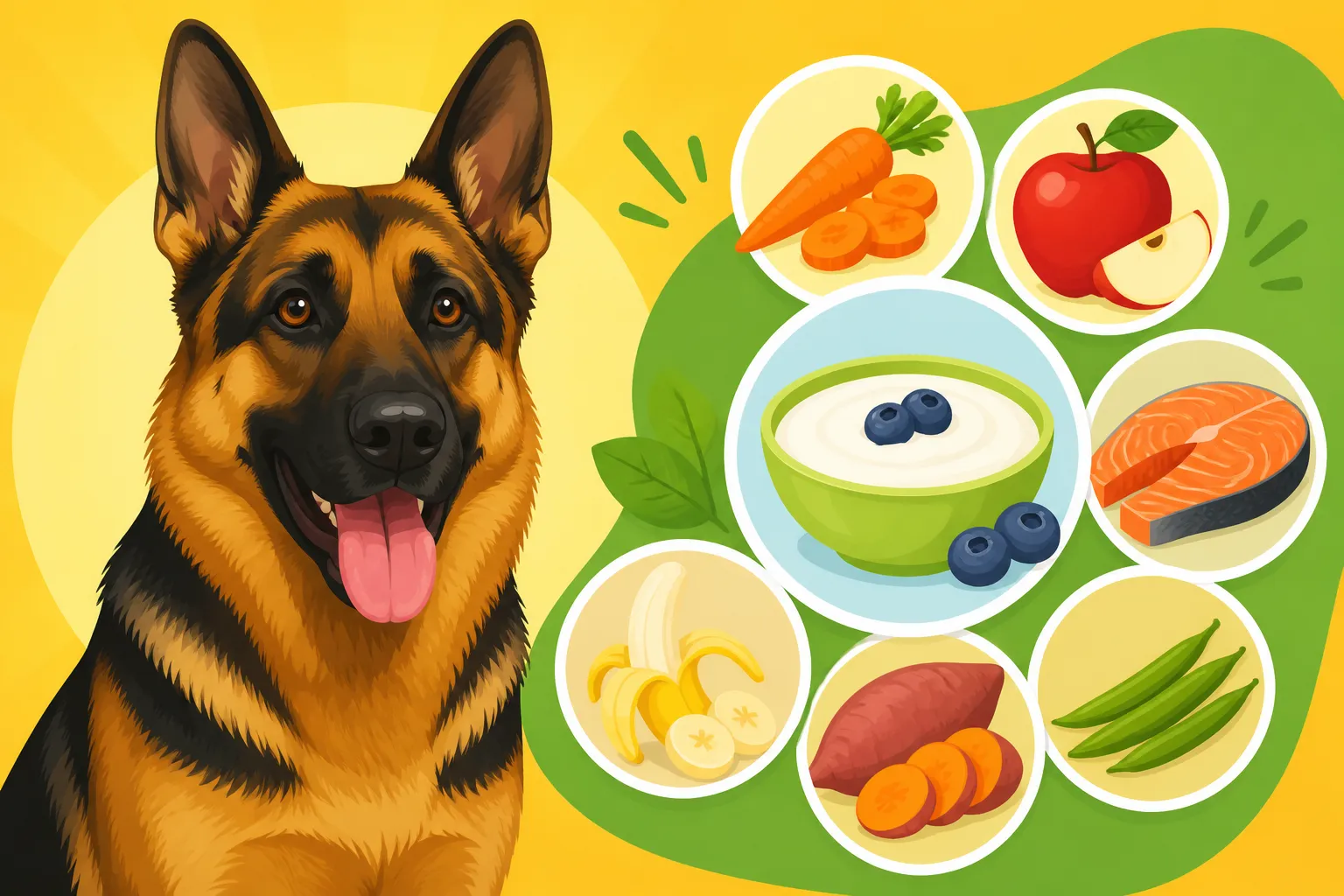
Apples, without the core and seeds, are a fantastic source of fiber and vitamins A and C. A few slices can be a refreshing treat. Just be absolutely certain to remove all seeds, as apple seeds contain cyanide and are toxic. Bananas, in moderation, offer potassium, vitamin B6, and vitamin C. They're a bit higher in sugar, so just a small slice or two is plenty. Blueberries are tiny powerhouses of antioxidants and are perfectly safe for German Shepherds. You can offer them fresh or frozen, and they make great training treats. Watermelon, seedless and rind-free, is mostly water, making it incredibly hydrating and low in calories, perfect for summer.
Nutritious Vegetables to Supplement Their Diet
Vegetables are another excellent way to add fiber, vitamins, and minerals without a lot of extra calories. They can even help promote a feeling of fullness for dogs on a weight management plan. Again, preparation is key: plain, cooked, or raw (depending on the veggie) and cut into appropriate sizes.
Carrots are wonderful crunchy treats that can also help clean their teeth. They're high in beta-carotene, which is good for vision. You can give them raw in small chunks or steamed. Green beans, whether raw or steamed (without salt!), are a low-calorie, nutrient-dense snack rich in vitamins K, C, and A, as well as fiber. They're often recommended for dogs needing to lose a few pounds. Sweet potatoes, cooked and peeled, are a fantastic source of dietary fiber, vitamins B6 and C, and beta-carotene. Never feed raw sweet potato, as it can be difficult for dogs to digest. Cucumbers are almost entirely water, making them a hydrating, very low-calorie crunch for your German Shepherd, especially good for a German Shepherd Weight and Obesity Risks concern.
Protein Power & Dairy Delights: Meats, Eggs, and More
Beyond fruits and vegetables, certain lean proteins and dairy products can also be safe and beneficial additions to your German Shepherd's diet. These can offer essential amino acids, calcium, and probiotics, contributing to overall health and vitality. However, just like with produce, the method of preparation is paramount to ensure safety.
Lean Meats for a Protein Boost
Cooked, unseasoned, and lean meats are often a huge hit with German Shepherds and can be excellent sources of protein. Remember, raw meat carries risks of bacterial contamination, so always cook meat thoroughly. Avoid any meat that has bones still in it, as cooked bones can splinter and cause serious internal injury.
Plain cooked chicken (breast or thigh, skinless, boneless), turkey, and lean beef are generally safe. These should be boiled or baked without any oils, butter, or spices. Once cooked, shred or chop the meat into small, digestible pieces. For a German Shepherd with a sensitive stomach, these bland protein sources are often part of a veterinarian-recommended diet to help soothe digestive upset. You can find pre-portioned, human-grade lean meats at many grocery stores, or even through specialized pet food retailers that offer fresh, gently cooked options, like those found on Chewy or Ollie.
Dairy in Moderation: Yogurt and Cheese
While not all dogs tolerate dairy well due to lactose intolerance, some dairy products can be given in small amounts. These can provide beneficial probiotics or a tasty calcium boost. Always introduce dairy slowly and watch for any signs of digestive upset.
Plain, unsweetened yogurt (especially Greek yogurt) with live and active cultures can be a fantastic source of probiotics, which are great for gut health. Make sure it contains no artificial sweeteners, especially xylitol, which is highly toxic to dogs. A spoonful mixed into their regular food or as a special treat can be very appealing. Small amounts of low-fat cheese, like mozzarella or cheddar, can also be offered as high-value training rewards. While cheese isn't necessarily unhealthy, its fat content means it should be an occasional treat, not a regular snack.
Eggs and Peanut Butter: Versatile Treats
These two items are often staples in many households and can be shared with your German Shepherd under the right conditions. They offer different nutritional benefits and can be very motivating for training or enrichment.
Cooked eggs, without any seasonings, are a fantastic source of protein, vitamins, and minerals. Scrambled, boiled, or poached, they're a safe and nutritious addition. They're easy to prepare and many German Shepherds absolutely adore them. As for peanut butter, it’s a classic! It’s a great source of protein and healthy fats, but it's crucial to choose an all-natural, unsweetened variety that contains no xylitol. Xylitol is a sugar substitute found in many "sugar-free" products, including some peanut butters, and it is deadly to dogs. Always check the ingredient label carefully. A small spoonful can be given as a treat or used to hide medication. For more ideas on healthy additions to their diet, check out our guide on German Shepherd Nutrition Essentials.
Here's a quick summary table of common safe human foods:
| Food Item | Preparation Notes | Key Benefits (in moderation) | Potential Issues (if not prepared correctly) |
|---|---|---|---|
| Fruits | |||
| Apples | Core and seeds removed, sliced | Fiber, Vitamins A & C | Cyanide in seeds, choking hazard |
| Bananas | Peeled, small slices | Potassium, Vitamin B6, C | High sugar content (moderation!) |
| Blueberries | Washed, whole or mashed | Antioxidants | Choking hazard for very small puppies |
| Watermelon | Seedless, rind-free, cubed | Hydration, Vitamins A & C | Choking from seeds/rind |
| Vegetables | |||
| Carrots | Raw or steamed, cut into chunks | Beta-carotene, Fiber, Dental health | Choking hazard |
| Green Beans | Raw or steamed, no salt | Fiber, Vitamins K, C, A | Choking hazard |
| Sweet Potatoes | Cooked, peeled, plain | Fiber, Vitamins B6, C, Beta-carotene | Indigestion if raw |
| Cucumbers | Washed, sliced | Hydration, low calorie | Choking hazard |
| Proteins/Dairy | |||
| Lean Chicken/Turkey | Cooked plain, boneless, skinless, shredded | Protein | Seasonings, bones, fat |
| Lean Beef | Cooked plain, fat trimmed, shredded | Protein | Seasonings, bones, fat |
| Plain Yogurt | Unsweetened, no xylitol, active cultures | Probiotics, Calcium | Xylitol toxicity, lactose intolerance |
| Low-fat Cheese | Small amounts, low sodium | Calcium, Protein (treat only) | High fat content, lactose intolerance |
| Cooked Eggs | Plain, scrambled, boiled, or poached | Protein, Vitamins | Seasonings |
| Peanut Butter | All-natural, no xylitol | Protein, Healthy fats | Xylitol toxicity, high calories |
What to Watch Out For: The "No-Go" List (A Brief but Crucial Reminder)
While this guide focuses on what your German Shepherd can eat, it's impossible to discuss human foods without emphasizing the ones they absolutely cannot have. Accidental ingestion of toxic foods is a frequent cause of emergency vet visits. Being vigilant about these harmful items is as important as knowing the safe ones. If you're ever in doubt, it's always safer to err on the side of caution and simply not offer the food.
Commonly toxic foods include chocolate, grapes and raisins, onions, garlic, avocado, macadamia nuts, and any product containing xylitol. Alcohol and caffeine are also extremely dangerous. Bones, especially cooked ones, are a significant choking hazard and can cause internal damage. While we might enjoy these items, for our German Shepherds, they pose serious health risks that range from mild digestive upset to organ failure and even death. Always keep these items out of reach and ensure all family members are aware of what's off-limits. For a general understanding of canine health, our German Shepherd Health Problems Guide offers valuable insights into common ailments.
Remember, a German Shepherd's primary diet should always be a high-quality, balanced dog food. These human food additions are just that – additions. They can add variety, enjoyment, and extra nutrients, but they should never replace the complete nutrition provided by a well-formulated commercial dog food. Always consult with your veterinarian before making significant changes to your German Shepherd's diet, especially if they have any underlying health conditions or are on specific medications. They can provide personalized advice tailored to your dog's individual needs and health status. You can find many reputable brands of dog food on sites like Amazon that cater to large breeds with specific nutritional requirements.
Disclaimer
The information provided in this article is for educational and informational purposes only and does not constitute veterinary advice. Always consult with a qualified veterinarian for any health concerns or before making any changes to your German Shepherd's diet or health regimen.