How to Train a German Shepherd Without Treats
It’s a common scenario: you’ve got your amazing German Shepherd, eager to learn, and a pocket full of tiny, smelly training treats. They work wonders, right? But then you find yourself in a bind – you’re out of treats, your dog won’t budge, or worse, they’re getting a little, shall we say, fluffy from all those delicious rewards. Many German Shepherd owners face the frustration of feeling like a walking vending machine for their dog’s cooperation. But what if you could train your intelligent companion just as effectively, if not more so, without relying on food? This guide is here to show you how to build a deep, lasting connection and teach your German Shepherd everything they need to know, using powerful, non-food motivators that strengthen your bond, not just their waistline.
Why You Might Want to Train Without Treats
Let's be honest, those little morsels are undeniably effective in capturing a dog's attention, especially when they're new to training. But the truth is, while treats are excellent for initial motivation and teaching new behaviors, they can sometimes become a crutch. Owners often find themselves in situations where their German Shepherd only performs when a treat is visible, leading to a frustrating dependence rather than true understanding and enthusiasm for cooperation.
Addressing Calorie Concerns and Weight Management
One of the most immediate and practical reasons to explore treat-free training is your German Shepherd’s health. These magnificent dogs are prone to certain health conditions, and managing their weight is paramount. Giving even small treats multiple times a day during training sessions can quickly add up. A handful of pea-sized treats might seem insignificant, but over weeks and months, especially if you're working on complex behaviors or multiple short sessions daily, those extra calories contribute to weight gain.
An overweight German Shepherd is at a significantly higher risk for developing or exacerbating joint issues like German Shepherd Hip Dysplasia Explained and German Shepherd Elbow Dysplasia: Symptoms and Treatment, common ailments in the breed. Excess weight puts undue stress on their developing and aging joints, leading to pain, reduced mobility, and a decreased quality of life. By reducing or eliminating caloric treats, you're taking a proactive step in their long-term health, ensuring they can remain active and agile, enjoying their working dog heritage without the burden of extra pounds. It's not just about aesthetics; it's about preserving their physical well-being.
Avoiding "Bribing" and Building Intrinsic Motivation
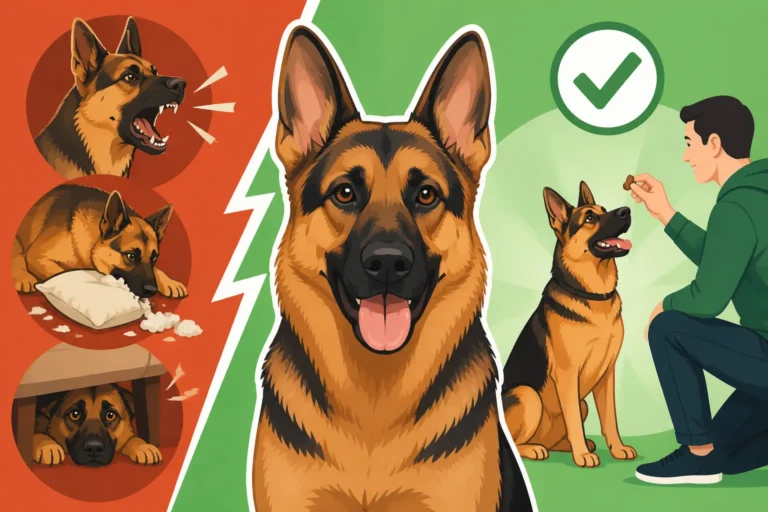
Think about it from your dog's perspective: if they only get a reward when they see a treat in your hand, are they truly learning the command, or are they learning to associate your hand with a treat as the signal to perform? This can quickly turn into bribing, where your German Shepherd demands to see the payment before offering the desired behavior. You might find yourself constantly fishing for treats, even for simple commands they've known for ages.
The goal of true training is to foster intrinsic motivation – for your German Shepherd to want to work with you because they value your praise, your attention, and the opportunity to engage. When you move beyond treats, you encourage your dog to perform because they understand the command, enjoy the interaction, and seek your approval, not just a sugary snack. This builds a much deeper and more reliable working relationship. It encourages them to think, to offer behaviors, and to be truly engaged in the training process, rather than just waiting for the next edible incentive.
Practicality in Real-World Scenarios
Imagine you’re out on a hike with your German Shepherd, enjoying nature, and suddenly they spot a deer or another dog in the distance and get distracted. You need an immediate, reliable recall. Are you going to fumble for a treat? What if your hands are full, or the treats are squashed, or you simply forgot them?
Treat-free training ensures that your German Shepherd's responses are not dependent on a physical reward you might not have on hand. It prepares them for real-life situations where quick, unconditional obedience is crucial for their safety and the safety of others. Whether it's a sudden stop at a busy intersection, preventing them from greeting an unwilling stranger, or simply maintaining focus in a distracting environment, having a German Shepherd that responds out of habit and relationship, not just expectation of food, is invaluable. This reliability is especially important for breeds like the German Shepherd, known for their strong prey drive and protective instincts.
The Foundation: Building a Strong Relationship and Clear Communication
At the heart of any successful German Shepherd training program, especially one that aims to be treat-free, lies an unbreakable bond between dog and owner. Without the immediate allure of food, your German Shepherd relies heavily on their connection with you, trusting your guidance and valuing your approval. This isn't just about giving commands; it's about mutual respect, understanding, and a shared desire to work together.
Establishing Trust and Leadership Through Positive Reinforcement
Building trust isn't about dominance or force; it’s about consistent, fair, and positive interactions. Your German Shepherd needs to see you as a benevolent leader, someone who provides security, direction, and enjoyable experiences. This leadership isn't just about giving commands, but about consistent boundaries, predictable routines, and responding to their needs.
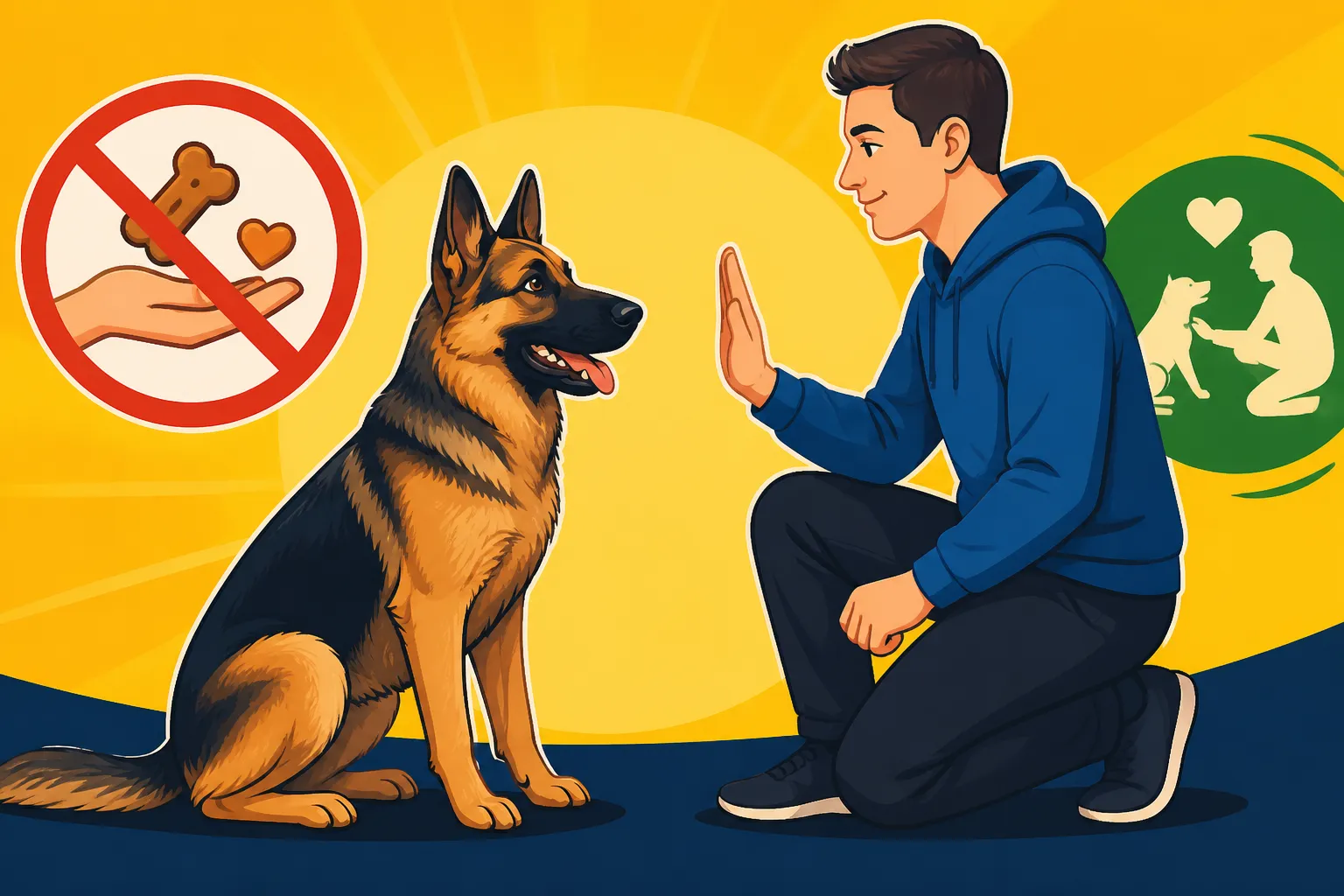
Positive reinforcement, even without food, is key. This includes genuine verbal praise ("Good boy!" with an enthusiastic tone), a gentle scratch behind the ears, or a moment of focused attention. It's about making your presence and approval the most valuable thing in their world. When you consistently reward desirable behaviors with these non-food motivators, your German Shepherd learns that pleasing you is inherently rewarding. This foundation of trust makes them eager to engage and less likely to "check out" if there's no treat involved. Remember, a German Shepherd values purpose and connection; becoming their trusted leader provides both.
Mastering Verbal Markers and Body Language
In treat-free training, your voice and body language become incredibly powerful tools, essentially replacing the "click" of a clicker or the sight of a treat. A verbal marker, like a clear, sharp "Yes!" or "Good!", serves as an immediate signal that your dog has performed the correct action at the exact moment it happened. This precision helps them understand precisely what they did right.
But it goes beyond just words. Your body language communicates volumes to your German Shepherd. A relaxed, confident posture tells them you're in control. Clear hand signals, consistent gestures, and even your gaze can convey commands and expectations without a single word or treat. For instance, a direct, engaged gaze can communicate focus, while turning your back briefly can communicate disapproval of an unwanted behavior. When teaching something like German Shepherd Obedience Training Basics, consistency in these non-verbal cues is critical. Practice using your verbal markers with enthusiasm and your body language with purpose, and you’ll find your German Shepherd tuning into your every move, eager to understand and respond.
Understanding Your German Shepherd's Natural Drives
German Shepherds are magnificent, intelligent working dogs, and understanding their innate drives is crucial for effective, treat-free training. These drives are powerful motivators that you can harness to your advantage.
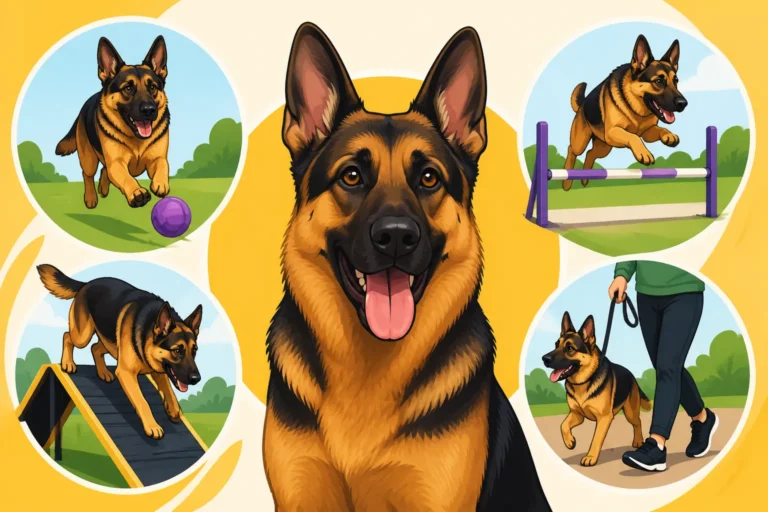
- Prey Drive: Many German Shepherds have a strong prey drive, the instinct to chase and capture. This isn't necessarily about hunting live animals; it translates beautifully into play with toys. A game of fetch with a favorite ball, or a structured tug-of-war session, can be an incredibly high-value reward for a German Shepherd who’s just performed a challenging command.
- Play Drive: Beyond prey drive, German Shepherds often possess a strong general play drive. They love to interact, to run, to chase, and to engage in games with their human companions. This drive can be a reward in itself. The opportunity to play after a successful training sequence can reinforce behavior just as strongly as a treat.
- Desire for Praise and Affection: Perhaps the most undervalued drive is their inherent desire for your approval and affection. German Shepherds are loyal and bond deeply with their families. They crave inclusion, interaction, and positive attention. A hearty "Good boy!" accompanied by a joyful ear rub or a quick cuddle can be incredibly rewarding, especially when delivered with genuine enthusiasm.
By tapping into these natural inclinations, you're not just offering a reward; you're fulfilling an innate need. This makes the reward more meaningful and helps your German Shepherd understand that training isn't just about performing for food, but about engaging in activities that are inherently satisfying and strengthen their bond with you. When you understand what truly motivates your German Shepherd, you unlock a world of treat-free possibilities.
Effective Treat-Free Training Techniques
Once you’ve established a solid foundation of trust and clear communication, you're ready to dive into the practical side of treat-free training. The key is to expand your definition of "reward" beyond food, tapping into what truly motivates your German Shepherd. These methods leverage their natural instincts and desire for interaction, making training a joyful and enriching experience for both of you.
Utilizing Praise and Affection as Powerful Reinforcers
The simplest yet most profound non-food reward is your genuine praise and affection. For a German Shepherd, who bonds deeply and craves connection, your positive attention is gold. It’s not just a mumbled "good dog"; it’s a full-body, enthusiastic response that conveys joy and approval.
- Vocal Praise: Use a happy, high-pitched voice for immediate praise. Words like "Yes!" "Good job!" or "Smart dog!" delivered with genuine excitement can light up your German Shepherd's face. The tone is often more important than the specific words.
- Physical Affection: A gentle rub behind the ears, a vigorous scratch on their favorite spot (often the chest or flanks), or a quick cuddle can be highly rewarding. Pay attention to what your individual dog enjoys most. Some prefer a quick pat, others love a more prolonged embrace. Tailor your affection to their preference.
- Focused Attention: Sometimes, simply getting your undivided attention is a huge reward. Taking a moment to make eye contact, offer a soft word, or just acknowledge their presence after a good behavior reinforces that they are valued and seen. This is particularly potent for a breed that thrives on being part of the family and having a job to do.
The power of praise and affection lies in its ability to strengthen your bond. It communicates love and approval, making your German Shepherd feel connected and appreciated, which in turn makes them more eager to please you in the future. This deepens the relationship, turning training into a collaborative dance rather than a transaction.
Leveraging Play and Toy Rewards
For many German Shepherds, a favorite toy can be a higher-value reward than any treat. Their innate prey drive and desire for activity make play an incredibly potent motivator. However, not all play is equal; it needs to be structured and used strategically as a reward.
- Tug Toys: A short, controlled game of tug can be a fantastic reward for a successful retrieve or a solid "stay." The key is that you initiate and end the game, teaching your German Shepherd self-control and that the toy is a privilege. Durable tug toys, often found on platforms like Amazon, are essential for strong chewers.
- Fetch Balls: A quick throw of a favorite ball (again, you control the start and end) after a perfect "recall" can make that command incredibly strong. This taps into their chase instinct and love for vigorous exercise.
- Engagement Toys: Some German Shepherds respond well to squeaky toys or interactive puzzle toys (though these are often food-motivated, the hunt aspect can be rewarding). The key is to make the toy available only as a reward during training, increasing its perceived value.
When using toys, ensure the play is short and exciting. Don't let it devolve into an extended play session until after the training is over. The toy should be presented, engaged with briefly, and then put away, signaling the end of the reward. This keeps the toy special and ensures it remains a powerful incentive. This can also be a fantastic way to meet their German Shepherd Exercise Requirements in a structured way.
Incorporating Environmental Rewards and Life Rewards
Environmental and life rewards are often overlooked but are incredibly effective because they tap into what your German Shepherd naturally wants to do. These are rewards that are part of their daily life and environment.
- Access to Desired Activities: Does your German Shepherd love to sniff around the yard? Does a walk around the neighborhood get their tail wagging? Use these as rewards! Ask for a "sit" before opening the door to the yard, or a "down" before clipping on the leash for a walk. The reward for the desired behavior is immediate access to a highly desired activity.
- "Go Sniff" Command: For German Shepherds who love to explore with their noses, a "Go Sniff" command can be a wonderful reward. After a particularly good heel or a focused "watch me," release them with this command to explore a patch of grass. This is inherently rewarding and fulfills a natural canine behavior.
- Freedom and Choice: Allowing your German Shepherd a moment of controlled freedom, like letting them off-leash in a safe, enclosed area after a successful series of commands, can be a huge motivator. This teaches them that good behavior leads to greater freedom and trust.
The beauty of environmental rewards is that they are always available and cost nothing. They integrate seamlessly into daily life, making training a constant, positive interaction rather than a separate, formal session.
Structured Games and Activities as Training Tools
German Shepherds are highly intelligent and thrive on mental stimulation. Turning training into a game keeps them engaged and makes learning fun, further reducing the need for food rewards.
- Hide and Seek: This isn't just a fun game; it reinforces "stay" and "recall." Have your dog "stay" while you hide, then call them. The reward is finding you and getting enthusiastic praise. This strengthens their German Shepherd Recall Training Step-by-Step reliably.
- "Find It" Games: Hide a favorite toy and ask your German Shepherd to find it. This engages their powerful sense of smell and their problem-solving skills. The reward is the satisfaction of the find and the subsequent play with the toy.
- Agility Drills: Even if you don't do formal agility, setting up simple obstacles in your yard (e.g., jumping over a broomstick, weaving through cones) and guiding your dog through them can be incredibly rewarding. The mental and physical challenge, combined with your praise, is often enough. This provides excellent Best Mental Stimulation for German Shepherds.
- "Follow Me" or Leash Games: Practice loose-leash walking by making yourself the most interesting thing. Change direction frequently, speed up, slow down, and reward your dog's attention with praise and a sudden burst of energy from you. The goal is to make walking with you more engaging than pulling towards distractions.
Many online resources, including comprehensive programs similar to those offered by BAXTER & Bella, emphasize game-based learning and relationship building as core components of their training philosophy, which naturally supports moving beyond constant food rewards once basic concepts are grasped. By making training a dynamic and interactive experience, you ensure your German Shepherd remains enthusiastic and motivated without needing a treat in hand.
Step-by-Step: Phasing Out Treats (If You Started With Them)
If you’re reading this, chances are you’ve already been using treats, and that’s perfectly fine! Treats are an excellent tool for initially grabbing attention and clearly marking desired behaviors. The real skill, and where you strengthen your bond and build a truly reliable companion, comes in transitioning away from that constant food reward. This isn't about suddenly cutting them off, but rather a gradual, thoughtful process.
Gradual Reduction and Randomization
The biggest mistake people make when trying to go treat-free is stopping cold turkey. This often leads to frustration for both you and your German Shepherd. Instead, think of it as a delicate dance of fading.
Start by gradually reducing the frequency of treats. If you were giving a treat for every single "sit," now give one for every other "sit," then every third, and so on. Your German Shepherd will still get treats, but they won't be able to predict exactly when. This introduces an element of exciting randomness, which actually keeps motivation high, similar to how a slot machine works! They know a reward might come, so they keep trying.
While reducing the frequency, immediately introduce and layer in your non-food rewards. So, for that "sit" that doesn't get a treat, give enthusiastic verbal praise ("YES! Good sit!"), a happy scratch, or a quick toss of a favorite toy. Your German Shepherd needs to understand that other things are also valuable. This teaches them that success still leads to good things, even if it's not always food. This approach helps prevent a sudden drop in motivation and maintains a positive training environment.
Transitioning to Life Rewards and Play
As you reduce treat frequency and randomize their delivery, actively replace them with life rewards and play. This is where your understanding of your German Shepherd's natural drives truly shines.
Let's say your German Shepherd loves going outside. Instead of giving a treat every time they sit patiently at the door, start praising them ("Good wait!") and then immediately open the door as the reward. The desired outcome (going outside) becomes directly linked to the desired behavior (sitting patiently). For a high-energy breed, the anticipation of a walk or a run in the yard can be incredibly powerful. This is a perfect opportunity to practice How to Teach a German Shepherd to Come by using the freedom to play as the reward for a quick return.
Similarly, if they adore playing fetch, ask for a "down-stay" for a few seconds before throwing the ball. The reward isn't the treat for the stay; it's the exciting game of fetch that follows. Make these transitions explicit and immediate. The moment they perform the desired behavior, deliver the non-food reward. This clear association helps your German Shepherd understand the new currency of your training relationship. Over time, they'll learn that working with you leads to all sorts of wonderful things that they naturally desire.
Maintaining Motivation Without Food
The journey to fully treat-free training is ongoing, and maintaining your German Shepherd's motivation requires continuous effort and creativity on your part.
First, keep your training sessions varied and engaging. German Shepherds are smart; repetitive drills without new challenges or rewards can lead to boredom. Introduce new commands, practice old ones in new environments, or add fun twists to familiar exercises. Keep the sessions short, upbeat, and always end on a positive note.
Second, remain consistent with your verbal praise, affection, and play rewards. Your enthusiasm is contagious! If you sound bored, your dog will be bored. If you're genuinely excited by their success, they'll feed off that energy. Occasionally, for a particularly challenging new behavior or a breakthrough in a difficult skill, you might reintroduce a high-value treat very rarely and unexpectedly. This surprise element can act as a "jackpot" and recharge their motivation without re-establishing a dependence. Think of it like a bonus, not a baseline.
Finally, remember that the strongest motivator for a German Shepherd is their bond with you. Continue to build that relationship through daily interactions, play, and mutual respect. When your German Shepherd sees you as their trusted partner and the source of all good things (adventure, play, affection, security), they will be inherently motivated to work with you, treat or no treat. This deep connection is the ultimate reward, for both of you.
| Reward Type | Description | Benefits | Best Used For |
|---|---|---|---|
| Verbal Praise | Enthusiastic, happy vocalizations (e.g., "Good boy!", "Yes!") | Immediately marks desired behavior, strengthens bond, always available, no calories. | All behaviors, especially initial learning and reinforcing existing commands. |
| Physical Affection | Gentle petting, ear rubs, scratches on favorite spots | Deepens bond, calming, highly valued by many GSDs, no calories. | Calm behaviors like "sit," "down," "stay," as well as general positive reinforcement. |
| Play/Toy Reward | Short game of tug, fetch, or chasing a favorite toy | Taps into natural prey/play drive, high energy release, can be very high value. | High-energy commands (recall), complex sequences, building drive. |
| Environmental/Life Rewards | Access to desired activities (e.g., door opening for walk, "go sniff") | Integrates training into daily life, fulfills natural desires, always relevant. | Leash manners, door manners, recall in distracting environments, self-control. |
| Focused Attention | Direct eye contact, engaged presence, specific acknowledgement | Builds connection, shows value, reinforces leadership without dominance. | "Watch me" command, maintaining focus, calm interactions. |
Disclaimer
The information provided in this article is for general informational purposes only and is not a substitute for professional veterinary advice, diagnosis, or treatment. Always seek the advice of your veterinarian or other qualified animal health provider with any questions you may have regarding a medical condition or treatment plan for your German Shepherd.