How to Stop a German Shepherd Jumping on Guests
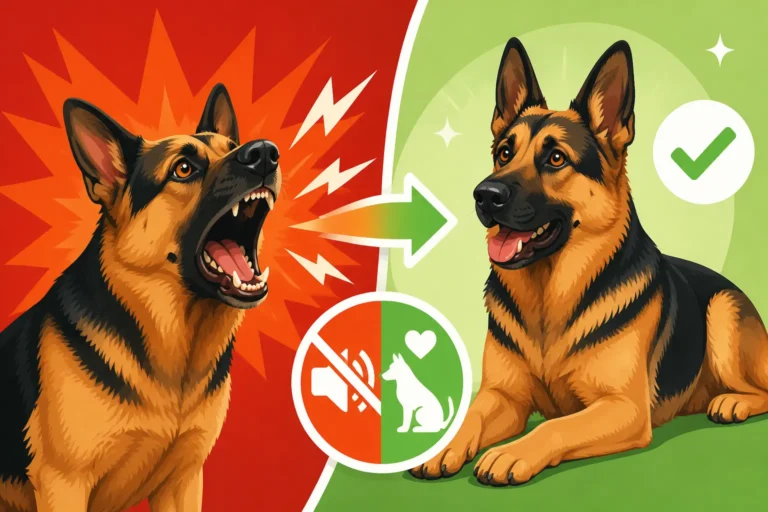
One of the most common and often frustrating challenges for German Shepherd owners is dealing with a super enthusiastic greeting from their beloved companion, especially when guests arrive. It’s not just annoying; a large, powerful German Shepherd jumping up can be genuinely intimidating, knock someone over, or even injure a child or elderly person. You love your dog’s spirit, but you desperately want peaceful, polite interactions. This guide will walk you through clear, actionable strategies to teach your German Shepherd proper guest etiquette, transforming those chaotic greetings into calm, controlled introductions.
Understanding Why Your German Shepherd Jumps
It’s easy to feel like your German Shepherd is deliberately misbehaving when they leap onto an unsuspecting visitor, but their intentions are usually far from malicious. Understanding the root causes of this behavior is the first step toward effectively addressing it. It’s not about them being "bad dogs," but rather about them lacking appropriate communication skills and impulse control in exciting situations.
Excitement and Over-Arousal
German Shepherds are incredibly intelligent, athletic, and often deeply bonded with their families. When a new person, especially a beloved guest, enters their territory, their excitement can skyrocket. This isn't just about greeting; it's an entire surge of energy and anticipation. For many dogs, jumping is their instinctual way of trying to get closer to a face level, to sniff, to lick, and to express their boundless joy. They haven't learned a more polite way to channel that high energy, and the sudden rush of a new scent and presence can override any fleeting thoughts of good manners. They might not even register the human discomfort in that moment of over-arousal.
Seeking Attention and Reinforcement
Dogs are masters of understanding what gets them a reaction. Even if that reaction is negative – a push, a stern "no," or someone yelping – it's still attention in their eyes. Think about it: when your German Shepherd jumps, do people immediately look at them, speak to them, or physically interact with them to push them down? All of these actions, even scolding, can inadvertently reinforce the jumping behavior. Your dog learns, "Aha! If I jump, I get noticed!" It becomes a learned behavior because it's been rewarded, however unintentionally, with interaction. This is why consistency is so incredibly important; even a single instance of accidental reinforcement can set training back.
Lack of Clear Boundaries and Consistent Training
This is perhaps the biggest piece of the puzzle. German Shepherds thrive on structure and clear expectations. If the rules around greeting guests aren't crystal clear and consistently enforced by everyone in the household, your dog will naturally fill in the gaps with their own interpretation – often, that means jumping. One person might allow a little jump, another might strictly forbid it, and a third might ignore it. This inconsistency creates confusion for your intelligent German Shepherd. They don't understand why the rules change, and without a solid, known alternative behavior to offer, they revert to what's natural for them: an enthusiastic, albeit unwelcome, leap. This points to the need for a comprehensive approach to German Shepherd obedience training basics, where every family member is on the same page.
Essential Foundation Training for Polite Greetings
Before you can effectively stop your German Shepherd from jumping on guests, you need to lay a solid foundation of basic manners. This isn't just about correcting unwanted behavior; it's about teaching your dog what to do instead. Polite greetings are built upon reliable obedience commands and a clear understanding of what’s expected.
The "Four Paws on the Floor" Rule
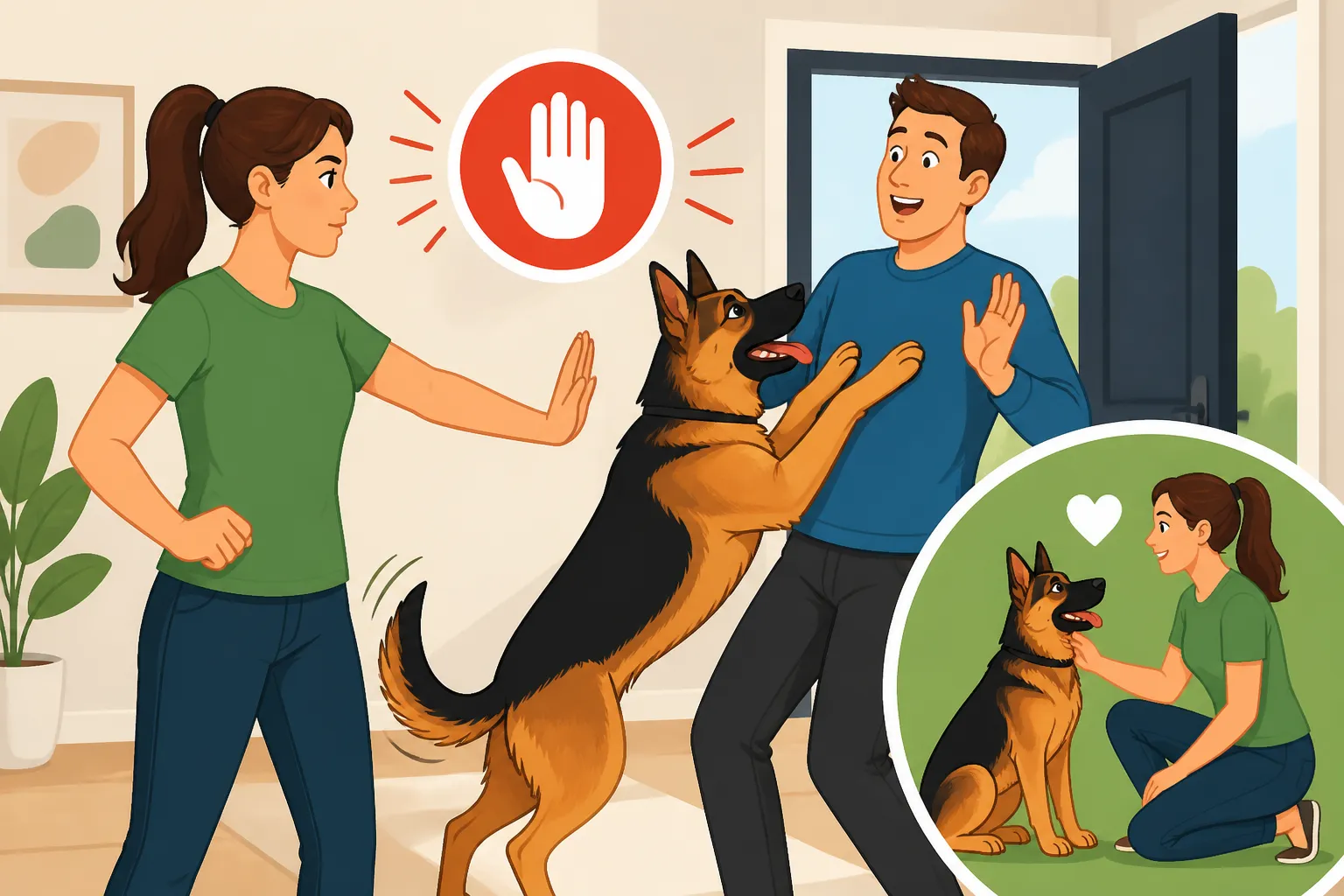
This is the golden rule, and it needs to be practiced relentlessly, not just when guests arrive. The core idea is that any attention or reward only happens when all four of your German Shepherd's paws are firmly on the ground.
Start by practicing this with just yourself in a low-distraction environment. Approach your dog. If they jump up, immediately turn your back, cross your arms, and completely ignore them. No eye contact, no speaking, no touching. The moment their paws touch the floor, even for a split second, turn back around, offer calm praise ("Good four paws!"), and give a small, high-value treat. Repeat this over and over. Gradually increase the duration they need to keep all four paws on the floor before getting a reward. You can even combine this with a verbal cue like "off" or "four on the floor" right as they bring their paws down. This teaches them that calm behavior gets rewards, while jumping makes you disappear. Remember, a German Shepherd puppy first week training should include these early manners to establish good habits from the start.
Teaching an Alternative Behavior
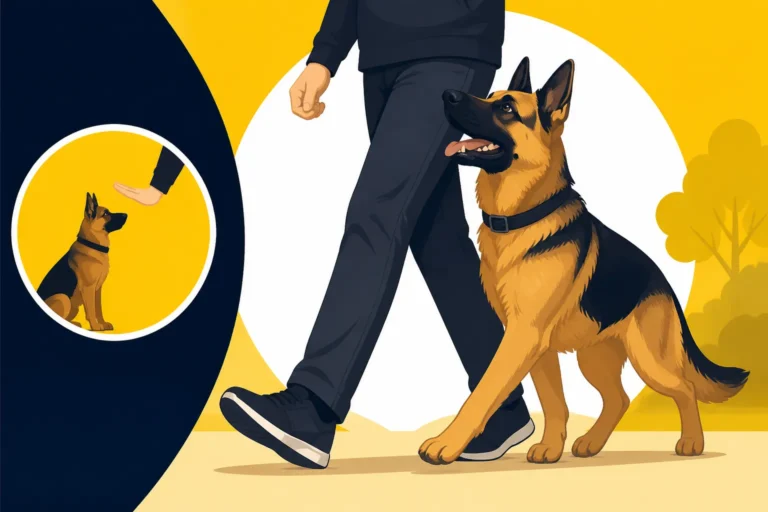
Instead of just telling your dog "no" for jumping, give them a clear alternative behavior that will earn them praise and rewards. The most common and effective alternative is a "sit" or a "down."
When you anticipate a greeting (or just practicing for one), ask your German Shepherd to "sit" or "down" before any interaction can occur. If they hold the sit, even for a second, reward heavily with treats and calm praise. Slowly build up the duration and add distractions. Practice this repeatedly in various scenarios – when you come home, when family members enter the room, and then, eventually, with a calm, understanding friend acting as a "practice guest." The goal is for your German Shepherd to automatically offer a sit or a place command when someone approaches, knowing it's their ticket to attention and rewards. For a truly challenging dog, consider starting with something like a "German Shepherd Clicker Training for Beginners" approach to mark and reward the exact moment they offer the desired behavior.
Leash Management and Management Tools
Sometimes, no matter how much training you do, a German Shepherd's excitement can simply overwhelm their good intentions. This is where management tools come into play, especially during the learning phase.
A sturdy leash and a reliable harness (like a front-clip harness) or a head halter can be invaluable. When guests are about to arrive, have your German Shepherd on a leash. This gives you immediate physical control. If they try to jump, a gentle, firm pull on the leash can redirect their energy. A front-clip harness is particularly effective because it redirects their body sideways when they pull forward, making it much harder for them to jump effectively. You can easily find these types of harnesses and leashes on Amazon, often with detailed reviews from other large-dog owners. The key is not to yank or punish, but to use the leash as a tool for clear communication and redirection, helping your dog understand the boundary of "four paws on the floor." This is a critical aspect of effective German Shepherd leash training: step-by-step guidance.
Here's a quick comparison of popular training aids for managing jumping:
| Tool Type | Description | Pros | Cons |
|---|---|---|---|
| Flat Collar & Leash | Standard collar around the neck, attached to a leash. | Easy to use, widely available. | Less control for strong pullers/jumpers, can put pressure on the trachea if dog pulls hard. |
| Front-Clip Harness | Clips at the chest, redirects dog's body to the side when they pull. | Excellent for preventing pulling and jumping, less strain on neck, comfortable for dog. | Some dogs may chew at the front strap; requires proper fitting. |
| Head Halter | Fits over the muzzle and behind the ears, giving control over the head. | Provides significant control, useful for strong dogs, prevents jumping by controlling head direction. | Can be uncomfortable for some dogs initially, requires desensitization; can be mistaken for a muzzle. |
| Slip Lead | All-in-one collar and leash, tightens when dog pulls. | Quick and easy to put on, useful for quick control during introductions. | Can be misused if not applied correctly; not for prolonged use; can apply pressure to the neck if not used gently. |
Practical Strategies for Guest Arrivals
Once your German Shepherd has a solid understanding of basic commands like "sit" and "stay," and you're comfortable using a leash for control, it's time to put those skills into practice during real-life guest arrivals. This stage is all about managing the environment and the interaction itself to set your dog up for success.
Pre-Arrival Preparation
The key to a calm greeting often lies in what you do before the doorbell even rings. A tired German Shepherd is a well-behaved German Shepherd, especially when it comes to managing their excitement.
Start by giving your German Shepherd plenty of mental and physical exercise well before your guests are due to arrive. This might mean a long, brisk walk, an intense game of fetch, some advanced obedience training that really makes them think, or even a session of mentally stimulating puzzle toys. The goal is to drain some of that boundless German Shepherd energy so they're more inclined to be calm. Think about what will really tire them out – for some, it's a good run; for others, it's a solid 30 minutes of scent work or training drills. You can also prepare a special "enrichment zone" for your dog. This could be their crate (if they are crate trained for a German Shepherd Crate Training: Step-by-Step approach), a designated dog bed, or a sectioned-off area with a long-lasting chew toy (like a Kong stuffed with peanut butter or a bully stick). The idea is to have a calm, engaging activity ready for them to occupy themselves with, redirecting their focus away from the door.
Controlled Introductions
When guests finally arrive, it's crucial to manage the introduction step-by-step, rather than letting chaos ensue. This is where your pre-training and management tools really shine.
Keep your German Shepherd on a leash, ideally with a front-clip harness, when the doorbell rings. Instruct your guests before they even come inside to completely ignore your dog initially. No eye contact, no talking, no petting – nothing. This prevents your dog from getting over-aroused and reduces the perceived reward for jumping. As your guests enter, have your dog in a controlled "sit" or "down" away from the door. Reward them for holding this position while the guests settle in. Once your dog is consistently calm, you can then allow a calm interaction. Have your guest ask for a "sit" and, when the dog complies with "four paws on the floor," they can offer a treat and a calm pet. If the dog jumps, the guest immediately withdraws attention (turns away, stops petting). This teaches your dog that calm equals positive interaction, while jumping makes the fun stop. This method is also excellent for German Shepherd socialization: step-by-step introductions to new people and situations.
Enlisting Guest Cooperation
Your training efforts will be severely undermined if your guests aren’t on board with the plan. This can feel awkward, but it's essential for your German Shepherd's success.
Before guests arrive, send a quick text or make a call explaining your training goals. Say something like, "Hey, we're working on polite greetings with [Dog's Name] when people come over. When you arrive, please just ignore him completely until he's settled and has all four paws on the floor. I'll let you know when he's ready for some calm pets!" Most understanding friends and family will be happy to help. For less understanding or more rambunctious guests (like children who might excitedly rush your dog), you might need to take extra precautions, such as keeping your German Shepherd on a leash or behind a baby gate in another room until they are completely calm and settled. Reiterate the "four paws on the floor" rule to everyone involved. You can even keep a stash of dog-safe treats near the door for guests to use when your dog performs the desired polite behavior.
Consistent Practice with Different People
Training your German Shepherd to greet you politely is one thing; transferring that skill to every new person who walks through the door is another. Consistency is the magic word here.
The more often your dog practices polite greetings with a variety of people, in different settings, and with consistent rules, the stronger the behavior will become. Don't just save this training for special occasions. Ask friends to come over specifically to help you practice. Vary who comes to the door – sometimes a quiet friend, sometimes a more energetic one (but always instructed to follow your rules!). Practice with different times of day, different levels of excitement. Each successful, calm greeting reinforces the desired behavior. Think of it like building a muscle – the more reps you do, the stronger it gets. If you're struggling to find practice partners, consider enrolling in a good online training program, many of which offer specific modules for polite greetings. Brands like BAXTER & Bella provide comprehensive online dog training programs that can guide you through these steps with video tutorials and support, allowing you to practice at your own pace with various "simulated" guest scenarios.
Advanced Tips and Troubleshooting
Even with a strong foundation, some German Shepherds might need extra guidance or specific strategies to overcome deeply ingrained jumping habits or high-arousal tendencies. Don’t get discouraged if the initial steps aren’t an instant fix; consistency and patience are your best allies.
Addressing High-Energy Jumping
If your German Shepherd's jumping is a result of truly extreme over-arousal that seems impossible to calm, you might need to modify your approach or seek more intensive interventions.
One effective technique is a controlled "time-out" before the jumping starts. If you know your dog gets incredibly excited at the sound of the doorbell, preemptively put them on a leash or in their designated calm space (like their crate or a quiet room) before guests arrive. This isn't a punishment, but a management strategy to prevent the undesirable behavior from occurring in the first place. You can gradually reintroduce them to the greeting scenario once the initial wave of guest arrival excitement has passed and they've had a chance to calm down.
Another tactic for high-energy jumpers is using a barrier. A baby gate or an exercise pen can be placed a few feet inside your entryway. Your German Shepherd can see and hear the guests but is physically prevented from jumping. This allows them to observe the greeting calmly, and you can reward them for "four paws on the floor" behind the barrier. Once they consistently remain calm, you can gradually move the barrier further back or remove it entirely, always going at your dog's pace. This is particularly useful for How to Stop German Shepherd Hyperactivity that contributes to jumping.
Dealing with Doorbell Excitement
For many German Shepherds, the doorbell isn't just a sound; it's a trigger for an immediate burst of excitement and adrenaline. Training them to associate the doorbell with calm behavior is a game-changer.
Start by desensitizing your dog to the doorbell. Have a friend ring the doorbell (or use a recording on your phone) while you're ready with high-value treats. As soon as the doorbell rings, immediately reward your German Shepherd for staying calm, or for performing a "sit" or "place" command. Don't even open the door initially. Repeat this many times, gradually increasing the time between the doorbell sound and the reward. The goal is to change your dog's emotional response from "OMG, someone's here!" to "Oh, doorbell! That means I sit calmly and get a treat!"
Once they are consistently calm with the sound, you can add opening the door, but again, without a real person there at first. Ring, dog sits, you open the door a crack, reward, close the door. Build up to actually having a "practice guest" step just inside, then immediately step back out, rewarding your dog for remaining calm. This structured approach helps your German Shepherd learn to control their impulses in the face of their biggest trigger. This type of desensitization is also helpful for How to Stop German Shepherd Excessive Barking at Strangers.
Seeking Professional Guidance
There are times when, despite your best efforts, you might feel like you're not making progress. This is absolutely normal, and it’s a sign that it might be time to bring in the pros.
A certified professional dog trainer, especially one experienced with German Shepherds, can offer invaluable insights. They can observe your dog's behavior in person, identify specific triggers or nuances you might be missing, and tailor a training plan unique to your dog's personality and your household's dynamics. They can demonstrate techniques, provide immediate feedback, and help you overcome plateaus. Many trainers offer private sessions, group classes, or even online consultations. Don't view seeking professional help as a failure; view it as an investment in a more harmonious relationship with your German Shepherd. They can help you with a wide range of German Shepherd Behavior Problems and Solutions.
Additionally, consulting with your veterinarian is always a good idea if your German Shepherd's jumping seems unusually intense or accompanied by other concerning behaviors like excessive panting, drooling, or frantic pacing. Sometimes, underlying medical issues or anxiety can contribute to over-arousal, and a vet can rule out health concerns or discuss potential behavioral medication options if appropriate. Remember, a holistic approach to your German Shepherd's health and wellbeing, as outlined in a German Shepherd Health Problems Guide, can impact their behavior.
A well-socialized, well-trained German Shepherd is a joy to live with, and polite greetings are a significant part of that. With patience, consistency, and the right strategies, you can absolutely teach your loyal companion to welcome guests with calm grace rather than an exuberant leap.
Disclaimer
Please remember that this article provides general information and recommendations. Every German Shepherd is an individual, and results may vary. Always consult with a qualified veterinarian or certified professional dog trainer for personalized advice regarding your dog's specific health and behavioral needs.