How to Stop German Shepherd Hyperactivity
It's incredibly frustrating, isn't it? You love your German Shepherd to bits, but sometimes it feels like they have an endless supply of rocket fuel. They zoom around the house, bounce off the walls, bark at every leaf that blows by, and generally act like a canine hurricane. This kind of persistent, over-the-top energy can be exhausting for owners and, frankly, isn't always healthy for your dog. This comprehensive guide is here to help you understand why your German Shepherd might be hyperactive and, more importantly, equip you with the practical strategies to bring more calm and balance into both your lives.
Decoding German Shepherd Hyperactivity: What Does It Look Like?
When we talk about hyperactivity in German Shepherds, we're not just talking about a puppy's playful bursts of energy, often affectionately called "zoomies" or "frapping" (Frenetic Random Activity Periods). While those are normal and healthy expressions of joy, true hyperactivity is a more persistent, disruptive pattern. It’s that feeling your dog is always on, always searching for something to do, and struggles immensely to settle down.
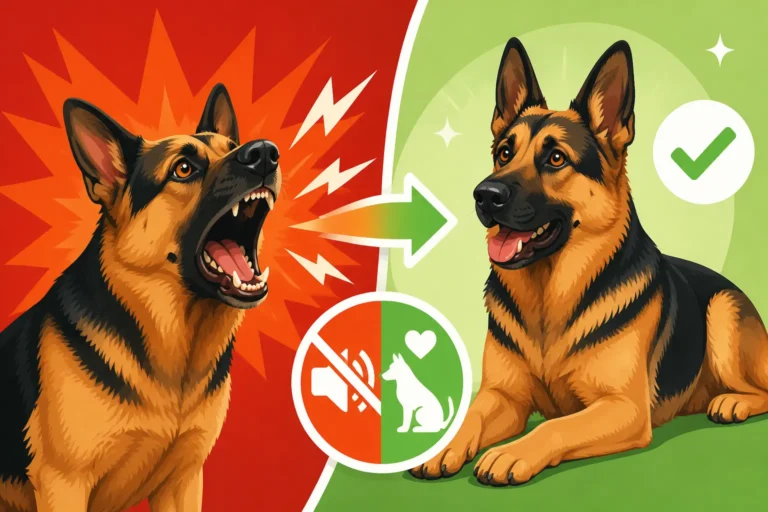
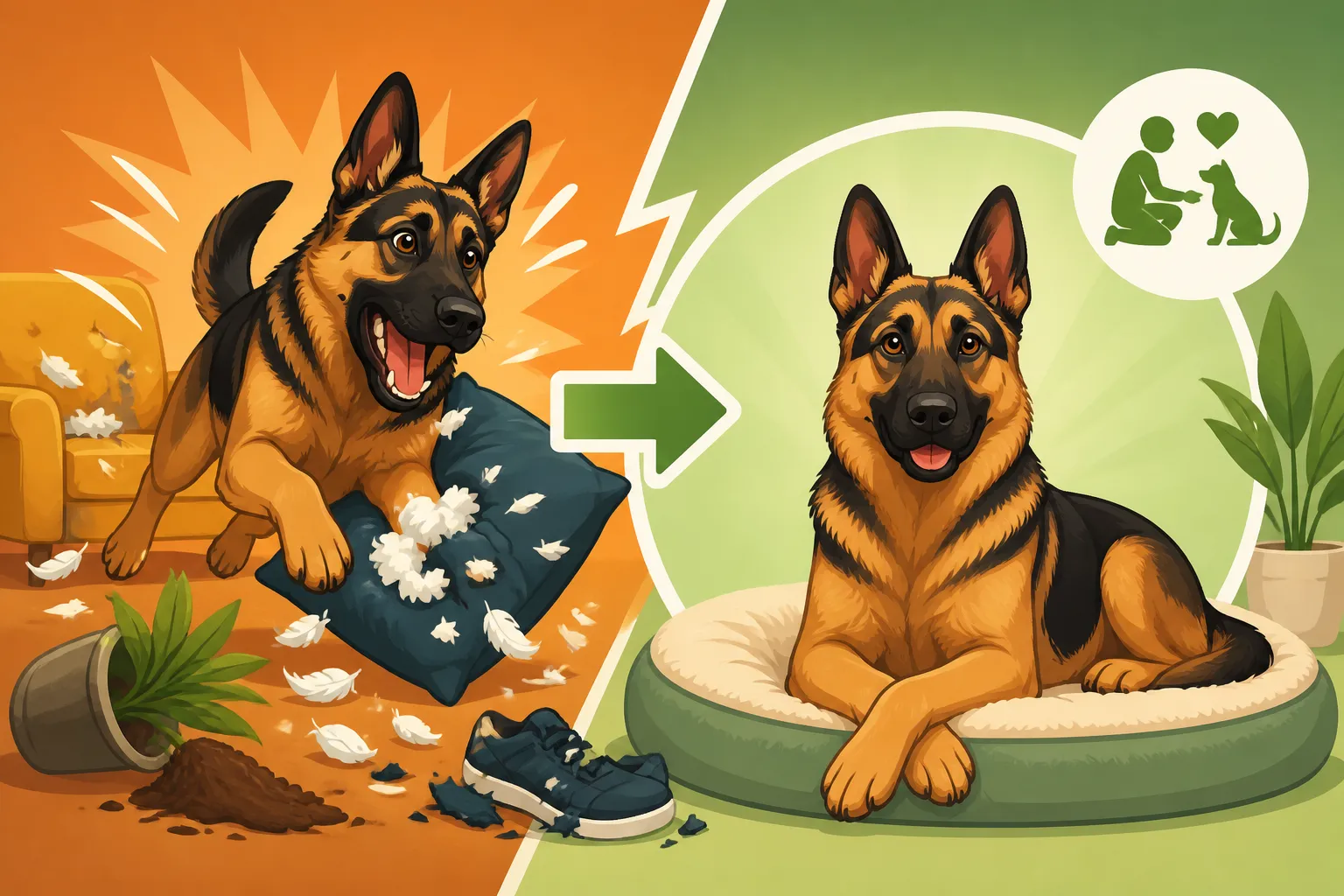
Imagine coming home after a long day, hoping for a quiet evening, only to be met by a German Shepherd who jumps on you incessantly, nips at your hands, races laps around the living room, and then starts digging at the couch cushions. This isn't just enthusiasm; it's an inability to regulate their arousal levels. They might struggle to focus during training, appearing easily distracted or overly excited by minor stimuli. You might notice them pacing, panting excessively even when not hot, or having a heightened reaction to noises or movements outside the window. Destructive chewing, excessive barking, and even frantic licking can also be symptoms of an underlying inability to manage their energy or stress. It's not just a nuisance; it often points to an unmet need or an underlying issue your GSD is struggling with.
Understanding the Root Causes of Your German Shepherd's Zoomies
Before you can effectively address hyperactivity, it's crucial to play detective and figure out why your German Shepherd is displaying these behaviors. German Shepherds are magnificent, highly intelligent, and inherently high-energy dogs. What looks like hyperactivity might simply be a perfectly natural breed trait that isn't being channeled correctly. However, it can also be a sign of deeper issues.
Lack of Sufficient Physical Exercise
This is perhaps the most common culprit. German Shepherds were bred to work. They are a herding breed with incredible stamina and a strong drive to be active. A short walk around the block simply isn't going to cut it for most GSDs, especially younger ones. They need outlets for their physical energy. If they don't get enough vigorous exercise, that pent-up energy has to go somewhere, and it often manifests as destructive or "hyper" behavior indoors.
Think about it: a dog that spends 8-10 hours alone, then gets a 20-minute walk, is going to be bursting at the seams. Their bodies are built for endurance, for miles of trotting and bursts of speed. Without this release, they become restless, agitated, and appear hyperactive as they try to self-soothe or find ways to burn off energy. For a deeper dive into their physical needs, check out our guide on How Much Exercise Does a German Shepherd Need.
Insufficient Mental Stimulation
Beyond just physical activity, German Shepherds are renowned for their intelligence. They are problem-solvers, thinkers, and crave mental engagement. If their brains aren't challenged, they can become bored and frustrated, which can present as hyperactivity. A bored GSD will invent their own "jobs," and those jobs often involve barking at shadows, tearing up furniture, or frantically seeking attention.
Imagine yourself stuck in a room with nothing to do. You’d probably start pacing, fidgeting, maybe even talking to yourself. Your GSD is similar. If they’re not given puzzles to solve, new commands to learn, or scents to track, their powerful minds will find less desirable ways to occupy themselves, leading to a state of heightened arousal that looks like hyperactivity. Mental work is just as tiring, if not more so, than physical work for these dogs. Our article on Best Mental Stimulation for German Shepherds offers some fantastic ideas.
Dietary Factors and Sensitivities
What goes into your German Shepherd's bowl can absolutely impact their energy levels and behavior. Cheap dog foods often contain fillers, artificial colors, preservatives, and excessive amounts of carbohydrates that can act like a sugar rush for some dogs. Just like kids on too much candy, a German Shepherd can become wired and erratic if their diet isn't supporting their health and calming their system.
Some dogs also have sensitivities or allergies to certain ingredients, which can lead to discomfort, itchiness, and an overall agitated state. If your dog is constantly scratching or uncomfortable, they might be restless and unable to settle, mimicking hyperactivity. A high-quality, balanced diet free of unnecessary additives is foundational for good behavior. For guidance on choosing the right nutrition, see Best Dog Food for German Shepherds.
Anxiety, Stress, or Fear
Sometimes, what looks like boundless energy is actually a manifestation of anxiety, stress, or fear. A dog experiencing separation anxiety, for instance, might greet you with frantic jumps and zoomies, not just out of excitement, but out of relief and an inability to cope with their emotions. Similarly, a dog who is fearful of certain sounds or situations might become agitated and reactive, appearing hyperactive as they try to manage their distress.
A German Shepherd with undiagnosed pain or discomfort might also be restless and unable to relax. Underlying medical conditions, though less common, can also contribute to behavioral changes. It's always a good idea to rule out health issues with your vet if hyperactivity is a new or sudden development.
Lack of Structure, Routine, and Training
Dogs thrive on predictability and clear communication. If your German Shepherd doesn't understand the rules, doesn't have a consistent routine, or hasn't received adequate obedience training, they will often create their own structure – which usually involves testing boundaries and acting on impulse. A lack of structure can lead to an over-aroused dog who doesn't know how or when to switch off.
Clear boundaries, consistent expectations, and a solid foundation in obedience give a German Shepherd confidence and a sense of security, which in turn helps them regulate their behavior. Without this, they might feel perpetually uncertain, leading to an inability to settle. Consider how early and consistent training impacts behavior, as discussed in our German Shepherd Puppy Training Guide.
Effective Strategies to Cultivate Calmness
Now that we’ve explored the potential reasons behind your German Shepherd’s hyperactivity, let’s dive into actionable steps you can take to foster a more serene environment and a calmer companion. Remember, consistency is key, and it often takes time and patience to see significant changes.
Mastering the Art of Structured Exercise
Simply letting your German Shepherd into the backyard isn't enough. They need purposeful exercise that engages both their body and mind. This means more than just a walk; it means activities that truly challenge them.
- High-Intensity Bursts: Incorporate games like fetch or flirt pole play. A flirt pole, easily found on Amazon, can be a fantastic tool for channeling prey drive and burning energy in short, intense bursts. These activities mimic hunting behaviors and are incredibly satisfying for a GSD.
- Long Hikes or Runs: If you're physically able, longer outings like hiking or running (once your GSD is fully grown and cleared by a vet) are excellent. These sustained activities help deplete their energy reserves in a healthy way.
- Swimming: Many German Shepherds love to swim, and it's a low-impact, full-body workout that's fantastic for their joints. Find a safe lake or dog-friendly pool.
- Agility or Obedience Sports: Participating in dog sports like agility, obedience, or even dock diving can be immensely beneficial. These combine physical exertion with mental challenges, hitting two birds with one stone.
Aim for at least 1-2 hours of dedicated, vigorous exercise daily, broken into sessions. Remember, a tired GSD is a good GSD.
Elevating Mental Engagement and Training
Your German Shepherd's brain is a supercomputer that needs to be fed challenging data. Mental work can tire a dog out faster than physical exertion, and it reinforces good behavior.
- Puzzle Toys and Treat Dispensers: Invest in a variety of puzzle toys. Kongs stuffed with peanut butter or plain yogurt and frozen, snuffle mats for foraging, or treat-dispensing toys can keep your GSD occupied and thinking for extended periods. This is a great way to manage solitary time.
- Scent Work: German Shepherds have incredible noses. Engage them with scent games where they have to find hidden treats or toys. You can start simply by hiding treats around the house and encouraging them to sniff them out. This engages their natural instincts and is mentally exhausting.
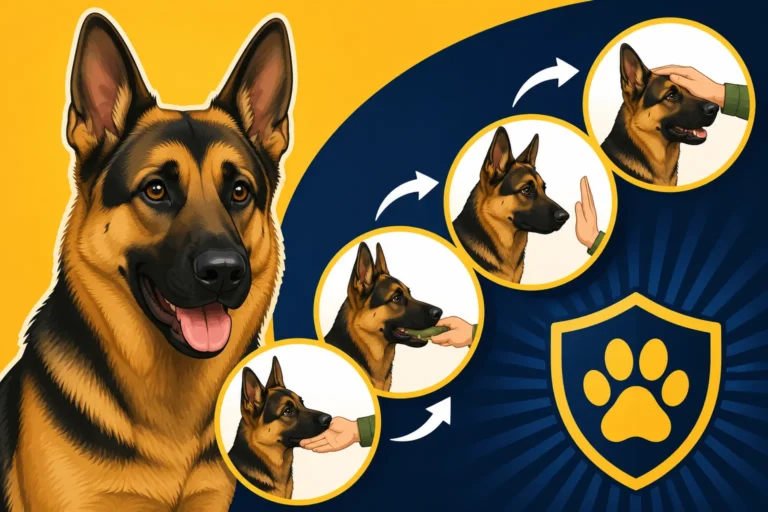
- Obedience and Trick Training: Regular, short training sessions are invaluable. Beyond basic commands like sit, stay, and come, teach them new tricks. Learning keeps their minds sharp and strengthens your bond. If you’re struggling with getting started, platforms like BAXTER & Bella offer comprehensive online training programs that can guide you through positive reinforcement techniques for various behaviors.
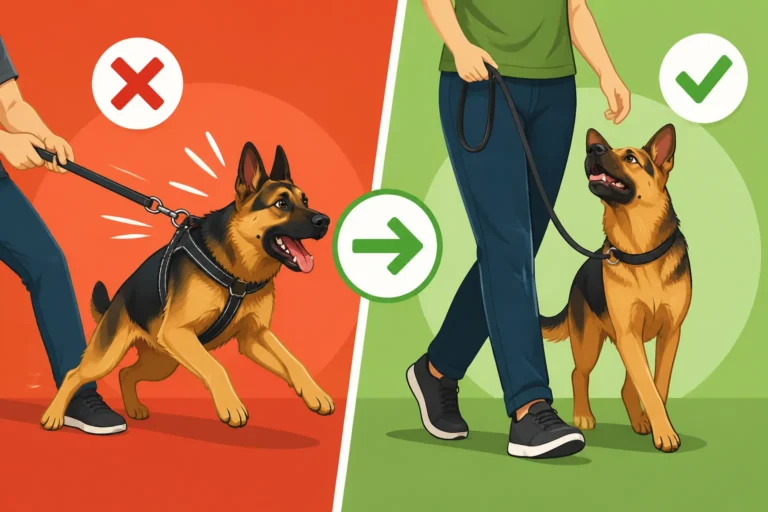
- Structured Walks: Turn walks into training opportunities. Practice loose-leash walking, heel commands, and 'leave it' when encountering distractions. This focus transforms a simple walk into a mental workout. For more on training, explore How to Train a German Shepherd.
Establishing a Predictable Routine and Structure
Dogs are creatures of habit. A consistent daily schedule helps them feel secure and understand what to expect, reducing anxiety and hyperactivity.
- Consistent Schedule: Try to feed, exercise, train, and provide potty breaks at roughly the same times each day. This predictability helps regulate their internal clock and reduces uncertainty that can fuel anxious energy.
- Clear Boundaries: Be consistent with house rules. If jumping on guests is not allowed, everyone in the household must reinforce that. If they aren't allowed on the furniture, don't make exceptions. Inconsistency breeds confusion and can lead to a dog constantly testing limits.
- Place Command and Relaxation Training: Teach your GSD a "place" command, where they go to a designated mat or bed and stay there until released. This teaches them to settle and be calm on command, even amidst activity. Reward calm behavior frequently – if your dog is quietly chewing a toy or lying down, praise them softly and give them a small, low-value treat. This teaches them that calm is rewarding.
- Crate Training: A crate can be a fantastic tool for teaching a German Shepherd to settle and can prevent destructive behaviors driven by hyperactivity. It provides a safe, den-like space where they can decompress. If your German Shepherd is struggling with settling, a properly introduced crate can become their quiet sanctuary. Learn more about its benefits in How to Crate Train a German Shepherd.
Modifying the Environment and Managing Triggers
Sometimes, hyperactivity is triggered by external stimuli. Managing these can make a big difference.
- Reduce Visual Stimulation: If your GSD goes crazy barking at everything outside, consider using frosted window film or keeping blinds closed during peak outdoor activity times.
- Sound Desensitization: For dogs sensitive to noises, gradual desensitization training can help. Start with very low volumes of the triggering sound and reward calm responses.
- Safe Chews: Provide appropriate, long-lasting chew toys. Chewing is a natural, calming activity for dogs and can redirect destructive energy. Look for durable options from reputable brands.
Long-Term Management and Prevention of Hyperactivity
Combating hyperactivity isn't a one-time fix; it's an ongoing commitment to understanding and meeting your German Shepherd's needs. These long-term strategies will build a foundation for a well-adjusted, calm companion.
Prioritizing Early Socialization and Ongoing Exposure
Proper socialization from a young age is paramount for German Shepherds. Exposing puppies to a wide variety of sights, sounds, people, and other well-behaved dogs in a positive and controlled manner helps them develop into confident, resilient adults. A well-socialized dog is less likely to be fearful or reactive, behaviors that can often manifest as hyperactivity.
Even if you have an adult German Shepherd, it's never too late to work on socialization, albeit more slowly and carefully. Gradual, positive exposure to new experiences can help them build confidence and reduce anxiety-driven "hyper" responses. Consider enrolling in adult dog classes or working with a professional trainer to guide this process, especially if your dog exhibits fear or aggression. Our guide on How to Socialize a German Shepherd provides valuable insights.
Consistent and Positive Reinforcement Training
Training isn't just for puppies; it’s a lifelong journey with a German Shepherd. Regular training sessions, even short ones, keep their minds engaged, reinforce good manners, and strengthen the bond between you. Focus on positive reinforcement methods, rewarding desired behaviors rather than punishing unwanted ones. This builds trust and makes learning enjoyable.
Consider engaging in advanced obedience or protection sports like IGP (formerly Schutzhund) if you and your GSD are up for the challenge. These activities provide an incredible outlet for their natural drives and intelligence, often leading to a remarkably calm and well-behaved dog in everyday life because their intense needs are being met in a structured way. Consistent training helps manage common German Shepherd Behavior Problems and Solutions.
Regular Veterinary Check-ups
As mentioned earlier, sometimes hyperactivity can be a symptom of an underlying medical issue. Undiagnosed pain, thyroid imbalances, or other health concerns can make a dog restless, irritable, and unable to settle. Regular check-ups with your veterinarian are essential to rule out any medical causes. Discuss any behavioral changes with your vet, especially if the hyperactivity is new or sudden.
Your vet can also offer advice on diet, supplements, and exercise routines tailored to your German Shepherd's age, weight, and overall health. Knowing when to consult a vet for various issues is crucial for overall health and behavior, and our German Shepherd Health Problems Guide can offer more information on common health concerns.
Patience, Consistency, and Understanding
Ultimately, dealing with hyperactivity in a German Shepherd requires a huge amount of patience and consistency from you. There are no quick fixes. You will have good days and challenging days. Understand that your German Shepherd isn't being "naughty" on purpose; they are communicating an unmet need or struggling to cope.
Celebrate small victories, remain consistent with your routine and training, and always approach their behavior with empathy. Building a calm, confident German Shepherd is a marathon, not a sprint, but the reward of a well-adjusted, serene companion is truly priceless. The more you understand their energy levels and needs, the better you can guide them. Take a look at German Shepherd Energy Level Explained for more context on what to expect.
Table: Common Hyperactivity Triggers and Solutions
| Hyperactivity Trigger | Description | Effective Solutions |
|---|---|---|
| Insufficient Physical Exercise | Dog has too much pent-up energy; restless, zoomies, destructive. | Increase daily vigorous exercise (fetch, running, hiking, swimming). Aim for 1-2 hours. |
| Lack of Mental Stimulation | Boredom leads to self-invented destructive "jobs" or attention-seeking behaviors. | Introduce puzzle toys, treat dispensers, snuffle mats. Engage in scent work, regular training sessions for new commands/tricks. |
| Inconsistent Routine/Lack of Structure | Dog is confused about expectations, struggles to self-regulate or settle. | Establish a predictable daily schedule for feeding, exercise, and potty breaks. Be consistent with house rules and boundaries (e.g., "place" command). |
| Anxiety/Stress | Frantic greetings, pacing, panting, destructive behavior as a coping mechanism. | Identify stressors and work on desensitization. Provide a safe den (crate). Consult a vet or certified behaviorist. Consider tools for German Shepherd Separation Anxiety Solutions. |
| Dietary Imbalance | Poor-quality food with fillers, artificial ingredients, or high carbs causing energy spikes or discomfort. | Switch to a high-quality, balanced dog food with whole ingredients. Avoid excessive treats, especially sugary ones. |
| Over-stimulation | Excessive barking at windows, reactivity to noises, inability to settle after exciting events. | Limit visual access to triggers (blinds). Practice controlled exposure and desensitization. Create a calm-down routine after exciting events. |
Disclaimer
The information provided in this article is for general informational purposes only and is not a substitute for professional veterinary advice. Always consult with a qualified veterinarian or certified professional dog trainer for any health concerns or before making changes to your German Shepherd's diet, exercise, or training regimen. Individual results may vary depending on your dog's specific needs, temperament, and health status.