How to Socialize a German Shepherd Puppy Safely
Bringing home a German Shepherd puppy is an exciting time, but many new owners quickly realize the immense responsibility of shaping such a powerful and intelligent breed. One of the biggest worries is how to properly socialize them without exposing them to unnecessary risks, leading to anxiety about doing it "right." This guide will walk you through the essential steps and considerations for safely socializing your German Shepherd puppy, ensuring they grow into a confident, well-adjusted adult.
Why Early Socialization is Crucial for German Shepherd Puppies
German Shepherds are magnificent dogs, known for their loyalty, intelligence, and protective instincts. However, these very traits, if not properly channeled through early and consistent socialization, can sometimes manifest as fearfulness, reactivity, or even aggression towards unfamiliar people, dogs, or situations. It’s a common frustration among GSD owners to witness their otherwise wonderful dog become overly wary or boisterous in new environments, and it almost always traces back to missed opportunities during their formative months.
Understanding the German Shepherd Temperament
German Shepherds possess a strong guarding instinct and can be naturally reserved around strangers. They are not typically the type of dog that enthusiastically greets every person they meet or instantly befriends every dog at the park. This inherent caution is a hallmark of the breed, a trait that makes them exceptional working dogs and loyal family protectors. However, without early, positive exposure to a wide variety of stimuli, this natural wariness can easily tip into fear or defensiveness, which can be challenging to manage in an adult dog of their size and strength. The goal isn't to make them overly friendly with everyone, but rather to teach them that novel things are generally not a threat and that they can rely on you to guide them.
The Risks of Poor Socialization
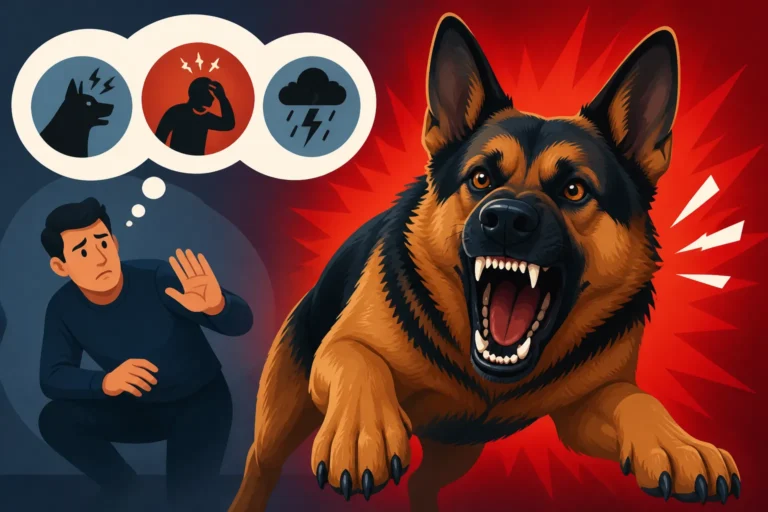
The consequences of insufficient or improper socialization can be profound and long-lasting. Puppies who miss out on critical exposure during their developmental window often grow into anxious adults, prone to fear-based aggression or extreme shyness. Imagine a scenario where a German Shepherd puppy, kept isolated during its crucial early weeks, suddenly encounters a bustling city street or a child on a skateboard. Lacking any positive associations, the experience could be terrifying, potentially leading to a lifetime of fear of similar stimuli. This can make simple outings like vet visits or walks around the neighborhood incredibly stressful, not just for the dog, but for the entire family. It's a heavy burden, and one that proactive socialization aims to prevent entirely.
The Golden Window: When to Socialize Your GSD Puppy
Timing is everything when it comes to puppy socialization, particularly for a breed with such a critical developmental timeline as the German Shepherd. There's a widely recognized "golden window" where puppies are most receptive to new experiences and least likely to develop fear responses. However, for German Shepherds, this period also coincides with a critical immunization schedule, creating a delicate balance that needs careful navigation.
Critical Development Stages
The primary socialization period for most puppies occurs between 3 and 16 weeks of age. During this time, a puppy's brain is like a sponge, soaking up information about the world around them and forming foundational opinions about what is safe, exciting, or scary. For German Shepherds, specifically, many breeders will emphasize the importance of early imprinting and exposure even before they go to their new homes, typically by 8-10 weeks. This is when puppies learn canine social graces from their littermates and mother, and begin to form attachments to humans. Once they come home, the responsibility shifts to you to continue building on this foundation. Every positive interaction with a new person, sound, or texture during this window helps build a resilient and confident adult dog. You can learn more about specific milestones in our German Shepherd Training Timeline by Age guide.
Balancing Health Risks and Social Needs
This "golden window" often overlaps with the period when your puppy is receiving their core vaccinations. Vets traditionally advised keeping puppies isolated until their full vaccine series was complete to protect them from diseases like canine distemper and parvovirus. While health is paramount, modern veterinary science now emphasizes a more balanced approach. Many veterinarians and behaviorists agree that the risks of behavioral problems due to under-socialization often outweigh the statistical risk of contracting a disease in a carefully managed environment.
This doesn't mean taking your unvaccinated puppy to a crowded dog park. Instead, it means seeking out controlled, clean environments. Puppy socialization classes, often held at vet clinics or reputable training facilities, are specifically designed for young puppies with their first round of shots. These spaces are usually sanitized and only allow puppies with proof of initial vaccinations. Another safe option is inviting healthy, vaccinated adult dogs into your home for one-on-one play sessions, or visiting the homes of trusted friends with well-behaved, vaccinated pets. Responsible exposure is key. Consult your veterinarian for their specific recommendations on balancing these vital aspects of your German Shepherd puppy's development and discussing their German Shepherd Vaccination Schedule.
| Socialization Opportunity Type | Ideal Age Range | Safety Considerations | Benefits for GSD Puppy |
|---|---|---|---|
| Littermates & Mother | 0-8 weeks | Essential for bite inhibition, dog etiquette | Foundational dog-dog communication |
| Controlled Puppy Classes | 8-16 weeks (after first vaccines) | Vet-approved, sanitized facility, small groups | Safe exposure to diverse puppies, people, surfaces |
| Trusted, Vaccinated Adult Dogs | 8-16 weeks (controlled setting) | One-on-one, calm, known temperament, clean yard | Teaches appropriate play, social cues |
| Diverse People (family/friends) | 8-16 weeks | Gentle, calm, positive reinforcement (treats) | Develops positive association with humans |
| Novel Sights & Sounds | 8-16 weeks | Gradual, positive association (treats/praise) | Builds confidence, resilience to new environments |
| Car Rides & Vet Visits | Ongoing from 8 weeks | Positive experience, treats, short trips | Desensitization to common life events |
Safe and Structured Socialization Strategies
Simply exposing your German Shepherd puppy to everything at once can be overwhelming and counterproductive. Effective socialization is about creating positive, low-stress experiences that build confidence and positive associations. It's not a free-for-all; it's a carefully orchestrated series of introductions.
Controlled Introductions to People
German Shepherds can be reserved, so early, positive experiences with a variety of people are paramount. This means inviting friends and family over, making sure they understand how to interact gently and positively with your puppy. Ask them to sit on the floor, offer a small, high-value treat, and avoid overwhelming the puppy with loud noises or sudden movements. It’s better to have many brief, positive interactions than one long, stressful one. Consider having people wear hats, sunglasses, or carry umbrellas (things that might seem strange to a puppy) during these encounters, always pairing the novelty with delicious treats. Using an online training program like BAXTER & Bella can provide excellent guidance on how to structure these interactions safely, offering step-by-step videos and support. The goal is to show your puppy that different types of people are safe and often come with good things!
Positive Experiences with Other Dogs
This is where many owners get nervous, but it’s critical for teaching your GSD appropriate canine communication. As mentioned, skip the crowded dog park until your puppy is fully vaccinated and has demonstrated good social skills in more controlled settings. Instead, seek out playdates with known, stable, vaccinated adult dogs who have a history of being good with puppies. An older, calm dog can be an excellent teacher, gently correcting your puppy's overzealous play without being aggressive. Puppy classes are also fantastic for this, providing supervised play with other puppies of similar age and size, ensuring interactions remain positive and safe. Always supervise closely and interrupt any play that becomes too rough or one-sided. Remember, you want to foster joy and confidence, not fear. For specific advice on introducing your pup, check out our article on How to Introduce a German Shepherd to Other Dogs.
Novel Sights, Sounds, and Textures
Socialization isn't just about people and other dogs; it's about the entire world. Introduce your puppy to different surfaces (grass, concrete, carpet, gravel), various sounds (doorbells, vacuums, traffic, children playing, sirens – played softly at first), and unusual sights (people on bikes, strollers, umbrellas, postal workers, delivery trucks). The key is always to make these experiences positive. If your puppy notices something new, calmly point it out, offer a treat, and praise them for their curiosity. Avoid coddling or reassuring fearful behavior, as this can inadvertently reinforce their fear. Equipping yourself with a variety of toys and treats from a place like Amazon can make these introductions even more successful, creating strong positive associations. Take short, frequent trips in the car to different places, even if it's just to sit and observe the world from a safe distance.
Common Pitfalls to Avoid During Puppy Socialization
Even with the best intentions, it's easy to make mistakes during puppy socialization that can undermine your efforts. Being aware of these common traps can help you steer clear of negative outcomes.
Overwhelm and Negative Experiences
One of the biggest mistakes is forcing a puppy into a situation they're clearly uncomfortable with, or bombarding them with too much too soon. A single traumatic experience during the critical socialization period can have a lasting negative impact, creating fear or reactivity that is incredibly difficult to overcome. For instance, letting your small, shy GSD puppy be mobbed by a group of rowdy, unsupervised dogs at a dog park is a recipe for disaster. The puppy might become fearful of all dogs, leading to reactivity as an adult.
Another example is dragging a fearful puppy through a crowded street fair. Instead of building confidence, this can solidify their perception that the world is a scary, unpredictable place. Always read your puppy's body language – tail tucked, ears back, lip licking, yawning, stiff body, refusal to move – these are all signs of stress. If you see these, it's time to retreat to a comfortable distance, re-evaluate, and try a less intense approach. The goal is to build resilience, not trauma.
Rushing the Process
Socialization isn't a race; it's a marathon. There's no checklist to tick off in a single week. It's an ongoing, gradual process that continues long after the puppy stage. Trying to expose your German Shepherd puppy to every possible thing in a short amount of time can lead to overstimulation and stress. Instead, focus on quality over quantity. A few well-managed, positive experiences are far more valuable than many rushed, potentially negative ones.
For instance, if you introduce your puppy to a new person, and they seem a little hesitant, don't push them to interact. Let them approach at their own pace. If they decide to sniff and then retreat, that's perfectly fine. Praise them for engaging, even if briefly. The key is to let them feel in control of the situation and associate novel encounters with choice and reward. Consistent, positive reinforcement over weeks and months yields far better results than intensive, short-burst efforts. You can find excellent resources on consistent training in a German Shepherd Puppy Training Guide.
Ignoring Body Language
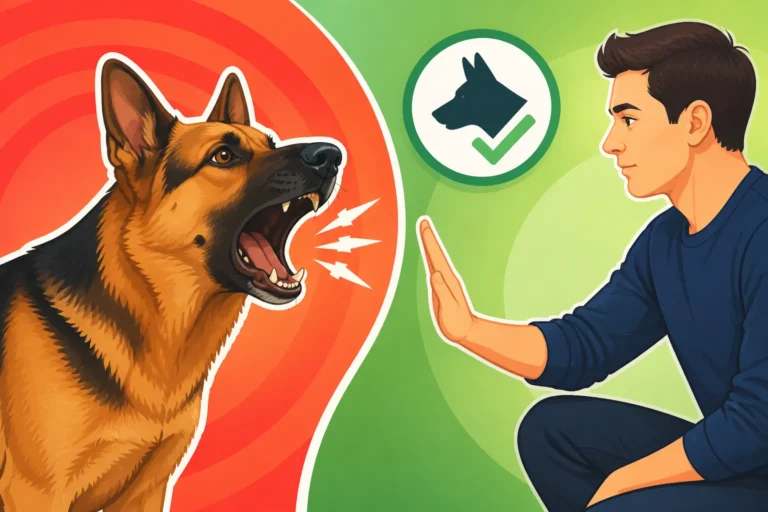
Your German Shepherd puppy is constantly communicating with you, and understanding their body language is fundamental to successful socialization. Ignoring subtle signs of discomfort or fear can inadvertently reinforce negative associations. For example, if your puppy stiffens, tucks their tail, or tries to hide when a new person approaches, and you continue to push the interaction, you're teaching them that their discomfort will be ignored. This can erode trust and escalate fear.
Learning to recognize signs of stress or fear (e.g., lip licking, yawning, averting gaze, freezing, low tail, pinned ears, shaking) versus signs of curiosity and engagement (e.g., loose body, wagging tail, sniffing, playful stance) is crucial. When your puppy shows signs of stress, change the environment or distance. Create space. Pair the presence of the perceived "threat" with high-value treats from your pocket. The instant your puppy sees a stranger, a child, or another dog, pop a treat into their mouth. This classic counter-conditioning technique helps create a positive emotional response to previously neutral or even slightly scary stimuli.
Continuing Socialization Beyond Puppyhood
While the critical socialization window closes around 16 weeks, socialization is a lifelong journey for a German Shepherd. The foundation laid during puppyhood is essential, but it needs consistent reinforcement and expansion as they mature.
Adolescent Challenges
The adolescent phase (roughly 6 months to 2 years) can be particularly challenging for German Shepherds. This is often when they "test the waters," and some of the fear or reactivity that might have been latent can begin to surface. Their protective instincts naturally heighten, and they might become more wary of strangers or other dogs. Don't be surprised if your once-social puppy suddenly becomes more aloof or even reactive. This is a common developmental stage.
During this time, it's vital to continue with positive, controlled exposures. Enroll in intermediate or advanced obedience classes, explore dog sports like agility or canine good citizen, and continue organized playdates with well-matched dogs. Focus on reinforcing their confidence and trust in you as their guide. If you notice concerning behaviors like increased fear or aggression, consult with a professional dog trainer or veterinary behaviorist immediately. Addressing these issues early is always easier than trying to correct deeply ingrained habits later.
Lifelong Learning and Exposure
A well-socialized German Shepherd is a dog that can confidently navigate the world with you. This means continuing to expose them to new places, people, and experiences throughout their lives. Take them on different hiking trails, visit dog-friendly stores, or simply walk them in various neighborhoods. Each new experience, especially when paired with positive reinforcement, helps maintain their adaptable and resilient temperament.
Regularly engaging their minds with puzzle toys (you can find a great selection on Amazon) and continuing with advanced training like those offered by BAXTER & Bella can keep them mentally stimulated and reinforce their bond with you. A German Shepherd who is always learning and experiencing new things is less likely to become bored, anxious, or reactive. This ongoing commitment to socialization helps them maintain the composure and confidence that are hallmarks of a truly well-adjusted companion.
Disclaimer
Please note that the information provided in this article is for educational purposes only and should not be considered a substitute for professional veterinary or behavioral advice. Always consult with a qualified veterinarian or certified professional dog trainer regarding your German Shepherd puppy's specific health and training needs. Every dog is an individual, and what works for one may not work for another.