German Shepherd vs Wolf Dog: Key Differences
German Shepherd and wolf dog differences include genetics, legal ownership, and temperament. Learn key distinctions before bringing either animal home.
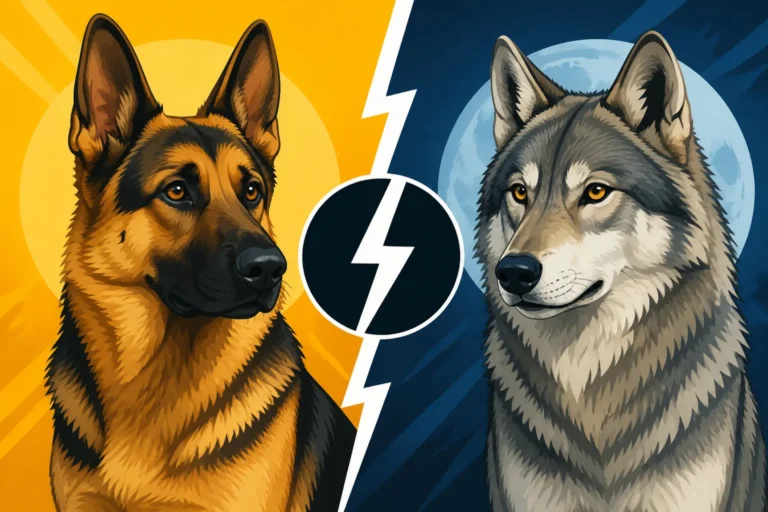
German Shepherd and wolf dog differences include genetics, legal ownership, and temperament. Learn key distinctions before bringing either animal home.
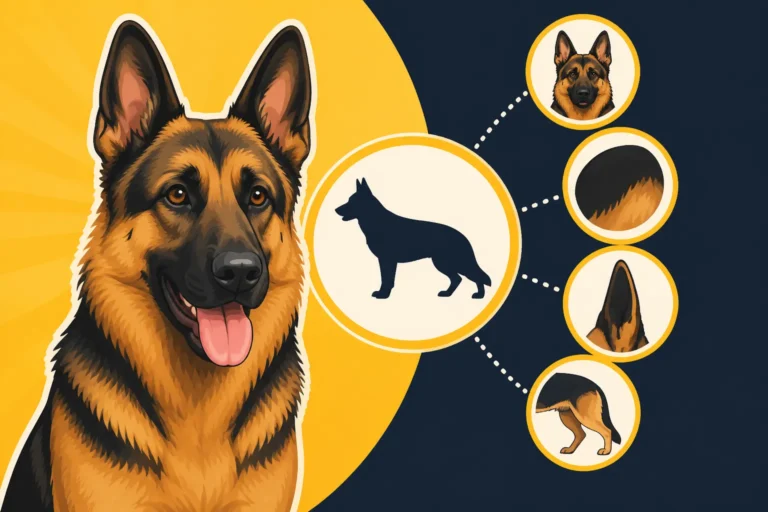
German Shepherd purebred status can be evaluated through official registration papers, physical breed standards, behavioral traits, and canine DNA testing.

German Shepherd ear development explains normal timelines, teething stages, genetics, nutrition, and common reasons why some puppy ears remain floppy.
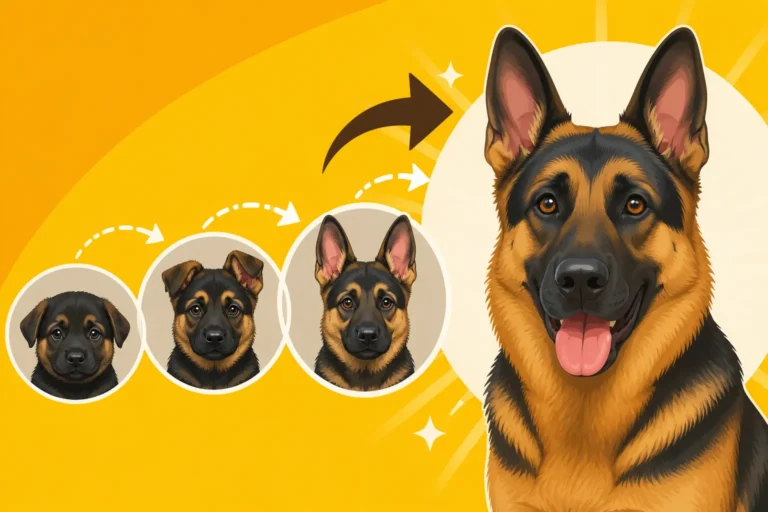
German Shepherd ear development follows a timeline from floppy puppy ears to erect sentinels between eight weeks and nine months of age.
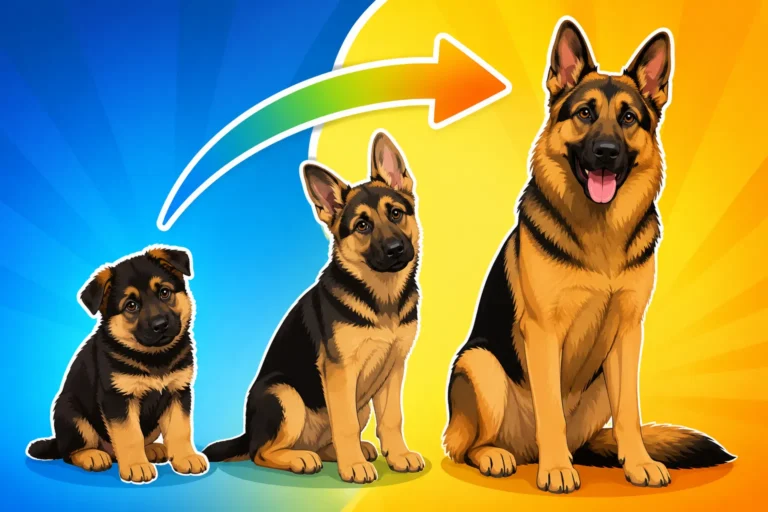
German Shepherd coat color transformations from puppy fuzz to adult fur are explained through genetics, age stages, and environmental factors.
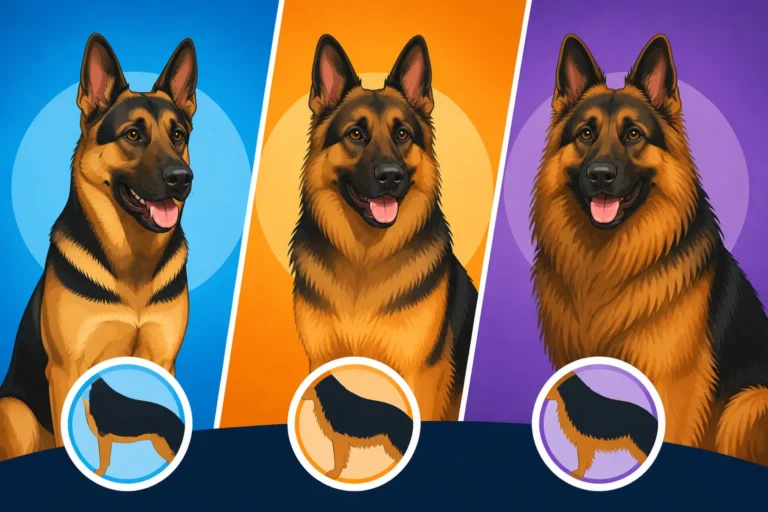
German Shepherd coat types differ in length and maintenance, impacting grooming needs, shedding, and climate tolerance for short, long, and plush coats.
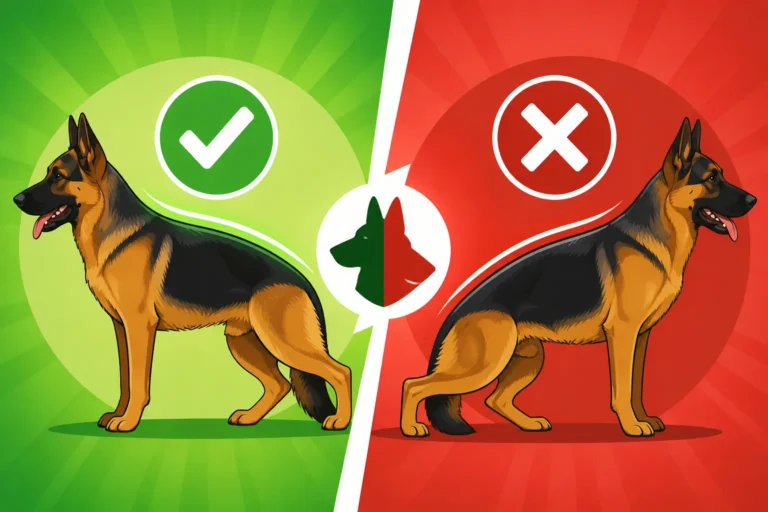
German Shepherd back structures and health impacts are compared, explaining how straight and sloped toplines affect joint function and mobility.

The differences between show line and working line German Shepherds help families choose the right dog type for their lifestyle.
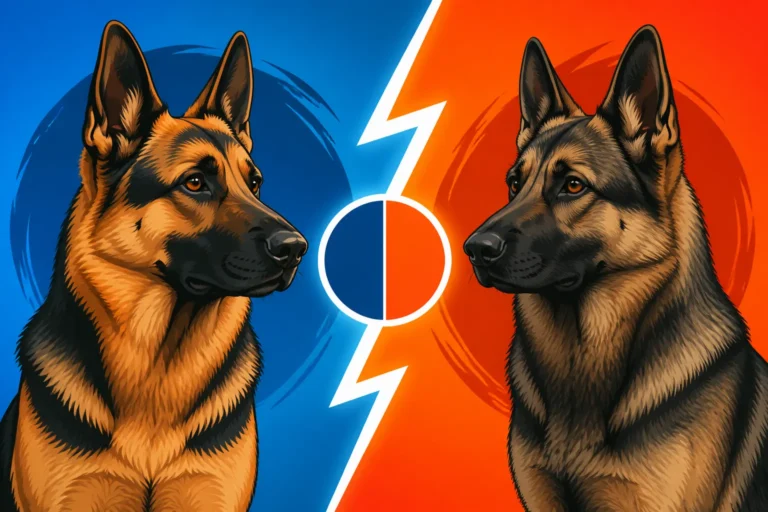
Czech and DDR German Shepherds are distinct working lines developed for military and border patrol duties in East Germany and Czechoslovakia.
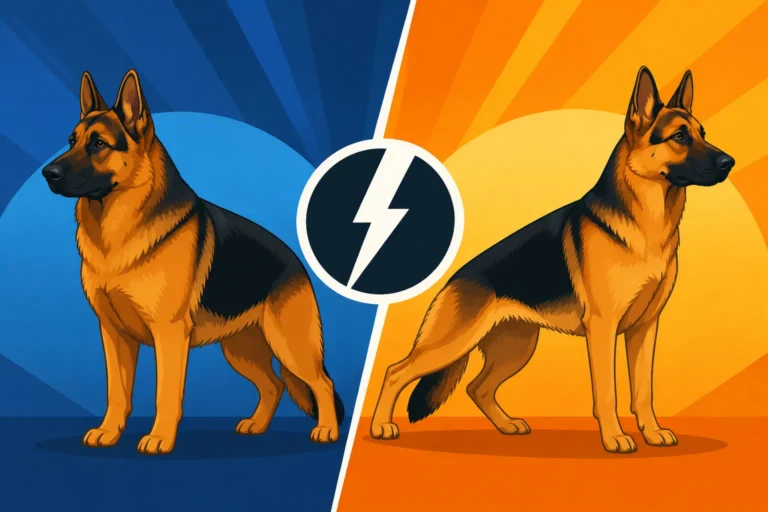
American and European German Shepherds differ in breeding goals, physical appearance, and temperament, with European lines prioritizing working ability.