Show Line vs Working Line: Which for a Family
Deciding to bring a German Shepherd into your family is a huge, exciting step, but it often comes with a crucial question: "Do I want a show line or a working line?" Many prospective owners get overwhelmed by the differences, fearing they'll choose the wrong type and end up with a dog whose needs don't match their lifestyle. This guide will meticulously break down the distinctions between show line and working line German Shepherds to help you make the most informed decision for your home and heart.
Understanding the Origins: Show Lines and Working Lines
The German Shepherd breed, like many others, has evolved over time, diverging into different "lines" based on the specific traits breeders prioritize. This isn't about two entirely separate breeds, but rather distinct breeding philosophies that have led to noticeable differences in appearance, temperament, and drive. Understanding their roots is key to appreciating their modern-day characteristics.
The Rise of the Show Line German Shepherd
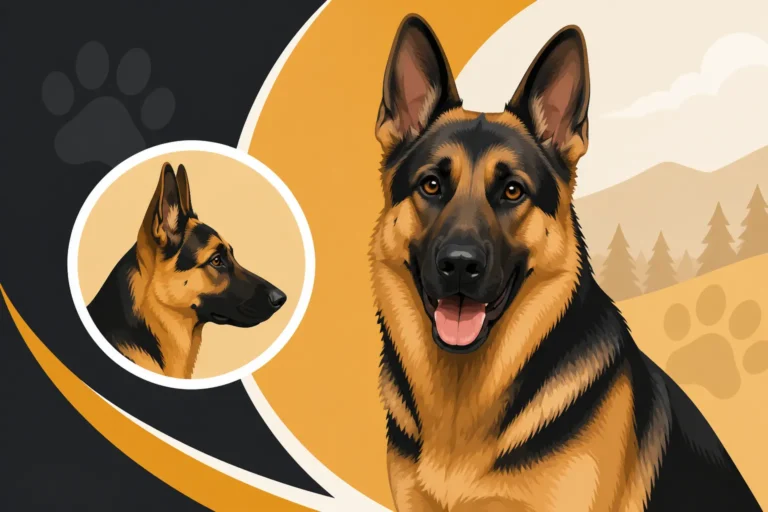
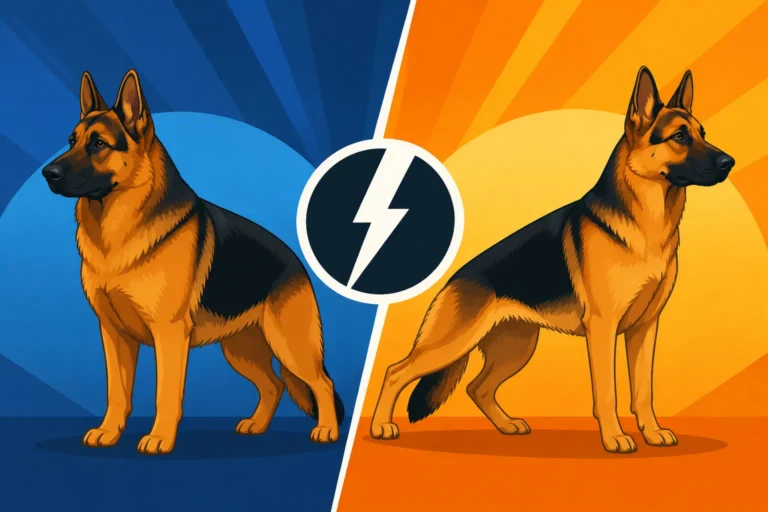
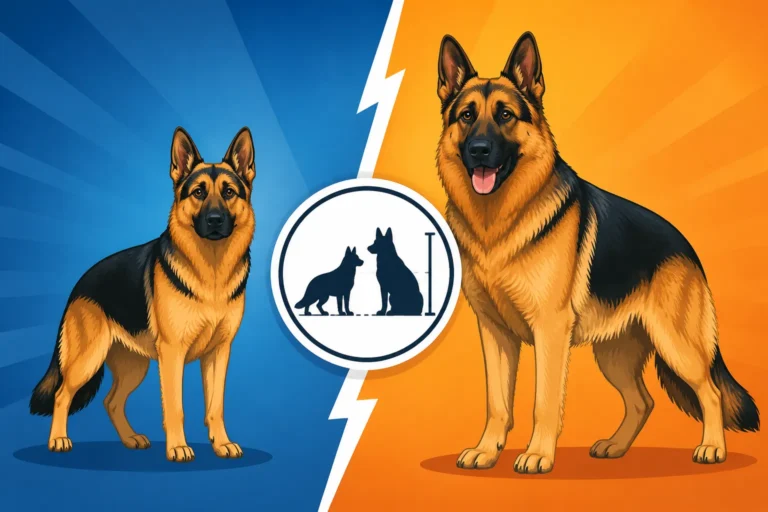
The show line German Shepherd, particularly the American and West German show lines, has been selectively bred over generations with a strong emphasis on conformation to a specific breed standard. This means breeders are looking for a particular aesthetic: a certain topline, angulation, head shape, and gait that judges in dog shows find desirable. While temperament is certainly a consideration, the primary focus is often on the dog's physical appearance and how well it performs in the show ring. These dogs often have a more dramatic sloped back, which many people associate with the quintessential "German Shepherd look" found in popular media. They are typically beautiful, impressive dogs designed to turn heads, but their original working capabilities can sometimes be secondary to their visual appeal.
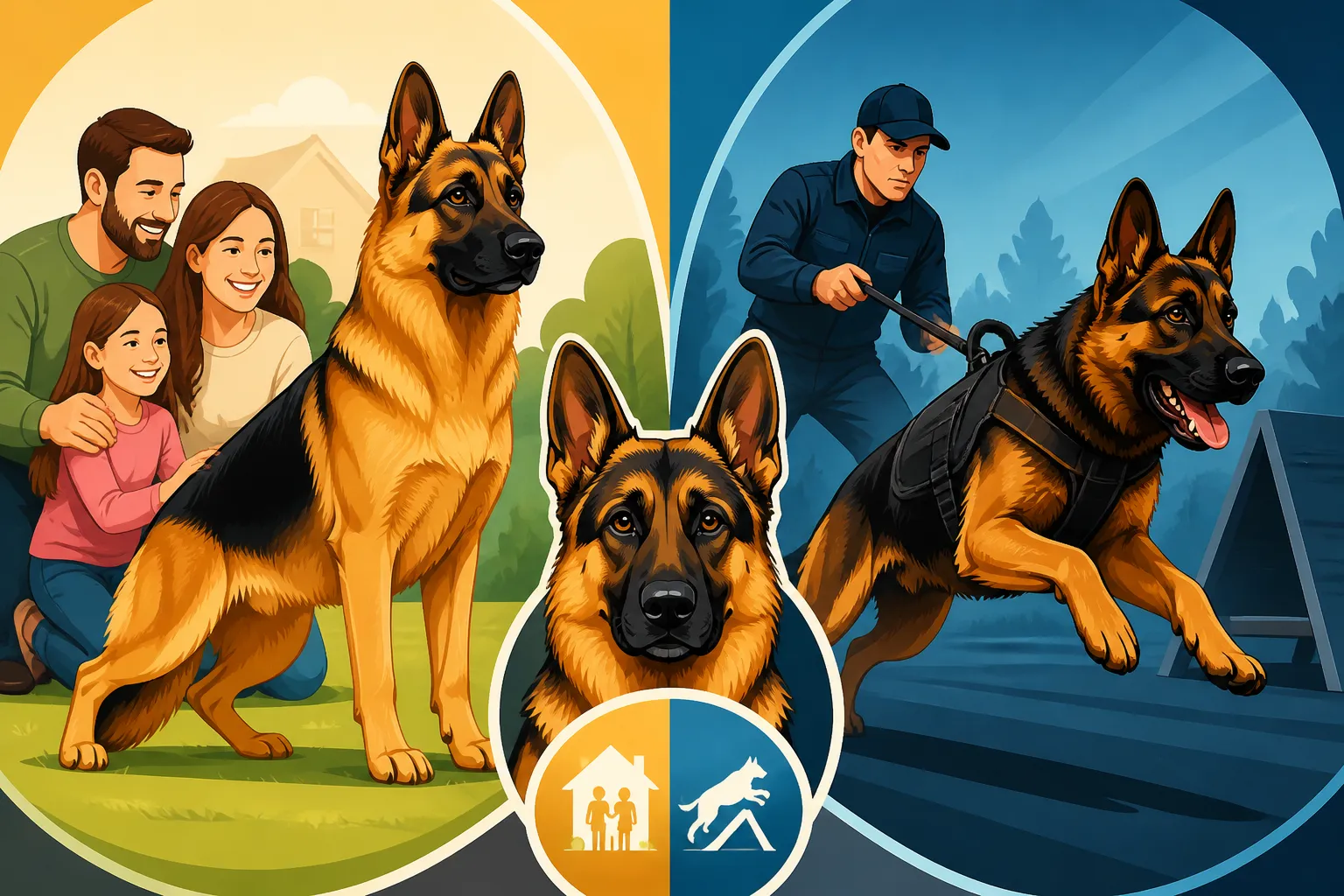
This emphasis on specific physical traits has, for some, led to concerns about potential health implications, especially regarding exaggerated angulation and their characteristic sloping back, which can put stress on joints. However, responsible show line breeders also prioritize health and stable temperaments. These dogs are generally bred to be excellent companions and family dogs, often with a slightly lower drive compared to their working line counterparts, making them potentially easier to manage for less experienced owners. They thrive on being part of the family unit, enjoying regular walks, playtime, and mental stimulation, but typically don't demand the intense "job" that a working line dog might crave.
The Purpose of the Working Line German Shepherd
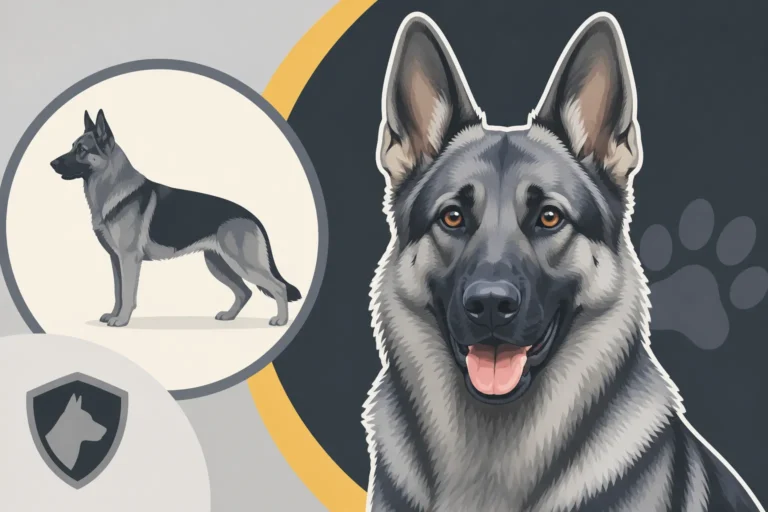
On the other side of the spectrum, working line German Shepherds—including East German (DDR), Czech, and some West German working lines—are bred primarily for their utility, intelligence, and intense drive. Their lineage traces directly back to the original purpose of the German Shepherd: to be a capable, resilient working dog. Breeders in these lines prioritize traits like strong nerves, high trainability, physical endurance, and a powerful work ethic. Appearance, while still adhering to the breed standard, is secondary to function. You'll often notice that working line German Shepherds have a straighter back, a more athletic build, and a less exaggerated angulation than their show line cousins.
These dogs are often destined for roles in police work, search and rescue, protection sports like IGP (formerly Schutzhund), or as highly capable service animals. They possess an inherent desire to have a job and excel at complex tasks. Their energy levels are typically very high, and they come with a strong prey drive and an intense focus. This means they require an owner who understands advanced training, is committed to providing consistent mental and physical challenges, and can channel their immense drive productively. Without proper outlets, a working line German Shepherd can quickly become bored, frustrated, and potentially destructive. This is why it's so important to understand Working Line German Shepherd Explained before committing to one.
Key Differences in Temperament and Drive
When evaluating a German Shepherd for your family, temperament and drive are arguably the most critical factors. The visual differences are obvious, but what truly sets these lines apart is their inner wiring and how they interact with the world around them. These distinctions will profoundly impact your daily life with your dog.
Energy Levels and Exercise Requirements
One of the most noticeable differences between show and working lines is their inherent energy level. Show line German Shepherds, while still active and needing regular exercise, generally have a more moderate energy output. They are content with daily walks, playtime in the yard, and some engaging mental games. A good hour or two of combined activity, split throughout the day, might suffice. They enjoy being active but are usually happy to settle down and relax with their family afterward. This doesn't mean they're couch potatoes, but their "off switch" is often more accessible. Understanding their needs will help you appreciate their German Shepherd Exercise Requirements.
Working line German Shepherds, however, are often described as having an insatiable energy supply. They are perpetual motion machines, built for endurance and demanding constant engagement. A simple walk around the block won't cut it. These dogs need vigorous exercise, often including running, intense play sessions, and participation in dog sports or a "job" that challenges both their body and mind. We're talking several hours of dedicated activity daily, often requiring more than just physical exertion. They need to think and work. Without sufficient outlets for their energy and drive, they can become anxious, destructive, or develop behavioral issues. You'll definitely want to read up on How Much Exercise Does a German Shepherd Need if you're considering this type of dog.
Prey Drive and Protective Instincts
Prey drive is the inherent instinct to chase, capture, and sometimes kill small prey. It's a natural canine trait, but it's significantly more pronounced and intentionally cultivated in working line German Shepherds. This strong prey drive is essential for tasks like bite work in protection sports or searching for hidden objects. For a family environment, this means a working line dog might be more prone to chasing squirrels, rabbits, or even children's toys with intense focus. It requires careful management and extensive training, particularly recall training, to ensure safety.
Both lines possess protective instincts, as this is a hallmark of the German Shepherd breed. However, the expression of this protection differs. Show lines tend to be more reserved and watchful, often acting as excellent deterrents with their imposing presence. They are generally good with familiar people and situations but might be aloof with strangers, preferring to observe from a distance. Working lines, on the other hand, often have a more overt and active protective instinct, sometimes coupled with a higher suspicion of strangers. Their protective drive is often linked to their confidence and willingness to engage when they perceive a threat. This is why thorough German Shepherd Behavior Problems and Solutions and socialization are absolutely crucial for working lines, especially if they'll be around children or frequent visitors.
Physical Characteristics and Health Considerations
While temperament and drive are paramount, the physical differences between show line and working line German Shepherds also have practical implications for health and lifestyle. It's not just about aesthetics; it's about the structure that supports their activities.
Differences in Build and Coat
Show line German Shepherds, particularly those from American or West German show lines, are known for their distinctive sloped back and angulated hindquarters. This appearance is highly valued in the show ring, contributing to a fluid, ground-covering gait. They tend to have a slightly heavier bone structure and a more refined head. Their coats are typically rich in color, often the classic black and red or black and tan, and can range from short to long, dense double coats.
Working line German Shepherds generally exhibit a more utilitarian build. Their backs are typically straighter, and their angulation is less pronounced, giving them a more rugged, athletic, and less "flashy" appearance. This structure is often considered more functional for sustained physical activity, putting less stress on their joints over time. They tend to have powerful, muscular bodies. Their coats are also dense double coats, but colors can vary more widely, including sables, bi-colors, and solid blacks, which are very common and highly prized in working circles. They are built for resilience and endurance, not just beauty.
Here's a quick comparison of general characteristics:
| Feature | Show Line German Shepherd | Working Line German Shepherd |
|---|---|---|
| Primary Focus | Conformation, appearance, show ring performance | Workability, drive, utility, performance tasks |
| Backline | Distinctively sloped, often with more angulated hindquarters | Straighter, more level, less exaggerated angulation |
| Build | Can be heavier boned, often "refined" | Athletic, powerful, muscular, rugged |
| Temperament | Generally calmer, reserved, good family companions | High drive, intense, energetic, constant mental stimulation needed |
| Energy Level | Moderate to high; enjoys activity but also relaxes | Very high; requires vigorous, consistent exercise and mental work |
| Prey Drive | Present, but often manageable with training | Very strong, intentionally cultivated for work |
| Protective | Watchful, deterrent, can be aloof with strangers | Active, overt, often more suspicious of strangers |
| Coat Colors | Classic black & red/tan, rich pigments | Sables, bi-colors, solid blacks, often strong pigments |
Common Health Concerns Across Both Lines
While genetics play a huge role, the structural differences can influence health. German Shepherds, as a breed, are unfortunately prone to certain genetic health issues, regardless of their line. The most widely known are German Shepherd Hip Dysplasia Explained and elbow dysplasia. Many believe that the exaggerated angulation in some show lines may contribute to higher rates or earlier onset of these joint issues, though responsible breeders in both lines diligently screen their breeding stock.
Other common concerns include Degenerative Myelopathy in German Shepherds (DM), a progressive neurological disease, and bloat (German Shepherd Bloat: Signs and Prevention), a life-threatening gastric condition. Exocrine Pancreatic Insufficiency (EPI) is also more prevalent in the breed. When looking for a puppy, it is absolutely paramount to find a reputable breeder who performs German Shepherd Genetic Health Testing on all breeding dogs and can provide verifiable health clearances for generations back. Companies like Chewy also provide a wide array of supplements and specialized foods that can support joint health and overall well-being, which can be beneficial for any German Shepherd.
Training and Socialization Needs for Each Line
No matter which line you choose, a German Shepherd requires dedicated training and early, consistent socialization. These are intelligent, powerful dogs that need guidance to become well-adjusted members of society. However, the intensity and approach to training will vary significantly between the lines.
Training the Show Line German Shepherd
Show line German Shepherds, with their generally calmer demeanor and often lower drive, can be fantastic family dogs for those committed to consistent positive reinforcement training. They are typically eager to please and intelligent, making them quite trainable for basic and advanced obedience. A good German Shepherd Puppy Training Guide will lay a solid foundation. They respond well to reward-based methods and thrive on having clear boundaries. While they still require mental stimulation, it might look more like puzzle toys, scent games, or learning new tricks, rather than intensive bite work or tracking exercises.
For a family new to the breed or dog ownership in general, a show line German Shepherd might be a more forgiving option. They typically don't possess the overwhelming intensity that can challenge even experienced trainers. However, adequate socialization is still critical. Exposing them to various sights, sounds, people, and other friendly dogs from a young age helps prevent timidity or fear-based reactivity. Just like any German Shepherd, they bond strongly with their family and thrive on being included in activities, making them wonderful companions if their needs for connection and moderate activity are met.
Training the Working Line German Shepherd
Training a working line German Shepherd is a commitment that goes beyond basic obedience; it’s a lifestyle. These dogs are designed to work, and their intelligence, drive, and physical prowess demand an owner who can match their intensity. They excel in structured environments and thrive on having a "job" to do, whether that's advanced obedience, protection sports, agility, or tracking. Without these outlets, their energy and drive can easily manifest as destructive behaviors, excessive barking, or anxiety.
Effective training for a working line dog often involves high-level motivation, clear communication, and a deep understanding of canine behavior and drive. They benefit greatly from specialized training like IGP (International Gebrauchshund Prüfung, formerly Schutzhund), which incorporates tracking, obedience, and protection phases. This type of training channels their natural instincts in a controlled, productive way. Owners considering a working line should be prepared to invest significant time, effort, and potentially money into professional training or participating in dog sports. Socialization for a working line means teaching them appropriate behavior around people and other animals while still harnessing their natural protective and suspicious instincts for appropriate situations. How to Socialize a German Shepherd is a must-read, particularly for those with working line puppies.
Which Line is Right for Your Family?
The ultimate decision of whether a show line or working line German Shepherd is right for your family hinges entirely on your lifestyle, experience, and what you're realistically prepared to commit to. Both lines can make incredible companions, but they demand different levels of engagement and have distinct needs.
Considering Your Lifestyle and Experience
If you're a first-time German Shepherd owner, have a busy family life with young children, or are looking for a loyal companion who enjoys daily walks and family time without requiring a "job," a show line German Shepherd might be the better fit. Their generally more moderate energy levels and easier-to-manage drive can integrate more smoothly into a typical suburban or active family household. They still need consistent training, socialization, and plenty of love, but their intensity is often less overwhelming. For families who love the look and temperament of a German Shepherd but aren't planning on competitive dog sports or advanced protection work, a well-bred show line dog can be an absolute joy. They embody many of the wonderful traits that make Are German Shepherds Good Family Dogs so true.
However, if you're an experienced dog owner, passionate about dog sports, have a deep understanding of high-drive breeds, and are committed to spending several hours a day on rigorous training and exercise, a working line German Shepherd could be your perfect match. These dogs thrive with a handler who can channel their intelligence and drive into productive activities. They are unparalleled partners for competitive sports, demanding hobbies, or those seeking a truly active, task-oriented canine companion. If you're ready for the commitment, the bond you build with a working line German Shepherd through shared "work" is incredibly deep and rewarding.
Making an Informed Choice and Finding a Reputable Breeder
Regardless of which line you lean towards, the most crucial step is finding a reputable breeder. A good breeder will prioritize health, temperament, and genetic soundness above all else. They will be transparent about their breeding practices, health testing results, and the specific traits of their dogs. They should be able to clearly articulate the differences between their lines and help you determine which puppy best suits your family's needs. Don't be afraid to ask lots of questions, visit their facility (if possible), and meet the puppy's parents to assess their temperament firsthand.
It's also important to remember that individual differences exist within lines. Not every show line dog will be mellow, and not every working line dog will be a high-strung dynamo. There's a spectrum within each. A responsible breeder will assess each puppy's individual personality and match it to the right home. They'll also be a lifelong resource, ready to answer questions and offer support. And don't forget to stock up on all your puppy essentials from trusted sources like Chewy, ensuring your new family member has everything they need from day one. Choosing a German Shepherd is a long-term commitment, and understanding the nuances between these magnificent lines is the first step toward a fulfilling partnership.
Disclaimer
This article is for general informational purposes only and does not constitute professional advice. Laws, prices and regulations vary by location and change over time. Consult a qualified professional for guidance on your specific situation.