Straight-Back vs Sloped-Back: Which Is Healthier
Many German Shepherd enthusiasts and prospective owners find themselves utterly perplexed when comparing German Shepherds with different back structures. The "straight back" versus "sloped back" debate isn't just about aesthetics; it’s a deeply rooted concern about health, functionality, and the very integrity of the breed. This guide aims to cut through the confusion, lay out the facts, and help you understand which back type is generally considered healthier for your beloved companion.
Understanding the German Shepherd Back Controversy
It’s easy to get lost in the passionate discussions surrounding the German Shepherd’s back. On one side, you have advocates for the classic "straight back," often citing traditional working lines and historical photos. On the other, you see the more dramatically "sloped" topline prevalent in some modern show rings. But what does it all really mean for the dog?
The Historical Context of the Breed Standard
To truly understand this debate, we need to take a quick trip back in time to the breed's origins. Captain Max von Stephanitz, the founder of the German Shepherd breed, envisioned a versatile working dog – one capable of herding sheep, performing police work, and excelling in various physically demanding tasks. His focus was always on utility, temperament, and soundness. The original German Shepherd had a functional, moderately angled structure, allowing for efficient, ground-covering movement. The back was strong and level, designed to support powerful propulsion without undue strain.
Over the decades, as the breed gained popularity, different breeding philosophies emerged. Some breeders continued to prioritize working ability, maintaining a structure closer to von Stephanitz's original vision. Others, particularly within the show ring circuit, began to select for certain aesthetic traits that became fashionable. This is where the divergence truly began, leading to the different interpretations of what a German Shepherd "should" look like.
Visual Distinctions: Straight vs. Sloped
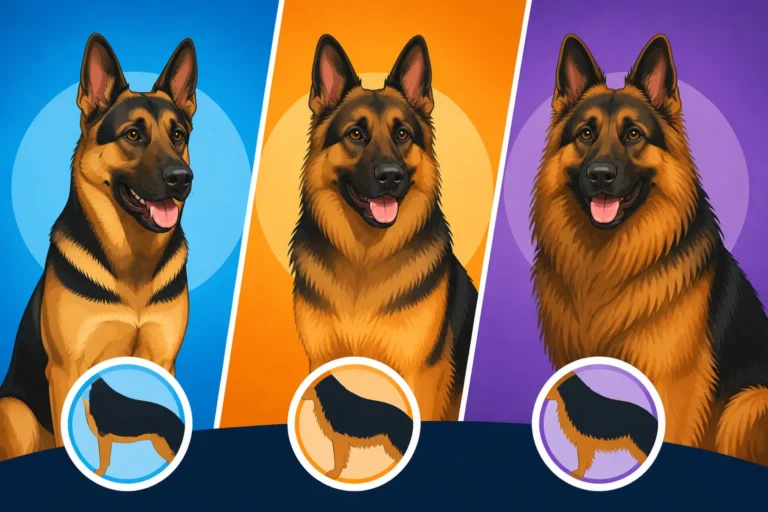
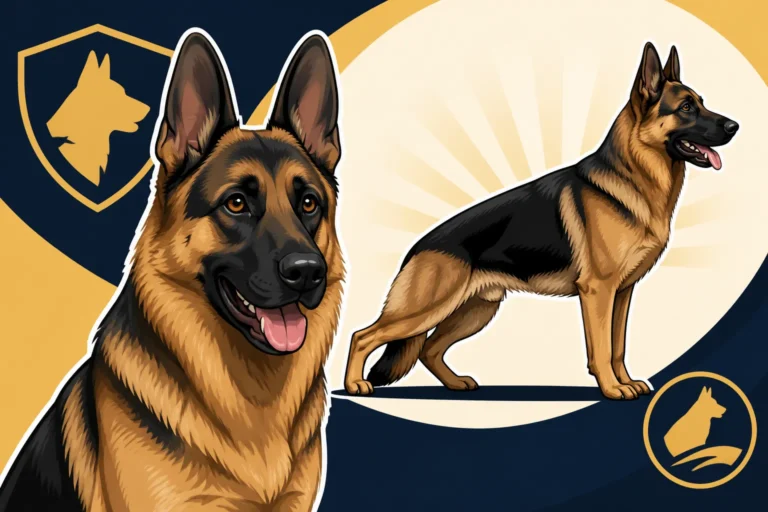
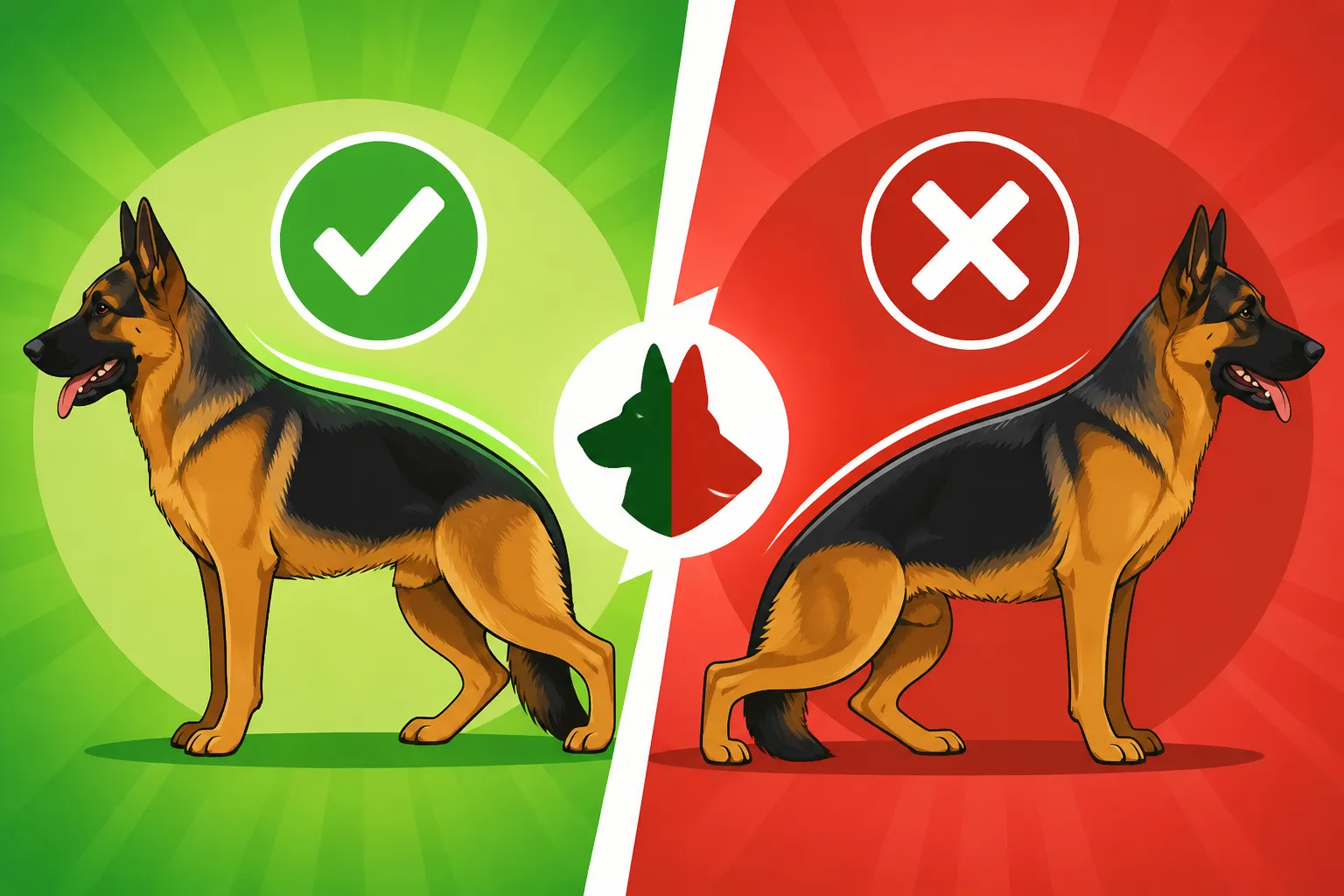
When people talk about a "straight back," they are generally referring to a topline that appears relatively level from the withers (the highest point of the shoulders) back to the croup (the area just before the tail). There's usually a slight slope, but it's minimal and contributes to a powerful, balanced appearance. These dogs typically have moderate angulation in their hindquarters, allowing for strong, efficient drive.
Conversely, a "sloped back" often refers to a more pronounced downward angle of the topline, starting from the withers and descending towards the tail. This visual effect is typically created by extreme angulation in the hindquarters – think very deep stifles and hocks that are set far back. In its most extreme form, it can look as if the dog is constantly crouching in the rear. While a slight slope is normal and functional, the exaggerated slope is what often sparks concern. It’s important to remember that the visual "slope" isn't just about the spine itself, but more about the overall conformation, particularly the angulation of the rear assembly.
The Sloped Back: Why the Concern?
The apprehension surrounding the extremely sloped back isn't arbitrary; it stems from valid concerns about canine biomechanics and long-term joint health. While a certain degree of angulation is necessary for efficient movement, excess can lead to significant problems.
Exaggerated Angulation and Its Impact
When a German Shepherd has extremely exaggerated angulation, particularly in its hindquarters, it fundamentally changes how its body moves and bears weight. Think of it like this: if your knees were permanently bent at a severe angle, every step would require more effort and put abnormal stress on your joints. For a German Shepherd, extreme angulation means the hip, stifle (knee), and hock joints are operating outside their optimal range. This can lead to increased torque and pressure on the cartilage and ligaments within these joints.
This increased stress is a major reason why extreme angulation is often linked to a higher predisposition for orthopedic conditions. Dogs with this structure may be more prone to developing or exacerbating conditions like German Shepherd Hip Dysplasia Explained and German Shepherd Elbow Dysplasia: Symptoms and Treatment. The ligaments and soft tissues around the joints are constantly under strain, making them more susceptible to injury and premature degeneration over time. It's a cumulative effect where the dog's very structure works against its long-term joint health.
Mobility and Performance Issues
Beyond the direct impact on joint health, exaggerated angulation can significantly hinder a German Shepherd's natural mobility and performance. The breed is renowned for its powerful, ground-covering trot, a gait that demonstrates endurance and efficiency. However, a dog with an overly sloped back and extreme rear angulation often struggles to achieve this natural, balanced movement. Instead, you might observe a "flying trot" in the show ring, where the dog appears to launch itself forward from its hindquarters, often lifting its front legs high. While visually striking, this gait can be inefficient and unsustainable in a working context.
Such a gait demands more energy and puts excessive strain on the dog's body, particularly the lower back and hindquarters. It can reduce the dog's stamina and ability to perform prolonged activities like tracking, agility, or even long hikes with their families. Imagine asking an athlete to run a marathon with an awkward, energy-sapping stride – they might finish, but at what cost to their body? For a German Shepherd, a breed built for athleticism, this means compromising the very traits that define its heritage. It's a sad truth that prioritizing a certain look can inadvertently undermine the functional health the breed was created for.
The Straight Back: Is It Always Healthier?
The pendulum often swings to the other extreme, with many advocating for the "straight back" as the undisputed champion of health. While a more level topline is often associated with better functionality, it's not an automatic guarantee of perfect health.
Functional Anatomy and Natural Movement
A German Shepherd with a moderately straight or level topline, coupled with balanced front and rear angulation, is generally considered to possess the ideal functional anatomy. This structure allows for a strong, elastic back that can absorb shock and transmit power efficiently from the hindquarters through the core to the front. The spine acts like a flexible bridge, distributing weight evenly and supporting a fluid, ground-covering gait that is both powerful and enduring.
This balanced structure enables the dog to move with purpose and grace, whether it's navigating rough terrain, performing intricate obedience routines, or simply enjoying a long run in the park. The joints, from hips to hocks, operate within their natural, intended ranges, reducing the likelihood of excessive wear and tear. This is why when we discuss Signs of a Healthy German Shepherd, sound, effortless movement is always at the top of the list. It’s not just about the look, but how that look translates into practical, pain-free living.
Not All Straight Backs Are Created Equal
It's crucial to understand that simply having a "straight back" doesn't automatically equate to perfect health. Just like a sloped back can be exaggerated, a straight back can also be bred poorly. A dog might have a visually straight topline but possess other structural flaws, such as insufficient angulation in the front or rear, poor bone density, or weak musculature. These issues can lead to stiffness, reduced shock absorption, and a lack of agility, making the dog less capable and potentially more prone to injuries.
The key is balance and overall soundness. A truly healthy German Shepherd has a harmonious blend of all its structural components. This includes a strong back, well-angulated shoulders and hips, sturdy bones, and powerful muscles. It's a holistic picture, not just one isolated feature. Responsible breeders understand this, emphasizing German Shepherd Genetic Health Testing and overall conformation rather than fixating on a single trait. Don't be fooled into thinking that any "straight back" dog is inherently superior; always look at the whole package and, most importantly, the dog's movement and history.
The Real Indicators of a Healthy German Shepherd Back
So, if neither "straight" nor "sloped" automatically guarantees health or illness, what should we be looking for? The answer lies in shifting our focus from static appearance to dynamic function and the integrity of responsible breeding practices.
Beyond the Visual: Focus on Function and Soundness
When assessing a German Shepherd, especially a puppy you're considering bringing into your home, the most important factor regarding its back health is its functionality and soundness. Can the dog move freely, without stiffness or hesitation? Does it exhibit a strong, fluid, and energetic gait? A healthy German Shepherd should move with purpose, their steps appearing effortless, and their body working in harmony. You shouldn't see any obvious signs of pain or discomfort, such as limping, reluctance to jump, or difficulty getting up after rest.
Observe the dog in motion. Does it have good muscle tone, especially across its back and hindquarters? Does it recover quickly after exercise, or does it seem to be in pain? These are far more telling indicators than a simple visual assessment of its topline. A truly healthy back, regardless of a slight aesthetic variation, is one that supports the dog’s active lifestyle without causing undue stress or discomfort. Remember, a dog’s well-being is paramount, and its ability to enjoy life actively is a clear reflection of its physical health.
The Role of Responsible Breeding and Health Testing
This is perhaps the single most critical factor in determining the likelihood of a German Shepherd having a healthy back and overall sound structure. A reputable breeder will prioritize the health and longevity of their dogs above all else, rather than chasing fleeting show ring trends that may compromise physical integrity. Such breeders will conduct comprehensive German Shepherd Genetic Health Testing on their breeding stock. This includes screenings for hip and elbow dysplasia, often through organizations like OFA (Orthopedic Foundation for Animals) or PennHIP. It's crucial to understand that these tests assess the actual joint health and structure, providing objective data that goes far beyond a dog's superficial backline appearance. For a deeper dive, check out OFA vs PennHIP Hip Scoring Explained.
A responsible breeder will be transparent about their dogs' health clearances and genetic history. They should be eager to show you the paperwork and explain what the results mean. They will also be able to discuss the lineage of their puppies, providing insights into the health and temperament of previous generations. Avoid any breeder who dismisses health testing, makes excuses, or focuses solely on a dog's "look" without verifiable health credentials. Choosing a puppy from such a breeder significantly increases your chances of bringing home a dog with a structurally sound back and a much lower risk of inherited orthopedic issues.
Practical Steps for Owners to Promote Back Health
Even with the best genetics, a German Shepherd's back health can be greatly influenced by how they are raised and cared for. As owners, we have a significant role to play in supporting their skeletal and muscular development throughout their lives.
Nutrition and Weight Management
Proper nutrition is the cornerstone of good skeletal development and overall health, especially for large breeds like German Shepherds. During puppyhood, it's vital to feed a high-quality large-breed puppy food that supports slow, steady growth. Too rapid growth can put immense stress on developing bones and joints, even in a genetically sound puppy. As your German Shepherd matures, maintaining an appropriate adult weight is paramount. Obesity is a silent killer for joints and can significantly exacerbate any underlying orthopedic issues, regardless of your dog's back type.
Ensure your dog's diet provides balanced nutrients, including appropriate levels of protein, fat, vitamins, and minerals. Some owners find it helpful to look into joint-supporting ingredients in their dog's food, or consider supplements. You can explore a wide variety of high-quality large breed dog foods and joint supplements on platforms like Chewy, ensuring you're getting products tailored to their specific needs. Always refer to a German Shepherd Feeding Guide and monitor your dog's body condition to prevent German Shepherd Weight and Obesity Risks. A lean dog is a healthier, happier dog with less strain on its back and joints.
Appropriate Exercise and Conditioning
German Shepherds are active dogs, and proper exercise is critical for developing and maintaining strong muscles that support the spine and joints. However, the type and intensity of exercise need to be carefully managed, particularly during their growth phase. Puppies should have controlled exercise rather than intense, prolonged activities or high-impact jumping. Free play in a safe, soft environment is good, but avoid activities that put excessive strain on their still-developing growth plates. Understanding How Much Exercise Is Too Much for a Puppy is key here.
As adults, consistent, moderate exercise like regular walks, swimming, and mental stimulation activities are ideal. These help build core strength and maintain muscle tone without overstressing their joints. Activities like jogging on hard surfaces for long periods, or intense agility work with repeated jumps, should be introduced gradually and only once the dog is fully mature and conditioned. Regular conditioning, even through simple daily walks, contributes immensely to a strong back and resilient body. For more detailed guidance, refer to German Shepherd Exercise Requirements.
Early Detection and Veterinary Care
Even with the best care, German Shepherds can still develop orthopedic issues due to their genetics and sheer size. This is why regular veterinary check-ups are non-negotiable. Your vet can monitor your dog's gait, examine their joints, and advise on preventative measures. Learning to recognize First Signs of Hip Dysplasia in German Shepherds or other issues, such as limping, reluctance to play, changes in gait, or difficulty with stairs, is incredibly important. Early detection can lead to more effective management strategies and improve your dog’s quality of life.
Proactive measures, such as discussing German Shepherd Joint Health Supplements with your vet, can also be beneficial, especially as your dog ages or if they show early signs of joint stiffness. Many effective joint supplements containing ingredients like glucosamine, chondroitin, and MSM are readily available, including a wide selection on Chewy that are specifically formulated for large breeds. Remember, your veterinarian is your most valuable partner in ensuring your German Shepherd leads a long, healthy, and comfortable life.
| Feature | Straight-Back German Shepherd (Functional) | Sloped-Back German Shepherd (Extreme Angulation) |
|---|---|---|
| Topline | Relatively level from withers to croup, with a slight, graceful incline. | Pronounced downward slope from withers to tail, often giving a crouching appearance. |
| Hind Angulation | Moderate and balanced, allowing for powerful, efficient drive. | Extreme and exaggerated, leading to overly bent stifles and hocks. |
| Movement | Fluid, ground-covering, efficient trot; powerful and enduring. | Often a "flying trot" or less efficient, energy-sapping gait; may lack endurance. |
| Joint Health | Generally better weight distribution, less strain on hips/knees with proper breeding. | Increased stress and torque on hip, stifle, and hock joints. |
| Risk of Orthopedic Issues | Lower, especially with responsible breeding and health clearances. | Higher predisposition to conditions like hip/elbow dysplasia due to structural stress. |
| Overall Functionality | Excellent for working, sport, and active family life; built for endurance. | May experience reduced agility, stamina, and long-term comfort in working roles. |
| Breed Standard Interpretation | Closer to original working dog ideal, prioritizing utility and soundness. | Often a modern show ring aesthetic, sometimes at the expense of functional health. |
Ultimately, whether you lean towards a German Shepherd with a more traditional straight back or one with a slightly more sloped topline, the core takeaway is this: prioritize function, soundness, and responsible breeding over fleeting aesthetics. A truly healthy German Shepherd is one that moves with power and grace, is free from pain, and can live a full, active life by your side. Seek out breeders who conduct thorough health testing and emphasize overall structure, temperament, and health, not just a specific visual trait. This will give your beloved companion the best possible start and a lifetime of well-being.
Disclaimer
This article is for general informational purposes only and does not constitute professional advice. Laws, prices and regulations vary by location and change over time. Consult a qualified professional for guidance on your specific situation.