How to Choose a Vet for a German Shepherd
German Shepherd veterinary care requires evaluating large-breed experience, clinic atmosphere, diagnostic equipment, and preventative health approaches.

German Shepherd veterinary care requires evaluating large-breed experience, clinic atmosphere, diagnostic equipment, and preventative health approaches.

German Shepherd vet costs encompass routine puppy care, adult wellness exams, senior monitoring, and expenses for unexpected emergencies or surgeries.

German Shepherd pet insurance covers breed health issues like hip dysplasia and bloat, helping owners manage expensive veterinary emergencies.
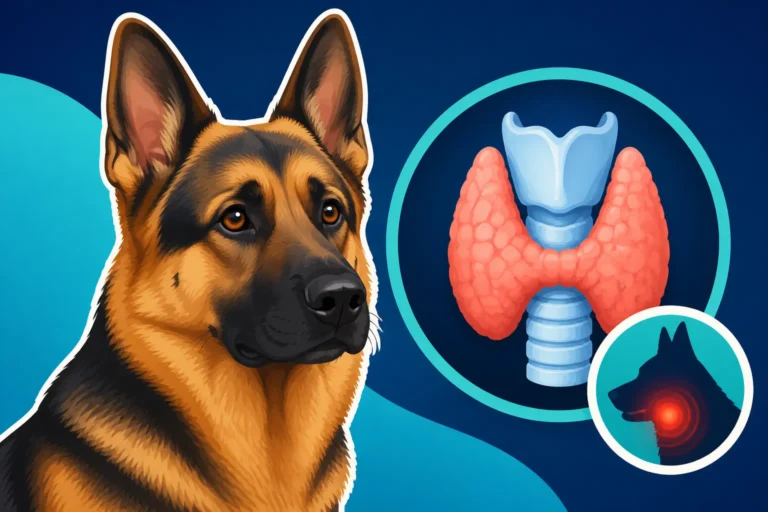
German Shepherd thyroid problems involve underactive glands. Read about common physical symptoms, diagnostic blood panels, and lifelong treatment options.
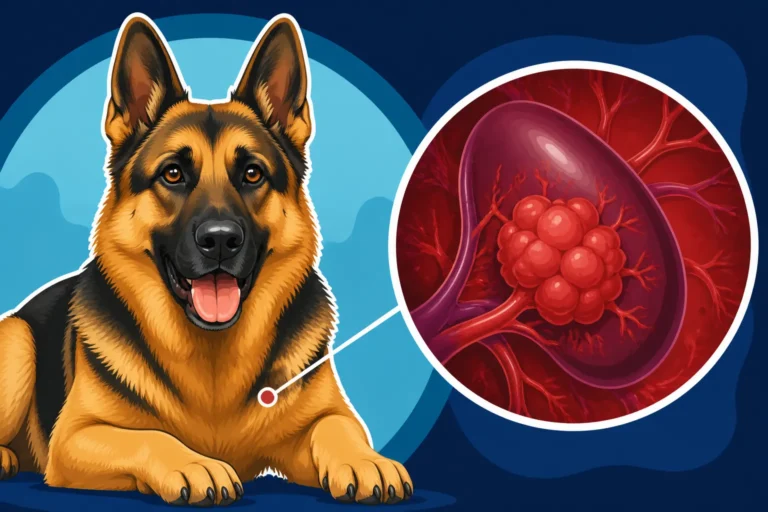
German Shepherd hemangiosarcoma is an aggressive blood vessel cancer, detailing symptoms, diagnostic methods, surgical treatments, and survival timelines.
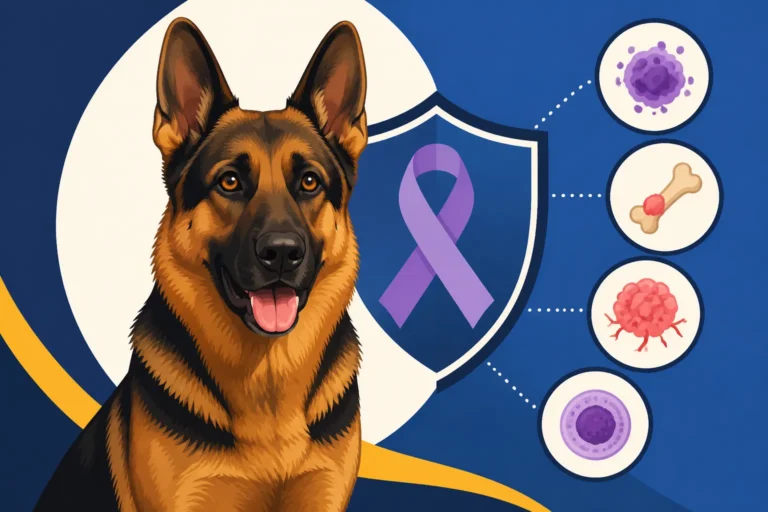
German Shepherd cancer types include hemangiosarcoma, osteosarcoma, lymphoma, and mast cell tumors, detailing early signs, diagnostics, and treatments.
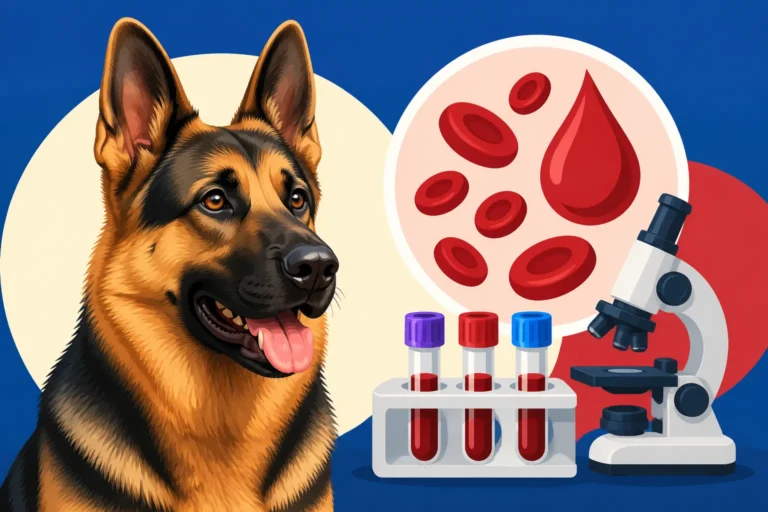
German Shepherd blood tests establish baseline health markers and screen for thyroid disorders, pancreatic issues, and tick-borne diseases.

Proper puppy exercise guidelines and the five-minute rule protect German Shepherd growth plates and prevent lifelong joint injuries.

German Shepherd growth plates and safe exercise guidelines help owners protect puppy joints from lifelong damage during development.
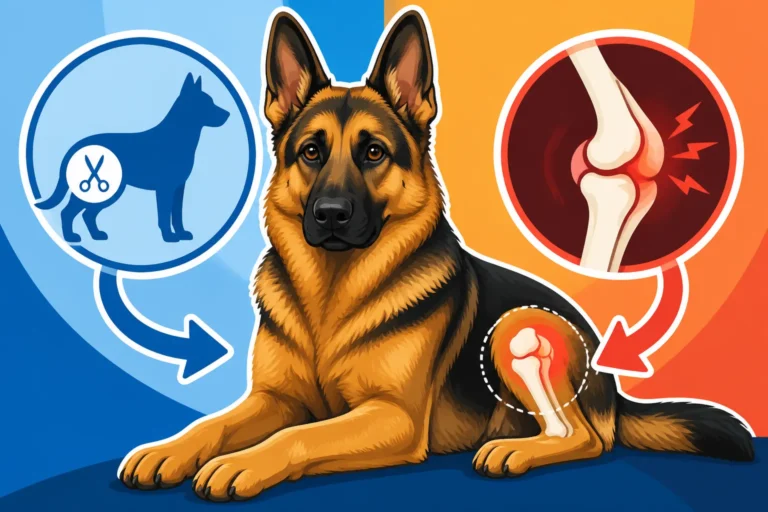
Early neutering in German Shepherds affects bone growth plates, hormone levels, and joint health, increasing risks of hip dysplasia and ligament tears.