German Shepherd Growth Plates and Exercise
It’s a common dilemma for German Shepherd parents: you’ve got this bundle of boundless energy, a furry dynamo eager to run, jump, and play all day long. Your heart swells with pride watching them zoom around, but a nagging worry creeps in – are you doing too much? Could all this exuberant play be harming their delicate joints, especially those crucial growth plates that are still developing? It’s a very real concern for any owner of a large, rapidly growing breed, and this guide is here to shed light on how to balance exercise with the crucial developmental needs of your German Shepherd puppy to ensure a healthy, happy future.
Understanding German Shepherd Growth Plates and Their Vulnerability
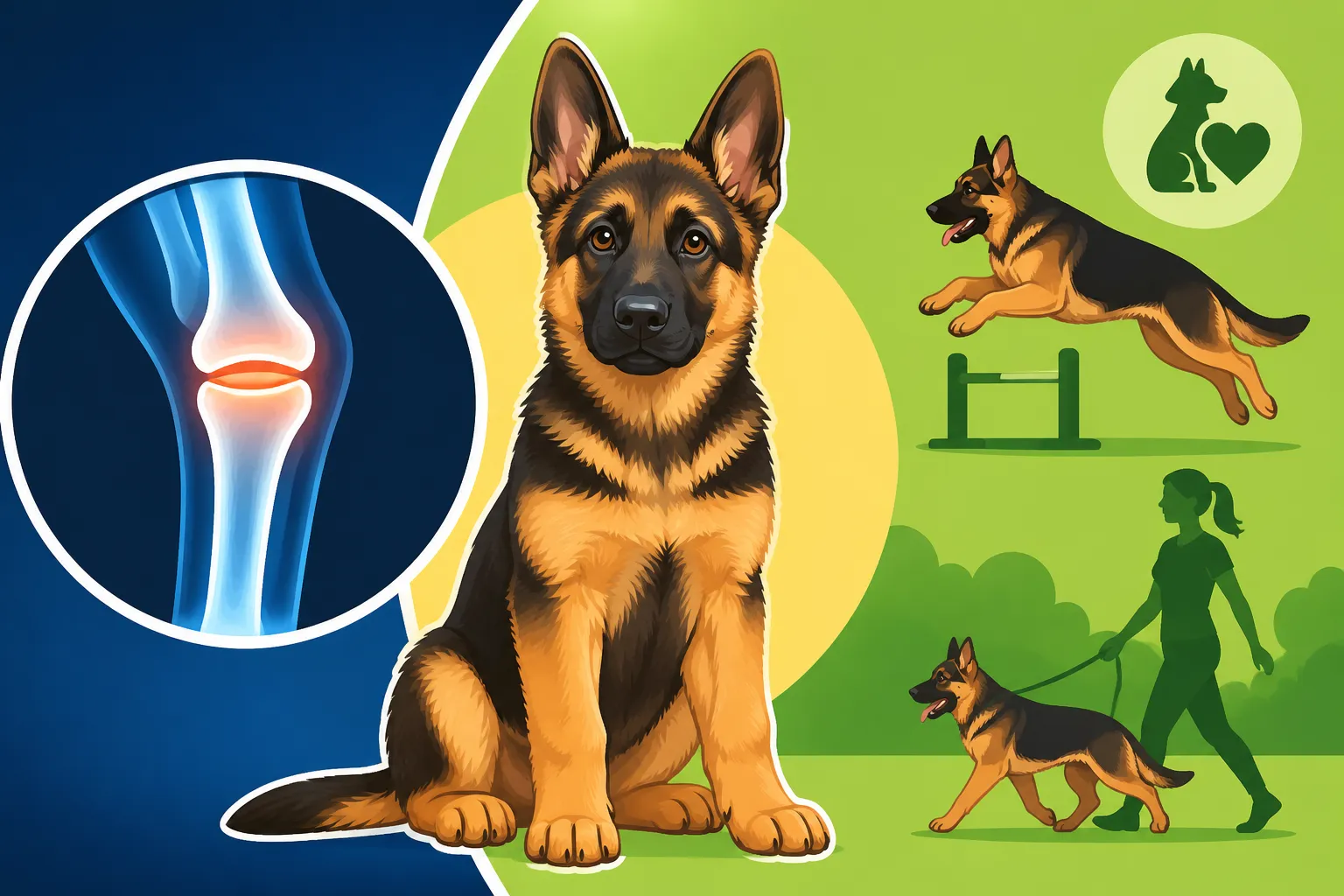
First, let’s talk about what we’re actually protecting here: growth plates. These aren’t just some abstract veterinary term; they’re incredibly important, cartilage-rich areas located near the ends of a puppy's long bones, like those in their legs. Scientifically known as epiphyseal plates, they’re essentially the engines driving your German Shepherd puppy's rapid growth, allowing the bones to lengthen. They’re soft and susceptible to injury until they gradually "close" and turn into solid bone, a process called ossification.
The reason this is such a big deal for German Shepherds, specifically, is a combination of factors. They are a large breed, meaning they grow fast – much faster than a toy poodle, for example. This rapid growth puts immense stress on their developing skeletal system. Combine this with the breed's genetic predisposition to orthopedic issues like German Shepherd Hip Dysplasia Explained and German Shepherd Elbow Dysplasia: Symptoms and Treatment, and you realize just how critical it is to protect these vulnerable areas during their formative months. An injury to a growth plate before it closes can lead to lifelong lameness, deformities, or even severe arthritis down the road. It’s a silent, unseen risk that every GSD owner needs to be acutely aware of, even if it feels counterintuitive to limit a lively puppy's playtime.
Generally, most growth plates in German Shepherds close between 12 to 18 months of age, though some might close slightly earlier or later depending on the specific bone and individual dog. This is a critical window where careful management of exercise is paramount. Pushing a puppy too hard before these plates have fully fused can cause microtrauma or even full fractures, disrupting normal bone development. This isn't just about big, dramatic accidents either; repetitive, high-impact activities day after day can also contribute to cumulative damage. It’s a long game, and patience during these early months pays dividends for their long-term health and mobility.
The Goldilocks Zone of Exercise for German Shepherd Puppies
Navigating the world of puppy exercise can feel like walking a tightrope. On one side, you have the risk of injury from too much exertion, especially high-impact activities. On the other, there's the concern that too little exercise could lead to an under-stimulated, potentially destructive puppy, or even contribute to poor muscle development that supports joints. The goal is to find that "just right" amount – the Goldilocks Zone – where your German Shepherd puppy gets enough physical and mental stimulation without putting undue stress on their developing skeletal system.
The key to safe exercise is "controlled activity." Think about gentle, on-leash walks where you dictate the pace and duration. Short bursts of playtime in a securely fenced yard, especially on softer surfaces like grass, are also excellent. These activities allow your puppy to expend energy and explore without forcing unnatural movements or sustained high-impact stress. Puppy play with other appropriately-sized and well-mannered dogs can also be beneficial, as long as it's supervised and not overly rough. The idea is to build muscle tone and coordination gradually, letting their bones and joints catch up at their own pace.
Where owners often unintentionally cause harm is with "risky exercise." This includes activities that involve intense, repetitive jumping (like continually fetching a ball thrown high), long-distance running (especially on hard surfaces like pavement), prolonged agility training with weaves and jumps, or even frequent, uncontrolled play with much larger, boisterous dogs. These types of movements can put immense pressure on soft growth plates, leading to inflammation, trauma, and potential long-term damage. Even running up and down stairs multiple times a day can be too much for a young pup. It's tough to say "no" to that eager face, but prioritizing their future health means making smart choices now. This is also why having good pet insurance, like a plan from Healthy Paws, can be so reassuring, knowing that if an unforeseen injury does occur, you have support.
A widely accepted guideline, often referred to as the "5-minute rule," suggests that a puppy should get about 5 minutes of structured exercise per day for each month of their age, up to twice a day. So, a 3-month-old puppy might get 15 minutes of walking twice a day, while a 6-month-old might get 30 minutes. This is a general guideline for structured exercise and doesn't include free play in the yard, which should also be monitored for intensity. Remember, short and frequent is better than long and intense. Many new owners ask, "How Much Exercise Is Too Much for a Puppy?" The answer is often less than you think, especially with a breed like the German Shepherd.
| Age of Puppy | Recommended Structured Exercise (Twice Daily) | Types of Activities | Avoid These Activities |
|---|---|---|---|
| 8-12 Weeks | 10-15 minutes | Gentle leash walks, short play sessions on grass | Stairs, jumping, long runs, hard surfaces |
| 3-4 Months | 15-20 minutes | Leash walks, controlled fetch, puppy classes | Extended hikes, high jumps, rough play with large dogs |
| 5-6 Months | 25-30 minutes | Longer leash walks, light jogging (grass), swimming (supervised) | Agility equipment, intense road running, sudden stops & turns |
| 7-12 Months | 35-50 minutes (gradual increase) | Hiking, fetch, swimming, obedience training, light jogging | Competitive sports, forced high-impact activities until 18+ months |
| 12-18 Months | Up to 60 minutes (increasing as plates close) | Most activities, but still mindful of joint impact | Can begin to introduce more strenuous activities cautiously. |
| 18+ Months | Full adult exercise | Running, hiking, agility, intense play, working sports | Overexertion, sudden increase in intensity without conditioning |
Note: This table provides general guidelines. Always consult your veterinarian for advice tailored to your individual German Shepherd's health and development.
Practical Exercise Guidelines by Age for Your German Shepherd
Understanding the general principles is one thing, but applying them day-to-day can feel like another challenge entirely. German Shepherds mature in stages, and their exercise needs, and more importantly, their exercise limitations, shift as they grow. Being mindful of these stages is crucial for their long-term health.
The Delicate Puppy Stage: 8 Weeks to 6 Months
This is the most critical period for growth plate protection. Your German Shepherd puppy is growing at an astonishing rate, and their bones and joints are at their most vulnerable. During these early months, the focus should be on socialization, short bursts of supervised free play, and very gentle, short walks.
- Socialization is Key: Rather than rigorous physical exercise, prioritize exposing your puppy to new sights, sounds, people, and other calm, vaccinated dogs in a controlled manner. This builds their confidence and teaches them appropriate social behavior. Puppy classes are fantastic for this, offering a safe environment for controlled play. You can find more on this in our guide on German Shepherd Puppy Training Guide.
- Controlled Play: Think about short games of fetch with soft toys on grass, or gentle tug-of-war sessions. Avoid any activities that involve hard landings, twisting motions, or sustained running on hard surfaces. These little bodies aren't built for marathons or intense jumps just yet. The goal is to let them burn off some energy and explore, but always under your watchful eye, keeping play sessions brief (think 5-10 minutes, multiple times a day).
- Gentle Walks: These should be about exploring the world and practicing leash manners, not about burning off all their energy. A 15-minute stroll around the block (for a 3-month-old) is plenty. Let them sniff and investigate, keeping the pace leisurely.
The Active Juvenile Stage: 6 Months to 18 Months
As your German Shepherd enters their "teenage" phase, they'll often appear full-grown and possess an incredible amount of energy. It’s tempting to ramp up exercise significantly, but remember, many growth plates are still closing during this period. You can gradually increase activity, but caution remains key.
- Gradual Increase in Duration: You can slowly extend your walks and play sessions, keeping the 5-minute-per-month rule in mind. For a 9-month-old, a 45-minute walk might be appropriate, but consider breaking it into two shorter walks if the intensity is high.
- Structured Play: Continue with supervised fetch and other games, but still be mindful of intense jumping or sudden stops and starts. Introducing swimming can be a fantastic, low-impact exercise option. It builds muscle without stressing joints. A flotation vest can help them feel more confident in the water initially.
- Mental Stimulation: Don't forget their incredible intelligence! Puzzle toys, obedience training, and scent work are excellent ways to tire them out mentally without putting physical strain on their bodies. A mentally tired German Shepherd is often a well-behaved one.
- Watch and Learn: Pay close attention to how your dog is moving. Are they limping after a play session? Are they reluctant to get up? Any signs of discomfort warrant a call to your vet. Early detection of issues is paramount, and a good pet insurance plan from Healthy Paws can cover unexpected vet visits.
The Full-Fledged Adult: 18 Months and Beyond
Once your German Shepherd has reached full skeletal maturity, typically around 18 months, their growth plates will have closed. This means they are generally ready for a much wider range of activities. However, their breed-specific joint considerations mean you still need to be a responsible owner.
- Unleash the Energy (Carefully): This is when you can truly enjoy more strenuous activities like longer hikes, running, agility, or engaging in protection or sport work, assuming they've been properly conditioned. Always start new, intense activities slowly and build up stamina over time.
- Consistency is Key: German Shepherds thrive on routine. Regular, consistent exercise is better than sporadic, intense bursts. This helps maintain muscle tone, joint flexibility, and overall fitness.
- Listen to Their Body: Even as adults, German Shepherds can be prone to joint issues. Be vigilant for any signs of stiffness, lameness, or changes in gait. Cold weather can exacerbate joint discomfort, so adjust activities as needed. Our article on German Shepherd Arthritis Management at Home has some useful tips for older dogs.
- Ongoing Conditioning: Continue to focus on activities that promote overall fitness, strength, and flexibility. Canine massage, physical therapy exercises, and swimming remain excellent choices for lifelong joint health.
Supporting Joint Health Beyond Exercise
While careful management of exercise during puppyhood is arguably the most crucial step in preventing growth plate and joint issues, it’s not the only piece of the puzzle. A holistic approach to your German Shepherd's health involves several other key areas that directly impact their skeletal and overall well-being.
The Power of Proper Nutrition
What you feed your German Shepherd, especially during their rapid growth phase, plays a monumental role in their bone and joint development. It’s not just about quantity, but quality and balance. Opt for a high-quality, large-breed puppy food that is specifically formulated to support the controlled growth of large breeds. These formulas typically have a carefully balanced calcium-to-phosphorus ratio and appropriate calorie levels to prevent overly rapid growth, which can stress developing joints.
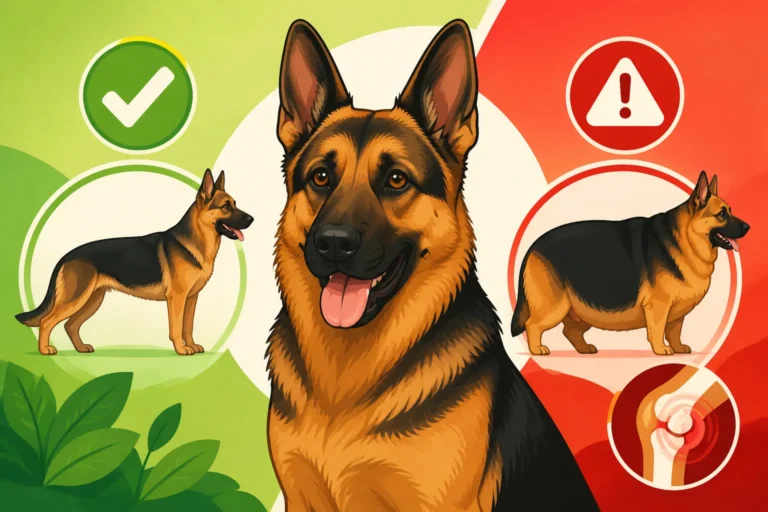
Avoid generic puppy foods or those not specifically designed for large breeds, as they might encourage growth that's too fast for their skeletal structure to keep up with. Overfeeding can also lead to obesity, putting unnecessary strain on joints from a very young age. Always follow the feeding guidelines on the food bag, adjusting as needed based on your vet's advice and your puppy's individual condition. A well-nourished body lays the foundation for strong bones and resilient joints. Finding the Best Puppy Food for German Shepherds is a great start.
The Role of Supplements and Vet Check-ups
The topic of joint supplements for German Shepherd puppies can be a bit of a debate. While some owners are eager to provide every advantage, it's crucial to consult your veterinarian before adding any supplements to your puppy's diet. Excessive supplementation, particularly with calcium, can actually be detrimental to bone development.
However, for some individuals, or as they age, joint supplements containing ingredients like glucosamine, chondroitin, and MSM can be beneficial. These ingredients are thought to help support cartilage health and reduce inflammation. Your vet can advise you on the appropriate age, dosage, and type of supplement, if any, for your particular German Shepherd. Remember, supplements are not a magic bullet and cannot reverse damage already done, but they can support ongoing joint health. Our guide on German Shepherd Joint Health Supplements offers more insight.
Regular veterinary check-ups are non-negotiable. Your vet can monitor your puppy's growth, assess their gait, and perform physical examinations to detect any early signs of orthopedic problems. They can also discuss German Shepherd Genetic Health Testing if you haven't already had your pup's parents screened. These visits are vital for catching subtle issues before they become major problems, allowing for early intervention. If you're concerned about unexpected vet costs, investing in pet insurance from a reliable provider like Healthy Paws can provide immense peace of mind.
Recognizing Early Warning Signs
Being observant is one of your most powerful tools as a German Shepherd owner. Your puppy can't tell you if their hip hurts or their elbow is sore, so you need to learn to "read" their body language and behavior.
- Changes in Gait: Is your puppy limping, bunny hopping (using both hind legs simultaneously), or exhibiting a reluctance to put weight on a limb? Any persistent changes in how they walk, run, or rise from a resting position should be investigated.
- Reluctance to Move: If your usually playful puppy is suddenly hesitant to jump into the car, climb stairs, or engage in their favorite games, it could be a sign of pain or discomfort.
- Pain Response: Do they yelp or flinch when you touch a certain area, or when they stretch? Are they guarding a particular limb?
- Swelling or Heat: Visibly swollen joints or areas that feel warm to the touch can indicate inflammation or injury.
Never ignore these signs. A quick trip to the vet is always the best course of action. Early diagnosis and treatment are crucial for managing orthopedic conditions and can significantly improve your German Shepherd's quality of life. Don't wait hoping it will just "go away"; often, these issues only worsen without intervention. Understanding these and other Common German Shepherd Health Issues by Age can empower you to be a more proactive pet parent.
Disclaimer
This article is intended for informational purposes only and does not constitute veterinary advice. Always consult with a qualified veterinarian for any health concerns or before making any decisions about your German Shepherd's care, diet, or exercise regimen. Individual needs may vary.