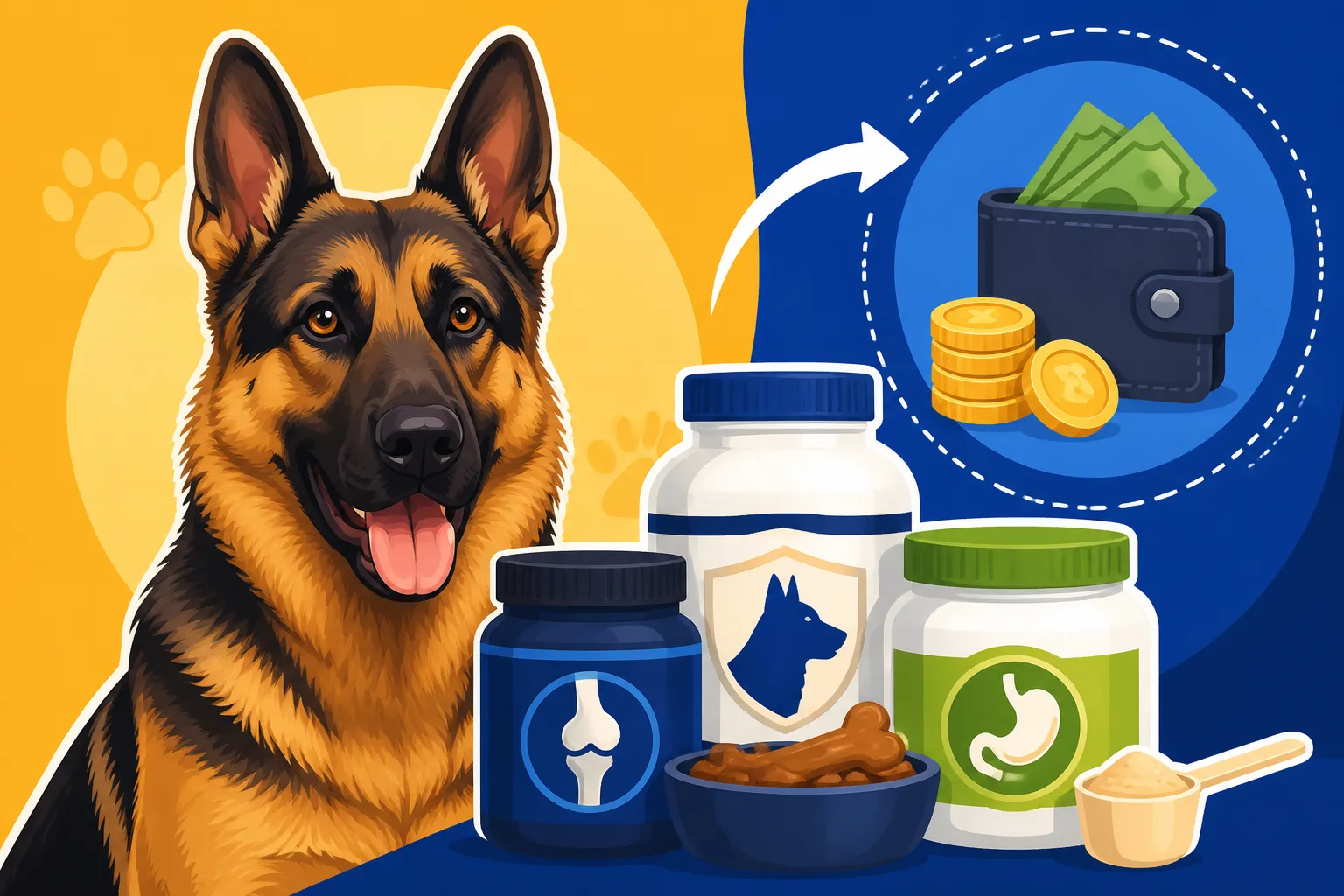
Monthly Cost of German Shepherd Supplements
Navigating the world of German Shepherd ownership is incredibly rewarding, but let's be honest, it also comes with a unique set of financial considerations, especially when it comes to their health. Many of us find ourselves staring at shelves full of supplements, wondering if they’re truly necessary and, perhaps more pressingly, how much they’re going to hit our wallets each month. This guide is here to shed light on the true monthly cost of German Shepherd supplements, breaking down what you can expect to pay and offering practical strategies to manage these ongoing expenses without compromising your beloved companion’s well-being.
Why German Shepherds Often Need Supplements and How Costs Accumulate
It's a common misconception that a "good quality diet" is always enough. While a premium kibble or a well-balanced fresh food diet is a fantastic start, German Shepherds, by their very nature and genetic predisposition, often benefit significantly from targeted supplementation. Their large, active bodies and specific breed vulnerabilities mean that sometimes, even the best food can't provide all the protective or therapeutic compounds they need in adequate amounts. This isn't a reflection of poor care; it's simply a reality of owning such a magnificent, albeit sometimes high-maintenance, breed.
Common Health Concerns Driving Supplement Needs
One of the most widely recognized challenges for German Shepherds is their propensity for joint issues, primarily German Shepherd Hip Dysplasia Explained and elbow dysplasia. These conditions can start subtly and progress over time, causing pain and limiting mobility. Beyond joints, many German Shepherds experience skin sensitivities, allergies, or digestive upsets. These aren't just minor inconveniences; they can severely impact your dog's quality of life and, if left unaddressed, lead to more severe and costly problems down the line. Owners often turn to supplements as a proactive measure or as part of a treatment plan for these prevalent issues.
It’s heartbreaking to watch your active, playful German Shepherd start to slow down, limp, or scratch incessantly. These visible signs of discomfort are often the first triggers for owners to seek additional support beyond their regular diet. Veterinarians frequently recommend supplements as a first line of defense or alongside other treatments to manage symptoms and support overall health. This immediate need often adds to the monthly budget, sometimes unexpectedly.
Preventive Versus Reactive Supplementation
The cost dynamics of supplements can differ greatly depending on whether you're using them preventatively or reactively. Preventive supplementation involves starting a regimen before symptoms appear, often in younger German Shepherds, to support long-term health, particularly joint health. For instance, many owners begin giving their German Shepherd puppies joint support around 12-18 months of age, or even earlier, hoping to bolster cartilage and joint fluid. While this adds to the monthly expenses from an earlier age, the hope is to stave off or minimize the severity of future conditions.
Reactive supplementation, on the other hand, comes into play once a German Shepherd is already showing signs of a health issue, such as limping from arthritis or persistent itching from allergies. In these cases, the dosages might be higher, or a combination of several supplements might be recommended to address the acute problem. This often means a sudden, larger spike in monthly costs, sometimes coupled with other veterinary expenses like medication or diagnostic tests. The goal here shifts from prevention to pain management, symptom relief, and slowing disease progression, which can often be more intensive and thus more expensive. Understanding this distinction is key to budgeting and making informed decisions about your dog's care.
Breaking Down the Monthly Cost of Common German Shepherd Supplements
Let's get down to the numbers. The cost of supplements can vary wildly based on the type of supplement, the brand, the dosage required for a large breed like a German Shepherd, and where you purchase them. It's not uncommon to juggle several different supplements each month, which quickly adds up.
Joint Supplements Glucosamine, Chondroitin, MSM
Joint supplements are practically a staple in many German Shepherd households due to the breed's predisposition to hip and elbow dysplasia. The most common active ingredients are glucosamine, chondroitin, and MSM (Methylsulfonylmethane), often combined for synergistic effects. These ingredients work to support cartilage health, improve joint lubrication, and reduce inflammation.
For a large dog like a German Shepherd, dosages are typically higher than for smaller breeds, meaning a single bottle might not last as long. You'll find these in various forms: chewable tablets, soft chews, powders, and even liquid formulas. Powders tend to be more cost-effective per dose than soft chews, but palatability can be an issue for some dogs. Reputable brands like Cosequin, Dasuquin, and Nutramax are popular choices. On average, you can expect to pay anywhere from $25 to $60 per month for a high-quality joint supplement for your German Shepherd, depending on the brand, concentration, and form. This is a recurring cost that many owners consider non-negotiable for their dog's comfort and mobility, especially as they age.
Omega-3 Fatty Acids Fish Oil
Omega-3 fatty acids, primarily EPA and DHA found in fish oil, are powerhouse supplements with widespread benefits. They are fantastic for reducing inflammation throughout the body, supporting joint health, improving skin and coat quality, and even bolstering cognitive function and heart health. For a German Shepherd, adequate omega-3 intake can significantly help with conditions like German Shepherd Arthritis: Symptoms and Treatment or even German Shepherd Skin Problems and Fixes.
When choosing a fish oil, look for products that are molecularly distilled to remove toxins like mercury, and always opt for a third-party tested brand to ensure purity and potency. You'll find liquid forms (which are often the most cost-effective for large dogs as you can easily adjust dosage) and capsules. Brands like Nordic Naturals, Grizzly Salmon Oil, and Zesty Paws are often recommended. The monthly cost for a good quality omega-3 supplement for a German Shepherd typically ranges from $15 to $40, again depending on the concentration and the brand's reputation for purity.
Probiotics and Digestive Aids
Digestive issues, including sensitive stomachs, loose stools, or even conditions like German Shepherd EPI: Symptoms and Treatment, are not uncommon in German Shepherds. Probiotics introduce beneficial bacteria to the gut, helping to maintain a healthy microbiome, improve digestion, and boost the immune system. Prebiotics, often included with probiotics, act as food for these good bacteria.
If your German Shepherd experiences occasional digestive upset, or if they've recently been on antibiotics, a probiotic can be immensely helpful. Brands like Purina Pro Plan FortiFlora, VetriScience, or even human-grade probiotics formulated for pets are widely available. These usually come in powder packets or chewable tablets. Monthly costs typically fall between $15 and $35. For more severe or chronic conditions, a specialized digestive enzyme or a prescription-strength probiotic might be needed, which could push costs higher.
Skin and Coat Supplements
Beyond omega-3s, some German Shepherds might benefit from specific supplements aimed at improving skin health and coat quality, especially if they suffer from dryness, excessive shedding, or allergies. Ingredients like biotin, zinc, vitamin E, or specific blends of botanical oils can target these issues. While omega-3s often address many skin concerns, sometimes an additional boost is necessary.
These supplements often come in chewable forms or as an additive to food. They can be particularly useful during shedding season or for German Shepherds with known environmental allergies. Products like salmon oil blends or specific "skin and coat" formulas from brands like Four Leaf Rover or K9 Power are popular. The monthly outlay for these specialized skin and coat supplements is generally in the range of $20 to $45, depending on the ingredients and brand quality.
Other Specialized Supplements
The world of dog supplements is vast, and depending on your German Shepherd's individual needs, you might encounter other specialized options.
- Calming Supplements: For German Shepherds prone to anxiety during thunderstorms, fireworks, or car rides, calming supplements containing ingredients like L-Theanine, tryptophan, or chamomile can be helpful. These are usually given on an "as-needed" basis or for short periods, and monthly costs would depend on frequency of use, but a supply might be around $15-$30.
- Multivitamins: While a balanced diet should provide most essential vitamins and minerals, some vets recommend a multivitamin for puppies, senior dogs, or those with specific dietary restrictions to ensure no nutritional gaps. These are typically $10-$25 per month.
- Liver Support: For older German Shepherds or those on long-term medications, liver support supplements (e.g., containing SAMe, milk thistle) might be recommended by a vet. These tend to be on the pricier side, often ranging from $30 to $60+ per month.
It's clear that these individual costs can quickly add up, easily pushing your total monthly supplement bill into the $50-$150+ range if your German Shepherd is on a comprehensive regimen.
Strategies to Manage and Potentially Reduce Supplement Costs
Seeing those numbers laid out can feel a bit daunting, right? Especially when you're just trying to give your German Shepherd the best life possible. The good news is there are smart ways to approach supplement purchases that can help ease the financial burden without cutting corners on quality or efficacy. It's all about being a savvy pet parent.
Consulting Your Veterinarian for Tailored Advice
This is, hands down, the most critical step in managing supplement costs. Before you buy a single product, talk to your vet. They have an intimate understanding of your German Shepherd's specific health history, breed predispositions, and current needs. What might be a wonder supplement for one dog could be completely unnecessary or even contraindicated for another. Your vet can help you prioritize which supplements are truly beneficial, recommend appropriate dosages, and even suggest specific brands they trust.
Think of it this way: buying a supplement your dog doesn't need or one that isn't effective for their particular issue is a waste of money. Your vet can prevent this unnecessary spending, ensuring you're investing in products that will genuinely make a difference. They can also advise on potential interactions if your dog is on medication, which is an invaluable service that saves you both money and potential health headaches. Don't be shy about discussing costs with them either; they often have recommendations for equally effective, more budget-friendly options or bulk purchasing ideas.
Buying in Bulk and Utilizing Subscription Services
For supplements your German Shepherd needs consistently, purchasing in larger quantities can significantly reduce the per-dose cost. Instead of buying a 30-day supply, look for bottles that offer 90 or 180 doses. Many reputable online pet supply retailers, like Chewy, offer bulk discounts and subscription services. When you sign up for a "Set & Save" or auto-ship program, you often get a percentage off each order, plus the convenience of never running out. This can translate to substantial savings over the course of a year.
It’s worth doing the math per serving. Sometimes, a more expensive initial purchase price for a larger container actually works out cheaper in the long run than repeatedly buying smaller, seemingly cheaper bottles. Just be mindful of expiration dates if you're buying a truly massive quantity, especially for products like probiotics that can lose potency over time.
Comparing Brands and Ingredients
Not all supplements are created equal, and price doesn't always directly correlate with quality. When you're looking at a joint supplement, for example, compare the active ingredient concentration per dose, not just the overall price of the bottle. Some cheaper brands might require you to feed more chews or powder to reach the therapeutic dose, effectively making them more expensive. Always check for third-party certifications or seals of approval from organizations like the National Animal Supplement Council (NASC) to ensure quality and safety.
Researching brands and reading reviews can also be helpful. Some brands specialize in certain types of supplements and might offer better value or efficacy in those specific areas. While it's tempting to grab the first thing you see, taking a few extra minutes to compare ingredients, concentrations, and manufacturing standards can lead to a smarter, more cost-effective purchase. Remember, the goal is effective supplementation, not just cheap supplementation.
Diet as a Foundational Approach
While supplements are crucial for addressing specific needs, never underestimate the power of a high-quality, balanced diet as the foundation of your German Shepherd's health. A premium diet rich in appropriate proteins, healthy fats, and digestible carbohydrates can naturally provide many nutrients that support overall well-being, potentially reducing the need for certain general supplements. For example, some high-quality foods are fortified with glucosamine and chondroitin, or contain naturally high levels of omega-3s from ingredients like salmon.
Consider services like Ollie that provide fresh, human-grade food. While a fresh food diet might have a higher upfront cost, the comprehensive nutrition it offers can sometimes reduce or eliminate the need for certain basic supplements by optimizing your dog's nutrient intake from their primary food source. A healthy gut, nourished by a quality diet, might be less prone to imbalances, thus reducing the need for continuous probiotic supplementation. Investing in top-tier nutrition is one of the best ways to keep your German Shepherd healthy, and it can actually be a cost-saving measure in the long run by preventing future health issues and subsequent vet bills or extensive supplement regimens. Taking proactive steps to ensure your dog is as healthy as possible can genuinely help How to Keep a German Shepherd Healthy.
The Long-Term Investment: Is it Worth the Monthly Expense?
When you’re crunching numbers for your monthly budget, those supplement costs can feel significant. It’s natural to wonder, "Is this truly worth it?" For German Shepherd owners, the answer, more often than not, is a resounding yes. Think of supplements not just as an expense, but as an investment in your dog’s future, their comfort, and your peace of mind. The alternative—dealing with advanced health problems—almost always comes with a much higher price tag, both emotionally and financially.
Quality of Life and Longevity
One of the most profound benefits of consistent, appropriate supplementation is the direct impact on your German Shepherd's quality of life. Imagine a senior German Shepherd struggling with stiff joints, barely able to enjoy a leisurely walk, let alone a game of fetch. Joint supplements, combined with proper nutrition and exercise, can significantly improve their mobility, reduce pain, and allow them to enjoy their golden years more fully. Similarly, a dog suffering from chronic skin allergies will be miserable, constantly scratching and potentially developing secondary infections. Omega-3s and other skin-supportive supplements can alleviate discomfort, leading to a happier, calmer companion.
This improved quality of life isn't just about comfort; it can also contribute to a longer, healthier lifespan. By supporting their body's natural functions and mitigating the impact of breed-specific health issues, you’re actively working to How to Extend a German Shepherd's Lifespan. Watching your German Shepherd thrive, active and engaged well into their senior years, is a priceless reward that far outweighs the monthly supplement costs. It ensures they get to enjoy more of those precious moments with you.
Avoiding More Expensive Veterinary Treatments
This is where the "preventative investment" truly shines. While supplements might seem like an added expense, they often serve as a proactive measure that can prevent or delay the onset of more severe, and much more costly, health problems. For instance, consistent use of joint supplements might delay the progression of arthritis, reducing the need for prescription anti-inflammatory drugs, expensive injections, or even orthopedic surgery down the line. The average German Shepherd Hip Dysplasia Surgery Cost can easily run into thousands of dollars, making a few hundred dollars a year on supplements seem like a bargain.
Similarly, maintaining gut health with probiotics can prevent chronic digestive issues that might otherwise require extensive diagnostic tests (bloodwork, fecal tests, ultrasounds), prescription diets, and medications. Addressing skin issues with appropriate supplements can prevent severe infections that require veterinary visits, antibiotics, and specialized shampoos. When you look at the bigger picture of German Shepherd Health Problems Guide, you'll see that many of these issues, if unmanaged, lead to significant vet bills. Supplements are a tool in your arsenal to keep your German Shepherd healthier longer, translating to fewer emergency visits and a more predictable financial outlook for your pet care budget. It’s about being proactive to avoid being reactive to a crisis.
Comparing Common German Shepherd Supplement Costs and Benefits
To give you a clearer picture, here’s a quick overview of some common supplements, their typical monthly cost range, and the primary benefits they offer to German Shepherds. Remember, these are general estimates, and individual prices will vary.
| Supplement Type | Primary Active Ingredients | Average Monthly Cost Range (for GSD) | Key Benefits for German Shepherds |
|---|---|---|---|
| Joint Support | Glucosamine, Chondroitin, MSM, Green Lipped Mussel | $25 – $60 | Supports cartilage, improves joint lubrication, reduces inflammation, crucial for hip/elbow dysplasia prevention and management. |
| Omega-3 Fatty Acids | EPA, DHA (Fish Oil, Krill Oil) | $15 – $40 | Anti-inflammatory, supports skin and coat health, aids joint mobility, promotes heart and brain health. |
| Probiotics / Digestive Aids | Various beneficial bacteria strains, Prebiotics, Enzymes | $15 – $35 | Improves digestion, reduces stomach upset, strengthens immune system, balances gut flora. |
| Skin & Coat Specific | Biotin, Zinc, Vitamin E, Evening Primrose Oil (often with Omega-3s) | $20 – $45 | Alleviates dry skin, reduces itching, promotes healthy shedding, enhances coat shine. |
| Multivitamins (General) | Comprehensive blend of essential vitamins and minerals | $10 – $25 | Fills nutritional gaps, supports overall vitality, especially for puppies, seniors, or specific diets. |
| Calming Aids | L-Theanine, Tryptophan, Chamomile, Hemp extracts | $15 – $30 (as needed) | Reduces anxiety, calms nervousness during stressful events like storms or travel. |
This table highlights that a comprehensive approach to your German Shepherd's health can involve several different supplements, making that cumulative monthly cost easy to reach. However, understanding the specific benefits of each helps in making informed choices and prioritizing based on your dog's unique needs.
At the end of the day, your German Shepherd is more than just a pet; they're a family member. Investing in their health through appropriate supplementation is a commitment to their well-being and a proactive step to ensure you share many happy, active years together. It truly is part of the Cost of Owning a German Shepherd Per Year.
Disclaimer
This article is for general informational purposes only and does not constitute professional advice. Laws, prices and regulations vary by location and change over time. Consult a qualified professional for guidance on your specific situation.