Show Line German Shepherd Price
Bringing a German Shepherd into your life is an incredibly rewarding experience, but the journey often starts with a dizzying array of prices and breed distinctions, especially when you hear terms like "show line." It can be genuinely overwhelming to understand why some puppies cost significantly more than others, making you wonder if you're truly getting what you pay for. This comprehensive guide is here to demystify the cost of show line German Shepherds, breaking down not just the initial purchase price, but also the crucial factors that influence it and the ongoing expenses you need to consider.
What Defines a Show Line German Shepherd and Why It Matters for Price
When you hear "show line German Shepherd," it’s not just a fancy label; it signifies a specific lineage bred primarily for conformation to the breed standard, temperament, and structural soundness as judged in dog shows. These dogs are the epitome of what an ideal German Shepherd should look and act like, according to established breed clubs. This dedication to specific traits directly impacts their price.
Understanding the Breed Standard
Show line German Shepherds are meticulously bred to adhere to the breed standard set by organizations like the American Kennel Club (AKC) in the U.S. or the Verein für Deutsche Schäferhunde (SV) in Germany. This standard outlines everything from their physical appearance – head shape, ear set, coat color and texture, angulation of limbs, and gait – to their temperament, which should be confident, steady, and approachable, yet protective. Breeders of show lines invest heavily in understanding these standards, selecting breeding pairs that best exemplify them, and proving their dogs' quality through competitive showing.
For instance, a German Shepherd from a top West German show line, often referred to as a "Sieger line," will have parents and grandparents with prestigious titles from rigorous German conformation shows. These titles, like "VA" (Excellent Select) or "V" (Excellent), indicate that the dog has been independently evaluated by breed experts and found to be outstanding in both structure and temperament. This meticulous selection process, combined with the proven genetic quality and temperament that comes with such titles, is a primary driver of their higher price tag. You're not just buying a dog; you're buying decades of selective breeding aimed at producing the quintessential German Shepherd.
Key Differences from Working Lines
While all German Shepherds share a common ancestry, show lines and working lines have diverged in their breeding focus, and this difference is crucial when discussing price. Working line German Shepherds, particularly those from East German (DDR), Czech, or some American working lines, are primarily bred for their drive, intelligence, courage, and athletic ability, excelling in disciplines like Schutzhund, IGP, search and rescue, or police work. Their conformation, while still important for function, takes a secondary role to their performance capabilities.
Show lines, conversely, emphasize a striking appearance and a calmer, more stable temperament suitable for family life and the show ring. Their prey drive and defensive instincts are typically lower than those of a true working line dog. This doesn't mean they aren't intelligent or capable; they are. But their primary purpose isn't high-level protection work or intense sports. Because working line traits are often highly sought after for specialized roles, they can also command high prices, sometimes even exceeding show lines depending on the specific bloodline and proven abilities. However, for the average family seeking a German Shepherd with classic good looks and a predictable temperament, a show line dog is often the preferred (and priced accordingly) choice. For a deeper dive, read our guide on Working Line vs Show Line German Shepherd.
The Factors Influencing Show Line German Shepherd Puppy Price
The price of a show line German Shepherd puppy isn't arbitrary. It's a reflection of the immense effort, expertise, and financial investment made by responsible breeders. Understanding these factors can help you appreciate why these puppies come with a significant price tag and why cutting corners can lead to heartache and greater expense down the road.
Breeder Reputation and Pedigree
The breeder's reputation is paramount and is perhaps the single largest determinant of a show line German Shepherd's price. A highly reputable breeder has a proven track record of producing healthy, well-tempered, and breed-standard puppies. They are often members of breed clubs, actively participate in conformation shows, and have extensive knowledge of their dogs' lineage. The pedigree of a puppy, detailing its ancestry, is critical. Puppies from parents with multiple championship titles, especially those from top European or national show circuits, will naturally command a higher price.
These breeders invest heavily in their breeding stock, acquiring top-quality dogs, traveling for breeding, and spending countless hours on genetic research and planning. For example, a puppy from a litter where both parents are German imported, titled "VA," and have proven strong, stable temperaments could easily be priced between $3,500 and $8,000, and sometimes even higher for exceptional breeding prospects. This cost reflects the extensive genetic and health background, the proven quality of the parents, and the breeder's ongoing support and guarantee. It's a significant investment, but it's an investment in a dog that embodies the best of the breed.
Health Clearances and Genetic Testing
This is a non-negotiable factor for responsible show line breeders and a major contributor to the puppy's price. German Shepherds are prone to certain genetic health conditions, most notably hip and elbow dysplasia. Reputable breeders thoroughly screen their breeding dogs for these conditions using recognized certifications like OFA (Orthopedic Foundation for Animals) or PennHIP. They also test for other genetic issues common in the breed, such as Degenerative Myelopathy (DM), cardiac problems, and eye conditions.
The cost of these health clearances and genetic tests for breeding dogs is substantial, often thousands of dollars per dog over its lifetime. Each parent needs to have excellent hip and elbow scores, and clear genetic panels before they are even considered for breeding. This commitment drastically reduces the likelihood of passing on debilitating conditions to the puppies, saving future owners potentially tens of thousands of dollars in veterinary bills for conditions like severe hip dysplasia surgery. When a breeder shows you certificates of health clearances for both parents, they are demonstrating their commitment to the health of their puppies, and this critical work is factored into the puppy's price. Learning about German Shepherd Genetic Health Testing is vital before committing to a breeder.
Titles, Training, and Guarantees
Beyond pedigree and health, the achievements of the parents in the show ring, as well as any basic socialization or foundational training provided to the puppies, can influence the price. Parents with numerous conformation titles not only prove their adherence to the breed standard but also demonstrate their stable temperament and trainability. Some breeders will even start puppies on basic obedience or crate training, or expose them to various environments and sounds to ensure a well-socialized and confident start to life. This extra effort provides a significant advantage to new owners and can add to the puppy's value.
Furthermore, a responsible show line breeder will offer a comprehensive health guarantee for their puppies, usually covering genetic defects for a certain period. They will also provide ongoing support, being available to answer questions and offer guidance throughout the dog's life. This level of post-purchase support and the confidence a breeder has in their puppies' health and temperament are invaluable and are inherently built into the price. You're buying peace of mind alongside your new companion.
Average Price Ranges for Show Line German Shepherds
Navigating the cost of a show line German Shepherd can feel like deciphering a secret code, as prices can vary wildly. It’s not just a flat fee; it’s a spectrum influenced by many factors we’ve already discussed, plus geographical location and the specific quality of the individual puppy. Being prepared for these ranges helps you set realistic expectations.
Variations by Line and Location
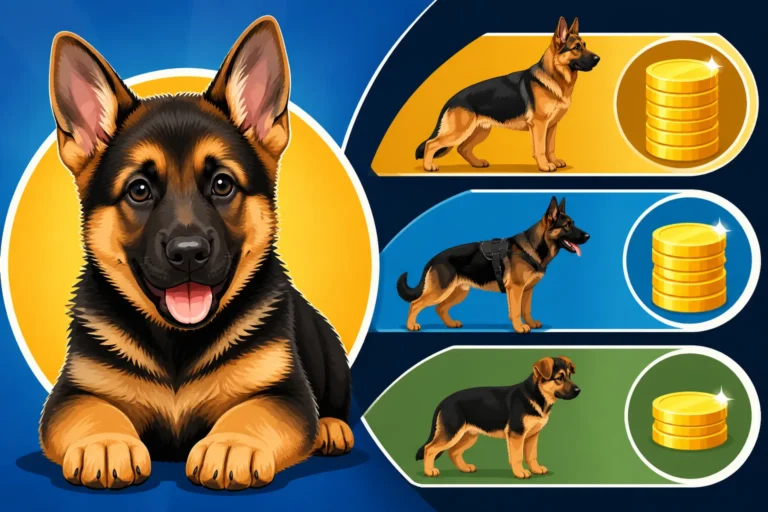
The most significant price differentiators often come down to the specific show line. The highly sought-after West German Show Line German Shepherds, with their strong focus on both conformation and a sound temperament, tend to be among the most expensive. Puppies from parents with prestigious German SV titles like VA (Excellent Select) and V (Excellent) can range from $3,000 to $8,000 or more, especially if they are from renowned kennels or championship bloodlines. These prices reflect the breeders' investment in importing top-tier dogs, participating in demanding German-style evaluations, and maintaining impeccable breeding practices.
In contrast, American Show Line German Shepherds, while still adhering to the AKC breed standard, might fall into a slightly lower price bracket, typically ranging from $2,000 to $4,000. This is often due to different breeding priorities or less rigorous showing requirements compared to the German system. Geographic location also plays a role. Breeders in areas with a higher cost of living or regions with fewer reputable show line breeders might charge more due to increased operational costs and less competition. For example, a top-tier breeder in California might have higher prices than an equally reputable breeder in a less populated state. It's crucial to understand these nuances to avoid sticker shock and to find a breeder that aligns with your budget and expectations.
Pet Quality vs. Show Quality Pricing
This distinction is extremely important for show line pricing. Not every puppy born in a show litter is destined for the show ring, even if both parents are champions. Breeders evaluate puppies from a young age for traits that indicate their potential as future show dogs. Puppies that perfectly match the breed standard in terms of structure, gait, temperament, and bite, and show exceptional promise, are considered "show quality." These puppies, often sold with full breeding rights (which comes with its own responsibilities), will command the highest prices, sometimes exceeding the ranges mentioned above.
However, many puppies in the same litter, while still being excellent representatives of the breed with wonderful temperaments and good health, might have a minor flaw that disqualifies them from the show ring (e.g., a slightly imperfect ear set, a less-than-perfect bite, or a coat color variation that is not ideal for showing). These puppies are typically sold as "pet quality" and are generally priced lower, often in the $1,500 to $3,000 range. They come with limited registration, meaning they cannot be bred or shown in conformation events, but they are still wonderful companions. Choosing a pet-quality show line German Shepherd can be a fantastic way to get a dog with exceptional lineage and temperament without paying the premium for show ring potential. Always discuss the breeder's criteria for "pet" vs. "show" quality and ensure you understand what you're buying.
Here's a general overview of show line German Shepherd puppy price ranges:
| Factor | Typical Price Range (USD) | Key Considerations |
|---|---|---|
| West German Show Line | $3,000 – $8,000+ | Top titles (VA, V), imported parents, extensive health testing, strong guarantees. |
| American Show Line | $2,000 – $4,000 | AKC champion lineage, good health clearances, proven temperament. |
| Pet Quality (from Show Line) | $1,500 – $3,000 | Minor aesthetic flaws, still excellent health and temperament, limited registration. |
| Exceptional Show/Breeding Prospect | $8,000 – $15,000+ | Elite pedigree, flawless conformation, strong working drives, full breeding rights. |
| Rescue/Adoption | $300 – $800 | Highly variable, often includes vetting, spay/neuter. Lineage often unknown. |
Beyond the Initial Purchase: Ongoing Costs for a Show Line German Shepherd
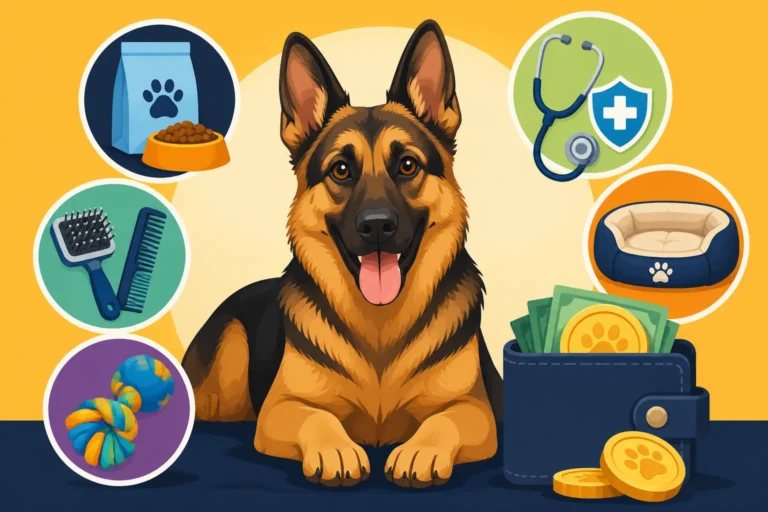
While the initial price of a show line German Shepherd puppy is a significant investment, it's just the beginning. Responsible ownership involves a commitment to providing excellent care throughout your dog's life, which comes with its own set of ongoing expenses. Many new owners underestimate these costs, leading to financial strain later on. Understanding the full financial picture is crucial for any prospective German Shepherd owner. For a full breakdown, consider reading our Cost of Owning a German Shepherd Per Year guide.
Ongoing Health and Vet Costs
Even with the best health clearances from a reputable breeder, a German Shepherd will require regular veterinary care. This includes annual check-ups, vaccinations, parasite prevention (flea, tick, and heartworm medication), and dental care. These routine visits can cost $300 to $800 per year. However, show line German Shepherds, like all large breeds, are still susceptible to various health issues as they age, such as arthritis, bloat (GDV), and certain cancers. An emergency visit or specialized treatment for a condition like a ruptured cruciate ligament or an unexpected illness can easily run into thousands of dollars.
This is where pet insurance can be a lifesaver. Companies like Healthy Paws offer comprehensive plans that can cover a significant portion of unexpected veterinary costs, turning a potentially devastating bill into a manageable deductible and co-pay. While an additional monthly expense, pet insurance provides crucial peace of mind, allowing you to focus on your dog's well-being rather than financial stress during an emergency. Planning for these health costs, either through insurance or a dedicated savings fund, is a non-negotiable part of responsible German Shepherd ownership. For more information, check out our German Shepherd Health Problems Guide.
Feeding and Nutrition for Show Lines
German Shepherds are large, active dogs, and their dietary needs are substantial. Feeding a high-quality, large-breed specific dog food is essential for their growth, energy levels, and overall health. Expect to spend $60 to $150 per month on premium kibble, or even more if you opt for raw feeding or fresh food delivery services. Brands like Purina Pro Plan, Royal Canin, or even fresh food options like Ollie cater to the specific nutritional requirements of large breeds like the German Shepherd, supporting bone, joint, and coat health.
Puppies, especially show line puppies, have specific growth needs to prevent problems like Panosteitis (growing pains), which means a diet formulated for large-breed puppies is critical. As they transition to adulthood and then senior years, their nutritional needs will change, requiring adjustments to their food. Investing in good nutrition from the start pays dividends in terms of a healthy coat, strong bones, and sustained energy. Many owners find value in ordering food online through retailers like Chewy, which often offers subscription services and bulk discounts, making it easier to manage this ongoing cost. Learn more about the Best Dog Food for German Shepherds.
Grooming and Maintenance
While German Shepherds don't require elaborate haircuts, their dense double coat demands regular grooming to manage shedding and maintain skin health. Professional grooming for a German Shepherd typically costs $60 to $100 per session, and while you can do much of it at home, you'll still need to invest in quality grooming tools: a deshedding rake, slicker brush, nail clippers, ear cleaner, and dog-specific shampoo and conditioner. Expect to spend $100 to $200 annually on grooming supplies.
Beyond the coat, regular nail trims, ear cleaning, and dental care are crucial. Skipping these can lead to painful ingrown nails, ear infections, or severe dental disease, all of which require expensive veterinary intervention. Establishing a consistent grooming routine, whether DIY or with a professional, is vital for your German Shepherd's comfort and health. Managing German Shepherd Shedding: How to Manage It is an ongoing task for every owner!
Training and Socialization Needs
German Shepherds are highly intelligent and capable dogs, but their strong protective instincts and energy levels mean that consistent training and socialization are non-negotiable. Puppy classes, basic obedience courses, and potentially advanced training for specific sports or behavioral issues can add up. Group classes typically cost $150 to $300 for a 6-8 week session, while private lessons can be $75 to $200 per hour. Even if you commit to training your dog yourself, you'll need to factor in the cost of high-value treats, training tools like leashes and collars, and possibly specialized equipment.
Socialization, especially for a show line German Shepherd bred for a steady temperament, is crucial during puppyhood. Exposing them to various people, places, sounds, and other dogs in a positive way helps them grow into well-adjusted adults. While often free, proper socialization requires time and effort. Neglecting training and socialization can lead to behavioral problems, which not only diminish the joy of ownership but can also require expensive professional intervention from a behaviorist. Consider checking out our German Shepherd Puppy Training Guide for more resources.
Finding a Reputable Breeder for Your Show Line German Shepherd
Choosing a reputable breeder is the most critical step when seeking a show line German Shepherd. It's an investment in a healthy, well-tempered companion, and cutting corners here can lead to heartbreak and significant financial burdens down the line. A good breeder isn't just selling you a puppy; they're providing a lifetime of support and a dog bred with integrity. Our How to Find a Reputable German Shepherd Breeder guide offers even more insights.
What to Look For in a Show Line Breeder
When searching for a show line German Shepherd, prioritize breeders who are transparent, knowledgeable, and genuinely passionate about the breed's health and future. Here are key indicators of a reputable breeder:
- Active in the Show Ring: A breeder of show lines should be actively involved in conformation shows. This demonstrates their commitment to the breed standard and that their dogs are regularly evaluated by experts. Look for breeders whose dogs have achieved titles (e.g., AKC Champion, SV V, or VA titles).
- Health Clearances: They must provide verifiable health certifications for both parents (sire and dam) for common German Shepherd ailments like hip and elbow dysplasia (OFA or PennHIP scores), and ideally, genetic testing for Degenerative Myelopathy. They should readily show you these documents.
- Knowledge and Experience: A good breeder will be a fount of information, eager to discuss the breed, their specific lines, the parents' temperaments, and their breeding philosophy. They should be able to explain why they pair certain dogs.
- Temperament Focus: While conformation is key for show lines, temperament is equally vital. They should prioritize breeding for stable, confident, and friendly dogs that are suitable for family life. Ask about the parents' personalities and meet them if possible.
- Puppy Raising Practices: Inquire about how puppies are raised. They should be raised in a clean, stimulating environment, well-socialized, and exposed to various sights and sounds before going to their new homes.
- Comprehensive Contract and Guarantee: Expect a detailed contract outlining health guarantees (typically 1-2 years against genetic life-altering conditions), return policies, and limited registration for pet-quality puppies.
- Lifetime Support: A reputable breeder will be a resource for you throughout your dog's life, willing to answer questions and offer guidance on training, health, and behavior.
Always be wary of breeders who offer multiple breeds, have puppies readily available at all times, or allow puppies to go home before 8 weeks of age.
Questions to Ask and Red Flags
Don't be shy about asking questions; a good breeder will appreciate your thoroughness. Here's what to ask and what to watch out for:
Questions to Ask:
- "Can I see the health clearances for both parents, including hip/elbow scores (OFA/PennHIP) and DM testing results?" (Look for "Good" or "Excellent" hips, "Normal" elbows, and clear DM status).
- "What titles do the parents hold, and what are their temperaments like?"
- "What is your philosophy on puppy socialization and early neurological stimulation?"
- "What kind of health guarantee do you offer, and what does your contract entail?"
- "At what age do your puppies go to their new homes, and what is included (vaccinations, microchip, deworming)?"
- "Can I visit your facility and meet the dam (and sire, if on-site)?"
- "What are the typical exercise and training needs of your line?" (Helps you understand if it's a good fit for your lifestyle).
- "Do you have a waiting list, and what is your application process?" (Reputable breeders often have waiting lists).
Red Flags to Watch For:
- No health clearances or excuses: This is a deal-breaker. No reputable breeder will skip essential health testing.
- Offers to ship puppies without meeting you: Most good breeders want to meet prospective owners to ensure a good fit.
- Puppies available year-round or from multiple litters at once: This can indicate a puppy mill or a high-volume breeder more interested in profit than quality.
- Refusal to let you visit or meet the parents: This is a major red flag, often indicating poor living conditions or an unhealthy environment.
- Selling puppies on a first-come, first-served basis: Reputable breeders carefully vet potential buyers.
- Lack of knowledge about the breed or their specific dogs' pedigrees.
- Pushing for immediate payment or cash-only deals.
- Breeding dogs too young, too old, or too frequently.
By doing your due diligence and being selective, you can ensure you bring home a healthy, well-adjusted show line German Shepherd from an ethical and responsible source, providing a solid foundation for your life together.
Is a Show Line German Shepherd Worth the Investment?
Deciding to bring a German Shepherd into your family is a profound commitment, and the financial aspect, especially for a show line, is a significant part of that decision. After delving into the costs, the question remains: is a show line German Shepherd truly worth the investment? The answer, like many things in life, depends on your priorities, expectations, and what you seek in a canine companion.
Pros and Cons of Show Line Ownership
Let's weigh the advantages and disadvantages to help you make an informed decision.
Pros of Owning a Show Line German Shepherd:
- Predictable Temperament: Reputable show line breeders prioritize a stable, confident, and biddable temperament. These dogs are typically calmer, more even-keeled, and less prone to extreme drives than some working lines, making them excellent family companions. They are often more tolerant and adaptable to various home environments.
- Superior Health Screening: The rigorous health testing mandated for show lines significantly reduces the risk of common genetic diseases like hip and elbow dysplasia. While no guarantee against all ailments, this proactive approach offers a much better chance of a long, healthy life and can save you immense vet bills and heartache down the road. This focus on How to Keep a German Shepherd Healthy is a huge advantage.
- Striking Appearance and Conformation: If you appreciate the classic, majestic look of the German Shepherd, a show line dog will embody the breed standard. Their balanced structure and elegant movement are a testament to generations of careful breeding.
- Strong Breeder Support: Ethical show line breeders provide ongoing support and guidance, acting as a lifetime resource for your dog's health, training, and behavioral needs. This mentorship is invaluable, especially for first-time German Shepherd owners.
- Reduced Risk of Behavioral Issues: Due to careful breeding for temperament and early socialization practices, show line puppies often have a head start in becoming well-adjusted adults, reducing the likelihood of severe anxiety, aggression, or fearfulness.
Cons of Owning a Show Line German Shepherd:
- Higher Upfront Cost: As we've extensively discussed, the initial purchase price is substantially higher than for a mixed breed or a dog from an unvetted source.
- Potential for Lower Drive: While a pro for family life, their generally lower prey and defensive drives might make them less suitable for intense protection work or high-level sport competition if that is your primary interest.
- Ongoing Grooming Needs: Their dense double coats require consistent brushing to manage shedding, especially during seasonal "blow coats."
- Not a "Guard Dog" for Everyone: While naturally protective of their family, show lines are not typically bred to be aggressive deterrents like some working lines might be. They are often more about being a visible deterrent and a loyal companion.
Making an Informed Decision
Ultimately, the decision to invest in a show line German Shepherd boils down to your personal circumstances and what you value most in a dog. If you are looking for a loyal, intelligent, and protective family member with a stable temperament, a stunning appearance, and the best possible start in terms of health, then a show line German Shepherd is likely an excellent investment. The higher upfront cost reflects the dedication, expertise, and ethical practices of responsible breeders, and often saves money and stress in the long run by mitigating health and behavioral issues.
However, if your budget is extremely tight, or if you're primarily seeking a high-drive working dog for intense sports or personal protection, you might need to re-evaluate or explore other lines (like specialized working lines which also come with their own premium price). For those on a stricter budget, adopting a German Shepherd from a reputable rescue organization is another fantastic option, though the history and exact lineage of the dog might be unknown.
A German Shepherd is a lifetime commitment, typically living for 10-14 years. The financial outlay for a show line puppy is a small fraction of the total lifetime cost of feeding, vet care, training, and general well-being. By choosing a reputable show line breeder, you are not just buying a dog; you are investing in a future companion whose health, temperament, and quality have been prioritized from conception. This can lead to a more joyful, predictable, and ultimately more affordable journey with your beloved German Shepherd.
Disclaimer
Please remember that this article provides general information and estimates. Prices and specific breeding practices can vary significantly based on location, individual breeders, economic factors, and the specific lineage of the dog. Always conduct thorough research and consult with reputable German Shepherd breeders and veterinary professionals to make the best decisions for your situation.