How to Train an 8-Week-Old German Shepherd
Bringing home an 8-week-old German Shepherd puppy is an exhilarating experience, filled with fluffy cuddles and endless potential. But let's be honest, it can also feel utterly overwhelming. Suddenly, you've got this tiny, sharp-toothed bundle of energy with a bladder the size of a thimble, and you're wondering where to even begin with all that training. This comprehensive guide is here to walk you through the crucial first steps of training your 8-week-old German Shepherd, setting both of you up for a lifetime of success and companionship.
Understanding Your 8-Week-Old German Shepherd Puppy's World
At eight weeks old, your German Shepherd puppy is a veritable sponge, ready to absorb everything around them. This is a critical period for development, shaping their future temperament and behavior. Understanding their unique stage is the first step toward effective and compassionate training.
Puppy Development Milestones at 8 Weeks
When your German Shepherd puppy is 8 weeks old, they've just left the comfort of their littermates and mother. This transition marks a significant developmental leap. Their senses are rapidly developing; they're seeing the world with clearer vision, hearing new sounds, and exploring everything with their mouths. They're also starting to understand social cues, albeit in a very rudimentary way. Their brains are incredibly malleable, making this the prime time for foundational learning, but remember, they're still very much babies in a big, confusing world.
This age is often called the "fear period" or "novelty period," meaning that new experiences can either build confidence or create lasting fear if not managed properly. Your puppy is learning what's safe and what's not, who to trust, and what the rules of their new environment are. Every interaction, every new sound, every smell, is a data point for their developing brain. Providing a safe, consistent, and stimulating environment is paramount during these early days.
They're also learning about cause and effect. If they cry, do they get attention? If they chew on something inappropriate, what happens? Your consistent responses will quickly teach them what behaviors are acceptable and which aren't. It's a delicate balance of nurture and firm, gentle guidance that will lay the groundwork for a well-adjusted adult German Shepherd.
Setting Realistic Expectations for Puppy Training
It's easy to look at those intelligent German Shepherd eyes and expect them to pick up complex commands instantly, but it’s vital to temper those expectations. An 8-week-old puppy is not going to be perfectly potty trained, walk on a loose leash, or respond to every command like a seasoned police dog. Their attention spans are incredibly short – often just a few minutes, if that. Expecting too much too soon can lead to frustration for both you and your puppy.
Think of it less as "training" in the traditional sense and more as "guidance" and "exposure." Your primary goals at this age are to build a strong bond, teach them that learning is fun, introduce them to the world in a positive way, and establish consistent routines. Focus on very short, positive training sessions, maybe 2-5 minutes long, several times a day. End on a high note, even if it means just getting one successful "sit."
Patience is your most valuable tool right now. There will be accidents, there will be nipping, and there will be sleepless nights. Understand that these are all normal puppy behaviors. Your job is to gently redirect, reward good choices, and provide a safe structure for them to learn and grow. Remember, consistency over intensity is key in these early weeks.
Essential Foundations: The First Steps in Training Your 8-Week-Old GSD
Laying down strong foundations from day one is paramount for a German Shepherd. These intelligent dogs thrive on routine, clear communication, and understanding their place in the family. The first few weeks are all about building trust and establishing those crucial groundwork behaviors.
Potty Training and Crate Training Mastery
Potty training is likely at the top of every new puppy owner's list, and for good reason! An 8-week-old German Shepherd puppy has very little bladder control, meaning frequent trips outside are a must. Start by taking your puppy out every 30-60 minutes, immediately after waking up, after playing, after eating or drinking, and before bedtime. Always go to the same designated "potty spot" to help them associate that area with elimination. When they go, praise them enthusiastically and offer a small, high-value treat. Avoid scolding them for accidents indoors; instead, calmly clean it up with an enzymatic cleaner and resolve to be more diligent with your supervision and schedule. For a deeper dive, check out our guide on how to master the process of How to Potty Train a German Shepherd Puppy.
Crate training goes hand-in-hand with potty training and is invaluable for German Shepherds. A crate provides a safe den where your puppy can feel secure, helps with house-training by leveraging their natural instinct not to soil their sleeping area, and prevents destructive chewing when you can't supervise. The key is to introduce the crate positively. Make it a comfortable place with soft bedding and maybe a puzzle toy. Feed meals in the crate, and never use it as a punishment. Start with short periods and gradually increase the time they spend inside. Overnight, the crate should be next to your bed so you can hear them if they need a potty break. Our detailed article, How to Crate Train a German Shepherd, offers comprehensive steps to make this a smooth process.
A properly sized crate for an 8-week-old should be large enough for them to stand up, turn around, and lie down comfortably, but not so large that they can use one end as a potty area and sleep in the other. Many crates, available easily on platforms like Amazon, come with dividers that allow you to adjust the size as your puppy grows, making it a cost-effective long-term solution. Remember, a well-crate-trained German Shepherd is a happier, safer German Shepherd.
Socialization and Exposure at a Young Age
Socialization is arguably one of the most critical aspects of raising a well-adjusted German Shepherd, especially at 8 weeks old. This is the prime socialization window, meaning positive exposure to a wide variety of sights, sounds, people, and safe environments will build a confident, resilient adult dog. However, since your puppy likely hasn't completed their full vaccination series, "socialization" doesn't mean dog parks or crowded public places. It means controlled, safe exposures.
Focus on quality over quantity. Introduce your puppy to different surfaces (grass, pavement, carpet), various sounds (traffic, vacuum cleaner, doorbell), and different types of people (men, women, children, people with hats or glasses). Do this slowly, ensuring each experience is positive and ends with praise and treats. Hold your puppy and let them observe from a safe distance, rewarding their calm curiosity. A quick trip to a pet-friendly hardware store where they can ride in the cart and see new things, or a short, leashed walk in a quiet neighborhood to smell new smells, can be incredibly beneficial.
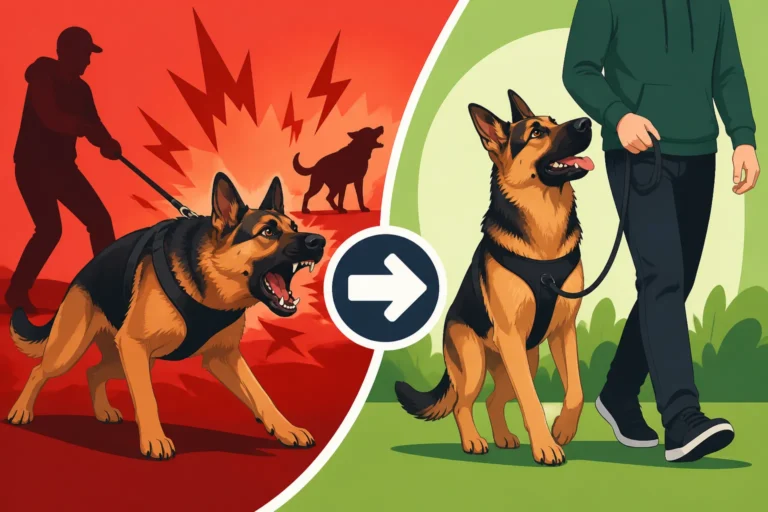
Carefully arranged playdates with one or two known, fully vaccinated, gentle adult dogs can also be invaluable for teaching appropriate dog-to-dog communication. These early, positive exposures are fundamental to preventing fear, anxiety, and potential aggression later in life. Our comprehensive German Shepherd Socialization Checklist provides even more ideas to help you navigate this vital period safely and effectively.
Basic Commands: Name, Sit, and Down
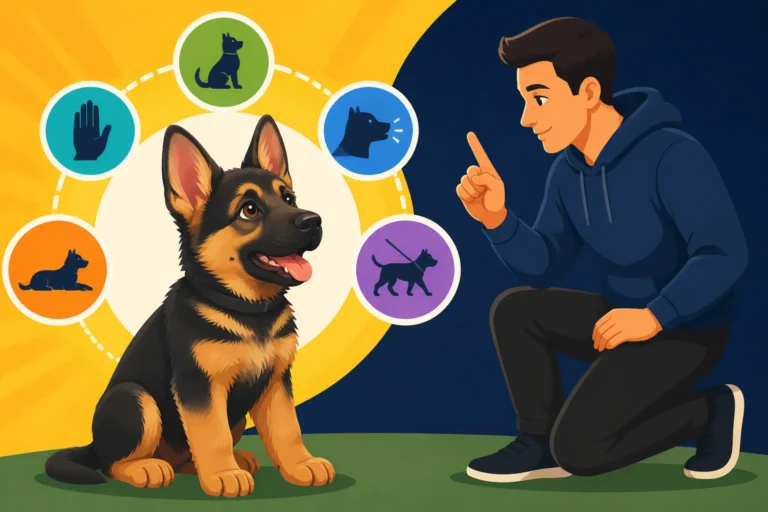
Even at 8 weeks, you can start introducing your German Shepherd puppy to basic commands. Keep these sessions extremely short (think 2-3 minutes, multiple times a day) and fun, always ending on a positive note. The goal is to make learning enjoyable and to build positive associations with you and the training process.
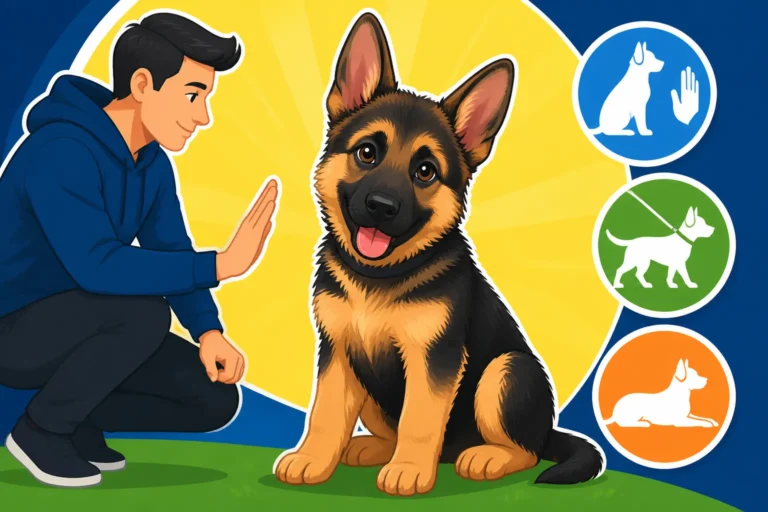
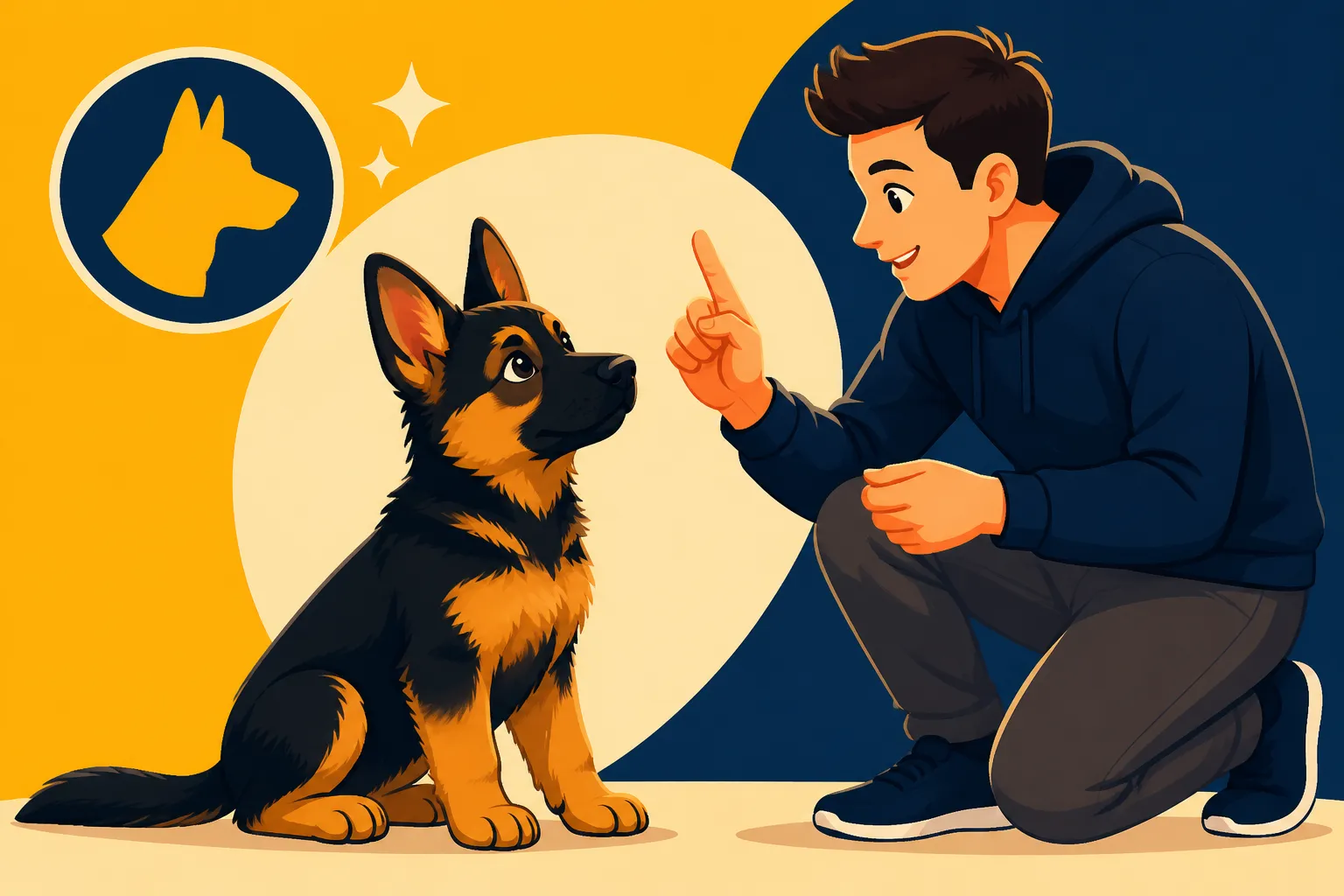
Start with their name. Say their name, and when they look at you, immediately reward them with a small, soft, high-value treat and enthusiastic praise. Repeat this many times throughout the day, in different environments. This teaches them to orient to you, which is the foundation for all future training. Next, introduce "sit." Hold a treat near their nose and slowly move it back and over their head. As their nose follows the treat, their rear end will naturally lower into a sit. As soon as their bum touches the ground, say "sit!" and give them the treat and praise. Don't worry if it's not perfect initially; consistency is what counts.
Once "sit" is somewhat established, you can move on to "down." Again, hold a treat at their nose, but this time, bring it down to the floor and then drag it slightly away from them. This encourages them to lie down to follow the treat. As soon as they lie down, say "down!" and reward. Remember, an 8-week-old puppy's attention span is fleeting, so don't get discouraged if they get distracted. Just make it a game, keep it light, and focus on those small successes. Consistency and positive reinforcement are key elements of any successful German Shepherd Puppy Training Guide.
Common Challenges and Troubleshooting for 8-Week-Old GSDs
Raising a puppy, especially a German Shepherd, comes with its own unique set of adorable—and sometimes infuriating—challenges. Understanding why your 8-week-old puppy is exhibiting certain behaviors is the first step toward effectively managing them and shaping them into well-behaved adults.
Nipping, Biting, and Chewing Behaviors
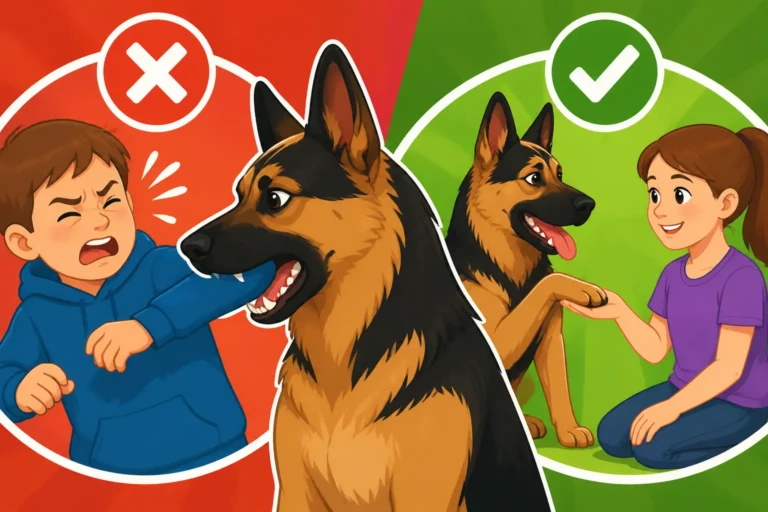
Oh, those puppy teeth! An 8-week-old German Shepherd puppy is essentially a furry, four-legged piranha with a need to explore the world with their mouth. Nipping and biting are completely normal puppy behaviors driven by teething, exploration, and learning bite inhibition from their littermates. When they're removed from their litter, you become the primary teacher of bite inhibition. This is a common frustration, but it's crucial to address it gently and consistently.
When your puppy nips too hard, immediately let out a high-pitched "ouch!" or "yip!" and withdraw your attention for a few seconds. This mimics what another puppy or their mother might do. If they continue, calmly get up and walk away for 30-60 seconds, completely ignoring them. This teaches them that hard biting makes the fun stop. Redirect them to appropriate chew toys, which you should have in abundance. Praise them heartily when they chew on their toys instead of your hands or furniture. For a deep dive into this, our article on How to Stop German Shepherd Puppy Biting offers more strategies.
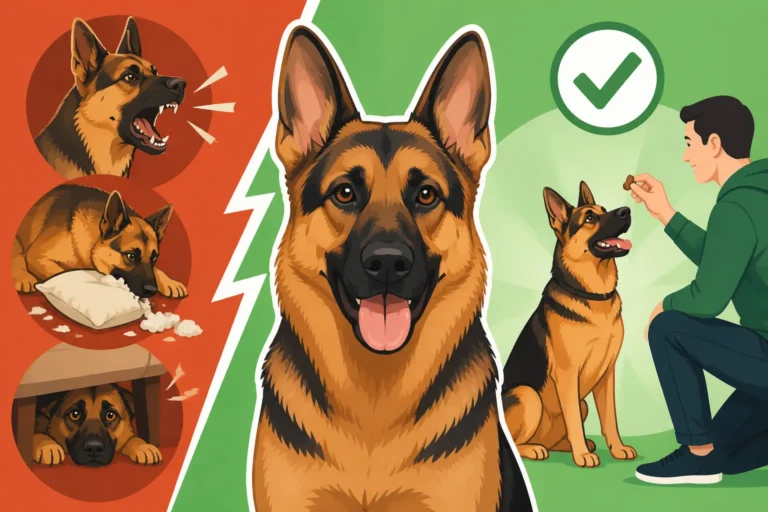
Destructive chewing is often a symptom of boredom, teething discomfort, or lack of appropriate outlets. Ensure your puppy has a variety of safe, durable chew toys. Rotating toys can keep them interesting. Frozen Kongs filled with peanut butter or plain yogurt can be a fantastic distraction and soothe sore gums. Supervision is key; if you can't actively supervise, a crate or a puppy-proofed area is your best friend. Remember, punishment for chewing typically doesn't work and can create fear; instead, focus on prevention and redirection.
Managing Puppy Energy and Overnight Whining
German Shepherds are known for their energy, even as tiny puppies! While an 8-week-old puppy won't be ready for long runs or strenuous activity, they still have bursts of energy that need to be channeled appropriately. Short, supervised play sessions several times a day are perfect. Think gentle tug-of-war with a soft toy (teaching "drop it" from the start!), fetching a soft ball in the yard, or exploring new, safe environments on a short leash.
Mental stimulation is just as important, if not more so, than physical exercise for a young German Shepherd. Puzzle toys, short training sessions, and even just observing the world from a safe vantage point can tire them out. Over-exercising a puppy can damage their developing joints, so keep it low-impact. A well-exercised (mentally and physically) puppy is more likely to settle down for naps and sleep through the night. Our guide to German Shepherd Exercise Requirements offers more age-appropriate advice.
Overnight whining is a common struggle for new puppy owners. Your 8-week-old German Shepherd has just been separated from their littermates and is naturally feeling lonely or anxious. They might also need a potty break. The trick is to distinguish between needing to go out and simply crying for attention. If you've just taken them out, made sure they have water, and they're still whining, a quick, calm potty break outside (no play, no excitement) is appropriate. If they're just seeking attention, resisting the urge to respond immediately is tough but important. Sometimes, having the crate right next to your bed can offer comfort, as they can hear and smell you, reassuring them they're not alone. A gentle hand through the bars or a soft murmur of reassurance without taking them out can sometimes do the trick, building their confidence in settling down.
Building a Lifelong Bond Through Positive Reinforcement
The relationship you build with your German Shepherd puppy in these early weeks will form the bedrock of your entire life together. Positive reinforcement is not just a training method; it's a philosophy that fosters trust, encourages cooperation, and makes learning an enjoyable experience for both of you.
The Power of Praise, Treats, and Play
Positive reinforcement means rewarding behaviors you want to see more of. For an 8-week-old German Shepherd, this can be as simple as praising them when they look at you, offering a small treat when they sit, or initiating a quick game of fetch when they calmly settle. The timing of the reward is crucial; it needs to happen within 1-3 seconds of the desired behavior so your puppy clearly associates the reward with what they just did. This clear communication builds confidence and eagerness to please.
High-value treats are tiny, soft, and incredibly tempting morsels that your puppy absolutely loves. Think small pieces of cooked chicken, cheese, or specialized training treats. These are fantastic for capturing attention and rewarding new behaviors. As they learn, you can gradually reduce the frequency of treats, replacing them with enthusiastic verbal praise, petting (if they enjoy it), and short bursts of play. Play is a powerful motivator for German Shepherds; a quick game of tug or chase can be an excellent reward for a job well done.
Consistency from every family member is vital. Everyone in the household should use the same commands and reward system. This prevents confusion and accelerates your puppy's learning. By making every interaction a chance for positive reinforcement, you're not just training; you're actively building a joyful and respectful relationship, which is truly the goal of How to Bond with a German Shepherd.
When to Seek Professional Guidance
While this guide offers a solid starting point, sometimes a little extra help goes a long way. If you find yourself consistently frustrated, your puppy isn't making progress, or you're encountering behavioral issues that feel beyond your ability to manage, it's absolutely okay – and often highly recommended – to seek professional guidance. This isn't a sign of failure, but rather a responsible step towards ensuring your German Shepherd grows into a well-adjusted companion.
Puppy classes are fantastic for 8-week-old GSDs once they've had their first rounds of vaccinations. They offer a safe, structured environment for controlled socialization with other puppies and people, under the watchful eye of an experienced trainer. These classes also provide invaluable opportunities for you to learn how to effectively communicate with your puppy and address common issues. Some excellent online resources, such as BAXTER & Bella, offer comprehensive virtual puppy programs that allow you to learn at your own pace from the comfort of your home, which can be particularly helpful before your puppy is fully vaccinated and able to attend in-person classes.
Individual trainers can offer personalized advice and hands-on demonstrations for specific challenges, whether it's stubborn potty training, excessive nipping, or any other behavior problem. Choosing a trainer who uses positive reinforcement methods is paramount for building trust and a strong bond with your German Shepherd. Don't wait until problems become ingrained; early intervention can make a significant difference.
| Time Block | Activity for 8-Week-Old GSD Puppy | Key Takeaway |
|---|---|---|
| 6:00 AM | Wake up, immediate potty break outside. | Prevent accidents, reinforce outdoor potty. |
| 6:15 AM | Breakfast (in crate if crate training). Short play session (10-15 min). | Positive association with feeding, burn energy. |
| 7:00 AM | Potty break, short training session (2-5 min: name, sit). | Reinforce potty, build basic obedience. |
| 7:30 AM | Crate time/Quiet supervised chewing with a safe toy. | Rest, learn independence, prevent destructive chewing. |
| 8:30 AM | Potty break, supervised exploration/socialization (new sounds/sights from window). | Reinforce potty, positive exposure. |
| 9:00 AM | Nap time (in crate). | Crucial for development and preventing overstimulation. |
| 11:00 AM | Wake up, immediate potty break. Short play session. | Prevent accidents, energy outlet. |
| 11:30 AM | Lunch, potty break, short training session. | Consistent routine, reinforce commands. |
| 12:30 PM | Crate time/Chew toy. | Independence, appropriate chewing. |
| 1:30 PM | Potty break, controlled outdoor exploration (quiet area). | Reinforce potty, safe socialization. |
| 2:00 PM | Nap time (in crate). | Rest and growth. |
| 4:00 PM | Wake up, immediate potty break. Short play/training session. | Prevent accidents, engagement. |
| 5:00 PM | Dinner (in crate if crate training). | Consistent feeding, positive crate association. |
| 5:30 PM | Potty break, family play/cuddle time. | Reinforce potty, bond building. |
| 6:30 PM | Quiet chew time with a Kong or appropriate toy. | Wind down, appropriate chewing. |
| 7:30 PM | Final potty break before bed. | Empty bladder for longer sleep. |
| 8:00 PM | Bedtime in crate (near owner). | Secure sleep, ease anxiety. |
| (Overnight) | Potty breaks as needed (listen for whining). | Prevent accidents, reinforce potty. |
Disclaimer
The information provided in this article is for general informational purposes only and is not a substitute for professional veterinary advice, diagnosis, or treatment. Always seek the advice of your veterinarian or other qualified health provider with any questions you may have regarding a medical condition or the health and welfare of your German Shepherd.