How to Handle German Shepherd Teenage Phase
One minute you have a sweet, eager-to-please German Shepherd puppy, the next you're staring at a furry adolescent who seems to have forgotten every command they ever learned. It's a frustrating, often bewildering, time for many German Shepherd owners, feeling like all that hard work during puppyhood has suddenly gone out the window. If your once-angelic pup has morphed into a rebellious, boundary-testing teenager, take a deep breath; you are not alone. This guide is here to walk you through the often turbulent waters of the German Shepherd teenage phase, helping you understand why it happens and, more importantly, how to navigate it with grace, patience, and a sense of humor.
Understanding the German Shepherd Teenage Phase
It's tempting to think your German Shepherd is suddenly trying to drive you crazy, but the teenage phase, often referred to as "adolescence" in dogs, is a completely normal developmental stage. Just like human teenagers, your GSD is undergoing significant physical and mental changes that influence their behavior. Understanding this can help you approach their antics with more empathy and less exasperation.
When Does It Start and End
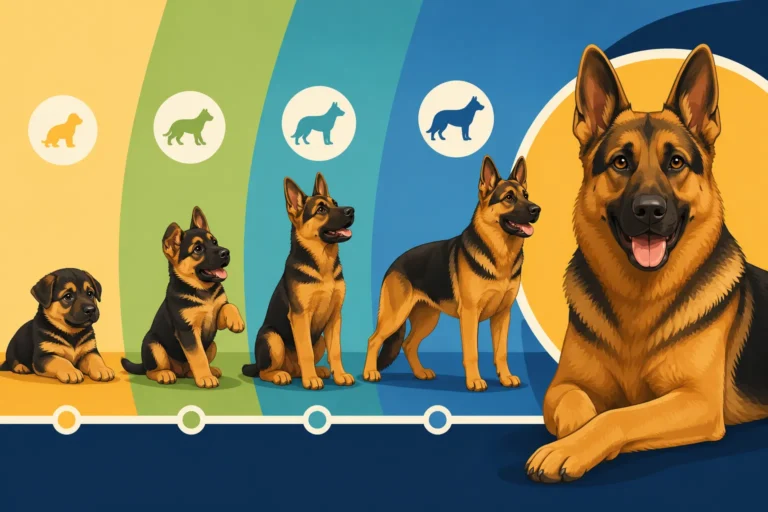
The German Shepherd teenage phase typically kicks off around 6 months of age, though it can vary slightly from dog to dog. For some, it might begin a little earlier, around 5 months, and for others, it might not fully manifest until 7 or 8 months. This period can last well into their second year, with many German Shepherds not truly maturing until they are between 18 and 36 months old. Larger breeds like German Shepherds generally mature slower than smaller dogs, so don't be surprised if your GSD is still acting like a clumsy, opinionated adolescent at two years old. It's a marathon, not a sprint!
During this time, their hormones are surging. Males might start marking more frequently and showing increased interest in female dogs, while females might experience their first heat cycle. These hormonal shifts play a significant role in their newfound "attitude." Beyond hormones, their brains are still developing, particularly the parts responsible for impulse control, judgment, and decision-making. That means they might know what you're asking, but the impulse to chase that squirrel or sniff that interesting pee-spot just overrides their better judgment.
Why German Shepherds Become Challenging Adolescents
German Shepherds are incredibly intelligent, driven, and often strong-willed dogs. These traits, while fantastic for their working capabilities, can make their teenage phase particularly challenging for owners. Their intelligence means they are constantly learning and testing boundaries. If they discover that ignoring your "come" command in favor of exploring that fascinating smell gets them more reward (the smell itself), they'll do it. Their drive means they need a lot of physical and mental stimulation, and if they're not getting enough, they'll find their own "entertainment" – which often translates to destructive or irritating behaviors.
Furthermore, German Shepherds are inherently protective and observant. As they mature, they become more aware of their surroundings and their role within their "pack" (your family). This can sometimes manifest as increased territorial barking, suspicion of strangers, or even mild reactivity on walks. It's not necessarily aggression, but rather an amplified version of their natural instincts that they're still learning to manage. Think of it as their instinctual hardwiring kicking into overdrive before they've fully developed the mental brakes to control it. You might want to brush up on German Shepherd Behavior Problems and Solutions to understand the nuances.
Common Challenges and Behaviors
The teenage phase brings with it a whole new set of behaviors that can leave even the most seasoned German Shepherd owner scratching their head. It's like living with a furry Jekyll and Hyde, where moments of brilliance are often overshadowed by episodes of selective hearing and rampant destruction.
Selective Hearing and Boundary Pushing
Ah, selective hearing – the hallmark of canine adolescence! You'll call your German Shepherd's name, or issue a command they've known since they were 8 weeks old, and they'll either completely ignore you or give you a slow, deliberate glance before continuing exactly what they were doing. This isn't necessarily defiance, though it can feel that way. It's often a combination of a developing brain, surging hormones, and an increasing desire for independence. They are testing the waters, trying to figure out if the rules still apply, and if they can make their own decisions now.
Boundary pushing goes hand-in-hand with selective hearing. Your GSD might start jumping on guests again, even though they were perfectly trained to keep all four paws on the floor. They might steal items from countertops, even when they know it's off-limits. Or they might test how far they can range in the backyard before you recall them. Every single one of these instances is a test, an opportunity for them to learn what they can get away with. It's crucial during this period to be even more consistent with your rules and expectations than you were during puppyhood. If you let things slide "just this once," your clever German Shepherd will take that inch and run a mile. For effective communication, revisiting your German Shepherd Obedience Training Basics might be helpful.
Destructive Tendencies and Hyperactivity
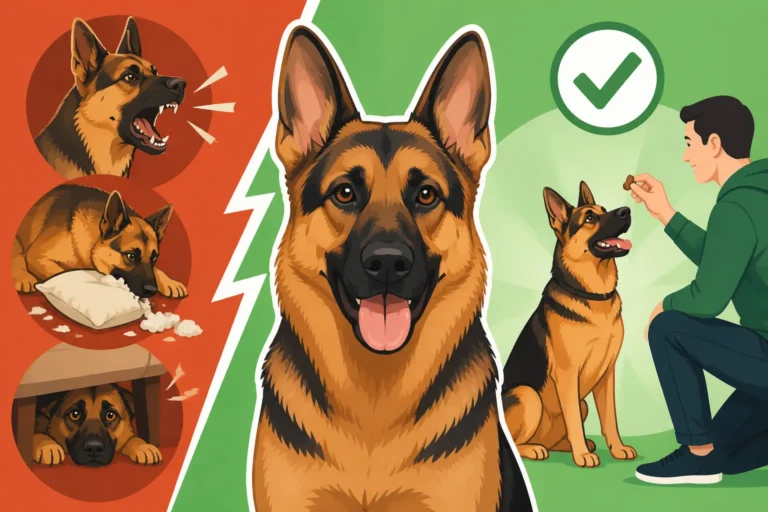
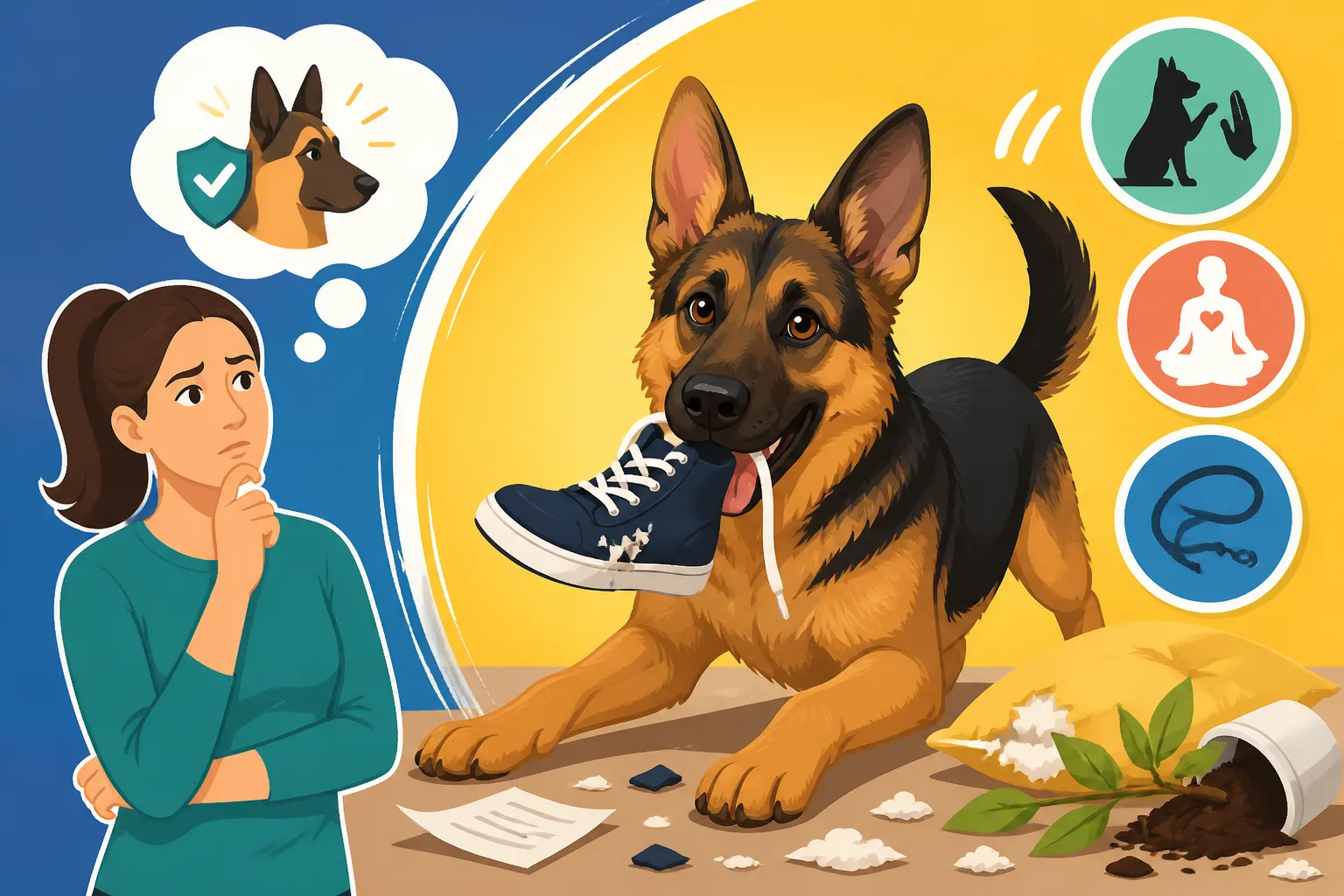
Just when you thought the chewing phase was over, your adolescent German Shepherd might suddenly seem determined to redecorate your home with their teeth. This renewed chewing can be linked to a couple of things: lingering teething (they're still losing some adult teeth), boredom, or pent-up energy. A German Shepherd's jaws are incredibly powerful, and a bored or under-exercised teen GSD can cause significant damage in a very short amount of time. Couch cushions, table legs, remote controls – nothing is safe.
Along with destructive chewing, you might notice an increase in hyperactivity. They might zoom around the house, bounce off the furniture, or seem incapable of settling down, even after a long walk. This often stems from a combination of their immense energy reserves and a lack of appropriate outlets. German Shepherds are working dogs, bred for stamina and intelligence. If their physical and mental needs aren't being met, that excess energy has to go somewhere, and often it comes out as disruptive behavior. Investing in durable chew toys and puzzle feeders from places like Amazon can be a game-changer here.
Fear Periods and Reactivity
During adolescence, German Shepherds often go through secondary fear periods. This is a normal part of development where previously confident dogs might suddenly become fearful of new experiences, sounds, people, or objects they've encountered many times before without issue. A trash can that was always fine on a walk might suddenly become a monster. A friendly neighbor might elicit a wary bark. This isn't a sign of failure in your socialization efforts; it's a hardwired developmental stage.
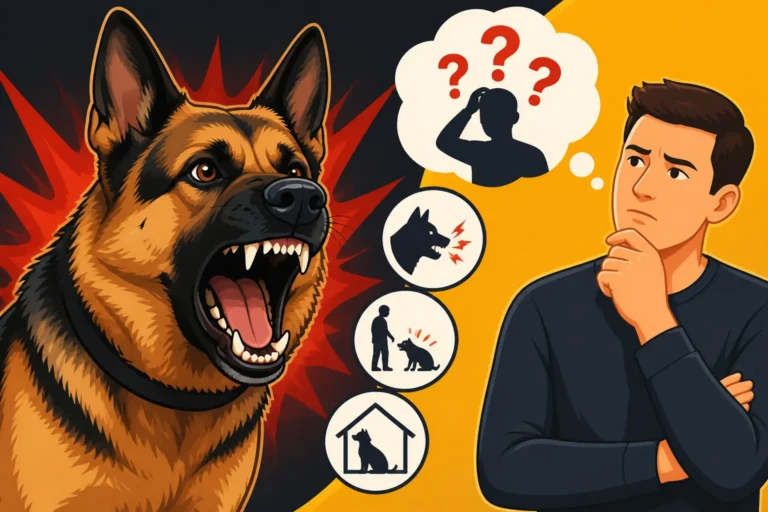
This heightened sensitivity can sometimes lead to reactivity, especially on leash. Your GSD might start barking or lunging at other dogs, people, or even cars when they didn't before. They might be feeling insecure, overstimulated, or simply testing their boundaries and seeing what gets a reaction from you or the environment. It's important to handle these situations calmly, avoid scolding, and provide positive reinforcement for calm behavior. If you're struggling with this, our guide on German Shepherd Reactivity on Walks offers specific strategies.
Strategies for Success During Adolescence
Navigating the German Shepherd teenage phase requires a multi-pronged approach rooted in consistency, patience, and a deep understanding of your dog's needs. It's about setting clear expectations and providing the right tools and environment for them to succeed.
Doubling Down on Consistency and Training
This is perhaps the most critical piece of advice. What you allow during adolescence will likely stick into adulthood. If you let your German Shepherd jump on you now, they'll continue to do so when they're a 90-pound adult. Every interaction is a training opportunity.
- Routine, Routine, Routine: Stick to a predictable schedule for feeding, potty breaks, exercise, and training. Predictability reduces anxiety and helps your German Shepherd understand what's expected of them.
- Clear Rules, No Exceptions: Involve everyone in the household in enforcing the same rules. If one person allows counter-surfing and another doesn't, your clever GSD will learn to exploit that inconsistency.
- Short, Frequent Training Sessions: Adolescent German Shepherds have shorter attention spans than their adult counterparts, but they still need mental stimulation. Instead of one long session, break up training into several 5-10 minute sessions throughout the day. Focus on reinforcing basic commands like sit, stay, down, and a reliable "come." A solid recall is non-negotiable for a German Shepherd, especially during this phase. Practice your German Shepherd Recall Training: Step-by-Step in various environments.
- High-Value Rewards: Those kibble treats that worked for your puppy might not cut it for a distracted teenager. Experiment with high-value treats like cooked chicken, cheese, or specialized training treats to keep their attention and motivation high.
Increasing Mental and Physical Stimulation
A bored German Shepherd is a destructive German Shepherd, and this is never truer than during the teenage phase. Their boundless energy and sharp minds need constant engagement.
- Physical Exercise: German Shepherds require a lot of physical activity. Aim for at least 60-90 minutes of vigorous exercise daily, split into multiple sessions. This could include fast-paced walks, running, fetch, or even swimming. Make sure the exercise is appropriate for their age and joint health; consult your vet about strenuous activities during growth periods, especially concerning German Shepherd Growth Plates and Exercise.
- Mental Stimulation: Don't underestimate the power of mental exercise. Puzzle toys, snuffle mats, and scent work engage their minds and tire them out as effectively as physical activity. Hide-and-seek with treats or toys is a great way to use their incredible noses. Even short bursts of obedience training count as mental work!
- Enrichment Activities: Consider enrolling in dog sports like agility, obedience, or nose work. These activities provide an excellent outlet for their energy, strengthen your bond, and provide structure. Even a structured walk with lots of sniffing opportunities can be enriching.
Positive Reinforcement and Management Techniques
Punishment-based training can damage your relationship with your German Shepherd and often makes adolescent behaviors worse. Focus on rewarding desired behaviors and managing the environment to prevent unwanted ones.
- Reward What You Want to See: Catch your German Shepherd doing something good and reward them immediately. Did they lie down calmly instead of jumping? Treat! Did they ignore a distraction on a walk? Treat!
- Prevent and Redirect: Don't set your German Shepherd up for failure. If they're prone to counter-surfing, keep counters clear. If they chew furniture, provide appropriate, durable chew toys. When you see them about to engage in an unwanted behavior, redirect them to an appropriate activity. For example, if they start to nip, immediately offer a chew toy.
- Crate Training Revisited: If your German Shepherd was crate trained as a puppy, the crate can still be an invaluable tool during adolescence. It provides a safe, comfortable space for them when you can't actively supervise them, preventing destructive behaviors and offering a place to decompress. You might find our guide on How to Crate Train a German Shepherd helpful if you need a refresher.
- Leash Management: Use a well-fitting harness or head halter if your GSD is pulling on the leash. This gives you more control and prevents them from practicing unwanted behaviors like lunging.
- Socialization, Safely: Continue to expose your German Shepherd to a variety of safe, positive experiences with other dogs and people, but always prioritize quality over quantity. A few good interactions are better than many overwhelming or negative ones, especially if they are going through a fear period. Our German Shepherd Socialization Checklist can help you plan.
Maintaining Your Sanity During the Storm
Let's be real: the German Shepherd teenage phase can be incredibly taxing. There will be days when you feel like you've made a terrible mistake, days when you just want to lock yourself in the bathroom and cry. It's okay to feel that way.
Seeking Support and Professional Guidance
You don't have to go through this alone.
- Connect with Other GSD Owners: Join local German Shepherd clubs or online forums. Sharing experiences with others who understand what you're going through can be incredibly validating and provide a sense of community.
- Consider Professional Training: If you're feeling overwhelmed, a professional dog trainer or behaviorist specializing in large breeds like German Shepherds can offer invaluable guidance. They can help you identify the root cause of specific behaviors and develop a tailored training plan. Services like BAXTER & Bella offer online programs that can guide you through these tough phases from the comfort of your home. Sometimes, an objective eye can spot things you've missed.
- Vet Check-ups: Rule out any underlying medical issues. Sometimes, behavioral changes can be symptoms of pain, discomfort, or other health problems. A visit to the vet is always a good idea if behaviors suddenly change dramatically.
Prioritizing Self-Care and Patience
This phase will pass. It feels interminable when you're in the thick of it, but one day you'll look back and realize your German Shepherd has blossomed into the incredible adult dog you always knew they could be.
- Patience is Your Superpower: This is easier said than done, especially after your tenth attempt to get them to "come." But remember, your GSD isn't trying to be malicious; they're genuinely going through a tough developmental stage. Your calm, patient demeanor is crucial for their development.
- Celebrate Small Victories: Did they finally respond to a command on the first try? Did they walk nicely for five minutes? Acknowledge and celebrate these moments. It helps you stay positive and reinforces good behavior in your dog.
- Take Breaks: It's okay to step away if you're feeling frustrated. Put your German Shepherd in their crate with a long-lasting chew, and take a moment for yourself. Go for a short walk alone, make a cup of tea, or call a friend. A few minutes of decompression can reset your mindset.
- Remember the Bond: Despite the challenges, continue to nurture your bond with your German Shepherd. Spend quality time together that isn't focused on training. Cuddle on the couch, play a fun game of tug, or simply enjoy a quiet moment. This strengthens your relationship and reminds you why you brought them into your life.
The German Shepherd teenage phase is a critical period that shapes the adult dog they will become. By understanding the underlying reasons for their behavior, implementing consistent training and management strategies, and seeking support when needed, you can navigate this challenging time and emerge with a well-adjusted, confident, and devoted companion.
| Behavior | Puppy Phase (2-6 months) | Adolescent Phase (6-24 months) | How to Approach |
|---|---|---|---|
| Chewing | Teething, exploring textures, mild boredom. | Stronger jaws, boredom, stress, testing boundaries. | Provide durable chew toys (e.g., KONG, Nylabone from Amazon), redirect firmly, secure valuables. |
| Obedience/Recall | Eager to please, easily distracted, learning basics. | "Selective hearing," testing limits, distractions are paramount. | Re-train in new environments, use high-value rewards, enforce strictly, keep sessions short. |
| Jumping | Excitement, greeting, seeking attention. | Reinforced habit, attention-seeking, lack of impulse control. | Turn away, ignore until calm, reward four-on-the-floor, use "off" command consistently. |
| Reactivity/Fear | Learning about the world, mild fear periods. | Secondary fear periods, hormonal shifts, guarding instincts, overstimulation. | Positive exposure, management (distance), structured walks, professional help if severe. |
| Energy Levels | Bursts of energy, naps frequently. | Sustained high energy, restlessness, destructive if bored. | Increase structured exercise, incorporate mental games, consider dog sports. |
Disclaimer
This article is for general informational purposes only and does not constitute professional advice. Laws, prices and regulations vary by location and change over time. Consult a qualified professional for guidance on your specific situation.