How to Train a German Shepherd for Protection Safely
It's completely understandable to want your German Shepherd to be a protective companion, a loyal guardian for your home and family. After all, their very nature often points to this role – they're intelligent, courageous, and instinctively protective. But here's the crucial, often overlooked, truth: simply owning a German Shepherd doesn't automatically mean you have a safe, reliable protection dog. In fact, improperly encouraging protective behaviors can lead to a host of dangerous, unpredictable problems. This guide is here to walk you through the proper, ethical, and most importantly, safe way to approach German Shepherd protection training, ensuring your dog becomes a controlled, confident protector, not a liability.
Understanding True Protection Training for German Shepherds
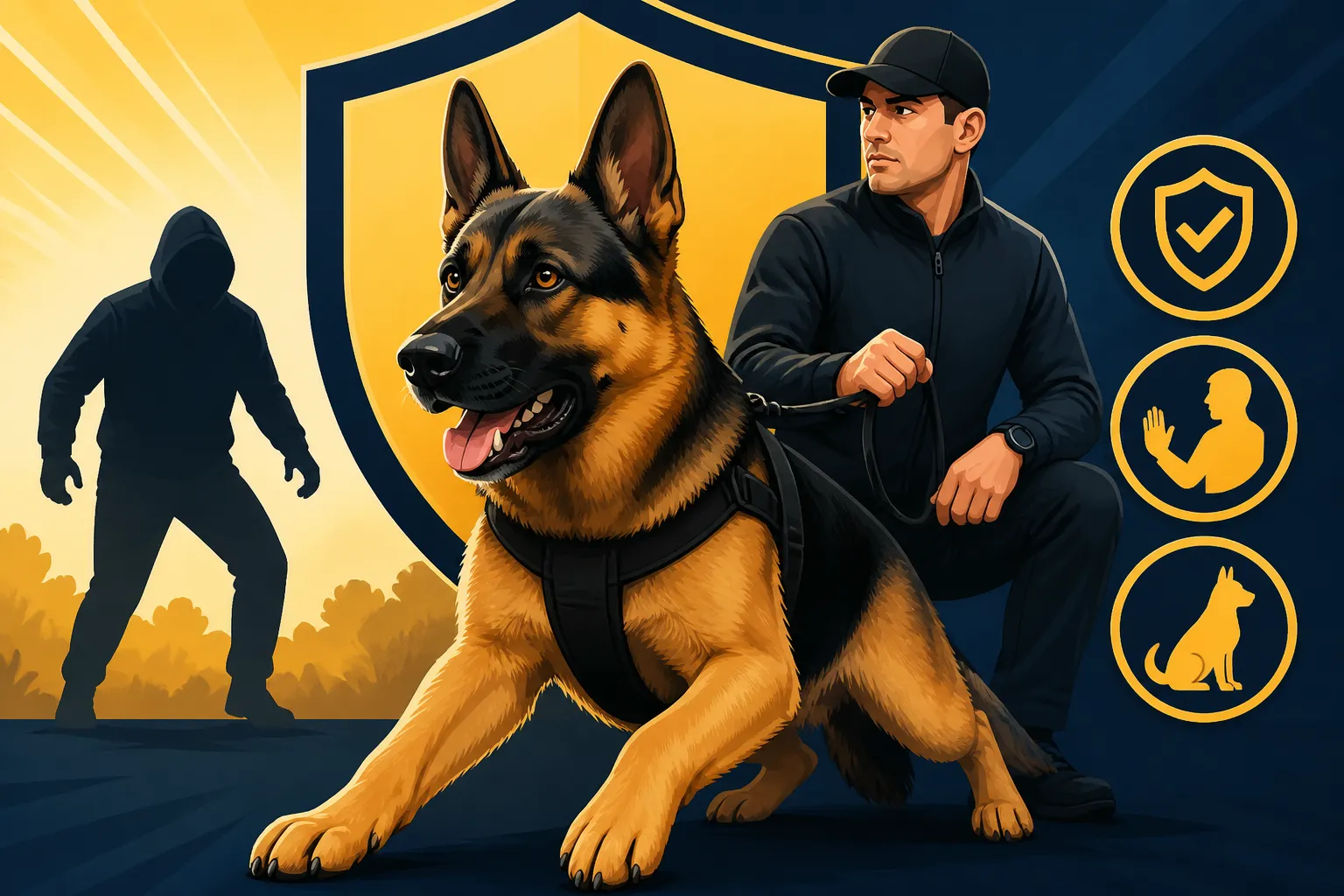
When we talk about "protection training" for a German Shepherd, it's vital to immediately distinguish it from simply encouraging aggression. This is where a lot of well-meaning owners go wrong, inadvertently fostering behaviors that are dangerous and difficult to manage. True protection training isn't about creating an aggressive dog; it's about developing a highly disciplined, intelligent canine that acts on command, under immense control, only when a real threat is present. Without this control, you don't have a protector – you have a ticking time bomb.
The Difference Between True Protection and Uncontrolled Aggression
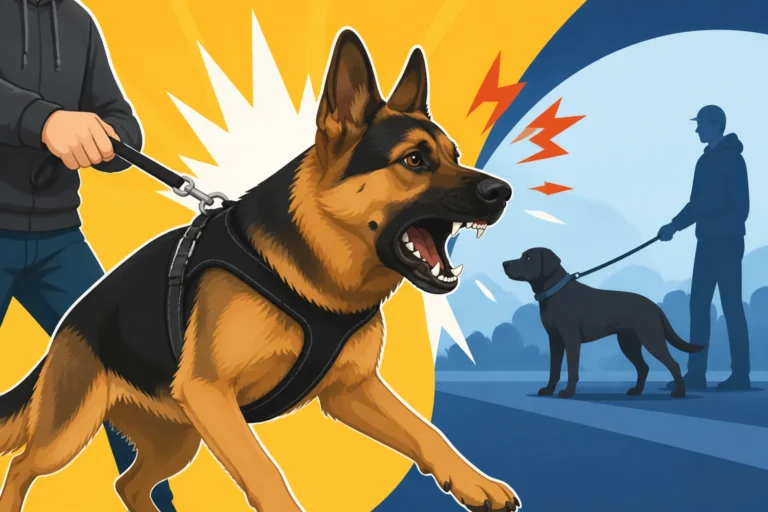
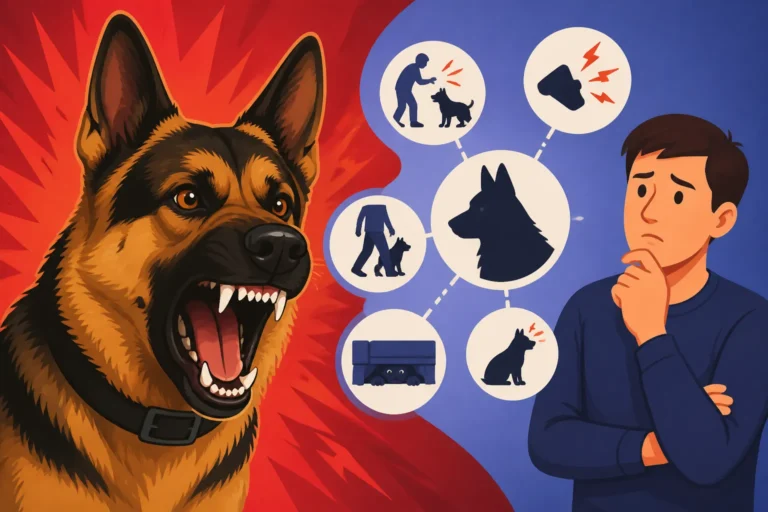
Let's be blunt: an aggressive dog is a menace, not a protector. An aggressive German Shepherd might snarl at every stranger, lunge at the mail carrier, or even snap at visitors. This isn't protection; it's a profound behavior problem rooted in fear, poor socialization, or a lack of proper training and leadership. True protection training, on the other hand, is a highly refined sport or working discipline. Think of it like a martial artist: they possess incredible power and skill, but they only use it under precise control and for self-defense, not as a random outburst. A properly protection-trained German Shepherd is calm, confident, and approachable in most situations. Their "on switch" for protection is solely in the hands of their handler.
The goal isn't to make your dog mean. It's to channel their natural instincts – their intelligence, their courage, their desire to please – into a structured defense role. This requires a dog with a stable temperament, excellent nerve, and unwavering obedience. If your dog shows signs of unprovoked aggression, fear biting, or extreme reactivity, seeking professional help to address these issues should be your absolute priority, long before you even consider protection work. Learning to identify these differences is key to preventing serious problems down the line, and understanding your dog's true temperament is the first step toward any form of advanced training.
The Immense Responsibility of Owning a Protection-Trained Dog
Bringing a German Shepherd, especially one with a strong protective drive, into your home already comes with significant responsibility. Adding professional protection training elevates this responsibility tenfold. You are, in essence, equipping your dog with a powerful skillset that, if misused or mishandled, can have severe legal and ethical consequences. This isn't a casual hobby; it's a serious commitment that requires ongoing training, diligent supervision, and a deep understanding of canine behavior.
Consider the potential fallout: if your dog, even accidentally, harms someone because of inadequate control or improper training, you are legally and morally accountable. This isn't just about avoiding lawsuits; it's about ensuring the safety of your community and protecting your dog from being deemed dangerous. A protection dog is not something you can "set and forget." It demands constant reinforcement, continued socialization, and a handler who is always one step ahead. Are you prepared for the significant time, effort, and financial investment that this level of commitment entails? It's a question every owner must seriously consider before embarking on this journey, as the stakes are incredibly high for everyone involved.
Identifying the Right German Shepherd for Protection Work
Not every German Shepherd is cut out for protection work, and that's perfectly okay! Just like not every human is suited to be a Navy SEAL or a concert pianist. The ideal candidate for protection training possesses a very specific set of innate traits that can be molded and refined by a professional. This isn't about size or breed alone; it's about temperament, nerve, and drive.
Look for a German Shepherd who is confident, not fearful. They should be outgoing, curious, and resilient in new environments. A good protection prospect will exhibit a strong prey drive – the natural instinct to chase and bite (in a controlled manner, on a sleeve or bite suit), which is the foundation for much of the protection work. They should also have excellent nerve, meaning they don't easily startle or panic under pressure. Dogs that are shy, overly anxious, or quick to resort to fear-based aggression are absolutely not suitable for this type of training. A reputable breeder will often breed specifically for these traits in their working lines, and they can help you select a puppy with the right predispositions. Remember, you can't train a dog out of an unstable temperament; you can only build upon a solid foundation. You might want to delve deeper into the nuances of German Shepherd Temperament and Personality to truly understand what makes a suitable candidate.
Building a Solid Foundation: Obedience and Socialization
Before any specialized protection exercises even begin, your German Shepherd needs an iron-clad foundation in obedience and thorough socialization. Think of it like building a skyscraper: you can't put up the walls until the concrete foundation is absolutely solid. Without impeccable control and a well-adjusted temperament, any attempt at protection training is not only futile but incredibly dangerous.
Mastering Fundamental Obedience Commands
This isn't about your dog knowing "sit" and "stay" in your living room; it's about flawless execution of commands under any distraction, anywhere. Your German Shepherd must respond instantly and consistently to commands like "sit," "stay," "down," "come," and "heel." This level of obedience provides you with the ultimate control, which is non-negotiable for a protection dog.
Imagine a scenario where your dog is engaged in a simulated protection exercise, focusing intently on a decoy. You need to be able to call them off that target instantly, even when their instincts are telling them to engage. This requires countless hours of consistent, positive reinforcement training, building a bond of trust and respect where your dog sees you as the clear leader and decision-maker. Commands should be executed not out of fear, but out of a deep understanding and desire to comply. Websites like BAXTER & Bella offer comprehensive online puppy and dog training programs that can provide an excellent starting point for establishing these crucial obedience basics, setting the stage for more advanced work down the line. It's a long journey from a playful pup to a reliably obedient partner, and consistency is the key. Learning German Shepherd Basic Commands Every Owner Should Teach is where this all begins.
The Crucial Role of Advanced Obedience and Handler Control
Beyond the basic commands, a protection dog needs what's often referred to as "off-leash reliability" and advanced handler control. This means your dog will respond to your commands even when off-leash, in highly distracting environments, and even under high-stress conditions. They must understand spatial boundaries, learn to ignore provocations, and focus solely on you, their handler.
This level of control is paramount. A protection dog is not a weapon to be unleashed; it's a tool to be deployed precisely and recalled immediately. Training involves exercises that test this control, gradually increasing distractions and complexity. For example, your dog might be required to perform a long "down-stay" while other dogs play nearby or while strangers walk past. This builds mental fortitude and reinforces the idea that you dictate when and how they respond to the world around them. Without this level of control, a protection dog can easily become overstimulated or misinterpret situations, leading to unintended and potentially harmful outcomes. This is also where understanding How to Establish Leadership with a German Shepherd truly comes into play.
Comprehensive Socialization: Beyond Basic Exposure
Many people misunderstand socialization, thinking it's just about letting a puppy meet other dogs. For a protection dog, socialization is about creating a dog that is bomb-proof in any environment, confidently navigating diverse situations without fear or aggression. A properly socialized German Shepherd should be calm and at ease around strangers, children, other animals, loud noises, busy streets, and novel objects.
This extensive exposure prevents your dog from becoming fearful or overly reactive, which are common precursors to aggression. A dog that is well-socialized understands that most people and situations are not threats. This allows them to accurately discriminate between normal interactions and genuine danger. If your dog reacts aggressively to new people or environments, it's a clear indicator that they are not a candidate for protection training and, in fact, need immediate intervention for their German Shepherd Behavior Problems and Solutions. Proper socialization is a continuous process throughout a dog's life, not just during puppyhood, ensuring they remain balanced and stable. You can learn more about this by reading our guide on How to Socialize a German Shepherd.
The Path to Specialized Protection Training
Once your German Shepherd has a rock-solid foundation in obedience and is thoroughly socialized, you can begin to consider specialized protection training. This isn't something you can do effectively on your own, watching YouTube videos. This requires a professional, experienced trainer who specializes in legitimate protection sports or working dog disciplines.
Finding a Reputable Professional Trainer
This is perhaps the most critical step. A good protection trainer won't just take your money and start teaching your dog to bite. They will rigorously evaluate your dog's temperament, health, and foundational obedience. They'll also assess you as a handler to ensure you have the commitment and control necessary. Look for trainers involved in recognized protection sports like IGP (formerly Schutzhund) or PSA (Protection Sports Association). These organizations have strict rules, ethical guidelines, and focus on developing highly controlled, disciplined dogs.
Be wary of anyone who promises a "guard dog" in a few weeks, encourages aggression, uses harsh or abusive methods, or doesn't emphasize control and safety above all else. A true professional prioritizes your dog's well-being and temperament, understanding that a mentally stable dog is always safer and more effective. They should be transparent about their methods, encourage you to observe training sessions, and be able to show you dogs they have personally trained. Don't be afraid to ask for references and verify their credentials. Getting this right is paramount, as the wrong trainer can ruin a dog and create a dangerous animal. You might also want to understand the typical German Shepherd Training Costs associated with such specialized programs.
Introduction to Protection Sports: IGP and PSA
Protection sports like IGP (Internationale Gebrauchshunde Prüfungsordnung – International Utility Dog Trial Regulations) and PSA (Protection Sports Association) are structured, highly disciplined programs designed to test a dog's courage, obedience, and protective instincts in a controlled environment. They often involve three main phases:
- Tracking: This tests the dog's scenting ability and mental focus, following a track laid by a human.
- Obedience: This is an advanced form of the obedience training discussed earlier, performed off-leash with extreme precision and under significant distractions.
- Protection: This phase involves the dog protecting its handler or engaging a decoy (a trainer in a padded suit) on command, demonstrating courage, bite work, and most importantly, complete control and willingness to release on command.
These sports are not about creating a street fighter; they are about proving a dog's mental stability, physical prowess, and the handler's ability to maintain absolute control. The decoy is a trained professional who knows how to safely work with dogs, building their confidence and drive without instilling aggression. This structured environment ensures that the dog learns when and how to engage, and crucially, when to disengage. Our detailed article on How to Do IGP Training with a German Shepherd can offer more insights into this specific discipline.
Essential Equipment and Safety Protocols
Protection training involves specialized equipment, and using the right tools correctly is crucial for safety and effectiveness. Common equipment includes:
- Bite Sleeves and Suits: These are heavily padded protective gear worn by decoys, allowing the dog to safely bite and develop their grip. They are never used for punishment. You can find a wide range of such specialized training gear on platforms like Amazon, ensuring you have access to quality, durable products designed for safety.
- Muzzles: Training muzzles are used for safety during certain exercises and to ensure the dog can still work confidently even when muzzled.
- Long Lines and Leashes: Used for maintaining control during tracking and obedience exercises, especially in the early stages of off-leash work.
- Working Collars and Harnesses: Durable equipment designed for the rigors of protection work, ensuring comfort and control.
Safety protocols are paramount. All training should occur in a secure, controlled environment, typically with experienced decoys and trainers. The focus is always on preventing injury to the dog, the handler, and especially the decoy. Dogs are gradually introduced to bite work, building their confidence and ensuring they understand the rules of engagement. Any training that deviates from these safety standards, uses punitive methods, or places the dog or handler at undue risk should be immediately avoided.
Common Pitfalls and Ethical Considerations
Even with the best intentions, there are many ways protection training can go wrong. Understanding these pitfalls and adhering to strict ethical guidelines is vital for the safety of your dog, your family, and your community.
The Dangers of Untrained or Improperly Trained Protection Dogs
An untrained or improperly trained German Shepherd who is encouraged to "protect" can easily become a reactive, fear-aggressive, and dangerous dog. Without the structure, control, and clear understanding of a professional program, a dog might interpret benign situations as threats. This could lead to a dog lunging at innocent people, biting out of fear or confusion, or becoming unpredictably aggressive.
Such a dog is a liability and a danger to everyone around them, including their own family. They live in a constant state of anxiety, unsure of what is expected of them, and become stressed by novel situations. This is a far cry from the calm, confident, and controlled protection dog you envision. The consequences can be severe: legal action, forced euthanasia of your dog, and irreparable damage to your dog's temperament. This is precisely why engaging with qualified professionals is not optional; it's essential. If you ever find your German Shepherd displaying unprovoked aggressive behaviors, it's crucial to address it immediately, perhaps by exploring guides like How to Stop German Shepherd Aggression.
Recognizing and Avoiding Inappropriate Trainers
Just as there are excellent trainers, there are also individuals who prey on owners' desires for a protective dog without the necessary knowledge or ethics. Beware of trainers who:
- Promise quick results: Genuine protection training takes months, if not years, of consistent work.
- Discourage observation: A good trainer will welcome you to watch their methods and ask questions.
- Use harsh, punitive, or fear-based techniques: This can create a reactive, fearful dog that bites out of desperation, not controlled defense.
- Don't emphasize foundational obedience first: Skipping steps is a red flag.
- Are vague about their methods or credentials: Ask for certifications, club affiliations, and references.
- Charge exorbitant fees without a clear, structured program: Understand exactly what you're paying for and the training timeline.
Trust your gut. If something feels off, it probably is. The well-being and safety of your dog should be the trainer's top priority, and that always means prioritizing control, confidence, and responsible handling over pure "bite work." Remember, a German Shepherd is a powerful animal, and putting them in the wrong hands can have tragic consequences. Moreover, ensuring your dog is healthy enough for such strenuous training is critical. Consult guides like German Shepherd Health Problems Guide and discuss with your vet before beginning any intense physical regimen.
The Lifetime Commitment to Maintenance Training
Successfully training a German Shepherd for protection isn't a one-and-done deal. It's a lifetime commitment. Your dog will require ongoing maintenance training sessions to keep their skills sharp, reinforce their obedience, and ensure their temperament remains stable. This means regular sessions with your trainer or club, continuing to work on advanced obedience, and maintaining their socialization.
Without this consistent reinforcement, a protection-trained dog's skills can degrade, and old, undesirable behaviors might resurface. Life changes, environmental factors, and even aging can affect a dog's temperament and behavior. A responsible owner understands that they are signing up for years of dedication, ensuring their dog remains a safe, reliable, and controlled protector throughout their life. This ongoing commitment is part of the true cost and responsibility of owning such a magnificent, highly trained animal. Considering your German Shepherd Training Timeline by Age will help you plan for this long-term dedication.
| Aspect | Safe, Ethical Protection Training | Dangerous, Unethical "Protection" Training |
|---|---|---|
| Primary Goal | Controlled defense, handler obedience, mental stability | Uncontrolled aggression, fear-based reactivity |
| Foundation | Impeccable obedience, extensive socialization | Minimal obedience, isolation or fear reinforcement |
| Training Methods | Positive reinforcement, clear communication, structured | Coercion, punishment, fear, encouraging random bites |
| Trainer Qualification | Certified in recognized sports (IGP, PSA), experienced | Self-proclaimed expert, no verifiable credentials |
| Dog's Temperament | Confident, stable, high prey drive, good nerve | Fearful, anxious, unstable, low nerve |
| Role of Decoy | Trained professional, builds confidence, ensures safety | Untrained person, provokes fear, unsafe practices |
| Outcome for Dog | Confident, disciplined, reliable, happy | Anxious, unpredictable, dangerous, fearful |
| Safety & Liability | High control, reduced risk, responsible ownership | High risk, legal issues, dangerous situations |
Disclaimer
Please note that the information provided in this article is for educational purposes only and should not be considered a substitute for professional veterinary advice or professional dog training. Always consult with a qualified veterinarian and a certified professional dog trainer, especially when dealing with complex health issues, behavioral problems, or specialized training such as protection work.