How to Stop a German Shepherd Guarding Food
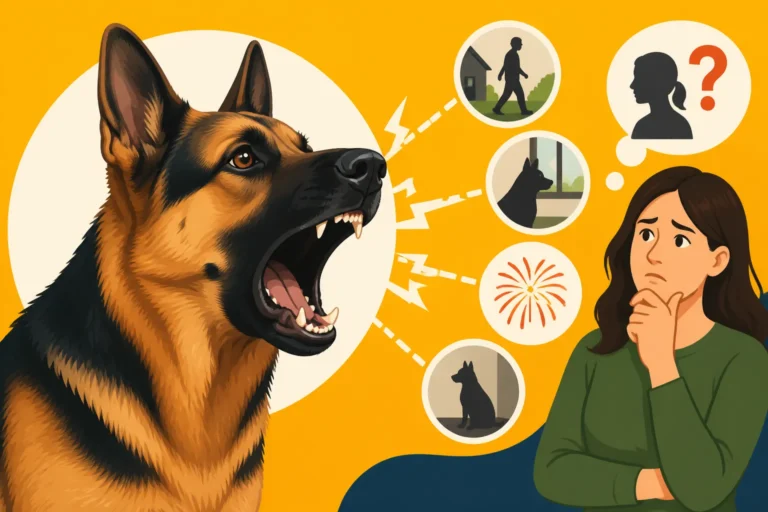
It’s incredibly disheartening, and frankly, a little scary, when your usually loving German Shepherd suddenly turns territorial around their food bowl. One moment they’re your best friend, and the next, a low growl or stiff posture warns you to back off. This isn't just about bad manners; it's a deeply ingrained instinct that can escalate into a serious issue if not addressed properly and empathetically. Understanding why your German Shepherd is guarding food and learning effective, force-free methods to manage it is crucial for building a safe and trusting relationship.
Understanding Why German Shepherds Guard Food
Food guarding, also known as resource guarding, is a completely natural canine behavior. While it can be alarming, it doesn't automatically mean your German Shepherd is aggressive or "bad." It simply means they perceive a threat to a valuable resource – in this case, their food – and they're communicating that they want to keep it. For German Shepherds, a breed known for its protective instincts and keen intelligence, this behavior can manifest quite strongly.
The Instinctual Roots of Resource Guarding
Think about dogs in the wild, or even feral dogs. Food isn't always plentiful, and securing a meal often means survival. In a pack, the strongest or most assertive dogs might claim resources, and guarding is a way to protect what they've managed to acquire. This primal instinct is still hardwired into our domesticated companions, even if they're eating a gourmet meal from a fancy bowl in your living room. They don't always understand the abundance we provide; their brains can still default to "mine!"
When your German Shepherd stiffens, growls, or even snaps, they're not trying to be defiant. They're communicating, "This is mine, and I feel threatened that you might take it." It’s an attempt to create distance and ensure their possession of the resource. Recognizing this as communication, rather than an act of aggression against you, is the first step toward effective management. It also means that punishing your dog for growling, for instance, might stop the growl, but it won't stop the underlying fear or anxiety, making future bites more likely without warning.
Contributing Factors and Triggers
While instinct is the foundation, several other factors can exacerbate food guarding in German Shepherds:
- Past Experiences: This is huge. If your German Shepherd was a rescue, they might have experienced food scarcity, had to fight for food with littermates or other dogs, or been punished for eating too quickly or near people. These past traumas can leave lasting psychological imprints, making them hypersensitive about their meals. Even a puppy from a chaotic breeding environment where food was scarce could develop this.
- Insecurity or Anxiety: A dog that feels generally insecure, anxious, or lacks confidence might be more prone to guarding. This can sometimes stem from inconsistent training, a lack of clear boundaries, or an unstable environment. A German Shepherd thrives on predictability and strong, fair leadership, and a lack of these can contribute to general anxiety that spills over into resource guarding.
- Learned Behavior: Sometimes, we inadvertently teach our dogs to guard. If a puppy growls over a toy and we immediately back off, the dog learns that growling works. While backing off can be the right short-term safety measure, it can reinforce the behavior if not followed by a training plan.
- Genetics: While not a direct cause, some lines of German Shepherds may have stronger guarding instincts due to breeding for protection work. This doesn't mean all working line German Shepherds will guard food, but it might mean the predisposition is stronger, requiring earlier and more diligent training.
Understanding these underlying reasons helps us approach the problem with empathy and strategy, rather than just trying to suppress the behavior. It’s about addressing the root cause, not just the symptom.
Identifying the Signs of Food Guarding
Recognizing the signs of food guarding, from the most subtle cues to overt displays, is absolutely essential for intervention. Many owners miss the early, subtle signals, only realizing there's a problem when their dog snaps or bites. Learning to read your German Shepherd's body language around their food will allow you to intervene proactively and prevent escalation.
Subtle Cues to Watch For
Your German Shepherd might be "talking" to you long before a growl escapes their lips. These subtle cues are your dog's way of saying, "I'm uncomfortable, please give me space."
- Stiffening: The dog's body might become rigid, their muscles tensing up. They might freeze in place, particularly if you approach their bowl.
- Hard Stare or Whale Eye: A direct, unblinking stare at you, or "whale eye" where you can see the whites of their eyes, are clear indicators of discomfort and potential guarding. Their gaze might dart between you and the food.
- Head or Body Over Bowl: They might physically place their head or entire body over the bowl, shielding it with their presence. This is a very clear defensive posture.
- Eating Faster: If your German Shepherd suddenly speeds up their eating when you approach, it’s often a sign they're worried you're going to take their food away. This is a common, often overlooked, early warning sign.
- Subtle Lip Licks or Yawns (out of context): These can be calming signals, indicating stress or anxiety. If your dog is doing these when you're near their food, it means they're uncomfortable.
It's critical not to ignore these early warnings. They are your dog's attempt to communicate without resorting to more aggressive measures. Missing them can teach your dog that their subtle communication isn't effective, forcing them to escalate.
Overt Displays of Guarding Behavior
If the subtle cues are ignored, or if the dog's anxiety is high, the guarding behavior will escalate. These are the signs that most people recognize as "food guarding."
- Growling: This is the most common and unmistakable overt sign. It's a clear warning: "Do not come closer." While startling, a growl is still communication; punishing it can suppress the warning, making a bite more likely in the future without any vocal cue.
- Snarling or Lip Lifting: Your German Shepherd might curl their lips, showing their teeth. This is a more intense warning than a growl.
- Lunging: The dog might lunge or snap in the air in your direction without making contact, as a way to push you away.
- Biting: This is the most severe form of guarding and usually occurs when all prior warnings have been ignored, or the dog feels extremely threatened. A bite means your dog felt they had no other option to protect their valuable resource.
If your German Shepherd is exhibiting overt signs like growling or snapping, it's a serious situation that requires careful handling and a structured training plan. Never punish these behaviors, as it can worsen the underlying issue and erode trust.
Here's a quick reference table for identifying the signs:
| Behavior Type | Subtle Cues | Overt Displays | What it Communicates |
|---|---|---|---|
| Body Language | Stiffening, freezing, head over bowl, turning away | Lunging, snapping, biting (contact) | "I'm uncomfortable/threatened. Back off." |
| Eyes | Hard stare, whale eye (whites of eyes showing) | Intense, fixed stare | "I'm watching you closely. Don't come near my food." |
| Mouth | Eating faster, lip licks (out of context), yawns | Growling, snarling, lip lifting (showing teeth) | "This is mine! Leave me alone, or I will defend it." |
Prevention is Key: Building a Positive Association with Food
The best way to deal with food guarding is to prevent it from developing in the first place. For puppies and newly adopted German Shepherds, establishing a positive association with people near their food bowl is critical. Even with adult dogs who haven't shown guarding behavior, these exercises can reinforce good habits.
Hand-Feeding and Positive Reinforcement
From the moment you bring your German Shepherd puppy or new dog home, start building positive associations. The goal is for your dog to see your presence near their food as a good thing, not a threat.
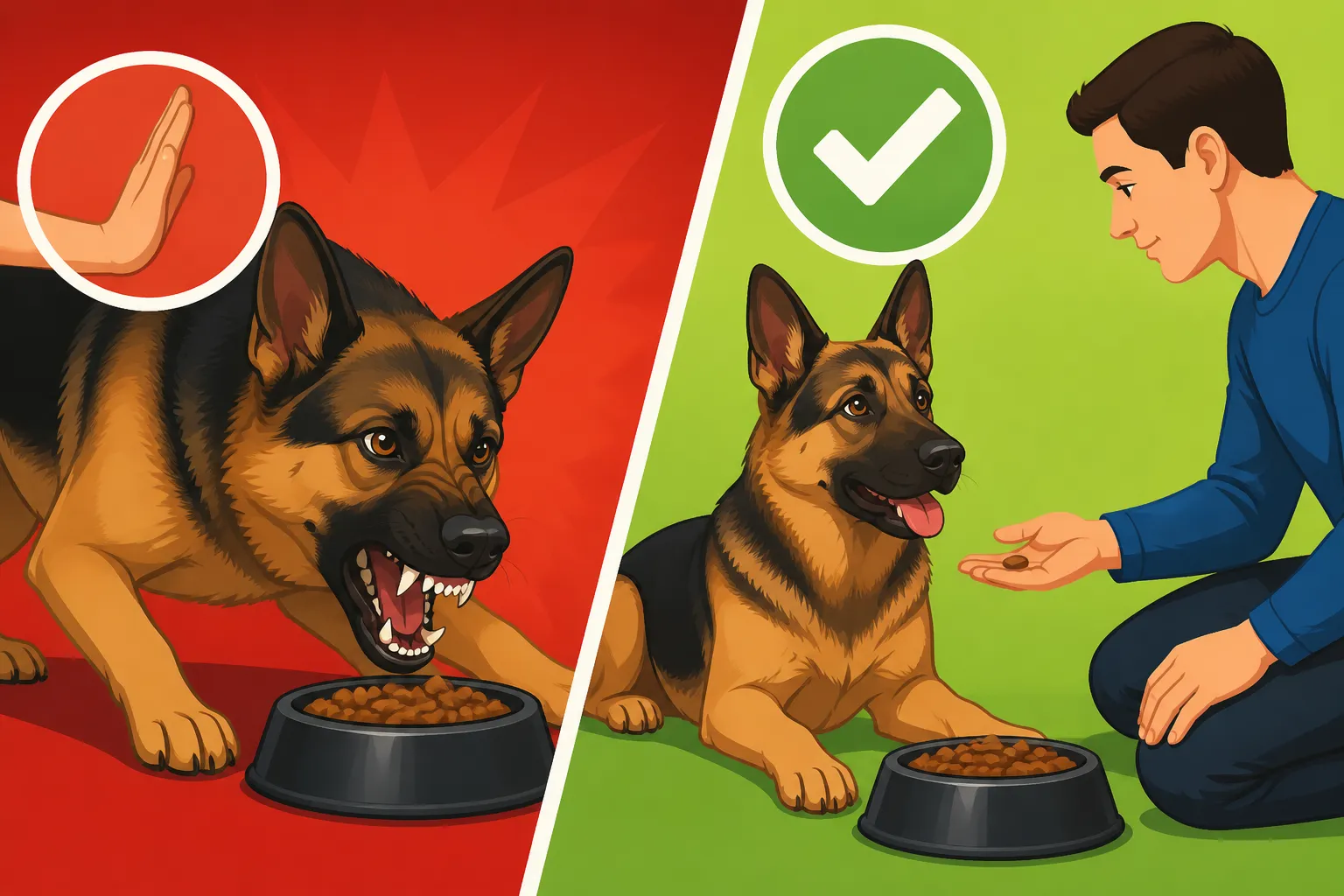
- Hand-Feeding: For the first few days, and even weeks, feed your German Shepherd directly from your hand. This helps them associate your hands with providing delicious food, not taking it away. As they eat, praise them gently. This also establishes your role as the provider of all good things.
- "Drop and Add" Method: While your dog is eating from their bowl, occasionally approach, drop an even more delicious treat (like a piece of cooked chicken, cheese, or hot dog) into their bowl, and then walk away. Don't hover; just drop and leave. This teaches them that your approach adds value, rather than removes it. Do this several times per meal, every meal. This concept is fundamental to counter-conditioning.
- Trade-Up Game: Practice trading items with your German Shepherd. Offer a high-value treat in exchange for a lower-value toy, and then give the toy back if appropriate, or give them a different, equally exciting toy. This teaches them that giving something up leads to something even better, fostering trust and willingness to share. This is a great exercise for general German Shepherd Obedience Training Basics and building communication.
Consistency is vital. Every positive interaction reinforces the idea that humans are generous providers, not competitors for resources.
Creating a Safe and Predictable Feeding Environment
The environment where your German Shepherd eats plays a huge role in their comfort level. A chaotic or high-traffic area can increase their anxiety.
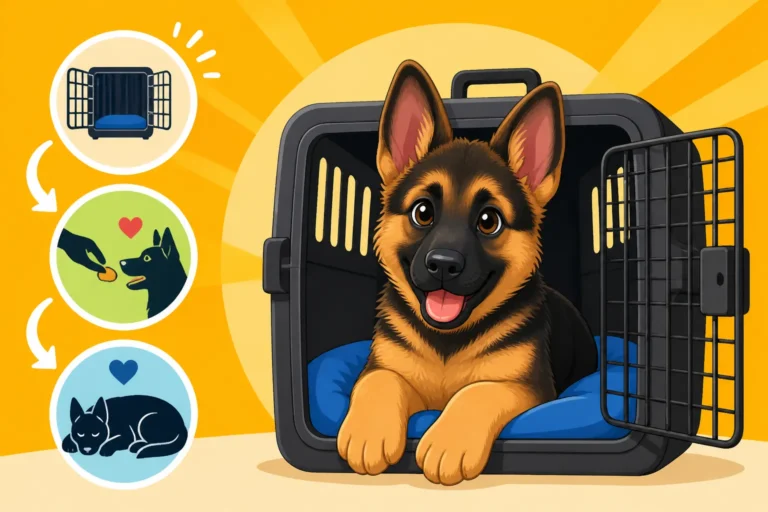
- Designated Eating Space: Provide a quiet, low-traffic area where your German Shepherd can eat undisturbed. This might be a corner of the kitchen, a crate, or a separate room. Ensure other pets or children do not bother them during meal times.
- Consistent Schedule: Dogs thrive on routine. Feeding your German Shepherd at predictable times each day can reduce anxiety around when their next meal is coming, which can sometimes be a trigger for guarding. This also applies to other aspects of their day, like walks and training, contributing to a sense of security.
- Avoid Reach-Ins and Teasing: Never reach into your dog's bowl while they're eating to "test" them. This is confrontational and can provoke guarding, teaching them that your hands are a threat. Similarly, never tease a dog with food or pretend to take it away. This breaks trust and can be incredibly detrimental to your relationship.
- Appropriate Bowls: Some dogs feel more comfortable with wide, shallow bowls as it allows them to see their surroundings while eating, reducing the feeling of being vulnerable. For dogs that eat too fast, a slow feeder bowl can help extend mealtime without causing anxiety, which might be found on Amazon.
These preventative measures are particularly important during critical developmental periods, such as when you're working on German Shepherd Puppy Training Guide. Establishing good habits early on can set your dog up for a lifetime of secure, relaxed eating.
Managing and Modifying Existing Food Guarding
If your German Shepherd is already exhibiting food guarding behavior, it’s not too late to work on it, but it requires patience, consistency, and a carefully structured approach. The key is to avoid confrontation and instead, gradually change your dog's emotional response to your presence around their food.
The "Trade-Up" and "Approach and Treat" Methods
These methods are variations of counter-conditioning, aimed at changing your dog's negative association (fear of losing food) into a positive one (your presence means better food).
- Establish a Safe Distance: Start by identifying the distance at which your German Shepherd shows no signs of guarding. This might be across the room or even from another room initially. Your goal is to work below their threshold of reactivity.
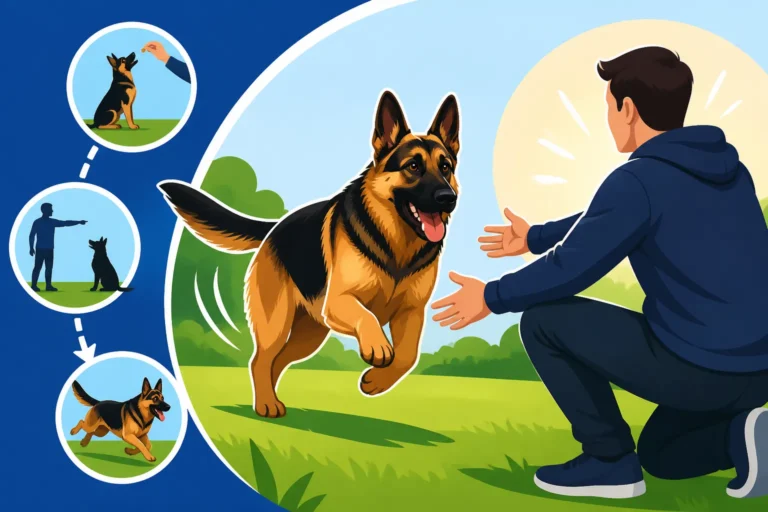
- Approach and Treat (from a distance): While your German Shepherd is eating, approach just to the edge of their comfort zone. Toss a high-value treat (something truly irresistible, like cooked meat or cheese) towards their bowl, but not directly into it if they're still sensitive. The idea is for the treat to land near the bowl, but far enough not to startle them. As they eat the treat, move back. Repeat this many times. The presence of you approaching should predict delicious additions, not removal.
- Gradual Reduction of Distance: Over many, many sessions (days or weeks), gradually decrease the distance from which you toss the treat. The moment you see any subtle signs of guarding (stiffening, hard stare), you’ve gone too far. Back up to the previous comfortable distance and try again. This process cannot be rushed.
- Dropping into the Bowl: Once your German Shepherd is completely relaxed with you tossing treats near their bowl, you can start gently dropping them into the bowl. Again, praise softly and move away. The goal is for them to look forward to you approaching.
Remember, this is about building trust. Never grab their bowl, yell, or punish them if they growl or snap. That will only confirm their fears and worsen the guarding. If you are having trouble determining the appropriate distance or seeing consistent progress, consider seeking guidance from a certified professional dog trainer. Online platforms like BAXTER & Bella offer virtual coaching that can be incredibly helpful for personalized advice and demonstration.
Setting Up a Management Plan
While you're working on the training, it's essential to manage the environment to prevent guarding incidents.
- Feed in Isolation: Until the guarding behavior is completely resolved, feed your German Shepherd in a secure, separate room or in their crate where they won't be disturbed by people, other pets, or children. Close the door or gate.
- Avoid Confrontation Entirely: For now, do not try to take their food away or even walk too close if you know they'll react. The goal is to avoid practicing the guarding behavior. If you need to move the bowl, do it when they're not present or distracted.
- No Free-Feeding: Stick to scheduled mealtimes. This allows you to control the feeding environment and practice your counter-conditioning exercises during these specific times.
- Children and Other Pets: Children should never be allowed near a German Shepherd who guards food. Educate them thoroughly on boundaries. The same goes for other pets; feed them separately to avoid any potential conflicts.
- High-Value Chew Items: If your German Shepherd guards bones or other high-value chews, treat these resources with the same caution as their food bowl. You can apply the "trade-up" method with these items as well, offering an even tastier treat for the item, then returning the item or providing an equally stimulating alternative.
Consistency in your management plan is just as important as the training itself. It prevents setbacks and allows your dog to relax knowing their resources are secure. For general German Shepherd Behavior Problems and Solutions, consistency is always paramount.
When to Seek Professional Help
While many cases of mild food guarding can be managed with consistent, positive reinforcement methods, there are times when professional intervention is not just recommended, but absolutely necessary. Ignoring severe guarding can lead to dangerous situations.
Recognizing Severe or Escalating Behavior
If your German Shepherd's food guarding behavior is characterized by any of the following, it’s time to call in a professional:
- Aggression Towards Humans: If your dog has growled, snapped, or bitten a human, especially you or a family member. Any bite that breaks the skin is a serious incident that requires professional assessment.
- Aggression Towards Other Animals: If your German Shepherd guards food from other pets in the household, leading to fights or severe altercations. This can be particularly problematic in multi-dog households.
- Inability to Make Progress: You've been diligently applying the positive reinforcement methods, but you see no improvement, or the behavior is actually worsening.
- Your Fear or Discomfort: If you feel genuinely afraid of your dog during mealtimes, or if the situation is causing significant stress in your household, a professional can provide the confidence and expertise needed.
- Guarding Multiple Resources: If your German Shepherd is guarding not just food, but also toys, beds, specific spots on the couch, or even you, it indicates a broader resource guarding issue that needs expert guidance. This can quickly become a complex problem.
Finding the Right Professional
When looking for help, it’s crucial to find a qualified and ethical professional.
- Certified Professional Dog Trainer (CPDT-KA): These trainers have passed an independent certification exam covering dog behavior and training techniques.
- Certified Applied Animal Behaviorist (CAAB) or Veterinary Behaviorist (DACVB): For severe cases, especially those involving bites or generalized aggression, a veterinary behaviorist (a veterinarian with specialized training in behavior) or a certified applied animal behaviorist is the most appropriate expert. They can assess medical causes and often work in conjunction with your regular vet.
- Avoid "Alpha" or Force-Based Trainers: Never work with trainers who advocate for dominance theory, physical corrections, or using fear to "fix" guarding. These methods are outdated, scientifically disproven, and will almost certainly exacerbate resource guarding, making your dog more fearful and potentially more dangerous. A trainer should always use positive reinforcement and force-free methods.
- Referrals: Ask your veterinarian for recommendations. Many vets work closely with reputable local trainers and behaviorists. You can also look for trainers certified by organizations like the Certification Council for Professional Dog Trainers (CCPDT) or the International Association of Animal Behavior Consultants (IAABC).
- What to Expect: A good professional will start with a thorough assessment, asking detailed questions about your dog's history, the guarding incidents, and your home environment. They will then develop a personalized training plan focused on counter-conditioning and desensitization, and they will teach you how to implement it safely and effectively. This might involve setting up controlled scenarios to safely manage and modify the behavior.
Addressing food guarding early and correctly, whether through prevention or modification, is vital for a safe and happy home. Your German Shepherd deserves to feel secure, and you deserve to feel comfortable around your beloved companion. Remember that professional help is a sign of responsible pet ownership, not failure. Sometimes, even the most diligent owner needs an expert to guide them, especially when dealing with complex behaviors that can arise from deep-seated anxieties or instincts, similar to managing other serious issues like German Shepherd Aggression: How to Stop It.
Disclaimer
This article is for informational purposes only and is not a substitute for professional veterinary or behavioral advice. If your German Shepherd is exhibiting severe aggression or you are concerned about their health, please consult with a qualified veterinarian or certified professional dog trainer/behaviorist immediately. Always prioritize your safety and the safety of others.