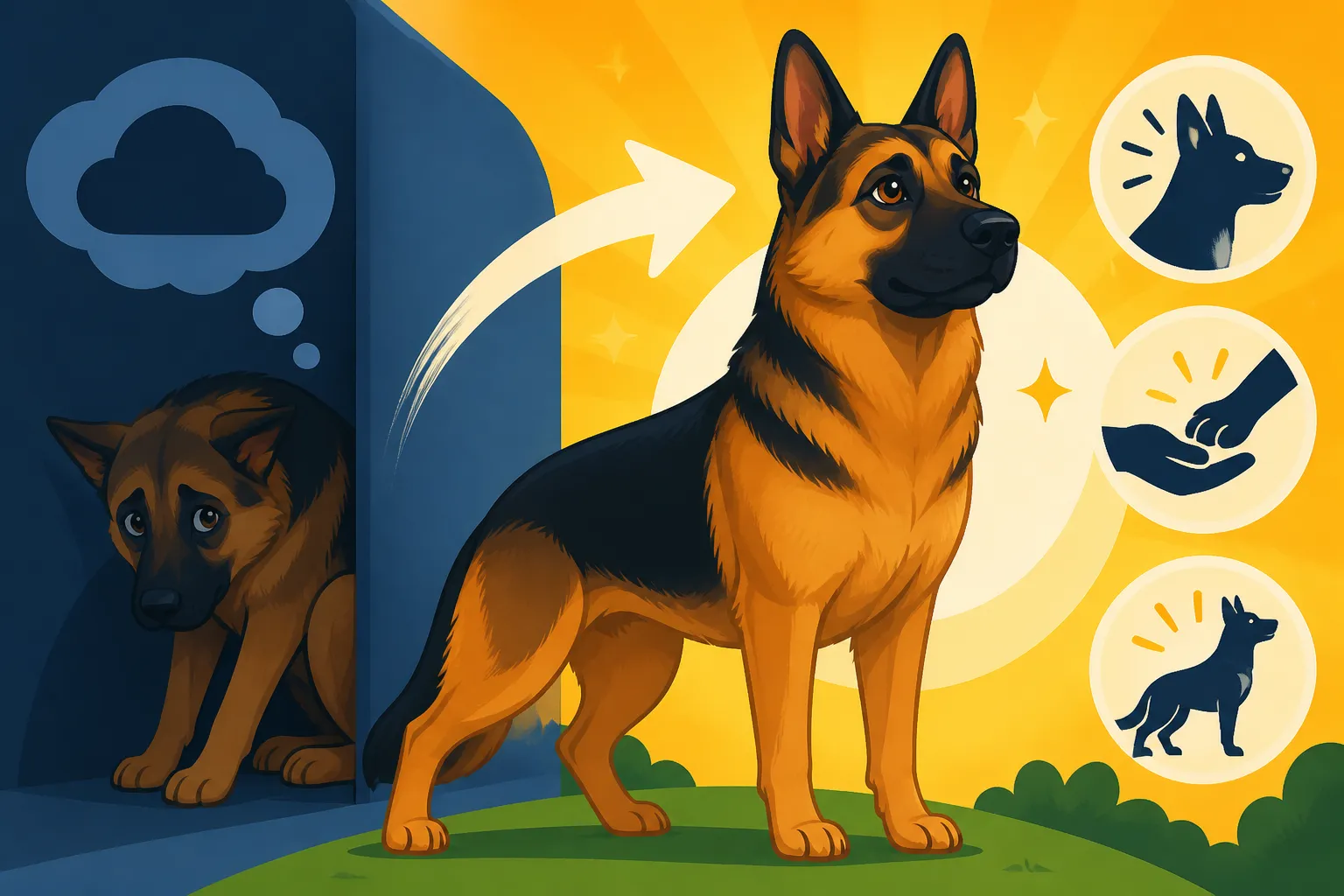
How to Build Confidence in a Shy German Shepherd
It’s a heartbreaking sight for any German Shepherd owner: your brave, loyal companion, a breed synonymous with courage, shrinking back or cowering when faced with new people, places, or sounds. That underlying shyness can feel incredibly frustrating and confusing, leaving you wondering how to help your majestic dog truly thrive. This comprehensive guide will delve deep into understanding the roots of shyness in German Shepherds and, more importantly, equip you with empathetic, actionable strategies to gently nurture their confidence and help them become the self-assured, happy dogs they deserve to be.
Understanding the Roots of Shyness in German Shepherds
When your magnificent German Shepherd displays shyness, it’s natural to feel a pang of concern and perhaps even confusion. After all, aren't these dogs supposed to be confident and bold? The truth is, shyness in German Shepherds isn't a sign of weakness on their part or yours. Instead, it’s a complex behavior often stemming from a combination of factors, and understanding these roots is the crucial first step in helping your dog overcome their fears. It’s rarely a simple explanation, but rather a tapestry woven from genetics, early life, and environmental influences.
Genetic Predisposition and Early Experiences
Just like humans inherit personality traits, so do dogs. Some German Shepherds are simply born with a more sensitive or anxious temperament, a direct result of their genetic makeup. If a puppy’s parents or even grandparents exhibited nervous or shy tendencies, there's a higher likelihood that those traits could be passed down. This isn’t something a breeder necessarily "causes," but it highlights the importance of researching a puppy's lineage and observing the temperament of the parent dogs if you're getting a young pup. It's a factor that, while not always controllable, is vital to acknowledge.
Beyond genetics, the experiences (or lack thereof) during a German Shepherd's critical socialization period – typically from 3 to 16 weeks of age – are incredibly formative. Puppies who are not exposed to a wide variety of positive experiences during this time can grow up feeling overwhelmed and fearful of the unknown. Imagine a young child who spends their entire early life in one room; the outside world would be a terrifying maze. Similarly, a German Shepherd puppy needs gentle, positive exposure to different people (men, women, children, people with hats or glasses), sounds (traffic, vacuums, thunderstorms), sights (bikes, strollers, other animals), and textures to develop a robust understanding that the world is generally a safe and interesting place. A single negative experience, like being startled by a loud noise or having a rough encounter with another dog, can cement shy tendencies, making the dog apprehensive about similar situations later on. For more insights into common issues, you might find our guide on German Shepherd Behavior Problems and Solutions helpful.
Lack of Socialization and Negative Encounters
While genetics might lay the groundwork, inadequate or poorly managed socialization can truly solidify shyness. German Shepherds are intelligent and observant, and without proper exposure, they might interpret new stimuli as potential threats rather than opportunities for exploration. If your German Shepherd spent its early months with minimal interaction outside the immediate family, or if those interactions were consistently negative, it’s understandable that they might be wary of anything new.
Negative encounters, even seemingly minor ones, can have a profound impact. A bark from an unexpected corner, a clumsy child falling near them, or an overly boisterous greeting from another dog could be enough to create a lasting fear association. These experiences teach your German Shepherd to anticipate danger in new situations, leading them to retreat, hide, or even react defensively. This creates a challenging cycle: shyness leads to avoidance, which prevents positive experiences, further reinforcing the shyness. This is precisely why a well-planned How to Socialize a German Shepherd strategy is crucial from puppyhood. Breaking this cycle requires immense patience and a very deliberate, positive approach to help them unlearn these fear associations and build new, confident ones.
Creating a Safe and Predictable Environment
For a German Shepherd struggling with shyness, the world can often feel like a dizzying, unpredictable place, full of surprises that lead to fear. Your most immediate and impactful step is to transform their immediate surroundings into a haven of security, consistency, and absolute predictability. This isn’t about coddling or enabling their fear, but rather providing the fundamental psychological safety net they need to begin developing resilience and courage.
Establishing a Secure Home Base
Every shy German Shepherd needs a personal sanctuary – a designated space within your home where they can retreat and feel completely safe, undisturbed, and unthreatened. This could be a comfortable crate with a cozy bed and a blanket draped over it, a quiet corner of a room with their favorite blanket and toys, or even an entire room if space allows. The paramount rule for this space is that it is always available, always respected, and never, under any circumstances, used for punishment. When your German Shepherd is in their safe spot, they should be left entirely alone, allowing them to truly decompress and feel secure.
Beyond a physical haven, establishing a consistent daily routine provides immense comfort and predictability. Regular feeding times, scheduled potty breaks, consistent exercise routines, and even predictable playtimes help your dog understand what to expect from their day. This predictability significantly reduces anxiety because it minimizes unexpected events. When a German Shepherd knows the rhythm of their day, they can relax and conserve mental energy that might otherwise be spent anticipating the unknown. Adding calming pheromone diffusers, like those available on Amazon, or soft, soothing music near their safe zone can further enhance this feeling of security, providing an extra layer of comfort.
Gentle Introduction to New Experiences
The natural human inclination when dealing with a shy dog is often to push them into new situations, hoping they will just "get over it." However, this approach almost always backfires, intensifying their fear and reinforcing their belief that new things are indeed scary. Instead, you must adopt a strategy of extremely gradual, positive, and entirely dog-led introductions. Think of it as inviting them to dip a toe in the water, rather than pushing them into the deep end.
Start with tiny, almost imperceptible steps, always ensuring your German Shepherd remains "under threshold"—meaning they are aware of the new stimulus but not reacting with fear. For example, if your dog is shy around strangers, don't invite a group of friends over for dinner. Instead, ask one very calm, dog-savvy friend to stand across the street while you casually play with your dog in your front yard. If your dog remains relaxed, your friend can slowly, over several separate sessions, reduce the distance. Each step should be paired with high-value treats and praise, building a positive association. If your dog shows any signs of stress—lip licking, yawning, tail tucked, cowering, turning away—you’ve gone too far, too fast. Immediately increase the distance or end the session on a positive note, perhaps by doing something your dog enjoys. Remember, forcing interaction is never an option; it will only set back progress. This careful, incremental exposure is a cornerstone of effective German Shepherd Puppy Training Guide, particularly for sensitive pups.
Building Confidence Through Positive Exposure and Training
With a secure home base established, the next phase focuses on actively building your German Shepherd's confidence. This means thoughtfully orchestrating positive interactions that incrementally challenge them, always ensuring they feel successful and supported. Our goal here is to transform their inherent fear of the unknown into a sense of curiosity, and eventually, joyful engagement.
Structured Socialization and Counter-Conditioning
For a shy German Shepherd, "socialization" doesn't mean a free-for-all at the dog park. Instead, it’s about structured, controlled interactions designed for positive outcomes. Begin with a single, very calm, stable dog that you know well, or a patient, dog-experienced human. Keep initial sessions incredibly short (just a few minutes), low-pressure, and always end them on a high note. Lavishly reward your German Shepherd with high-value treats and calm, happy praise for any relaxed or brave behavior, no matter how small.
A powerful technique to use during these interactions is counter-conditioning. This process aims to change your dog's emotional response to something they fear. For instance, if your German Shepherd is anxious around men wearing hats, as soon as you spot a man with a hat (even far across the street), immediately begin giving your dog continuous, irresistible treats. The idea is to create a new association: "Man with hat = super yummy treats!" Over time, the scary stimulus (man with hat) predicts something wonderful, shifting their emotional state from fear to anticipation or even happiness. This method demands keen observation of your dog’s body language and impeccable timing. Our German Shepherd Socialization Checklist can provide excellent guidance on how to manage these exposures safely and effectively.
Obedience Training as a Confidence Booster
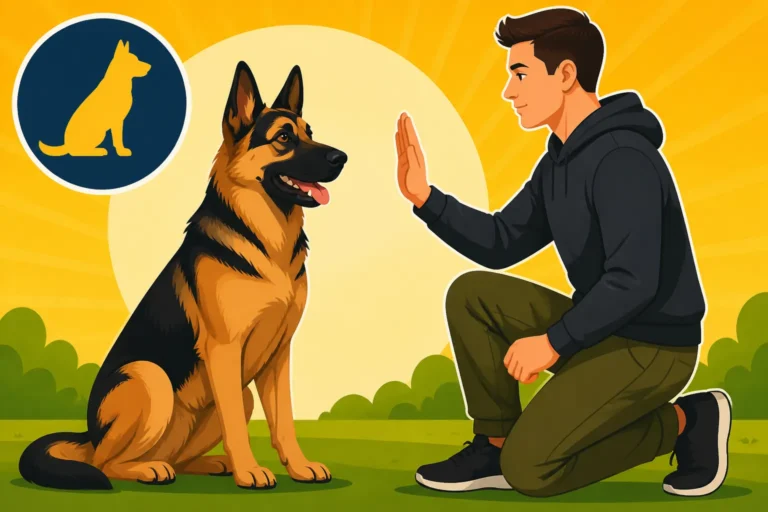
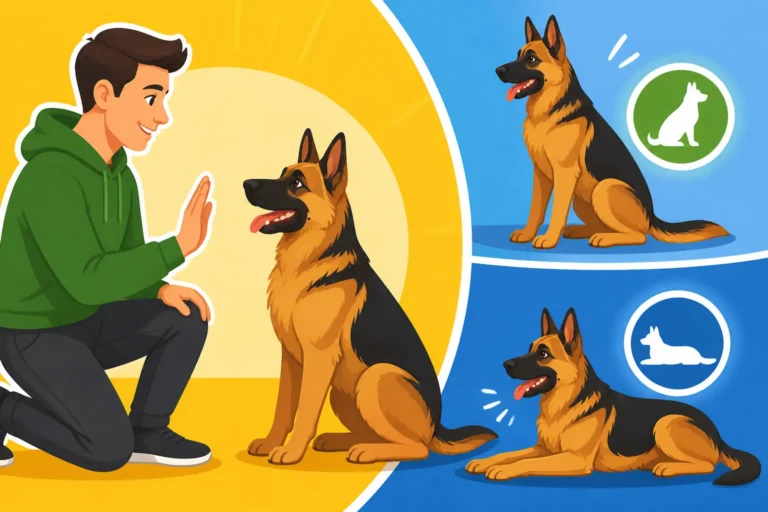
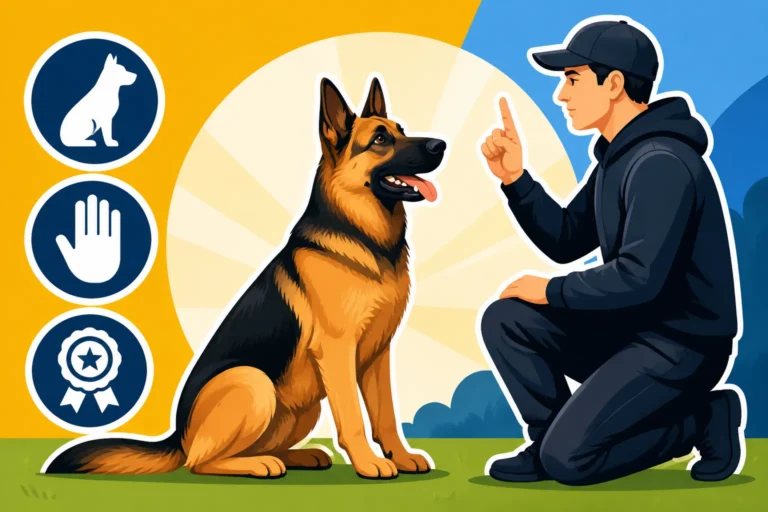
Obedience training extends far beyond teaching commands; it’s a phenomenal tool for building a German Shepherd's self-esteem and reinforcing your bond. When a shy dog understands what is expected of them and consistently receives positive reinforcement for complying, they develop a profound sense of competence and security. Start with basic commands like "sit," "stay," "come," and "down" in the quiet, familiar environment of your home. Focus on making every session fun and rewarding.
As your dog becomes proficient, gradually introduce these commands in slightly more distracting settings. Practice a "sit" during a calm walk, then as a distant jogger passes, eventually working up to a bustling park environment. Each successful execution, especially in a slightly challenging context, reinforces their belief in their own abilities. Utilize a positive marker, such as a clicker or a cheerful "Yes!" immediately followed by a tasty reward, to precisely communicate what behavior you’re praising. For owners seeking structured guidance, online training platforms like BAXTER & Bella offer comprehensive courses that can be incredibly valuable, allowing you to train at home at your dog's pace. This systematic approach forms the bedrock of strong German Shepherd Obedience Training Basics.
Using Enrichment and Play to Empower
Beyond formal obedience, incorporating mentally stimulating enrichment and controlled play into your German Shepherd’s daily life can profoundly boost their confidence. These activities allow them to engage their natural instincts, solve problems independently, and expend mental and physical energy in a positive, self-affirming way.
- Puzzle Toys: These toys require your German Shepherd to figure out how to release treats, offering a satisfying mental challenge and a sense of accomplishment. You can find a wide variety of these, from simple snuffle mats to complex interactive feeders, on platforms like Amazon. Start with easier puzzles and gradually increase the difficulty as your dog gains confidence.
- Scent Work: German Shepherds possess an incredible sense of smell. Harness this by hiding high-value treats around your house or yard and encouraging them to sniff them out. Scent work is a naturally calming activity that builds focus and offers a tremendous sense of satisfaction upon discovery. It’s a low-pressure way for them to succeed.
- Controlled Play: If your dog enjoys playing with toys, use games like fetch, tug-of-war, or hide-and-seek to build their confidence. Always ensure the play is positive and, especially with tug, let your dog "win" sometimes to boost their morale and sense of empowerment. For shy dogs, involving a new, calm person in a game of fetch from a distance can be a fantastic, low-pressure way for How to Introduce a German Shepherd to Strangers without direct physical contact.
Advanced Strategies and When to Seek Professional Help
Even with dedicated effort, some German Shepherds exhibit shyness that runs deeper, manifesting as profound fear or even defensive aggression. In these instances, it's not an indictment of your care but a clear signal that specialized professional guidance may be necessary to support both you and your dog on this journey. Recognizing when to elevate your approach is a crucial act of responsible ownership.
Managing Fear-Based Reactivity and Aggression
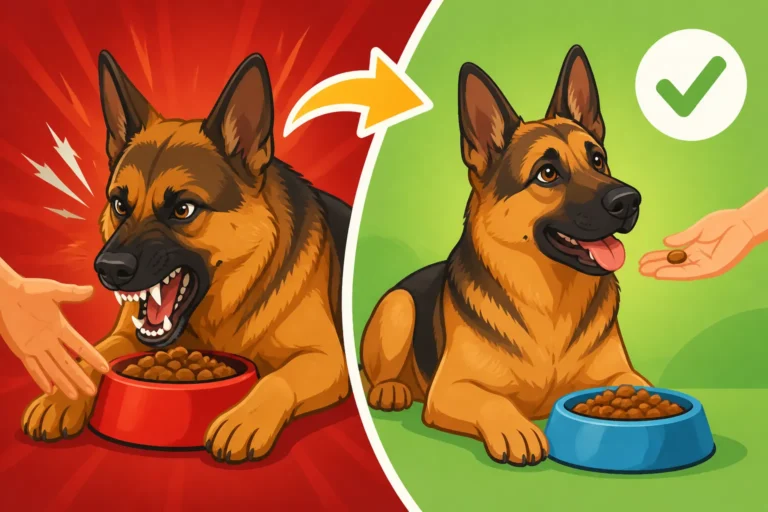
A deeply shy German Shepherd, when pushed past their emotional threshold or feeling trapped, might display fear-based reactivity or aggression. This isn't born of malice; it's a desperate, instinctive attempt to create distance from a perceived threat. This can manifest as barking, lunging, snapping, or even a bite if they feel their warnings are being ignored. Understanding German Shepherd Fear Aggression Explained is vital, as these behaviors are often a dog's desperate plea for space and safety.
When your dog exhibits such behaviors, the immediate priority is to meticulously manage their environment to prevent further negative experiences and ensure safety for everyone. This could mean walking your German Shepherd during quiet hours, utilizing a head halter or front-clip harness for better control without causing discomfort, and actively advocating for your dog by politely informing well-meaning strangers not to approach. The core principle is to keep your dog "under threshold" – meaning they are exposed to triggers at a distance where they can observe without reacting fearfully. Consistently reinforcing calm observation at this safe distance with high-value treats is key to gradually changing their emotional association with the trigger.
When to Consult a Professional Trainer or Behaviorist
Knowing when to call in the experts is a hallmark of responsible pet ownership. If your German Shepherd's shyness is severely impacting their quality of life, leading to consistent fear-based reactivity, or if you feel overwhelmed and aren't seeing consistent progress with your at-home strategies, it is definitely time to seek professional intervention. This isn't a sign of failure on your part, but rather a wise and loving decision for your dog's well-being.
Look for a highly qualified professional such as a Certified Professional Dog Trainer (CPDT-KA) or, for more severe cases, a board-certified Veterinary Behaviorist (DACVB). These professionals can conduct a thorough assessment of your dog's unique situation, helping to identify any underlying causes for their shyness (which can sometimes be medical, hence the veterinary behaviorist) and develop a truly tailored behavior modification plan. A reputable professional will exclusively use positive reinforcement, force-free methods, as punitive techniques can severely damage a shy dog's already fragile confidence and trust. They can provide hands-on guidance for specific challenges, offering tools and techniques to help your German Shepherd confidently navigate new environments or calmly accept a visitor. For detailed advice on selecting the right expert, refer to our guide on When to Hire a Trainer for a German Shepherd.
Patience, Consistency, and Celebrating Small Wins
Building genuine confidence in a shy German Shepherd is a journey that demands immense patience, unwavering consistency, and a deep well of empathy. There will be days of remarkable progress and, inevitably, days where it feels like you've taken a step backward. It's crucial to approach this process with a long-term perspective, celebrating every single tiny victory along the way. Did your dog glance at a stranger for a fraction of a second longer without retreating? That's a huge win! Did they take a treat calmly in a slightly new environment? Celebrate it enthusiastically!
Consistency in your training methods, your expectations, and your positive reinforcement is paramount. Ensure every member of your household understands and follows the agreed-upon approach to interacting with your dog and managing challenging situations. Remember that your calm, confident, and reassuring demeanor acts as a powerful anchor for your shy German Shepherd. They look to you for cues on how to interpret the world. Over time, with steadfast dedication and an abundance of love, you will undoubtedly witness your once-shy companion gradually unfurl, blossoming into the confident, resilient, and well-adjusted German Shepherd they were always meant to be. This transformative journey not only empowers your dog but also deepens the profound bond you share.
Progressive Exposure for Shy German Shepherds
To help guide your approach, here’s a structured table outlining a progressive exposure strategy. Always remember that these stages are flexible; adjust the pace based on your individual German Shepherd’s comfort level and never rush them. The goal is positive experiences, not speed.
| Stage | Activity Description | Goal | Reinforcement & Tips |
|---|---|---|---|
| 1: Foundation Building | Establish a calm, dedicated safe space (crate, room corner). Maintain strict, predictable daily routines for feeding, walks, potty breaks. | Create core psychological safety and environmental predictability. | Use high-value treats within the safe space; provide calm praise. Avoid sudden loud noises or surprises. |
| 2: Distant Observation | Introduce mild triggers (e.g., a calm person, another dog) at a considerable distance where your dog notices them but shows no fearful reaction. | Build positive emotional associations with triggers from a safe, comfortable distance. | Pair the sight of the trigger with continuous high-value treats and soft, happy talk. Keep sessions very short (1-2 minutes) and end before any signs of stress. |
| 3: Controlled Proximity | Gradually reduce the distance to the trigger, always ensuring your GSD remains relaxed and "under threshold." Use only one calm person/dog at a time. | Increase comfort with triggers at closer range while maintaining a controlled, positive environment. | Continue a steady stream of irresistible treats and gentle praise. Watch body language meticulously for any signs of discomfort. Retreat if stress appears. |
| 4: Gentle, Voluntary Interaction | Facilitate brief, low-pressure interactions, allowing your dog to initiate contact if they choose. Examples: a new person calmly tossing a treat, or a calm dog passing at a distance while your GSD eats a high-value chew. | Foster positive, dog-initiated interactions where they feel in control. | Never force interaction. Let the dog approach on their terms. Consider using a long line for safe freedom of movement. |
| 5: Diverse Environments | Introduce new, calm environments (e.g., quiet walking trail, pet-friendly store during off-peak hours). Focus on positive experiences. | Help generalize confidence to a variety of new and different settings. | Continue using the "Look at that!" method with treats. Take frequent breaks and keep outings brief and focused on positive exploration. |
| 6: Sustained Progress | Continue varied exposures to new people, places, and situations, gradually increasing duration and complexity, always reinforcing calm, confident behavior. | Maintain and build upon established confidence in real-world scenarios. | Use a variety of rewards (treats, toys, praise). Integrate ongoing obedience practice into diverse, real-world contexts to empower your dog. |
Disclaimer
The information provided in this guide is for general educational purposes only and is not a substitute for professional veterinary advice, diagnosis, or treatment. Always seek the advice of a qualified veterinarian or certified professional dog trainer for any questions you may have regarding your German Shepherd's health or behavior. Never disregard professional advice or delay in seeking it because of something you have read in this article.