How to Train Two German Shepherds at Once
It’s a fantastic dream to envision two magnificent German Shepherds working in perfect harmony, moving through commands with grace and precision. But let’s be real for a moment: the thought of training one GSD can feel like a monumental task, let alone two at the same time! Many owners find themselves overwhelmed by the sheer logistics, the potential for chaos, and the fear that one dog might regress while the other tries to excel. This comprehensive guide is here to walk you through the intricacies of how to train two German Shepherds at once, offering practical strategies and empathetic advice to turn that dream into a harmonious reality.
Understanding the Unique Challenges of Training Two German Shepherds
Bringing two German Shepherds into your life, whether at the same time as puppies or adding a second to an existing canine companion, introduces a fascinating but often complex dynamic. It's not simply double the dog, it's exponential challenges and rewards. Many owners initially underestimate the profound impact that the presence of another GSD has on individual training, leading to frustration and, sometimes, behavioral setbacks.
The "Pack Mentality" Dynamic
German Shepherds are, by nature, very social animals with a strong inclination towards pack dynamics. When you have two, their natural instinct is to interact with each other. This can be a beautiful thing, fostering companionship and play, but it can also be a significant hurdle in a training setting. Instead of focusing solely on you, their attention is constantly divided between you and their canine sibling. One dog might try to "lead" the other, or they might engage in play-soliciting behaviors when they should be concentrating on a command. You might find one dog looking to the other for cues, or even becoming overly dependent, rather than listening to you directly. This isn't necessarily defiance; it's just their innate drive to interact within their immediate social structure.
Imagine trying to teach one dog to "sit" while the other is bouncing around, nudging them, or even trying to steal their treat. It's easy for the focused dog to lose concentration, and for the less focused one to just learn that training time means chaos. This is especially true if you have littermates, often referred to as "littermate syndrome," where siblings become so intensely bonded that it inhibits their individual development and ability to form strong relationships with humans. They might rely so heavily on each other for comfort and security that they struggle with separation or even basic independent thought during training.
Increased Distractions and Competition
With two high-drive, intelligent German Shepherds, the level of distraction in any given environment skyrockets. Every movement, every sound, every scent from the other dog becomes a potential disruptor. If you're working on leash manners, for example, and one dog pulls, the other might immediately follow suit, creating a tangle of leashes and a cacophony of frustrated barks. Furthermore, competition can quickly become an issue, particularly around resources like treats, toys, or even your attention. While a little healthy competition can sometimes motivate, unchecked competition can lead to resource guarding, anxiety, or even aggression, making structured training nearly impossible.
Think about giving a "stay" command to both dogs. If one breaks the stay and rushes to you for a reward, the other dog, seeing this, might feel compelled to break their stay too, fearing they'll miss out on a treat or praise. This teaches them that breaking a command can sometimes be rewarding, which is the exact opposite of what you want. You need to be acutely aware of these dynamics and proactively manage them to ensure that each dog feels secure and has an equal opportunity to learn and succeed without undue pressure from their counterpart.
Time and Energy Demands on the Owner
Let's not sugarcoat it: training two German Shepherds at once demands a significant investment of your time, energy, and patience. It's not just double the repetitions; it's double the management, double the cleanup, and often, double the troubleshooting. You need to be able to multitask, observe subtle cues from both dogs simultaneously, and react appropriately in real-time. This can be exhausting, especially when you're just starting out or dealing with particularly energetic puppies. Many people envision themselves walking two perfectly behaved GSDs side-by-side, but the reality often starts with tangled leashes, frustrated tug-of-war, and a feeling of being pulled in two different directions, literally.
Consider the mental drain of planning and executing sessions for two unique personalities. What works for one dog might not work for the other, and you might need different motivators, different paces, and different approaches for each. If you're short on time or feeling burnt out, it’s easy for consistency to waver, and consistency is absolutely key in dog training. It’s important to acknowledge this upfront and prepare yourself mentally and logistically for the commitment required. Remember, the goal isn't just two trained dogs, it's two well-adjusted dogs who live harmoniously within your family, and that requires dedicated effort.
Laying the Groundwork: Essential Preparation for Dual Training
Before you even think about shouting commands to two furry German Shepherd faces at once, you need to build a strong foundation. This isn't about shortcuts; it's about smart, strategic preparation that will pay dividends in the long run. Many of the frustrations people experience with multi-dog training stem from skipping these crucial initial steps.
Assessing Individual Temperaments and Needs
Every German Shepherd, even from the same litter, is an individual with their own distinct personality, learning style, and specific needs. Before you begin training, take the time to truly observe and understand each dog. Is one naturally more confident and outgoing, while the other is a bit shyer or more reserved? Does one have a higher prey drive, while the other is more food-motivated? Does one pick up new commands quickly, needing fewer repetitions, while the other requires more patience and a slower pace? You can dive deeper into understanding their individual characteristics in resources like German Shepherd Temperament and Personality.
For instance, if you have one dog who is very high-energy and impulsive, and another who is more thoughtful and sensitive, a "one-size-fits-all" approach will likely fail both of them. The impulsive dog might become bored and disruptive if the pace is too slow, while the sensitive dog might become overwhelmed and shut down if the pace is too fast or the corrections too sharp. Recognizing these differences allows you to tailor your approach, selecting the right motivators (e.g., a squeaky toy for one, a high-value treat for the other), and adjusting your expectations for each. This assessment isn't a one-time thing; it's an ongoing process as your dogs grow and mature.
Establishing Separate and Group Training Spaces
One of the biggest mistakes owners make is trying to train both dogs together from day one, in the same space, with the same expectations. This almost guarantees chaos. While the ultimate goal is for them to work together, you need to build individual understanding first. This means establishing designated training areas. Start with separate, distraction-free spaces where you can work with each dog individually, one-on-one, without the other dog present or even visible. This could be different rooms in your house, or taking one dog out to the yard while the other stays inside. This ensures that each German Shepherd learns commands directly from you, without relying on their sibling or being distracted by them.
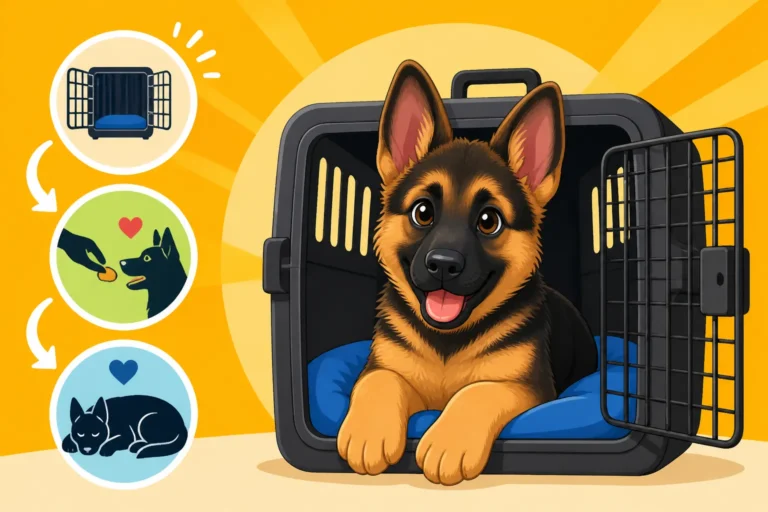
Once individual foundations are strong, you can gradually introduce group training spaces. This might start with having one dog in a crate or on a tether while you work with the other nearby, slowly increasing their proximity. Eventually, you can move to a larger, neutral area where both dogs can be present, but perhaps initially separated by a visual barrier or with a greater distance between them. The key is to control the environment and the level of interaction. This step-by-step approach ensures that when they do train together, they already have a solid understanding of the commands and are less likely to fall into old habits of mutual distraction. Think about how important How to Crate Train a German Shepherd can be in managing these separate sessions.
Gathering the Right Tools and Resources
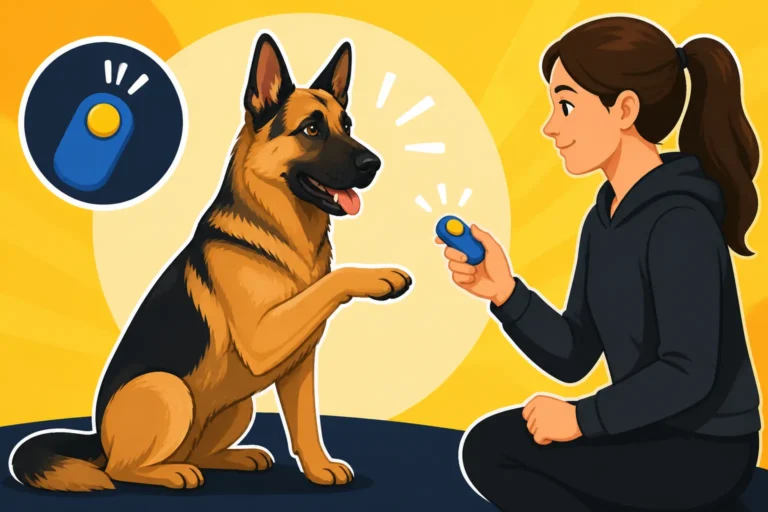
Successful multi-dog training relies heavily on having the right equipment and support system in place. You'll need two of many essential items, and sometimes even specialized tools. High-value treats are non-negotiable; these aren't your everyday kibble, but something truly irresistible like boiled chicken, cheese, or hot dogs. You'll need two separate treat pouches or vests, so you can easily access rewards for each dog without fumbling. Don't forget clickers if you use them – again, two distinct ones can sometimes help differentiate if you're clicker training both.
Consider long lines for practicing recalls and stays, especially when starting to work with both dogs in a slightly larger space. A good quality harness or head halter for each dog can make a world of difference for How to Do Leash Training with a German Shepherd. Investing in a good online resource or even a professional trainer can be incredibly helpful. Online programs like those offered by BAXTER & Bella can provide structured curriculums that you can adapt for two dogs, often with individual support. Similarly, checking platforms like Amazon for durable chew toys can keep the non-training dog occupied during individual sessions, preventing them from interfering. Having a consistent routine for German Shepherd Feeding Guide can also instill a sense of order that translates to training.
Effective Strategies for Concurrent German Shepherd Training Sessions
Once you've done your homework and set up your environment, it's time to dive into the actual training. The trick isn't just doing everything twice; it's about smart timing, clear communication, and progressive challenges.
Starting with Individual Attention and Foundational Skills
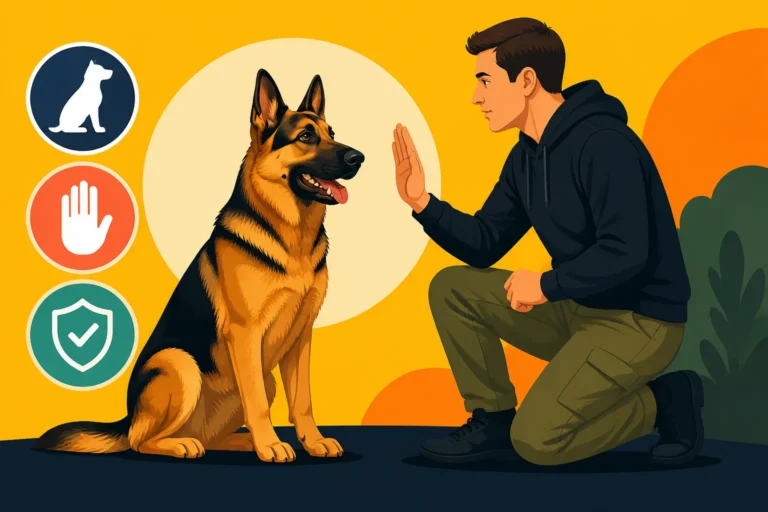
Even if your German Shepherds are past puppyhood, when you embark on dual training, you must revisit the basics with individual attention. Think of it as reinforcing their individual understanding before asking them to perform in a group setting. This means dedicating separate, one-on-one training sessions with each dog every single day. During these individual sessions, focus on core commands like "sit," "stay," "come," "down," and loose-leash walking. Make sure each dog is proficient and reliable with these commands when only you and that dog are present. This builds confidence in each dog and strengthens their individual bond with you, which is paramount.
For instance, dedicate 10-15 minutes with Rex in the living room, practicing "sit" and "stay" with high-value treats and enthusiastic praise. Then, put Rex in his crate with a long-lasting chew, and take Luna into the backyard for her individual session, working on her recall. These sessions should be engaging, positive, and free from the distraction of the other dog. This ensures that each dog truly understands what you're asking of them, rather than just copying their sibling or getting lost in the chaos. This solid individual foundation is the cornerstone of successful dual training. Many of these foundational skills are covered in depth in a German Shepherd Puppy Training Guide or German Shepherd Obedience Training Basics.
Gradually Introducing Parallel and Group Exercises
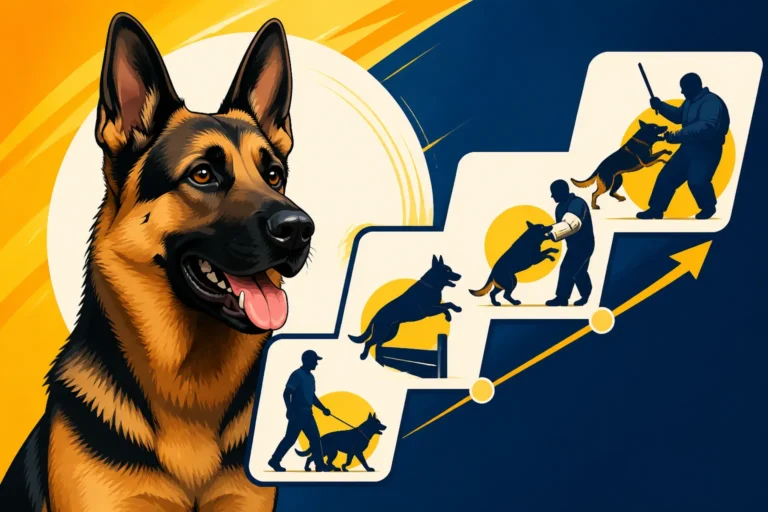
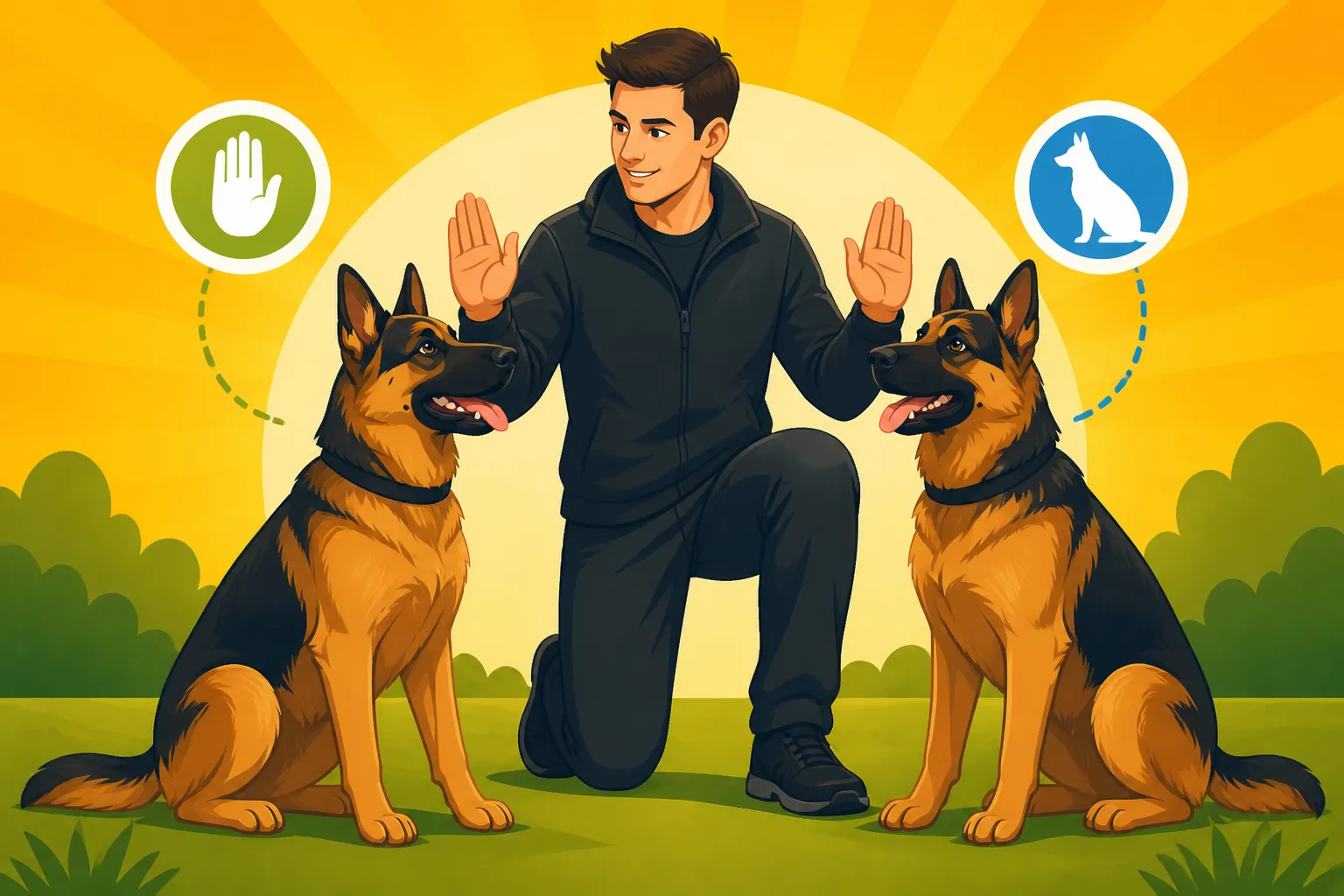
Once both German Shepherds are rock stars at their basic commands individually, you can start to introduce parallel training. This is where you work on the same commands with both dogs present, but not necessarily interacting directly. Start with a barrier, like a baby gate, separating them, or simply keep them on separate leashes with plenty of distance between them. You might have them "sit-stay" side-by-side, rewarding them individually and lavishly for holding their position. The goal here is for them to learn to focus on you even when the other dog is around.
A good progression for this would be:
- Individual in same room (one crated/tethered): Work with one dog while the other is quietly observing or settling in a crate nearby. Reward the observing dog for quiet behavior as well.
- Parallel, separate handlers: If you have a training partner (friend, family member), each person can train one dog simultaneously, slightly apart. This helps them learn to focus on their own handler.
- Parallel, single handler (one dog on long lead/tether): You train one dog, with the other dog tethered a short distance away. Gradually swap roles.
- Side-by-side, on leash: Both dogs on leash, you giving commands. Start with simple commands like "sit" and "down." Reward frequently and separately.
When giving commands, use each dog's name clearly before the command (e.g., "Rex, sit!" "Luna, sit!"). This helps them differentiate who you're speaking to. Over time, you can reduce the distance and the need for barriers, always ensuring that success is met with high praise and rewards. When you get to the point of walks, working on How to Stop a German Shepherd Pulling on Leash with both can be a huge step.
Leveraging Positive Reinforcement and High-Value Rewards
Positive reinforcement is crucial for training any dog, but it becomes even more vital when working with two German Shepherds. You need to make training sessions the absolute best part of their day, full of delicious treats, enthusiastic praise, and fun play. With two dogs, the temptation to use punishment or frustration can rise, but this will only damage your bond and make them less willing to engage. Instead, focus on rewarding the behaviors you want to see.
Always have a generous supply of high-value treats readily available. For dual training, this often means treats that can be quickly consumed, so you can reward one dog and then immediately attend to the other. If you're working on a "stay," for example, approach Rex, reward him, then immediately go to Luna and reward her. This ensures neither dog feels overlooked. Vary your rewards – sometimes it's a treat, sometimes a quick game of tug, sometimes just exuberant verbal praise. This keeps them guessing and excited. For some dogs, a favorite toy found on Amazon might be a better motivator than a treat, so having options is key. Building up positive associations is vital, especially when tackling German Shepherd Behavior Problems and Solutions that might arise from competition or over-excitement.
Troubleshooting and Maintaining Harmony with Two Trained GSDs
Even with the best preparation, training two powerful, intelligent German Shepherds simultaneously comes with its unique set of challenges. It's not always a smooth ride, and recognizing potential pitfalls and knowing how to address them is crucial for maintaining a happy, well-adjusted multi-dog household.
Addressing Common Behavioral Issues in Multi-Dog Households
When you have two German Shepherds, certain behavioral issues can be amplified or even created by the duo dynamic. One of the most common is resource guarding, where one or both dogs become possessive over food, toys, sleeping spots, or even your attention. This can manifest as growling, snapping, or outright fights. To address this, always feed dogs separately, ideally in their crates or different rooms. Provide plenty of toys for each dog, and supervise playtime closely. Teach a "drop it" command to prevent guarding. If you see signs of tension, intervene calmly and redirect their focus.
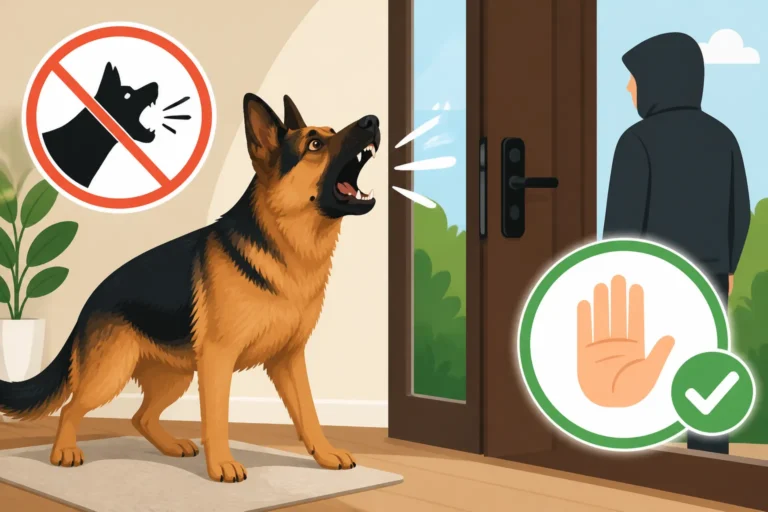
Another issue can be excessive barking or reactivity, where one dog eggs on the other, leading to a chorus of barks at every passerby or squirrel. Working on How to Stop German Shepherd Excessive Barking individually and then together, teaching a "quiet" command, is essential. Also, watch out for one dog bullying the other. If one dog is consistently dominating the other, ensure the more submissive dog gets separate attention and training boosts their confidence. Never assume they'll just "work it out" – intervention and consistent training are key. This is where truly understanding German Shepherd Energy Level Explained for both dogs comes into play; adequate exercise can reduce many behavioral issues.
Ensuring Fair Play and Preventing Resource Guarding
Fairness is not just a human concept; dogs, especially intelligent breeds like German Shepherds, are highly attuned to it. If one dog consistently gets more treats, more praise, or more one-on-one time, the other dog will notice. This can lead to resentment, anxiety, and an unwillingness to participate in training. You must be scrupulously fair and consistent in your distribution of rewards and attention. This means giving equal value treats, equal praise, and ensuring that each dog gets dedicated time with you.
A crucial aspect of fair play is preventing resource guarding before it escalates. When offering treats, offer them simultaneously or alternate rapidly. If one dog finishes their treat faster, avoid giving them the other dog's leftovers – this reinforces the idea that rushing and competing pays off. Similarly, provide multiple water bowls, dog beds, and a variety of toys to reduce competition. Practicing trades (offering a high-value treat for a toy they are currently holding) can also build positive associations around giving things up. Never punish a dog for guarding; instead, manage the environment and work on positive associations. This also ties into How to Establish Leadership with a German Shepherd – you are the provider of all good things, not just for one, but for both.
| Training Session Type | Focus | Pros | Cons |
|---|---|---|---|
| Individual (Separate Room) | Core commands, bonding | Builds strong individual understanding, no distractions, strengthens human-dog bond | Time-consuming, requires managing the non-training dog |
| Individual (Same Room, One Crated) | Focus with mild distraction | Gradually introduces other dog's presence, helps observer learn to settle | Can be distracting for both if not managed well, observer might feel left out |
| Parallel (Separate Handlers) | Focus on own handler | Less stress on single handler, dogs learn to work independently side-by-side | Requires a reliable second handler, can still have distraction |
| Parallel (Single Handler, Distanced) | Focus on handler despite other dog | Builds tolerance to other dog's presence, teaches self-control | Requires constant vigilance, can be challenging to manage both physically |
| Group (Side-by-Side, On Leash) | Synchronized commands | Ideal for leash manners, builds team work, efficiency once mastered | High potential for tangles, competition, attention divided if not solid |
Long-Term Consistency and Continued Enrichment
Training isn't a one-time event; it's an ongoing journey, especially with two German Shepherds. The initial phases might be intense, but maintaining consistency over their lifespan is vital. This means incorporating training into your daily routine, not just dedicated sessions. Ask for a "sit" before meals, practice "stay" when opening the door, and reinforce good leash manners on every walk. Regularly review commands to keep them sharp. The phrase "How to Keep a German Shepherd Healthy" isn't just about physical health; it's also about mental and behavioral health through ongoing engagement.
Beyond formal training, ensure both dogs receive ample mental and physical enrichment. German Shepherds are highly intelligent and need jobs to do. Puzzle toys, scent work, trick training, and regular, varied exercise (including individual walks and play) are crucial. This helps prevent boredom, which can lead to destructive behaviors or acting out. Continue to provide individual attention and separate bonding time for each dog, even if it's just a quiet cuddle session. This reinforces their individual relationship with you and ensures neither feels overshadowed by their sibling. Maintaining their German Shepherd Dental Care Explained and overall health also ensures they are comfortable and happy enough to engage in training.
Disclaimer
The information provided in this guide is for general educational purposes only and should not be considered a substitute for professional veterinary or dog trainer advice. Every German Shepherd is an individual, and what works for one may not work for another. Always consult with a certified professional dog trainer or veterinary behaviorist for personalized advice regarding your specific dogs and their unique needs.