German Shepherd Clicker Training for Beginners
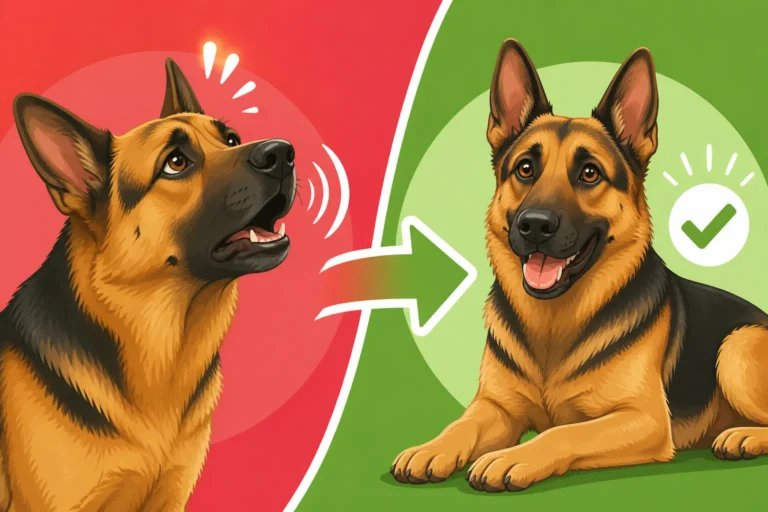
It's incredibly frustrating when you're trying to teach your intelligent German Shepherd a new command, and you feel like you're speaking two different languages. You know they're smart, but sometimes the message just doesn't seem to get through, leaving both of you feeling a little lost. This comprehensive guide will walk you through the fundamentals of German Shepherd clicker training, transforming how you communicate with your dog and making learning an enjoyable, rewarding experience for both of you, even if you’re an absolute beginner.
Understanding Clicker Training and Its Benefits for German Shepherds
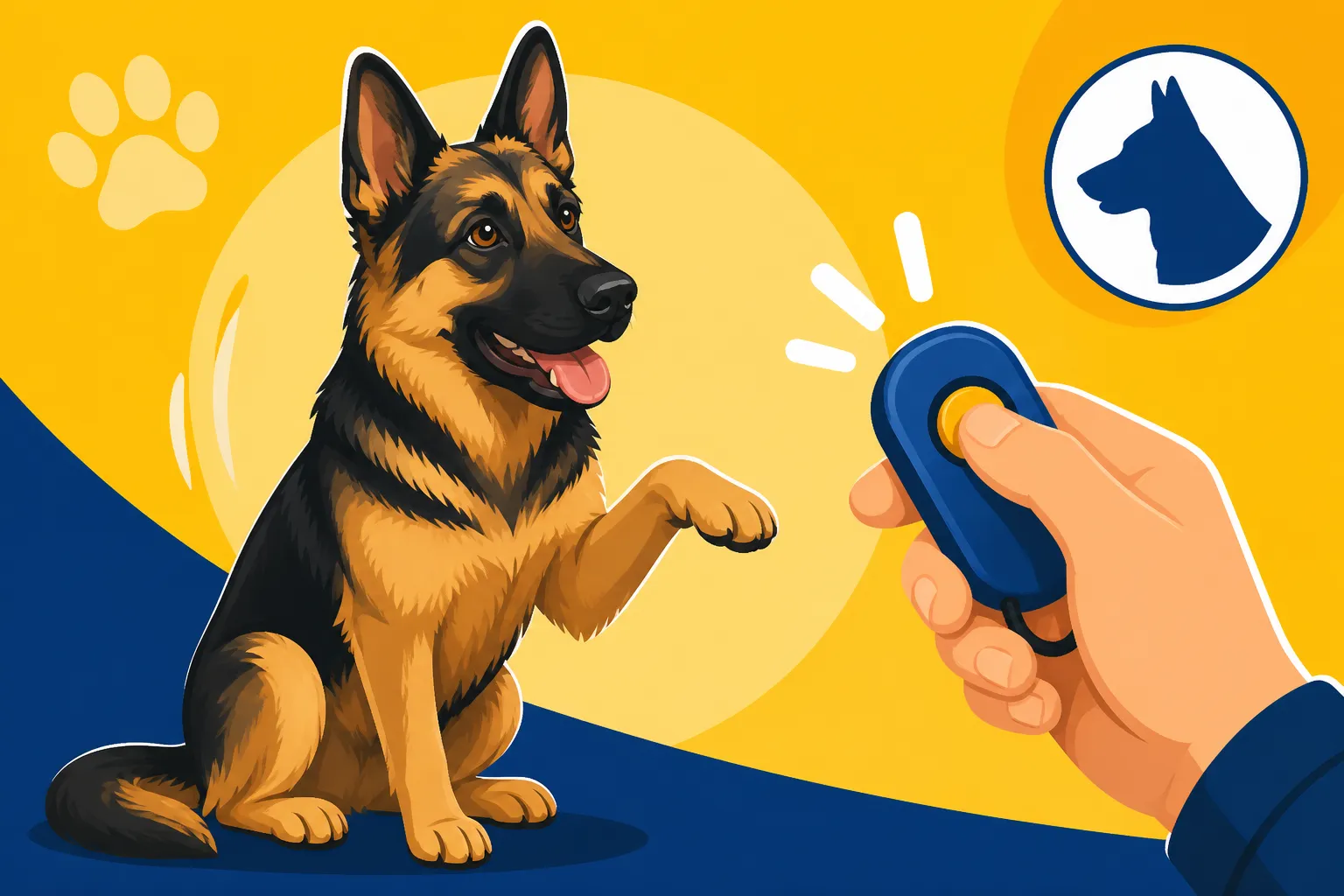
Clicker training is a positive reinforcement method that uses a small mechanical device to make a distinct "click" sound. This sound acts as a precise marker, telling your German Shepherd exactly the moment they perform a desired behavior correctly. It's a powerful communication tool that leverages scientific principles to foster a deeper understanding between you and your dog, which is especially beneficial for a breed as intelligent and sensitive as the German Shepherd.
The Science Behind the Click: How Marker Training Works
At its heart, clicker training relies on the principles of classical and operant conditioning. Think of it like this: your dog does something you like (operant behavior), you immediately click (the marker signal), and then you reward them with a treat (positive reinforcement). The click becomes a "bridge" between the desired action and the reward, telling your German Shepherd, "Yes! That's it! You did it right, and a treat is coming!" This immediate and unambiguous feedback is crucial.
For German Shepherds, a breed renowned for its intelligence and desire to please, this clarity is invaluable. Instead of guessing what you want, the click helps them connect their actions to the positive outcome. It's a much less confusing and far more effective way for them to learn compared to traditional methods that might involve physical correction or simply saying "Good dog!" a few seconds too late. This precise timing of the click creates a clear understanding, making them more confident and eager to try new things.
Advantages Over Traditional Training Methods
The benefits of clicker training extend far beyond simple command learning. Traditional training often relies on verbal praise, which, while good, lacks the pinpoint accuracy of a click. Imagine trying to explain complex math to someone using only vague gestures versus pointing directly at the correct answer. The clicker is that direct pointer.
One of the greatest advantages for German Shepherds is that it builds a strong foundation of trust. Because clicker training is entirely force-free and reward-based, your German Shepherd learns that training is a fun game where they get rewarded for figuring things out, not punished for making mistakes. This approach minimizes stress and anxiety, fostering a stronger bond between you and your dog. It also encourages your German Shepherd to offer behaviors proactively, rather than waiting to be told what to do, making them active participants in their learning journey. This proactive engagement is key to training a well-behaved and confident companion, whether you're working on basic obedience or advanced tasks. For more insights on how to establish positive training habits, check out our guide on German Shepherd Obedience Training Basics.
Getting Started: Essential Clicker Training Supplies and Setup
Before you dive into teaching your German Shepherd complex tricks, it's vital to gather your tools and set the stage for success. Think of it like preparing for a cooking class; you wouldn't start without your ingredients and utensils, right? The same goes for clicker training.
Choosing the Right Clicker and High-Value Treats
First things first, you'll need a clicker. There are many types available, from simple box clickers to more ergonomic button clickers that fit comfortably in your hand. Some even have wrist straps or adjustable tones. The key is to find one that's easy for you to operate quickly and consistently. You can find a wide variety of clickers on Amazon, often in multi-packs, so you can keep one in your pocket, one in the car, and one by the back door. The exact type matters less than your ability to use it consistently and at the precise moment.
Equally important are your treats. These are your German Shepherd's "paycheck," so they need to be high-value. This means tiny, soft, and incredibly palatable morsels that your dog absolutely loves. Think small pieces of cooked chicken, hot dogs, cheese, or specialized training treats that are easy for them to swallow quickly. The goal is to deliver the treat swiftly after the click, so they don't lose focus or get distracted by chewing. Avoid large, crunchy biscuits, which take too long to consume and break the flow of the training session. Remember, the smaller the treat, the more repetitions you can get in a short session without overfeeding your dog.
Preparing Your Training Environment and Loading the Clicker
Once you have your supplies, prepare your training area. For beginners, choose a quiet space with minimal distractions. This could be a calm corner of your living room or a fenced yard where outside noises are at a minimum. Short, frequent training sessions (5-10 minutes) are far more effective than long, drawn-out ones, especially when you're just starting. You want to end each session on a high note, leaving your German Shepherd eager for the next one.
The very first step in clicker training is "loading the clicker." This means teaching your German Shepherd that the click sound always predicts a treat. Here's how:
- Hold the clicker in one hand and a treat in the other.
- Click once, then immediately give your dog a high-value treat.
- Repeat this process about 10-20 times. Don't ask your dog to do anything; just click, then treat.
Your German Shepherd will quickly associate the click with good things. You'll notice their ears perk up, or they'll look at you expectantly after a few repetitions. This crucial initial step creates a powerful positive association, making the clicker a highly effective communication tool moving forward. This loading process is foundational to all future training.
| Clicker Training Essential | Purpose | Key Considerations | Where to Find |
|---|---|---|---|
| Clicker Device | Precise marker for desired behavior | Easy to operate, distinct sound, comfortable grip | Amazon, pet stores |
| High-Value Treats | Reward for correct behavior | Small, soft, easy to swallow, highly palatable to your dog | Pet stores, grocery stores |
| Quiet Training Space | Minimize distractions | Indoors, fenced yard, free from sudden noises or movements | Your home |
| Short Training Sessions | Maintain focus and enthusiasm | 5-10 minutes per session, several times a day | Schedule throughout day |
Basic Clicker Training Techniques for Your German Shepherd
Now that your German Shepherd understands what the click means, it's time to start putting it into action! This stage is about teaching specific behaviors using the precision the clicker offers. Remember to keep sessions fun, positive, and always end before your dog gets bored or frustrated.
Capturing Desired Behaviors
"Capturing" is one of the easiest ways to start using your clicker. This technique involves simply waiting for your German Shepherd to voluntarily offer a behavior you want, then clicking and treating the instant they do it. You’re essentially "catching" them in the act of being good.
Let's take the "Sit" command as an example. Instead of pushing your dog into a sit or saying "Sit" repeatedly, just stand patiently with your clicker and treats ready. The moment your German Shepherd's rear touches the ground, click! Then immediately reward them with a treat. They might be confused at first, but with a few repetitions, they’ll start to understand that sitting makes the click and treat happen. Once they are consistently offering the sit and anticipating the click, you can then add your verbal cue ("Sit") just as they are about to sit, or as they are sitting. The key is to associate the word with the action they already understand, not to command them to do it. This builds a strong, positive connection to the verbal cue.
This method works wonderfully for many natural behaviors like "Down," "Stand," or even eye contact. You'll be amazed at how quickly your German Shepherd starts trying to figure out what earns them that satisfying click and tasty reward.
Luring and Shaping for New Commands
While capturing is great for behaviors your German Shepherd offers naturally, "luring" and "shaping" come into play for more specific or complex actions.
-
Luring: This involves using a treat to guide your German Shepherd into the desired position. For instance, to teach "Down," hold a treat near their nose and slowly move it towards the floor and slightly away from them. As their head follows the treat, their body will naturally lower into a down position. The instant their elbows hit the ground, click and give them the treat. Repeat this several times. Once they are reliably following the lure into a down, start to fade the lure by making the hand motion smaller and less obvious, then eventually remove the treat from your hand as you make the motion. Once they respond to the motion alone, you can introduce the verbal cue "Down."
-
Shaping: This is a more advanced technique but incredibly powerful for teaching complex behaviors by breaking them down into tiny, incremental steps. You reward successive approximations of the desired behavior. For example, if you want to teach your German Shepherd to fetch a specific toy and bring it to you, you might first click and treat for looking at the toy. Then, for moving towards it. Then, for touching it with their nose, then for picking it up, then for taking a step towards you, and so on. Each click tells them they are on the right track, guiding them towards the final behavior. This technique truly engages their problem-solving abilities. For comprehensive guidance on building these foundational skills, you might find our article on German Shepherd Puppy Training Guide particularly helpful.
Fading the Clicker and Generalizing Commands
The clicker is a teaching tool, not a permanent crutch. The goal is to eventually fade its use, so your German Shepherd responds reliably to your verbal cues and hand signals alone. This doesn't mean you stop using positive reinforcement; it means you transition to verbal praise and occasional treats.
Once your German Shepherd consistently performs a behavior with a verbal cue (e.g., "Sit") and you've clicked and treated many times, you can start to phase out the clicker. Begin by giving the verbal cue, waiting for the behavior, and then only clicking on about every third or fourth correct response. Still give a treat every time, but vary the click. Eventually, you'll replace the click with enthusiastic verbal praise ("Good Sit!") or a petting reward. The treats can also become more intermittent, used especially for excellent responses or when practicing in new, distracting environments.
Generalizing commands is also crucial. A "Sit" learned in your quiet living room isn't necessarily a "Sit" learned at the busy park. Once your German Shepherd understands a command in one environment, gradually introduce distractions and new locations. Practice "Sit" by the window, then in the backyard, then on a short walk, then at the park. Each new environment is a chance for your dog to generalize the command and understand that "Sit" means "Sit" no matter where they are. This builds reliability and confidence, which is vital for a well-rounded German Shepherd. For deeper dives into building a strong foundation, consider resources like those offered by BAXTER & Bella, which provide structured online training programs to help you through these steps and beyond.
Common Challenges and Troubleshooting in Clicker Training
Even with the best intentions, you might run into a few bumps along the road with clicker training. Don't get discouraged! Many common issues have simple solutions. Remember, German Shepherds are highly intelligent but can also be sensitive, so patience and consistency are your greatest allies.
When Your German Shepherd Isn't Responding
If your German Shepherd seems confused or isn't performing the expected behavior, it's often due to one of a few factors. First, check your treat value. Are the treats still high-value enough? A dog that's bored with their rewards won't be motivated to work. Try rotating treats or finding something even more irresistible. Secondly, assess the environment. Is it too distracting? If you're trying to train "stay" at a busy dog park when you've only practiced in your living room, you've likely set your dog up for failure. Go back to a quieter space, or reduce the level of distraction significantly.
Another common issue is timing. The click must be instantaneous with the desired behavior. Even a half-second delay can confuse your German Shepherd about what they're being rewarded for. Practice your timing; a useful exercise is to drop a treat and click the instant it hits the ground. This sharpens your reaction time. Lastly, are your sessions too long? German Shepherds, especially puppies, have relatively short attention spans. If your dog is yawning, looking away, or wandering off, they're likely mentally fatigued. End the session, and try again later with shorter, more engaging bursts. For more help understanding potential behavioral issues, read our article on German Shepherd Behavior Problems and Solutions.
Avoiding Common Pitfalls
There are a few pitfalls new clicker trainers often stumble into, but they're easy to correct with awareness:
- Clicking too late: As mentioned, timing is everything. A late click rewards the wrong thing or nothing at all, making it harder for your German Shepherd to understand. Be swift!
- Over-clicking: Don't click multiple times for one behavior. A single, clear click is sufficient. Clicking more than once dilutes the precision of the marker.
- Not using high-value rewards: If your German Shepherd isn't excited about the reward, their motivation will wane. Always have treats that are worth working for.
- Getting frustrated: This is perhaps the biggest pitfall for humans. Dogs are incredibly attuned to our emotions. If you get frustrated, your German Shepherd will pick up on that and may become anxious or shut down. Keep a positive attitude, celebrate small victories, and if you feel yourself getting annoyed, take a break. Remember, you're building a relationship, not just teaching commands.
- Clicking without treating: The click loses its meaning very quickly if it's not consistently followed by a reward. Always have treats ready when you're using the clicker. Never click "for free."
By being mindful of these potential challenges and applying these troubleshooting tips, you’ll find that clicker training can be a highly effective and incredibly rewarding way to communicate and bond with your German Shepherd. It empowers them to think, offers clear communication, and transforms training into a positive, cooperative experience. And who doesn't want a German Shepherd who loves to learn? Consider exploring topics like German Shepherd Mental Stimulation for German Shepherds to keep your dog engaged and learning.
Disclaimer
Please remember that the information provided in this article is intended for educational purposes only and should not replace professional veterinary advice or the guidance of a certified professional dog trainer. Always consult with a qualified professional for any health concerns or before implementing any new training regimen for your German Shepherd.