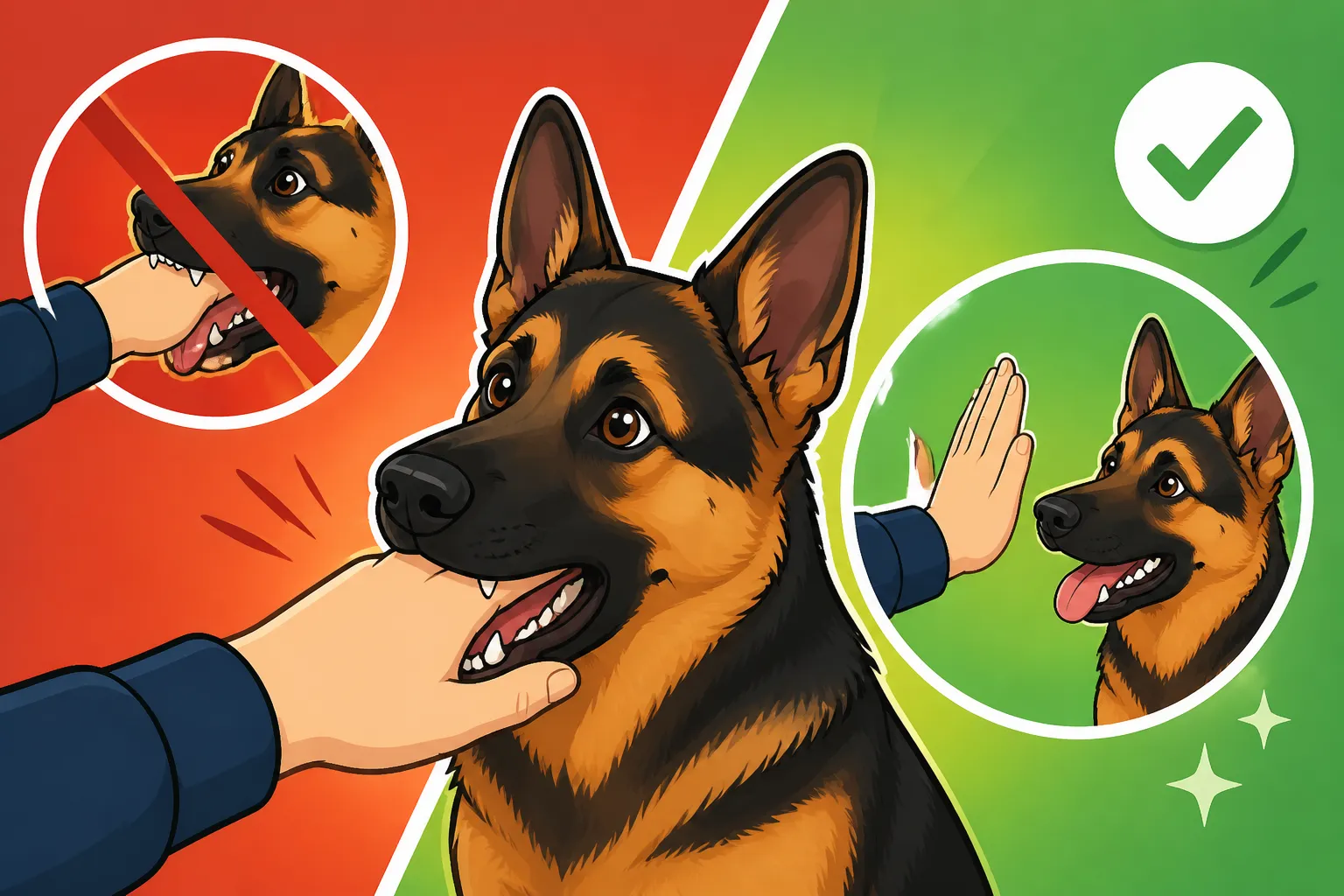
How to Stop German Shepherd Nipping
There's nothing quite like the boundless energy and sharp, needle-like teeth of a German Shepherd puppy, is there? Many new German Shepherd owners find themselves at their wit's end, feeling like their adorable little fluffball has transformed into a land shark, constantly mouthing, nipping, and even biting. It's a frustrating, sometimes painful, experience that can make you question if you're doing something wrong. But take a deep breath; this guide is here to help you understand why your German Shepherd nips and provide practical, empathetic solutions to turn those sharp teeth into a gentle greeting.
Understanding Why Your German Shepherd Nips
It’s easy to feel personally attacked when your German Shepherd, especially a young one, keeps nipping at your hands, feet, or clothing. But understanding the root cause of this behavior is the first, crucial step toward managing and ultimately stopping it. German Shepherds are incredibly intelligent and driven dogs, and their behaviors, even the irritating ones, usually serve a purpose from their perspective.
Puppy Nipping: The Normal Stage
For puppies, nipping is entirely normal. It's how they explore the world, much like human babies put everything in their mouths. Their littermates and mother teach them basic bite inhibition, but when they come home, you become their primary teacher.
When a German Shepherd puppy is with its litter, nipping is a vital part of their development. They play rough, and when one puppy bites another too hard, the bitten pup will yelp, often ending the play session. This teaches the offender that "too much pressure equals no more fun." Their mother also plays a role, correcting them if they get too rough. When your puppy arrives home, they're suddenly without these canine instructors, and it's up to you to fill that role. Their sharp puppy teeth are designed for teething and exploring textures, and unfortunately, human skin and clothing are often among the most interesting. It’s not aggression; it’s simply a lack of understanding about what’s appropriate to put their mouths on and how much pressure is acceptable. This developmental phase is often intense from about 8 weeks to 5-6 months of age, coinciding with their peak teething periods.
Beyond Puppyhood: When Nipping Becomes a Problem
While puppy nipping is generally a phase, it can persist or even escalate if not properly addressed. When an older German Shepherd nips, it usually signals a deeper issue that needs attention beyond just redirection.
If your adolescent or adult German Shepherd is still nipping, it's time to dig deeper than just "they're teething." This behavior in an older dog can stem from several factors. One common cause is seeking attention. If nipping consistently gets a reaction from you – even a negative one like a shout or a push – your German Shepherd might learn that nipping is an effective way to get you to engage. They crave interaction, and for a highly intelligent breed like the German Shepherd, any interaction is better than no interaction. Another reason could be overstimulation or frustration. A dog that is overtired, overstimulated from play, or simply not getting enough mental and physical exercise might resort to nipping as an outlet for pent-up energy or stress. A German Shepherd needs a lot of engagement, and a lack of proper exercise can lead to all sorts of undesirable behaviors. Furthermore, a failure to properly teach bite inhibition during puppyhood can mean an adult dog simply doesn't understand appropriate mouth pressure, or that human skin is fragile. In rarer cases, fear, pain, or resource guarding can manifest as nipping, warranting immediate veterinary or professional behavioral consultation.
Essential Strategies for Stopping Puppy Nipping
Successfully tackling puppy nipping requires consistency, patience, and a clear understanding of how to communicate with your young German Shepherd. Remember, they aren't trying to be malicious; they're just learning the rules of your world.
Teaching Bite Inhibition
This is perhaps the most critical skill to teach your German Shepherd puppy. Bite inhibition is not about stopping them from biting entirely (which is unrealistic and undesirable), but about teaching them to control the force of their bite.
When your German Shepherd puppy nips too hard, immediately let out a high-pitched "yelp" or "ouch!" and withdraw the hand or body part. This mimics the reaction of a littermate. Then, completely disengage from play for 10-20 seconds. Turn your back, walk away, or put a barrier between you and your puppy. The key is to teach them that hard bites instantly end the fun. If your puppy follows and continues to nip, gently place them in a brief "time-out" in a crate or a designated safe, boring area for a minute or two, then release them and try to engage in calm play. The goal is for them to associate biting hard with the immediate loss of your attention and the cessation of enjoyable interaction. Repeat this process every time they bite too hard, consistently. Over time, they'll learn to modulate their bite pressure.
Redirection and Appropriate Chewing
German Shepherds have a strong innate desire to chew, especially during their teething phases. Providing appropriate outlets is key to saving your hands and furniture.
Keep a variety of suitable chew toys readily available. When your German Shepherd puppy starts to nip at you, immediately redirect their attention to an appropriate chew toy. Say "no bite" or "toy," and gently guide their mouth to the toy. Praise them enthusiastically when they take the toy in their mouth. Stock up on durable puppy-friendly options like KONG toys (which you can stuff with peanut butter or treats), Nylabones, or natural chews like bully sticks. You can find a vast selection of these on platforms like Amazon, ensuring you always have a suitable replacement when one gets too chewed up or boring. Rotate toys to keep things interesting and prevent your puppy from getting bored and reverting to nipping you. Remember, a German Shepherd puppy's mouth is a tool for exploration, so give them plenty of things they are allowed to chew on. For more general guidance, check out our guide on German Shepherd Puppy Training Guide.
Consistent Management and Positive Reinforcement
Training is a continuous process, not a one-time event. Consistency and positive reinforcement are your most powerful tools against nipping.
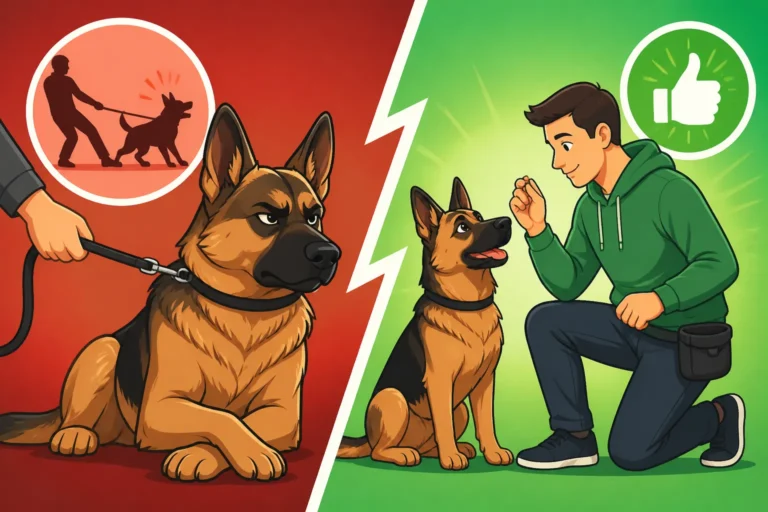
Everyone in the household needs to be on the same page regarding how to respond to nipping. Inconsistency will confuse your puppy and prolong the behavior. Reward calm behavior and gentle mouthing. If your puppy licks your hand instead of nipping, praise them and give them a small, high-value treat. This teaches them that gentle interactions are rewarded. Use short, frequent training sessions to reinforce good behavior. Keep a handful of small, tasty treats in your pocket or a treat pouch so you're always ready to reward desired actions. During play, notice when your puppy starts to get overstimulated, as this is often when nipping escalates. Take a break before they get too wound up, redirecting them to a quiet activity or a chew. A consistent routine and clear boundaries help your German Shepherd understand what's expected of them. You might find resources on German Shepherd Obedience Training Basics helpful for broader training principles.
Addressing Persistent Nipping in Adolescent and Adult German Shepherds
While puppy nipping is common, if an older German Shepherd is still nipping, it requires a more targeted approach, often focusing on identifying underlying causes and implementing structured training.
Identifying Triggers
For an adolescent or adult German Shepherd, nipping is rarely random. It's crucial to observe when and where the nipping occurs to understand the underlying motivation.
Is your dog nipping when you reach for their food bowl, indicating potential resource guarding? Do they nip your ankles when you walk by, suggesting they're trying to "herd" you or demand attention? Are they nipping during intense play sessions, possibly due to overstimulation or a lack of understanding boundaries? Pay close attention to the circumstances surrounding each nipping incident. Note the time of day, the activity, who is present, and any preceding events. Sometimes, nipping can be a sign of discomfort or pain, especially if it's a new behavior. If you suspect pain, a vet visit is paramount to rule out any medical issues. Understanding the triggers allows you to avoid situations that provoke nipping or to proactively redirect your dog before the behavior starts. This kind of careful observation is a cornerstone of addressing German Shepherd Behavior Problems and Solutions.
Structured Training and Boundaries
More mature German Shepherds benefit greatly from clear structure, boundaries, and consistent training that reinforces appropriate behavior and communication.
Implement a strong foundation of obedience commands like "sit," "stay," "leave it," and "place." These commands give you tools to manage your dog's behavior and redirect their focus. For example, if your German Shepherd starts to get mouthy during playtime, you can calmly say "sit" and reward them for complying, shifting their focus. Consider using a long line or leash even indoors during times when nipping is common, allowing you to gently guide them away or prevent them from jumping and nipping. Establishing a "place" command, where your dog learns to go to a mat or bed and stay there until released, can be invaluable for managing overstimulation. Organizations like BAXTER & Bella offer comprehensive online puppy and dog training programs that can guide you through these structured exercises, providing step-by-step instructions and support that can be particularly effective for a highly intelligent breed like the German Shepherd. Remember, consistency in your expectations and training is key to establishing clear communication and trust. Learning How to Establish Leadership with a German Shepherd will be very beneficial here.
Seeking Professional Help
Sometimes, despite your best efforts, persistent nipping requires the expertise of a professional dog trainer or veterinary behaviorist.
If your German Shepherd's nipping is aggressive, causes injury, is escalating, or you simply feel overwhelmed and unable to manage it, don't hesitate to seek professional help. A certified professional dog trainer, especially one experienced with German Shepherds, can assess your specific situation, identify subtle triggers you might be missing, and develop a tailored training plan. They can teach you proper handling techniques and ensure you're communicating effectively with your dog. For more severe cases, such as nipping driven by fear or anxiety, a veterinary behaviorist may be necessary. These specialists can address underlying psychological factors and, if appropriate, prescribe medication in conjunction with behavior modification. Early intervention is always best, so don't wait until the problem becomes severe. Sometimes, even what seems like minor nipping can indicate bigger issues, and a professional can help differentiate between playful mouthing and more concerning behaviors. You may also want to review resources like Best Training Method for a Stubborn German Shepherd if you're finding it particularly challenging.
Tools and Resources to Help with Nipping
Having the right tools at your disposal can make a significant difference in managing and correcting nipping behavior in your German Shepherd. These aren't substitutes for training but valuable aids.
Chew Toys and Enrichment
Providing a stimulating environment with plenty of appropriate outlets for chewing and mental engagement is fundamental. A bored German Shepherd is often a mischievous one.
Invest in a variety of durable chew toys that can withstand the powerful jaws of a German Shepherd. Puzzle toys, like those found on Amazon, which dispense treats as your dog manipulates them, are excellent for mental stimulation and can keep a busy mind occupied. Toys that offer different textures – rubber, rope, hard nylon – can satisfy various chewing needs. Rotate these toys regularly to maintain interest. Frozen KONGs, filled with wet dog food, yogurt, or peanut butter, can provide long-lasting enrichment and help soothe teething gums in puppies. For adolescent dogs, more challenging puzzle toys or durable bones (vet-approved, non-splintering types) can be beneficial. Remember, mental exercise is just as important as physical exercise for a German Shepherd, and channeling that energy into appropriate activities significantly reduces the likelihood of destructive nipping.
Management Tools
Sometimes, prevention is the best medicine. Using management tools can help prevent nipping incidents and create a safe environment for both your German Shepherd and your family.
Crates are invaluable for teaching puppies to settle, providing a safe space, and for short "time-outs" when nipping gets out of control. A properly sized crate becomes their den, not a punishment zone. You can learn more about How to Crate Train a German Shepherd to make this a positive experience. Baby gates can be used to safely separate your German Shepherd from guests or children during times when you cannot directly supervise, preventing nipping incidents before they occur. A head halter or a front-clip harness can provide better control during walks and when greeting people, reducing the chance of jumpy, mouthy behavior. For puppies, having a short leash attached to them during supervised indoor time can allow you to gently guide them away from forbidden objects or redirect them when they start to nip, without having to grab them. Think of these tools as ways to set your German Shepherd up for success, minimizing opportunities for unwanted behaviors while you teach them the right ones.
Exercise and Socialization
A well-exercised and properly socialized German Shepherd is generally a happier, calmer dog, less prone to problem behaviors like nipping.
German Shepherds are high-energy working dogs that require significant daily exercise. This isn't just a quick walk around the block; it means vigorous activity like running, fetching, or structured play. A tired dog is less likely to have excess energy to channel into nipping. Consult resources on German Shepherd Exercise Requirements to ensure your dog is getting enough physical activity for their age and energy level. Beyond physical exercise, proper socialization is crucial. Expose your puppy to a variety of sights, sounds, people, and well-behaved dogs in a controlled, positive manner. This helps them develop into confident, well-adjusted adults. During socialization, teach them appropriate greetings and interactions, discouraging nipping or jumping. For example, if they get too mouthy with another dog, gently intervene and redirect. Our article on How to Socialize a German Shepherd provides excellent tips to navigate this critical aspect of their development, helping them learn gentle interactions rather than relying on their mouth to communicate or engage.
Table: Nipping Behavior and Recommended Responses
| Type of Nipping | Common Triggers & Context | Immediate Response | Long-Term Strategy |
|---|---|---|---|
| Puppy Play Nipping | During play, exploring, teething. Not aggressive. | Yelp loudly, withdraw attention immediately. | Teach bite inhibition, redirect to appropriate chew toys (e.g., KONGs, bully sticks from Amazon). Consistent positive reinforcement. |
| Attention-Seeking | When ignored, wanting to play, wanting interaction. | Ignore the nipping (turn away), reward calm behavior. | Teach "place" command, provide structured attention, increase mental/physical exercise. |
| Overstimulation | During intense play, after exciting events, overtired. | Calmly disengage, initiate a brief "time-out." | Recognize signs of overstimulation, enforce rest periods, teach "off" switch. Increase mental enrichment. |
| Herding/Ankle Nipping | Instinctive behavior, especially with moving feet/children. | Redirect to a toy or structured command (e.g., "sit"). | Increase structured exercise and mental tasks, teach impulse control, use a leash indoors for control. |
| Fear/Pain-Related | Sudden nipping, growling, stiffness, avoidance. | Stop interaction, give space, do not punish. | Veterinary check-up immediately! Consult a professional behaviorist for assessment and management. |
Final Thoughts on Managing German Shepherd Nipping
Dealing with a German Shepherd who nips can feel like an uphill battle, especially when you're just trying to enjoy quality time with your furry companion. But remember, this behavior is often a natural part of their development or a sign that they need clearer guidance and more appropriate outlets for their energy and instincts. Patience, consistency, and understanding are your greatest assets. By diligently applying bite inhibition techniques, providing plenty of appropriate chew items (easily sourced from places like Amazon), ensuring ample exercise and mental stimulation, and establishing clear boundaries with resources like BAXTER & Bella's training programs, you can guide your German Shepherd towards becoming a well-mannered, gentle companion. Don't get discouraged, keep at it, and you'll soon see those land shark tendencies transform into respectful interactions.
Disclaimer
This article provides general information and recommendations regarding German Shepherd nipping behavior. It is not a substitute for professional veterinary advice or professional dog training. Always consult with a qualified veterinarian for any health concerns or a certified professional dog trainer for personalized behavior modification plans, especially if your dog's nipping is aggressive, causes injury, or poses a safety risk.