German Shepherd Bloat (GDV): Symptoms and Treatment
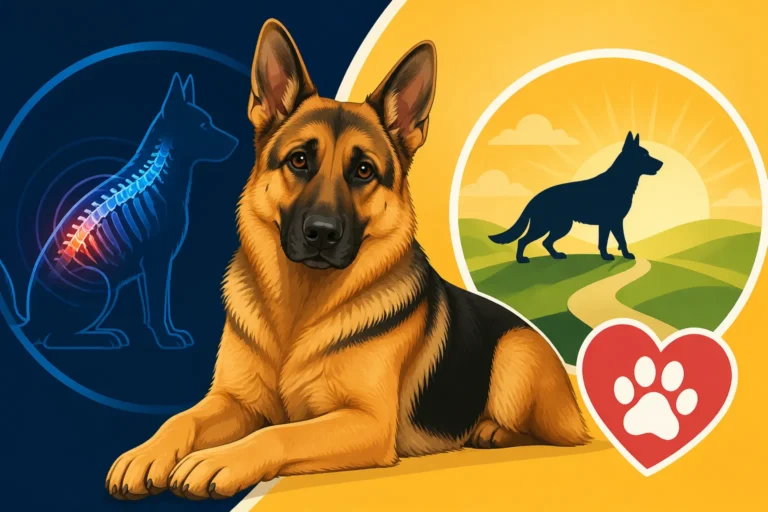
It's every German Shepherd owner's worst nightmare: you look at your beloved companion, and something just isn't right. Their belly is distended, they're pacing, retching, and you can practically see the panic in their eyes. This terrifying scenario describes bloat, or Gastric Dilatation-Volvulus (GDV), a rapidly progressive and life-threatening condition that disproportionately affects deep-chested breeds like our German Shepherds. This comprehensive guide is here to arm you with critical knowledge, detailing the symptoms to watch for, the immediate actions you must take, and the treatment and prevention strategies to protect your loyal friend.
Understanding Gastric Dilatation-Volvulus (GDV) in German Shepherds
Gastric Dilatation-Volvulus, mercifully shortened to GDV or simply "bloat," is not just an upset stomach. It's a severe medical emergency that can turn fatal in a matter of hours if not treated promptly. For German Shepherd owners, understanding this condition isn't optional; it's a vital part of responsible pet ownership.
What Exactly is Bloat and Why is it so Dangerous?
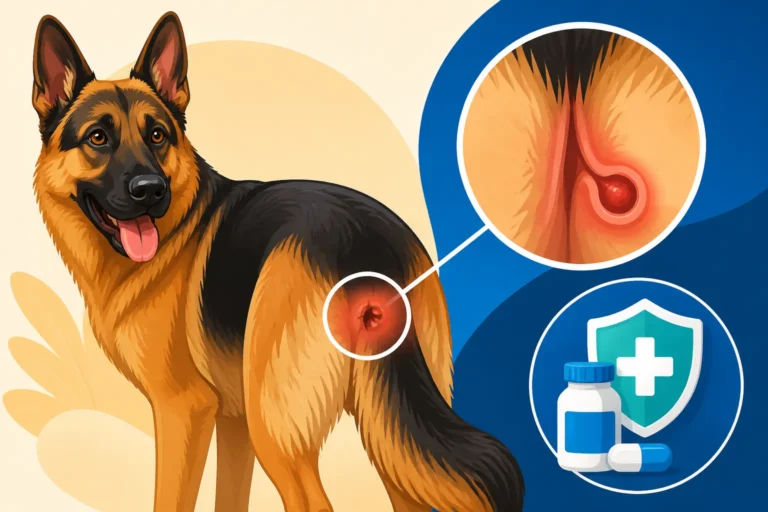
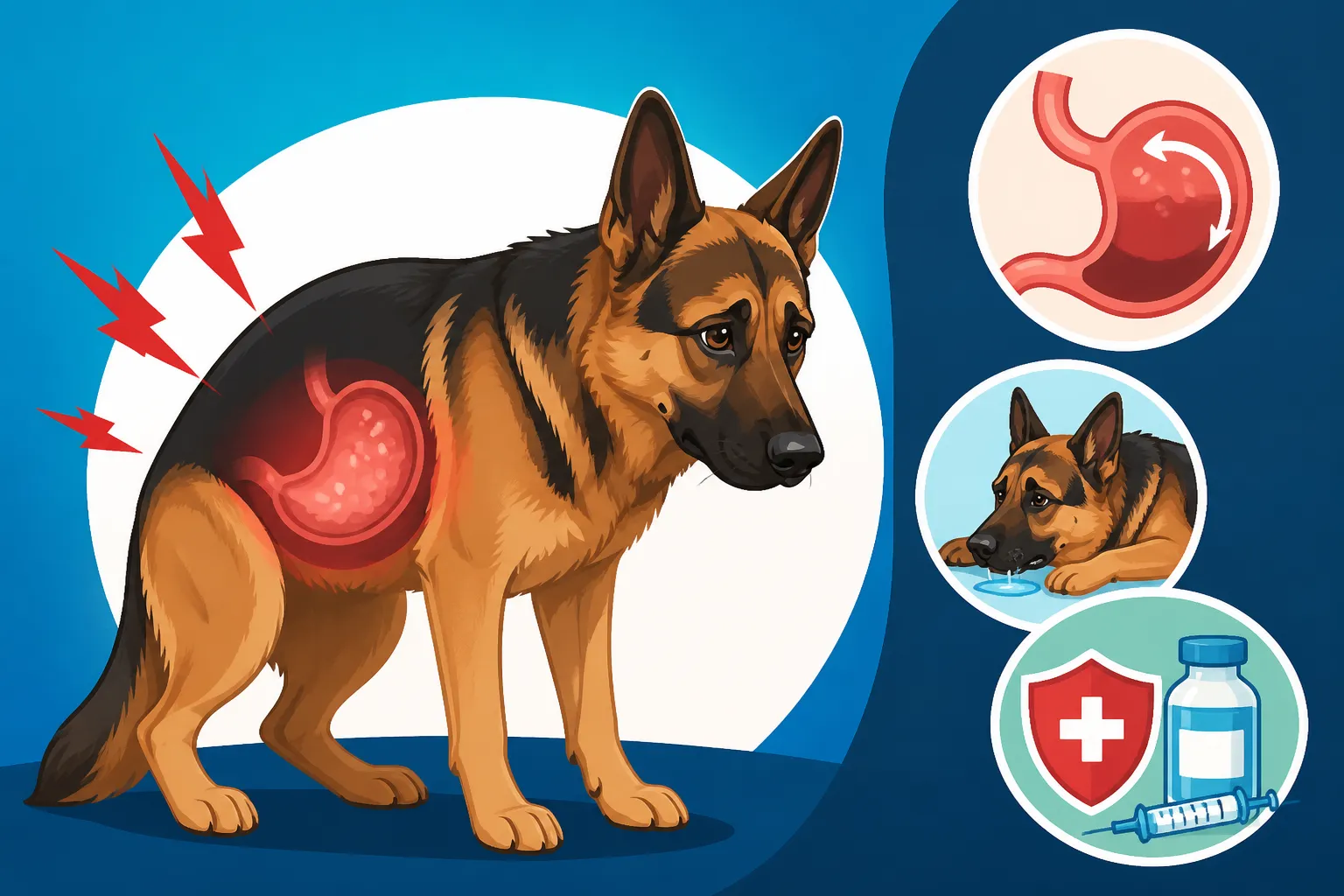
Imagine your German Shepherd's stomach as a large sac, freely suspended within their abdomen. Bloat begins when this stomach rapidly fills with gas and, sometimes, fluid or food. This is the "dilatation" part. The pressure can become immense, compressing major blood vessels, including those returning blood to the heart. This alone is incredibly painful and can lead to shock.
The truly deadly part, the "volvulus," occurs when this distended stomach then twists upon itself, sometimes 180 to 360 degrees. This twisting cuts off both the entrance (esophagus) and exit (duodenum), trapping all that gas, fluid, and food inside. Even worse, it completely obstructs blood flow to and from the stomach, causing the stomach tissue to rapidly die. This necrotic tissue can leak toxins into the bloodstream, leading to systemic shock, organ failure, and a grim prognosis if not addressed immediately. It's a cascading failure that starts small and escalates to a full-blown crisis with shocking speed.
Why German Shepherds are Particularly Susceptible
If you've spent any time observing German Shepherds, you'll notice their distinct deep chests and narrow waists. This unique anatomical conformation is a significant risk factor for GDV. Their chest cavity allows more room for the stomach to distend and twist, making them inherently more prone to the condition than breeds with broader, shallower chests. It’s not just about their breed, though; genetics play a role, with a higher incidence in dogs whose close relatives have suffered from bloat.
Beyond anatomy, certain lifestyle and dietary factors common among German Shepherds can also contribute. Rapid eating, consuming one large meal a day, excessive post-meal exercise, and even stress can increase the risk. Many owners want to know, "Is Bloat (GDV) Common in German Shepherds?" The unfortunate answer is yes, they are indeed one of the breeds most predisposed, highlighting why every German Shepherd owner needs to be intimately familiar with this condition. Knowing your dog's lineage and any history of bloat in their family can also be an important heads-up.
Recognizing the Urgent Symptoms of Bloat
The terrifying thing about bloat is how quickly it can progress. What starts as mild discomfort can escalate into a life-threatening emergency in just an hour or two. As a German Shepherd owner, becoming adept at recognizing the earliest signs is paramount to giving your dog the best chance of survival. Don't wait to see if symptoms improve; time is absolutely of the essence.
Early Warning Signs: Subtle but Critical Cues
The initial signs of bloat can be subtle, mimicking other less serious stomach upsets, which is why they are often missed. Your dog might start pacing restlessly, unable to settle down in their usual comfy spot. They may seem anxious or distressed, looking back at their abdomen as if something is bothering them. A tell-tale sign is unproductive retching – trying to vomit but bringing nothing up, or perhaps just a bit of foamy saliva. This is a critical indicator because it means their stomach is trying to expel gas but is physically blocked.
Another early clue might be excessive drooling or panting, even when they haven't been exercising. Their gums might appear pale or dusky, a sign of poor circulation, and their heart rate might be elevated. You might also notice a subtle swelling of their abdomen, especially on the left side, which may feel firm or taut to the touch. It's often difficult to distinguish these from other issues, but when combined, they should trigger immediate concern.
Advanced and Life-Threatening Indicators
As bloat progresses, the symptoms become far more pronounced and indicative of a severe crisis. The abdominal swelling will become dramatically obvious, hard and drum-like to the touch, and your dog will likely show extreme pain when you try to palpate it. They might adopt a "praying" stance, with their front paws down and hind end raised, in an attempt to relieve abdominal pressure. Their breathing can become shallow and rapid as the distended stomach presses against their diaphragm.
Your German Shepherd may become weak, staggering, or even collapse. Their gums can turn a shocking blue-gray, indicating severe oxygen deprivation, and their pulse will be weak and rapid. At this stage, they are in profound shock, and every minute counts. This is not a moment for "wait and see"; this is a full-blown emergency demanding immediate veterinary intervention.
Differentiating Bloat from Other Abdominal Issues
It’s easy to confuse early bloat symptoms with other gastrointestinal issues like simple indigestion, vomiting from eating something they shouldn't have, or even general discomfort. However, there are some key distinctions. Unlike regular vomiting, bloat involves unproductive retching. They strain and gag, but nothing substantial comes out. If your dog is genuinely vomiting and expelling food or fluid, it's likely not bloat (though still warranting vet attention if severe).
Furthermore, the rapid onset and the specific drum-like distension are unique to GDV. While other issues might cause a bloated appearance, it’s rarely as sudden or as firm. If you notice a swollen abdomen along with unproductive retching, pacing, and signs of distress, it's always safest to assume bloat until proven otherwise by a veterinarian. A good rule of thumb is: if you are asking yourself "could this be bloat?", then it's time to head to the emergency vet. This situation demands you act quickly; hesitation can be fatal.
Here's a quick comparison of common symptoms:
| Symptom | Early Bloat (GDV) | Advanced Bloat (GDV) | Other GI Issues (e.g., Upset Stomach) |
|---|---|---|---|
| Abdominal Swelling | Subtle, may be firm, especially on left side | Obvious, taut, drum-like, painful to touch | Mild or absent, generally soft |
| Retching/Vomiting | Unproductive retching (trying to vomit, nothing comes up), foamy saliva | Persistent unproductive retching | Actual vomiting, expelling food/fluid |
| Behavior | Restlessness, pacing, anxiety, looking at abdomen | Extreme pain, collapse, staggering, difficulty breathing | Lethargy, general discomfort, but usually less acute |
| Panting/Drooling | Increased panting, excessive drooling | Severe panting, rapid, shallow breaths | May be present, but typically less extreme |
| Gums/Pulse | May be pale, elevated heart rate | Pale/blue-gray gums, weak/rapid pulse, signs of shock | Usually normal color and pulse (unless severe illness) |
| Progression | Rapid (within 1-2 hours) | Very rapid, life-threatening | Varies, often slower onset |
Immediate Actions When You Suspect Bloat
Discovering your German Shepherd is showing signs of bloat is a heart-stopping moment. Panic is a natural reaction, but it’s crucial to channel that energy into immediate, decisive action. Every minute truly counts in this scenario. Remember, the difference between life and death can literally be how quickly you get professional help.
The Critical Race Against Time: What to Do First
The absolute first thing you must do if you suspect your German Shepherd has bloat is to contact your veterinarian or the nearest emergency veterinary hospital immediately. Do not try to treat it at home. Do not wait for symptoms to worsen or hope it will pass. Tell them you suspect GDV, state your breed, and describe the symptoms you're seeing. This gives them a heads-up to prepare for your arrival, potentially saving precious minutes. Time is not on your side; bloat can cause irreversible damage or death in just a few hours.
While you're on the phone, stay calm and follow their instructions. Gently help your dog into your vehicle. Avoid any actions that might stress them further, like trying to force them to vomit or giving them any medications unless specifically instructed by the vet. The goal is to get your German Shepherd to a vet clinic as quickly and safely as possible. For more detailed guidance on handling such a crisis, refer to our article on German Shepherd Bloat Emergency: What to Do.
Preparing for Your Emergency Vet Visit
When seconds matter, being prepared can make a huge difference. As soon as you've called the vet, gather anything you might need. This typically includes your dog's medical records (if readily available), particularly any information about their health history or known conditions. Having your payment method ready will also streamline the check-in process at the emergency clinic, allowing staff to focus on your dog rather than administrative details.
Ensure your car is easily accessible and clear of clutter, especially if your dog is large and difficult to move. If you have another person available, ask them to drive while you comfort and monitor your German Shepherd. Throughout the journey, speak calmly to your dog, keep an eye on their breathing, and be prepared to update the veterinary staff upon arrival. Every bit of information you can provide will help them assess your dog's condition rapidly.
What to Expect at the Veterinary Hospital
Upon arrival at the emergency vet, your German Shepherd will be immediately triaged. This means a veterinary professional will quickly assess their condition to determine the severity and prioritize treatment. Expect a whirlwind of activity, as GDV is a true emergency. The vet will likely want to take X-rays to confirm the stomach's position and degree of distension, and they'll likely start an IV to administer fluids and medications for shock and pain.
If bloat is confirmed, the immediate goal is to decompress the stomach, usually by carefully passing a tube down the esophagus into the stomach to release the trapped gas. In some cases, a large-bore needle might be used to relieve pressure directly through the abdominal wall, a procedure called trocarization, though this is usually a temporary measure. After stabilization, the conversation will quickly turn to surgery, as surgical correction is almost always necessary to definitively treat GDV.
Veterinary Diagnosis and Treatment Options
Once you've reached the emergency veterinary hospital, the team will spring into action. Their primary goals are to stabilize your German Shepherd, accurately diagnose GDV, and then provide the necessary medical or surgical intervention to save their life. This process is complex and requires specialized expertise and equipment.
Diagnostic Procedures: Confirming GDV
The first step in confirming bloat is usually a physical examination. The veterinarian will palpate your German Shepherd's abdomen, listening for the characteristic drum-like sound caused by a gas-filled stomach. They will assess their gums, heart rate, and overall condition for signs of shock. However, the definitive diagnostic tool for GDV is an X-ray of the abdomen.
The X-ray will clearly show the distended stomach and, critically, whether it has twisted. A classic "double bubble" or "Smurf hat" appearance on the X-ray indicates the stomach has rotated, confirming volvulus. Blood tests will also be taken to evaluate for electrolyte imbalances, organ damage, and other systemic effects of shock, providing a fuller picture of your dog's overall health and prognosis. This rapid diagnostic process allows the veterinary team to quickly move to the next, often life-saving, steps.
Emergency Surgical Intervention: Gastropexy and Beyond
If GDV with volvulus is diagnosed, emergency surgery is almost always required. The surgery, known as a gastropexy, involves several critical steps. First, the surgeon will carefully de-rotate the stomach back into its normal position. They will then assess the stomach wall and spleen for any damage. In some cases, severely compromised (necrotic) portions of the stomach wall may need to be removed. The spleen, which can also become damaged during the twisting, may occasionally need to be removed as well if its blood supply has been compromised.
The final and most crucial step of the gastropexy is to permanently attach the stomach to the abdominal wall. This "tacking" procedure prevents the stomach from twisting again in the future. While it doesn't prevent the stomach from dilating (filling with gas), it drastically reduces the risk of recurrence of the life-threatening volvulus. This procedure is also often performed preventatively in high-risk breeds like German Shepherds, which we'll discuss more in the prevention section. The cost associated with such an emergency surgery can be significant, so understanding German Shepherd Bloat Surgery Cost can help prepare you, and this is where considering pet insurance like Healthy Paws can truly make a difference, as it often covers a substantial portion of emergency care costs.
Post-Operative Care and Recovery
After surgery, your German Shepherd will require intensive post-operative care in the veterinary hospital. This typically involves several days of intravenous fluids, pain management, antibiotics, and close monitoring for complications such as cardiac arrhythmias, further shock, or infection. They will likely be on a restricted diet for a few days, gradually reintroducing small, frequent meals of easily digestible food.
Once home, the recovery process continues. You'll need to administer prescribed medications, monitor their incision site for signs of infection, and restrict their activity levels for several weeks to allow proper healing. Your vet will provide detailed instructions for feeding, exercise, and follow-up appointments. The recovery can be a challenging time for both you and your dog, requiring patience and diligent care to ensure a full return to health.
Comprehensive Prevention Strategies for German Shepherd Bloat
While not every case of bloat can be prevented, especially given the German Shepherd's inherent susceptibility, there are numerous proactive steps owners can take to significantly reduce the risk. Prevention is always better than cure, particularly when the 'cure' involves an emergency, life-or-death surgery.
Dietary and Feeding Modifications
How you feed your German Shepherd can have a profound impact on their risk of bloat. One of the most important recommendations is to feed multiple small meals throughout the day rather than one large one. This prevents the stomach from becoming overly distended with food at any single time. For instance, splitting their daily ration into two or three meals can be beneficial.
Consider using slow feeder bowls or puzzle feeders if your German Shepherd tends to eat too quickly. Rapid ingestion of food often leads to gulping air, which contributes to stomach distension. Some studies suggest that elevated feeding bowls might increase the risk of bloat in large breeds, while others show no conclusive link. Given the conflicting information, it's generally safer to feed at ground level unless advised otherwise by your vet for specific medical reasons. Always ensure fresh water is available but discourage gulping large amounts of water immediately before or after meals. For more specific advice, our guide on German Shepherd Bloat Prevention Feeding Tips offers in-depth strategies.
Lifestyle Adjustments and Exercise Considerations
Beyond feeding, daily habits play a crucial role. Avoid strenuous exercise or highly stimulating play an hour before and at least two hours after meals. A full stomach bouncing around during high-impact activity significantly increases the chance of it twisting. A short, leisurely walk before a meal is fine, but intense games of fetch or running should be saved for well after digestion has occurred.
Managing stress can also be a factor, as stressed dogs may gulp air more frequently. Ensure your German Shepherd has a calm, quiet place to eat, away from other pets or distractions. Consistent routines, adequate mental stimulation (like training or puzzle toys), and appropriate exercise can help maintain a balanced temperament, contributing to overall health and potentially reducing bloat risk. You'll also want to make sure you're following a proper German Shepherd Feeding Guide tailored to their age and activity level.
Prophylactic Gastropexy: Is it Right for Your Dog?
For German Shepherds, particularly those with a family history of GDV, a prophylactic gastropexy is a significant preventative measure worth discussing with your veterinarian. This is the same surgical procedure used to tack the stomach to the abdominal wall, but it's performed electively, often at the same time as spaying or neutering. By performing it preventatively, you eliminate the life-threatening "volvulus" (twisting) component of bloat.
While a gastropexy doesn't prevent the stomach from dilating with gas, it ensures that if dilatation does occur, the stomach cannot twist, making it a far less severe emergency. It's an elective surgery, meaning it carries anesthetic and surgical risks, but for a breed as high-risk as the German Shepherd, many owners find the peace of mind invaluable. Discuss the pros and cons thoroughly with your vet to determine if this preventative surgery is the right choice for your individual dog and circumstances. This decision is part of a broader approach to How to Keep a German Shepherd Healthy throughout their lives.
Long-Term Management and Outlook After Bloat
Surviving an episode of GDV is a testament to quick action and skilled veterinary care. However, the journey doesn't end once your German Shepherd leaves the hospital. Long-term management and understanding the potential outlook are crucial for ensuring their continued health and well-being.
Preventing Recurrence: Lifelong Measures
Even after a successful gastropexy, which greatly reduces the risk of the stomach twisting again, it's vital to continue with all recommended dietary and lifestyle modifications. While the surgery prevents volvulus, it doesn't prevent gastric dilatation itself. Your German Shepherd could still experience bloat (gas accumulation), albeit without the life-threatening twist. This means maintaining those multiple small meals, using slow feeders, avoiding intense exercise around meal times, and managing stress are lifelong commitments.
Regular veterinary check-ups are also crucial to monitor overall health and address any emerging issues promptly. Your vet may recommend specific dietary supplements or dietary changes to support digestive health. Staying vigilant for any signs of discomfort or changes in eating habits is key to catching potential problems early, even if they're not related to GDV recurrence. For a general overview of potential health concerns, understanding a comprehensive German Shepherd Health Problems Guide can be very insightful.
Understanding the Prognosis and Potential Complications
The prognosis for German Shepherds with GDV depends heavily on how quickly treatment is initiated, the severity of the stomach damage, and whether complications arise. If caught very early and treated swiftly with surgery, the survival rate can be quite high, often over 80-90%. However, if there's extensive stomach tissue death, systemic shock, or significant cardiac arrhythmias, the prognosis becomes more guarded.
Potential complications post-surgery include cardiac arrhythmias (which can occur even days later), infection, peritonitis (inflammation of the abdominal lining), and in rare cases, delayed healing of the stomach attachment. Close monitoring by both veterinary staff and vigilant owners during the recovery period is essential to identify and address any complications promptly. Even with successful surgery, some dogs may experience ongoing digestive sensitivities, requiring careful dietary management for the rest of their lives.
Financial Preparedness: The Cost of Bloat Treatment
Let's be realistic: emergency veterinary care, especially surgery for a condition like GDV, can be incredibly expensive. Between diagnostic tests, stabilization, surgery, and post-operative intensive care, the costs can easily run into several thousands of dollars. This financial burden often adds another layer of stress during an already traumatic time. It's a stark reminder that while the Cost of Owning a German Shepherd Per Year varies, emergencies can significantly inflate those numbers.
This is where planning ahead can make a world of difference. Many German Shepherd owners find peace of mind by investing in pet insurance. Companies like Healthy Paws are well-known for offering comprehensive coverage that often includes emergency care, surgical procedures, and even follow-up treatments. Having a policy like this in place means that when an emergency like bloat strikes, your focus can remain squarely on your dog's health rather than worrying about how to pay for life-saving treatment. If you're weighing your options, considering Is Pet Insurance Worth It for a German Shepherd can help you determine if it's the right choice for your family and budget. Being prepared financially allows you to make the best decisions for your German Shepherd without added stress.
Disclaimer
The information provided in this guide is for informational purposes only and does not constitute veterinary medical advice. Always consult with a qualified veterinarian for any health concerns or before making any decisions related to your German Shepherd's medical care. In case of a suspected emergency like bloat, seek immediate veterinary attention.