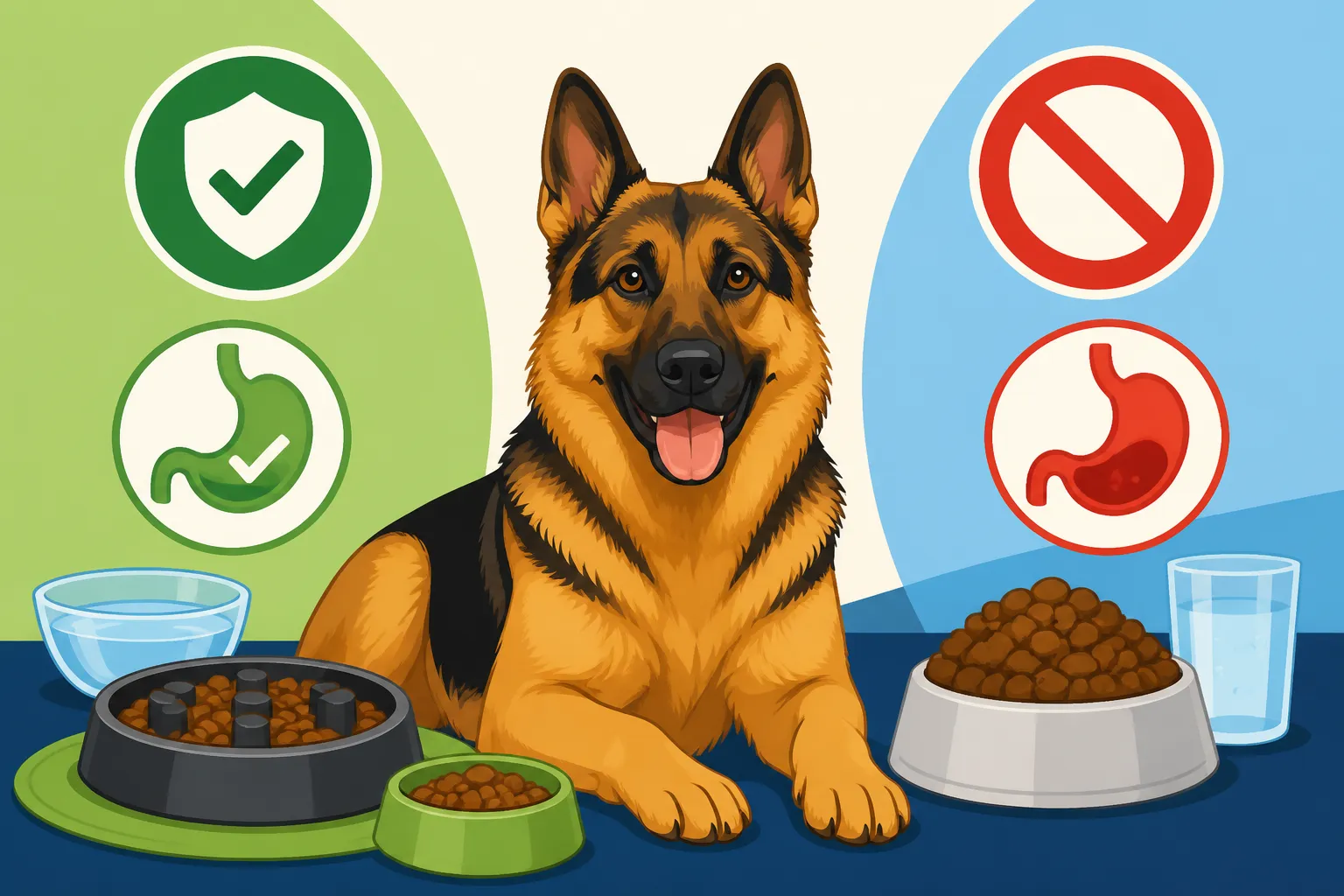
German Shepherd Bloat Prevention Feeding Tips
Bloat, or Gastric Dilatation-Volvulus (GDV), is a terrifying reality for many German Shepherd owners. The sudden onset and rapid progression can leave you feeling powerless, desperately wishing you knew what to do to prevent it. It's a truly heartbreaking and often fatal condition that strikes fear into the hearts of those who love these magnificent dogs. This comprehensive guide will deep dive into the specific feeding tips and lifestyle adjustments you can implement to significantly reduce your beloved German Shepherd's risk of this life-threatening condition, offering peace of mind and proactive strategies.
Understanding Gastric Dilatation-Volvulus Bloat in German Shepherds
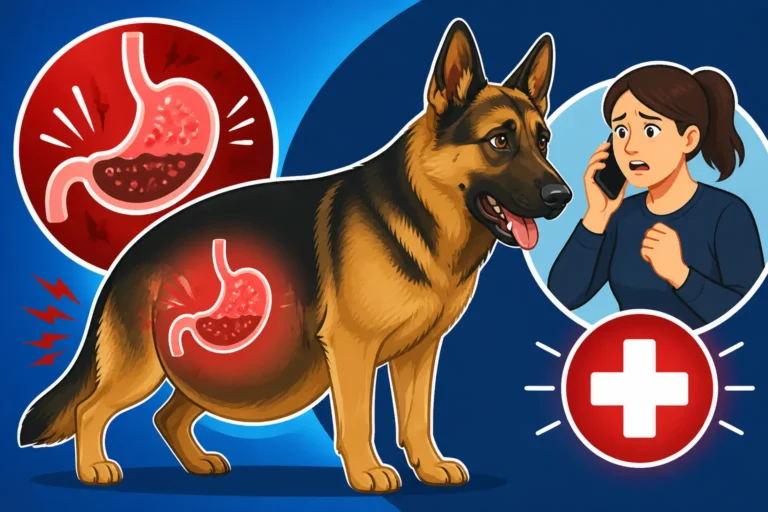
Before we dive into prevention, it's crucial to grasp exactly what bloat is and why our German Shepherds are particularly susceptible. It's not just a bad tummy ache; it's a critical emergency. Gastric Dilatation-Volvulus, or GDV, happens when a dog's stomach fills with gas, food, or fluid (dilatation) and then twists (volvulus). This twisting cuts off the blood supply to the stomach and often the spleen, trapping gas and fluid inside, leading to a rapid and painful expansion of the abdomen. This pressure then restricts breathing and impacts blood flow to other vital organs, quickly sending the dog into shock.
German Shepherds are unfortunately one of the breeds most commonly affected by GDV. Their deep, narrow chests are believed to be a contributing anatomical factor, though the exact mechanisms are complex and not fully understood. It's a heartbreaking situation because it can come on so suddenly, turning a healthy, happy dog into a gravely ill one within hours, sometimes even minutes. As responsible owners, understanding this inherent risk and being proactive about prevention, especially regarding feeding, is paramount. Learning more about German Shepherd Bloat: Signs and Prevention is a fantastic next step after understanding these feeding methods.
Why German Shepherds are Prone to Bloat
It's not just their majestic appearance that sets German Shepherds apart; their physiology also plays a role in their susceptibility to GDV. The deep chest cavity, characteristic of the breed, creates more space for the stomach to shift and twist when distended. Imagine a balloon in a long, narrow hallway – it has more room to spin than one in a small, cramped closet. This anatomical predisposition means that even minor gas accumulation can lead to a dangerous rotation of the stomach, known as torsion.
Beyond anatomy, German Shepherds are often high-energy dogs, prone to gulping food and water, which introduces excess air into the stomach. They can also be quite sensitive to stress, another factor often linked to digestive upset and potentially bloat. It's a perfect storm of genetic predisposition, physical characteristics, and behavioral tendencies that makes vigilance so important for German Shepherd parents. This is why a multi-faceted approach to prevention, focusing heavily on feeding, is absolutely critical.
The Urgency of Bloat and Rapid Progression
The scariest thing about bloat is its speed. One minute your German Shepherd might be eating happily, and the next, they're displaying signs of severe discomfort. The stomach distends, putting pressure on major blood vessels and making it difficult for the heart to pump blood effectively. This leads to shock, and if left untreated, the dog will die. The window for intervention is incredibly small – often just a few hours from the onset of symptoms to a fatal outcome. This rapid progression means that knowing the preventative feeding tips isn't enough; you also need to be able to recognize the German Shepherd Bloat Emergency: What to Do immediately and get to an emergency vet.
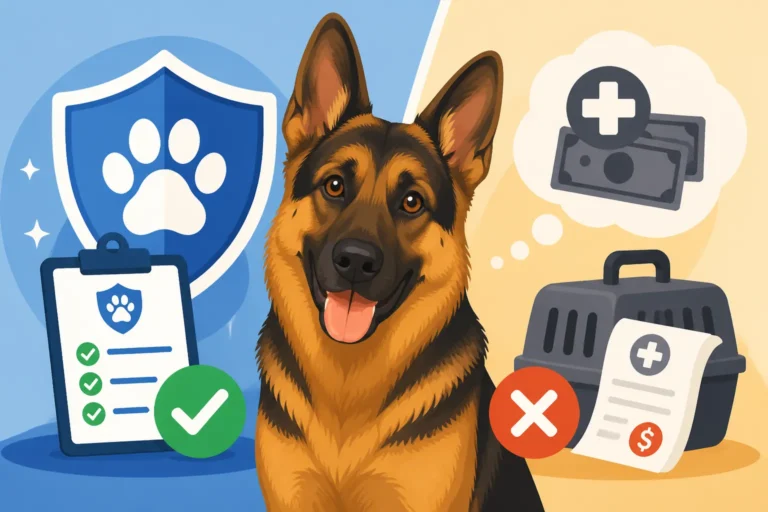
The statistics are sobering: without surgical intervention, bloat is almost always fatal. Even with surgery, the mortality rate can be as high as 15-30%. This underscores why prevention is so much better than trying to react in an emergency. The stress, the cost, and the emotional toll of a bloat emergency are immense, making every preventative measure you take invaluable. Pet insurance providers like Healthy Paws can certainly help ease the financial burden if the worst happens, but proactive steps are always the best defense.
Key Feeding Strategies for Bloat Prevention
When it comes to preventing bloat, how you feed your German Shepherd is just as important as what you feed them. These strategies aren't just suggestions; they are vital components of a proactive health plan designed to keep your deep-chested companion safe. Many of these tips aim to slow down eating, reduce air intake, and ensure proper digestion.
Breaking Down Meals into Smaller, More Frequent Portions
One of the most impactful changes you can make to reduce bloat risk is to feed your German Shepherd two or three smaller meals a day instead of one large one. Think about it from a physiological perspective: a massive meal fills the stomach to its maximum capacity, making it heavy and more prone to twisting. Smaller meals mean less distension at any given time, reducing the risk of torsion.
For example, if your German Shepherd typically eats 4 cups of kibble daily, divide that into two 2-cup meals or three 1.3-cup meals. This not only keeps the stomach from being overly full but also helps regulate blood sugar levels and can even improve nutrient absorption. It's a simple adjustment that can have profound benefits for their digestive health. When considering How Much to Feed a German Shepherd, always factor in frequency as well as quantity.
Slowing Down Rapid Eating
Many German Shepherds are enthusiastic eaters, inhaling their food in what seems like seconds. This rapid ingestion is a major risk factor for bloat because it causes them to gulp down excessive amounts of air along with their food. That trapped air is the initial cause of stomach distension, setting the stage for a twist.
To combat this, slow feeder bowls or puzzle feeders are absolute game-changers. These bowls have ridges or compartments that force your dog to eat around obstacles, significantly extending mealtime. Alternatively, you can spread kibble out on a large baking sheet, use a snuffle mat, or even scatter it across a clean floor or yard for them to "hunt" for. These methods not only slow eating but also provide mental enrichment, which is a bonus! Even something as simple as putting a large, clean, non-edible rock in their bowl (too big to swallow, of course!) can make them work around it.
The Role of Food Type and Quality
While there's no single "anti-bloat" dog food, the quality and type of food you feed can play a role. Some research suggests that foods with certain ingredients, particularly those high in fat and certain carbohydrates (like citric acid), may be linked to an increased risk of bloat when listed among the first four ingredients. However, current scientific understanding points more strongly to feeding practices rather than specific ingredients as the primary drivers of risk.
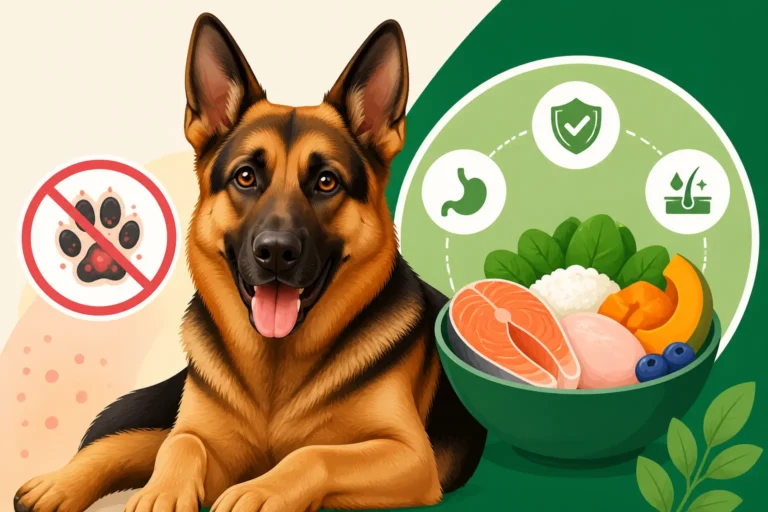
What is generally agreed upon is that a high-quality, easily digestible diet supports overall gastrointestinal health. Look for foods with whole, identifiable protein sources as the first ingredient and avoid excessive fillers or artificial additives. Discussing Best Dog Food for German Shepherds with your veterinarian can help you select a diet that meets your dog's specific needs, whether it's a high-protein diet for an active working dog or a sensitive stomach formula. Some owners also opt for a raw or homemade diet, but these require careful balancing to ensure complete nutrition and safety.
Managing Water Intake Around Meals
Just like rapid eating, guzzling large amounts of water immediately before or after a meal can contribute to stomach distension. Imagine your dog gulping down several cups of water on top of a full stomach – that's a lot of liquid and potentially a lot of swallowed air.
It's best to offer water in smaller quantities throughout the day, especially avoiding giving a full bowl of water right after they've finished eating or before they start. If your German Shepherd is very thirsty after activity, let them rest for 15-30 minutes, then offer a moderate amount of water, and then more gradually. Always ensure fresh water is available, but try to manage the volume consumed at once around mealtimes.
The Debate on Raised Food Bowls
For years, it was commonly believed that raised food bowls were beneficial for large breeds, helping with posture and digestion. However, more recent scientific studies, particularly one conducted by Purdue University, have actually indicated that raised bowls might increase the risk of bloat in large and giant breeds like German Shepherds. The theory is that eating from a raised bowl might allow for more air to be swallowed.
Therefore, for bloat prevention, it's generally recommended that German Shepherds eat from bowls placed on the floor. While some anecdotal evidence suggests raised bowls help dogs with certain orthopedic conditions, the current consensus for bloat prevention leans towards floor-level feeding. This is an important consideration, and you can explore more about Should German Shepherds Eat from Raised Bowls for a deeper dive.
Enforcing Rest After Meals
A full stomach, combined with vigorous activity, is a recipe for disaster when it comes to bloat. After your German Shepherd eats, their stomach is heavier and potentially distended, making it more susceptible to twisting if they jump, run, or roll around vigorously.
Implement a strict "rest period" of at least one hour, and ideally two hours, after every meal. This means no strenuous exercise, no roughhousing, and no intense play sessions immediately after eating. A short, leisurely potty break on a leash is fine, but anything that gets their heart rate up or involves twisting and turning their body should be avoided. This simple rule is a crucial piece of the bloat prevention puzzle.
Beyond the Bowl: Lifestyle Factors That Complement Feeding Prevention
While feeding strategies are paramount, preventing bloat isn't solely about the bowl. A holistic approach that includes managing your German Shepherd's overall health, stress levels, and exercise routine will significantly bolster your preventative efforts. These elements work in synergy with good feeding practices to create the safest environment for your companion.
Managing Stress and Anxiety
German Shepherds are intelligent and sensitive dogs, and like us, they can experience stress and anxiety. Studies have shown a correlation between stress, fear, and an increased risk of bloat. A dog that is constantly stressed or anxious might be more prone to digestive issues, including gulping air when nervous or experiencing changes in gut motility.
Identify and minimize stressors in your dog's life. This could include sudden changes in routine, loud noises, separation anxiety, or unfamiliar environments. Provide a calm, predictable home environment, engage in consistent positive reinforcement training, and ensure they have a safe "den" where they can retreat. If your German Shepherd struggles with anxiety, consult with a veterinarian or a certified professional dog trainer for strategies to help them cope. A calm dog is often a healthy dog.
Timing Exercise Appropriately
We've already touched on enforcing rest after meals, but it bears repeating and expanding: the timing of exercise is critical. Avoid any strenuous activity for at least an hour before meals and two hours after. This includes running, jumping, intense training sessions, or rough play with other dogs. The risk of bloat is highest when the stomach is full and the dog is engaging in physical exertion.
Plan your German Shepherd's exercise schedule around their meals. Morning walks or playtime should happen well before breakfast, and evening activity should be completed long before dinner, or significantly delayed until digestion has begun. A tired dog is a happy dog, but an active dog with a full stomach can be a sick dog. Understanding German Shepherd Exercise Requirements is important, but balancing it with feeding is key.
Maintaining a Healthy Weight and Condition
Obesity is a known risk factor for many health issues, and while its direct link to bloat is still being researched, maintaining a healthy weight is a cornerstone of overall canine health. An overweight German Shepherd might have more abdominal fat, which could potentially impact the mechanics of their digestive system and increase pressure within the abdomen.
Work with your veterinarian to determine your German Shepherd's ideal weight and body condition score. Stick to a proper feeding guide, measure their food accurately, and ensure they get adequate, consistent exercise. Avoiding German Shepherd Weight and Obesity Risks not only helps prevent bloat but also contributes to better joint health, cardiovascular function, and a longer, happier life. Remember, a fit body supports a healthier digestive system.
Regular Veterinary Check-ups and Prophylactic Gastropexy
Regular veterinary check-ups are essential for monitoring your German Shepherd's overall health and catching any potential issues early. Your vet can assess your dog's body condition, discuss diet, and answer any questions you have about bloat prevention. They can also advise on the option of a prophylactic gastropexy.
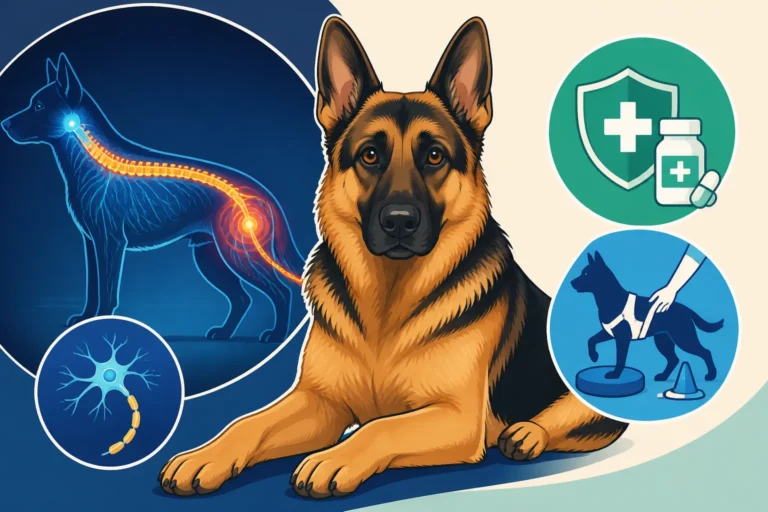
A prophylactic gastropexy is a surgical procedure where the stomach is permanently tacked or sutured to the abdominal wall. This prevents the stomach from twisting, effectively eliminating the volvulus (twisting) component of GDV. While it doesn't prevent the stomach from dilating (filling with gas), it can prevent the fatal twisting. This procedure is often done at the same time as spaying or neutering, especially for at-risk breeds like German Shepherds. It's a significant decision, but for many GSD owners, it offers immense peace of mind. Discussing this option with your vet, especially if your German Shepherd has a family history of bloat or is considered high-risk, is highly recommended as part of a comprehensive How to Keep a German Shepherd Healthy strategy.
Recognizing the Signs and When to Act
Even with the most diligent preventative measures, it's vital to know the signs of bloat and be prepared to act swiftly. Bloat is a medical emergency, and recognizing symptoms early is literally a matter of life or death. No amount of prevention can guarantee complete immunity, so vigilance is key.
Early Warning Signs of Bloat
The first signs of bloat can be subtle, but they quickly escalate. It’s crucial to pay close attention, especially if your German Shepherd has just eaten or engaged in activity. Look for:
- Restlessness and Pacing: Your dog might seem uncomfortable, unable to settle, constantly shifting positions.
- Excessive Drooling: More slobber than usual can indicate nausea or pain.
- Attempted Vomiting (Non-Productive Retches): This is one of the most classic signs. Your dog tries to throw up, but nothing comes out, or only a small amount of foamy liquid. This is due to the stomach being twisted.
- Distended Abdomen: Your dog's belly might look swollen, tight, and feel hard to the touch, especially on the left side behind the last rib. This might be hard to spot in long-haired dogs.
- Pain and Discomfort: Whining, groaning, looking at their side, hunching their back.
- Rapid, Shallow Breathing: Due to pressure on the diaphragm.
- Pale Gums: A sign of shock.
If you observe any of these symptoms, even just one or two, assume the worst and act immediately. Time is not on your side with bloat.
The Critical Need for Immediate Veterinary Care
This cannot be stressed enough: bloat is an emergency that requires immediate veterinary attention. Do not wait to see if symptoms improve. Do not try home remedies. Every minute counts. If you suspect bloat, call your veterinarian or the nearest emergency veterinary hospital while you are on your way. This allows them to prepare for your arrival, saving precious time.
When you arrive, clearly state your suspicion of bloat. The veterinary team will typically perform X-rays to confirm the diagnosis and then move quickly to stabilize your dog and prepare for surgery. The costs associated with emergency bloat surgery can be substantial, often ranging from $3,000 to $7,000 or even more, depending on complications and location. This is where a robust pet insurance plan, like those offered by Healthy Paws, can provide invaluable financial relief, allowing you to focus on your dog's care without added stress. Planning for potential emergencies, whether through insurance or a dedicated savings fund, is a crucial part of responsible German Shepherd ownership.
Bloat Prevention Feeding Tips Summary
To consolidate the key takeaways, here's a table summarizing the best practices for bloat prevention through feeding. This isn't just a checklist; it's a commitment to your German Shepherd's health and well-being.
| Feeding Practice | Bloat Prevention Guideline | Why It Helps |
|---|---|---|
| Meal Frequency | Feed 2-3 smaller meals per day instead of one large meal. | Reduces the volume and weight of food in the stomach at any one time, lessening distension. |
| Eating Speed | Use slow feeder bowls, puzzle feeders, or spread food out to prolong mealtime. | Minimizes air gulping during rapid eating, reducing gas accumulation in the stomach. |
| Food Quality | Choose a high-quality, easily digestible dog food with whole ingredients. | Supports overall digestive health and efficient nutrient absorption. |
| Water Intake | Offer water in moderation around mealtimes; avoid large gulps immediately before/after. | Prevents excessive fluid and air accumulation in the stomach when it's already full. |
| Bowl Height | Feed from bowls placed on the floor, not raised bowls. | Studies suggest raised bowls may increase bloat risk by encouraging more air swallowing. |
| Post-Meal Activity | Enforce a strict 1-2 hour rest period after every meal. | Prevents stomach twisting when it's full and heavy, reducing mechanical stress. |
| Stress Management | Maintain a calm home environment and consistent routine for your dog. | Reduces overall digestive upset and potential stress-related air gulping. |
| Exercise Timing | Schedule strenuous exercise well before or long after meals. | Avoids combining a full stomach with physical exertion, a known bloat trigger. |
| Weight Management | Keep your German Shepherd at a healthy, lean weight. | Supports overall health and may reduce abdominal pressure. |
| Vet Consultations | Discuss diet, risk factors, and prophylactic gastropexy with your vet. | Provides personalized advice and proactive medical intervention where appropriate. |
Adopting these tips into your daily routine offers the best defense against this devastating condition. Your German Shepherd relies on you for their health and safety, and these thoughtful practices are a testament to your commitment.
Disclaimer
The information provided in this guide is intended for educational purposes only and should not be considered a substitute for professional veterinary advice. Always consult with a qualified veterinarian regarding any health concerns or before making any changes to your German Shepherd's diet, exercise, or health management plan.