Why Does My German Shepherd Have Biting Issues
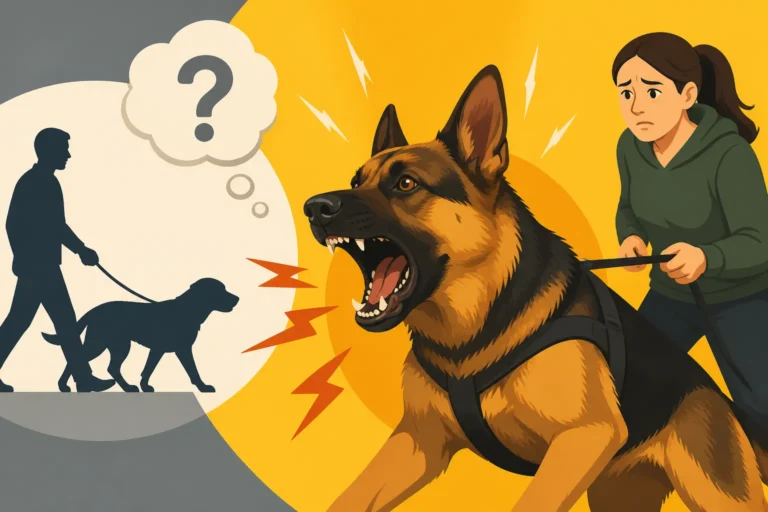
It's incredibly frustrating, and often alarming, when your beloved German Shepherd starts displaying biting behavior, whether it's persistent puppy nipping or something more concerning in an adult dog. You might feel confused, worried about safety, or even a bit defeated, especially with a breed known for its powerful jaws and protective instincts. This comprehensive guide is here to shed light on the common reasons behind German Shepherd biting issues, help you understand the nuances of different biting behaviors, and provide actionable, empathetic strategies to address them effectively, fostering a safer and more harmonious relationship with your canine companion.
Understanding Normal Puppy Nipping vs. Problematic Biting
When you bring home a German Shepherd puppy, you might quickly realize they come equipped with razor-sharp teeth and a strong desire to use them! This isn't inherently a bad thing, but it's crucial to distinguish between typical puppy exploration and behaviors that signal a deeper problem.
The "Sharky" Puppy Phase: What to Expect
Let's be real: German Shepherd puppies, often affectionately (or exasperatedly) called "land sharks," are notorious for their intense nipping and mouthing. This behavior is a completely normal part of their development. Puppies explore the world with their mouths, much like human toddlers use their hands. They nip at littermates, their mother, and eventually, their human family. This rough-and-tumble play is how they learn about bite inhibition – how much pressure they can apply with their jaws before causing pain. Without this learning phase, they don't develop the "soft mouth" needed for appropriate interaction later in life.
You'll notice them nipping at your hands, clothes, and ankles. It can be painful, startling, and even make you wonder if you've made a terrible mistake. But remember, they aren't trying to hurt you; they're experimenting and playing. The key is how we, as their guardians, respond during this critical window. Ignoring it won't make it stop, and harsh punishment can actually backfire, leading to fear-based biting down the line. Instead, we need to guide them patiently through this phase, teaching them what's acceptable and what's not. Getting a variety of appropriate chew toys from places like Amazon can be a game-changer during this time, redirecting their sharp little teeth onto sanctioned items.
When Nipping Crosses the Line into Concern
While puppy nipping is normal, there's a point where it transitions from playful exploration to something that needs immediate and serious intervention. This "crossing the line" often happens when the biting becomes:
- Excessively Hard: A playful nip should have some pressure, but if your puppy is consistently biting hard enough to break skin or cause significant pain, they might not be learning proper bite inhibition.
- Persistent Despite Redirection: If you offer a toy, disengage, or yelp, and the puppy immediately returns to biting you with the same intensity, they might not be understanding the message.
- Accompanied by Aggressive Body Language: Growling, snarling, stiff body posture, whale eye (when you see the whites of their eyes), or a raised hackle (the fur along their spine) are all signs that the biting isn't just play. These behaviors indicate a deeper underlying emotion like fear, frustration, or resource guarding.
- Targeted and Intentional: Rather than random mouthing, if your German Shepherd specifically targets certain body parts, people, or objects with a clear intent to "get" or "keep," this is a red flag.
- Unprovoked: While rare, if a bite comes truly out of nowhere, without any identifiable trigger, it warrants immediate professional evaluation.
It’s important to understand that biting in adult German Shepherds is almost never "just play" unless it's a very specific, mutually understood game with another dog. An adult German Shepherd's bite can cause severe injury, and any consistent biting behavior, regardless of perceived intent, needs to be taken seriously. Addressing these issues early in puppyhood, as detailed in our guide on How to Stop a German Shepherd Puppy from Biting, can prevent serious problems later.
Common Reasons Behind German Shepherd Biting Issues
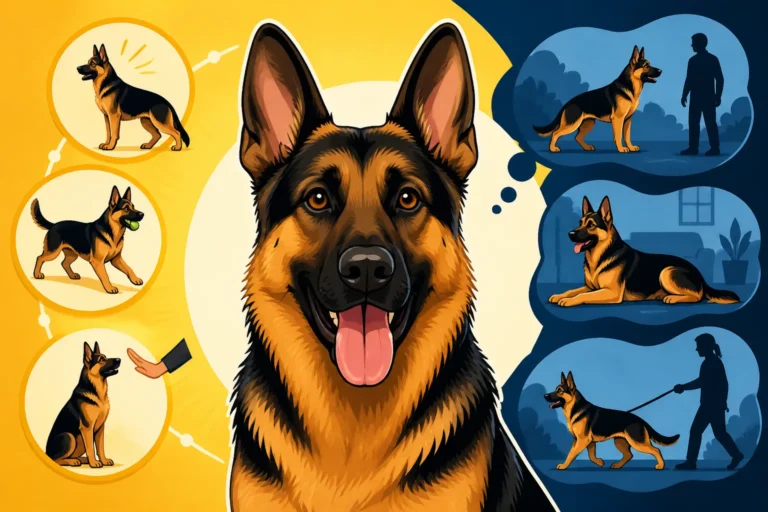
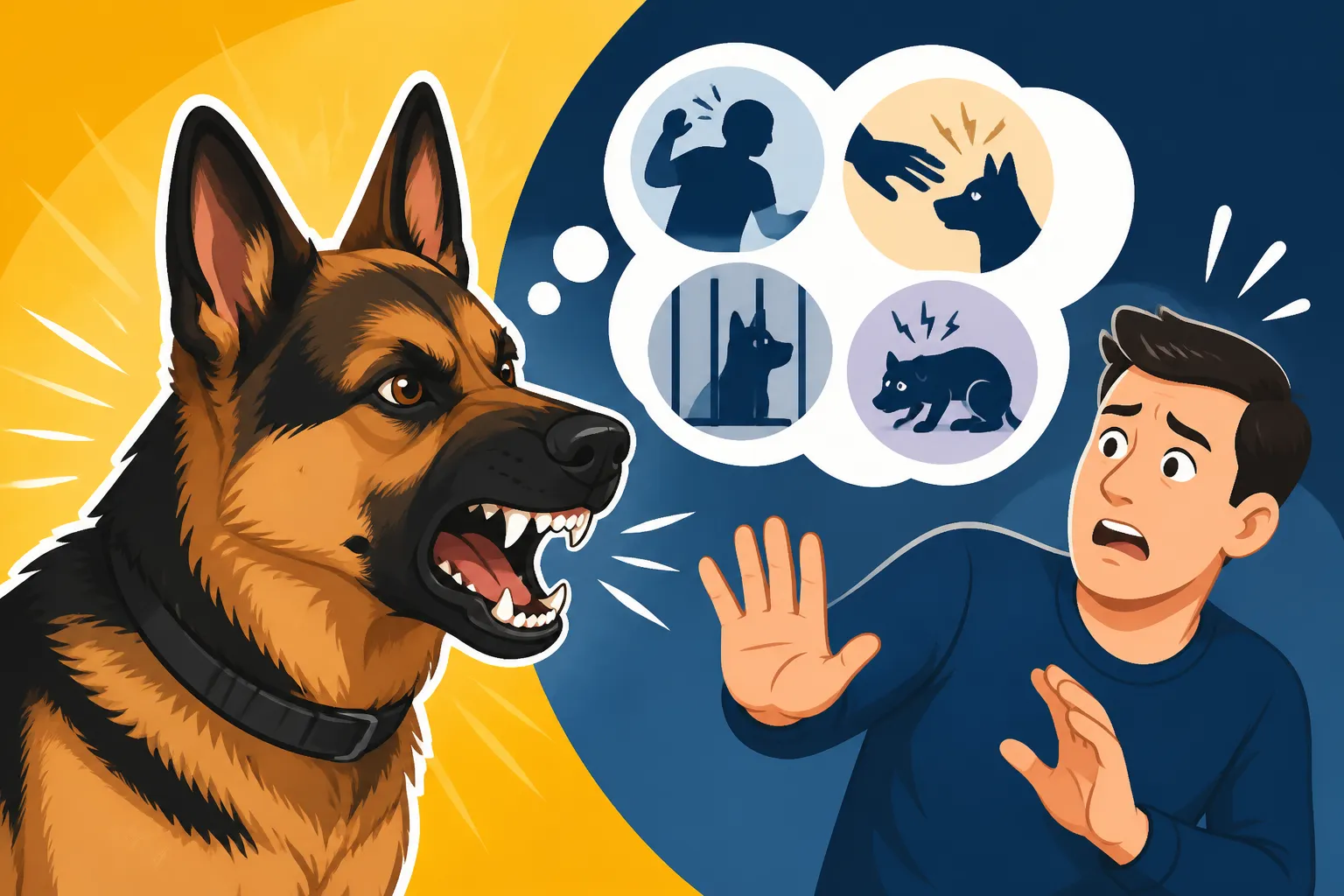
Biting, whether it's mild or severe, is always a form of communication from your German Shepherd. They aren't being "mean" or "spiteful"; they are reacting to something in their environment or their own internal state. Understanding why they bite is the first step toward finding a solution.
Lack of Bite Inhibition Training
As mentioned, puppies learn bite inhibition during their early weeks by interacting with their littermates. If they bite too hard, a littermate will yelp and stop playing, teaching them to moderate their bite pressure. If a puppy is removed from their litter too early, or if owners don't continue this lesson, the puppy might never learn that delicate balance.
For a German Shepherd, this can be particularly problematic because of their strength and potential for protective instincts. An adult dog that hasn't learned bite inhibition might accidentally inflict serious harm even during playful interactions, simply because they don't understand the force of their own jaws. They might think a hard nip on your arm is just "fun" because no one taught them otherwise. This is why it's vital to teach them early, using consistent methods like the "yelp and disengage" technique, or redirecting their mouth to appropriate chew toys. Programs like those offered by BAXTER & Bella can be incredibly helpful for new puppy owners, providing structured guidance on teaching bite inhibition and other crucial behaviors.
Insufficient Socialization
A well-socialized German Shepherd is confident and comfortable in a variety of situations and around different people and animals. Insufficient socialization, however, can lead to fear, anxiety, and reactivity, which are common triggers for biting. If your German Shepherd wasn't exposed to a wide range of sights, sounds, people, and other friendly dogs during their critical developmental period (roughly 3-16 weeks), they might grow up to be wary or fearful of new experiences.
Imagine a German Shepherd who has rarely met strangers. When a new person approaches, the dog might feel threatened or overwhelmed. Their fear can manifest as growling, barking, and eventually, biting, as a desperate attempt to make the perceived threat go away. Similarly, a dog not properly introduced to other dogs might lash out if they feel cornered or anxious in a dog park setting. Our guide on How to Socialize a German Shepherd provides more in-depth advice on this critical aspect of development. It’s not just about meeting people; it’s about experiencing different environments, sounds (like traffic or vacuum cleaners), and textures under positive, controlled conditions.
Over-Arousal and Frustration
German Shepherds are highly intelligent, high-energy dogs. If their physical and mental stimulation needs aren't met, they can become over-aroused or frustrated, which can lead to problem behaviors, including biting. An over-stimulated German Shepherd might bite during intense play, like tug-of-war, because their excitement levels spike, and they lose control. They might accidentally grab your hand instead of the toy.
Frustration can also lead to biting. This often happens when a dog wants something it can't have (e.g., access to a toy, to greet another dog, to go outside) and uses its mouth to express its strong feelings. For example, a dog pulling on the leash, desperate to get to the squirrel across the street, might turn and nip at the handler's arm or hand out of sheer frustration that they aren't moving fast enough or allowing them to pursue their prey drive. It's a classic example of misdirected energy and emotion. Understanding their German Shepherd Exercise Requirements is vital to preventing these issues.
Fear, Anxiety, or Pain
Many cases of biting, especially in adult German Shepherds, stem from underlying fear, anxiety, or physical pain. A dog that is afraid might bite as a defensive mechanism, often called "fear-aggression." They might feel trapped, threatened, or overwhelmed, and biting is their way of saying, "Stop! Give me space!" This can happen if a dog is startled, feels cornered, or is being handled in a way that makes them uncomfortable.
Anxiety, such as separation anxiety, can also manifest in destructive chewing or nipping at owners when they try to leave. Sometimes, what looks like "aggression" is simply a dog in pain. A German Shepherd suffering from hip dysplasia, arthritis, or another painful condition might lash out if touched in a sensitive area, even by a trusted family member. They are trying to communicate that they hurt. If your German Shepherd suddenly starts biting or shows a change in behavior, a veterinary check-up should be your very first step to rule out any medical causes. It's easy to mistake pain for defiance, but understanding How to Tell If a German Shepherd Is in Pain can make all the difference.
Resource Guarding and Territoriality
Resource guarding is when a dog becomes protective of items they value, such as food, toys, sleeping spots, or even people. This behavior can manifest as growling, stiffening, air-snapping, and eventually biting if someone attempts to take the item away or approaches too closely. A German Shepherd might guard their food bowl fiercely, snapping at anyone who comes near while they're eating.
Territoriality is similar but relates to a dog protecting their perceived territory – their home, yard, or even your car. This can lead to biting strangers who approach the property or even guests who are seen as intruders. While German Shepherds have natural guarding instincts, problematic resource guarding and territorial aggression are not desirable traits and need to be managed and trained carefully. It’s about channeling those natural instincts in a healthy way, not suppressing them completely.
Practical Strategies to Address Biting Behavior
Addressing biting behavior requires patience, consistency, and often, a multi-faceted approach. It's not a quick fix, but with dedication, you can help your German Shepherd learn more appropriate ways to interact.
Consistent Training and Management
The foundation of solving biting issues lies in consistent training and management.
Establishing Clear Boundaries
From day one, your German Shepherd needs to understand what is and isn't acceptable. This means:
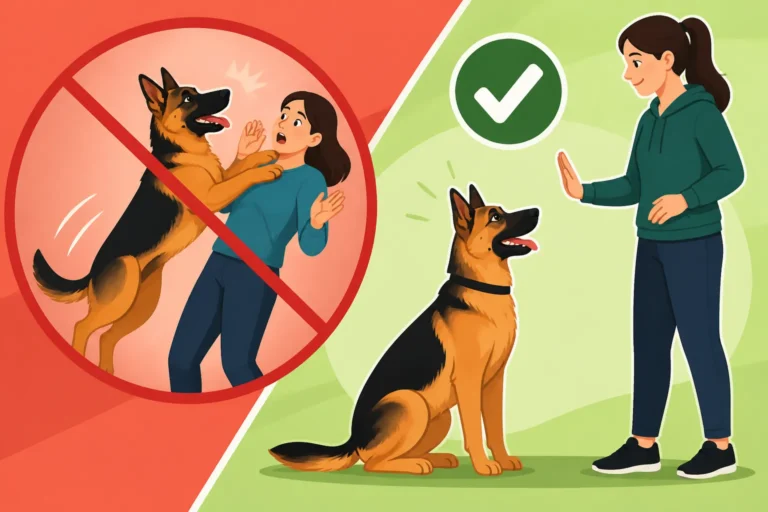
- No mouthing on human skin, ever. If a puppy mouths you, even gently, immediately redirect them to an appropriate chew toy. If they persist, give a sharp "ouch!" or "no!" and then immediately disengage from play for a few seconds. This mimics how littermates teach bite inhibition.
- Teaching a "Leave It" cue: This command is invaluable for preventing resource guarding and stopping your dog from putting their mouth on forbidden items or people. Practice it regularly with increasingly tempting distractions.
- "Drop It" for object exchange: Teach your German Shepherd to release items on command. Start by offering a high-value treat in exchange for a lower-value toy they are holding. Gradually increase the value of the item they are dropping. This builds trust and reduces the likelihood of guarding.
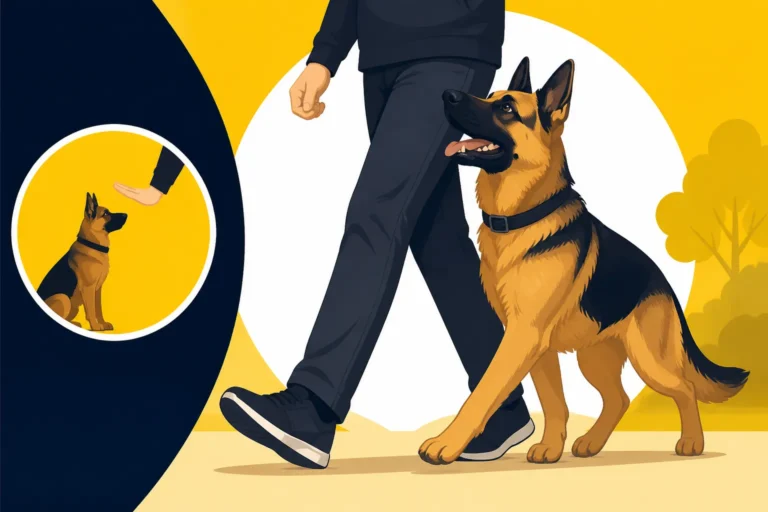
- Rewarding calm behavior: Actively look for and reward moments when your German Shepherd is relaxed and not mouthing. Use verbal praise, gentle petting, or small, soft treats.
Consistency is key. Every family member must enforce the same rules, every single time. If one person allows nipping, it sends a mixed message that will confuse your dog and hinder progress.
Management Strategies
While training works on long-term behavioral changes, management is about preventing biting incidents in the short term.
- Supervision: Always supervise interactions between your German Shepherd and children, guests, or other animals. Use leashes or crates if you cannot actively supervise.
- Safe spaces: Provide your dog with a safe, comfortable retreat where they can go when they feel overwhelmed or need space. This could be a crate, a designated bed in a quiet room, or a secure outdoor kennel. Teach children and guests to respect this space.
- Muzzles: For dogs with a history of biting or for situations where a bite is a significant risk (e.g., vet visits, introducing to new dogs), a properly fitted basket muzzle can be a life-saver. It allows the dog to pant, drink, and even take treats, but prevents biting. It's a tool for safety, not punishment. You can find comfortable options on Amazon.
- Leash work: For reactivity issues, working on How to Leash Train a German Shepherd Puppy and managing their environment during walks is critical. This might mean avoiding busy areas initially or walking at off-peak hours.
Remember, management isn't a substitute for training, but it's essential for keeping everyone safe while you work on the underlying issues.
Enrichment and Exercise
A bored or under-exercised German Shepherd is a recipe for trouble. These dogs were bred for demanding work, and they need outlets for their physical and mental energy.
Adequate Physical Activity
German Shepherds require substantial daily exercise. This isn't just a quick walk around the block. They need:
- Long walks or jogs: At least 60-90 minutes daily, split into multiple sessions.
- Running and fetching: Off-leash play in a secure area, if safe and appropriate.
- Structured exercise: Consider activities like agility, dock diving, or even basic obedience drills during walks to make them more engaging.
Physical exhaustion can lead to a calmer dog, less prone to over-arousal and frustration-based biting. Ensure you know How Much Exercise Is Too Much for a Puppy to protect their growing joints, especially for German Shepherds.
Mental Stimulation
Just as important as physical exercise is mental stimulation. A German Shepherd's mind is a powerful tool that needs to be challenged.
- Puzzle toys: Food-dispensing toys like KONGs, snuffle mats, or puzzle feeders can keep their minds engaged while they work for their food.
- Training sessions: Short, frequent training sessions (5-10 minutes, 2-3 times a day) practicing basic obedience or learning new tricks can be incredibly stimulating. This builds their confidence and strengthens your bond.
- Scent work: Hiding treats around the house or yard for your dog to find uses their powerful nose and provides a fantastic mental workout.
- Chew items: High-quality, safe chew items redirect their natural chewing instincts and can help relieve stress and boredom.
A German Shepherd with a well-exercised body and a tired mind is much less likely to resort to biting out of boredom or frustration.
Seeking Professional Help
When dealing with biting behavior, especially in an adult German Shepherd, it's always best to err on the side of caution and seek professional help. This isn't a sign of failure; it's a responsible step toward ensuring the safety and well-being of everyone involved.
Recognizing Red Flags
Certain situations definitely warrant immediate professional intervention:
- Any bite that breaks the skin, especially if unprovoked.
- Biting that is directed at family members, not just strangers.
- Biting accompanied by aggressive body language (growling, snarling, stiffening).
- Sudden onset of biting in an adult dog (always rule out pain first with a vet).
- Resource guarding that is escalating or becoming dangerous.
- Your own fear or inability to manage the dog's behavior safely.
Delaying professional help can allow the behavior to become more ingrained and potentially more dangerous.
Finding a Qualified Professional
Not all dog trainers are equipped to handle serious biting issues. Look for professionals with specific expertise in canine behavior.
- Veterinary Behaviorist: These are veterinarians who have specialized training in animal behavior. They can diagnose underlying medical or behavioral conditions and prescribe medication if necessary, alongside behavior modification plans. This is often the best first step for complex or dangerous biting cases.
- Certified Professional Dog Trainer – Knowledge Assessed (CPDT-KA) or Certified Behavior Consultant Canine (CBCC-KA): These certifications indicate a professional has met rigorous standards of knowledge and experience. Look for trainers who use positive reinforcement methods and avoid aversive techniques, which can exacerbate fear-based aggression.
- Referrals: Ask your veterinarian for referrals to reputable behaviorists or trainers in your area. Look for reviews and testimonials, and don't hesitate to interview a few candidates to find someone whose approach aligns with your values.
A good professional will work with you to understand the specific triggers for your German Shepherd's biting, develop a tailored behavior modification plan, and provide ongoing support and guidance. This collaborative approach, combined with your dedication, offers the best chance for success.
When to Seek Professional Guidance
It's natural to want to handle your German Shepherd's behavior yourself, but some biting issues are simply too complex or dangerous to tackle alone. Knowing when to call in the cavalry is a mark of a responsible dog owner.
Recognizing Red Flags
While minor puppy nipping can often be managed at home with consistent training, certain signs indicate that you absolutely need to bring in a professional, and quickly. These are red flags that the behavior is serious and potentially dangerous:
- Any bite that punctures the skin and causes bleeding. This is beyond a "nip" and indicates a lack of bite inhibition or clear intent to harm.
- Growling, snarling, or snapping that consistently precedes a bite. This shows your dog is giving warnings, but if those warnings lead to a bite, the problem is significant.
- Biting directed at children or vulnerable adults. The risk of serious injury is too high to delay.
- Biting that seems unprovoked or unpredictable. If you can't identify a clear trigger, it's much harder to manage and prevent.
- Resource guarding that is intense or involves people. Dogs guarding food, toys, or even their bed from you or other family members is a serious safety concern.
- Fear-based aggression that is escalating. If your dog is becoming more reactive or fearful in specific situations, and their bites are increasing in frequency or intensity.
- You feel unsafe or fearful around your own dog. This is a critical indicator that you need external help to regain control and rebuild trust.
- Your German Shepherd is exhibiting pain signals alongside biting. As mentioned earlier, sudden changes in behavior, including biting, warrant an immediate veterinary visit to rule out underlying medical conditions. Pain is a huge trigger for aggression. For more on this, check out our article on German Shepherd Health Problems Guide.
Ignoring these red flags won't make the problem disappear; it will likely worsen over time, putting both your family and your German Shepherd at greater risk.
Finding a Qualified Professional
The world of dog training can be a bit like the Wild West, with varying philosophies and qualifications. When dealing with biting, it's crucial to seek out genuinely qualified and ethical professionals.
What to Look For
- Veterinary Behaviorists (DACVB): These are veterinarians who have completed advanced training and certification in animal behavior. They are uniquely qualified to diagnose and treat behavioral issues, considering both medical and behavioral factors. They can also prescribe medication if necessary, making them ideal for complex or severe cases.
- Certified Applied Animal Behaviorists (CAAB/ACAAB): These individuals typically have master's or Ph.D. degrees in animal behavior and extensive practical experience.
- Certified Professional Dog Trainers (CPDT-KA/CBCC-KA): These certifications from the Certification Council for Professional Dog Trainers (CCPDT) indicate a commitment to ethical, science-based training. A CBCC-KA (Certified Behavior Consultant Canine – Knowledge Assessed) is particularly relevant for behavior modification.
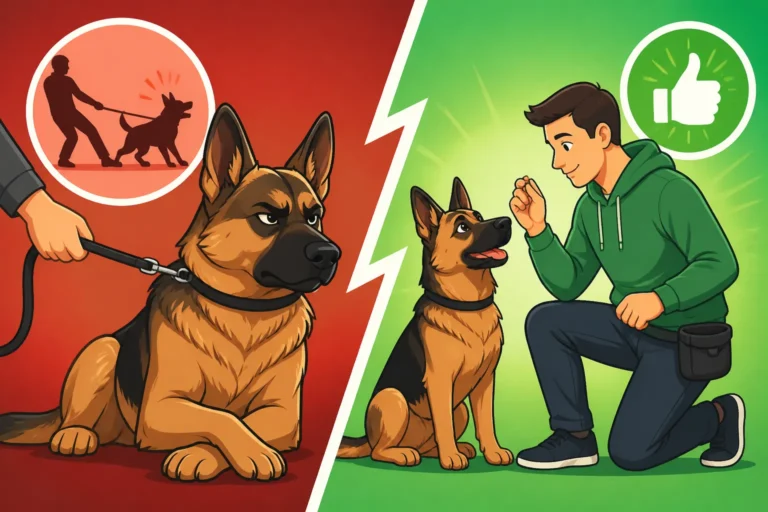
- Force-Free and Positive Reinforcement: Look for professionals who exclusively use positive reinforcement, reward-based methods. Aversive techniques (shock collars, harsh corrections, intimidation) can suppress behavior in the short term but often increase fear, anxiety, and aggression in the long run, making biting worse.
- Experience with German Shepherds: While not strictly necessary, a professional with experience working with German Shepherds understands the breed's specific traits, drives, and potential challenges.
- Clear Communication and Support: A good professional will clearly explain their methods, set realistic expectations, and provide ongoing support. They should be willing to communicate with your veterinarian if needed.
When interviewing potential professionals, ask about their philosophy, methods, experience with similar cases, and their approach to safety. A quality trainer or behaviorist will also emphasize the importance of your role in the training process. Working with a professional like those recommended by BAXTER & Bella, or seeking out local certified trainers, can provide the structured guidance and expert insights you need to navigate these challenging behaviors successfully. Remember, you're not just training a dog; you're rehabilitating a valued family member, and that's a journey best undertaken with skilled support.
Disclaimer
The information provided in this article is for educational purposes only and is not intended to be a substitute for professional veterinary or behaviorist advice, diagnosis, or treatment. Always seek the advice of your veterinarian or a qualified animal behaviorist with any questions you may have regarding a medical condition or behavioral issue.