Why Does My German Shepherd Have Reactivity Issues
It’s incredibly disheartening and often embarrassing when your normally loyal and loving German Shepherd suddenly transforms into a barking, lunging, pulling tornado at the sight of another dog, a person, or even a bicycle. This kind of over-the-top reaction, known as reactivity, isn't just "bad behavior"—it's a deeply rooted issue that stems from fear, anxiety, frustration, or overstimulation. This comprehensive guide will peel back the layers to explore exactly why your German Shepherd might be struggling with reactivity, helping you understand their struggles and providing actionable steps towards a calmer, more confident companion.
Understanding German Shepherd Reactivity: More Than Just "Bad Behavior"
When your German Shepherd displays reactivity, it can feel like a sudden, aggressive outburst. You might find yourself apologizing to passersby or struggling to maintain control, wondering what went wrong. But it’s crucial to understand that reactivity is rarely about a dog being inherently "mean" or "disobedient." Instead, it's often a complex communication, a desperate plea from your dog telling you they're overwhelmed and unsure how to cope with a particular situation.
What Reactivity Actually Looks Like
Reactivity in German Shepherds isn't a one-size-fits-all phenomenon; it can manifest in a variety of ways, often depending on the individual dog, the trigger, and the severity of their emotional state. Most commonly, you'll observe what’s known as "leash reactivity" when your dog is tethered and unable to move freely.
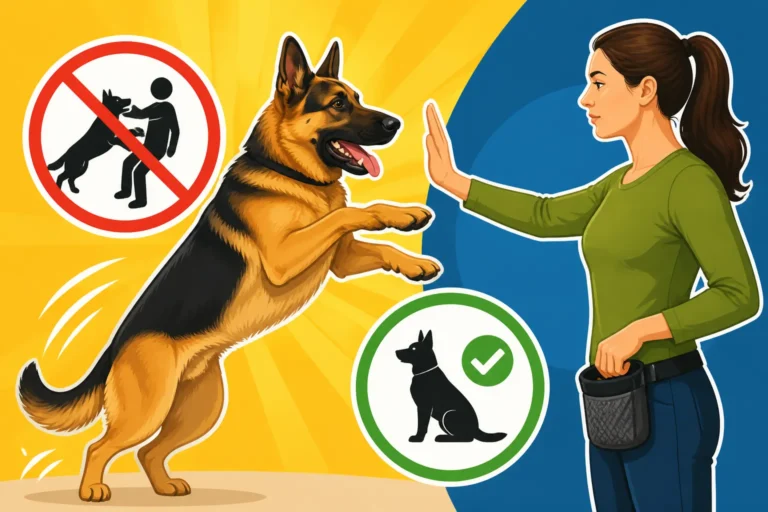
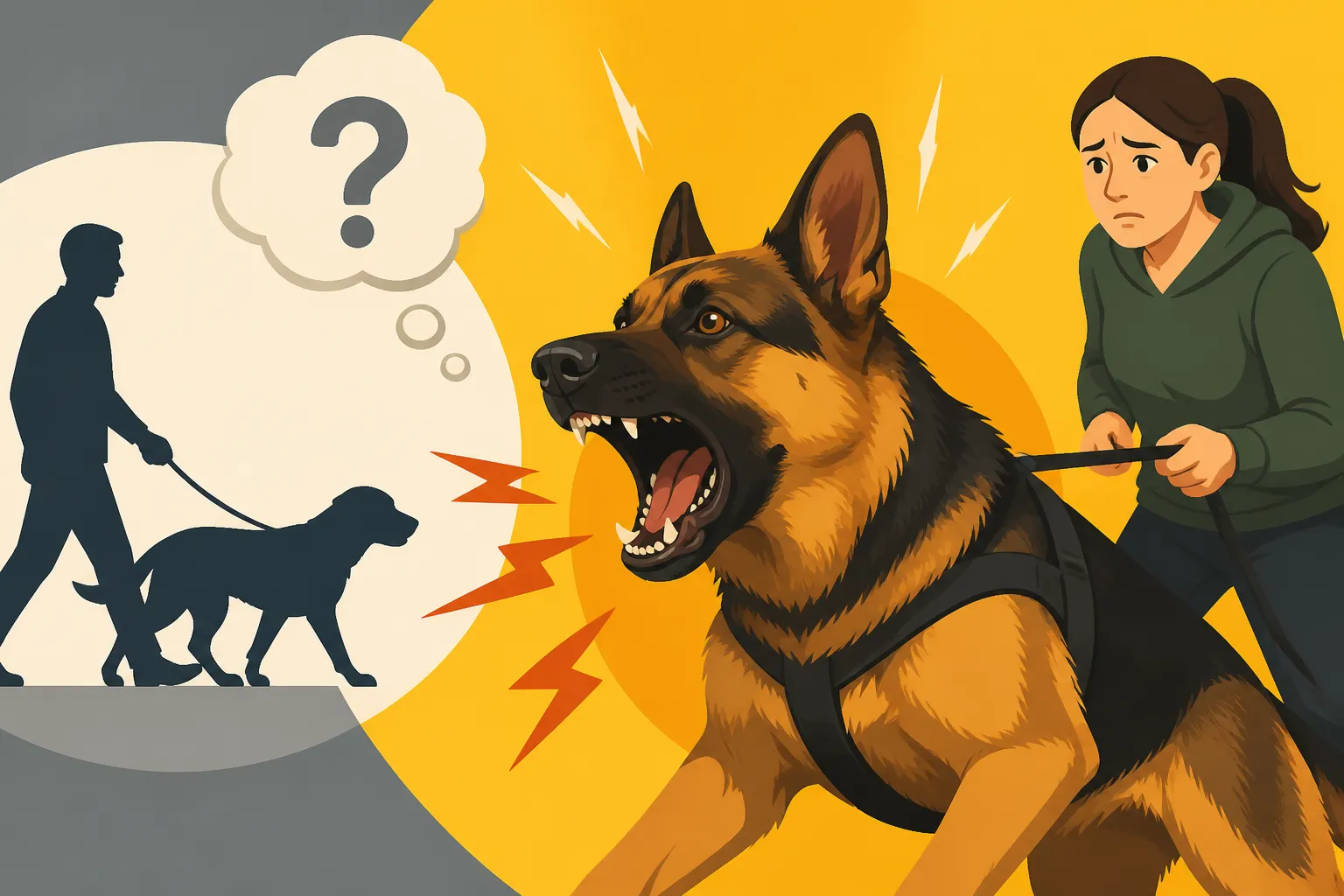
Imagine walking your majestic German Shepherd down a quiet street. Suddenly, a small terrier rounds the corner. Before you can even register it, your dog stiffens, lets out a low growl, and then explodes into a flurry of barking, lunging, and pulling against their leash, dragging you forward. Their hackles might be raised, their ears pinned back or forward, and their tail rigid. This isn't just excitement; it's a profound emotional response. Other times, the trigger might be a person approaching, a child riding a scooter, or even a car passing too closely. The key characteristic is an immediate, intense, and often startling overreaction that is disproportionate to the actual threat level of the stimulus.
These behaviors are signals. They’re your German Shepherd’s way of saying, "I don't like this, and I want it to go away!" They might be trying to create distance, warn off a perceived threat, or express intense frustration because they can't investigate or interact in the way they desire. It's a distress call, not a deliberate act of malice.
The Difference Between Reactivity and Aggression
It's easy to mistake reactivity for aggression, and honestly, the line can sometimes blur, making it even more stressful for owners. Both can involve barking, growling, and lunging. However, the fundamental difference often lies in the underlying motivation.
True aggression typically stems from an intent to harm or dominate. An aggressive dog might initiate an attack with a clear goal of causing injury, often showing confidence in their posture even as they threaten. They might snap or bite without much warning, or even seek out confrontation.
Reactivity, on the other hand, is almost always rooted in fear, anxiety, or frustration. While the outward display might look aggressive – the intense barking and lunging – the dog's primary goal isn't usually to injure, but to make the scary thing go away. They're trying to defend themselves or their space, or they're simply overwhelmed and don't know how else to express it. Think of it as a defensive maneuver rather than an offensive one. A reactive dog might be terrified and lunge to scare off the "threat," but if the "threat" retreats, the reactive dog usually calms down, often showing signs of relief. They're trying to say, "Stay away!" rather than "I'm going to get you!" Understanding this distinction is vital for addressing the issue appropriately, as the approach to fear-based reactivity differs significantly from managing true aggression.
Common Root Causes Behind Reactivity in German Shepherds
German Shepherds are incredible dogs – intelligent, loyal, and powerful. But these very traits, combined with their breed history, can sometimes set the stage for reactivity if not properly managed. It's rarely one single cause, but often a combination of factors that contribute to their reactive outbursts.
Lack of Early Socialization and Exposure
One of the most profound influences on a German Shepherd’s behavior is the quality and quantity of their early socialization. The critical window for puppy socialization is typically between 3 and 16 weeks of age. During this period, puppies are like sponges, soaking up information about the world around them.
If a German Shepherd puppy isn't exposed to a wide variety of sights, sounds, people, places, and friendly, well-mannered dogs in a positive and controlled way, they can grow up to be fearful or uncertain of novel situations. For instance, a puppy raised in isolation without exposure to city noises, children's laughter, or different types of people might find these everyday occurrences terrifying as an adult. This lack of positive exposure means their brain hasn't learned to categorize these things as safe, leading to fear-driven reactions when they encounter them later. It's not about throwing them into every situation, but rather careful, positive introductions. If you're wondering how to properly introduce your young German Shepherd to the world, our guide on German Shepherd Socialization Checklist can offer invaluable tips.
Genetic Predisposition and Breed Traits
Let's be honest, German Shepherds aren't bred to be docile lapdogs. They come from a lineage of working dogs, known for their strong nerves, protective instincts, high intelligence, and incredible drive. These traits, while magnificent for their intended purposes, can sometimes manifest as reactivity if not properly channeled or understood.
A German Shepherd's inherent protective nature means they are often predisposed to be wary of strangers or anything new they perceive as a potential threat to their family or territory. This can be a double-edged sword: a fantastic guard dog but also a dog prone to reacting strongly to perceived intrusions. Furthermore, their high drive means they need an outlet for their energy and minds. If they're under-stimulated, that pent-up energy and frustration can boil over into reactive displays. Think about a German Shepherd from strong working lines, like those often seen in Schutzhund or IGP sports; their intensity is a hallmark, and without proper guidance and training, that intensity can become misdirected. Understanding the nuances of their behavior is key, and our article on German Shepherd Temperament and Personality dives deeper into what makes them tick.
Negative Experiences or Trauma
Just like people, dogs can be deeply affected by negative experiences, sometimes leading to lasting fear and reactivity. A single traumatic event can be enough to shape their perception of a specific trigger or even the world in general.
Consider a German Shepherd puppy who was attacked by another dog at the park. Even if the incident was brief, the fear and pain might create a strong negative association with all other dogs, leading to barking and lunging whenever they see one. Similarly, a dog startled by a loud backfiring car could develop reactivity to loud noises or even specific types of vehicles. Being handled roughly, experiencing neglect, or even painful veterinary procedures can create a deep-seated fear that expresses itself through reactive behaviors. These experiences program the dog's brain to anticipate danger, and their reactive outbursts are often a desperate attempt to avoid a repeat of the trauma.
Insufficient Exercise and Mental Stimulation
German Shepherds are athletes and intellectuals wrapped up in a furry package. They are simply not content to be couch potatoes. A German Shepherd who isn't getting enough physical exercise or mental engagement is a recipe for frustration, and frustration often translates into reactivity.
Imagine being trapped in a small space with boundless energy and a brilliant mind, with nothing to do. You'd likely get restless, bored, and possibly irritable. The same goes for your German Shepherd. They need substantial daily exercise – more than just a quick walk around the block. This includes vigorous running, playing fetch, hiking, or even swimming. Beyond physical exertion, their sharp minds crave challenges. Puzzle toys, training sessions, scent work, or learning new tricks are crucial. Without these outlets, their pent-up energy can create a low-level state of arousal that makes them more prone to overreacting to minor triggers. A German Shepherd who has had a good mental and physical workout is often much calmer and less likely to be reactive. For more on what your companion needs, check out our guide on German Shepherd Exercise Requirements.
Pain, Discomfort, or Underlying Health Issues
This is an often-overlooked but incredibly important cause of reactivity. A dog in pain is an irritable dog, and irritability can easily escalate to snapping, growling, and lunging, especially if they feel vulnerable or are touched in a sensitive spot.
German Shepherds, unfortunately, are prone to certain orthopedic conditions, such as German Shepherd Hip Dysplasia Explained and German Shepherd Elbow Dysplasia: Symptoms and Treatment, which can cause chronic discomfort. Even subtle pain can make a dog more likely to react defensively when approached or when another dog gets too close. Imagine having a persistent headache and someone suddenly bumps into you – your reaction might be sharper than usual. Other issues like dental pain, ear infections, vision or hearing impairment, or even internal organ discomfort can lower a dog's tolerance threshold. If your German Shepherd suddenly starts exhibiting reactive behavior without a clear prior history, a veterinary check-up should be your first step. Our comprehensive German Shepherd Health Problems Guide highlights many conditions that could contribute to behavioral changes.
Environmental Factors and Triggers
Beyond the internal and historical reasons for reactivity, the immediate environment plays a huge role in triggering and shaping your German Shepherd's responses. Understanding these external factors is essential for managing and modifying their behavior.
Overstimulating Environments
For a German Shepherd prone to reactivity, certain environments can be incredibly overwhelming, pushing them past their coping threshold. What might seem like a normal, bustling place to us can be a sensory overload for a dog already on edge.
Think about a busy city park on a weekend. There are children screaming, people jogging, other dogs barking, bicycles whizzing by, and countless new smells. For a sensitive or reactive German Shepherd, this can be a nightmare. Each stimulus acts as a stressor, building up until they simply can't handle any more input and react explosively. The sheer volume of novel sights, sounds, and movements can trigger their fear or frustration, leading to an immediate lunge or bark. It's like being in a room with too many conversations happening at once; eventually, you just want to shout to make it all stop. Avoiding these highly stimulating environments initially, or at least observing your dog's reactions from a safe distance, is a crucial management strategy.
Inconsistent Training and Handler Error
Even with the best intentions, owners can inadvertently contribute to or exacerbate reactivity issues through inconsistent training or subtle handler errors. Dogs thrive on clear communication and predictability; when this is absent, their anxiety can increase.
If one day you allow your German Shepherd to pull towards another dog and the next you correct them harshly, they receive mixed signals. This inconsistency creates confusion and can heighten their stress levels, making them more reactive. Furthermore, our own reactions play a significant role. If you tense up on the leash or get anxious every time you see a trigger approaching, your German Shepherd will pick up on that emotional state and mirror it. They learn that the approaching trigger is indeed something to be worried about. Using methods that rely on fear or punishment can also worsen reactivity, as it teaches the dog to associate the trigger not only with their existing fear but also with fear of their handler. Positive reinforcement methods, focused on rewarding calm behavior, are generally far more effective. Online resources like BAXTER & Bella offer structured training programs that emphasize clear, consistent, positive reinforcement, which can be immensely helpful for developing a solid training foundation.
Leash Frustration
Leash frustration is a common form of reactivity, particularly prevalent in strong, confident breeds like German Shepherds who have a natural desire to investigate and interact. The leash, while a safety tool, can paradoxically become a source of intense frustration.
Imagine wanting to greet another dog or explore an interesting smell, but being held back by an invisible (or very tangible) force. This restriction can build up immense tension. When another dog or person approaches, and your German Shepherd is eager to get to them (or, conversely, wants to get away but can't), the leash physically prevents them from acting on their instincts. This can lead to an outburst of barking, whining, and lunging—not necessarily out of aggression, but pure, unadulterated frustration. They might interpret the leash as blocking their ability to resolve the situation, whether that resolution is to engage or retreat. For many German Shepherds, once the leash comes off (in a safe, controlled environment), their reactive behavior towards other dogs often diminishes significantly, highlighting the role the leash plays in their frustration. Addressing this specific type of reactivity requires specialized training, and our article, How to Fix German Shepherd Leash Reactivity, offers practical strategies.
Steps to Address and Manage Reactivity Issues
Dealing with a reactive German Shepherd can feel overwhelming, but the good news is that with patience, consistency, and the right approach, significant improvement is possible. It’s a journey, not a quick fix, but every step forward makes a difference for both you and your dog.
Consulting a Professional Trainer or Behaviorist
If you're noticing significant reactivity in your German Shepherd, the absolute best first step is to seek professional guidance. This isn't a sign of failure; it's a sign of a responsible owner committed to their dog's well-being. A qualified professional can accurately assess the root cause of the reactivity and develop a tailored plan.
Not all dog trainers are created equal, and it's important to understand the difference. A certified professional dog trainer (CPDT) typically focuses on teaching obedience and managing behavior through positive reinforcement techniques. A certified dog behaviorist (CDBC) or a veterinary behaviorist (DACVB) has more extensive education and experience, often dealing with more severe or complex behavioral issues, including those with a strong fear or anxiety component that might require medication in conjunction with behavior modification. They can help distinguish between pure reactivity, fear aggression, or other underlying issues. Look for someone who uses humane, force-free methods, as punitive approaches often worsen reactivity by increasing fear and anxiety. They can help you identify specific triggers, teach you effective handling techniques, and guide you through the desensitization and counter-conditioning process safely.
Management Strategies and Environmental Control
While you're working on the underlying causes of reactivity, managing the environment is paramount. This means actively preventing your German Shepherd from being put in situations where they are likely to react. Every time your dog reacts, the behavior is reinforced, making it harder to extinguish.
The first rule of thumb is avoidance: identify your German Shepherd's triggers and avoid them as much as possible, especially in the initial stages of training. This might mean walking at off-peak hours, choosing quieter routes, or even driving to a less populated area for walks. Invest in good quality equipment: a comfortable, well-fitting harness (like a front-clip harness for better control) can be a game-changer. For some dogs, a head halter can offer even more control. If your dog has a history of air-snapping or could potentially bite, consider muzzle training a basket muzzle for safety; brands available on Amazon offer various comfortable options. When you do encounter a trigger, increase the distance until your dog is below their reactivity threshold – the point where they can see the trigger without reacting. This "safe distance" is where real training begins. Equip yourself with high-value treats (think cooked chicken or cheese) in an easily accessible treat pouch.
Desensitization and Counter-Conditioning Techniques
These are the core principles of behavior modification for reactivity, and they are incredibly powerful when applied correctly and patiently. The goal is to change your German Shepherd's emotional response to their triggers from negative (fear, frustration) to positive (calm, happy).
Desensitization means gradually exposing your dog to the trigger at such a low intensity that they don't react. This is where finding that "safe distance" comes in. If your German Shepherd reacts to other dogs at 20 feet, start training at 50 feet where they barely notice the dog or can observe it calmly.
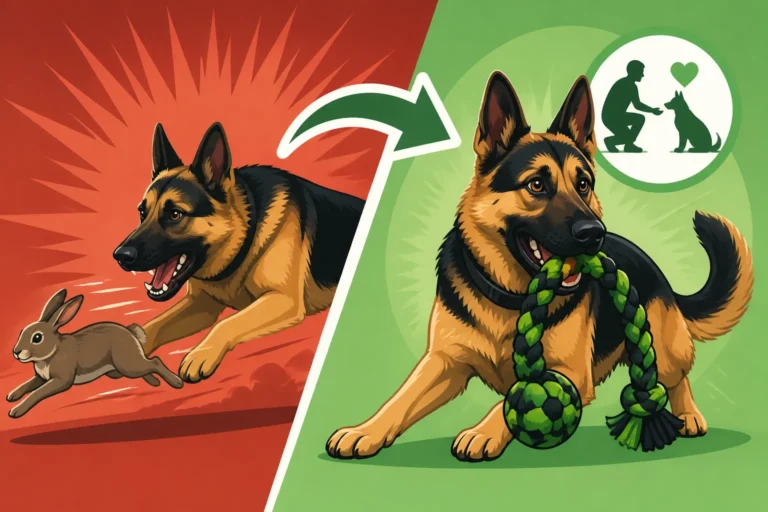
Counter-conditioning means pairing that low-intensity exposure with something your dog absolutely loves, typically high-value food. So, when your German Shepherd sees their trigger at a safe distance, you immediately start feeding them delicious treats. The moment the trigger disappears, the treats stop. Over time, your dog starts to associate the appearance of the trigger with wonderful things happening (treats!) instead of fear or anxiety. The pattern is: trigger appears = treats; trigger disappears = no treats. This slowly, consistently, rewires their emotional response. It’s a painstaking process, often taking weeks or months, but it fundamentally changes how your dog feels.
Building Confidence and Basic Obedience
A strong foundation in basic obedience isn't just about good manners; it's also a powerful tool for building confidence in your German Shepherd and giving them structure in stressful situations.
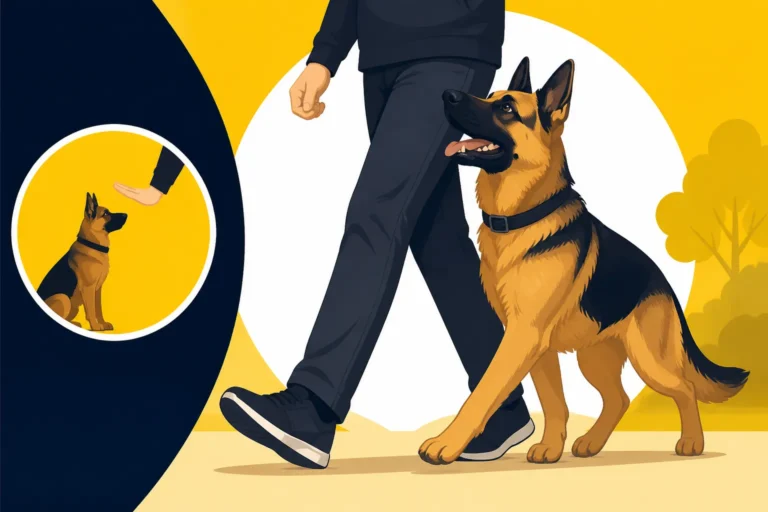
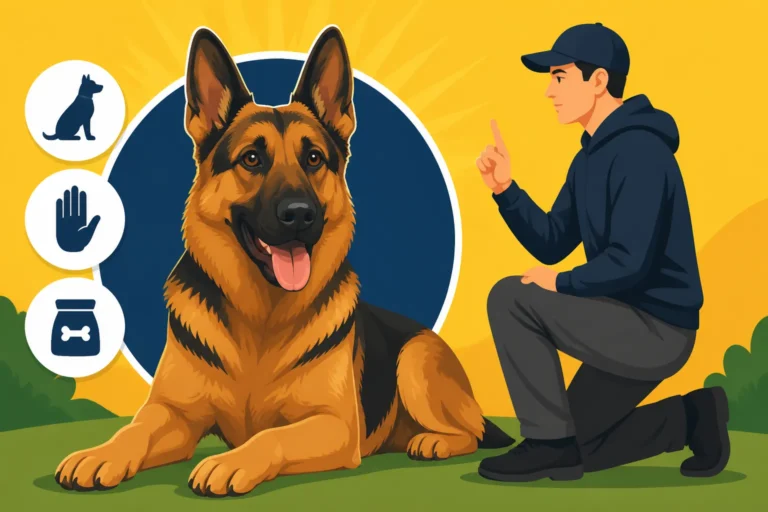
Teaching and reinforcing commands like "watch me" or "look" helps redirect their focus away from the trigger and onto you. A reliable "sit" or "stay" can provide a pause button, giving you a moment to assess the situation and create distance. Practice these commands in increasingly distracting environments, starting with very calm settings and slowly adding more stimuli. Our guide on German Shepherd Obedience Training Basics can provide a great starting point. Furthermore, providing your German Shepherd with tasks and opportunities to succeed, even in simple training games, boosts their self-assurance. When they feel confident in their abilities and trust your leadership, they are less likely to fall back on reactive displays borne from insecurity. This kind of structured interaction also strengthens the bond between you, which is crucial for managing any behavioral challenge.
Providing Adequate Physical and Mental Stimulation
As we touched on earlier, a German Shepherd with unmet physical and mental needs is a ticking time bomb for behavioral issues, including reactivity. Addressing these needs can significantly reduce overall stress and arousal levels, making your dog more receptive to training.
Ensure your German Shepherd gets ample physical exercise every single day. This isn't just a casual stroll; it's robust activity like fetching, running alongside a bicycle, or engaging in dog sports. The amount needed can vary, but generally, at least 60-90 minutes of vigorous exercise spread throughout the day is a good starting point for an adult. Beyond physical exertion, their minds need a workout too. Engage them in puzzle toys, scent games, advanced obedience training, or even teach them fun tricks. Enrichment activities provide an outlet for their intelligence and natural drives, preventing boredom and frustration. For a deep dive into keeping your German Shepherd engaged, check out Best Mental Stimulation for German Shepherds. A tired German Shepherd, both physically and mentally, is a calmer German Shepherd, and a calmer dog is far less likely to react impulsively to triggers.
| Reactivity Trigger | Underlying Motivation (Common) | Management Strategy | Training Approach | Essential Tools (e.g., from Amazon) |
|---|---|---|---|---|
| Other Dogs | Fear, Frustration, Overexcitement | Avoid narrow paths, walk at off-peak hours, increase distance | Desensitize & counter-condition, "look at me" command, parallel walks (with professional) | Front-clip harness, high-value treats, long line |
| Strangers/People | Fear, Suspicion, Protectiveness | Cross the street, create distance, avoid crowds | Desensitize & counter-condition, reward calm observation, build confidence with strangers | Head halter (if needed), treat pouch, comfortable muzzle |
| Bicycles/Skateboards | Fear of fast-moving objects, Prey Drive | Anticipate and redirect, use wide buffers, avoid busy paths | Desensitize with stationary objects, gradually introduce movement, teach "leave it" | Long leash, favorite toys for redirection |
| Loud Noises | Fear, Startle Response | Identify triggers, provide safe den (crate), white noise | Sound desensitization CDs, pair with positive experiences (treats, play) | Sound machine, calming chews |
| Leash Frustration | Restricted movement, desire to greet/flee | Use longer leash (10-15 ft), avoid tight leash, engage dog | Focus games, "touch" command, release cue for controlled greetings | Sturdy harness, biothane long line |
Realistic Expectations and Long-Term Commitment
Understanding reactivity and implementing training strategies is a significant first step, but it's equally important to approach this journey with realistic expectations. Reactivity is often deeply ingrained, and while great strides can be made, it's rare for a highly reactive German Shepherd to become completely "cured" overnight, or even within a few weeks. This is a commitment.
Understanding That There's No Quick Fix
One of the most common frustrations owners face is the desire for a rapid solution. You might see online videos or hear stories that promise instant results, leading to disappointment when your own German Shepherd doesn't show immediate transformation. The truth is, reactivity developed over time, and it will take time – often many months, even years – to modify.
Think of it like learning a new language or breaking a deeply ingrained habit. It requires consistent effort, repetition, and a lot of patience. There will be good days where your German Shepherd walks past a trigger without a peep, and then there will be days where they regress, lunging and barking seemingly out of nowhere. These setbacks are normal, not a failure on your part or your dog's. It simply means you need to adjust your strategy, perhaps increase your distance from triggers, or revisit foundational training steps. The journey is about incremental progress, not a sudden leap to perfection. The goal is often to manage the behavior, reduce its intensity and frequency, and help your German Shepherd feel safer and more comfortable in the world, rather than eliminating it entirely. For further reading on managing tricky behaviors, consider our guide on German Shepherd Behavior Problems and Solutions.
Celebrating Small Victories
Given the long-term nature of managing reactivity, it's absolutely vital to celebrate every single small victory along the way. Focusing solely on the end goal can be disheartening, especially during those inevitable setbacks.
Did your German Shepherd notice another dog across the street but only offered a soft whine instead of a full-blown bark-and-lunge? That's a huge win! Did they walk calmly past a bicycle that usually sets them off, even if it was at a greater distance than usual? Celebrate it with praise and high-value treats! Acknowledging these small successes helps you, the handler, stay motivated and recognize the progress that is happening. It reinforces the idea that your hard work is paying off. It also helps you appreciate your dog's efforts and growth. These little steps are building blocks toward a more confident and calmer German Shepherd. Remember, every time your dog doesn't react, or reacts less intensely, they are practicing a new, more positive coping mechanism. Keep a training journal if it helps, noting down triggers, distances, and your dog's reactions. This provides tangible evidence of progress and can be incredibly encouraging when you feel like you're not getting anywhere. You're doing the hard work, and your German Shepherd is learning; that alone is worth celebrating.
Disclaimer
The information provided in this article is for educational and informational purposes only and does not constitute veterinary or professional behavioral advice. Always consult with a qualified veterinarian or certified professional dog trainer/behaviorist before making any decisions about your German Shepherd's health or training regimen, especially concerning reactivity or aggression. Individual results may vary.