German Shepherd Nail Trimming Guide
One of the most overlooked yet vital aspects of caring for your magnificent German Shepherd is regular nail trimming, and let's be honest, it's often the task we dread the most. Many owners struggle with a dog who hates having their paws handled, making this seemingly simple chore a wrestling match or a source of anxiety for everyone involved. This comprehensive guide will walk you through everything you need to know to make German Shepherd nail trimming a less stressful, more successful experience for both you and your beloved companion.
Why Regular Nail Trimming is Crucial for German Shepherds
It might seem like a minor detail in the grand scheme of caring for such a robust breed, but neglecting your German Shepherd's nails can lead to a cascade of problems, from discomfort to serious health issues. Think of it this way: their paws are their foundation, and if that foundation is compromised, their entire well-being can suffer.
Understanding the "Quick" and Avoiding Injury
The biggest fear for most German Shepherd owners when it comes to nail trimming is "quicking" their dog. The "quick" is a sensitive area within the nail that contains blood vessels and nerves. If you cut into the quick, it's not only painful for your dog but will also cause bleeding, which can be quite alarming. For German Shepherds with dark nails, the quick is incredibly hard to see, adding to the challenge and anxiety. This is why many owners prefer a light touch, trimming only the very tip, or opting for a grinder.
When the quick is cut, it's a negative experience that can make your German Shepherd even more resistant to future trimmings. It creates a memory of pain and fear, making desensitization much harder. Understanding its location, even if you can't see it, is paramount. As the nail grows longer, so does the quick, which means consistently long nails perpetuate the problem, pushing the quick further out and making it even harder to trim safely without causing pain.
Long-Term Health Risks of Overgrown Nails
Beyond the immediate discomfort, overgrown nails can lead to a host of long-term health problems for your German Shepherd. When nails get too long, they start to push back into the nail bed and put pressure on the paw joints. This constant pressure can misalign the bones in the paw, leading to pain and lameness. It's not uncommon for veterinarians to see dogs with arthritis in their feet directly attributable to years of neglected nail care.
These issues don't stop at the paws. The altered gait caused by long nails can affect your German Shepherd's entire musculoskeletal system. They might shift their weight differently, putting undue stress on their knees, hips, and spine. Over time, this can exacerbate existing conditions like hip or elbow dysplasia, which are already prevalent in the breed, or even contribute to new joint problems. Maintaining proper nail length is a simple yet effective way to support your dog's overall orthopedic health, an important consideration given their predisposition to conditions like German Shepherd Hip Dysplasia Explained.
Behavioral and Comfort Issues
Imagine walking around all day with shoes that are too small, or constantly stubbing your toes. That's a bit like what your German Shepherd experiences with overgrown nails. The discomfort isn't just physical; it affects their behavior and quality of life. Long nails can get caught on carpets, furniture, or rough terrain, leading to painful tears or even avulsion (the nail being ripped off), which requires immediate veterinary attention.
Dogs with long nails might also avoid certain activities they once enjoyed, like running on hard surfaces or playing fetch, because it's simply too painful. They might become reluctant to walk, develop a hesitant gait, or even become irritable due to chronic discomfort. This can be especially frustrating for a high-energy breed like the German Shepherd, who thrives on activity. Regular nail care contributes significantly to their overall comfort, happiness, and willingness to engage in the exercise they need to stay healthy.
Essential Tools for German Shepherd Nail Trimming
Choosing the right tools is half the battle when it comes to stress-free nail maintenance. Investing in quality equipment specifically designed for large, strong nails like those of a German Shepherd will make the process smoother and safer for everyone involved. Don't cheap out here; a flimsy clipper can make the job impossible and dangerous.
Types of Nail Clippers and Grinders
When it comes to clippers, you'll generally find two main types for German Shepherds: guillotine style and scissor (or plier) style. Guillotine clippers have a small hole where you insert the nail, and a blade slides through to cut it. They can be effective, but their design makes it harder to see the nail end clearly, especially for thick German Shepherd nails. They also might not be strong enough for very thick nails.
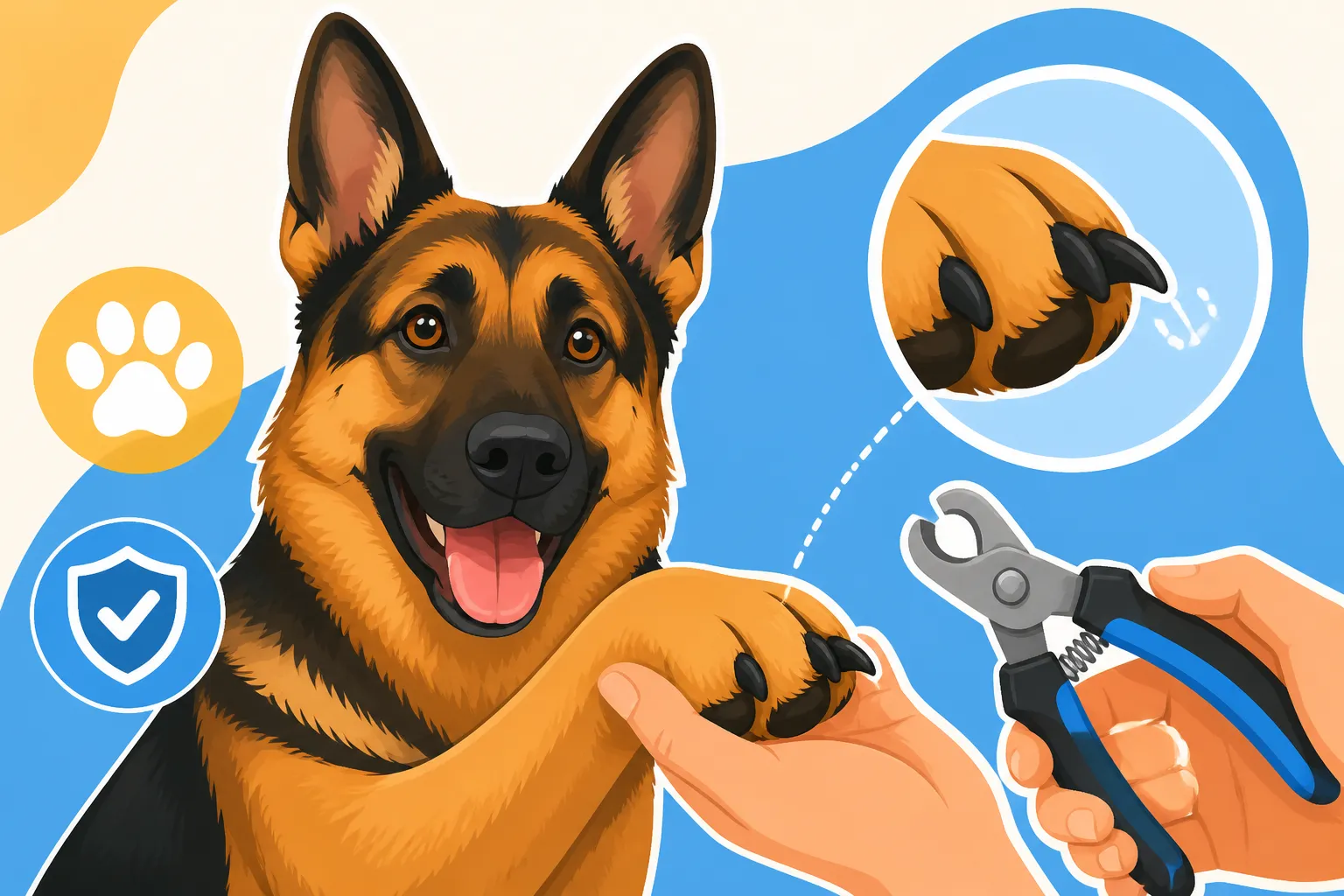
Scissor-style clippers, often resembling a sturdy pair of pliers, are typically preferred for German Shepherds. Brands like Safari and Millers Forge offer robust, sharp scissor-style clippers that can handle the density of a German Shepherd's nail with ease. These provide a better view of the nail as you cut and offer more leverage, making a clean, quick cut possible. Always ensure the blades are sharp; dull clippers can crush the nail, causing pain and splintering. You can find a good selection of these on platforms like Chewy or Amazon.
Nail grinders, like those from Dremel or Andis, offer an excellent alternative, especially for dogs fearful of clippers or those with dark nails. Grinders use a rotating abrasive bit to file down the nail gradually. This method allows for more control, reduces the risk of quicking significantly, and can even help to recede the quick over time with consistent, short grinding sessions. While some dogs are initially wary of the sound and vibration, many adapt well with proper introduction and positive reinforcement.
Styptic Powder and Other Safety Essentials
No matter how careful you are, accidents can happen, especially when you're first learning or dealing with a squirmy German Shepherd. That's why having styptic powder on hand is non-negotiable. Products like Kwik Stop are readily available and act as a vasoconstrictor, quickly stopping bleeding if you nick the quick. Simply apply a pinch of the powder directly to the bleeding nail and apply gentle pressure. It stings for a moment, but it's incredibly effective. Always have it within arm's reach before you even start trimming.
Beyond styptic powder, consider having a few other safety and comfort items nearby. Good lighting is crucial – a bright headlamp can illuminate the nail and help you see the quick, especially if your German Shepherd has black nails. Non-slip mats or rugs can provide stability for your dog, making them feel more secure and less likely to struggle. And of course, an abundance of high-value treats is an absolute must to create a positive association with the process. You can find these essential items, including specialized pet first-aid supplies, on Amazon.
Rewards and Distractions
The power of positive reinforcement cannot be overstated, particularly with German Shepherds who are intelligent and prone to associating experiences with outcomes. High-value treats, such as small pieces of cooked chicken, cheese, or specialized training treats, should be used liberally throughout the nail trimming process. Offer them before, during, and after each nail is trimmed, even if it's just for touching their paw. The goal is to make your German Shepherd think, "Nail trim equals yummy rewards!"
Distractions can also be incredibly helpful. A lick mat smeared with peanut butter (xylitol-free, of course!) or a favorite wet food can keep your German Shepherd occupied and focused on something pleasant while you work on their paws. Interactive chew toys filled with treats can also serve this purpose. For more insights on positive training methods, consider exploring resources like "How to Train a German Shepherd." The key is to find what your individual dog values most and leverage it to make nail time a positive, or at least tolerable, experience.
Step-by-Step Guide to Trimming Your German Shepherd's Nails
Now that you're equipped with the right tools and mindset, let's get down to the actual process. Taking it slow and being methodical will build trust and reduce anxiety for your German Shepherd. Remember, consistency is more important than perfection in any single session.
Preparing for a Stress-Free Session
Preparation is key. Before you even think about picking up the clippers, choose a quiet, comfortable space where you and your German Shepherd won't be interrupted. Lay down a non-slip mat or towel for stability. Gather all your tools: clippers or grinder, styptic powder, a bright light, and plenty of high-value treats. Having everything within reach means you won't have to pause the session to hunt for a forgotten item, which can disrupt your dog's focus and comfort.
Spend a few minutes simply handling your German Shepherd's paws without any tools involved. Gently touch their toes, lift their paw, and give them treats. This desensitization process, done regularly, will help them get used to having their feet handled, which is often the biggest hurdle. You might even want to play with the clippers or grinder nearby (without actually using them on the dog) so they get used to the sound and sight. For puppies, starting this early is crucial, as covered in a "German Shepherd Puppy Training Guide." The calmer and more prepared you are, the more relaxed your German Shepherd will be.
The Clipping Technique: Angle and Amount
When you're ready to clip, hold your German Shepherd's paw firmly but gently. Isolate one toe at a time. The general rule of thumb is to cut only the very tip of the nail, aiming for the part that curves downward and would make contact with the ground. For German Shepherds with clear or translucent nails, you might see the pink quick ending before the white tip. For dark nails, aim for the point where the nail starts to thin and curl. A good visual cue is to trim until the nail is flush with the paw pad when your dog is standing.
The ideal angle for clipping is straight across, or with a slight upward angle, following the natural curve of the nail. Avoid cutting at a steep angle that could put pressure on the nail bed. Instead of trying to take off a lot at once, opt for frequent, small trims – a little bit every week or two – rather than infrequent, aggressive cuts. This not only reduces the risk of quicking but also helps the quick recede over time, making future trims even easier. After each successful clip, immediately offer a treat and praise. Remember, even if you only manage a few nails in one session, that's a victory!
Using a Nail Grinder: A Quieter Alternative
If your German Shepherd is particularly sensitive to clippers, a nail grinder can be a fantastic alternative. The process starts similar to clipping: get your dog comfortable with having their paws handled and introduce them to the sound and vibration of the grinder. Start by turning it on for short bursts, offering treats, without even touching their nails. Gradually, introduce the grinder to their paw, touching it to a nail for just a second or two, then immediately rewarding.
When grinding, gently hold your German Shepherd's paw and push back any fur that might get tangled in the grinder. Hold the grinder at a slight angle to the bottom of the nail and use short, light strokes. Don't press down hard, as this can generate heat and cause discomfort. Work on one nail at a time, grinding for just a few seconds, then moving to the next. This prevents overheating and keeps the session short and positive. The goal is to gradually shorten the nail and round off the edges. For dark nails, grinding is safer as it allows you to see the concentric rings of the nail, indicating you're getting close to the quick. You can get quality grinders from pet supply stores or online retailers like Chewy.
| Tool Type | Pros | Cons | Best For |
|---|---|---|---|
| Scissor Clippers | Quick, clean cuts; generally affordable; good for thick nails. | Risk of quicking if not careful; can be intimidating for fearful dogs; dull blades can crush nails. | Confident owners; dogs tolerant of paw handling; quick maintenance. |
| Guillotine Clippers | Easy to position nail; good for small to medium nails. | Can be challenging for very thick German Shepherd nails; harder to see the nail end clearly. | Smaller breeds; specific nail shapes. |
| Nail Grinder | Reduces risk of quicking; can recede the quick over time; smooth finish. | Can be noisy/vibrating (scares some dogs); takes longer per nail; generates dust/heat. | Dogs fearful of clippers; dark-nailed dogs; gradual trimming. |
Overcoming Challenges and Fear with Nail Trimming
It's completely normal for German Shepherds, especially rescue dogs or those with previous negative experiences, to be fearful of nail trims. Don't despair! With patience, consistency, and positive reinforcement, you can help your dog overcome their apprehension.
Desensitization and Positive Reinforcement
The core of overcoming fear lies in desensitization and positive reinforcement. This isn't a one-time fix; it's a gradual process that involves breaking down the scary event (nail trimming) into tiny, manageable steps and associating each step with something wonderfully positive. Start by simply touching your German Shepherd's paw, giving a treat. Repeat this many times over several days or weeks. Then, gently hold a toe, give a treat. Touch the clippers to the nail without clipping, give a treat.
Slowly introduce the sound of the clippers or grinder. Turn them on in another room, then closer, always pairing the sound with treats. The goal is to change your German Shepherd's emotional response from "danger!" to "treats are coming!" Be patient, never force the issue, and always end on a positive note, even if you only managed to touch a paw. This methodical approach is also valuable for addressing other common "German Shepherd Behavior Problems and Solutions" such as reactivity or anxiety.
Handling a Fearful or Reactive Dog
If your German Shepherd is genuinely reactive – growling, snapping, or trying to bite – during nail trims, it's crucial to prioritize safety for both of you. A muzzle might be a necessary temporary tool, but it should always be introduced positively, separate from the nail trim, so your dog doesn't associate it solely with the dreaded event. Basket muzzles allow dogs to pant and take treats, making them a better choice for training.
For highly fearful or reactive dogs, consider doing very short sessions, even just one nail a day, or simply touching one paw. The goal is to build positive experiences. Enlist the help of another person if possible, with one person distracting and rewarding, and the other performing the trim. Some dogs respond well to being gently cradled or having their head rested on a lap, while others prefer to stand. Understanding your dog's body language is key. Look for signs of stress: yawning, lip-licking, averting eyes, or trembling. If you see these, pause, reassess, and make the next step even smaller.
When to Seek Professional Help
There's no shame in admitting you need help, especially with a large, strong dog like a German Shepherd. If you've tried desensitization and positive reinforcement consistently for weeks or months without significant progress, or if your dog's fear is so intense that you can't safely approach their paws, it's time to call in the professionals.
Your veterinarian or a professional dog groomer has experience with fearful dogs and specialized equipment. They might use a technique called "cooperative care," which trains dogs to willingly participate in their care. In some extreme cases, a veterinarian might suggest mild sedation for nail trims, particularly if overgrown nails are causing pain or posing a health risk. This allows for a stress-free experience for the dog while the nails can be safely brought back to a healthy length. This might be a temporary measure while you work on long-term desensitization at home.
Maintaining Nail Health Beyond Trimming
While trimming is the primary method of nail care, it's part of a larger picture of overall paw health. What your German Shepherd does daily and how you observe their paws can significantly impact how often and how easily you can maintain their nails. This aligns with a broader strategy on how to keep a German Shepherd healthy.
Recognizing Signs of Overgrown Nails
The most obvious sign of overgrown nails is when you hear them clicking on hard floors as your German Shepherd walks. If you can hear them, they're too long. Ideally, your dog's nails should not touch the ground when they are standing. Another indicator is if the nails are visibly curling or growing sideways, or if they appear to be pushing the toes upwards.
Regularly inspect your German Shepherd's paws. Look for splayed toes, redness or swelling around the nail beds, or any limping or reluctance to bear weight. Overgrown nails can cause these issues, but they can also be signs of other underlying problems, so don't hesitate to consult your vet if you notice anything unusual. Paying attention to these subtle cues can help you prevent discomfort and catch issues before they escalate, reinforcing the importance of diligent German Shepherd care.
The Role of Exercise and Environment
The type and amount of exercise your German Shepherd gets can naturally help wear down their nails. Regular walks on abrasive surfaces like pavement, concrete, or rocky trails can act like a natural grinder, keeping nails shorter. However, walks solely on grass or soft dirt won't have the same effect. It's important to balance these surfaces to ensure paw pad health too. Remember to still regularly check and trim as needed, as even active dogs can have nails that grow too quickly or unevenly.
Understanding your German Shepherd's individual needs is paramount. Some dogs have faster-growing nails, while others might have nails that are more brittle or prone to splintering. Factors like diet, age, and genetics can also play a role. For instance, senior German Shepherds might be less active, leading to faster nail growth, so their "German Shepherd Senior Care Guide" should definitely include more frequent checks. Ensuring they get adequate mental and physical exercise, as highlighted in "German Shepherd Exercise Requirements," will contribute to their overall health, including their paw health.
The Journey to Stress-Free German Shepherd Nail Care
Embarking on the journey of stress-free nail care for your German Shepherd is a marathon, not a sprint. It demands patience, understanding, and consistent effort. There will be days that are easier than others, and there will be moments of frustration. But remember, every small victory – a paw held calmly, one nail clipped without a fuss, a treat happily accepted – builds towards a future where this essential grooming task becomes just another routine part of your life together.
By understanding the vital importance of regular trimming, equipping yourself with the right tools, and approaching the task with a calm, positive, and systematic method, you're not just preventing problems; you're actively contributing to your German Shepherd's comfort, mobility, and overall happiness. Don't underestimate the impact that healthy, well-maintained paws have on their entire well-being. It's a testament to your dedication as a German Shepherd owner, ensuring they can stride confidently, play joyfully, and live their best, pain-free life by your side.
Disclaimer
The information provided in this guide is for educational purposes only and should not be considered a substitute for professional veterinary advice. Always consult with a qualified veterinarian or professional groomer for any health concerns or before making changes to your German Shepherd's care routine.